Air Pistols for Pest Control 2026: Top Selection for Quick Precision
Air pistols for pest control offer unmatched accuracy and speed for handling pesky intruders in your garden or property. They combine precision engineering with ease of use, letting you act quickly without stress. From lightweight designs to robust builds, these tools cater to those who demand efficiency and reliability. Whether it's tiny rodents or mischievous birds, air pistols provide the control needed to address nuisances without hassle. Interchangeable sights and adjustable power ensure every shot lands where intended, while ergonomic grips reduce fatigue over extended use. Plus, easy maintenance keeps performance consistent, allowing you to focus on results rather than upkeep. This range ensures that frustration turns into satisfaction as pests are managed effectively.
Durable barrels and smooth trigger mechanisms make rapid response and repeated use straightforward. Whether defending crops, storage areas, or open spaces, these pistols combine practicality with precision. It's a tool that respects your time and effort while delivering dependable results. Compact designs also make them portable for quick action anywhere, blending efficiency with convenience seamlessly. Explore models with safety features to protect yourself and others, ensuring that your pest control efforts remain both effective and responsible. Overall, these air pistols transform a challenging task into a manageable, even satisfying experience.
Crosman P1322 American Classic Air Pistol
Backyard target sessions usually fall apart fast once accuracy turns inconsistent or the grip starts feeling awkward after ten minutes. That’s where the air pistols for pest control category starts separating decent models from genuinely dependable ones. Crosman’s P1322 American Classic keeps things old-school in the best possible way, blending a multi-pump pneumatic system with a surprisingly capable rifled steel barrel. Small details matter here, and honestly, the straightforward design gives this pistol a rugged personality that feels refreshingly practical.
P1322 Overview
Crosman P1322 carries a reputation built around simplicity rather than flashy extras. The single-shot bolt action keeps loading direct and uncomplicated, while the variable pump power lets shooters adjust velocity depending on distance and control needs. That flexibility matters more than people expect, especially in tight spaces where too much power can become more annoying than useful. A lot of air pistols feel gimmicky after extended use, yet this one leans heavily into consistency and mechanical reliability.
The synthetic grip deserves more attention than it usually gets. Plenty of pistols in this category either feel slippery or awkwardly bulky, but the grip here settles naturally into the hand. Long practice sessions feel less fatiguing, and that alone changes the experience dramatically. Small adjustments in wrist position stay manageable because the pistol doesn’t fight against the shooter during aiming.
Variable pump power also changes the personality of this air pistol depending on how it’s used. Fewer pumps create smoother handling for casual plinking, while maximum pumps push velocity up to around 460 fps for stronger impact. That adaptability makes the pistol feel less limited compared to fixed-power competitors. Some shooters enjoy tuning each shot manually, while others may find the pumping routine part of the charm.
Mechanical air pistols sometimes suffer from clunky cocking systems, though the single-shot bolt action on the P1322 remains surprisingly manageable. Loading pellets feels direct without excessive resistance, and the action gives satisfying tactile feedback. Oddly enough, that physical interaction adds character to the shooting experience. It feels deliberate instead of rushed.
Accuracy And Barrel Performance
The rifled steel barrel plays a massive role in the pistol’s surprisingly steady accuracy. Short-range grouping stays tight enough for precision training, and the consistency becomes noticeable after only a few magazines worth of shooting. Cheap smoothbore pistols often scatter pellets unpredictably, which ruins confidence quickly. Crosman avoided that trap here by focusing on practical barrel quality instead of cosmetic upgrades.
Fixed front sights paired with an adjustable rear sight create a straightforward aiming system that works well under different lighting conditions. Tiny corrections feel easy because the rear sight adjustments respond predictably. That sounds basic, sure, but poor sight systems can wreck even a decent barrel. The setup here stays refreshingly functional without trying too hard.
Several shooters appreciate how pump control influences shot stability. Lower pump counts reduce recoil-like movement and help newer shooters maintain smoother follow-through. Higher pump levels naturally require more effort, though the extra velocity helps maintain cleaner impacts at moderate distances. That balance between control and power gives the P1322 more versatility than many fixed-output air pistols.
Handling And Everyday Use
The lightweight frame helps this pistol remain comfortable during extended sessions. Some heavier pneumatic pistols start dragging on the wrist after repeated aiming drills, but the P1322 stays balanced enough for relaxed shooting. That balance becomes especially noticeable during standing shots where arm fatigue usually sneaks in. Small ergonomic wins like that often separate enjoyable air pistols from frustrating ones.
Crossbolt safety operation feels simple and intuitive without becoming intrusive. Safety systems should stay easy to verify quickly, and Crosman handled that properly here. There’s no awkward fumbling or overly stiff movement. Practicality takes center stage instead of overengineered nonsense.
The pumping process creates a rhythm that some shooters genuinely enjoy. Sure, pre-charged pneumatic models offer faster follow-up shots, but the manual pumping here adds involvement to every shot. Slowing things down often improves focus naturally. Missed shots become learning moments instead of rushed mistakes.
Training Potential And Skill Building
Skill development training is honestly where the P1322 shines brightest. Manual pumping forces shooters to slow down and concentrate on shot placement rather than speed. Trigger control, breathing rhythm, and sight alignment become much more noticeable during use. Fast semi-auto pistols sometimes hide bad habits, while this one exposes them immediately.
The adjustable rear sight encourages experimentation with zeroing and holdover techniques. Tiny corrections become visible quickly at common practice distances, helping shooters understand trajectory behavior more naturally. That educational value turns casual practice into something more rewarding. Repetition starts building confidence instead of frustration.
Another underrated advantage comes from the single-shot loading system. Each pellet insertion demands focus and patience, which subtly improves discipline during training sessions. Rushed follow-up shots disappear from the equation. That slower pace often produces better accuracy improvements over time.
Some related pneumatic designs share similar characteristics, and a comparable reference appears in Crosman Phantom P10 air pistol. Mechanical simplicity and controlled shooting behavior continue attracting enthusiasts who prefer hands-on shooting experiences over heavily automated systems.
Strengths And Limitations
The biggest strength of the P1322 lies in its adaptable power system combined with reliable accuracy. Rifled steel barrels at this price range aren’t always common, and Crosman clearly prioritized functional shooting performance. Handling remains comfortable, while maintenance requirements stay relatively low. Those traits help the pistol age gracefully with regular use.
Manual pumping, however, won’t suit everyone. Rapid shooting becomes tiring after extended sessions, especially at higher pump levels. Some shooters prefer the convenience of CO2 cartridges or PCP systems for faster follow-up shots. Still, the tradeoff brings independence from cartridges and tanks, which plenty of users appreciate.
The single-shot design also slows things down considerably. Fast pest control scenarios may feel less convenient compared to magazine-fed alternatives. Yet the slower pacing improves precision and encourages more deliberate shooting habits. Different shooters will either love or hate that characteristic depending on expectations.
Durability feels reassuring overall. The combination of synthetic grip materials and steel barrel construction keeps the pistol grounded in practical use rather than flashy marketing claims. Little creaks or rattles remain minimal during handling. That sturdy personality helps explain why this model has maintained long-term popularity among air pistol enthusiasts.
Crosman P1377 American Classic Air Pistol
Late afternoon practice sessions can get irritating fast once an air pistol starts spraying pellets all over the place or feels flimsy after a few rounds. Plenty of shooters searching for air pistols for pest control end up frustrated by inconsistent velocity, awkward loading systems, or grips that feel like plastic toys. Crosman took a different route with the P1377 American Classic, leaning into mechanical simplicity and practical accuracy instead of unnecessary gimmicks. The result feels surprisingly satisfying, especially for anyone who enjoys a hands-on shooting experience rather than something overly automated.
P1377 American Classic
Crosman P1377 American Classic keeps things refreshingly straightforward. The multi-pump pneumatic design allows shooters to control velocity manually, which changes how the pistol behaves depending on the task. Lower pump counts work nicely for casual backyard target shooting, while maximum pumps push velocity up to around 600 fps. That flexibility gives the pistol more range than many fixed-power air pistols sitting in the same price category.
The synthetic frame and grip keep overall weight manageable without making the pistol feel cheap. Some lightweight pistols rattle around like hollow toys, though the P1377 holds together with a sturdier personality. Grip texture feels simple but comfortable enough for extended sessions. Tiny details like that matter once several dozen shots pile up.
The rifled steel barrel ends up being one of the strongest features here. Pellet flight stays surprisingly stable at short-to-medium distances, helping tighter groupings feel achievable even without premium optics. Cheap smoothbore pistols usually start drifting unpredictably after a few shots, but this setup stays more disciplined. Accuracy becomes less of a guessing game and more about shooter consistency.
Mechanical interaction plays a huge role in the overall charm. Pumping the pistol before each shot creates a deliberate rhythm that slows everything down in a good way. Fast shooting loses priority, while precision starts taking center stage. Oddly enough, that extra involvement makes practice sessions feel more rewarding instead of repetitive.
Accuracy And Sight Performance
The adjustable rear sight gives this pistol a practical edge for shooters who actually care about dialing in precision. Tiny corrections become easy to manage, especially during repeated target sessions. Fixed sights often create frustration once pellets start drifting off-center, though the P1377 avoids that issue nicely. The sight picture feels clean without becoming cluttered or distracting.
Fixed blade front sights also help maintain quick alignment during casual shooting. Bright outdoor conditions remain manageable because the sight setup stays easy to track visually. Some compact air pistols suffer from tiny, awkward sight systems that strain the eyes after extended use. Crosman kept things basic here, and honestly, that simplicity works.
Several shooters notice how pump control changes shot behavior almost immediately. Lower pump counts create smoother handling and quieter shots, while higher pump levels deliver noticeably stronger impact. That manual adjustment adds versatility without requiring extra accessories or complicated tuning. One shooting session can feel completely different from the next depending on setup preferences.
Pellet selection matters quite a bit with this model. Lightweight pellets usually deliver flatter trajectories, while heavier options create steadier impacts at closer distances. In real-world usage, a related reference appears in best pellets for Crosman air rifle discussions where shooters experiment with consistency and grouping improvements. Tiny ammo differences become surprisingly noticeable once the barrel starts showing its potential.
Handling And Shooting Feel
The single-shot bolt action feels direct and uncomplicated. Loading pellets stays easy enough for beginners, though experienced shooters will probably appreciate the clean mechanical feedback even more. Some repeating systems sacrifice reliability for speed, but the P1377 sticks with consistency instead. That slower pace encourages deliberate shooting habits naturally.
Crossbolt safety placement remains intuitive without interrupting the shooting flow. Safety systems should feel simple, and Crosman handled that properly here. There’s no awkward thumb movement or excessive stiffness getting in the way. The pistol feels designed around actual use rather than showroom aesthetics.
Weight distribution deserves more credit than it usually gets. The pistol balances nicely in the hand, helping reduce wrist fatigue during longer practice sessions. Heavy front-loaded air pistols can become annoying surprisingly fast, especially during standing shots. The P1377 avoids that problem with a more controlled feel overall.
Noise levels stay relatively reasonable compared to louder CO2-powered alternatives. Backyard sessions become less disruptive, which matters more than people admit. The pumping process itself produces more sound than the actual shot sometimes. That softer shooting report gives the pistol a calmer personality during repeated use.
Pros And Frustrations
The strongest advantage sits in the pistol’s adaptability. Variable pump power, decent accuracy, and lightweight handling combine into a setup that feels flexible instead of restricted. Shooters can tune the experience manually rather than relying on fixed output limitations. That mechanical control creates a more engaging shooting routine overall.
Accuracy potential also punches above expectations for a pistol in this category. The rifled steel barrel consistently helps tighten groups once sight adjustments get dialed in properly. Smooth shooting rhythm improves confidence over time, especially during skill-building practice. Frustrating random flyers become less common compared to cheaper alternatives.
Still, manual pumping won’t appeal to everyone. Rapid follow-up shots become tiring during longer sessions, particularly at maximum pump levels. Shooters expecting quick semi-auto pacing may lose patience eventually. The pistol rewards slower precision rather than aggressive shooting speed.
The single-shot design creates another tradeoff. Reloading between every shot naturally slows momentum, especially during pest control situations requiring quick reactions. Yet that same limitation improves focus and discipline during practice sessions. Some shooters end up appreciating the slower pace more than expected once they settle into the rhythm.
Everyday Practical Experience
Daily usability feels surprisingly approachable with the P1377. Maintenance stays simple, and the pneumatic system removes dependency on disposable CO2 cartridges. That independence becomes valuable during frequent shooting routines where cartridge costs can quietly pile up. Long-term ownership starts feeling more economical because of it.
The grip design remains comfortable enough for extended target practice without creating pressure hotspots. Some compact air pistols feel cramped after a while, though this one maintains decent control through repeated handling. The shape encourages stable wrist positioning naturally. Small ergonomic details quietly improve overall accuracy.
Durability gives the pistol another practical edge. The synthetic construction resists wear reasonably well, while the steel barrel reinforces the feeling of long-term reliability. Little mechanical rattles stay minimal during handling. That solid character helps the pistol avoid the disposable feel common in cheaper air pistols.
Skill development potential keeps this model relevant even for experienced shooters. Trigger control, breathing rhythm, and sight alignment become easier to refine because the pistol slows everything down naturally. Fast-firing systems sometimes hide bad habits, but the P1377 exposes them immediately. Practice becomes more deliberate, and honestly, far more satisfying.
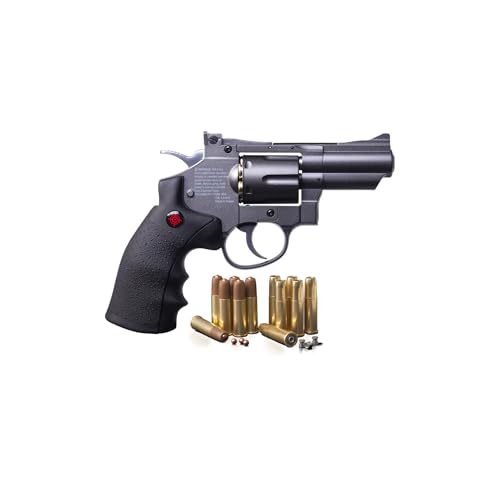
Crosman SNR357 CO2 Revolver Air Pistol
Cheap revolver-style air pistols usually fall into the same trap. They look flashy for about five minutes, then the trigger feels mushy, the frame rattles, and accuracy disappears faster than expected. That frustration pushes many shooters toward more dependable air pistols for pest control, especially models balancing realism with actual shooting performance. Crosman’s SNR357 Snub Nose enters the scene with a heavy full-metal body, reusable cartridges, and enough personality to feel more serious than the average backyard plinker.
SNR357 Snub Nose
Crosman SNR357 leans heavily into revolver realism, and honestly, that’s part of its appeal. The full-metal construction gives the pistol genuine heft, avoiding the toy-like feel common in lightweight polymer competitors. Picking it up for the first time immediately changes expectations because the balance feels deliberate and solid. A lot of CO2 pistols imitate revolvers visually, but this one actually captures some of the handling character too.
The snub nose design also changes the shooting experience in subtle ways. Compact proportions make the pistol easier to maneuver in tighter spaces, while the shorter profile keeps the revolver feeling balanced during one-handed shooting. Fast target transitions feel smoother than expected. That compactness adds practical value instead of serving purely cosmetic purposes.
Reusable pellet and BB cartridges bring another layer of realism that many shooters genuinely enjoy. Loading each shell individually feels slower, sure, though it also creates a more immersive rhythm during practice sessions. Some shooters prefer magazines for convenience, but these cartridges make every shot feel intentional. The process adds character rather than becoming annoying.
CO2-powered revolvers sometimes struggle with consistency after rapid shooting, yet the SNR357 handles pacing reasonably well. Velocity stays respectable for backyard training and casual pest-control situations. The revolver won’t replace a high-powered PCP pistol, obviously, though it wasn’t designed for that role anyway. Practical handling matters more here than brute force.
Power And Shooting Performance
The CO2 system gives the revolver enough snap to feel lively without becoming difficult to control. Crosman rates the pistol up to around 400 fps with steel BBs and roughly 500 fps using .177 pellets. That performance range fits casual target shooting and short-range pest-control scenarios reasonably well. Shots feel crisp rather than sluggish, especially with fresh cartridges installed.
Pellet compatibility gives the revolver more versatility than BB-only alternatives. Pellets generally provide cleaner accuracy and better consistency compared to steel BBs, particularly at moderate distances. BBs still work nicely for inexpensive plinking sessions, though pellets clearly take the edge once precision matters. Having both options available broadens the pistol’s usefulness considerably.
Trigger feel stays surprisingly manageable for a revolver-style air pistol. Double-action pulls naturally feel heavier, but the resistance remains smooth enough to avoid jerky shots. Single-action firing improves precision noticeably by shortening trigger travel. That flexibility allows shooters to adapt the revolver depending on shooting style or training goals.
The rifled barrel setup helps maintain steadier pellet flight than expected from a compact revolver platform. Short barrels often sacrifice consistency, though the SNR357 performs better than many competing snub-nose air pistols. Tight backyard groupings remain achievable once shooters settle into the trigger rhythm. Accuracy feels dependable rather than random.
Handling And Build Quality
The heavy-weight metal frame changes the entire personality of the revolver. Lightweight air pistols sometimes twitch during aiming because they lack stability, but the added mass here helps settle the sight picture naturally. Holding the pistol feels reassuring instead of flimsy. Long shooting sessions become more comfortable because the balance stays controlled.
The textured grip offers decent control even during warmer outdoor conditions. Sweaty palms can ruin shooting consistency surprisingly fast, especially with slick plastic grips. Crosman avoided that issue by giving the revolver enough texture to stay planted in the hand. Tiny ergonomic decisions like that quietly improve overall performance.
Noise levels land somewhere in the middle of the CO2 category. The revolver produces enough crack to feel satisfying, though it avoids becoming obnoxiously loud during repeated use. Backyard sessions stay manageable without drawing excessive attention. That moderate sound signature makes the pistol more practical for casual environments.
Slide safety placement feels intuitive and easy to operate. Safety mechanisms should never become awkward distractions, and this setup remains straightforward under pressure. Quick transitions between safe handling and shooting position feel natural. Crosman kept the controls simple without overcomplicating the design.
Training Potential And Realism
Skill development training fits naturally with this revolver platform. The cartridge-loading system encourages slower, more deliberate shooting habits rather than reckless rapid-fire sessions. Trigger discipline improves almost automatically because every shot demands more involvement. That hands-on pacing creates surprisingly effective practice opportunities.
Single-action shooting highlights the revolver’s accuracy potential more clearly. Reduced trigger resistance helps maintain steadier sight alignment, especially during precision drills. Double-action firing still feels enjoyable for realistic revolver handling practice. Switching between both modes keeps shooting sessions varied instead of repetitive.
Several shooters appreciate how the revolver bridges casual plinking and more focused practice routines. It feels entertaining enough for relaxed backyard sessions while still offering enough precision for meaningful skill-building. Some air pistols lean too heavily toward realism and sacrifice performance entirely. The SNR357 manages to balance both sides reasonably well.
In some shooting discussions, pellet consistency becomes part of the conversation, and a related reference appears in best pellets for Gamo Varmint air rifle. Ammunition choice often changes accuracy more than many newer shooters expect, especially with CO2-powered revolvers.
Strengths And Tradeoffs
The biggest strength sits in the revolver’s immersive handling experience. Full-metal construction, reusable cartridges, and balanced weight combine into something that feels more authentic than typical entry-level air pistols. Shooting becomes engaging in a tactile way that magazine-fed pistols sometimes miss entirely. Mechanical interaction matters here, and Crosman clearly understood that.
Versatility also deserves credit. Pellet and BB compatibility opens multiple shooting styles without forcing shooters into one specific setup. Casual plinking, target practice, and light pest-control tasks all remain within reach. That adaptability keeps the revolver feeling useful across different situations.
CO2 dependency, however, creates one unavoidable drawback. Performance gradually drops as cartridges empty, particularly during extended rapid-fire sessions. Cold weather can also affect pressure consistency more noticeably than pneumatic systems. Shooters expecting perfectly stable velocity every single shot may eventually notice those fluctuations.
The snub nose barrel introduces another compromise tied to compact revolver design. Longer-barreled air pistols usually squeeze out slightly better precision at extended distances. Still, the shorter setup improves maneuverability and overall balance considerably. Crosman clearly prioritized handling character over long-range dominance, and honestly, that decision fits the revolver’s personality perfectly.
Crosman 2240 .22-Caliber CO2 Air Pistol
Missed shots get irritating fast once an air pistol starts feeling unpredictable or awkward in the hand. Plenty of shooters stepping into the world of air pistols for pest control expect decent power but end up stuck with clunky triggers, flimsy frames, or disappointing accuracy. Crosman’s 2240 Bolt Action avoids most of that nonsense by sticking to a straightforward formula built around reliability, manageable handling, and respectable .22-caliber performance. The pistol feels purpose-built instead of overloaded with gimmicks trying too hard to impress.
Crosman 2240 Overview
Crosman 2240 has earned attention for one major reason: simplicity that actually works. The single-shot bolt-action system keeps loading clean and direct, while the updated bolt design makes cocking smoother than older entry-level CO2 pistols. Some air pistols become frustrating after repeated use because every shot feels like a chore. This one stays refreshingly uncomplicated from the first cartridge to the last.
The .22-caliber setup changes the shooting personality immediately. Smaller calibers often prioritize speed over impact, but the 2240 leans toward stronger pellet energy and steadier close-range authority. That heavier pellet profile creates more satisfying target feedback during practice sessions. Shots feel deliberate instead of lightweight or twitchy.
The ambidextrous grip deserves more credit than it usually gets. Cheap air pistols sometimes ignore ergonomics completely, leaving shooters fighting wrist strain after only a short session. Crosman shaped the grip well enough to maintain balance naturally during one-handed or two-handed shooting. Tiny handling details like that quietly improve overall accuracy.
CO2-powered air pistols often chase excessive velocity numbers while sacrificing control. The 2240 settles into a more balanced middle ground instead. Velocity reaches roughly 460 fps, which feels entirely practical for plinking, target work, and light pest-control use without becoming difficult to manage. Smooth handling matters more here than raw speed bragging rights.
Accuracy And Shooting Feel
The bolt-action mechanism creates a more deliberate shooting rhythm compared to rapid-fire magazine-fed pistols. Each pellet load feels intentional, encouraging shooters to slow down and focus on placement instead of speed. Oddly enough, that slower pace becomes one of the pistol’s biggest strengths. Precision improves naturally once distractions disappear.
The .22-caliber pellets carry satisfying impact at common backyard distances. Pellet flight remains fairly stable when paired with decent ammunition, and short-range grouping feels consistent enough for skill-building practice. Lightweight BB pistols sometimes feel erratic after repeated shots, though the 2240 maintains a steadier personality. Accuracy becomes more predictable instead of frustratingly random.
Several shooters appreciate how CO2 power delivery keeps recoil-like movement minimal. Smooth shot release helps maintain sight alignment more effectively, especially during standing shots. Follow-through becomes easier because the pistol doesn’t jerk unpredictably during firing. Calm shooting behavior often matters more than raw force in practical use.
Trigger response feels reasonably clean for an entry-level CO2 pistol. Some budget models suffer from gritty, heavy triggers that ruin shot timing completely. The 2240 avoids excessive stiffness, helping shooters maintain steadier control throughout the firing cycle. Small mechanical refinements make the overall experience feel more polished than expected.
Handling And Day-To-Day Use
The lightweight frame keeps the pistol comfortable during extended target sessions. Heavier air pistols sometimes create unnecessary fatigue, especially during repetitive practice drills. The 2240 balances comfortably without becoming front-heavy or awkward. That controlled weight distribution improves confidence during repeated shooting.
CO2 cartridge installation stays fairly straightforward. Some powered pistols turn cartridge replacement into a frustrating process involving awkward threading or inconsistent seals. Crosman kept things simple enough that swapping cartridges doesn’t interrupt the shooting flow much at all. Mechanical simplicity remains one of this pistol’s strongest qualities.
Noise levels stay manageable for backyard environments. The pistol produces enough report to feel satisfying without crossing into excessively loud territory. That softer sound signature makes repeated sessions easier on both the shooter and nearby surroundings. Quiet consistency sometimes beats dramatic noise every single time.
The single-shot design creates an interesting tradeoff. Rapid follow-up shots obviously become slower compared to magazine-fed alternatives, though accuracy and focus benefit from that limitation. Rushed shooting habits tend to disappear quickly. Deliberate shooting takes priority naturally.
Skill Development And Practical Use
Skill-building potential feels surprisingly strong with the 2240. Manual pellet loading slows everything down enough for shooters to focus on breathing rhythm, trigger control, and sight alignment. Fast-firing pistols often hide sloppy habits behind rapid shooting. This model exposes mistakes immediately, which honestly helps improvement happen faster.
Target practice sessions become more engaging because the pistol rewards patience. Tiny adjustments in grip pressure or trigger squeeze produce visible changes on target. That kind of direct feedback turns casual shooting into meaningful practice without feeling overly serious. Sessions stay enjoyable instead of clinical.
Backyard pest-control situations also fit the pistol’s strengths reasonably well. The .22-caliber pellet delivers stronger impact than many smaller-caliber alternatives while keeping handling smooth and manageable. Precision matters far more than dumping pellets rapidly, and the 2240 clearly leans toward controlled accuracy. The pistol feels dependable rather than flashy.
In some shooting conversations, compact rifle platforms enter the discussion alongside pistols, and a related reference appears in best bullpup air rifles. Different shooting styles naturally push enthusiasts toward experimenting with handling balance and precision setups.
Strengths And Drawbacks
The strongest feature of the 2240 sits in its balance between simplicity and performance. Straightforward mechanics, decent accuracy, and comfortable handling combine into something approachable without feeling disposable. Some air pistols overload shooters with unnecessary features while forgetting core fundamentals. Crosman kept the focus where it belongs.
The ergonomic grip improves overall usability more than expected. Long practice sessions stay comfortable, and wrist strain remains minimal even after repeated shooting. Good balance also helps newer shooters maintain steadier aim naturally. Small ergonomic improvements quietly elevate the entire shooting experience.
CO2 dependency creates one unavoidable compromise. Velocity consistency can gradually decline as cartridges empty, particularly during long rapid-fire sessions or colder weather conditions. Shooters expecting perfectly stable power delivery every shot may eventually notice those fluctuations. Pneumatic systems sometimes hold an advantage there.
The single-shot action also limits speed considerably. Fast-moving pest situations may occasionally expose that weakness, especially compared to multi-shot air pistols. Still, the slower pace improves shot discipline and accuracy for most practical scenarios. Crosman clearly prioritized precision and control over rapid-fire convenience, and honestly, that decision fits the pistol perfectly.
Daisy Powerline 415 CO2 BB Air Pistol
Fast-moving backyard targets can turn a shooting session into pure frustration once an air pistol starts jamming, losing power, or spraying BBs all over the place. Plenty of people looking into air pistols for pest control want something simple, affordable, and fun to shoot without dealing with complicated loading systems or constant maintenance headaches. Daisy’s Powerline 415 takes a very different route from traditional pellet pistols by focusing on semi-automatic speed, lightweight handling, and quick follow-up shots. That combination gives the pistol an energetic personality right out of the box.
Daisy Powerline 415
Daisy Powerline 415 feels designed for shooters who enjoy fast-paced plinking sessions more than slow precision shooting. The semi-automatic CO2 system keeps shots cycling quickly, while the built-in 21-shot BB magazine eliminates constant reloading interruptions. Some single-shot pistols create a calm, methodical rhythm, though this one leans heavily toward speed and convenience instead. Backyard shooting sessions instantly feel more lively because of it.
The lightweight polymer frame changes the handling experience dramatically. Heavy metal air pistols sometimes feel impressive at first, but wrist fatigue creeps in fast during longer sessions. Daisy kept the 415 light enough to stay comfortable during repeated shooting without making the pistol feel flimsy. Balance remains easy to manage, especially during quick target transitions.
The smooth bore steel barrel keeps expectations grounded properly. BB pistols rarely match rifled pellet guns for precision, and the Powerline 415 doesn’t pretend otherwise. Instead, the barrel focuses on consistent casual shooting performance at shorter distances. That realistic approach actually works in the pistol’s favor because it avoids overpromising accuracy beyond its intended role.
CO2-powered systems always bring a different shooting personality compared to pneumatic air pistols. The 415 delivers crisp follow-up shots with barely any effort between pulls of the trigger. Fast-paced target practice feels smooth instead of mechanical or tedious. Honestly, the pistol feels more entertaining than many budget-friendly alternatives trying too hard to imitate tactical platforms.
Shooting Speed And Handling
The semi-automatic action completely changes the shooting rhythm. Single-shot pistols force patience, while the Powerline 415 encourages rapid target engagement almost immediately. Quick follow-up shots feel natural because there’s no manual cocking or pumping slowing things down. That fast response creates a more energetic shooting experience overall.
The 21-shot built-in magazine becomes surprisingly convenient after extended use. Reloading individual BBs every few minutes can get old in a hurry, especially during casual backyard sessions. Daisy’s larger capacity keeps the focus on shooting rather than constant interruptions. Sessions flow more naturally because of that extra capacity.
Grip ergonomics remain simple but effective. The pistol sits comfortably enough in the hand for extended plinking sessions without creating awkward pressure points. Some compact BB pistols feel overly boxy or slippery during rapid shooting. The Powerline 415 avoids most of those issues with a more balanced shape.
The trigger pull feels reasonably smooth for a CO2-powered BB pistol in this category. Heavy or gritty triggers can wreck shot timing quickly, particularly during rapid-fire shooting. Daisy kept resistance manageable enough for casual shooters to stay comfortable without excessive finger fatigue. Small mechanical details quietly improve the entire experience.
Accuracy And Real-World Performance
The fixed open rear sight and blade front sight setup remain basic but usable. Fast sight acquisition matters more here than precision competition-level aiming. Shooters can line up close-range targets quickly without overthinking the sight picture. Simplicity fits the pistol’s personality nicely.
Velocity reaching around 495 fps gives the pistol enough snap to feel satisfying during plinking sessions. Shots leave the barrel quickly enough for reactive backyard targets without becoming difficult to control. BB pistols aren’t built for long-range precision, though close-range shooting stays fun and responsive. The Powerline 415 understands its lane and sticks to it.
Rapid shooting naturally affects accuracy over time. Semi-automatic pistols encourage shooters to speed up, and faster shooting usually sacrifices tighter groupings eventually. Slowing down improves consistency considerably with this model. That balance between speed and control becomes part of the learning curve.
Several shooters appreciate how approachable the pistol feels during casual practice. The lightweight design and semi-auto system reduce intimidation for newer users while still keeping experienced shooters entertained. In some shooting conversations, youth-friendly setups also enter the discussion, and a related reference appears in best air rifles for kids. Different shooting styles often shape expectations around handling and ease of use.
Strengths And Weaknesses
The biggest strength of the Powerline 415 sits in its shooting pace. Fast cycling, decent magazine capacity, and lightweight handling combine into a setup built for pure plinking enjoyment. Some air pistols become exhausting after extended use because every shot requires extra effort. Daisy avoided that problem almost entirely here.
CO2 operation also keeps shooting smooth and consistent during normal backyard sessions. There’s no pumping routine interrupting momentum, and follow-up shots remain quick and easy. Casual target practice feels more relaxed because the pistol handles most of the work automatically. Convenience becomes a major selling point.
The smooth bore barrel introduces one obvious limitation, though. Precision-focused shooters expecting tight pellet-gun-style grouping may eventually feel disappointed. BB pistols simply prioritize different strengths compared to rifled pellet pistols. The Powerline 415 focuses more on fast-paced shooting enjoyment than surgical accuracy.
The lightweight frame creates another tradeoff. Easy handling feels great during long sessions, but some shooters prefer the heft and realism of full-metal air pistols instead. Lightweight construction can feel less premium depending on personal preference. Still, the reduced fatigue makes the pistol easier to enjoy over extended periods.
Everyday Shooting Experience
Backyard plinking sessions fit the Powerline 415 perfectly. Soda cans, spinning targets, and short-range reactive setups all feel naturally suited to the pistol’s fast shooting style. The semi-auto action creates a rhythm that keeps casual practice entertaining without requiring intense concentration. Sessions stay lighthearted instead of overly technical.
Maintenance demands remain fairly manageable overall. BB pistols usually avoid some of the cleaning concerns tied to lead pellet residue, and the simple CO2 system keeps operation straightforward. Occasional cartridge changes and basic care handle most routine upkeep. Less maintenance means more actual shooting time.
Noise levels stay moderate for a CO2-powered BB pistol. The report feels sharp enough to stay satisfying without becoming obnoxiously loud in backyard environments. Quick strings of shots still sound lively, though the pistol avoids the harsh crack some higher-powered models produce. That balance keeps sessions enjoyable without overwhelming smaller spaces.
The overall shooting personality feels playful, fast, and uncomplicated. Daisy didn’t try turning the Powerline 415 into a precision target pistol or a tactical replica overloaded with unnecessary features. Instead, the pistol succeeds by embracing speed, simplicity, and accessible fun. Oddly enough, that straightforward identity ends up being one of its strongest qualities.