
Barra 1100z Gen 2 Pcp Air Rifle 2026 Best Buy

Barra 1100z gen 2 pcp air rifle feels built around one simple problem: inconsistent shots get old fast. The regulated setup, longer 22-inch rifled barrel, and updated sidelever give it a calmer, more predictable feel than a bare-bones budget PCP. That matters after the first magazine, because nobody wants to keep chasing the point of impact every few shots. The rifle still asks for proper filling gear, pellet testing, and a little patience, sure, but it doesn’t feel like a mystery box.
Shot consistency sits at the heart of this Gen 2 update. The regulator helps smooth out pressure changes, while the higher fill pressure and larger air storage give more room to work before performance starts dropping off. That’s a relief during longer plinking sessions, especially when a tin of pellets turns into an afternoon before anyone notices. Still, the fill probe setup won’t please every hand pump loyalist, since foster fittings are simply quicker and less fussy.
Power and control land in a useful middle ground. The .22 version leans toward flatter backyard accuracy and easier pellet availability, while the .25 version brings more thump for those who want heavier projectiles and stronger downrange energy. The adjustable hammer system adds room to tune, but it also means careless tweaking can make the rifle louder, less efficient, or both. So, yes, there’s flexibility here, but it rewards a steady hand more than random knob-turning.
Handling is practical rather than flashy. At about 7.5 pounds and a little over 42 inches long, the rifle isn’t featherlight, yet it settles nicely from a bench or supported position. The polymer stock, adjustable comb, scope rail, front Picatinny rail, and threaded muzzle all point toward a setup that can grow with better optics and accessories. But, fair warning, this isn’t the kind of PCP that feels tiny in tight storage spaces.
Value is where the Barra makes its loudest argument without needing hype. Two magazines, single-shot trays, tuning tools, a fill probe, spare O-rings, and service pieces help reduce the little surprise costs that usually sneak in after buying a PCP. Explore Barra 1100z Gen 2 PCP Air Rifle for a regulated platform that leaves room for tuning, learning, and steady practice without jumping straight into boutique pricing. It’s not polished like a luxury field rifle, but for the money, it has the bones of a serious everyday shooter.

- ARS Mark8.6
ARS Mark is a ranking system developed by bestairriflescopes.com. ARS Mark has no relationship or impact from any manufacturers or sales agent websites. Learn more
- BrandBarra

- ARS Mark8.4
ARS Mark is a ranking system developed by bestairriflescopes.com. ARS Mark has no relationship or impact from any manufacturers or sales agent websites. Learn more
- BrandBarra
- ARS Mark8.4
ARS Mark is a ranking system developed by bestairriflescopes.com. ARS Mark has no relationship or impact from any manufacturers or sales agent websites. Learn more
- BrandBarra

- ARS Mark8.4
ARS Mark is a ranking system developed by bestairriflescopes.com. ARS Mark has no relationship or impact from any manufacturers or sales agent websites. Learn more
- BrandBarra

- ARS Mark8.4
ARS Mark is a ranking system developed by bestairriflescopes.com. ARS Mark has no relationship or impact from any manufacturers or sales agent websites. Learn more
- BrandBarra
Last update on 2026-05-29 / Affiliate links / Images, Product Titles, and Product Highlights from Amazon Product Advertising API
Barra 1100z Gen 2 PCP Air Rifle
Cheap optics, rough triggers, and inconsistent air pressure can turn a relaxing range session into a long afternoon of second-guessing. Plenty of PCP rifles promise power, then stumble once heavier pellets enter the picture or rapid follow-up shots start stacking up. The Barra 1100z Gen 2 PCP air rifle pushes in a different direction with a regulated platform, solid sidelever system, and a breech setup machined from a single block of metal. That last detail sounds small at first, but wobble between the scope rail and action causes headaches nobody enjoys chasing.
Barra 1100z Gen 2
Rigidity defines much of the shooting experience here. Barra machines the breech and scope rail together instead of piecing them into separate parts, which helps maintain alignment after repeated shooting sessions. A lot of budget PCP rifles develop tiny shifts over time, especially after bumps in storage or repeated optic adjustments. This setup feels more planted, and honestly, that confidence matters more than flashy cosmetic extras.
The sidelever action also deserves attention because cheap cocking systems can feel gritty fast. Barra uses a steel side lever and steel handle that cycle with noticeably lighter effort than older bolt-action PCP designs. Fast magazine changes feel smoother, and follow-up shots don’t interrupt rhythm as much during bench shooting or backyard pest control. That said, shooters with very large hands may still find the spacing slightly compact once a bulky scope sits above the action.
Shot management lands in a practical middle ground instead of chasing raw bragging rights. The externally adjustable hammer spring lets the rifle shift between louder high-energy shots and quieter, more efficient tuning. Some PCP rifles bury adjustments deep inside the action, forcing partial disassembly just to tweak performance. Barra keeps things accessible, which helps reduce frustration during pellet testing sessions.
The included accessories quietly add real value. Two 12-shot rotary magazines, two single-shot trays, spare O-rings, hex keys, and a degassing rod cover the basics many shooters end up buying separately later. Those small additions matter because PCP ownership already comes with tanks, compressors, or pumps hanging over the budget. Somewhere in the middle of dialing pellet weight and pressure settings, related references often come up in Crosman Premier Hollow Point Pellets.
Power Delivery And Pellet Behavior
The .177 caliber setup pushes surprisingly hard for a platform that still feels manageable from a backyard bench. Barra lists muzzle energy up to 30 FPE with heavy pellets, which gives the rifle enough authority for longer-range target shooting and small pest work where legal. Lightweight pellets can move extremely fast, though accuracy often tightens once medium or heavier projectiles enter the equation. PCP rifles tend to reward patience more than speed-shopping pellet tins.
The regulator and hammer adjustment work together better than expected at this price point. Low-powered tuning stretches shot count while softening the crack of each shot, which neighbors will probably appreciate. Higher power settings bring more punch but burn through air noticeably faster. That tradeoff is common with PCP systems, and Barra doesn’t magically bypass physics here.
Barrel behavior feels fairly predictable once the rifle settles in. The shrouded rifled barrel and centered aluminum air stripper help stabilize airflow while keeping the muzzle setup cleaner than loosely threaded add-ons. Some shooters love adding moderators, and the ½-20 threaded muzzle leaves room for additional suppression where legal. Noise levels remain reasonable overall, but full-power shots still carry enough bark to remind everyone nearby that this isn’t a quiet CO2 plinker.
Consistency across magazines stays respectable during moderate shooting strings. Velocity spreads naturally widen as pressure drops lower in the fill range, but the regulator helps avoid the dramatic drop-offs common in entry-level PCP rifles without regulation. Long sessions still require air management awareness, especially for shooters who rely on hand pumps. After forty or fifty shots, shoulders tend to notice.
Stock Design And Handling Feel
The reinforced polymer stock leans toward function over old-school wood-rifle charm. Some shooters immediately dismiss synthetic stocks, yet polymer makes practical sense for humid garages, dusty ranges, and rough transport conditions. Tiny scratches blend in better, and the rifle doesn’t feel overly front-heavy despite the air cylinder and longer barrel. Weight distribution actually settles nicely once a medium-sized optic gets mounted.
Cheek weld adjustment solves a surprisingly common annoyance. Cheap PCP stocks often leave shooters craning their neck awkwardly once scopes sit higher above the bore line. Barra’s ambidextrous comb height adjustment helps line the eye naturally behind glass without forcing uncomfortable posture changes. Long bench sessions become less fatiguing, especially during repeated zero adjustments.
The rubber butt-pad sounds like a small feature until slippery shoulder movement starts throwing off shots. This pad grips clothing well enough to stabilize the rifle during standing shots or awkward seated positions. Lightweight hunting jackets, hoodies, and slick rain shells all behave differently against rifle stocks, so grip texture matters more than many spec sheets admit. Little details separate enjoyable rifles from annoying ones.
Balance and length create one mild compromise. The rifle handles steadily from supported positions, but tighter indoor spaces or cramped storage setups can make the overall footprint feel longer than expected. Shooters wanting a super-compact truck rifle may lean toward bullpup platforms instead. Barra clearly prioritized barrel length and stability over ultra-short maneuverability.
Real Use Frustrations And Tradeoffs
PCP ownership always includes a learning curve, and the Barra doesn’t dodge that reality. Fill pressure management, pellet sorting, optic setup, and occasional seal maintenance still belong to the routine. New shooters sometimes expect instant laser accuracy straight from the box, then get frustrated after trying random lightweight pellets at maximum power settings. The rifle rewards methodical tuning more than impatience.
The included magazines generally feed smoothly, although careful pellet seating helps prevent occasional indexing hiccups. Long pellets or unusually shaped designs may fit tighter depending on caliber choice. Single-shot trays often produce the best consistency for slow bench shooting anyway, particularly while testing groups. Competitive-style precision usually favors patience over magazine speed.
Noise control sits somewhere in the middle ground. The shroud softens the report, but full-power settings with heavy pellets still produce enough crack to travel through suburban yards. Shooters hoping for whisper-quiet backyard practice may need extra moderation or reduced power tuning. Air rifles operate differently than suppressed movie scenes make people believe.
Maintenance access feels refreshingly straightforward compared to sealed-up PCP systems that punish owners for basic servicing. The included degassing rod and tuning tools simplify routine adjustments, and spare breech O-rings help avoid downtime if seals wear out unexpectedly. Nothing about the rifle screams luxury craftsmanship, yet the practical layout keeps frustration lower than many similarly priced competitors. That practicality ends up mattering more over time than flashy marketing language.
Barra 1100z PCP Rifle Air Rifle
Long refill sessions, wandering zeroes, and clunky bolt actions can suck the fun out of a PCP rifle faster than an empty air tank. Plenty of shooters start chasing tighter groups, then end up wrestling with awkward ergonomics or inconsistent shot behavior instead. The Barra 1100z gen 2 pcp air rifle leans hard into stability and adjustability without burying everything behind complicated tuning procedures. A few rough edges still exist, naturally, but the overall package feels more mature than many rifles floating around the same price range.
Barra 1100z Gen 2
The one-piece breech and scope rail setup changes the feel of the rifle more than the spec sheet suggests. Separate rails sometimes shift ever so slightly after transport or repeated shooting sessions, especially once heavier scopes enter the mix. Barra machines the breech and rail from a single block of metal, which helps reduce movement and keeps optics alignment steadier over time. Tiny improvements like that save frustration later, particularly after spending time dialing in pellets and scope adjustments.
The sidelever action deserves praise because rough cocking systems wear people down fast. Barra uses a solid steel sidelever and steel handle that move with lighter effort than older bolt-style PCP rifles. Follow-up shots feel quicker and smoother, while magazine cycling stays fairly predictable once the rifle settles in. Some sidelever systems develop wobble over time, though this one feels reasonably tight out of the box.
Durability seems baked into the overall design philosophy. The reinforced polymer stock shrugs off scratches, moisture, and temperature swings better than softer wood finishes that pick up marks from every bump in the truck or garage. The rifle doesn’t try to mimic a luxury walnut showpiece, and honestly, that practical attitude works in its favor. Dirt, humidity, and rough handling happen in real shooting environments.
The included accessories quietly help new owners avoid nickel-and-dime surprises later. Two rotary magazines, single-shot trays, tuning hex keys, a degassing rod, and spare O-rings cover the basic maintenance side without forcing extra shopping trips right away. During longer setup discussions, some related gear conversations naturally drift toward best laser sight for glock 20, especially among shooters balancing both airgun and firearm setups in the same range bag.
Power Tuning And Shot Control
The .22 caliber platform gives this rifle noticeably more authority than lightweight backyard plinkers. Barra lists muzzle energy up to 36 FPE with heavy pellets, and that extra punch becomes obvious once thicker spinners, pest targets, or longer-range shooting enter the picture. Pellet choice still matters enormously because PCP rifles tend to get picky once velocity climbs. Heavy domed pellets usually settle things down better than ultra-light alloy designs.
The externally adjustable hammer spring keeps tuning straightforward instead of frustrating. A lot of PCP rifles bury adjustments inside the action, forcing partial teardown work just to tweak performance. Barra lets shooters adjust power, shot count, and noise characteristics more directly, which feels refreshing after dealing with overly complicated systems. Lower settings stretch air efficiency nicely for backyard sessions.
Noise behavior lands somewhere in the middle instead of pretending to be whisper quiet. The shrouded rifled barrel and aluminum air stripper help soften the report, while the threaded muzzle leaves room for additional suppression where legal. High-power shots still carry a noticeable crack, especially in tighter suburban spaces. Full PCP power rarely stays truly silent without tradeoffs.
Air management remains part of the ownership routine, plain and simple. More power burns through air faster, and higher fill pressures eventually turn hand pumps into shoulder workouts. Compressors and tanks smooth the experience considerably, although not everyone wants extra gear cluttering the garage. The rifle rewards shooters who enjoy fine-tuning rather than those expecting zero-maintenance convenience.
Comfort During Long Sessions
The adjustable comb height helps prevent awkward neck strain once scopes sit higher above the receiver. Cheap stocks often force shooters into unnatural cheek positions that become irritating after a couple magazines. Barra’s ambidextrous setup makes alignment easier for different shooting positions and optic sizes. Small ergonomic fixes add up during extended range time.
The rubber butt-pad also contributes more than expected. Slick stock surfaces can slide around against jackets or hoodies, particularly during standing shots. This pad keeps the rifle planted against the shoulder while reducing tiny shifts that throw off consistency. PCP rifles don’t generate heavy recoil, but stable positioning still matters for accuracy.
Weight distribution leans toward stability rather than featherlight portability. The rifle settles naturally from a bench or bipod setup, which helps maintain steadier sight pictures through the shot cycle. Carrying it around for long walks feels manageable, though compact bullpups obviously move through brush and tight storage spaces more easily. Barra clearly prioritized control over ultra-short dimensions.
Magazine handling feels practical once the loading rhythm becomes familiar. The 12-shot rotary magazines reduce constant reloading interruptions, while the included single-shot trays work nicely for careful pellet testing. Some oversized pellet skirts may require extra attention during loading, but that’s common across multi-shot PCP systems. Smooth feeding depends heavily on pellet shape consistency.
Real World Tradeoffs And Maintenance
PCP ownership always carries a little learning curve, and this rifle doesn’t magically erase that reality. Fill pressure windows, pellet selection, scope mounting, and regulator behavior all influence final accuracy. Shooters expecting instant dime-sized groups with random bargain pellets may end up frustrated early on. Patience pays off more than brute force tuning.
The maintenance setup feels refreshingly approachable. Spare breech O-rings and the included degassing rod simplify routine service instead of forcing immediate parts hunts online. Some PCP rifles become intimidating the second something minor needs adjustment. Barra keeps the core tuning and upkeep process fairly approachable for mechanically curious owners.
Cold weather shooting introduces a few quirks worth mentioning. Polymer stocks handle temperature swings well, but air pressure behavior naturally shifts once temperatures drop sharply. Consistency may tighten or loosen slightly depending on fill habits and pellet weight choices. PCP systems simply react differently than spring-piston rifles in changing weather conditions.
The overall personality of the Barra feels grounded rather than flashy. It doesn’t pretend to be a boutique competition rifle, and it doesn’t drown buyers in gimmicks either. Strong construction, adjustable power delivery, decent ergonomics, and useful accessories form the core appeal here. For shooters tired of rattly entry-level PCP platforms, that balance alone carries plenty of value.
Barra 1100z PCP Rifle Air Rifle
Range time gets annoying fast when a rifle feels powerful on paper but fussy in the hands. A stiff action, shifting scope rail, poor cheek weld, or jumpy shot curve can turn simple pellet testing into a patience test. The barra 1100z gen 2 pcp air rifle aims at those exact headaches with a machined breech-and-rail setup, a steel sidelever, and an adjustable power system that gives the shooter more control over how the rifle behaves. It’s not a featherweight toy or a silent backyard whisper stick, but it brings enough practical engineering to feel serious without becoming overly complicated.
Barra 1100z Gen 2
The shortened name, Barra 1100z Gen 2, fits the rifle better than the longer listing title because this model has a workmanlike personality. It doesn’t lean on fancy styling or fake tactical drama. Instead, the rifle puts its energy into stability, repeatable aiming, and smoother operation. That’s the stuff that matters once the first magazine is loaded and the scope starts telling the truth.
The machined single-block breech and scope rail is one of the smarter design choices here. Separate rails can introduce little alignment gremlins, especially after transport, optic changes, or repeated handling. By cutting the breech and rail from one metal block, Barra gives the optic a steadier foundation. That won’t magically fix bad scope mounting, of course, but it removes one common source of doubt.
The steel sidelever and handle make the shooting rhythm feel cleaner than older bolt-style PCP rifles. Cocking effort stays light enough that fast follow-up shots don’t feel like a chore, and the motion has a more deliberate feel than flimsy lever setups. For target work, that matters because breaking position every few seconds can ruin consistency. The rifle still needs smooth handling, but it doesn’t fight back with every cycle.
Included accessories help the package feel less bare-bones. Two 12-shot rotary magazines, two single-shot trays, hex keys, a degassing rod, and a spare breech O-ring give the owner useful tools right away. The single-shot trays are especially nice for pellet testing, since careful loading often tells you more about accuracy potential than quick magazine dumping. Small parts matter, and Barra seems to understand that.
Power And Tuning Feel
The .22 caliber setup gives this rifle more muscle than casual plinking guns. With heavy .22 pellets, the listed muzzle energy reaches up to 36 FPE, which puts it in a harder-hitting class for an air rifle. That power can be useful for field-style shooting where legal, but it also means pellet choice becomes more important. Light pellets may sound exciting, yet heavier pellets often settle down better in stronger PCP platforms.
The externally adjustable hammer spring is a practical feature because not every session needs full power. Lower hammer settings can reduce noise and stretch shot count, while higher settings bring more punch at the cost of air efficiency. That tradeoff feels honest. More power always spends more air, and pretending otherwise would be nonsense.
Noise control gets help from the shrouded rifled barrel and the aluminum air stripper. The ½-20 threaded muzzle also leaves room for additional suppression where local rules allow it. Still, a hard-hitting .22 PCP won’t behave like a tiny backyard plinker at full power. The rifle can be tuned down, but full-send shooting carries a sharper report.
Power adjustability gives the Barra 1100z Gen 2 a flexible personality, though it does ask for a little discipline. Randomly twisting settings without tracking results can turn a good rifle into a confusing one. A better approach is simple: change one thing, shoot a group, note the result, then adjust again. Boring? Maybe. Effective? Absolutely.
Handling, Stock Fit, And Ergonomics
The reinforced polymer stock feels built for real use rather than display-case admiration. It won’t have the warm character of wood, but it handles bumps, moisture, and regular handling with less fuss. That makes sense for a PCP rifle that may live around benches, garages, cases, and outdoor shooting spots. Pretty finishes are nice until the first scratch makes your eye twitch.
The ambidextrous adjustable comb solves a common scope alignment problem. PCP rifles often need higher optics, and a fixed low comb can leave the shooter floating their cheek instead of settling into a repeatable position. Barra’s comb adjustment helps line the eye behind the scope with less neck strain. That comfort becomes more noticeable during longer zeroing sessions.
The rubber butt-pad keeps the rifle from slipping around on jackets, hoodies, or thin shooting shirts. Recoil isn’t the big issue with PCP airguns, but shoulder placement still affects stability. A stock that slides even a little can open groups and make the shooter blame the pellet, the scope, or the wind. Sometimes the boring contact points matter most.
The overall size may be a mild drawback for tight spaces. This isn’t the easiest rifle to tuck into a cramped closet or swing around in brush. It feels better from a bench, rest, or stable field position than in quick, cramped handling. That’s not a flaw exactly, just a reminder that this design favors steadiness over compactness.
Pros That Stand Out
Accuracy support starts with the rigid breech and scope rail design. A stable optic base helps keep the rifle predictable, especially after the scope is properly mounted and the right pellet is chosen. The rifled barrel and centered air stripper also support cleaner shot behavior. None of that replaces shooter skill, but it gives skill a better platform to work with.
Smooth reloading is another clear strength. The steel sidelever feels more refined than stiff bolt systems and helps keep the shooting pace natural. With the included 12-shot magazines, the rifle can move through strings without constant interruption. The single-shot trays, meanwhile, give careful shooters a more controlled way to test pellets and tune settings.
Adjustable power adds real-world usefulness. Backyard paper punching, pest-control-style setups where legal, and longer target sessions may all benefit from different hammer spring settings. Lower power can be calmer and more air-friendly, while higher power gives heavier pellets extra authority. That flexibility makes the rifle feel less locked into one narrow role.
The accessory bundle reduces early ownership friction. Spare parts and tuning tools don’t sound exciting, but they matter when maintenance pops up. The degassing rod, hex keys, spare breech O-ring, magazines, and trays create a more complete starting point. In real-world usage, a related reference is best airsoft sniper rifle under 150, especially for readers sorting out different long-gun platforms for casual shooting setups.
Cons And Realistic Tradeoffs
The PCP learning curve remains the biggest hurdle. This rifle needs an air source, basic pressure awareness, pellet testing, and occasional maintenance attention. Anyone expecting springer-level simplicity may feel a little overwhelmed at first. PCP rifles reward patience, but they don’t hand out convenience for free.
Full-power shooting can reduce shot count and increase noise. The adjustable hammer spring helps, yet physics still keeps score. More energy means more air used per shot, and heavier pellets at higher output won’t be as discreet as low-power plinking. That’s the bargain sitting underneath the rifle’s flexibility.
Pellet sensitivity may show up during setup. The Barra 1100z Gen 2 has the power to shoot heavy .22 pellets well, but not every pellet shape or skirt design will feed or group the same way. Rotary magazines can be picky with odd pellet profiles. Careful testing with the single-shot tray can save a lot of head-scratching.
The polymer stock is practical, but it won’t win over everyone. Some shooters prefer the heft, feel, and appearance of wood or more sculpted tactical stocks. Barra’s stock focuses on durability, comb adjustment, and shoulder stability instead of boutique looks. That tradeoff makes sense, but taste still plays a role.
Who Gets The Most From It
The Barra 1100z Gen 2 makes the most sense for someone who wants a tunable PCP without diving straight into expensive specialty rifles. The controls and included tools support learning, adjusting, and refining the setup over time. A shooter who enjoys testing pellet weights, dialing scope fit, and balancing noise against power will likely appreciate the rifle more than someone who wants zero tinkering. This is a hands-on platform, not a sealed black box.
Backyard target practice benefits from the rifle’s adjustable behavior. Lower power settings can calm things down, while the 12-shot magazines keep casual sessions moving. The adjustable comb also helps during longer shooting sessions because poor head position gets old quickly. Comfort isn’t glamorous, but it keeps people shooting better.
Field-style use is where the power starts to matter, assuming local laws and safe shooting conditions are respected. Heavy .22 pellets and up to 36 FPE give the rifle enough authority for more demanding airgun tasks. The shrouded barrel, threaded muzzle, and stable rail setup all support a more serious build. Still, safe backstops, legal use, and responsible shot placement matter more than raw energy numbers.
Budget-minded PCP ownership gets a fair shake here because Barra includes useful extras and avoids some common weak points. The rifle doesn’t feel like a luxury piece, and it shouldn’t be judged like one. Its strengths sit in the practical areas: sturdy construction, smoother cycling, adjustable output, better scope alignment, and useful included hardware. That mix gives it a grounded, no-nonsense charm.
Barra 1100z Gen 2 Air Rifle
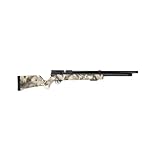
A hard-hitting air rifle can look exciting on a product page, then feel fussy once the bench, scope, pellets, and refill routine all get involved. Power alone doesn’t solve much if the action feels clumsy or the scope base won’t hold a steady setup. The barra 1100z gen 2 pcp air rifle in .25 caliber takes a more grounded route, pairing a solid side lever with a machined breech and scope rail that feels built for repeatable shooting. The camo finish adds field flavor, sure, but the real story is the heavier-caliber punch and the sturdier action layout.
Barra 1100z Gen 2 .25
Barra 1100z Gen 2 .25 is the cleaner name for this longer listing, and it fits the rifle’s personality. This version isn’t trying to be a casual soda-can plinker first. The .25 caliber setup, listed at 900 FPS, gives it a heavier, slower, more deliberate feel than smaller-caliber air rifles. That changes the rhythm of shooting in a good way, especially for people who care more about impact and stability than rapid pellet spray.
The one-piece metal breech and scope rail stand out because accuracy problems often start before the pellet ever leaves the barrel. A separate rail can shift, loosen, or sit slightly out of line if the design isn’t well controlled. Barra’s single-block approach gives the optic a firmer home, which helps reduce one of those sneaky little headaches that makes shooters blame pellets, wind, or their own hands. A steady scope base doesn’t guarantee tiny groups, but it gives the rifle a fair shot at consistency.
The solid steel side lever gives this model a smoother working feel than stiff bolt-style actions. A clean side-lever stroke helps the shooter stay closer to position between shots, and that matters during target strings. The handle also feels more confidence-inspiring than lightweight controls that flex or feel vague. It’s the kind of feature that sounds ordinary until a rough cocking system ruins the flow of a good session.
The camo finish adds a practical outdoor personality without pretending to make the rifle invisible. It fits the rifle’s field-oriented character, especially for hunting-style airgun setups where legal and safe. Still, finish should never distract from fit, balance, and repeatable aim. This rifle’s better qualities live in its action design and heavy-caliber behavior, not just the pattern on the stock.
Heavy-Caliber Shooting Feel
The .25 caliber design gives the Barra 1100z Gen 2 a more serious tone than the same platform in lighter calibers. Larger pellets carry more mass, so impacts feel more authoritative on suitable targets. That said, heavier pellets also mean a more arched trajectory and a stronger need for range awareness. A flatter .177 may feel easier for casual target work, but the .25 has a slower, punchier attitude that rewards deliberate shooting.
Listed velocity of 900 FPS gives a useful reference point, but real-world results still depend on pellet weight, fill pressure, temperature, and tuning condition. Air rifles rarely behave the same with every projectile, and .25 caliber pellets can vary a lot in length and skirt shape. Lighter pellets may produce more speed, while heavier pellets may produce steadier behavior. The smart move is treating pellet choice as part of the setup, not an afterthought.
Power delivery feels best suited to calm, measured shooting. This isn’t the rifle someone buys for cheap, endless plinking with the smallest possible pellet tin. The bigger caliber makes every shot feel more expensive and more intentional. That’s not a weakness, exactly, but it does change the way the rifle fits into a regular shooting routine.
Noise expectations need to stay realistic. A larger-caliber PCP pushing meaningful power won’t sound like a tiny low-powered backyard airgun. The design may help keep things controlled, but heavier air use and stronger pellet movement naturally create more report. Backyard-friendly shooting depends heavily on local rules, safe backstops, and sensible power expectations.
Accuracy Support And Scope Setup
Accuracy potential starts with the rigid action layout. The breech and rail machined from a single block help maintain alignment between the barrel system and optic setup. That’s especially useful once a scope with a bit of weight sits on top. A wobbly rail can make even a good airgun feel unpredictable, and this design helps keep that variable under control.
Scope mounting still needs careful attention, though. Even a strong rail can’t fix loose rings, poor eye relief, or a scope that isn’t suited to airgun use. The rifle gives a solid foundation, but the shooter still has to build the setup properly. A rushed optic install can waste the best parts of the platform.
Pellet testing matters more in .25 caliber because the rifle’s stronger output can expose small differences quickly. Some pellets may group neatly, while others may scatter for no obvious reason at first glance. Skirt fit, pellet length, and head size can all play a role. The rifle may have the bones for good accuracy, but the right ammunition completes the picture.
Real-world precision also depends on the shooting position. From a stable bench or rest, the Barra’s size and side-lever layout make more sense. Offhand shooting is possible, but the larger PCP format won’t feel as casual as a light break-barrel rifle. From a practical angle, best break barrel air rifles is a related reference for shooters weighing simpler spring-powered options against PCP complexity.
Pros Worth Noticing
Rigid construction is the first major strength. The metal breech and rail arrangement gives the rifle a more settled feel, especially after optics are mounted. This design choice supports repeatable alignment and reduces one common source of frustration. For a PCP built around precision, that foundation matters.
The side-lever action is another strong point because smooth cycling improves the whole shooting rhythm. A lighter cocking feel helps during longer strings, and rapid reloading feels less clumsy than older bolt layouts. The solid steel build also gives the control a sturdy, no-nonsense feel. That’s exactly the kind of detail that becomes more appreciated over time.
The .25 caliber power brings meaningful impact for the right use cases. Heavy pellets hit with more authority than smaller calibers, which can be useful for field-style airgun work where legal. The rifle feels less like a casual starter gun and more like a platform for someone who already understands safe shooting habits. Bigger caliber power can be satisfying, but it also demands better judgment.
The camo finish adds a nice field-ready look without making the rifle feel overstyled. It suits the hunting and outdoor target personality of the platform. Some air rifles try too hard visually, but this one keeps the finish connected to its purpose. The pattern won’t improve accuracy, but it does match the rifle’s rougher outdoor attitude.
Cons And Tradeoffs
The PCP setup is the main barrier for anyone wanting simplicity. This rifle needs a proper air source, pressure awareness, and regular attention to seals and fittings. A hand pump can work in some situations, but larger-caliber PCP shooting gets tiring fast if every refill depends on arm strength. Tanks or compressors make ownership smoother, though they add cost and storage demands.
The .25 caliber appetite can also raise running costs. Larger pellets usually cost more than common .177 or .22 pellets, and each shot feels a bit more intentional because of it. That’s fine for careful target work or field use, but less appealing for casual backyard sessions where hundreds of shots disappear in an afternoon. Cheap fun and big-bore-style airgun punch rarely live in the same room.
Trajectory management takes more attention with heavier pellets. A .25 pellet can hit hard, but it won’t stay as flat across distance as lighter, faster calibers. Scope holds, range estimation, and pellet consistency all become part of the routine. Shooters who dislike dialing or learning holdover may prefer a lighter caliber for simpler target work.
Size and handling may not suit cramped spaces. This model feels more natural from a bench, rest, or steady field position than in tight storage areas or quick handling drills. The power and construction bring confidence, but they don’t make the rifle tiny. Compactness simply isn’t the main goal here.
Best-Fit Use And Ownership Notes
The Barra 1100z Gen 2 .25 fits best where precision, impact, and adjustability matter more than featherweight handling. It has enough presence to feel serious, but it doesn’t bury the shooter under boutique-level complexity. The sturdy side lever, rigid rail system, and heavy-caliber output all point toward slower, more thoughtful shooting. Rushed plinking isn’t really its natural lane.
Target shooting benefits from the rifle’s more stable construction. A solid optic base, smooth cocking stroke, and heavier pellet behavior can make bench sessions feel satisfying once the right pellet is found. Still, the shooter has to do the boring setup work. PCP rifles don’t hand out consistency just because the spec sheet looks strong.
Field-style use is where the camo finish and .25 caliber power make the most sense. Safe backstops, local laws, and responsible shot placement matter far more than any listed velocity number. The rifle provides the platform, but judgment carries the rest. That’s the quiet truth behind any harder-hitting airgun.
Maintenance expectations should stay realistic from day one. Seals, fittings, magazines, pellet fit, and air source habits all affect the ownership experience. The Barra 1100z Gen 2 doesn’t feel fragile, but it still belongs to the PCP world, where a little care prevents bigger headaches. Treat it like a tool, not a disposable toy, and the design makes far more sense.
Barra 250z PCP Air Rifle
Some air rifles feel locked into one personality. Too loud for backyard practice, too weak for longer-range work, or too awkward once optics and accessories start piling onto the rail. The barra 1100z gen 2 pcp air rifle crowd usually leans toward adjustable setups, and the Barra 250z clearly targets that same mindset with its regulator tuning, AR-style furniture, and tactical layout. It’s a different flavor than traditional wood-stock PCP rifles, trading old-school simplicity for modular flexibility and a more customizable shooting experience.
Barra 250z Tactical
Barra 250z Tactical sounds like a marketing-heavy name at first, yet the rifle genuinely follows through on the modular concept. The M-Lok stock, adjustable buttstock, cheek riser, and AR-style grip system let the rifle adapt to different shooting styles without feeling cobbled together. Some shooters prefer fixed traditional stocks because they’re simpler, but this setup favors experimentation and comfort tuning. That flexibility becomes useful once scopes, bipods, lights, or bags enter the mix.
The adjustable buttstock changes the rifle’s handling more than people expect. A fixed stock can force awkward shoulder positioning, especially for taller shooters or anyone layering thick outdoor clothing. The six-position design helps solve that issue while keeping the rifle easier to store than oversized fixed-stock PCP rifles. Tiny ergonomic improvements can completely change how stable a shot feels.
The AR-style grip angle also shifts the personality of the rifle. Traditional hunting stocks usually tilt the wrist differently, while the 250z feels more upright and tactical in the hands. Bench shooters may appreciate the relaxed wrist angle during longer sessions. Others may still prefer classic sporter ergonomics, so this comes down to shooting style more than right versus wrong.
The camo finish adds visual texture without turning the rifle into a flashy gimmick. Some tactical PCP rifles go overboard with styling and forget about function entirely. Barra keeps things more restrained here. The overall appearance supports the rifle’s modular field-oriented attitude instead of trying to scream for attention.
Performance And Adjustable Power
The listed 1000 FPS capability immediately catches attention, but raw velocity numbers never tell the whole story. Pellet weight, regulator tuning, hammer spring tension, and fill pressure all influence how the rifle behaves in actual use. Lighter pellets may hit higher speed figures, while heavier pellets often deliver steadier long-range consistency. PCP rifles reward careful tuning far more than speed chasing.
The adjustable regulator gives the Barra 250z one of its more useful features. Some rifles lock shooters into a fixed behavior that’s either too aggressive or too conservative depending on the situation. Here, tuning options allow more control over shot consistency, power delivery, and air efficiency. That flexibility helps the rifle adapt to quiet target work or more energetic field-style shooting where legal.
The externally adjustable hammer spring works alongside the regulator instead of fighting it. Lower power settings can soften noise and stretch air usage, while higher settings deliver more authority at the cost of efficiency. Shooters who enjoy tinkering will probably love the setup. People wanting total plug-and-play simplicity may feel overwhelmed after the honeymoon period fades.
The two-stage trigger gives the rifle a more deliberate firing feel than heavy single-stage designs. Trigger quality matters because poor break characteristics can ruin otherwise good rifles. The 250z’s adjustable trigger setup lets the shooter refine pull feel for slower precision work or quicker practical shooting. Trigger tuning always requires patience, though reckless adjustments can create more problems than they solve.
Long Range Handling
The 18-inch rifled steel barrel gives the rifle a balanced feel between maneuverability and stability. Extra-long barrels can become clumsy once optics and accessories stack up, while shorter barrels sometimes feel twitchy at distance. Barra splits the difference fairly well here. The non-choked 1:18 twist barrel seems designed more around reliable consistency than chasing ultra-specialized competition tuning.
The bolt action feels smoother than some entry-level PCP systems that scrape or bind during rapid cycling. Fast follow-up shots matter more than many people admit, especially during target strings or moving pest situations where legal. The 10-shot magazine also helps maintain shooting rhythm without constant interruptions. Single-shot purists may still prefer tray loading for absolute pellet alignment.
The 322cc air reservoir gives the rifle enough capacity to support meaningful shooting sessions before pressure drops become obvious. More reservoir volume usually means more usable shots, though power settings still influence how quickly air disappears. Hand-pump users may notice fatigue sooner with higher fill pressures like 3625 PSI. Compressors and tanks smooth out the experience considerably.
The Picatinny rail setup supports optics mounting cleanly, especially for shooters already familiar with firearm-style layouts. Scope positioning flexibility helps once eye relief adjustments start getting picky. In some cases, best co2 air rifles for youth becomes a related reference point for shooters balancing beginner-friendly simplicity against more advanced PCP systems like this one.
Pros That Actually Matter
The modular design stands out as one of the rifle’s strongest traits. M-Lok compatibility, adjustable stock settings, and AR-style ergonomics let shooters personalize the platform without major gunsmithing headaches. Some rifles force owners to adapt to the gun. The Barra 250z leans more toward adapting to the shooter.
Power adjustability also deserves real credit because it affects daily use more than flashy velocity claims. A rifle that can shift between quieter, efficient shooting and harder-hitting output simply fits more situations. Backyard target sessions and field-style use rarely need the exact same settings. Flexibility matters once the novelty phase wears off.
The suppressor-ready barrel adds useful compatibility for shooters working within legal sound-moderation options. The threaded 1/2”-20 design keeps accessory mounting straightforward instead of forcing proprietary solutions. Noise management becomes increasingly important once PCP rifles start moving into suburban or semi-rural environments. Nobody enjoys becoming the loudest thing in the neighborhood.
The ergonomic customization genuinely helps during longer sessions. Adjustable cheek height and stock length improve scope alignment while reducing neck strain. Stable positioning matters because PCP rifles often reveal tiny shooter mistakes more clearly than spring-powered rifles. Comfort isn’t just luxury. It directly affects consistency.
Cons And Tradeoffs
The tactical layout won’t appeal to everyone. Shooters who enjoy traditional walnut stocks and old-school hunting rifle balance may find the 250z overly modern or slightly bulky. The AR-inspired setup prioritizes customization over timeless simplicity. Personal preference plays a huge role here.
The higher fill pressure can become frustrating without the right air setup. Filling to 3625 PSI by hand isn’t impossible, but repeated sessions quickly turn into a workout. PCP ownership already demands more gear than spring-piston rifles, and higher-pressure systems amplify that reality. A compressor starts looking less optional after a while.
Adjustment overload may confuse newer shooters. Regulator tuning, hammer spring changes, trigger settings, pellet selection, and optic setup all interact with each other. Careless adjustments can send performance in circles fast. Methodical tuning works far better than random experimenting.
The overall weight and accessory potential can also creep upward once optics, bipods, lights, and moderators enter the equation. Modular rifles tempt owners into adding gear until the setup feels heavier than expected. That’s not unique to Barra, but it’s definitely part of the tactical-platform lifestyle. Minimalist shooters may prefer a cleaner sporter-style PCP instead.
Real World Shooting Personality
The Barra 250z feels most comfortable in deliberate shooting environments where tuning and setup actually matter. It’s not the kind of rifle that begs for rushed offhand shooting with bargain pellets and random scope mounts. The platform rewards patience, organized testing, and thoughtful adjustments. Shooters who enjoy refining setups will probably connect with it quickly.
Bench shooting highlights the rifle’s better traits. The adjustable stock system, smoother bolt cycling, and stable optics platform all contribute to a calmer shooting rhythm. Long-range target sessions become more enjoyable once the regulator and hammer settings are dialed properly. That process takes time, but the rifle seems designed with that kind of involvement in mind.
Field use also makes sense for this platform where legal and safe. The modular rail system supports bipods, lights, or slings without awkward aftermarket workarounds. Heavier pellets and PCP power bring useful authority, though safe backstops and responsible shooting still matter more than raw numbers. No air rifle replaces judgment.
The ownership experience lands somewhere between hobby and tool. Casual shooters wanting total simplicity may feel annoyed by tuning and refill demands. People who enjoy experimenting with pellet behavior, trigger feel, and pressure settings will likely appreciate the rifle’s adjustability much more. The 250z doesn’t try to hide its complexity. Oddly enough, that honesty works in its favor.


12 Best 22 Pcp Air Rifle For Hunting of 2026 With Quiet Power

7 Best 22 Pcp Air Rifle Under 300 of 2026 For Backyard Pest Control

10 Best 22 Break Barrel Air Rifles of 2026 For Backyard Pest Control

10 Best 30 Caliber Pcp Air Rifle of 2026 For Medium Game

Top Best 177 Air Rifle Under 100: Budget-Friendly Picks for 2026

How to Safely Reload Shotgun Shells at Home

11 Best Co2 Air Rifle For Pest Control of 2026 To Ensure Humane Dispatch

12 Best Inexpensive Air Rifles of 2026 For Dependable Backyard Accuracy






