
Beeman Raider Pcp Air Rifle 2026 Best Practical Pick

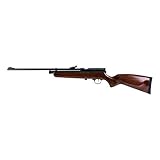
beeman raider pcp air rifle sits in that sweet spot where PCP performance doesn’t feel locked behind a scary price tag. A 3500 PSI fill pressure, bolt-action repeater setup, and included magazines give it more substance than the usual bargain-bin airgun pitch. Still, it’s not trying to be a benchrest diva, and that’s part of the charm. It feels like a practical rifle for someone who wants steady backyard practice, cleaner follow-up shots, and fewer “Why did I buy this?” moments.
Hardwood stock gives the Raider a more traditional feel than the plastic-heavy rifles crowding the lower PCP shelf. The 5.9-pound weight keeps it manageable, while the 39.8-inch overall length doesn’t make storage or carry feel like a wrestling match. The shrouded barrel helps tame the report, though quiet doesn’t mean silent, so backyard manners still matter. Also, the integrated pressure gauge is a small detail that saves a lot of second-guessing before a shooting session.
Fiber optic sights are a welcome touch because not every session needs a scope and not every budget has room for glass right away. The 11mm dovetail rail leaves room for an optic later, which is handy once longer-range paper punching starts exposing wobbles in technique. Magazine capacity changes by caliber, with .177 offering more shots per mag and .25 leaning harder into pellet weight. That tradeoff matters because more power can mean fewer shots, heavier pellets, and a little more planning.
The Raider’s biggest limitation is easy to spot: it’s unregulated. That means shot consistency can shift as pressure drops, so careful fill habits and realistic expectations go a long way. For casual target work, plinking, and controlled small-pest use where legal, that won’t ruin the experience. But anyone chasing tiny groups all afternoon may eventually want a regulated platform.
Beeman Raider PCP Air Rifle makes the most sense as a grounded, budget-aware entry into PCP shooting. It asks for the usual PCP support gear, sure, but it gives back a repeater action, usable sights, wood-stock handling, and enough punch to feel like a real step up from springers. No fireworks, no inflated promises. Just a capable air rifle with a few honest compromises and a lot of weekend appeal.

- ARS Mark8.6
ARS Mark is a ranking system developed by bestairriflescopes.com. ARS Mark has no relationship or impact from any manufacturers or sales agent websites. Learn more
- BrandBeeman

- ARS Mark8.6
ARS Mark is a ranking system developed by bestairriflescopes.com. ARS Mark has no relationship or impact from any manufacturers or sales agent websites. Learn more
- BrandBeeman
- ARS Mark8.6
ARS Mark is a ranking system developed by bestairriflescopes.com. ARS Mark has no relationship or impact from any manufacturers or sales agent websites. Learn more
- BrandBeeman

- ARS Mark8.4
ARS Mark is a ranking system developed by bestairriflescopes.com. ARS Mark has no relationship or impact from any manufacturers or sales agent websites. Learn more
- BrandBeeman
- ARS Mark8.0
ARS Mark is a ranking system developed by bestairriflescopes.com. ARS Mark has no relationship or impact from any manufacturers or sales agent websites. Learn more
- BrandBeeman

- ARS Mark7.8
ARS Mark is a ranking system developed by bestairriflescopes.com. ARS Mark has no relationship or impact from any manufacturers or sales agent websites. Learn more
- BrandBeeman

- ARS Mark7.6
ARS Mark is a ranking system developed by bestairriflescopes.com. ARS Mark has no relationship or impact from any manufacturers or sales agent websites. Learn more
- BrandBeeman

- ARS Mark6.8
ARS Mark is a ranking system developed by bestairriflescopes.com. ARS Mark has no relationship or impact from any manufacturers or sales agent websites. Learn more
- BrandBeeman
Last update on 2026-05-29 / Affiliate links / Images, Product Titles, and Product Highlights from Amazon Product Advertising API
Beeman Raider PCP Air Rifle Review
Cheap scopes slipping loose, spring rifles kicking like a mule, and noisy backyard sessions can suck the fun out of airgun shooting pretty fast. The beeman raider pcp air rifle category keeps pulling attention because shooters want smoother cycling, quieter shots, and fewer headaches between trigger pulls. Beeman’s older PCP platforms still carry a loyal following for that reason, especially rifles that focus on practical handling instead of flashy extras. The Beeman QB Chief PCP Air Rifle lands squarely in that territory with its simple layout, hardwood styling, and no-drama approach to air rifle shooting.
QB Chief PCP
Beeman QB Chief PCP Air Rifle, .22 Caliber doesn’t try to imitate tactical rifles loaded with rails, oversized shrouds, and aggressive styling. The traditional brown stock gives it an old-school hunting rifle vibe, which honestly feels refreshing after seeing so many synthetic-heavy PCPs flooding the market. Weight balance stays comfortable for offhand shooting, and the slimmer profile makes it less awkward during longer backyard sessions. That matters more than people think once the novelty wears off and the rifle becomes part of a regular weekend routine.
PCP air rifles usually attract attention because they remove that harsh spring recoil many shooters get tired of fighting. The QB Chief benefits from that same smooth firing behavior. Pellets leave the barrel with a calmer feel, so follow-up shots stay steadier and scope movement becomes easier to manage. Trigger discipline still matters, sure, but the rifle doesn’t punish small mistakes the same way rougher spring guns often do.
The simple construction also plays in its favor. Fewer complicated cosmetic parts usually means fewer rattles, fewer adjustment quirks, and less time tinkering with accessories that looked better online than they perform in real life. The hardwood stock isn’t overloaded with aggressive contours either, which gives the rifle a more neutral fit across different shooting positions. Long afternoons behind the trigger feel less cramped because of that cleaner stock geometry.
Package dimensions suggest a fairly streamlined rifle overall. A package height around 109.5 cm points toward a full-length profile without crossing into oversized territory. Carrying it through brush, setting it beside a bench, or storing it in tighter closets becomes a little easier compared to bulkier PCP rigs with oversized air cylinders and giant moderators hanging off the muzzle.
Real Shooting Feel And Handling
Shot consistency tends to shape whether a PCP rifle stays enjoyable long-term or slowly gathers dust in the corner. The QB Chief leans into a smoother, calmer shooting rhythm instead of raw aggression. Trigger pulls feel more deliberate, and the lack of spring recoil helps reduce fatigue during longer target sessions. Tiny details like that matter after a couple hundred pellets.
Noise levels also stay more manageable than many entry-level springers. Backyard shooters often underestimate how tiring sharp crack-style reports become after repeated shooting. The QB Chief delivers a softer overall shooting character that feels less disruptive in tighter suburban setups. It won’t disappear into silence, obviously, but it avoids that harsh mechanical snap some lower-end airguns produce.
Loading behavior stays straightforward too. Simpler actions tend to age better because there’s less going on internally. That becomes important once dirt, pellet dust, and regular wear start building up after months of use. Fancy systems look exciting on day one, though plenty of shooters eventually circle back to rifles with fewer moving parts simply because maintenance becomes less annoying.
Cold weather sessions can expose weak ergonomics fast. Thin gloves, slippery grips, and cramped trigger spacing ruin comfort in a hurry. The QB Chief’s more traditional stock design actually helps here since the grip angle feels natural without forcing the wrist into awkward positions. Little ergonomic wins like that rarely show up on spec sheets, but they absolutely affect real-world enjoyment.
Accuracy Expectations And Pellet Pairing
.22 caliber pellets give this rifle a versatile middle ground for backyard targets and small pest control where legal. Heavier pellets generally carry energy better downrange, though they can exaggerate trajectory drop if distances stretch farther out. Lighter pellets flatten things a bit but may lose stability depending on wind conditions. That balancing act becomes part of the fun once shooters start dialing in preferred ammo.
Pellet selection changes performance more than many beginners expect. Some rifles suddenly tighten groups once the right pellet shape and weight appear. Others become frustratingly inconsistent with bargain pellets that show uneven skirts or rough manufacturing. A related reference often comes up in Crosman Premier Ultra Magnum Pellets, especially among shooters discussing cleaner consistency from tin to tin.
Barrel behavior matters too. New PCP rifles sometimes need a short break-in period before accuracy settles down. Early groups may wander slightly until the barrel gets lightly seasoned with lead. Scrubbing the bore too aggressively after every session can actually slow that process, which surprises a lot of first-time PCP owners.
Bench shooters chasing one-hole groups at extreme distances may eventually outgrow a simpler platform like this. That’s just reality. The QB Chief feels more comfortable living in practical shooting distances where smooth operation, repeatable handling, and relaxed target sessions matter more than squeezing microscopic groups under competition conditions.
Everyday Ownership Experience
Maintenance routines stay fairly approachable with this rifle. PCP ownership already comes with extra responsibilities like monitoring fill pressure and storing air properly, so simpler rifle construction genuinely helps. Fewer decorative parts mean fewer headaches during wipe-downs and inspections. That straightforward setup keeps ownership feeling less intimidating for shooters moving into PCP territory for the first time.
Storage convenience deserves more attention than it usually gets. Oversized tactical PCP rifles eat up cabinet space quickly and become awkward during transport. The QB Chief’s slimmer footprint feels easier to manage around smaller apartments, garages, or crowded gear shelves. Plenty of shooters appreciate that practicality after the honeymoon phase fades.
Wood furniture also ages differently than synthetic stocks. Small handling marks and light wear often blend into the rifle’s character instead of making it look battered immediately. That slightly worn-in appearance gives traditional rifles personality over time. Scratches still happen, naturally, but they tend to feel less glaring compared to scarred matte-black plastic stocks.
Weather resistance remains a tradeoff, though. Hardwood stocks need a bit more attention around moisture and long-term humidity exposure. Leaving the rifle in damp conditions or hot vehicle interiors repeatedly isn’t doing the stock any favors. Care habits matter more here than they would with fully synthetic alternatives.
Where The QB Chief Fits Best
Entry-level PCP shooters often get overwhelmed by rifles overloaded with adjustments, regulators, and tuning options they barely understand yet. The QB Chief strips away much of that complexity. Sessions become more focused on shooting fundamentals instead of endlessly tweaking settings. Honestly, there’s something refreshing about that.
Budget conversations always follow PCP rifles around because air support gear adds cost quickly. Hand pumps, compressors, fittings, and spare pellets stack up faster than expected. The QB Chief helps soften that blow somewhat by keeping the rifle itself grounded and uncomplicated. That leaves a little more breathing room for the gear shooters eventually realize they actually need.
Long-term usability feels stronger than many trendy budget rifles that lean too hard into cosmetics. Clean lines, practical ergonomics, and traditional styling tend to age gracefully because they don’t chase short-lived trends. Five years later, the rifle still looks like a rifle instead of a dated experiment from an accessory catalog.
The QB Chief isn’t pretending to dominate competitive PCP shooting or replace high-end regulated systems costing several times more. Its appeal comes from calmer shooting manners, approachable ownership, and a practical design that avoids unnecessary fluff. Some shooters eventually move on to more advanced setups. Others quietly keep rifles like this around for years because they simply remain enjoyable to shoot.
Beeman Raider PCP Air Rifle Performance Review
Frustration usually starts after the novelty wears off. A rifle that looked sharp in product photos suddenly feels front-heavy, awkward in tight spaces, or annoyingly loud after twenty straight shots. That’s partly why the beeman raider pcp air rifle category keeps pulling attention from shooters who want smoother handling without lugging around oversized tactical setups. The Beeman PCP Underlever Air Rifle 1358 leans toward that simpler, more controlled shooting experience with its underlever design and lighter carry profile.
Beeman 1358 Underlever
Underlever PCP rifles carry a very different personality compared to sidelever or bolt-action setups. The shooting rhythm feels slower in a good way, almost more deliberate, which some shooters end up preferring after spending time with rapid-fire magazine systems. Beeman’s 1358 keeps things straightforward rather than trying to impress with unnecessary tactical styling. That cleaner approach gives the rifle a more traditional airgun identity that feels grounded instead of gimmicky.
Lightweight handling immediately stands out from the product details. An item package weight listed around 1.0 pounds obviously reflects shipping specifics rather than exact field weight, but the rifle itself still appears designed around easier maneuverability. Long backyard sessions become less tiring when a rifle doesn’t constantly drag the support arm downward. Small details like that matter once people move past five-shot novelty sessions and start shooting for an hour or more.
The underlever mechanism also changes the overall feel of operation. Cycling the action becomes part of the rhythm instead of feeling rushed. Some shooters genuinely enjoy that slower cadence because it keeps them focused on shot placement rather than dumping pellets downrange as fast as possible. Accuracy habits usually improve once pacing slows down naturally.
Styling remains pretty restrained too. Plenty of PCP rifles pile on rails, oversized bottle systems, and aggressive edges that make them look busier than they need to be. The 1358 takes a calmer route, which honestly gives it broader appeal for shooters who prefer a cleaner silhouette without sacrificing PCP functionality.
How The Underlever Design Changes Shooting
Lever positioning affects comfort more than most product listings ever explain. Awkward cocking systems quickly become irritating during repeated use, especially if the shooter constantly breaks position between shots. The underlever arrangement helps keep movement more consistent while reducing unnecessary hand repositioning. That smoother cycle creates a more relaxed shooting session overall.
Noise management deserves attention too. PCP rifles already avoid the harsh spring slap common with break barrels, but the calmer action on an underlever platform gives the shooting experience a softer character. Backyard target practice feels less disruptive, particularly during quieter mornings or evenings when sharp mechanical noise starts getting old fast.
Balance and control often improve with simpler PCP layouts like this. Oversized accessories can throw weight distribution completely off, especially once scopes, bipods, and larger air systems enter the picture. The Beeman 1358 keeps the profile cleaner, which helps maintain steadier offhand shooting. A rifle that feels naturally balanced tends to stay enjoyable longer because shooters spend less energy fighting awkward ergonomics.
Cold-weather handling usually exposes weak rifle design in a hurry. Stiff controls, slippery grips, and cramped spaces become painfully obvious once gloves enter the equation. The more traditional structure here feels easier to manage during colder sessions because the layout avoids excessive clutter around key handling points.
Practical PCP Ownership Experience
PCP ownership always involves tradeoffs. Smooth firing behavior and cleaner recoil characteristics come with added equipment needs like pumps or compressors. That learning curve catches some people off guard at first. The Beeman 1358 feels less intimidating partly because the rifle itself stays mechanically uncomplicated instead of piling on advanced tuning systems.
Maintenance routines also stay more approachable with simpler air rifles. Fancy adjustable platforms sometimes become endless tinkering projects where shooters spend more time chasing perfect settings than actually shooting. The Beeman underlever setup feels more focused on straightforward operation. Fill it properly, maintain it carefully, and spend time behind the trigger instead of buried in adjustment manuals.
Storage convenience matters more than people admit. Massive PCP rifles dominate closets, benches, and vehicle space pretty quickly. A cleaner underlever profile avoids some of that bulk while still delivering the smoother PCP firing cycle shooters usually want. Tight apartments, crowded workshops, and smaller gun cabinets benefit from that restraint.
Humidity and seasonal temperature swings still deserve attention though. PCP systems require responsible storage habits because moisture and pressure systems don’t always mix well long-term. Leaving rifles in damp garages or overheated trunks repeatedly can shorten component life faster than expected. Responsible handling becomes part of the ownership experience whether the rifle costs modest money or premium money.
Realistic Accuracy Expectations
Accuracy consistency depends heavily on pellet pairing and pressure management with PCP rifles. Some pellets produce tighter groupings immediately, while others scatter unpredictably despite looking identical at first glance. Trial and error becomes part of the process, honestly. Shooters willing to test different pellet styles usually get far more satisfying results from PCP systems.
Long-range expectations need some realism too. A simpler PCP underlever rifle isn’t pretending to compete with ultra-expensive regulated benchrest platforms. The Beeman 1358 feels more comfortable delivering dependable recreational accuracy at practical backyard distances instead of chasing tiny competitive groups at extreme ranges. That distinction matters because inflated expectations ruin enjoyment faster than mediocre hardware.
Trigger rhythm becomes easier to settle into with calmer PCP recoil characteristics. Shooters fighting heavy spring recoil often develop bad habits without realizing it. Smoother shot release helps expose technique flaws more honestly because the rifle itself interferes less during firing. That alone can improve consistency for people trying to sharpen basic marksmanship.
A related comparison sometimes appears in discussions around broader air rifle setups, especially in best Umarex air rifle conversations where shooters weigh traditional handling against more tactical PCP designs. Different layouts attract different preferences, and that split becomes obvious once people spend enough time actually carrying and shooting these rifles instead of just reading spec sheets.
Where This Rifle Makes Sense
Traditional rifle fans often appreciate underlever PCP systems because they feel calmer and less cluttered than aggressively styled tactical airguns. The shooting experience becomes more about pacing, consistency, and comfort instead of accessorizing every available rail section. That old-school simplicity still resonates with plenty of shooters.
Budget-conscious PCP buyers may also appreciate the cleaner feature set. Extra adjustments, oversized air systems, and flashy cosmetic upgrades usually increase cost faster than practical usefulness. The Beeman 1358 appears built around delivering the core PCP experience without turning the rifle into an expensive science project.
Backyard shooting routines benefit from manageable noise levels, smoother recoil, and easier handling. Those qualities sound boring compared to flashy marketing terms, but they’re exactly what keeps a rifle enjoyable after months of ownership. Tiny annoyances become impossible to ignore over time, while practical strengths quietly earn appreciation.
Limitations still exist, naturally. Shooters obsessed with maximum shot counts, endless adjustability, or highly tactical configurations may eventually feel restricted by the rifle’s simpler personality. Still, for shooters who value calmer handling, smoother operation, and a more stripped-back PCP feel, the Beeman 1358 holds its own without pretending to be something it isn’t.
Beeman QB78-22 Air Rifle Review
A rifle can look promising on paper, then turn annoying once the little stuff starts piling up: rough handling, cheap-feeling furniture, awkward power setup, or a finish that makes the whole thing feel disposable. The beeman raider pcp air rifle search often comes from that same hunger for smoother shooting and better control, but the Beeman QB78-22 Air Guns Rifles takes a different road with a classic CO2-powered setup. Instead of chasing PCP tanks and fill gear, it leans into hardwood stock, blued finish, and a two-cartridge CO2 system that keeps the experience simple, familiar, and easy to understand.
Beeman QB78-22
Beeman QB78-22 has the kind of old-school air rifle character that doesn’t need loud styling to make its point. The hardwood stock gives it a more traditional feel than the plastic-heavy rifles that sometimes look better in photos than they feel in hand. There’s a certain warmth to wood, even on a practical air rifle, because it makes the gun feel less toy-like. That matters for anyone who wants a backyard plinker that feels calm and steady rather than flashy and hollow.
The blued finish adds to that classic airgun personality. It won’t magically make the rifle immune to scratches, moisture, or careless storage, but it does give the metalwork a cleaner, more serious look. A wipe-down after handling makes sense, especially in humid garages or sheds where metal can complain later. Small habits like that keep a simple rifle looking better over time.
Power comes from two 12-gram CO2 cartridges, which is the big difference compared with true PCP rifles. That setup avoids pumps, tanks, compressors, hoses, and fill-pressure anxiety. Pop in the cartridges, shoot within reasonable temperature conditions, and the rifle feels more approachable. Still, CO2 has its own quirks, especially as temperatures drop or cartridges start losing pressure.
This isn’t the air rifle for someone expecting PCP-style fill control or air-cylinder consistency. The CO2 system trades some performance stability for convenience. Warm days usually feel friendlier to CO2 rifles, while cold conditions can soften power and change shot feel. That’s not a flaw unique to this model, just the nature of the platform.
Classic Build And Handling
Hardwood furniture gives the QB78-22 a grounded feel during casual shooting. The stock shape keeps the rifle more traditional, which helps it sit naturally against the shoulder. Synthetic stocks can be lighter and more weather-tolerant, but they often lack that planted feeling wood brings. The QB78-22 feels like it belongs on a bench, beside a pellet tin, with a quiet afternoon ahead.
The black finish and blued metal give the rifle a restrained look. Nothing about it screams tactical, and honestly, that’s part of the appeal. Some rifles wear too many cosmetic details and end up looking busy without adding much function. This one stays more modest, which suits a CO2 rifle built around steady plinking and relaxed target work.
Handling should feel familiar to anyone who grew up around traditional sporting rifles. The stock profile doesn’t force the wrist into an odd angle or make the rifle feel like a prop from a sci-fi catalog. That kind of comfort helps during repeated shooting because the body doesn’t fight the gun. With air rifles, comfort often matters as much as raw power.
The rifle’s personality is slower and more deliberate than a rapid-fire repeater. That can actually be a benefit. Slower shooting encourages better breathing, cleaner trigger control, and more attention to pellet placement. Rushing ruins a lot of practice sessions, and a simple rifle like this quietly pushes better habits.
CO2 Power With Real Tradeoffs
Two 12-gram CO2 cartridges make the QB78-22 easy to run without investing in PCP support equipment. That’s a big practical advantage for casual shooters who don’t want to buy a pump or manage high-pressure air. The setup feels familiar, affordable per session, and simple enough for regular backyard use. No gauges, no fill probes, no compressor noise.
CO2 does come with a mood, though. Temperature sensitivity affects shot feel, and colder weather can make the rifle feel less lively. Long strings may also change as the cartridges cool during use. Letting the rifle breathe between shots can help keep things more consistent, even if it slows the pace a bit.
That slower pace isn’t necessarily bad. A rifle like this rewards patience. Shoot too quickly and CO2 cooling can make performance feel less even. Settle into a steady rhythm and the QB78-22 starts making more sense as a relaxed plinker instead of a speed tool.
The CO2 platform also keeps noise and recoil mild compared with many spring-piston rifles. There’s no spring twang slapping through the stock, no harsh forward jump, and no break-barrel cocking effort between every shot. The firing cycle feels calmer, which can help newer shooters stop flinching and focus on sight picture. Smoothness becomes part of the fun.
Accuracy, Pellets, And Setup Notes
.22 caliber air rifles usually appeal because they hit with a little more authority than lighter calibers at close to moderate distances. The QB78-22 fits that relaxed target-and-plinking role well, especially where clean pellet strikes on cans, spinners, or paper targets matter more than extreme velocity claims. The heavier pellet path does require attention, though. Holdover becomes part of the routine once distances stretch.
Pellet choice can change the whole mood of the rifle. Some .22 pellets may group tighter, while others might feel inconsistent from the same shooting position. That doesn’t mean the rifle is broken. Airguns often have preferences, and half the puzzle is figuring out which pellet shape the barrel seems to like.
Optics can also shift the experience, especially for aging eyes or smaller targets. From a practical angle, sighting setups around rimfire-style aiming habits sometimes overlap with best laser scope for 22 rifle discussions, even though air rifle use still has its own limits and mounting concerns. The key is keeping the rifle balanced rather than burying a lightweight CO2 gun under too much glass and hardware. Too much accessory weight can spoil the easy handling that makes this type of rifle pleasant.
The blued finish and wood stock deserve sensible care during pellet testing and storage. Greasy hands, damp benches, and dusty corners don’t help any air rifle age gracefully. A soft cloth and basic attention after use go a long way. Simple rifles still reward careful owners.
Pros And Cons In Real Use
Pros: The first strong point is the hardwood stock, which gives the QB78-22 a more grown-up feel than many entry-level air rifles. The second is the CO2 convenience, since running on two 12-gram cartridges avoids the cost and learning curve of PCP fill gear. The third is the calmer shooting cycle, which makes practice feel less jumpy than a rough spring rifle.
Pros: The blued finish also helps the rifle look more traditional and less disposable. The styling isn’t loud, and that works in its favor. A clean, classic layout tends to age better than trendy shapes that feel dated after a season. The QB78-22 has that “keep it by the back door for cans and paper” energy, though storage should always stay responsible and lawful.
Cons: The biggest drawback is the CO2 temperature behavior. Cold weather can make power feel softer, and fast shooting can cool the cartridges enough to affect consistency. Anyone expecting PCP-like pressure control may feel disappointed. CO2 is convenient, but it’s not magic.
Cons: Another limitation is that the rifle doesn’t offer the same upgrade path or performance ceiling as a true PCP system. The beeman raider pcp air rifle crowd may want fill pressure control, higher shot consistency, and more tuning flexibility. The QB78-22 is more relaxed than that. It’s better viewed as a traditional CO2 rifle with charm, not a substitute for a fully equipped PCP setup.
Best Fit And Practical Expectations
Backyard plinking is where the QB78-22 makes the most sense. It suits slower sessions where the goal is neat groups, casual cans, and a little trigger time after work. The rifle doesn’t need to pretend it’s a competition rig. Its value lives in being approachable, calm, and easy to run.
Maintenance expectations should stay realistic. CO2 seals need sensible handling, and cartridges shouldn’t be treated like permanent air sources forever. Wood and blued metal also prefer dry storage and basic wipe-downs. Nothing fussy, just grown-up care.
Shooters wanting maximum power, high shot counts, or advanced tuning may outgrow this rifle quickly. That’s fine. The QB78-22 isn’t built around endless adjustment or spec-sheet bragging. It’s more about a smooth, simple shooting routine with enough traditional character to make each session feel a little more deliberate.
The Beeman QB78-22 stands apart because it doesn’t chase the same identity as the beeman raider pcp air rifle. It keeps the experience lighter, simpler, and more nostalgic through CO2 power, hardwood feel, and blued styling. For relaxed shooting in reasonable weather, that combination still has a place. For demanding PCP performance, the tradeoff becomes clear before the first cartridge is even pierced.
Beeman RS2 Air Rifle Combo Review
Nothing kills enthusiasm faster than buying an air rifle that feels impossible to control after twenty shots. Heavy recoil, sloppy scopes, and inconsistent groups can turn a relaxing afternoon into a muttering session full of second guesses. That frustration is partly why the beeman raider pcp air rifle search keeps growing among shooters wanting smoother performance, though the Beeman RS2 Air Rifle Combo takes a more traditional spring-powered route. Instead of compressed air tanks and pumps, it leans on a high-velocity break barrel system built around simplicity, speed, and familiar handling.
Beeman RS2 Combo
Beeman RS2 Air Rifle Combo feels aimed at shooters who want an all-in-one package without immediately diving into endless upgrades. The included combo setup removes some guesswork because the rifle already arrives paired for basic target sessions. That convenience matters more than people admit. Spending extra days sorting mounts, optics, and compatibility issues can drain the excitement right out of a new rifle purchase.
The .177 caliber platform keeps the RS2 firmly planted in the fast-moving pellet category. Velocity claims around 1000 feet per second naturally catch attention because flatter trajectories help simplify backyard shooting at moderate distances. Pellets moving faster can reduce holdover adjustments, especially during casual plinking sessions where quick aiming matters more than benchrest perfection.
Spring-powered rifles always come with personality quirks, though. The RS2 isn’t trying to imitate the softer firing behavior of PCP rifles. It kicks, jumps, and vibrates more than compressed-air systems, which means proper shooting technique becomes part of the package whether someone likes it or not. New shooters often discover quickly that spring rifles reward patience instead of brute force.
The included one-year limited warranty adds a little breathing room for buyers nervous about mechanical issues. Air rifles involve moving parts under constant stress, especially spring-piston systems generating higher velocities. Having some manufacturer backing can ease concern during the early ownership period, even if experienced shooters still recommend careful handling and sensible maintenance habits.
Velocity And Real Shooting Feel
1000 fps velocity sounds exciting on paper, but real-world shooting tells a more balanced story. Lightweight pellets may achieve higher speeds, though they can also become twitchier depending on wind conditions and barrel preferences. Heavier pellets often settle things down while sacrificing a bit of speed. That tradeoff becomes obvious after enough time spent on paper targets instead of reading product listings.
Spring rifles like the RS2 create a very physical shooting experience. The internal spring motion pushes and snaps through the stock during firing, so holding technique matters more than many beginners expect. Grip too tightly and groups may open up. Relax too much and consistency disappears in a different direction. It’s a strange balancing act at first, but experienced spring-gun shooters often enjoy that extra challenge.
Break barrel cocking also adds physical effort into the routine. Some shooters appreciate the self-contained setup because it avoids pumps, compressors, and CO2 cartridges entirely. Others eventually tire of repeated cocking during longer sessions. Neither reaction is wrong. Personal preference plays a huge role once the honeymoon phase fades.
The firing cycle itself feels sharp compared to PCP rifles. That doesn’t automatically mean unpleasant, though. Plenty of shooters enjoy the lively mechanical feel because it creates more connection between shooter and rifle. Calm PCP systems can feel almost too clinical for some tastes, while spring rifles like the RS2 deliver more raw personality with every shot.
Scope Package And Practical Accuracy
Combo rifles live or die by how usable the included optics actually are. Cheap bundled scopes sometimes feel like afterthoughts tossed into the box for marketing reasons alone. The RS2 package at least gives shooters a starting point without immediately forcing additional purchases. That helps beginners settle into the rifle before deciding whether premium optics are even necessary.
Accuracy with spring rifles depends heavily on consistency. Tiny differences in hold position, cheek pressure, or trigger squeeze can shift impact points more than people expect. The RS2 rewards repetition and rhythm rather than rushed shooting. Slow down, settle in, and groups usually tighten noticeably.
.177 pellets naturally suit paper targets and lighter reactive targets because of their flatter flight path. Small cans, hanging spinners, and backyard targets become easier to hit once pellet trajectory stays more manageable at common distances. Wind still matters, obviously, especially with lighter pellets. Calm mornings tend to produce happier target sessions.
In real-world usage, velocity discussions often overlap with equipment references like best chronograph for air rifles, especially among shooters trying to understand how pellet weight affects consistency. Numbers alone don’t guarantee accuracy, though. Smooth technique usually matters more than chasing every extra foot per second.
Pros And Cons That Actually Matter
Pros: The biggest strength is simplicity. The RS2 avoids the extra gear demands tied to PCP rifles and skips the cartridge dependence of CO2 systems. Grab pellets, cock the barrel, and shoot. That self-contained setup feels refreshing for shooters tired of managing hoses, tanks, or refill schedules.
Pros: Velocity remains another appealing factor. The 1000 fps rating gives the rifle enough speed for flatter backyard shooting with lighter pellets. Faster trajectories reduce guesswork at moderate ranges, especially during casual target practice where quick sight alignment matters. The included combo setup also lowers the barrier to getting started.
Pros: Mechanical durability tends to favor simpler spring rifles over more complex systems. No compressed air reservoirs, no fill probes, and no CO2 seals constantly relying on cartridge pressure. The RS2’s traditional break barrel design feels easier to understand and maintain for many shooters.
Cons: Recoil and vibration remain the biggest compromise. Spring-piston rifles demand better technique than PCP platforms because the internal movement affects accuracy more aggressively. Some shooters adjust quickly. Others get frustrated watching groups scatter despite solid optics and decent pellets.
Cons: Cocking effort can wear on shooters during long sessions. Repeating the break barrel cycle dozens or hundreds of times becomes tiring faster than people expect. Younger shooters or anyone dealing with shoulder discomfort may notice fatigue setting in long before the pellet tin runs empty.
Cons: Noise and firing sharpness feel more pronounced than calmer PCP rifles. The beeman raider pcp air rifle category usually appeals to shooters wanting smoother shot cycles and softer handling. The RS2 heads in the opposite direction with more mechanical snap and spring vibration. That difference becomes obvious immediately after the first shot.
Where The RS2 Fits Best
Backyard target shooting suits the RS2 especially well because the rifle feels happiest in practical recreational distances rather than ultra-precise long-range work. Paper targets, spinning plates, and soda cans all match the rifle’s strengths nicely. It behaves like a hands-on spring rifle built for active shooting instead of benchrest obsession.
The rifle also makes sense for shooters who dislike dependency on external support gear. PCP rifles can become expensive once compressors, pumps, and accessories pile up. The RS2 avoids those hidden costs completely. That simplicity becomes more valuable over time, especially for casual weekend use.
Maintenance habits stay fairly approachable too. Spring rifles still need care, but the process usually feels less intimidating than managing high-pressure air systems. Basic cleaning, occasional inspections, and proper storage handle most of the workload. Neglect can still create problems, though, especially if moisture or rough handling enters the picture.
The RS2 doesn’t pretend to replace a refined PCP platform or an ultra-smooth CO2 rifle. Its appeal comes from raw mechanical simplicity, solid velocity potential, and the satisfaction of mastering a spring-powered shooting rhythm. Some shooters eventually move toward quieter PCP systems. Others stick with rifles like this because the challenge itself becomes part of the enjoyment.
Beeman QB Chief PCP Air Rifle Review
Cheap air rifles have a habit of looking impressive right up until the first real shooting session starts. Clunky triggers, inconsistent shots, and rough handling can wear out patience fast, especially once the excitement fades. The beeman raider pcp air rifle category keeps attracting attention partly because shooters want smoother behavior without paying premium PCP prices. That’s where the Beeman QB Chief PCP Air Rifle .177 Caliber quietly earns some respect with its straightforward design, lighter traditional feel, and practical feature set.
QB Chief 1317
Beeman QB Chief PCP Air Rifle doesn’t chase flashy tactical styling or overloaded accessory rails. Instead, the rifle sticks with a cleaner profile that feels more like a traditional sporting rifle than a futuristic gadget. The brown stock helps soften the overall appearance, while the slimmer dimensions make the rifle feel manageable in smaller shooting spaces. Some PCP rifles become awkwardly bulky once air cylinders and oversized furniture enter the equation, but this one stays more restrained.
The product details mention an 11-pound package weight, which hints at a rifle that carries enough substance without turning into a shoulder-dragging monster. Long target sessions benefit from that middle-ground balance. Lightweight rifles sometimes feel twitchy and unstable, while heavier PCP systems can wear shooters down surprisingly quickly. The QB Chief lands somewhere in the calmer middle.
Affordable PCP rifles often sacrifice usability in sneaky ways. Rough bolt cycling, awkward stock ergonomics, or harsh trigger pulls can turn “budget-friendly” into “regret purchase” pretty fast. The QB Chief tries to avoid those traps by focusing on smoother overall operation instead of stuffing the rifle with gimmicks. Simplicity works in its favor here.
The rifle’s dimensions also suggest practical storage and transport advantages. A package length around 109.2 cm keeps the profile manageable for closets, cabinets, and smaller vehicles. That may sound boring compared to velocity numbers, though convenience matters once the rifle becomes part of regular routines rather than an occasional novelty.
How The PCP System Changes Everything
PCP air rifles usually win people over through smoothness more than raw power alone. The QB Chief follows that same formula. Trigger pulls feel calmer because there’s no spring slamming forward inside the rifle, and follow-up shots stay more controlled thanks to reduced vibration. Shooters moving over from harsh spring-piston rifles notice the difference immediately.
Noise behavior also shifts noticeably with PCP platforms. Spring guns often produce sharp mechanical slap alongside pellet discharge, while PCP rifles create a cleaner firing feel overall. The QB Chief won’t vanish into silence, obviously, but it avoids the harsh twang and forward lurch that frustrate many spring-gun owners after extended use.
Shot consistency becomes one of the bigger advantages too. PCP systems generally offer steadier firing characteristics compared to CO2 rifles struggling through temperature swings or spring rifles reacting differently to hold technique. The QB Chief still requires proper pressure management, naturally, but the overall shooting experience feels more stable and repeatable.
There’s a tradeoff, though. PCP ownership introduces support equipment into the picture. Pumps, compressors, tanks, and fill adapters become part of the routine eventually. Some shooters embrace that extra layer without hesitation. Others miss the simplicity of break barrels or CO2 rifles once maintenance gear starts collecting around the bench.
Practical Handling And Field Feel
.177 caliber PCP rifles often appeal to shooters focused on target work because flatter pellet trajectories help reduce holdover guesswork at moderate distances. The QB Chief fits naturally into that role. Smaller targets become easier to manage once pellets travel with more predictable flight paths, especially during relaxed backyard practice sessions.
The rifle’s traditional layout keeps handling fairly intuitive. There’s no oversized bottle hanging awkwardly underneath, no exaggerated thumbhole stock forcing strange wrist angles, and no cluttered rail system dominating the rifle’s balance. That simpler shape helps maintain a comfortable shoulder position during longer sessions.
Trigger discipline matters more with PCP rifles because smoother firing cycles expose technique flaws clearly. Shooters used to fighting heavy recoil sometimes discover they’ve been compensating for bad habits without realizing it. The QB Chief rewards calmer breathing and steadier follow-through instead of brute-force grip pressure.
Cold mornings and humid afternoons also reveal whether a rifle feels practical or annoying. Traditional stock geometry helps the QB Chief stay comfortable across different shooting conditions. Gloves don’t interfere as much, and the slimmer profile avoids that bulky “bench-only” feeling some large PCP rigs develop.
Pros And Cons Worth Talking About
Pros: The strongest advantage here is the affordable PCP platform. The QB Chief gives shooters access to smoother PCP behavior without demanding premium-level pricing. Reduced recoil, steadier shot feel, and cleaner handling all improve the shooting experience substantially compared to many entry-level spring rifles.
Pros: The rifle’s traditional stock design deserves credit too. Some modern air rifles chase tactical aesthetics so aggressively they become awkward to carry or uncomfortable during extended use. The QB Chief avoids that mistake. Simpler ergonomics often age better because they focus on handling rather than appearance trends.
Pros: Another strength is the rifle’s manageable overall footprint. Package dimensions suggest a fairly streamlined build that stores more easily than oversized PCP systems with giant air bottles and extended shrouds. Smaller shooting areas benefit from rifles that don’t constantly feel oversized or cumbersome.
Cons: PCP ownership costs don’t stop with the rifle itself. Pumps, compressors, and air accessories increase the actual investment pretty quickly. The QB Chief may be affordable by PCP standards, though compressed air support equipment still adds financial reality into the conversation.
Cons: Simpler PCP rifles can also lack some advanced refinement found on expensive regulated systems. Extreme long-range consistency and endless tuning options aren’t really the focus here. Shooters obsessed with microscopic group sizes may eventually crave more adjustment flexibility and tighter pressure regulation.
Cons: Maintenance habits matter more than some first-time PCP buyers expect. Air reservoirs, seals, and fill systems require responsible care. Leaving rifles neglected in damp garages or ignoring fill-pressure habits can create problems later. The QB Chief isn’t unusually fragile, though PCP systems generally ask for more responsibility than casual spring rifles.
Everyday Shooting Experience
Backyard target practice feels like the QB Chief’s natural environment. The smoother firing behavior keeps longer sessions more comfortable, especially once pellet counts start climbing. Harsh recoil fatigue rarely becomes part of the experience, which encourages more relaxed and enjoyable practice.
Pellet selection still matters, naturally. Some .177 pellets tighten groups noticeably while others may scatter despite decent technique. PCP rifles often reveal pellet differences more clearly because the firing cycle stays calmer and more repeatable. Experimenting becomes part of the fun instead of a frustrating chore.
In some cases, broader power discussions overlap with setups mentioned in best high powered air rifles conversations, especially among shooters balancing velocity goals against practical handling. Bigger power numbers don’t always create better shooting experiences. Smoothness, consistency, and comfort often matter more once the novelty fades.
The QB Chief doesn’t pretend to replace high-dollar competition PCP rifles with regulators, endless tuning adjustments, and ultra-premium barrels. Its appeal comes from staying grounded. Shooters wanting smoother PCP performance without drowning in complexity may appreciate exactly that balance, especially once regular shooting routines settle in and practical comfort starts outweighing spec-sheet excitement.


12 Best 22 Pcp Air Rifle For Hunting of 2026 With Quiet Power

7 Best 22 Pcp Air Rifle Under 300 of 2026 For Backyard Pest Control

10 Best 22 Break Barrel Air Rifles of 2026 For Backyard Pest Control

10 Best 30 Caliber Pcp Air Rifle of 2026 For Medium Game
Top Best 177 Air Rifle Under 100: Budget-Friendly Picks for 2026

How to Safely Reload Shotgun Shells at Home

11 Best Co2 Air Rifle For Pest Control of 2026 To Ensure Humane Dispatch

12 Best Inexpensive Air Rifles of 2026 For Dependable Backyard Accuracy






