
Benjamin Marauder Pcp Air Rifle 2026 Best Picks

benjamin marauder pcp air rifle has earned its loyal following because it solves a real headache: getting steady power without turning every shot into a noisy production. Its shrouded barrel, bolt-action layout, and multi-shot magazine make it feel practical rather than fussy. The rifle isn’t tiny, and it won’t hide the fact that PCP gear needs air management, but that’s part of the deal. Once the fill routine makes sense, the whole setup feels calmer, cleaner, and more predictable.
Accuracy is the main draw, but the comfort details matter just as much. The adjustable comb helps line up the eye behind a scope without that awkward cheek hover, which gets old fast during longer sessions. The reversible bolt also helps keep the rifle from feeling locked into one shooting style. Still, a scope is basically part of the real cost, since the rifle doesn’t come with open sights.
Power output depends on caliber, pellet weight, and tuning, so chasing headline velocity numbers can send expectations sideways. The .177 version leans flatter and faster, the .22 feels like the sensible middle ground, and the .25 brings more thump with fewer shots per fill. That tradeoff isn’t a flaw, just physics doing its thing. Smart buyers think about pellets, air supply, and shooting distance before getting starry-eyed over raw speed.
Quiet shooting is another reason the Marauder keeps showing up in serious conversations. It’s not silent, nope, but the built-in sound suppression helps take the sharp edge off the report. That matters in backyards, small properties, and any place where repeated popping sounds become annoying fast. Local rules still matter, so the quiet design should never be treated as permission to ignore safety or regulations.
Maintenance stays manageable if the rifle is treated like a pressure system instead of a casual plinker. The air reservoir, gauge, seals, magazines, and fill fittings all deserve attention. A hand pump works, but it can feel like a workout with extra steps, especially after a long session. A small tank or compressor adds cost, but it also makes the rifle feel far less demanding over time.
Benjamin Marauder PCP Air Rifle makes the most sense for careful shooters who value repeatable shots, adjustable fit, and a quieter report over cheap simplicity. It’s not the easiest first air rifle if the whole PCP world feels unfamiliar, but it rewards patience. The sweet spot is its balance: enough power for serious pellet work, enough refinement for steady groups, and enough parts support to keep ownership from feeling risky. That’s why it still feels relevant instead of dusty.
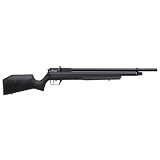
Benjamin Marauder BP2264S Synthetic Stock PCP-Powered .22-Caliber Pellet Multi-Shot Bolt-Action
View on Amazon- ARS Mark9.0
ARS Mark is a ranking system developed by bestairriflescopes.com. ARS Mark has no relationship or impact from any manufacturers or sales agent websites. Learn more
- BrandBenjamin

Benjamin Armada BTAP22SX PCP-Powered Multi-Shot Bolt Action .22-Caliber Pellet Hunting
View on Amazon- ARS Mark8.8
ARS Mark is a ranking system developed by bestairriflescopes.com. ARS Mark has no relationship or impact from any manufacturers or sales agent websites. Learn more
- BrandBenjamin

- ARS Mark5.8
ARS Mark is a ranking system developed by bestairriflescopes.com. ARS Mark has no relationship or impact from any manufacturers or sales agent websites. Learn more
- BrandBenjamin
- ARS Mark8.8
ARS Mark is a ranking system developed by bestairriflescopes.com. ARS Mark has no relationship or impact from any manufacturers or sales agent websites. Learn more
- BrandBenjamin

- ARS Mark8.8
ARS Mark is a ranking system developed by bestairriflescopes.com. ARS Mark has no relationship or impact from any manufacturers or sales agent websites. Learn more
- BrandBenjamin
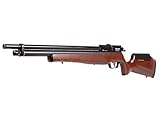
Benjamin Marauder BP22SAW .22-Caliber Pellet Semi-Automatic PCP-Powered Multi-Shot Bolt Action
View on Amazon- ARS Mark7.0
ARS Mark is a ranking system developed by bestairriflescopes.com. ARS Mark has no relationship or impact from any manufacturers or sales agent websites. Learn more
- BrandBenjamin
Last update on 2026-05-29 / Affiliate links / Images, Product Titles, and Product Highlights from Amazon Product Advertising API
Benjamin Marauder PCP Air Rifle
Noise ruins a good shooting session faster than a missed target. Thin backyard fences, nearby neighbors, and echo-heavy open spaces can turn a relaxing afternoon into a headache real quick. The Benjamin Marauder PCP Air Rifle built its reputation by keeping things controlled instead of chaotic, and the synthetic-stock version pushes that idea even further with lighter handling and less worry about weather. Muddy mornings, damp grass, and temperature swings don’t beat it up nearly as easily as some wood-stock rifles that start looking rough after one sloppy season.
Marauder BP2264S
Marauder BP2264S feels purpose-built for shooters who value consistency more than flashy styling. The black synthetic stock keeps the rifle from feeling delicate, and honestly, that matters more than people admit. A rifle that constantly needs babying gets left in the closet. This one feels comfortable getting tossed into a truck case or carried through damp grass without triggering panic every five minutes.
Balance stands out almost immediately. Some PCP rifles feel nose-heavy once a scope goes on, but the Marauder keeps a steadier center of gravity. Long sessions become less tiring, especially during offhand shooting. That raised comb also helps create a cleaner sight picture without forcing awkward neck angles.
Quiet operation remains one of the biggest reasons shooters keep circling back to this platform. The integrated shrouded barrel softens the crack enough that it avoids the harsh snap common with louder air rifles. No, it’s not movie-scene silent, but the muted report changes the whole experience. Indoor ranges, backyard pest control, and small acreage setups all benefit from that calmer sound signature.
Compressed air flexibility gives the rifle another practical edge. The ability to operate on both compressed air and CO2 opens up more flexibility than many competing PCP models. That said, performance consistency usually favors compressed air. CO2 can struggle once temperatures start dropping, and colder mornings tend to expose those limitations fast.
Trigger Feel And Shot Control
Two-stage adjustable trigger systems often sound better on paper than they feel in real life, but the Marauder’s setup actually delivers decent refinement. The break feels controlled instead of mushy, and that matters during precision shooting. Jerky triggers ruin groups faster than mediocre pellets ever will. The lighter pull also helps reduce that annoying tendency to yank shots low left.
Bolt-action cycling feels smoother after a short break-in period. Right out of the box, some shooters notice slight stiffness, especially while loading the 10-round magazine. A few sessions later, the movement settles down nicely. The magazine itself feeds reliably with properly sized pellets, though oversized or oddly shaped pellets occasionally create hiccups.
Shot consistency remains one of the rifle’s strongest traits. The regulated feel between shots creates predictable trajectories without constant guessing. That’s especially noticeable at medium ranges where cheap spring rifles often start throwing unpredictable flyers. Groups tighten noticeably once the rifle settles into its preferred pressure range.
Safety placement deserves a quick mention too. The lever safety sits in a natural location without forcing awkward hand movement. Small details like that sound minor until repetitive shooting sessions make clumsy controls genuinely irritating. The Marauder avoids that frustration pretty well.
Real-World Hunting And Backyard Use
.22 caliber performance gives the rifle enough authority for small pest control without becoming obnoxious to shoot repeatedly. Pellet impact feels decisive with the right ammunition, especially inside realistic air rifle distances. Lightweight pellets move fast, but heavier pellets often tighten accuracy and carry energy more consistently. That tradeoff becomes obvious once windy conditions show up.
Synthetic stock durability matters most outdoors. Wooden stocks look fantastic sitting indoors, but damp air, scratches, and temperature swings eventually leave marks. The Marauder’s stock handles rougher treatment with less drama. Hunters moving through brush or dealing with muddy conditions will appreciate that practical approach.
Weight distribution also helps during longer carry sessions. Some PCP rifles become exhausting after an hour in the field because the front-heavy design constantly pulls downward. The Marauder stays more manageable. Sling mounts help too, especially during slow walks between shooting spots.
Pressure management still requires discipline. PCP rifles reward preparation, and shooters who ignore air levels usually regret it halfway through a session. The built-in pressure gauge helps keep things simple, though. A quick glance prevents those disappointing low-pressure shots that suddenly drop inches lower than expected.
Accessories And Pellet Pairing
Dovetail mounting rails give plenty of flexibility for optics. Most owners pair the rifle with medium-range scopes instead of oversized tactical glass, and honestly, that setup fits the rifle better. Huge scopes add unnecessary weight. A balanced optic keeps the rifle lively and easier to shoulder quickly.
Pellet selection changes the personality of the rifle more than many beginners expect. Cheap pellets can produce inconsistent groups and occasional magazine issues. In real-world usage, a relevant reference is Crosman Premier Light, especially for shooters trying to balance affordability with decent consistency. Pellet experimentation becomes part of the ownership experience whether people expect it or not.
Air filling equipment deserves careful consideration before buying any PCP rifle. Hand pumps work, sure, but long refill sessions can feel exhausting after repeated use. Compressors and tanks cost more upfront, yet they remove a lot of friction from the hobby. That convenience factor becomes surprisingly valuable over time.
Maintenance routines stay fairly manageable overall. Occasional seal checks, barrel cleaning, and pressure monitoring go a long way. The Marauder doesn’t feel overly delicate, but neglect eventually catches up with any PCP platform. Consistent care keeps accuracy predictable and prevents annoying leaks from developing later.
Pros And Cons That Actually Matter
Pros start with the rifle’s quieter shooting behavior. Backyard-friendly sound reduction makes it easier to enjoy longer sessions without drawing constant attention. The adjustable trigger improves control noticeably, and the synthetic stock handles rough outdoor conditions better than many traditional wood alternatives.
Magazine capacity also helps maintain shooting rhythm. Reloading every few shots gets old fast, especially during pest control work. The 10-round setup keeps momentum moving smoothly. Bolt cycling remains relatively clean once the rifle breaks in properly.
Cons mostly revolve around PCP ownership realities instead of flaws unique to the Marauder. Air management adds expense and preparation time. Hand pumps become tiring quickly, especially for frequent shooters. Some owners also wish the rifle felt slightly lighter once optics and accessories are fully installed.
CO2 compatibility sounds convenient, though compressed air still delivers the better overall experience. Temperature fluctuations can affect CO2 performance more noticeably than some beginners expect. Cold weather tends to expose those limitations pretty fast. That doesn’t make the feature useless, but expectations should stay realistic.
Magazine sensitivity occasionally shows up with poorly shaped pellets. Premium pellets usually feed smoothly, while cheaper options can create interruptions. Shooters expecting flawless compatibility with every pellet tin on the shelf may run into minor frustrations. A little trial and error solves most of those issues.
Benjamin Marauder PCP Air Rifle
Heavy triggers and sharp recoil have a sneaky way of turning target sessions into chores. A couple of magazines later, shoulders tighten up, groups spread wider, and the whole setup starts feeling like work instead of fun. The Benjamin Marauder PCP Air Rifle platform took a different route years ago by focusing on smoother handling, quieter shooting, and modular flexibility. The Armada version leans even harder into that tactical-style personality, blending PCP efficiency with an adjustable rifle layout that feels more customizable than old-school hunting air rifles.
Benjamin Armada BTAP22SX
Benjamin Armada BTAP22SX doesn’t pretend to be a lightweight backyard toy. The rifle has presence, especially once the included 4-16x50 scope goes on top. That added size actually works in its favor during bench shooting because the rifle settles down nicely instead of wobbling around. Tight groups become easier to maintain once the weight distribution starts working with the shooter instead of against them.
Modular construction changes the ownership experience quite a bit. Standard mounting points and the long Picatinny rail allow room for bipods, lights, upgraded optics, and other accessories without awkward adapters. Some air rifles lock owners into fixed layouts forever. The Armada feels more open-ended, which makes it appealing for shooters who enjoy tinkering and setup adjustments.
Quiet shot behavior remains one of the strongest parts of the rifle’s personality. The rifled barrel and moderated design help soften the report enough to avoid the harsh crack common with louder pellet rifles. Backyard sessions feel more controlled and less disruptive. Neighbors still hear something, obviously, but the sound signature avoids that startling snap that tends to attract attention fast.
Left-handed shooters finally get a little breathing room thanks to the reversible bolt-action system. Plenty of rifles claim to support ambidextrous use while still feeling awkward from the off side. This one adapts more naturally. Small ergonomic wins like that can completely change long shooting sessions.
Accuracy And Scope Pairing
The included 4-16x50 scope gives the rifle a more complete out-of-box experience than many competing PCP setups. Some factory bundles feel like afterthoughts with dim glass and frustrating adjustments. The Armada’s included optic performs reasonably well for target work and medium-range pest control. Clearer sight pictures at higher magnification make pellet tracking easier during calmer weather conditions.
Shot consistency feels steady once the pressure range settles into its sweet spot. PCP rifles naturally reward careful pressure management, and the Armada behaves no differently there. The on-board air gauge helps eliminate guesswork, which matters more than people realize. Running too low on pressure causes pellets to drop unpredictably, and nothing ruins confidence faster than mystery flyers.
Trigger response keeps the rifle feeling deliberate instead of twitchy. The break stays clean enough for precision shooting without feeling overly sensitive. Fast follow-up shots become easier because the trigger doesn’t fight back or feel gritty. During bench sessions, that smoother pull translates into less unnecessary movement right before pellet release.
Wind drift still reminds shooters that pellets aren’t magic. Lightweight .22 pellets move quickly, but crosswinds can push them around more than beginners expect. Heavier pellets usually tighten things up outdoors, though they slightly reduce overall speed. That tradeoff becomes part of dialing the rifle into real-world conditions.
Handling In Real Shooting Sessions
Bench shooting is clearly where the Armada feels most comfortable. The chassis-style design settles nicely against bags or bipods, giving the rifle a planted feel. Offhand shooting remains possible, though the added weight becomes noticeable after extended standing sessions. A lighter field rifle might feel easier for constant movement through woods or uneven terrain.
Rotary magazine feeding works smoothly with properly sized pellets. Cheap pellets with inconsistent skirts can occasionally cause rough cycling, especially after long shooting sessions without cleaning. Better ammunition noticeably improves reliability. In some cases, shooters blame the rifle when the real issue starts with bargain-bin pellets.
Air consumption lands somewhere in the middle compared to other PCP rifles in this category. The Armada delivers respectable shot counts, but high-volume shooting still burns through compressed air faster than some newcomers expect. Hand pumping becomes tiring after extended sessions. Compressors or carbon fiber tanks make ownership feel far less tedious over time.
Recoil behavior stays pleasantly mild. Spring-piston rifles often produce weird forward-and-back movement that complicates scope setup and shooting rhythm. The Armada avoids most of that nonsense. The calmer firing cycle helps shooters stay on target and spot pellet impacts more consistently.
Pros And Tradeoffs Worth Knowing
Pros start with the rifle’s flexibility. The modular rail system creates room for customization without forcing strange workarounds. Shooters who enjoy adjusting setups, swapping optics, or adding support gear usually appreciate that freedom. The reversible bolt system also deserves real credit instead of being treated like marketing filler.
Noise control gives the Armada another practical edge. The moderated barrel keeps shooting sessions more manageable in smaller outdoor spaces. Loud rifles tend to shorten practice time because repeated cracking sounds become irritating fast. This setup stays noticeably calmer.
The included optic adds genuine convenience too. Buying a PCP rifle, scope, mounts, fill gear, pellets, and accessories separately gets expensive in a hurry. Having a usable scope already included removes one frustrating decision from the process. That bundled approach helps new PCP owners get shooting sooner.
Cons mostly revolve around size and overall setup weight. Carrying the Armada around all day isn’t exactly relaxing, especially once additional accessories are mounted. Shooters focused on lightweight field movement may prefer something slimmer and simpler.
The tactical chassis design also won’t appeal to everyone. Traditionalists who prefer classic walnut-stock styling may find the Armada too modern-looking for their taste. The rifle leans heavily into modular practicality instead of timeless aesthetics. That styling split tends to create strong opinions either way.
Maintenance routines remain part of PCP ownership no matter how polished the rifle feels. Pressure checks, seal care, and occasional cleaning sessions still matter. From a practical angle, best gun oil for semi auto shotgun discussions sometimes overlap with air rifle maintenance habits because lubrication quality affects long-term smoothness and corrosion resistance. Over-oiling, though, creates its own problems, especially around sensitive pressure components.
Magazine capacity sits at eight rounds, which feels decent but not massive. Fast-paced target shooters may burn through magazines quicker than expected. Reloading stays fairly simple, yet high-volume shooting sessions still benefit from carrying extra magazines nearby. Tiny interruptions become surprisingly noticeable once rhythm builds.
Benjamin Marauder PCP Air Rifle
Slow follow-up shots can wreck the rhythm of a good shooting session faster than people expect. Miss once, shift position, cycle the bolt, reacquire the target, and suddenly the moment’s gone. The Benjamin Marauder PCP Air Rifle in its semi-auto configuration tackles that exact frustration with a setup built around speed, consistency, and less interruption between shots. Add the regulated air system and adjustable stock into the mix, and the rifle starts feeling more refined than many PCP platforms that still lean heavily on old-school mechanics.
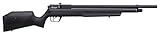
Marauder BP22SAS
Marauder BP22SAS feels noticeably different from traditional bolt-action PCP rifles the second shooting begins. Semi-automatic cycling changes the entire pace of target sessions, especially during reactive shooting drills or small game scenarios where timing matters. The rifle keeps moving without the repetitive hand motion that usually breaks concentration. That smoother rhythm becomes oddly addictive after a few magazines.
The synthetic all-weather stock keeps the rifle practical instead of precious. Damp mornings, dusty storage corners, and rough transport conditions don’t immediately create panic about scratches or moisture exposure. The adjustable cheek piece also helps create a more natural scope alignment. Neck strain sneaks up during longer sessions, so that extra adjustment range matters more than it first appears.
Balance deserves credit too. Semi-auto PCP rifles can sometimes feel front-heavy because of added internal complexity, yet this one stays relatively manageable. It shoulders comfortably and doesn’t fight against movement during standing shots. Longer shooting sessions feel less tiring because the weight distribution stays controlled instead of dragging downward.
Noise control remains one of the stronger parts of the Marauder family overall. The shrouded barrel softens the report enough to avoid the sharp, aggressive crack common with louder air rifles. Backyard target practice feels less disruptive, and repeated shots don’t echo as harshly across smaller outdoor spaces. Quiet rifles simply encourage more practice time because they create less tension.
Shot Consistency And Regulated Power
The integrated regulator changes the shooting experience in subtle but important ways. Instead of feeling unpredictable as pressure drops, the rifle delivers more stable shot behavior across a usable pressure range. Pellets leave the barrel with better consistency, which helps tighten groups and reduce random vertical spread. Tiny variations still exist, obviously, but the overall shooting pattern feels calmer and more repeatable.
Velocity performance reaching up to 950 fps gives the rifle enough authority for field targets and small game work without turning every shot into overkill. Lightweight pellets move fast and flat, while heavier pellets usually provide steadier energy retention outdoors. Windy conditions still affect pellet travel, especially with lighter ammunition. Pellet selection becomes part of tuning the rifle for real-world conditions instead of just chasing raw speed numbers.
Trigger response pairs nicely with the semi-auto action. A sluggish trigger would completely ruin the purpose of fast cycling, but the rifle keeps things reasonably crisp. Quick follow-up shots feel controlled rather than chaotic. That balance helps maintain accuracy instead of turning the platform into a spray-and-pray setup.
Pressure monitoring stays simple thanks to the onboard gauge. PCP rifles punish neglect pretty quickly, especially when air pressure drops too low. Watching the gauge becomes second nature after a few sessions. Reliable pressure tracking also helps shooters learn where the rifle performs most consistently.
Field Use And Real Shooting Habits
Field target shooting is where the semi-auto system really starts showing its advantages. Missing a small spinner target by half an inch no longer means fumbling through a slow reload process before correcting the shot. Fast cycling keeps momentum alive. That smoother pace can make practice sessions feel more engaging and less mechanical.
Small game hunting benefits from the regulated power system too. Consistent pellet delivery matters because unpredictable energy levels create messy shot placement issues. The rifle’s quieter report also helps avoid excessive disturbance in tighter outdoor areas. Sharp noise tends to empty a field quickly after the first shot.
The 10-round rotary magazine feeds reliably with quality pellets, though bargain pellets occasionally create hiccups. Soft skirts, inconsistent sizing, or oddly shaped heads can interfere with smooth cycling. Better ammunition noticeably improves reliability. In some cases, a related reference can be found in best airsoft gun for accuracy, especially when discussions shift toward consistency and precision-focused shooting habits.
Cold weather shooting feels more stable than CO2-powered alternatives. PCP systems avoid many of the temperature-related frustrations that affect gas pressure in colder conditions. Winter sessions still require proper maintenance and dry air management, but the rifle remains more predictable overall. That consistency keeps frustration levels lower during long outdoor use.
Comfort, Ergonomics, And Setup Flexibility
The reversible bolt handle sounds like a small feature until someone actually needs it. Left-handed shooters often end up adapting awkwardly to right-handed controls, especially on air rifles where ambidextrous design gets ignored. The Marauder handles that issue better than many competing models. The rifle feels more accommodating instead of forcing uncomfortable shooting habits.
Scope pairing becomes important because the rifle performs well enough to expose weak optics quickly. Cheap glass makes precise pellet placement unnecessarily difficult, especially at longer distances. The adjustable cheek rest helps maintain cleaner eye alignment, which reduces neck strain and inconsistent sight pictures. Tiny ergonomic details like that add up over time.
Weight management lands in a reasonable middle ground. The rifle has enough heft to steady shots without becoming exhausting to carry around all afternoon. Lightweight rifles sometimes feel twitchy during unsupported shooting. This setup settles more naturally against the shoulder.
Maintenance routines stay manageable if handled consistently. Semi-auto PCP systems contain more moving parts than simpler bolt-action rifles, so occasional cleaning becomes important. Dust, lead residue, and neglected lubrication eventually affect reliability. Keeping seals healthy and air reservoirs dry goes a long way toward preserving smoother operation.
Strengths And Limitations
Fast follow-up shots easily rank among the rifle’s biggest strengths. The semi-automatic action changes how the platform feels compared to slower manual systems. Repeated shots happen naturally without breaking shooting posture every few seconds. That rhythm creates a more fluid overall experience.
Shot consistency also stands out because of the regulated air system. PCP rifles without regulation sometimes feel inconsistent as pressure changes. The BP22SAS keeps things steadier through a larger usable fill range. Predictable trajectories help shooters build confidence instead of constantly second-guessing holdover.
Noise reduction deserves another mention because it affects everyday usability more than flashy velocity claims. Loud rifles limit where and when people actually want to shoot. The shrouded barrel helps avoid that harsh cracking sound that can make repeated practice unpleasant in smaller outdoor areas.
The biggest tradeoff comes from PCP ownership itself. Air management adds cost, planning, and occasional inconvenience. Hand pumps become physically tiring during high-volume shooting sessions, and compressors add expense. Semi-auto operation also burns through air faster than slower bolt-action rifles, so frequent shooters will notice refill demands sooner.
Pellet sensitivity occasionally shows up during rapid shooting. Premium pellets usually feed smoothly, while cheaper tins can create inconsistent cycling or occasional jams. Shooters expecting flawless operation with every random pellet type may hit some frustrating moments. Matching the rifle with quality ammunition makes a surprisingly big difference.
Benjamin Marauder BP2564S .25-Caliber PCP Air Rifle
Extra power sounds great until the rifle gets loud, clumsy, or hungry for air after only a few shots. That’s the tricky line a heavier-caliber PCP has to walk, especially for field target work and small game use where accuracy, shot control, and practical handling matter just as much as raw punch. The benjamin marauder pcp air rifle in this .25-caliber BP2564S version leans into heavier pellet energy while keeping the familiar Marauder traits: a shrouded barrel, all-weather stock, raised comb, and multi-shot magazine setup. It’s not the lightest or cheapest-feeling path into PCP shooting, but it has that steady, no-nonsense personality serious pellet shooters tend to respect.
Marauder BP2564S
Marauder BP2564S feels like the bigger-shouldered member of the Marauder family. The .25-caliber setup gives the rifle a more deliberate character than smaller-caliber versions, especially where pellet impact and downrange authority matter. It isn’t trying to be a casual tin-can plinker. This rifle makes more sense where controlled power and repeatable placement carry real weight.
The all-weather synthetic stock is one of those practical choices that looks plain at first and smarter later. Wet grass, dusty benches, scuffed cases, and changing temperatures don’t feel as nerve-racking as they would with a glossy wood stock. The adjustable raised comb helps line the cheek up behind optics without forcing the head into an awkward hover. That small ergonomic detail matters after more than a few shots.
The reversible bolt handle gives the rifle a friendlier layout for different shooting preferences. Plenty of air rifles still treat left-side operation like an afterthought, which gets annoying fast. This design doesn’t magically make the rifle feather-light, but it does reduce the feeling of being boxed into one handling style. For longer sessions, comfort isn’t fluff, it’s accuracy insurance.
The .25-caliber platform brings a clear tradeoff. Heavier pellets hit harder and tend to carry energy with more confidence, but they also use air faster than smaller calibers. The provided detail lists up to 16 shots per fill at 3000 PSI, so this rifle rewards planning rather than careless high-volume shooting. That limited shot count isn’t a dealbreaker, though it does shape how the rifle should be used.
Power, Pellet Energy, And Field Use
Power delivery is the main reason this model stands apart. The rifle is listed to deliver pellets up to 900 fps with 50 fpe, which gives the BP2564S real authority for field target shooting and small game hunting. Those figures shouldn’t be treated like a guarantee across every pellet, weather condition, or fill level. Still, they tell the story clearly: this is built for meaningful pellet energy, not casual backyard novelty.
Small game performance depends on more than speed, and that’s where the Marauder’s controlled PCP design helps. A heavier .25-caliber pellet can be unforgiving if the rifle isn’t accurate, so shot placement remains the whole ballgame. The rifled steel barrel gives the platform a proper precision foundation. Paired with good pellets, the rifle has the kind of deliberate feel that encourages slower, cleaner shooting.
Field target shooting also benefits from the steadier rhythm of a bolt-action setup. Single-shot operation slows the pace, sure, but it also keeps the shooter honest. There’s less temptation to rush follow-up shots just because the rifle can cycle quickly. That slower cadence can actually improve consistency when small targets expose every little mistake.
Air supply becomes the real ownership conversation. The product detail notes that an air compressor is not included, and that’s worth taking seriously. A PCP rifle at this power level needs a reliable filling method, whether that means a tank, compressor, or a very patient hand-pump routine. High-energy shooting is satisfying, but the refill side of the hobby can sneak up on anyone expecting springer-level simplicity.
Shrouded Barrel And Shooting Manners
The shrouded rifled steel barrel gives the rifle two important advantages: pellet stability and softened sound. Integrated sound suppression helps reduce the sharp report that makes repeated shooting feel disruptive. No air rifle should be treated as silent, and local rules still matter. Even so, a calmer sound profile makes practice less tense and more enjoyable.
Noise control matters most during repeated sessions. A loud air rifle can make every shot feel like an announcement, especially around barns, back lots, or small rural properties. The BP2564S avoids some of that harshness with its shrouded design. That quieter behavior pairs well with the rifle’s heavier-caliber purpose because power without manners gets old quickly.
Accuracy potential comes from the barrel, the pellet match, the shooter’s hold, and the pressure curve all working together. The rifle’s design supports that mix, but it won’t forgive sloppy pellet choice. Cheap or inconsistent .25-caliber pellets can make a capable PCP look worse than it is. A little pellet testing is part of the deal, especially with heavier calibers.
Optic setup deserves careful attention. A .25-caliber Marauder benefits from a scope that can handle clear target definition at practical airgun distances. In some cases, a related reference sits naturally with best red dot sights for air rifles, especially where sighting choices affect speed, precision, and close-range confidence. For this rifle, though, many shooters will still lean toward magnified glass for field targets and careful pellet placement.
Pros And Practical Strengths
The strongest advantage is the rifle’s balance of power and control. A .25-caliber PCP can feel excessive if the design is rough, but the BP2564S keeps the experience measured. The stock geometry, raised comb, and shrouded barrel all support a more settled shooting routine. That combination helps the rifle feel purposeful instead of loud and jumpy.
The 8-shot rotary magazine gives enough capacity for field use without turning the rifle into a rapid-fire distraction. Eight shots also fit the air capacity reality better than a huge magazine would. Since the rifle offers up to 16 shots per fill at 3000 PSI, two magazines roughly match the stated fill window. That makes shot planning simple and, frankly, pretty sensible.
The all-weather synthetic build is another real-world plus. Field rifles get bumped, leaned against posts, brushed through weeds, and carried in less-than-perfect weather. A tougher synthetic stock reduces the worry factor. It’s not fancy, but it’s practical in the way a field tool should be.
The adjustable raised comb helps solve a common air rifle annoyance. Poor cheek weld makes scope alignment inconsistent, and inconsistent alignment can scatter groups even when the rifle itself is capable. This stock gives more room to tune the fit. That matters for repeatable shooting, especially with a rifle that has enough power to justify careful aim.
Cons And Ownership Tradeoffs
The biggest weakness is air dependence. PCP rifles always require more gear than break-barrel or CO2 setups, and this .25-caliber version makes that even more obvious. Higher power means fewer shots per fill compared with smaller, lower-output rifles. Anyone expecting endless plinking without refill planning may feel boxed in pretty quickly.
The shot count is practical but limited. Up to 16 shots per fill can work beautifully for deliberate field use, yet it feels restrictive for long casual target sessions. That number also encourages discipline, which some shooters will appreciate and others won’t. The rifle rewards careful shot selection more than fast-volume shooting.
The single-shot bolt-action feel may frustrate anyone coming from semi-auto platforms. The bolt cycle keeps things traditional and controlled, but it does slow the rhythm. For hunting and precision work, that slower pace can be a strength. For fast target strings, it may feel a little old-school.
Pellet cost also deserves a nod. .25-caliber pellets usually cost more than smaller calibers, and quality pellets matter here. Feeding a powerful PCP bargain ammunition is a bit like putting cheap tires on a truck and blaming the road. The rifle’s best behavior will show up with pellets that match the barrel well.
Handling, Fit, And Realistic Expectations
Handling feels steady rather than nimble. The BP2564S isn’t the kind of rifle that disappears in the hands, and that’s not necessarily bad. A bit of weight helps settle the shot, especially from supported positions. Still, long walks with extra gear, pellets, and fill equipment can make the whole setup feel more involved.
Best-fit use centers on field targets, careful small game hunting, and shooters who appreciate measured power. This isn’t the most convenient rifle for quick backyard fun after dinner. It asks for air planning, pellet testing, and a bit of patience. In return, it offers heavier-caliber authority and a calmer shooting personality than many louder, rougher options.
Maintenance should stay consistent but not obsessive. Seals, air fittings, magazine function, and barrel condition all matter with PCP rifles. Skipping basic care can lead to leaks or rough feeding, which turns a good platform into a headache. Simple habits usually prevent bigger problems.
The Benjamin Marauder BP2564S makes the most sense as a deliberate, power-focused PCP rather than a casual all-day plinker. Its .25-caliber energy, shrouded barrel, and all-weather stock make it practical for outdoor shooting where control matters. The tradeoffs are real: more air demand, fewer shots per fill, and higher pellet costs. For a shooter who values harder-hitting pellets and steady placement, those tradeoffs may feel perfectly reasonable.
Benjamin Marauder BP2220 .22-Caliber PCP Air Pistol
Big air rifles aren’t always practical. Tight spaces, shorter shooting sessions, and quick pest-control setups sometimes call for something more compact without dropping into weak, toy-like performance. That’s where the benjamin marauder pcp air rifle family takes an interesting turn with the BP2220 air pistol. It keeps the familiar Marauder DNA alive through a shrouded barrel, bolt action, rotary magazine, and PCP power system, yet squeezes the whole experience into a handier format that feels easier to maneuver around barns, sheds, and tighter outdoor setups.
Marauder BP2220
Marauder BP2220 doesn’t behave like the cheap pellet pistols many people remember from years ago. This thing has weight, structure, and a more serious shooting personality right out of the box. The synthetic stock keeps the pistol from feeling fragile while also helping it stay relatively weather-resistant. Dust, damp grass, and changing temperatures won’t instantly make the setup feel delicate.
The compact size changes the entire shooting rhythm. Carrying a shorter PCP pistol through tighter spaces feels smoother than wrestling a long rifle around every corner. That smaller footprint also makes storage easier, especially in crowded gear rooms or truck compartments already packed with cases and tools. Convenience sounds minor until the rifle starts staying home because hauling it around becomes annoying.
Noise reduction deserves real credit here. The 12-inch rifled steel barrel is both choked and shrouded, which helps soften the report noticeably compared to louder pellet pistols. It’s still audible, obviously, but the tone feels less sharp and less disruptive. Repeated shooting sessions become more comfortable because the sound doesn’t slap the ears every few seconds.
Handling balance feels steadier than expected for a PCP-powered pistol. Some compact airguns feel twitchy and awkward once optics or accessories get added. The BP2220 maintains a calmer center of gravity, especially when paired with a lightweight optic. That stability helps reduce overcorrection during slower precision shooting.
Power And Real Shooting Behavior
The .22-caliber platform gives the pistol enough authority for small game hunting within realistic airgun distances. The provided specifications mention velocities up to 700 fps, which creates a respectable blend of energy and controllability. Pellet selection still matters a ton, though. Lightweight pellets may shoot flatter, while heavier options often produce steadier impact characteristics.
PCP power delivery feels smoother than spring-powered alternatives that jump around during firing. The recoil impulse stays mild, so the shooter can stay focused on sight alignment instead of fighting harsh movement. That softer behavior helps newer PCP shooters settle into a more controlled rhythm quickly. Precision becomes easier when the platform isn’t constantly wrestling against the shooter.
The integrated pressure gauge makes ownership less frustrating. PCP systems punish guesswork fast, especially when pressure drops low enough to affect trajectory consistency. A quick glance at the gauge keeps the shooter aware of remaining air supply. Tiny pressure details can completely change pellet impact points over distance.
Shot consistency feels surprisingly respectable for a compact PCP pistol. The barrel design and bolt-action layout help support cleaner pellet placement instead of chaotic spread patterns. Bench shooting reveals the pistol’s calmer personality best. Offhand shooting still demands discipline, naturally, but the platform doesn’t feel unpredictable.
Trigger Feel And Magazine Setup
The two-stage drop-sear trigger gives the pistol a more refined shooting experience than many compact airguns in this category. Instead of a stiff, crunchy pull, the trigger offers a cleaner break that supports more deliberate shooting habits. Trigger control matters even more on pistols because every small movement gets magnified. A sloppy trigger would completely ruin the pistol’s potential.
The 8-shot rotary magazine keeps shooting sessions moving without constant single-pellet loading. Eight shots feels like a sensible middle ground for this platform. It’s enough capacity to maintain rhythm while still keeping the setup compact. Reloading stays relatively simple once the magazine system becomes familiar.
Bolt-action cycling feels deliberate rather than overly fast. That slower pace actually fits the pistol well because it encourages more measured shooting. Rapid-fire behavior would work against the pistol’s accuracy-focused personality anyway. The manual cycling also keeps the overall system mechanically simpler than semi-auto PCP setups.
Magazine sensitivity occasionally appears with inconsistent pellets. Soft skirts or oddly shaped pellet heads can interrupt smooth feeding. Better-quality pellets reduce those interruptions noticeably. Cheap ammunition tends to expose weaknesses faster in compact PCP systems.
Practical Hunting And Outdoor Use
Small game hunting is clearly part of this pistol’s intended role. The .22-caliber setup combined with PCP consistency gives enough controlled power for close-range pest management tasks. Accuracy matters far more than raw speed in those situations, and the BP2220 leans toward deliberate placement instead of brute-force energy. That calmer shooting personality suits careful outdoor use.
The shorter profile helps during movement-heavy situations. Carrying a full-length air rifle through brush or cramped property edges can become awkward quickly. This pistol feels more maneuverable around obstacles and tighter shooting positions. Quick transitions between targets also feel smoother because the platform moves with less bulk.
Weather resistance adds another practical advantage. Synthetic furniture tends to handle humidity changes more gracefully than traditional wood stocks. Moisture exposure still requires care, obviously, but the pistol feels less fussy overall. Outdoor gear that constantly demands pampering eventually becomes exhausting.
Optic pairing can dramatically shape the experience. Compact scopes or red dots usually complement the pistol better than oversized glass. In some cases, a related reference naturally connects with best barrel brake 177 air rifles, especially where discussions shift toward stability, muzzle behavior, and shooting control. For the BP2220, though, balance matters more than oversized accessories.
Strengths And Ownership Tradeoffs
The biggest strength is portability without sacrificing PCP performance characteristics. Plenty of compact airguns lose consistency or accuracy once size gets reduced. The BP2220 keeps much of the Marauder family feel intact while trimming overall bulk. That makes it easier to grab for shorter sessions instead of reserving it only for planned range days.
Noise suppression also stands out strongly. Loud air pistols become tiring quickly, especially during repetitive shooting sessions in smaller outdoor spaces. The shrouded barrel softens the shooting experience enough to encourage longer practice periods. Calmer sound profiles simply make shooting more enjoyable.
The trigger system deserves another mention because precision pistols live or die by trigger feel. A predictable break supports tighter groups and smoother follow-up shots. Combined with the rifled barrel, the trigger helps the pistol feel more deliberate and mature instead of gimmicky.
The biggest tradeoff remains PCP ownership itself. Air filling equipment adds cost, maintenance, and planning compared to spring or CO2 pistols. The 3000-psi system requires either a compressor, tank, or patient pumping routine. Anyone expecting completely hassle-free operation may feel overwhelmed by the extra gear.
Shot count limitations also shape how the pistol gets used. Compact PCP systems naturally hold less air than larger rifles, so long shooting marathons usually involve refills sooner than expected. That’s not necessarily bad, though it encourages more careful pacing. High-volume shooters may prefer a larger reservoir system.
The BP2220 ultimately feels best suited for deliberate, accuracy-focused shooting rather than frantic rapid-fire sessions. The quieter report, manageable size, and bolt-action consistency all support that slower pace. Tiny details like the integrated gauge and rotary magazine improve everyday usability in ways that become more noticeable over time. It’s a compact PCP pistol that behaves more like a trimmed-down precision rifle than a casual backyard plinker.


12 Best 22 Pcp Air Rifle For Hunting of 2026 With Quiet Power

7 Best 22 Pcp Air Rifle Under 300 of 2026 For Backyard Pest Control

10 Best 22 Break Barrel Air Rifles of 2026 For Backyard Pest Control

10 Best 30 Caliber Pcp Air Rifle of 2026 For Medium Game

Top Best 177 Air Rifle Under 100: Budget-Friendly Picks for 2026

How to Safely Reload Shotgun Shells at Home

11 Best Co2 Air Rifle For Pest Control of 2026 To Ensure Humane Dispatch

12 Best Inexpensive Air Rifles of 2026 For Dependable Backyard Accuracy






