
11 Best 1000 Yard Spotting Scope of 2026 For Calling Target Hits

Buying a budget optic with sky-high magnification on a tiny objective lens is the fastest way to burn through expensive handloads without learning a thing. At extreme distances, cheap glass turns into a dark, muddy haze where heavy mirage completely swallows the target plate. Instead of spotting bullet splash on steel or dust in the berm, shooters end up squinting through a pinpoint exit pupil, fighting eye fatigue, and guessing where rounds landed. A shaky mount only multiplies the frustration, turning every light breeze into a dizzying smear that leaves wasted range time and missed corrections behind.
Spotting impacts from the bench should feel direct and immediate: a crisp sight picture confirms bullet trace and plate movement so adjustments happen before conditions shift. Getting that performance out past the firing line demands an 80mm or larger objective lens to pull in usable light at high magnification, paired with coated glass that cuts through shimmer. A smooth fine-focus wheel and an angled body also protect your neck during long shooting sessions. The models compared below deliver the optical resolution needed from a 1000 yard spotting scope to verify every shot downrange.

- ARS Mark7.3
ARS Mark is a ranking system developed by bestairriflescopes.com. ARS Mark has no relationship or impact from any manufacturers or sales agent websites. Learn more
- BrandGosky

- ARS Mark7.5
ARS Mark is a ranking system developed by bestairriflescopes.com. ARS Mark has no relationship or impact from any manufacturers or sales agent websites. Learn more
- BrandGosky

- ARS Mark9.2
ARS Mark is a ranking system developed by bestairriflescopes.com. ARS Mark has no relationship or impact from any manufacturers or sales agent websites. Learn more
- BrandVortex
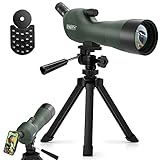
- ARS Mark9.2
ARS Mark is a ranking system developed by bestairriflescopes.com. ARS Mark has no relationship or impact from any manufacturers or sales agent websites. Learn more
- BrandEmarth
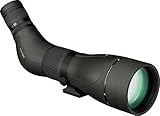
- ARS Mark8.8
ARS Mark is a ranking system developed by bestairriflescopes.com. ARS Mark has no relationship or impact from any manufacturers or sales agent websites. Learn more
- BrandVortex

- ARS Mark9.6
ARS Mark is a ranking system developed by bestairriflescopes.com. ARS Mark has no relationship or impact from any manufacturers or sales agent websites. Learn more
- BrandVortex

- ARS Mark8.6
ARS Mark is a ranking system developed by bestairriflescopes.com. ARS Mark has no relationship or impact from any manufacturers or sales agent websites. Learn more
- BrandLULOLO

- ARS Mark7.9
ARS Mark is a ranking system developed by bestairriflescopes.com. ARS Mark has no relationship or impact from any manufacturers or sales agent websites. Learn more
- BrandWOZEL

- ARS Mark8.5
ARS Mark is a ranking system developed by bestairriflescopes.com. ARS Mark has no relationship or impact from any manufacturers or sales agent websites. Learn more
- BrandVortex

- ARS Mark9.6
ARS Mark is a ranking system developed by bestairriflescopes.com. ARS Mark has no relationship or impact from any manufacturers or sales agent websites. Learn more
- BrandHUICOCY
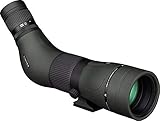
- ARS Mark7.8
ARS Mark is a ranking system developed by bestairriflescopes.com. ARS Mark has no relationship or impact from any manufacturers or sales agent websites. Learn more
- BrandVortex
Last update on 2026-09-26 / Affiliate links / Images, Product Titles, and Product Highlights from Amazon Product Advertising API
Can a spotting scope show bullet holes at 1,000 yards?
No, seeing small bullet holes on paper targets at 1,000 yards is generally impossible due to atmospheric conditions and optical physics. Mirage, dust, and light distortion scatter optical clarity over that distance. Shooters instead use spotters to detect steel target movement, visible bullet trace, or dirt splash around the impact area. Glassing with high-magnification models like a 25-75x85 or 30-90x92 gives you the field contrast needed to call those reactive hits right away.
What objective lens size and magnification are needed for extreme distances?
Optics featuring large objective lenses between 80mm and 92mm deliver the best performance for extreme-range viewing. High-magnification ranges like 20-60x80, 25-75x85, or 30-90x92 gather enough light to keep the sight picture readable when you zoom in completely. Compact 50mm or 60mm lenses are lightweight, but their smaller light-gathering surfaces produce dimmer views at high power, making subtle impact splash difficult to spot.
Is an angled or straight eyepiece better for bench and prone shooting?
An angled eyepiece, particularly a 45-degree angled design, is far better suited for bench and prone shooting setups. It allows you to glance into the eyepiece with a simple tilt of your head, keeping your body aligned behind your rifle without straining your neck. Straight eyepieces force you to sit higher or adjust the tripod awkwardly, which disrupts your shooting posture between rounds.
How do you manage heat mirage when spotting at 1,000 yards?
Backing down your magnification power is the most effective way to cut through severe heat mirage. Heavy magnification magnifies shimmering thermal air currents right along with the target, blurring out edges and washing out target contrast. Dropping from high zoom settings like 60x, 75x, or 90x down to 20x or 25x sharpens the overall image outline, allowing you to clearly register bullet splash on the berm.
Why is tripod stability critical for high-magnification spotters?
High magnification amplifies the slightest vibration, meaning light wind or a light touch on the focus wheel can completely blur your view. Large spotters with 80mm, 85mm, or 92mm objective bells carry substantial weight that cheap camera tripods cannot support cleanly. Securing your optic to a stiff, weighted tripod keeps the frame rock solid, ensuring you do not lose sight of the target plate during recoil.
How does a spotting scope coordinate with rifle optics on the firing line?
A spotter provides wider peripheral coverage and higher zoom than standard rifle glass, letting a shooting partner call wind drifts and misses in real time. Pairing your spotter alongside a rifle optic built for accurate holdovers makes it easy to translate splash distance into immediate turret or reticle corrections. This team coordination keeps you on target without burning rounds trying to locate stray impacts.

10 Top Picks: Best Youth Air Rifles for 13-Year-Olds

12 Best Rifle Scopes For 5.56 Under 150 Dollars - (2026 Top Picks)

Top 10 Rifle Scopes for Coyote Hunting in 2026

12 Best Benchrest Rifle Scopes of 2026 For Tight Groups

Top 5 Airsoft Rifles: Unleash the Action in 2026
Unveil the Best Straight Wall Deer Rifles: Top Picks for 2026

Top Ammo Choices for Air-Powered Rifles: Boost Your Performance in 2026

Best Quick Detach Scope Rings for Accurate and Convenient Shooting







