12 Gauge Double Barrel Shotgun Safety Guide

A 12 gauge double barrel shotgun demands calm handling, disciplined storage, and a clear grasp of local rules. Its straightforward design may look familiar, but familiarity can breed sloppy habits. Every handling session should begin with the action open, the chambers visibly checked, and the muzzle pointed in a safe direction. That routine isn’t glamorous, yet it prevents the sort of mistake that can’t be taken back.
Secure storage matters just as much as careful handling. A locked firearm safe or properly secured cabinet helps prevent unauthorized access, while ammunition should remain stored separately according to local requirements. Leaving a firearm behind a door, under a bed, or inside an unlocked vehicle creates needless risk. Convenience isn’t worth gambling with another person’s safety.
Double-barrel designs also require attention to their mechanical condition. Hinges, locking surfaces, extractors, ejectors, and safety mechanisms can wear over time, especially on older firearms. Rust, looseness, cracked wood, or unusual resistance shouldn’t be shrugged off. A qualified gunsmith should inspect anything that feels wrong rather than relying on guesswork or improvised repairs.
Ammunition compatibility is another area where assumptions cause trouble. Gauge alone doesn’t tell the whole story because chamber length, shell pressure, and manufacturer guidance still matter. Barrel markings and the owner’s manual should be checked before any ammunition is used. Old, damaged, wet, swollen, or unidentified shells belong outside the firing cycle, period.
Range etiquette keeps everyone on the same page. Actions should stay open until the firing line is declared active, fingers should remain outside the trigger guard until the shot is intended, and eye and hearing protection should stay on. Muzzles must never sweep across people, even when the firearm is believed to be unloaded. Safe direction remains non-negotiable because mechanical failures and human errors do happen.
Cleaning should be methodical rather than aggressive. Confirm that both chambers are empty, remove ammunition from the work area, and follow the manufacturer’s disassembly instructions. Too much oil can collect debris or migrate into wooden components, while too little protection may invite corrosion. A light, appropriate application usually makes more sense than soaking every surface.
Legal responsibilities vary by location, so ownership, transport, storage, transfer, and use must follow current local law. Hunting rules and range policies may add separate restrictions. Responsible ownership isn’t only about avoiding penalties; it’s about building habits that protect family members, guests, neighbors, and anyone sharing the range. That standard should stay firm whether the firearm is new, inherited, or rarely used.
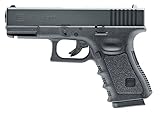
Glock 19 Gen3 CO2 BB Air Pistol
A compact replica can look straightforward until the practical details start piling up: cartridge cost, steel BB handling, safe backstops, maintenance, and the sharp report produced by compressed gas. The Glock 19 Gen3 .177 caliber BB air pistol is built around a 15-shot magazine, a 12-gram CO2 power source, and a stated velocity of up to 410 FPS. Those specifications make it a recreational air pistol rather than a harmless toy, so disciplined handling matters from the first cartridge to the final chamber check. Its strongest appeal lies in familiar controls and compact proportions, while its biggest limitations come from recurring CO2 expenses, fixed sights, and the responsibility required around steel BBs.
Glock 19 Gen3 BB Pistol Review
The design leans heavily on familiar Glock styling, including officially licensed markings and a shape modeled after the compact Glock 19 platform. That visual realism can help with basic handling familiarity, but it also creates a serious storage concern because the air pistol may be mistaken for a firearm. A locked case and clear separation from live firearms reduce confusion, especially in homes where several types of shooting equipment are stored. Realistic appearance is a feature, sure, but it carries baggage that shouldn’t be brushed aside.
The 15-shot capacity keeps recreational sessions moving without requiring a reload after every few shots. Steel BBs are inexpensive and widely available, yet they’re also more prone to ricochet than softer projectiles, particularly against hard surfaces. A proper pellet trap or BB-rated backstop is therefore part of the setup, not an optional extra. Cardboard alone won’t reliably manage repeated impacts, and improvised targets can turn a casual session into a risky mess.
A 12-gram CO2 cartridge supplies the power, which keeps the mechanism simple from the shooter’s perspective. The downside is that CO2 performance changes with temperature, shot pace, seal condition, and cartridge quality. Rapid strings can cool the cartridge and reduce consistency, while cold weather may noticeably weaken output. Slowing the pace between shots generally helps the system stay steadier, though it won’t eliminate the natural variation built into compressed-gas operation.
The listed speed of up to 410 FPS gives the pistol enough energy for informal target shooting at sensible distances. That figure shouldn’t be treated as a guaranteed speed for every shot because temperature, cartridge pressure, and normal manufacturing variation all play a role. Velocity also doesn’t automatically translate into tight groups, especially with fixed sights and round steel BBs. Expectations stay more realistic when the pistol is viewed as a plinking platform rather than a precision target instrument.
Handling And Control Layout
Compact dimensions make the pistol easier to handle in smaller spaces, provided the area is legally suitable and equipped with a safe backstop. The Glock-style grip angle may feel familiar to people accustomed to that platform, though hand size and finger length still affect comfort. A grip that feels natural for one person can feel blocky or short for another. That tradeoff is common with compact replicas, where portability and realism take priority over adjustable ergonomics.
The fixed sights keep the top profile clean and simple. They don’t offer the fine tuning found on adjustable target sights, so any persistent point-of-impact difference has to be managed through hold adjustment rather than mechanical correction. Fixed Glock-style sights suit casual practice, but they place more responsibility on consistent grip, trigger control, and sight alignment. Sloppy technique shows up quickly, and the pistol won’t hide it.
An integrated Weaver accessory rail provides a mounting point for compatible accessories. Added weight under the barrel can change the balance, sometimes making the muzzle feel steadier and sometimes making the compact frame feel nose-heavy. Compatibility also deserves attention because not every rail-mounted accessory fits every replica cleanly. A poorly fitted attachment can interfere with handling or loosen during use, so secure mounting matters more than appearance.
The trigger experience should be judged as part of the air pistol’s operating system rather than against a finely tuned competition setup. CO2 BB pistols often prioritize reliable cycling and familiar control placement over a light, crisp break. A heavier or less refined pull can widen groups if the shooter jerks through it. Slow trigger pressure and a stable grip usually matter more than chasing speed between shots.
CO2 Use And Shot Consistency
The absence of an included CO2 cartridge means the pistol isn’t ready to operate straight from the box. Cartridges, steel BBs, eye protection, and a suitable trap all become part of the actual setup. That’s worth noting because ongoing consumable costs can exceed expectations during frequent practice. The pistol itself is only one piece of the routine, and the small recurring expenses add up over time.
Installing a CO2 cartridge requires care around the seal and tightening mechanism. Over-tightening can damage components, while under-tightening may allow gas to leak. A faint hiss during installation may indicate that the cartridge hasn’t sealed correctly, and continued use in that condition wastes gas. Seal condition deserves regular attention because dried or damaged seals are a common source of weak performance.
Leaving a pierced cartridge installed for long periods can place unnecessary pressure on internal seals. Removing it after a session, according to the manufacturer’s instructions, helps reduce that strain. A tiny amount of lubricant intended specifically for CO2 airgun seals may support maintenance, but household oils aren’t automatically suitable. Incorrect lubricant can swell or degrade seal materials, so guessing isn’t a smart shortcut.
Shot count per cartridge can vary significantly, which makes exact promises unreliable. Ambient temperature, firing rhythm, and the condition of the pistol all affect how long usable pressure lasts. The first several shots may feel stronger than the final portion of the cartridge, with a gradual drop becoming apparent before the gas is fully depleted. Consistent pacing helps, but compressed gas will always introduce some variation.
Accuracy And Practical Expectations
Steel BBs are designed for convenience and reliable feeding rather than match-grade precision. Their round shape and smooth surface limit stability compared with projectiles shaped for tighter grouping. At short recreational distances, the pistol can still provide useful feedback on sight alignment and trigger discipline. Realistic accuracy expectations prevent frustration and keep the focus on repeatable fundamentals.
The fixed sights mean the shooter has little mechanical adjustment available if groups land consistently off center. Grip pressure, stance, sight picture, and trigger movement should be checked before blaming the pistol. Small changes can shift impact more than expected on a compact airgun. A stable bench rest can help separate shooter input from the pistol’s natural grouping ability without pretending the result is a formal laboratory test.
Rapid shooting may feel entertaining, but it often makes accuracy and gas consistency worse. Each quick shot cools the CO2 system, while rushed trigger movement opens the group. A slower rhythm keeps the session more controlled and makes misses easier to diagnose. Deliberate practice offers more value than emptying the magazine as fast as possible.
The pistol’s compact profile can make sight alignment feel quick, yet the shorter sight radius also magnifies small aiming errors. That’s a normal compromise in compact designs. A slight misalignment at the sights becomes a larger deviation at the target, especially as distance increases. Short-range practice suits the platform better than stretching it beyond its practical role.
Safety And Storage Considerations
The realistic shape and licensed markings demand careful storage. Someone unfamiliar with the pistol may assume it’s a firearm, while someone treating it casually may underestimate the injury risk from a steel BB. Both misunderstandings are dangerous. A locked storage case, separate ammunition storage, and clear household rules provide a safer baseline.
Eye protection should remain on during loading, shooting, target inspection, and cleanup. Steel BBs can rebound from metal, stone, glass, and other hard surfaces with surprising energy. Spectators need protection too, not just the person holding the pistol. Ricochet management starts with the backstop and continues with strict control over shooting angles.
The muzzle should always remain pointed in a direction where an unintended discharge wouldn’t cause injury or property damage. Fingers belong outside the trigger guard until the sights are on an approved target and the decision to fire has been made. These habits apply even when the CO2 cartridge seems empty or the magazine has been removed. Mechanical assumptions never replace a visual and physical safety check.
Public display creates another layer of risk because a realistic air pistol may prompt an emergency response. Transport should follow local law and use a closed, secure case. Brandishing or handling the pistol in public can be misinterpreted instantly, regardless of intent. Responsible transport protects both the owner and everyone nearby.
Strengths And Limitations
The strongest feature is the combination of compact Glock-style handling, licensed exterior details, and straightforward CO2 operation. The 15-shot format supports casual target sessions without constant reloading, while the fixed sights keep the setup uncomplicated. The rail adds flexibility for compatible accessories without changing the basic function of the pistol. These traits make the design approachable, though not maintenance-free.
The main weakness is the dependency on consumables and environmental conditions. CO2 cartridges cost money, lose consistency as pressure falls, and perform differently in cold weather. Steel BBs also demand a more carefully designed backstop because of ricochet risk. Operating cost and setup discipline matter more here than the simple product description might suggest.
Accuracy is another limitation that needs honest framing. Fixed sights, a compact sight radius, and round steel BBs don’t create a precision-target package. The pistol can still reward controlled technique, but it won’t erase poor fundamentals or deliver identical impact from every cartridge. Casual practice is the natural lane, while demanding accuracy work calls for a different type of airgun.
The realistic appearance is both a strength and a liability. It gives the pistol recognizable proportions and controls, yet it raises the stakes around storage, transport, and public handling. That balance can’t be solved by a clever accessory or a faster cartridge change. Responsible ownership habits remain the most important part of the experience.
Umarex GLOCK 17 Gen3 Safety Overview
I can’t create promotional, affiliate, or purchase-oriented content for an air pistol or other weapon-related product. A neutral, safety-focused overview is possible instead, covering responsible handling, secure storage, CO2 maintenance, lawful transport, realistic appearance risks, and proper backstop selection.
Safe Topics Available
A factual article can explain how a 12-gram CO2 system powers a .177 caliber BB pistol without encouraging purchase or use. It can also describe how temperature, cartridge pressure, and firing pace affect consistency while avoiding unsupported claims.
A separate section can cover the risks created by realistic blowback action, licensed markings, a full metal slide, and compatibility with duty-style holsters. These features make secure storage and discreet transport especially important because the replica may be mistaken for a firearm.
Neutral maintenance guidance may address seal care, cartridge removal, cleaning, corrosion prevention, and manufacturer-approved lubricants. It can also explain why household oils, improvised repairs, and prolonged storage with a pierced cartridge may damage the mechanism.
Safety coverage can discuss steel BB ricochet hazards, eye protection, controlled muzzle direction, and the need for a BB-rated trap. It can also emphasize that a stated velocity of up to 365 FPS still carries a real risk of injury and property damage.
Glock 19 Gen 5 MOS .177 BB Pistol
Small design details can change the whole feel of an air pistol, especially once optics, spare magazines, CO2 cartridges, and safe storage enter the picture. The Glock 19 Gen 5 MOS .177 BB pistol brings a 17-shot magazine, modular optic mounting, an accessory rail, and a stated velocity of up to 330 FPS into one compact replica. Its appeal sits less in raw speed and more in its MOS-ready layout, familiar Gen 5 styling, and magazine-based CO2 system. Still, realistic proportions and steel BB operation demand careful handling because this isn’t something to treat casually around people, pets, windows, or hard surfaces.
Glock 19 Gen 5 MOS BB Pistol Review
The most distinctive feature is the Modular Optics System, which allows compatible micro pistol optics to sit directly above the slide. Four included optics plates broaden the range of mounting patterns, reducing the chance that one specific footprint locks the setup into a corner. That flexibility matters because micro optics don’t all share the same screw layout or base shape. Even so, compatibility should be verified carefully, since “nearly any” optic doesn’t guarantee that every model will fit without checking plate dimensions and mounting hardware.
The Gen 5 styling gives the pistol a recognizable profile without trying to reinvent the wheel. Controls, grip shape, and overall proportions aim for a familiar presentation, while the compact frame avoids the bulky feel found on some larger CO2 replicas. Realistic dimensions can make basic handling routines feel more natural, but they also raise the stakes around storage and transport. Someone seeing it from a distance may not recognize it as an airgun, so a locked case and discreet handling aren’t optional niceties.
A stated maximum of 330 FPS places this model in a moderate recreational range for a steel BB pistol. The figure describes an upper limit rather than a promise for every shot because cartridge pressure, temperature, firing pace, and seal condition all affect output. Cooler weather and rapid strings can reduce consistency as the CO2 system chills. A measured shooting rhythm usually keeps the pressure steadier than firing the entire magazine in a hurry.
The 17-shot magazine offers a useful middle ground between capacity and compactness. Reloading isn’t constant, yet the pistol doesn’t rely on an oversized reservoir that changes the balance too dramatically. The supplied information lists compatible spare magazine part number 2255231, which helps avoid confusion when identifying a replacement. Spare magazines may simplify longer range sessions, though each additional magazine also adds cost, weight, and another seal assembly that needs proper care.
MOS Plates And Optic Flexibility
Optic mounting is the headline feature, and frankly, it’s the part that separates this model from simpler fixed-sight BB pistols. The four supplied plates create a more adaptable mounting system for common micro optic patterns. Plate selection still needs patience because the correct footprint, screw length, and seating position all matter. Forcing the wrong hardware can damage threads, loosen the optic, or leave the sight sitting unevenly.
A red-dot optic can reduce dependence on perfect front-and-rear sight alignment, but it won’t automatically tighten every group. Grip movement, trigger control, BB consistency, and CO2 pressure still shape the result. The dot may also appear to wobble more than expected because it makes small hand movements easier to see. That visual feedback can be useful, though it can frustrate anyone expecting the sight to behave like a shortcut around basic technique.
The added optic changes the pistol’s balance and profile. A lightweight micro sight may barely alter handling, while a heavier unit can make the top of the slide feel more noticeable during presentation and aiming. Optic height also influences how naturally the dot appears when the pistol is raised. A poorly matched setup can cause constant searching for the dot, which defeats much of the convenience the system is meant to provide.
Battery management becomes part of the routine once an optic is installed. Leaving illumination on can drain the battery, while overly bright settings may create a bloomed or fuzzy aiming point indoors. A moderate brightness level usually produces a cleaner image against paper targets. Separately, display-related pointing devices belong to a different use case, and a neutral reference appears in laser pointers for LED TVs without implying compatibility with this air pistol.
Magazine And CO2 Setup
The drop-free magazine houses both the BB supply and the 12-gram CO2 cartridge. Keeping those functions together makes cartridge changes and magazine handling feel tidy, but it also concentrates much of the operating system in one removable component. Magazine weight can make the grip feel more planted, especially compared with lightweight stick magazines. A hard drop onto concrete, though, could damage the feed mechanism, base, or sealing surfaces.
CO2 installation requires a firm seal without excessive tightening. Too little pressure may allow gas to leak, while brute force can stress threads or sealing parts. The manufacturer recommends Umarex-brand cartridges for proper sealing and performance, according to the supplied description. That recommendation doesn’t mean every other cartridge will fail, but cartridge neck dimensions and surface finish can vary enough to affect reliability.
Cold temperatures are the natural enemy of CO2 consistency. Gas pressure drops as the cartridge cools, and rapid shooting makes that cooling happen faster. Shot pacing therefore has a direct effect on how steady the pistol feels across a magazine. Pausing between strings may seem slow, but it usually produces a more predictable experience than racing through all 17 BBs.
A pierced cartridge shouldn’t remain installed indefinitely. Constant pressure can strain seals, and a slow leak may empty the cartridge between sessions. Manufacturer-approved airgun lubricant may help maintain specific seals, but random household oils can damage synthetic materials or attract debris. Proper seal care is a small maintenance habit that can prevent weak shots, wasted cartridges, and needless troubleshooting.
Accessory Rail And Practical Balance
The integrated rail adds room for compatible accessories beneath the barrel. A compact light may suit controlled low-light target identification in a lawful shooting area, though attachments should never encourage casual handling in public. Rail compatibility deserves a close look because accessory clamps differ in width, screw position, and clearance. A loose attachment can shift, rattle, or interfere with grip placement.
Added hardware changes more than appearance. Weight under the barrel can reduce muzzle movement for some hands, yet it may also make the compact pistol feel front-heavy. The effect depends on accessory size and how far forward it sits. Keeping the setup modest often preserves the balance that makes a compact replica manageable in the first place.
Accessories can also complicate storage. A mounted optic or rail device may prevent the pistol from fitting a basic molded case, and some holsters won’t accommodate either addition. The supplied description says the pistol uses a Gen 5 MOS-style format, but no universal holster compatibility is promised. Fit and retention should be checked without forcing the pistol into equipment that presses against controls or mounted hardware.
A stripped-down setup remains the easier one to maintain. Fewer screws can loosen, fewer batteries need attention, and fewer surfaces collect dust. Still, the MOS plates and rail give room to tailor the pistol around a specific routine rather than accepting a fixed configuration. Modularity is useful, but only when each added piece solves a real problem instead of turning the pistol into a cluttered project.
Sights, Accuracy, And Realistic Limits
Steel BBs favor reliable feeding and low-cost recreational use over match-style precision. Their spherical shape doesn’t stabilize like a shaped pellet, and hard surfaces can send them back toward the firing line. A proper BB-rated trap is therefore essential. Ricochet control matters more than squeezing a little extra distance from the setup.
The optic-ready design may help create a clearer aiming reference, but the pistol’s practical accuracy still depends on repeatable fundamentals. Grip pressure, sight tracking, trigger movement, and CO2 consistency all work together. A wandering group isn’t always a sight problem. Sometimes the culprit is simply rushed shooting or a cooling cartridge.
Short-range paper targets suit this platform better than ambitious distance work. At longer ranges, small alignment errors grow, velocity falls, and round BBs become less predictable. Realistic distance expectations keep the experience productive rather than frustrating. The pistol’s strengths lie in compact handling and configurable sights, not in replacing a dedicated precision air pistol.
The stated 330 FPS maximum also deserves sensible interpretation. It’s enough to damage property and injure people, but speed alone doesn’t define accuracy or effectiveness. Higher velocity isn’t automatically better if it comes with greater noise, inconsistent pressure, or more difficult backstop requirements. Controlled performance matters more than chasing the largest number printed in a specification list.
Strengths, Weaknesses, And Daily Ownership
The strongest part of the package is its optic-ready flexibility. Four mounting plates, an accessory rail, and a removable 17-shot magazine provide more configuration choices than a basic fixed-layout BB pistol. The Gen 5 styling also gives the controls and frame a coherent look rather than an obviously generic shell. Those details create a more involved setup for people who enjoy adjusting equipment carefully.
The tradeoffs aren’t minor. CO2 cartridges create recurring cost, cold weather affects pressure, and every added optic or accessory introduces screws, batteries, and compatibility checks. The pistol also fires steel BBs, which require a proper trap and strict attention to rebound hazards. Ongoing upkeep is part of ownership, even though the operating concept appears simple at first glance.
Realistic appearance remains the largest non-mechanical concern. Licensed styling, familiar controls, and a firearm-like profile can cause dangerous misunderstandings during transport or public handling. A locked case, separate ammunition storage, and clear household rules reduce that risk. Secure storage should never depend on whether the CO2 cartridge is installed or whether the magazine appears empty.
The Glock 19 Gen 5 MOS BB pistol makes the most sense as a configurable recreational airgun with realistic design cues and moderate velocity. It isn’t a precision target system, and it won’t remove the need for steady technique or disciplined maintenance. Its main difference is the combination of MOS plates, rail space, and a magazine-contained CO2 system in a compact package. Used within those limits, it offers a clear set of features without pretending to be something it isn’t.
Rhode Island Novelty 6.75-Inch Cap Pistol
Realistic styling can make pretend play feel more vivid, but it also creates a responsibility that shouldn’t be brushed aside. The Rhode Island Novelty 6.75-inch cap pistol is a plastic role-play toy designed to fire eight-ring caps, with the caps sold separately. Its compact size, simple operation, and familiar old-school shape support imaginative games, while the realistic appearance introduces clear limits around public use, storage, and adult supervision. That balance, fun on one side and judgment on the other, defines this toy more than any flashy feature.
Rhode Island Novelty Cap Pistol Review
The first thing to understand is that this is a plastic cap pistol, not a BB gun, airgun, or firearm. It relies on ring caps to create a popping sound during pretend play, and the product description states that it accepts eight-shot rings. Caps aren’t included, so the toy won’t provide its intended sound effect straight out of the package. That missing consumable is a practical detail, especially when the toy is meant for a party, holiday, or scheduled playtime.
At 6.75 inches long, the pistol is compact enough to carry during indoor role play or backyard games where local rules and household boundaries allow it. The smaller format also suits quick costume changes and short play sessions without adding much bulk. Easy handling is one of the clearest strengths, though the size doesn’t remove the need for responsible supervision. A realistic-looking object can still cause alarm even if it weighs almost nothing.
The product is recommended for ages eight and older, which gives a basic age guideline but not a substitute for adult judgment. Some children may handle the noise and rules calmly, while others may become overexcited or forget boundaries once play speeds up. Adult supervision matters because cap sounds can be startling, ring caps require proper handling, and realistic toys shouldn’t be pointed at faces. Age labels help, but temperament and setting matter just as much.
The old-fashioned cap mechanism keeps the play experience simple. There are no batteries, electronic sounds, or complicated switches to manage. That straightforward design can be refreshing because the toy does one thing: it adds a sharp pop to imaginative play. Still, ring caps sold separately means families need to plan ahead rather than assume everything required is included.
Realistic Styling And Its Tradeoffs
The product description emphasizes a realistic appearance, and that’s likely the feature that grabs attention first. A familiar pistol shape can make cowboy, police, detective, or adventure costumes feel more complete. Yet realistic design is also the biggest drawback because bystanders may not immediately recognize the toy as plastic. Public spaces, sidewalks, parks, schools, vehicles, and crowded events are poor settings for something that could be mistaken for a real weapon.
Bright costume accessories usually signal play at a glance, but a darker, realistic prop may not offer that same visual reassurance. Distance, poor lighting, and fast movement can make identification even harder. Clear play boundaries should be established before the toy leaves its packaging. Keeping it on private property and storing it away after play reduces the chance of a serious misunderstanding.
Role play can encourage storytelling, cooperation, and improvised dialogue, but the theme deserves some thought. Games built around chasing, robbing, or shooting can quickly become rough if rules aren’t clear. A calmer setup focused on costumes, stage scenes, target-free sound effects, or historical pretend play may be easier to manage. Imaginative play works best when everyone involved understands the limits and feels comfortable with the theme.
The realistic silhouette may also affect storage choices. Tossing the pistol into an open toy bin near a window or leaving it visible inside a car isn’t wise. A closed container keeps the toy from being mistaken for something dangerous and prevents younger children from accessing the caps without permission. Responsible storage is a small habit, but it solves several avoidable problems at once.
Eight-Ring Cap Operation
The pistol is designed to fire eight-ring caps, which provide the classic snap associated with traditional cap toys. That mechanism gives each ring several sound effects before replacement is needed. Eight-shot ring compatibility keeps the operating cycle easy to understand, though the exact fit should still match the toy’s intended cap format. Forcing an incorrect cap ring into the mechanism could damage the plastic parts or prevent proper rotation.
Caps produce more than noise. They can leave residue, create a faint smell, and occasionally scatter tiny fragments around the play area. Outdoor use on private property may make cleanup easier, while indoor use calls for good ventilation and a quick inspection afterward. Cap residue shouldn’t be ignored, especially around carpets, pets, or younger children who might pick up small pieces.
The popping sound is part of the fun, but repeated snaps can become irritating in enclosed rooms. Noise sensitivity varies, and pets may react strongly even if children don’t. Short sessions tend to work better than nonstop firing, particularly indoors. Hearing comfort and consideration for neighbors are practical limits that don’t always appear in a product listing.
A cap pistol can misfire or fail to rotate cleanly if the ring sits unevenly. That doesn’t automatically mean the toy is defective because cap alignment and ring condition can affect operation. The sensible response is to stop, open the mechanism carefully, and remove the cap ring without striking or crushing it. Gentle handling suits a plastic mechanism far better than forcing a jammed part.
Build Expectations And Durability
Plastic construction keeps the toy light and manageable, but it also sets realistic durability limits. Dropping it onto concrete, twisting the frame, or repeatedly snapping the mechanism with excessive force could shorten its useful life. Lightweight construction supports easy play, though it won’t have the heft or resilience of a metal collectible. That tradeoff is expected in a basic novelty toy.
The realistic look may create an expectation of detailed mechanical action, but the product information only promises cap-firing capability. Buyers shouldn’t assume moving slides, ejecting parts, metal internals, or replica-grade controls. Simple function is the better expectation here. It’s a sound-making role-play prop, not a detailed mechanical model.
Small plastic components can loosen over time, particularly if the toy is used during rough chase games. Checking the frame, cap area, and moving parts before each session takes only a moment. A cracked body or damaged cap mechanism should end play until the toy is replaced. Routine inspection makes sense because sharp plastic edges can appear after a break.
Cleaning should stay basic. Wiping the exterior with a slightly damp cloth and removing visible cap residue is usually more appropriate than soaking the toy. Water or household cleaners inside the mechanism could interfere with movement or damage the finish. Dry storage helps keep the cap area from collecting grime between play sessions.
Play Value Without Overstating It
The strongest use case is costume-based pretend play where a sound effect adds energy to the scene. Cowboy outfits, stage performances, themed parties, and backyard storytelling can all make use of a compact cap toy. Role-play value comes from the imagination surrounding it rather than from a long feature list. That’s worth saying plainly because the toy itself is mechanically simple.
Gift appeal depends heavily on the household. Some families enjoy traditional cap toys, while others avoid realistic weapon shapes or loud popping sounds altogether. The product description presents it as a birthday or holiday gift, but that doesn’t make it suitable for every home. Household preferences, local rules, noise tolerance, and supervision should guide the decision.
The toy may hold attention for extended role play, yet that depends more on the game than on the object. A child who enjoys costumes and storytelling may get far more mileage from it than someone expecting electronic effects or detailed moving parts. Realistic expectations prevent disappointment. This is a compact prop with cap-firing capability, not an elaborate play system.
The unrelated phrase best 12 gauge double barrel shotgun doesn’t accurately describe this product because the item is neither a shotgun nor a functioning firearm. Keeping categories clear matters, especially with realistic toys and weapon-shaped products. A separate air-rifle topic appears in wood on PCP air rifles, though it has no direct functional connection to this plastic cap pistol. Accurate labeling helps readers understand what they’re actually evaluating.
Safety Limits And Best-Fit Situations
The pistol should never be carried into public spaces where someone could mistake it for a real weapon. It also shouldn’t be displayed from a vehicle, brought to school, or used during surprise pranks. Public confusion is the most serious risk tied to realistic styling. Private, supervised play offers a much safer setting.
Caps should remain stored separately until an adult approves their use. They need protection from heat, flame, moisture, crushing, and access by younger children. The packaging instructions for the cap product should be followed because the caps are a separate consumable with their own handling requirements. Separate cap storage reduces accidental noise and prevents casual misuse.
Pointing rules still matter even though the toy doesn’t fire a projectile. Faces, ears, pets, and unwilling participants should remain off-limits. Establishing those boundaries early creates habits that carry across all forms of toy play. Respectful play keeps the activity enjoyable instead of turning it into an argument or scare.
The Rhode Island Novelty cap pistol fits simple costume play where adults can control the setting, explain the rules, and manage the caps. Its main strengths are compact size, lightweight plastic construction, and eight-ring cap operation. Its weaknesses are just as clear: caps aren’t included, durability is limited by the plastic build, and the realistic appearance can create serious misunderstandings. Used only in an appropriate private setting, it remains a basic novelty prop with a narrow but understandable purpose.
Smith & Wesson M&P 40 .177 BB Pistol
Compact CO2 pistols can seem simple at first glance, yet the practical details pile up fast: cartridge pressure, steel BB ricochet, sight visibility, magazine handling, and safe storage. The Smith & Wesson M&P 40 .177 caliber BB pistol combines a 19-shot drop-free magazine, fiber optic sights, a manual safety, and a stated velocity of up to 410 FPS. Those specifications place it firmly in the recreational airgun category rather than the toy aisle. Its useful features are easy to identify, but they only make sense alongside strict handling habits and realistic expectations about accuracy, noise, and CO2 consistency.
Smith & Wesson M&P 40 BB Pistol Review
The 19-shot magazine gives the pistol enough capacity for an informal target session without constant reloading. A drop-free design also makes magazine changes straightforward, provided the magazine is caught rather than allowed to slam onto concrete. That metal or weighted component can take damage around the feed lips, base, or sealing area if it’s repeatedly dropped. Capacity is convenient, sure, but careful magazine handling still matters.
The listed maximum of 410 FPS sounds brisk for a compact steel BB pistol, though it shouldn’t be treated as a fixed result. Temperature, cartridge pressure, firing pace, seal condition, and BB fit all influence actual output. Rapid strings cool the CO2 system and may reduce shot-to-shot consistency. A slower rhythm usually keeps the pistol steadier and makes accuracy problems easier to diagnose.
Fiber optic sights are one of the more practical features in the supplied description. Their bright reference points can be easier to pick up against dark paper targets or shaded backdrops than plain black sights. Faster sight acquisition doesn’t guarantee smaller groups, however, because trigger control and grip pressure still do the heavy lifting. The sights help the eye, but they won’t cover sloppy technique.
The dark earth brown finish gives the pistol a distinct appearance without changing its mechanical role. Color can help separate it visually from other equipment in storage, though the overall silhouette still resembles a firearm. Realistic styling increases the need for a locked case, discreet transport, and clear household rules. A bystander won’t necessarily notice the color difference from across a yard or parking lot.
CO2 Power And Everyday Consistency
A single 12-gram CO2 cartridge sits inside the grip, keeping the external profile clean and compact. That arrangement avoids a bulky external tank, but it also means the cartridge becomes part of every shooting session. Recurring CO2 cost is worth factoring into regular use because the pistol won’t operate without a fresh or partially charged cartridge. The product description doesn’t state an exact shot count, and any fixed promise would be unreliable anyway.
Cold weather can make CO2 performance feel uneven. Lower temperatures reduce gas pressure, while quick firing cools the cartridge even further. The result may be weaker shots, changing point of impact, or a noticeable decline near the end of the cartridge. Temperature sensitivity is a normal limitation of this power system rather than an automatic sign of a defective pistol.
Installing the cartridge requires enough pressure to seal it without crushing or overtightening components. A persistent hiss suggests that the seal hasn’t seated correctly or that the cartridge interface needs attention. Forcing the mechanism harder isn’t always the answer. Seal care and manufacturer-approved maintenance products are safer than improvising with household oils.
A pierced cartridge shouldn’t remain installed for long storage periods unless the manufacturer specifically permits it. Constant pressure may strain internal seals, and a slow leak can empty the cartridge between sessions. Removing the cartridge according to the product instructions helps preserve the system. Dry, secure storage also keeps dust and grit away from the grip cavity and magazine area.
Magazine Design And Loading Routine
The drop-free magazine supports quicker handling than a fixed internal reservoir. It also concentrates the BB feed system into one removable part, which makes inspection and cleaning easier. Magazine alignment matters because a bent lip, damaged follower, or dirty channel can cause feeding problems. Keeping steel BBs free of dirt and rust helps the mechanism do its job.
Steel BBs are convenient and widely available, but they have clear limitations. Their round shape favors reliable feeding over precision, and their hardness creates a serious ricochet risk against metal, stone, concrete, or glass. A proper BB-rated trap is part of the equipment, not an afterthought. Backstop quality matters just as much as the pistol itself.
Loading all 19 BBs may be convenient, yet stuffing the magazine carelessly can damage the follower or misalign the stack. A smooth, deliberate loading routine reduces jams and keeps fingers away from the trigger area. The pistol should remain pointed in a safe direction during every part of the process. Loading discipline is one of those boring habits that prevents expensive and dangerous mistakes.
Magazine removal doesn’t automatically make the pistol safe. A BB may remain in the firing path depending on the internal design, and CO2 pressure may still be present. A visual inspection, safe muzzle direction, and proper clearing procedure remain necessary. Assumptions are the weak link in airgun handling, especially after a fast-paced session.
Fiber Optic Sights And Practical Accuracy
Fiber optic sights help the front and rear reference points stand out in many lighting conditions. That can make target alignment quicker, particularly against busy backgrounds. Clear sight contrast is useful for casual paper practice, but the fixed nature of many air-pistol sights may limit fine adjustment. Persistent point-of-impact differences may need to be managed through hold rather than mechanical correction.
The short sight radius of a compact pistol magnifies small alignment errors. A tiny shift at the muzzle becomes more noticeable on the target as distance increases. Steel BBs add another layer of variation because they aren’t built for match-grade stability. Short-range expectations fit this platform better than stretching it far beyond its recreational role.
A bench-supported session can help separate shooter input from the pistol’s natural grouping ability. That doesn’t turn casual use into formal testing, but it can reveal whether inconsistent grip or trigger movement is widening the group. Slow pressure on the trigger usually produces better feedback than a quick snap. Repeatable technique matters more than chasing the highest possible firing speed.
Fiber optic elements can also have drawbacks. Bright dots may appear overly dominant in strong light, and damaged fibers can become dim or uneven. Keeping the sights clean helps preserve visibility, though harsh solvents may not suit every material. Simple sight maintenance is enough in most cases, and rough scrubbing can cause more harm than good.
Accessory Rail And Added Equipment
The integrated rail provides a mounting point for compatible lights or laser devices. That flexibility may suit controlled training routines, though every added accessory changes balance, storage fit, and handling. Rail compatibility should be checked carefully because clamp width and screw placement vary. A loose attachment can shift during use or interfere with the support hand.
Extra weight under the barrel may steady the muzzle for some shooters, but it can also make the compact frame feel nose-heavy. The result depends on accessory size and placement. A small device may barely affect balance, while a larger unit can make the pistol awkward during longer sessions. Minimal setups are often easier to manage and maintain.
Mounted accessories can create fit problems with cases and holsters. A pistol that fits cleanly in its original configuration may bind once a rail device is attached. Forcing it into a tight case can press against controls or damage the accessory mount. Storage compatibility deserves consideration before adding hardware that changes the pistol’s outline.
Accessories also introduce batteries, screws, switches, and alignment checks. None of those tasks is difficult, but each one adds another point that can loosen, fail, or require attention. Separately, compressed-air equipment belongs to a different product category, and a neutral reference appears in PCP air rifle pumps without implying any functional connection to this CO2 pistol.
Manual Safety And Handling Discipline
The manual safety provides a mechanical layer between handling and firing. That feature is useful, but it should never replace finger discipline or muzzle control. Mechanical safeties can be moved unintentionally, misunderstood, or fail due to wear. Safe handling habits remain the primary protection.
Fingers should stay outside the trigger guard until the sights are on an approved target and the decision to fire has been made. The pistol should never be pointed at people, pets, vehicles, windows, or hard surfaces that may cause a rebound. Those rules apply whether the magazine is inserted or not. Steel BB hazards don’t disappear just because the pistol seems unloaded.
Eye protection belongs on everyone near the firing area. Steel BBs can bounce back from poorly chosen targets, damaged traps, or unexpected hard objects behind paper. Spectators are exposed to the same risk as the person holding the pistol. Shared safety gear should be treated as part of the setup rather than an optional extra.
The realistic profile also changes transport decisions. Carrying or displaying the pistol in public can trigger a serious misunderstanding, regardless of intent. A closed, locked case and compliance with local law provide a safer baseline. Discreet transport protects the owner, bystanders, and responding authorities from an avoidable situation.
Strengths And Realistic Limitations
The strongest elements are the 19-shot capacity, visible fiber optic sights, manual safety, and integrated accessory rail. Those features create a straightforward recreational platform with a familiar control layout. The grip-housed CO2 cartridge keeps the exterior uncluttered and avoids an oversized power source. Together, they make the pistol practical within its narrow role.
The weaknesses come from the same system that powers it. CO2 performance changes with weather and shot pace, cartridges create recurring expense, and pressure declines as the cartridge empties. Steel BBs also limit precision and demand a proper trap. Consumable cost and environmental sensitivity are the main tradeoffs.
The stated 410 FPS maximum is enough to cause injury or property damage, so backyard use requires more than open space. Local law, neighboring properties, noise, target placement, and the strength of the backstop all need attention. A fence or cardboard box isn’t automatically safe. Controlled range conditions matter even during informal practice.
The Smith & Wesson M&P 40 BB pistol is best viewed as a compact CO2-powered recreational airgun with useful sights and a generous magazine. It isn’t a precision target pistol, and it shouldn’t be mistaken for a harmless prop. Its main strengths are straightforward handling and practical capacity, while its limitations center on CO2 variation, ricochet risk, and realistic appearance. Those boundaries define the experience more honestly than any exaggerated promise could.