
Best airsoft guns for milsim 2026: Field-ready picks

Best airsoft guns for milsim have to survive a very different kind of day than a replica used for quick backyard shooting or short skirmishes. Long scenarios expose loose stocks, awkward battery compartments, unreliable magazines, shifting hop settings, and front-heavy builds faster than expected. A rifle can look dead-on for a particular kit yet become a nuisance once several hours of walking, crouching, and moving through tight structures start piling up. Dependable operation matters more than decorative details once missing part of a scenario means spending precious field time troubleshooting gear.
AEG platforms remain practical for extended events because battery swaps and ammunition management are generally straightforward. Common M4-style setups also make spare magazines, motors, gears, hop components, and external parts easier to source, which takes some sting out of unexpected repairs. Still, a long feature list doesn't guarantee a dependable rifle. Sensible wiring, stable compression, reliable feeding, and a hop unit that holds adjustment can matter far more than flashy electronics that aren't actually needed.
Weight deserves a closer look because realistic metal construction isn't automatically better in the field. A solid polymer receiver can shave off noticeable bulk while remaining perfectly suitable for hard recreational use, provided the important mounting points don't flex. Add an optic, sling, flashlight, mock suppressor, and other kit, and a nicely balanced carbine can suddenly turn into a nose-heavy brick. Good weight distribution keeps the rifle easier to shoulder and carry after the novelty of realistic heft has worn off.
The M4 platform tends to make life easier through broad magazine and replacement-part availability, while AK-style replicas can fit loadouts that call for different ergonomics and visual character. Compact carbines move naturally through doorways, dense brush, vehicles, and narrow paths without leaving a long barrel hanging out in front. Longer rifles offer extra rail space and may feel steadier from supported positions, but that extra length can become cumbersome. Bigger isn't automatically better, especially after hours of maneuvering through spaces that seem determined to snag every piece of equipment.
Trigger response also changes how satisfying a replica feels during semi-auto-heavy play. A slow electrical cycle creates a noticeable delay between the trigger press and the shot, while a responsive motor and sensible electrical setup make quick follow-up shots feel much cleaner. Electronic trigger systems can sharpen that response and offer useful control features, although extra electronics can introduce additional points that need proper installation and protection. Sometimes a simpler setup wins simply because there are fewer things to complain about halfway through a muddy weekend.
Raw velocity gets plenty of attention, yet consistent accuracy is usually more useful than chasing the largest number on a specification sheet. A clean inner barrel, stable air seal, properly adjusted hop, and BB weight suited to the replica can produce predictable shots without pushing power unnecessarily high. Event limits vary too, so an aggressive factory setup may require work before it can even be used at a particular field. Leaving some breathing room under local limits can spare an irritating last-minute spring change at chrono.
Battery placement looks like a tiny detail until gloves, cold fingers, and a cramped stock meet at the same time. Accessible compartments, secure connectors, protected wiring, and enough room for a sensible battery shape make between-game maintenance much less annoying. Magazine compatibility deserves the same practical mindset because a dependable batch of mid-caps is worth far more than a pile of inconsistent magazines that wobble or occasionally refuse to feed. Checking magazines with the actual rifle before a major event can prevent a surprisingly common field headache.
Maintenance shouldn't become a second hobby unless that's part of the appeal. Dust, dirty barrels, loose hardware, worn buckings, tired batteries, and neglected magazines gradually chip away at consistency even if nothing fails outright. Basic inspection and cleaning after a demanding weekend can catch small problems before they turn into expensive repairs. The strongest milsim airsoft setup isn't the one covered with the most accessories; it's the one that carries comfortably, feeds predictably, and keeps working without demanding constant attention.
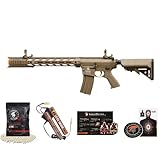
- ARS Mark7.4
ARS Mark is a ranking system developed by bestairriflescopes.com. ARS Mark has no relationship or impact from any manufacturers or sales agent websites. Learn more
- BrandLancer Tactical

- ARS Mark8.1
ARS Mark is a ranking system developed by bestairriflescopes.com. ARS Mark has no relationship or impact from any manufacturers or sales agent websites. Learn more
- BrandLancer Tactical

- ARS Mark9.0
ARS Mark is a ranking system developed by bestairriflescopes.com. ARS Mark has no relationship or impact from any manufacturers or sales agent websites. Learn more
- BrandLancer Tactical

- ARS Mark7.2
ARS Mark is a ranking system developed by bestairriflescopes.com. ARS Mark has no relationship or impact from any manufacturers or sales agent websites. Learn more
- BrandLancer Tactical

- ARS Mark7.8
ARS Mark is a ranking system developed by bestairriflescopes.com. ARS Mark has no relationship or impact from any manufacturers or sales agent websites. Learn more
- BrandGame Face

- ARS Mark7.6
ARS Mark is a ranking system developed by bestairriflescopes.com. ARS Mark has no relationship or impact from any manufacturers or sales agent websites. Learn more
- BrandBBTac
Last update on 2026-08-13 / Affiliate links / Images, Product Titles, and Product Highlights from Amazon Product Advertising API
Lancer Tactical Gen 2 M4 SPR Interceptor
Long milsim sessions have a funny way of exposing every little weakness in a rifle, from a shifting outer barrel to a cramped battery compartment that becomes irritating after the first swap. The Lancer Tactical Gen 2 M4 SPR Interceptor approaches those everyday field headaches with a nylon-reinforced body, metal controls, and a one-piece outer barrel designed to stay stable instead of developing unwanted wobble. For anyone sorting through the best airsoft guns for milsim, that combination puts the emphasis where it belongs: manageable weight, familiar M4 handling, and internal parts that aren't treated like an afterthought. It isn't trying to mimic the heft of an all-metal rifle, and that tradeoff may actually be welcome once a long scenario turns into several hours of carrying gear.
Lancer Tactical Gen 2 M4 SPR Interceptor
The biggest practical shift in this Gen 2 model is the nylon-reinforced polymer body. Polymer naturally gives up some of the cold, dense feel associated with full-metal externals, but it also keeps the rifle from becoming unnecessarily heavy once an optic, sling, and other accessories are added. Metal is still used where the specification matters, including the trigger, controls, gears, and gearbox components, so the design isn't simply lightweight for the sake of being lightweight. That balance makes sense for milsim where carrying comfort and repeated shouldering matter just as much as how convincing the rifle feels in the staging area.
The one-piece outer barrel is a small detail with a big practical payoff because movement at the front end can make even a decent rifle feel sloppy. Keeping the barrel assembly stable helps the platform feel more planted during transitions, supported shooting, and movement around structures. The supplied information specifically calls out zero wobble, which is a useful design goal for anyone tired of front-end movement developing over time. Still, the polymer receiver means expectations should stay grounded if someone specifically wants the solid weight and tactile feel of a metal-bodied replica.
Handling is further helped by the retractable crane stock, which gives room to shorten or lengthen the rifle depending on gear and position. A shorter setting can be more comfortable around doorways and tight cover, while extra stock length can give a steadier shoulder position in open sections of a field. The enlarged trigger guard also accommodates gloves, a detail that's easy to overlook until cold-weather play or thicker tactical gloves make a narrow guard annoying. These aren't flashy specifications, but they directly affect how comfortable the rifle feels after repeated movement.
Gearbox And Barrel Setup
Inside, the rifle uses a full-metal Version 2 gearbox with metal gears and metal cylinder teeth, which gives it a familiar internal layout rather than an unusual proprietary system. The listed 18:1 steel gear set is a conventional ratio that aims for a useful middle ground between cycling behavior and mechanical load. Paired with the stated high-speed or upgraded torque motor description, the setup is clearly meant to keep the rifle responsive in both semi-auto and full-auto operation. That matters in milsim because semi-auto response often gets more attention than raw rate of fire once event rules start limiting firing modes.
The 6.03 mm polished tight-bore inner barrel is another meaningful part of the package. A tighter and well-finished inner barrel is intended to support a more controlled air path and consistent BB travel, although accuracy still depends on hop adjustment, BB condition, and the rest of the compression system. The supplied description links the barrel to improved air seal and accuracy, and that's a reasonable design benefit rather than a promise that every shot will behave identically. In practice, the important point is that the barrel specification isn't unusually wide or obviously aimed at bargain-basement construction.
Rear wiring gives the gearbox another practical advantage because the battery sits in the crane stock rather than crowding the front of the rifle. That arrangement leaves room for easier battery access while keeping the front end free of battery-related wiring. The stock compartment is covered once the battery is installed, helping keep everything tucked away during movement. It's a simple layout, and simple is often exactly what you want after a long day when fiddly battery placement starts feeling like a chore.
The listed 9.6V nunchuck battery and included charger make the rifle more approachable as a complete starting package. The charger is described as automatically shutting down once it detects a full charge, which takes some guesswork out of basic charging. That doesn't make battery care something to ignore, of course, since storage habits and general condition still matter. What it does mean is that the package arrives with the core power components already matched around the stock configuration.
Magazine Capacity And Fire Controls
A supplied 300-round high-capacity magazine gives the rifle plenty of ammunition between reloads, and the description says it only needs one full wind-up. High-cap magazines divide opinion in milsim because some events favor mid-cap restrictions for realism, while others are more flexible about magazine type. For general field play, though, a 300-round magazine reduces how often the rifle needs to be topped off. The tradeoff is that anyone attending stricter milsim events may still want compatible mid-cap magazines to match event rules and preferred reload habits.
Fire controls cover the expected semi-auto, full-auto, and functional safety settings. That familiar M4 control layout doesn't force anyone to relearn basic manipulation, and the metal controls should feel more substantial than polymer pieces in high-contact areas. Semi-auto is especially relevant because many organized games limit automatic fire to specific roles or situations. Having both modes available keeps the rifle adaptable without complicating the basic manual of arms.
The combination of an enlarged trigger guard and adjustable stock becomes more noticeable once gloves, plate carriers, chest rigs, and layered clothing enter the picture. A rifle can look perfectly proportioned on a workbench yet feel cramped once gear changes the way the stock sits against the shoulder. Here, stock adjustment gives some breathing room, while the larger trigger opening helps prevent thicker gloves from bunching around the trigger area. Those small ergonomic touches can do more for long-session comfort than decorative additions that merely add weight.
Optics And Milsim Setup Flexibility
The 20mm top optic rail supports scopes, sights, and magnifiers, giving the rifle room to change roles without requiring a different upper setup. A simple red dot can keep the rifle light for close and mixed terrain, while a magnifier or compact optic may suit longer sightlines. The useful part is the mounting flexibility rather than any need to load the rail with accessories. Keeping the front end restrained usually preserves the balanced handling that makes a polymer-bodied rifle pleasant to carry in the first place.
The SPR styling gives the rifle a slightly longer, more deliberate look than a bare-bones compact carbine, but the adjustable stock keeps overall handling from becoming fixed in one configuration. That makes it easier to tune the length for woodland movement, staging areas, or tighter objective spaces without changing the basic platform. The M4-style layout also means controls remain familiar and the rifle accepts the sort of optic placement many players already understand. No mystery, no strange control scheme, just a conventional layout with enough room to personalize.
A separate rifle-sight reference can still be useful for understanding general sight alignment concepts, and peep sight use on a rifle provides that broader context without changing how this airsoft platform itself is configured. The Interceptor's 20mm rail is primarily about mounting airsoft-compatible optics and sighting accessories rather than forcing one sighting style. That flexibility is helpful because milsim fields can swing from close structures to open lanes in the same event. A setup that stays simple and readable usually beats one cluttered with accessories that aren't actually helping.
Where The Interceptor Makes Sense
The strongest argument for this rifle is the way its features work together around field practicality. The reinforced polymer body keeps weight under control, the metal Version 2 gearbox carries the important mechanical hardware, and the one-piece outer barrel addresses the loose front-end feel that can make a rifle seem cheaper than it is. Add the retractable stock and rear battery compartment, and the rifle starts to look less like a specification checklist and more like a coherent field setup. That's a more convincing reason to consider it among the best airsoft guns for milsim than flashy cosmetic claims.
There are still clear tradeoffs. Anyone chasing maximum realism may prefer a full-metal receiver because polymer won't duplicate the weight or feel of a metal service-rifle replica. Likewise, the included 300-round high-cap magazine may not suit events that mandate lower-capacity magazines, so additional mags could become part of the setup cost. The included battery and charger are convenient, but experienced players may eventually want spare power options rather than relying on a single battery throughout a long event.
The internal specification is more interesting than the exterior alone suggests. An 18:1 steel gear set, metal gearbox construction, metal cylinder teeth, and a 6.03 mm inner barrel give the rifle a practical mechanical foundation without leaning on invented performance numbers. Nothing in the provided description justifies pretending it has a specific range, rate of fire, or measured grouping, so those claims would be guesswork. What can be said with confidence is that the listed hardware is aimed at durability, predictable operation, and straightforward servicing rather than exotic complexity.
That makes the Interceptor a sensible fit for a milsim setup built around easy handling, familiar controls, and manageable maintenance. It doesn't erase the usual compromises between polymer weight savings and metal realism, nor does it eliminate the need to match magazines and accessories to event rules. Still, the provided feature set addresses several frustrations that become obvious during long games: awkward battery access, loose front assemblies, cramped controls, and rifles that get tiring once fully equipped. For a Gen 2 M4-style AEG, those practical details give the design a clear identity without needing exaggerated claims to make the case.
Lancer Tactical Gen 2 SD M4 Airsoft Rifle
A long field day can make a lightweight rifle feel like a smart decision pretty quickly, especially once magazines, optics, sling hardware, and spare gear start adding up. The Lancer Tactical Gen 2 SD M4 Airsoft Rifle leans into that reality with a nylon-reinforced polymer body while keeping metal in several higher-stress areas, including the trigger, controls, gearbox gears, and cylinder teeth. That mix gives this AEG a practical angle among the best airsoft guns for milsim, where carrying comfort matters almost as much as mechanical reliability. It won't deliver the same dense feel as an all-metal replica, but the lighter construction may be easier to live with during extended scenarios.
Lancer Tactical Gen 2 SD M4 Airsoft Rifle
The nylon-reinforced body is probably the first feature worth talking about because it shapes the whole handling experience. Polymer keeps unnecessary receiver weight down, yet the provided specifications show that Lancer Tactical didn't make every component from the same material. The metal trigger and controls give key contact points a more substantial construction, while the Version 2 gearbox uses metal gears and metal cylinder teeth. That split between lighter externals and more robust internal components makes sense for a rifle meant to spend hours slung, shouldered, and moved through changing terrain.
There is an obvious tradeoff, though, and it shouldn't be brushed aside. A polymer-bodied rifle won't mimic the weight, temperature, or tactile feel of a metal receiver, which may matter if visual and physical realism rank above carrying comfort. On the flip side, less receiver weight leaves more room for an optic or other practical gear before the setup becomes tiring. That balance gives the rifle a clear milsim strength: it favors mobility over sheer heft.
The rifle also uses a retractable crane stock, which helps adjust overall length without changing the basic M4 layout. Shortening the stock can make movement through tight structures or wooded lanes less awkward, while extending it can create a more settled shoulder position. The adjustment also becomes useful when switching between light clothing and bulkier tactical gear. Small ergonomic changes like that rarely grab attention on a product page, but they matter during long sessions.
A unique serial number adds a little individuality to the replica without changing how it performs. More importantly, the familiar control layout means there isn't much of a learning curve for anyone already comfortable with M4-style airsoft rifles. The combination of a functional semi-auto and full-auto AEG platform, adjustable stock, and conventional magazine layout keeps operation straightforward. Simple controls aren't exciting, but simple gets the job done when the day is already complicated enough.
Gearbox And Barrel Setup
The mechanical core is a Version 2 gearbox, a familiar configuration that gives this rifle a conventional internal foundation rather than something unusually proprietary. According to the supplied details, the gearbox uses metal gears along with metal cylinder teeth, while the gear system rides on 8mm ball bearings. Those bearings are intended to support smoother gear rotation and reduce unnecessary friction in the drivetrain. That's useful in an electric rifle because predictable cycling matters more than flashy exterior styling once the trigger starts seeing repeated use.
The 6.03mm tightbore barrel is another notable piece of the internal setup. The barrel is described as crafted and polished to support better range and accuracy, which makes sense as a design goal because tighter inner-barrel dimensions can help produce a more controlled BB path. Real field accuracy still depends on several connected factors, including hop adjustment, BB consistency, and overall air seal. So, the barrel deserves credit as part of the system rather than being treated like a magic shortcut to perfect groupings.
An adjustable rotary polymer hop-up unit gives the rifle another practical tuning point. Rotary hop designs are generally appreciated for their straightforward adjustment layout, and the supplied specification makes it clear that this rifle isn't locked into a fixed hop setting. That matters because different BB weights and field conditions can call for small changes. A rifle that lets the hop be dialed in sensibly is easier to adapt than one that forces compromises every time ammunition changes.
The combination of the gearbox, tightbore barrel, and adjustable hop gives the SD M4 a sensible mechanical structure for regular field use. None of the provided details justify inventing a measured effective range, rate of fire, or grouping size, so those numbers would be meaningless guesswork. What can be said is that the metal gear train, 8mm bearings, and 6.03mm barrel are all components aimed at smoother operation and more controlled shooting behavior. That's the kind of hardware mix that matters more than exaggerated performance claims.
Rail System And Setup Flexibility
The free-float modular rail interface system gives the front end room for attachments without forcing a bulky fixed configuration. That can be useful for mounting a light, grip, or other field-oriented accessory while keeping the rifle tailored to the actual role it needs to fill. The important word here is modular. Extra rail space is helpful only if it supports useful gear rather than turning the rifle into a heavy collection of accessories.
A lighter polymer receiver pairs naturally with a modular front end because the rifle can accept additional equipment without becoming unnecessarily cumbersome right away. Even so, restraint pays off. A front-heavy setup gets tiring, especially once a long day turns into repeated transitions between standing, kneeling, and supported positions. Balanced handling should stay ahead of appearance if the rifle is being built for extended milsim use.
The SD-style profile also gives the rifle a distinct look compared with a basic carbine while staying within the familiar M4 family. That means the rifle can take on a more specialized appearance without abandoning recognizable ergonomics. For someone building around the best airsoft guns for milsim, familiarity can be a real advantage because control placement remains predictable under stress or fatigue. Less time thinking about the rifle means more attention can stay on movement and communication.
Accessory selection also changes how the rifle feels far more than many people expect. A small optic may preserve the balance nicely, while several heavy attachments can erase the weight advantage of the polymer body. The modular rail system creates options, but it doesn't automatically make every option sensible. Practical setups tend to feel better after several hours than rifles assembled around looks alone.
Battery And Magazine Practicality
The supplied 9.6V nunchuck battery fits into the crane stock, giving the rifle a straightforward rear-mounted power setup. That placement keeps the battery out of the handguard and avoids crowding the front end with wiring. The included charger is described as shutting down automatically once it detects a full charge, which removes some of the guesswork from basic charging. Still, battery condition and storage habits remain part of regular ownership, so the charger doesn't eliminate normal battery care.
A 300-round high-capacity magazine is included, giving the rifle a large ammunition reserve before a reload becomes necessary. The provided instructions say the winding wheel should be wound at least 15 times on first use and then continued as needed while shooting. That detail matters because high-cap magazines depend on proper winding to feed consistently. Someone unfamiliar with that style of magazine could mistake insufficient winding for a rifle problem, so the operating routine is worth understanding from the start.
High-cap magazines come with a tradeoff in milsim environments. Some events permit them freely, while others favor or require lower-capacity magazines for a more restrictive ammunition format. That means the included 300-round magazine is convenient, but it may not fit every event rule set. The rifle itself can still make sense for milsim, though magazine choice may need to change depending on how a particular event handles ammunition limits.
The crane stock ties both battery management and ergonomics together in a pretty tidy way. It gives the battery a protected location while still allowing the stock length to change for different gear setups. That two-in-one function is easy to overlook, yet it reduces the need for an external battery box or a fixed stock configuration. For field use, fewer awkward add-ons usually means fewer things to snag, rattle, or become annoying later in the day.
Field Strengths And Realistic Limits
The most convincing strength here is the balance between lighter construction and a metal-heavy internal drivetrain. A nylon-reinforced body helps reduce carrying burden, while the metal gears, metal cylinder teeth, and 8mm bearings keep the gearbox from reading like a stripped-down budget assembly. That combination won't satisfy someone who wants a full-metal replica above all else. It does, however, address a very real milsim frustration: carrying a rifle that becomes exhausting after several hours.
The adjustable rotary hop-up and 6.03mm barrel also give the rifle useful tuning potential without leaning on fabricated performance numbers. There's no supplied data for exact range or shot spread, so those shouldn't be invented. The meaningful takeaway is that both components are there to help manage BB flight and consistency. In practical terms, that gives the rifle more room for setup refinement than a completely fixed shooting system.
Its modular front end adds another layer of flexibility, but the rifle doesn't need to be loaded with gear to justify itself. The free-float rail interface is valuable because it allows selective customization, not because every available slot needs to be filled. A related reference on stabilizing air rifles during supported shooting appears in bipods for air rifles, though that subject is separate from this AEG's core configuration. Keeping that distinction clear avoids forcing unrelated equipment advice into the rifle's actual strengths.
The main limitations are fairly easy to identify from the provided specifications. The polymer body may feel less realistic to someone who expects full-metal heft, and the included high-cap magazine may not suit every milsim rule set. At the same time, the adjustable stock, modular rail, rear-mounted battery, metal gearbox components, and tunable hop give the rifle a practical collection of features for extended field use. Its appeal rests less on spectacle and more on being relatively easy to carry, configure, and keep straightforward during a long event.
Lancer Tactical Gen 2 M4 Carbine 10-Inch AEG
Gear gets heavy fast once a long scenario stretches past the casual-skirmish stage, and a rifle that felt fine in the staging area can become tiresome after hours of movement. The Lancer Tactical Gen 2 M4 Carbine 10-Inch AEG takes a lighter route with ABS and tough nylon-polymer construction while pairing that shell with upgraded metal gearbox components. That mix gives it an interesting place among the best airsoft guns for milsim, particularly where maneuverability, straightforward power management, and adaptable field setup matter more than sheer replica weight. The biggest attraction isn't a flashy specification; it's the way several practical features are aimed at reducing the usual hassles of changing environments and long field days.
Lancer Tactical Gen 2 M4 Carbine 10-Inch AEG
The rifle's lightweight polymer construction immediately changes how it fits into a milsim loadout. Less receiver weight means there's more breathing room once a sling, optic, light, or other accessories are added, and that becomes noticeable after repeated transitions between standing, kneeling, and moving through cover. The supplied description says the ABS and nylon-polymer shell is intended to withstand heavy use while keeping the internal assembly protected. That doesn't make polymer feel identical to metal, but it does create a sensible tradeoff between carry comfort and external realism.
That tradeoff deserves a little honesty because some milsim setups are built around authentic heft as much as function. A polymer-bodied M4 won't provide the same dense, cold feel as a metal receiver, so anyone chasing maximum realism may see that as a drawback. Still, extra weight isn't free, and every ounce becomes more noticeable once other equipment is hanging from the rifle. For extended scenarios, the lighter chassis can make the carbine less tiring to keep shouldered or slung.
The 10-inch carbine format also works in the rifle's favor where space gets tight. A shorter front end is easier to manage around structures, narrow trails, and barricades than a long rifle with unnecessary barrel length hanging out front. That compact feel pairs naturally with an M4 layout because the controls and magazine placement remain familiar. In a milsim rifle, predictable handling can matter more than looking oversized and imposing on the gear table.
The supplied product information also mentions compatibility with most standard M4 airsoft magazines, which makes the platform easier to integrate into an existing loadout. That kind of magazine compatibility matters because being locked into a rare proprietary magazine can turn a simple backup-mag purchase into a chore. The listing also includes a 300-round magazine, giving the rifle a high-capacity starting point. Event rules vary, though, so a high-cap may not fit every scenario format even if it works perfectly well for ordinary field play.
Gearbox And Quick-Change Spring
The upgraded gearbox is one of the more meaningful parts of the specification because it uses tougher metal gears instead of the traditional pot-metal gears referenced in the supplied description. Stronger gear material is intended to improve durability and efficiency inside the drivetrain, where repeated cycling puts far more stress on parts than casual exterior handling ever will. The important point isn't that metal automatically solves every mechanical issue. Rather, the gearbox gets attention in an area that directly affects long-term operation.
The standout feature is the quick-change spring gearbox, especially for a rifle being considered for both close indoor fields and outdoor milsim use. The description specifically states that the spring system can be used to change FPS for different environments, which addresses one of the more annoying practical problems with owning a single rifle for multiple field types. Instead of treating indoor and outdoor use as completely separate setups, the gearbox is designed around easier spring changes. Actual limits still depend on the field, so the value here is adaptability rather than any specific promised velocity.
That flexibility can also reduce the temptation to run one unnecessarily aggressive setup everywhere. A CQB environment may impose tighter power limits than an outdoor field, while larger milsim events can have their own class-specific rules. A changeable spring system gives the rifle a mechanical route for adapting rather than relying on wishful thinking at chrono. It's a practical feature, but spring changes should still be approached carefully and matched to the rules of the field where the rifle will be used.
The gearbox feature also fits the broader character of this carbine. This isn't presented as an exotic platform built around unusual proprietary electronics or complicated tuning claims. Instead, the emphasis falls on serviceable mechanical parts, familiar M4 architecture, and the ability to adjust power through the spring system. For a field rifle, that kind of straightforward design can be easier to understand and manage than a specification sheet full of features that never get used.
Barrel Setup And Shooting Consistency
The rifle uses a 6.03 mm tightbore inner barrel, paired with a full-metal outer barrel according to the supplied specifications. The tighter inner-barrel diameter is intended to support a more controlled BB path, while the metal outer barrel provides a rigid structure around that internal assembly. The listing describes the setup as helping maintain a fixed trajectory, though actual shot behavior will still depend on ammunition, hop adjustment, cleanliness, and the overall air system. That's the sensible way to read the feature: a useful component, not a guarantee of perfect accuracy.
The full-metal outer barrel also stands out because it adds rigidity where movement would be particularly annoying. Even with a lightweight receiver, a stable barrel assembly can help the front end feel less flimsy during handling and transport. That combination of polymer body and metal barrel structure is a reasonable compromise for keeping weight under control without making every external component lightweight. The rifle doesn't need to be all metal to benefit from metal in the places where stiffness counts.
A tightbore barrel also comes with its own maintenance reality. Smaller internal tolerances make keeping the barrel clean worthwhile because dirt and residue can interfere with otherwise consistent BB travel. That's hardly dramatic, but it's the kind of routine detail that separates a rifle that stays predictable from one that slowly starts behaving oddly. The 6.03 mm barrel makes the most sense as part of a maintained system rather than a feature that can be forgotten once the rifle leaves the box.
No measured range, group size, or rate of fire was supplied, so attaching invented numbers to the rifle would only muddy the picture. The provided hardware gives enough to discuss without pretending to know more than the specifications actually say. A tightbore barrel, metal outer barrel, and upgraded gearbox form a more useful basis for judging the setup than imaginary performance figures. Realistic expectations make this kind of review far more useful than inflated claims.
Battery Package And Magazine Capacity
The package includes a 9.6V NiMH nunchuck battery, wall charger with a cut-off light, and a 1,000-round bag of 0.20g BBs. That bundled setup lowers the number of separate pieces needed before basic use, which is handy for someone who doesn't already have compatible power gear sitting around. The charger indicator gives a simple visual reference during charging rather than leaving the process completely ambiguous. Still, the included battery should be viewed as part of the starting configuration rather than proof that spare power won't ever be useful during a long event.
The supplied magazine holds up to 300 rounds of 0.20g BBs, putting it firmly in high-cap territory. That capacity means fewer reloads during ordinary play, which can be convenient during longer games or casual field sessions. Milsim events can be stricter, though, and some formats favor mid-cap magazines or impose ammunition limits to preserve a particular style of play. The rifle's stated compatibility with most standard M4 airsoft magazines gives room to adapt if the included high-cap doesn't match the event rules.
Compatibility is one of those unglamorous details that pays off later. A rifle that accepts common magazine patterns is easier to build around because spare magazines don't need to become a scavenger hunt. That matters even more in extended milsim use, where a single magazine rarely covers an entire event structure. Standardization may not sound exciting, but it reduces friction every time equipment needs to be replaced, added, or reorganized.
The supplied listing contains an inconsistent phrase referring to a full-metal slide and frame, while the primary material description identifies this model as lightweight ABS and tough nylon polymer construction. Since those details conflict, the safer interpretation is to rely on the clearly repeated polymer-body specification rather than treat the isolated metal-frame wording as established fact. The metal components explicitly described elsewhere include the upgraded gearbox parts and full-metal outer barrel. That distinction keeps the review grounded in the information provided instead of smoothing over a contradiction with guesswork.
Where This Carbine Fits In A Milsim Loadout
The strongest argument for this rifle is adaptability without excessive complexity. Its 10-inch carbine format stays manageable in tighter spaces, the quick-change spring gearbox is intended to help with different field limits, and the polymer construction keeps weight from ballooning before accessories are installed. Those qualities line up well with the everyday frustrations behind searches for the best airsoft guns for milsim. A rifle doesn't need to be loaded with exotic features if the fundamentals make long sessions easier to deal with.
Its weaknesses are just as clear. The polymer construction won't satisfy someone who values full-metal realism above weight savings, and the included high-cap magazine may not fit every event's rules. A NiMH battery is straightforward, but a long event may still justify planning around spare power rather than assuming one pack covers everything. Those aren't deal-breaking flaws; they're simply the compromises that come with this particular configuration.
The compact M4 shape also makes accessory choices easier to keep sensible. A lightweight optic or simple field accessory can be added without immediately destroying the carbine's balance, while piling on unnecessary gear would defeat much of the benefit of the lighter body. Related shooting equipment often follows the same basic logic, and a neutral reference to pellet guns for rodent control covers a separate airgun use case without pretending it serves the same role as this airsoft AEG. Keeping those categories distinct matters because this rifle's purpose is recreational airsoft and milsim configuration, not pest control.
The practical appeal comes down to a fairly coherent set of parts: metal gearbox gears, a 6.03 mm tightbore barrel, full-metal outer barrel, quick-change spring system, common M4 magazine compatibility, and an included battery package. None of those features needs exaggerated language to sound useful. Together, they create a carbine built around easier handling and setup flexibility rather than maximum weight or cosmetic realism. For long-form airsoft scenarios, that's a sensible direction, particularly where one rifle may need to move between CQB-style limits and broader outdoor field conditions.
Lancer Tactical Gen 2 SD M4 Polymer AEG
Long milsim sessions punish awkward weight, unreliable feeding, and rifles that feel fine for twenty minutes but become tiring after several hours. The Lancer Tactical Gen 2 SD M4 Polymer AEG takes a lighter approach with a reinforced nylon-polymer receiver and rail while keeping more demanding mechanical jobs inside its metal-equipped gearbox. That combination gives it a practical angle among the best airsoft guns for milsim, especially where mobility, adjustable ergonomics, and straightforward battery access matter as much as raw power. The supplied specifications also point to a 380-399 FPS range, an adjustable hop-up, and common M4 magazine compatibility, so the rifle is clearly aimed at flexible outdoor field use rather than merely looking the part.
Lancer Tactical Gen 2 SD M4 Polymer AEG
The nylon-reinforced polymer receiver shapes the character of this rifle right away. A lighter receiver can take some strain off the arms and shoulders once an optic, sling, magazines, and other equipment are added, which matters during milsim events where the rifle may stay with you for hours. The supplied description says both the receiver and rail use lightweight nylon polymer designed to handle demanding airsoft use. That doesn't give the same feel as an all-metal body, but the tradeoff is easier handling and less unnecessary weight.
The redesigned retractable stock adds another practical layer because it offers multiple adjustment positions. Shortening the stock can make the rifle less cumbersome in tight spaces, while extending it can provide a more settled shoulder position in open terrain. Different clothing and tactical gear can also change how much stock length feels comfortable. That sort of flexibility sounds simple, yet it can make a noticeable difference once the rifle is being shouldered repeatedly throughout a long game.
There is still a clear limitation for anyone who values replica realism above everything else. Polymer won't mimic the density or feel of a metal receiver, and some milsim setups are built specifically around that physical realism. On the other hand, lighter construction leaves more room for useful accessories before the rifle starts feeling front-heavy or cumbersome. For extended field use, that can be a sensible compromise rather than a weakness by default.
The product details also mention a full-metal slide and frame in the magazine section, but that conflicts with the repeated description of a nylon-polymer receiver. The safer reading is that the rifle's main external body is polymer, while metal is used extensively in the gearbox and internal components specified elsewhere. Treating that isolated phrase as proof of an all-metal receiver would stretch beyond the information provided. Keeping that distinction clear matters more than smoothing over a specification inconsistency.
Gearbox Strength And Internal Design
The gearbox specification is where this rifle starts to look more serious. An M120 spring, metal spring guide, full-steel-tooth piston, and 18:1 gear set give the drivetrain a clearly defined mechanical setup instead of vague promises about durability. The gears rotate on 8mm ball bearings, which are intended to support smoother movement through the gear cycle. Those details matter because repeated semi-auto and full-auto use places continuous stress on the internal system during a long event.
The 18:1 gear ratio sits in familiar territory for an AEG and works with the supplied motor configuration rather than chasing an extreme setup. According to the information provided, the high-FPS configuration uses an 18K motor while the platform caters to both high and standard-torque motor arrangements. That gives the rifle a conventional mechanical foundation rather than relying on unusual components. Straightforward internals can be a real advantage for maintenance because there are fewer exotic parts to understand if servicing becomes necessary.
The full-steel-tooth piston deserves attention as well because piston teeth take repeated contact from the sector gear during cycling. Pairing those teeth with a metal spring guide and steel gears suggests that the drivetrain has been built with repeated mechanical load in mind. That doesn't mean internal wear disappears, of course, because every AEG still benefits from sensible maintenance and proper use. It does mean the supplied component list focuses on parts that actually influence mechanical durability rather than decorative exterior pieces.
The listed 380-399 FPS range places this configuration toward outdoor-field territory rather than low-power CQB use. Field rules differ, so that number should always be considered alongside whatever limits apply at a particular event. A rifle can have useful power and still be unsuitable for a site with a lower chrono ceiling. For milsim planning, knowing the stated range ahead of time is more valuable than assuming every field will accept the same configuration.
Tightbore Barrel And Adjustable Hop-Up
The rifle uses a polished 6.03mm tightbore inner barrel, which is intended to support precision by giving the BB a controlled path through the barrel. The supplied description links that barrel with improved accuracy, but actual shot consistency still depends on the hop setting, BB condition, and the rest of the air system. A tightbore barrel isn't a magic fix for every accuracy issue. Its value comes from being part of a properly adjusted and maintained shooting system.
The adjustable rotary polymer hop-up gives the rifle a useful tuning point for BB flight. Rotary adjustment makes it possible to alter backspin rather than being stuck with one fixed setting, which is especially relevant when BB weight changes. The magazine specification lists compatibility with 0.20g to 0.28g BBs, so having an adjustable hop system makes practical sense. Fine tuning matters more than simply chasing velocity because predictable flight is what helps shots behave consistently across changing distances.
Maintenance becomes a little more important with a 6.03mm inner barrel. Dirt, residue, or damaged BBs can interfere with smooth travel inside tighter dimensions, so keeping the bore clean is part of preserving the benefit of the barrel. That's not a complicated task, but skipping basic care can slowly turn a good setup into an inconsistent one. A clean barrel and properly adjusted hop are boring details, yet boring details often decide whether an AEG feels dependable on game day.
No measured grouping size or effective range was included in the supplied information, so inventing either would only weaken the review. The meaningful facts are already there: a 6.03mm polished barrel, adjustable rotary hop-up, and a stated 380-399 FPS configuration. Together, those features provide the hardware needed for tuning rather than guaranteeing a specific field result. That's a more realistic way to judge precision-oriented components.
Rail Space And Loadout Flexibility
The rifle carries a full-length 20mm free-float modular rail, giving plenty of attachment space without forcing one specific accessory layout. The upper Picatinny or Weaver-style rail can accept compatible optics, while the longer modular system leaves room for other field equipment. That flexibility is useful because milsim setups can vary from stripped-down rifles to builds carrying lights, grips, and sighting equipment. The smart part isn't filling every slot; it's having room to mount only what actually helps.
A lightweight receiver works particularly well with that rail system because accessories inevitably add mass. A modest optic and practical light may keep the rifle balanced, while piling on heavy hardware can wipe out the benefit of the polymer construction. Balance becomes noticeable once the rifle stays shouldered for extended periods or hangs from a sling between objectives. Extra equipment should solve a specific field problem rather than becoming decoration with screws.
The free-float format also gives this SD M4 a cleaner, more modern exterior than a basic handguard arrangement. Still, the real benefit is attachment flexibility, not appearance alone. A milsim carbine may need to move between woodland paths, structures, and open lanes during the same event, so being able to change the accessory setup without changing rifles has practical value. That adaptability suits the role better than a fixed configuration that only feels comfortable in one environment.
A related air-rifle reference sits in a different equipment category, and Diana air rifle options provide that separate context without being treated as substitutes for this AEG. The Lancer Tactical's 20mm rail system belongs specifically to an airsoft loadout built around modular attachments and milsim use. Keeping those categories separate prevents unrelated equipment from being folded into the rifle's actual strengths. Here, the meaningful advantage remains the ability to tailor the carbine without being locked into one setup.
Battery Setup And Charging Convenience
The included 9.6V nunchuck battery gives the rifle a straightforward power source without requiring an immediate separate battery purchase. Battery placement is described as easy, which matters because cramped stock compartments can become surprisingly irritating after repeated swaps. The supplied charger also features automatic power shutdown once a full charge is detected. That adds a layer of convenience for routine charging without changing the need for normal battery care.
A removable battery setup also makes long events easier to plan around because additional compatible packs can be carried if needed. The provided information doesn't state how long one battery lasts, so pretending there is a guaranteed runtime would be guesswork. Usage varies with shooting frequency, temperature, motor behavior, and battery condition anyway. The useful point is that the rifle comes with its basic battery and charger package already included.
The retractable stock and battery arrangement work together instead of being unrelated features. Stock adjustment provides ergonomic flexibility while the rear area also accommodates the battery system, keeping the front of the rifle free for its modular rail. That helps maintain a cleaner front-end setup without an external battery box hanging off the handguard. Fewer exposed pieces can also mean fewer things to snag on equipment while moving through brush or structures.
The charger shutdown feature is convenient, but it shouldn't be read as permission to ignore battery condition. NiMH packs still benefit from sensible storage, inspection, and replacement once performance noticeably declines. That's ordinary ownership rather than a flaw in this rifle. A simple 9.6V power system is easy to understand, which fits the overall character of this Gen 2 platform.
Magazine Capacity And M4 Compatibility
The main magazine specification lists a 300-round high-capacity magazine compatible with 0.20g to 0.28g BBs. That gives plenty of ammunition between reloads during ordinary airsoft play, but high-cap magazines aren't universally accepted in every milsim format. Some events restrict magazine capacity to shape the pacing and realism of engagements. Anyone building around this rifle should therefore treat the included high-cap as one option rather than assuming it fits every rule set.
The more useful long-term feature may be compatibility with most standard M4 airsoft magazines. Common magazine support makes it easier to switch to mid-caps or build a larger magazine loadout without being tied to an unusual proprietary design. That can reduce both frustration and replacement headaches later. A rifle with standard compatibility is simply easier to live with once the original magazine is no longer enough.
The supplied details also note that a high-speed magazine holds 130 rounds and that a speed loader isn't included. That appears to describe an alternate magazine configuration rather than the included 300-round high-cap, so the distinction matters. A 130-round magazine would provide a different balance between ammunition capacity and reload frequency. Keeping those two capacities separate avoids treating conflicting magazine descriptions as though they refer to the same unit.
Milsim tends to make magazine choice more meaningful because ammunition management can become part of the event experience. A 300-round high-cap favors convenience, while lower-capacity magazines can create more frequent reloads and a different pace. The rifle's standard M4 compatibility gives room to choose based on event rules rather than being stuck with only one format. That flexibility is one of the quieter strengths of this platform.
Practical Strengths And Tradeoffs
The strongest part of this rifle is the way its features support mobility and mechanical durability at the same time. A nylon-polymer body keeps external weight under control, while steel gears, a full-steel-tooth piston, metal spring guide, and 8mm bearings handle the harder work inside. That separation makes more sense than using heavy material everywhere simply to create heft. For someone weighing the best airsoft guns for milsim, long-session comfort can be just as valuable as realistic weight.
Its 380-399 FPS specification is also a strength with a catch. That range may suit many outdoor situations, but field limits can turn the same figure into a restriction at lower-powered sites. The rifle therefore makes more sense as an outdoor-oriented setup than as something assumed to fit every CQB environment without adjustment. A chrono check remains part of responsible event preparation rather than an afterthought.
The polymer receiver remains the obvious realism tradeoff. Anyone wanting the dense handling of a full-metal M4 replica may feel that this model gives up too much tactile authenticity. Someone more concerned with hours of carrying, quick transitions, and adding accessories may see the lighter construction as a benefit instead. Neither preference is automatically right; the difference comes down to whether realism or reduced weight matters more in the intended loadout.
The one-year manufacturer warranty adds a defined support period for manufacturing defects from the purchase date, according to the supplied description. Registration is handled through Lancer Tactical's website, so that requirement is worth remembering rather than assuming coverage happens automatically. Paired with the adjustable stock, modular rail, standard M4 magazine compatibility, tightbore barrel, and reinforced gearbox components, the package has a clear practical identity. It favors configurable field use and manageable weight while leaving realistic metal-body feel as the main compromise.
GameFace GFCR Cyclone AEG Airsoft Rifle
A rifle that runs fine for a short skirmish can feel very different once an event stretches into hours of moving, waiting, repositioning, and shooting. The GameFace GFCR Cyclone AEG keeps its formula fairly straightforward: a nylon body, selectable full and semi-auto fire, adjustable hop-up, Picatinny accessory space, and an included rechargeable battery system. Those features give it a practical place among the best airsoft guns for milsim, especially where easy handling and uncomplicated operation matter more than building the heaviest replica possible. Its published 400 fps ceiling and 700-round-per-minute rate also give buyers actual manufacturer-supplied figures to work with instead of vague performance language.
GameFace GFCR Cyclone AEG Airsoft Rifle
The stealth grey and black nylon body immediately sets the tone for this rifle. Nylon construction keeps the external shell lighter than a comparable all-metal setup, which can be easier on the arms once a sling, optic, magazines, and other equipment join the loadout. That lower weight won't satisfy everyone, since a dense metal receiver can feel more realistic in the hands. Still, for a long milsim day, manageable weight can be more useful than extra heft that stops feeling impressive after the first few hours.
The color scheme also stays fairly restrained. Grey and black don't force the rifle into a loud or highly stylized appearance, so the platform can blend naturally into a range of tactical setups without looking out of place. More importantly, nothing about the supplied description suggests decorative weight has been added simply for show. The Cyclone's functional design seems built around keeping the rifle easy to carry and straightforward to configure.
That simplicity is both a strength and a limitation. The provided specifications don't describe reinforced metal internals, quick-change spring systems, electronic trigger controls, or other advanced features seen on more elaborate AEGs. Anyone looking for a deeply tunable platform may want more technical detail than this listing provides. On the other hand, the basic AEG layout makes the rifle easier to understand for someone who'd rather spend time playing than constantly adjusting hardware.
The body material also shapes expectations around hard use. Nylon is commonly selected because it can keep weight down while resisting the sort of bumps and scrapes that come with recreational field play, but the supplied information doesn't provide a measured durability rating. That's worth keeping in perspective. The useful takeaway is simply that the nylon construction favors lightness and mobility rather than full-metal realism.
Full And Semi-Auto Performance
The Cyclone supports full-auto and semi-auto fire, giving it the two firing modes most players expect from an electric tactical rifle. Semi-auto matters especially during milsim events because many fields limit automatic fire depending on the role, location, or engagement rules. Full-auto remains available where permitted, so the rifle isn't locked into one style of play. That versatility makes it easier to move between casual skirmishes and more structured scenarios without changing platforms.
The supplied specifications list velocities of up to 400 fps. That's a meaningful figure because it suggests the rifle sits closer to outdoor-field territory than a low-powered indoor setup, though actual field acceptance depends entirely on local chrono rules. A 400 fps ceiling can be useful outdoors, but it can also become a restriction at locations with lower limits. So, the published velocity is both a strength and a practical constraint.
GameFace also lists a firing rate of 700 rounds per minute. That number gives a clear reference for full-auto cycling rather than leaving rate of fire to guesswork. It isn't an absurdly aggressive figure, which may actually suit a rifle intended for controlled field use rather than simply dumping ammunition as fast as possible. For milsim, predictable cycling and manageable ammunition use can make more sense than chasing the highest possible rate.
The combination of 400 fps and 700 rounds per minute also highlights why fire discipline still matters. A rifle can have plenty of output without needing to run full-auto constantly, especially during events that emphasize semi-auto engagement. The selectable fire modes let the platform adapt to those rules rather than forcing one behavior. That's a practical advantage that becomes more noticeable once event restrictions start shaping how the rifle can actually be used.
Adjustable Hop-Up And Shot Control
The adjustable hop-up system is one of the more important functional features in the supplied description. Hop-up controls the backspin applied to the BB, which in turn helps shape its flight path and effective consistency. Being able to adjust that setting is valuable because ammunition, weather, and individual setup can all change how a rifle behaves. A fixed system would leave far less room to tune the rifle around real field conditions.
The listing doesn't provide a specific barrel diameter or measured grouping data, so there's no reason to pretend the Cyclone delivers a particular accuracy figure. What can be said is that hop adjustment gives the rifle an essential tuning tool rather than locking it into one factory setting. That matters more than an invented accuracy claim because a properly adjusted hop can help make the rifle feel more predictable. It's a simple feature, but it's central to getting an AEG dialed in.
There is also a learning curve here, even if it's a small one. Too much hop can send BBs climbing unnaturally, while too little can make them drop sooner than expected. The benefit of the adjustable system is that corrections are possible instead of being stuck with whatever trajectory the rifle produces out of the box. A few careful adjustments can make the shooting behavior easier to read and repeat.
For milsim, consistency tends to matter more than flashy specifications anyway. A rifle that sends shots along a predictable path is easier to work with during longer engagements than one that simply advertises high velocity. The Cyclone's adjustable hop-up supports that practical mindset. It won't remove the effects of BB quality or environmental conditions, but it gives the shooter a way to compensate instead of just shrugging at erratic flight.
Magazine Capacity And Ammunition Planning
The included magazine holds 115 rounds and is compatible with 6mm airsoft BBs. That capacity is noticeably lower than the 300-round high-caps often bundled with other M4-style AEGs, and that can be either appealing or inconvenient depending on how the rifle is used. A 115-round magazine encourages more deliberate ammunition management and more frequent reloads. For milsim, that can actually fit the rhythm of events that favor lower-capacity magazines and less spray-heavy play.
The tradeoff is pretty obvious. A 115-round magazine won't let someone stay in the fight as long between reloads as a large high-cap, so carrying spare magazines becomes more important. That means chest rig space and reload habits start mattering sooner. On the flip side, avoiding an oversized high-cap can create a more controlled and realistic pace during longer scenarios.
The supplied information also makes clear that BBs aren't included. That's a small detail, but it's worth knowing because the rifle package isn't completely ready to fire straight out of the box without ammunition. There is no provided BB weight recommendation beyond compatibility with standard 6mm airsoft BBs, so selecting ammunition should be based on the rifle's behavior and field requirements rather than invented assumptions. Keeping that distinction clear prevents the review from turning into guesswork.
Magazine capacity also ties directly into the published 700-round-per-minute full-auto rate. Holding the trigger down continuously would obviously run through 115 rounds quickly, which reinforces the case for controlled bursts or semi-auto use where appropriate. The smaller magazine capacity naturally discourages wasteful fire. In a structured event, that can feel less like a limitation and more like a reminder to manage ammunition intelligently.
Picatinny Rail And Accessory Setup
The Picatinny rail gives the Cyclone a straightforward mounting point for compatible accessories. An optic can make target acquisition easier, while other field accessories may be added depending on the rules and the role the rifle is expected to fill. The rail doesn't force a particular setup, which is useful because milsim loadouts vary widely. Keeping the platform modular leaves room to build around actual needs instead of somebody else's idea of what the rifle should look like.
Accessory weight deserves some restraint, though. A light nylon-bodied rifle can quickly lose its handling advantage if every available mounting point gets filled with heavy hardware. The better approach is usually to preserve the balanced feel that made the lighter construction appealing in the first place. An optic or other purposeful accessory makes sense; stacking gear just because the rail allows it can turn a comfortable rifle into a front-heavy nuisance.
The Picatinny format is also familiar, which keeps accessory selection simple. There's no unusual proprietary mounting interface mentioned in the supplied details, so the rifle doesn't appear to demand a specialized ecosystem. That standardized rail setup reduces friction when changing optics or rearranging equipment between games. Simple compatibility often pays off more than a complicated mounting system that looks clever on paper.
Accessory discussions sometimes overlap with other air-powered shooting categories, though the use cases remain different, and bottle PCP air rifle options belong to that separate equipment category rather than serving as substitutes for this airsoft AEG. The Cyclone's Picatinny rail should be judged around airsoft field accessories and milsim configuration. Keeping those categories distinct avoids forcing unrelated equipment into the rifle's actual role.
Battery And Charging Setup
The package includes a rechargeable 8.4V battery and charger, which removes two immediate purchases from the startup list. That matters for someone putting together a first complete AEG setup because power components can otherwise become another compatibility question. The included system keeps the entry process simpler. There's no supplied runtime figure, so any claim about how many hours the battery lasts would be speculation.
An 8.4V battery is a relatively straightforward power source for an electric rifle, and that matches the Cyclone's generally uncomplicated design. The product details don't describe programmable electronics or specialized battery requirements. That makes the power setup easier to understand, though experienced players may still want spare batteries for longer events. A single included pack is convenient, but long scenario days can justify backup power regardless of brand.
The charger is included rather than sold separately, which helps the rifle arrive as a more complete package. Still, battery condition, charging habits, and storage all affect long-term reliability. The inclusion of a charger shouldn't be mistaken for freedom from normal maintenance. The real advantage is convenience: fewer separate components have to be sourced before the rifle can be put into regular use.
Power management becomes especially relevant during milsim because the rifle may spend long stretches switched on and ready even when little shooting is happening. A spare battery can therefore be more valuable than another cosmetic attachment. The Cyclone's included 8.4V rechargeable pack gives the platform a usable baseline without claiming to solve every endurance concern. That's a more realistic way to read the package.
Where The Cyclone Fits And Where It Doesn't
The Cyclone's biggest strength is its simple, field-focused feature set. A lightweight nylon body, selectable firing modes, adjustable hop-up, 115-round magazine, Picatinny rail, and included battery system cover the essentials without burying the rifle under complicated extras. The published 400 fps ceiling and 700-round-per-minute rate also provide concrete performance references. For someone sorting through the best airsoft guns for milsim, that's enough information to understand the rifle's basic character without relying on hype.
The limitations are just as important. The nylon construction may not deliver the realism wanted from an all-metal replica, and the 115-round magazine demands more reload planning than a large high-cap. A 400 fps ceiling may also put the rifle above the limit at some indoor or lower-power fields. Those are real tradeoffs, and they matter more than pretending the rifle suits every possible environment.
The relatively modest magazine size may actually be a plus for structured milsim use, where ammunition management can be part of the experience. The adjustable hop-up helps tune BB flight, while the Picatinny rail leaves room for a sensible optic or other role-specific attachment. Together, those features create a practical milsim setup that favors control and adaptability rather than maximum capacity. It's a straightforward rifle, and that simplicity can be refreshing.
The missing technical details are worth acknowledging too. The supplied description doesn't identify the gearbox material, barrel diameter, internal gear ratio, motor specification, or specific magazine compatibility beyond the included 115-round unit. That means there isn't enough information to make confident claims about upgrade potential or internal durability. Based strictly on what is provided, the Cyclone stands out for lightweight handling, adjustable shot control, published velocity and fire-rate figures, and an included power package, while deeper mechanical questions remain outside the available specifications.


12 Best 22 Pcp Air Rifle For Hunting of 2026 With Quiet Power

7 Best 22 Pcp Air Rifle Under 300 of 2026 For Backyard Pest Control

10 Best 22 Break Barrel Air Rifles of 2026 For Backyard Pest Control

10 Best 30 Caliber Pcp Air Rifle of 2026 For Medium Game

Top Best 177 Air Rifle Under 100: Budget-Friendly Picks for 2026

How to Safely Reload Shotgun Shells at Home

11 Best Co2 Air Rifle For Pest Control of 2026 To Ensure Humane Dispatch

12 Best Inexpensive Air Rifles of 2026 For Dependable Backyard Accuracy






