
Best Arrow Vanes for Fixed Broadheads 2026 Guide

A fixed-blade broadhead can expose every small weakness in an arrow setup. More surface area sits at the front of the shaft, so poor alignment, weak stabilization, or inconsistent vane placement may send an otherwise accurate arrow drifting off line. The best arrow vanes for fixed broadheads create enough rear steering force to control that front-end surface without adding needless drag or making the arrow excessively noisy.
Vane height usually matters more than flashy colors or aggressive branding. A taller profile catches more air and produces stronger correction, which can settle an arrow quickly after release. Still, there’s a tradeoff. High-profile vanes may create extra clearance problems around rests, cables, or risers, while very low-profile vanes may struggle to overpower a large fixed broadhead.
Length affects the balance between steering and speed as well. Vanes around two inches long often suit fast hunting arrows because their height and shape can provide control without stretching too far along the shaft. Longer vanes can add stability, but they also increase surface area and may slow the arrow slightly. That speed loss is usually modest, yet every setup reacts differently, so broadhead grouping matters more than a speed number printed on a package.
Helical fletching is another practical way to gain control. A helical orientation encourages faster arrow rotation, helping minor launch imperfections average out during flight. The catch is that a strong helical angle may create more drag and can be harder to apply consistently with some jigs. A slight helical or controlled offset often delivers a useful middle ground for hunting distances.
Material stiffness deserves attention too. Stiffer vanes tend to recover quickly after passing across a rest or brushing light vegetation, while overly rigid designs may be less forgiving when clearance is tight. Softer vanes can flex around contact, but they may not steer a broadhead as firmly. Shape retention, clean edges, and a secure base usually matter more than whether the vane feels soft or hard in the hand.
Three-fletch configurations remain common because they balance clearance, weight, and steering. Four vanes can add control and make indexing easier, though the extra material may increase drag and noise. Four-fletch setups often earn their keep on short arrows, heavy hunting shafts, or broadheads that refuse to group with a lighter configuration. Still, adding another vane won’t fix a poorly tuned bow, a crooked insert, or a broadhead that doesn’t spin true.
Adhesion can make or break the whole arrangement. The shaft needs to be cleaned and prepared according to its material, and the vane base should match the adhesive being used. A vane that lifts at the front edge changes drag from shot to shot, creating the kind of inconsistency that’s hard to diagnose in the field. Careful spacing, equal clamp pressure, and repeatable angles help each arrow leave the bow with the same steering pattern.
Broadhead testing should happen after field points are grouping consistently. Paper tuning, bare-shaft checks, and center-shot adjustments can reveal launch problems before different vanes get blamed. Then, shoot field points and broadheads at realistic distances, watching both impact location and group shape. The right vane won’t magically repair bad tuning, but it can provide the stable broadhead flight needed to make a well-tuned setup more forgiving.

- ARS Mark9.6
ARS Mark is a ranking system developed by bestairriflescopes.com. ARS Mark has no relationship or impact from any manufacturers or sales agent websites. Learn more
- BrandBohning

- ARS Mark8.8
ARS Mark is a ranking system developed by bestairriflescopes.com. ARS Mark has no relationship or impact from any manufacturers or sales agent websites. Learn more
- BrandBohning

- ARS Mark9.6
ARS Mark is a ranking system developed by bestairriflescopes.com. ARS Mark has no relationship or impact from any manufacturers or sales agent websites. Learn more
- BrandBohning

- ARS Mark8.9
ARS Mark is a ranking system developed by bestairriflescopes.com. ARS Mark has no relationship or impact from any manufacturers or sales agent websites. Learn more
- BrandBohning

- ARS Mark9.6
ARS Mark is a ranking system developed by bestairriflescopes.com. ARS Mark has no relationship or impact from any manufacturers or sales agent websites. Learn more
- BrandBohning
- ARS Mark8.8
ARS Mark is a ranking system developed by bestairriflescopes.com. ARS Mark has no relationship or impact from any manufacturers or sales agent websites. Learn more
- BrandBohning

- ARS Mark9.4
ARS Mark is a ranking system developed by bestairriflescopes.com. ARS Mark has no relationship or impact from any manufacturers or sales agent websites. Learn more
- BrandBohning

- ARS Mark8.3
ARS Mark is a ranking system developed by bestairriflescopes.com. ARS Mark has no relationship or impact from any manufacturers or sales agent websites. Learn more
- BrandBohning

- ARS Mark8.6
ARS Mark is a ranking system developed by bestairriflescopes.com. ARS Mark has no relationship or impact from any manufacturers or sales agent websites. Learn more
- BrandBohning
Last update on 2026-07-24 / Affiliate links / Images, Product Titles, and Product Highlights from Amazon Product Advertising API
Best Arrow Vanes for Fixed Broadheads
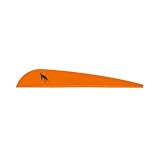
Broadhead tuning can turn a calm afternoon at the range into a head-scratcher fast. Field points may group tightly, only for fixed blades to drift, widen the pattern, or expose tiny inconsistencies in the arrow setup. The Bohning Blazer belongs in the conversation about the best arrow vanes for fixed broadheads because its compact, high-profile shape is built to create meaningful steering without loading the back of the shaft with unnecessary weight. That balance matters when a broadhead needs quick correction after leaving a compound bow or crossbow.
Bohning Blazer 2-Inch Vanes
The Blazer measures 2 inches long and .6 inch high, giving it a short footprint with enough height to grab clean air. That profile makes sense for hunting arrows because a fixed broadhead adds steering influence at the front, and the vane has to counter it from the rear. Rather than relying on extra length, Bohning uses a pronounced profile and parabolic paddle shape to create lift and correction. The result is a vane designed to stabilize quickly while keeping the overall setup compact.
Each vane weighs just 6 grains, so a three-vane arrangement adds modest rear weight compared with many longer fletching options. That can help preserve arrow speed and keep front-of-center balance from shifting too far backward. Still, six grains isn’t weightless, and a four-fletch setup will naturally add more drag and rear mass. The practical benefit is choice: three vanes suit streamlined hunting builds, while four may provide extra control for stubborn broadhead flight.
The AR1000 material gives the vane a flexible, forgiving character rather than a brittle feel. Flexibility helps it recover after light contact and makes it better suited to repeated use on hunting arrows and crossbow bolts. A rigid vane can steer aggressively, but it may also suffer more from clearance issues or permanent deformation. The Blazer’s material aims for the middle ground, offering firm steering with enough give to handle everyday range wear.
Bohning states that the vane is 100% American made, which may matter to buyers who prefer domestically manufactured archery components. More important from a shooting standpoint, the material is designed for durability across repeated target sessions and hunting preparation. Neon red also makes the rear of the arrow easier to spot in a crowded target or on the ground. It won’t make an arrow fly better by itself, of course, but visibility can save time during practice and recovery.
Steering Fixed Broadheads With Less Fuss
Fixed-blade broadheads behave like small wings at the front of an arrow, so any launch error can become more obvious downrange. The Blazer’s high-profile vane shape creates stronger corrective force than many low-profile vanes of similar length. That correction can help an arrow settle sooner after release, especially when the bow is already tuned and the broadhead spins true. It won’t hide a badly aligned insert or severe rest contact, but it can make a sound setup more forgiving.
The parabolic paddle design gives the vane a broad working surface without stretching several inches along the shaft. That matters on shorter arrows and crossbow bolts, where space near the nock may be limited. A compact vane also leaves more room for wraps, indexing marks, or different nock configurations. The increased steerage is the headline benefit, but the tidy footprint is what makes the design easy to fit into several hunting setups.
Bohning describes the profile as supporting lift, steerage, and a flatter trajectory. The realistic reading is that efficient stabilization can reduce wasted movement and help the arrow hold a cleaner path. No vane can rewrite gravity or erase poor tuning, so expectations should stay grounded. Still, quicker stabilization may help broadhead-tipped arrows group closer to field points when the rest of the system is properly matched.
Crossbow bolts can benefit from the same steering logic, particularly at the higher launch speeds common with modern crossbows. The Blazer is specifically described as suitable for crossbow bolts, vertical compounds, and hunting or 3D setups. Clearance should still be checked carefully because the .6-inch height is more pronounced than a low-profile vane. A clean path through the rail, rest, cables, and containment system matters more than simply choosing the strongest steering shape.
Adhesion, Setup, And Daily Use
Fletching work often becomes frustrating before the arrow ever reaches the bow. Primers add another step, another product, and another chance for inconsistency, so the Blazer’s no-primer-needed design is a welcome practical detail. Bohning states that these vanes adhere with all adhesives, which simplifies product matching for home fletching. Shaft preparation still matters, though, and oils, dust, or old glue can weaken even a compatible bond.
Consistent clamp pressure and vane placement deserve as much attention as adhesive choice. A slight offset or helical orientation can increase rotation, but too much angle may add drag or create clearance trouble. The Blazer’s short length often works well with controlled offset setups because the vane can generate spin without occupying a long section of the shaft. Repeatable alignment remains the goal, since three perfectly matched vanes will usually beat three aggressively angled vanes installed unevenly.
The neon red color provides useful contrast against many arrow shafts, especially black carbon. That visibility helps during group inspection because damaged edges, lifted bases, or bent vanes stand out more easily. A quick glance before shooting can catch a vane that might otherwise change impact point. The durable flexible material should tolerate normal handling, but replacing a badly torn or partially detached vane is still smarter than hoping it behaves like the others.
The supplied pack contains 36 vanes, enough for twelve arrows in a three-fletch arrangement or nine arrows in a four-fletch arrangement. That quantity also leaves room for mistakes if a vane gets misaligned during installation. New fletchers may appreciate the breathing room because the first few arrows rarely look as tidy as the last few. The pack size suits a standard hunting dozen without forcing the buyer into a large bulk order.
Field Points, Broadheads, And Tradeoffs
The Blazer isn’t limited to fixed blades. It is designed for both fixed and mechanical broadheads, and Bohning also positions it for field-point target shooting. That range is useful because practice arrows can keep the same fletching configuration used during hunting season. Consistency across field points and broadheads removes one more variable from tuning and makes impact changes easier to diagnose.
Mechanical broadheads usually present less exposed blade area during flight, so they may not demand as much steering as fixed heads. Even so, the Blazer’s compact profile can still provide dependable stabilization without moving to a long vane. Field points benefit from the same rotational control, particularly during 3D practice where uneven shooting angles and variable distances expose small setup flaws. One fletching style across multiple arrow uses keeps maintenance simpler.
Noise and drag are the main tradeoffs worth considering. A .6-inch-high vane catches more air than a very low-profile alternative, which may create slightly more sound and speed loss depending on the fletching angle. Hunters using extremely fast arrows or shooting in strong crosswinds may want to test three-fletch against four-fletch rather than assume more steering is always better. Broadhead grouping at realistic distance should settle the debate for a specific bow and arrow combination.
Clearance is another point that can’t be brushed aside. Drop-away rests usually provide plenty of room once timed correctly, while containment rests and some crossbow configurations may need closer inspection. Powder testing or lipstick on the vane can reveal light contact that isn’t obvious by sight. A vane that clips the rest will undermine the very forgiveness and steerage it was selected to provide.
Where The Blazer Fits Best
This vane makes the strongest case on hunting arrows that need firm steering without switching to a long, heavy fletching profile. The combination of 2-inch length, .6-inch height, and 6-grain weight gives it a practical balance for compounds and crossbows. It also suits 3D arrows when reliable stabilization matters more than shaving every possible grain. The design feels purposeful rather than oversized, which is part of its lasting appeal.
Large fixed broadheads may still require careful tuning, additional helical, or a four-vane arrangement. The Blazer provides steering authority, but it doesn’t guarantee that every broadhead will share the same impact point as a field point. Straight broadhead alignment, consistent spine, proper center shot, and clean rest clearance remain essential. Vane choice supports tuning; it doesn’t replace it.
Separately, optic setup involves its own balance of visibility, mounting height, and recoil tolerance, and a neutral reference appears in red dot sights for readers working on air-rifle equipment. That topic doesn’t affect vane performance, but both areas reward careful setup rather than guesswork. Small alignment errors can create outsized frustration in either case. Practical testing usually tells more than a spec sheet alone.
The Bohning Blazer stands out through a sensible mix of strong steerage, flexible construction, and easy adhesion. Its high profile may not suit every clearance-sensitive setup, and shooters chasing the lowest possible drag could prefer a slimmer vane. For hunting arrows, crossbow bolts, and 3D shafts that need decisive correction, though, the design addresses the real problem without making the fletching process unnecessarily complicated. That straightforward usefulness is where the Blazer earns its place.
Best Arrow Vanes for Fixed Broadheads
A longer vane changes the feel of an arrow setup before the first broadhead ever leaves the string. More surface area can add steadiness, yet it can also bring extra drag, clearance concerns, and a different balance behind the shaft. The Bohning X3 enters the discussion around the best arrow vanes for fixed broadheads with a straightforward 3-inch profile and a bright neon red finish. Its appeal rests less on flashy claims and more on the practical idea that added vane length can provide broader steering authority for arrows that need a calmer, more controlled flight.
Bohning X3 3-Inch Vane
The Bohning X3 measures 3 inches long, placing it in a different lane from compact 2-inch hunting vanes. That extra length spreads the steering surface farther along the shaft, which can help create a smoother correction rather than a sharp, abrupt response. Fixed broadheads often exaggerate small launch errors, so a longer vane may feel more settled during the first stretch of flight. Still, the added size means arrow clearance and total drag deserve a closer look before committing to a full dozen.
The pack includes 36 neon red vanes, enough for twelve arrows with a three-fletch layout or nine arrows with a four-fletch arrangement. That quantity fits neatly with a typical hunting or target set without leaving an oversized pile of spare parts on the bench. Neon red also makes the rear of the arrow easier to pick out against dark targets, brush, or black carbon shafts. Visibility won’t tighten a group by itself, but it can make vane inspection and arrow recovery less of a chore.
Product details supplied here are limited, so the fairest review stays focused on what’s confirmed rather than filling gaps with guesses. The X3 is a 3-inch Bohning vane sold in a 36-pack, and its strongest practical distinction is simply the longer profile. No unsupported claims about exact weight, material formula, sound level, or speed loss belong in the discussion. That restraint matters because vane performance changes with fletching angle, shaft diameter, bow tune, broadhead shape, and launch speed.
How The Longer Profile Affects Steering
Fixed-blade broadheads place exposed surface area at the front of the arrow, where it can act like a small steering fin. A longer vane answers that influence with more surface area at the rear, helping the shaft resist wandering after release. The 3-inch profile may be especially useful on arrows that behave well with field points but need steadier correction once a fixed head is installed. It’s not a cure for poor tuning, though, and that distinction shouldn’t get swept under the rug.
A longer vane can deliver a more gradual steering effect than a short, tall vane, depending on its shape and fletching angle. That may suit shooters who prefer a stable, predictable feel rather than a very aggressive spin rate. The tradeoff is additional aerodynamic drag, which can become more noticeable at longer distances or with steep helical placement. The only sensible way to judge that balance is by testing broadhead groups at the ranges that actually matter.
Three-fletch and four-fletch layouts will change the character of the X3 as well. Three vanes keep rear weight and drag lower, while four can add more steering and offer easier nock indexing on some setups. A four-vane arrangement with a 3-inch design may be more correction than certain arrows need, so piling on surface area isn’t automatically smarter. Controlled steering beats excess steering, especially if the arrow begins shedding speed without showing a meaningful improvement in group consistency.
The same longer profile may also help with field-point practice by keeping arrow behavior familiar across hunting and target sessions. Maintaining one fletching setup reduces variables during tuning, and fewer variables usually mean less head-scratching at the range. Still, fixed broadheads should be tested separately because their exposed blades react differently to launch imperfections. Field-point accuracy can confirm basic consistency, but broadhead impact tells the real story.
Fletching Setup And Clearance
Clearance deserves attention with any 3-inch vane because the longer body stays near the rest and cables for a greater portion of the arrow’s launch. A drop-away rest may provide ample room once timing is correct, while containment rests can require more careful vane indexing. Light contact can bend a vane, change its drag, or send one arrow away from an otherwise tidy group. Clean vane clearance matters more than chasing a dramatic helical angle.
A slight offset often provides enough rotation for a longer vane without creating excessive drag. Strong helical placement can increase spin, but it may also make the vane footprint harder to fit around certain rests and narrow bows. Consistency between arrows is the bigger prize anyway. Matching vane angles, equal spacing, and repeatable clamp pressure help every shaft receive the same steering input.
Shaft preparation also carries plenty of weight in the final result, even though specific adhesive guidance wasn’t provided for this model. Dirt, oil, release agents, or old glue can weaken the bond and allow the leading edge to lift. Once that happens, drag changes from shot to shot, and accuracy can become unpredictable in a hurry. Secure adhesion and careful surface cleaning are basic steps, but they often separate a dependable arrow set from a frustrating one.
The neon red finish makes small defects easier to spot during inspection. A torn edge, curled base, or bent vane stands out more clearly than it might on a muted color. That quick visual check is worth doing before every broadhead session, particularly after arrows have been pulled from dense foam or packed tightly in a case. Visible damage should be treated as a tuning variable, not dismissed as cosmetic wear.
Where The X3 Makes The Most Sense
The Bohning X3 makes the strongest argument on arrow builds that benefit from a longer steering surface and have enough clearance to accommodate it. Fixed broadheads that show mild planing or inconsistent recovery may respond well once bow tune, spine, and alignment are already in order. The longer vane footprint can provide a calmer corrective influence without relying solely on a very tall profile. That said, short hunting arrows and tight containment systems may demand more careful fit checks.
Distance also shapes the decision. At moderate hunting ranges, the extra drag from a 3-inch vane may be a reasonable trade for steadier broadhead flight. At longer distances, small speed losses and wind exposure can become more noticeable, particularly with aggressive offset or four-fletch layouts. Practical shooting distance should guide the setup rather than a blanket rule about longer or shorter vanes.
The 36-pack gives enough material to test multiple configurations without immediately buying another set. A few arrows can be fletched with three vanes, while another small batch can use four, keeping shaft, point weight, and broadhead constant. That side-by-side approach reveals whether the X3 needs more vane count or simply cleaner tuning. Controlled testing beats swapping several parts at once and wondering which change actually mattered.
Airgun optics solve a separate equipment problem, but alignment and repeatability still sit at the center of both setups, and a neutral reference appears in red dot sights for air pistols for readers sorting out that category. The subjects don’t overlap in performance, so forcing a connection would make little sense. Both do reward careful mounting, consistent setup, and realistic expectations. Small errors tend to show up downrange, whether the issue begins at a sight mount or at the rear of an arrow shaft.
Strengths, Limits, And Realistic Expectations
The X3’s clearest strength is its 3-inch vane length, which offers more steering surface than compact hunting vanes. That may help arrows carrying fixed broadheads settle into a cleaner path, especially after the bow has already been paper tuned or bare-shaft checked. The bright color and 36-piece quantity add everyday convenience without complicating the product. Simple, useful, and easy to understand.
The same length creates the main weakness. More vane surface can mean greater drag and tighter clearance demands, particularly on fast setups or arrows fletched with a steep helical. A shooter focused on maximum downrange speed may prefer a smaller profile, while someone fighting broadhead instability may accept the trade. Neither approach is automatically right because the arrow system decides what works.
No vane can straighten a crooked insert, repair a mismatched spine, or compensate for rest contact. The X3 should be treated as a steering component rather than a shortcut around basic tuning. Once alignment, nock fit, center shot, and broadhead spin are checked, the vane has a fair chance to show what it can do. Good tuning first, then vane evaluation, keeps expectations sensible.
The Bohning X3 fits best where a longer vane is wanted for deliberate, steady correction and where the bow or crossbow provides enough room for it to pass cleanly. Its neon red color is easy to inspect, the pack size covers a practical arrow set, and the longer shape gives fixed-broadhead setups another tuning option beyond short high-profile vanes. The key difference is not mystery technology but usable surface area. For the right shaft and rest combination, that straightforward design may be exactly what settles a stubborn broadhead group.
Bohning X3 White 3-Inch Vane Review
A fixed-blade broadhead has a knack for exposing tiny setup flaws that field points politely ignore. Slight rest contact, uneven vane angles, or weak rear steering can turn a neat group into a scattered mess once broadhead practice begins. The Bohning X3 earns attention among the best arrow vanes for fixed broadheads by pairing a 3-inch profile with stiff AR1250 material and a practical .49-inch height. That combination is aimed at controlled correction without relying on an overly tall vane that creates unnecessary clearance headaches.
Bohning X3 White Vanes
The X3 uses a 3-inch vane profile, giving it more length than the compact 2-inch vanes often seen on hunting arrows. That added surface spreads corrective pressure across a longer section of the shaft, which may help an arrow settle into rotation without feeling overly abrupt. Its .49-inch height remains moderate enough to work around many common rest configurations. Still, clearance should never be assumed, especially on crossbows and containment-style rests.
Bohning builds this vane from AR1250 material, described as ultra stiff, quiet, and durable. Stiffness matters because a vane that collapses too easily may not provide firm correction behind a fixed broadhead. The material is intended to hold its profile as air pressure builds around the shaft, supporting consistent steering during flight. At the same time, a stiff vane demands careful alignment because contact with a rest can have a noticeable effect on arrow behavior.
The white finish gives the vane a clean, highly visible appearance against black or dark-colored carbon shafts. That contrast makes it easier to notice curled edges, glue gaps, or damage after arrows have been pulled from dense targets. Fast visual inspection is a small benefit, but it saves guesswork when one arrow suddenly begins landing outside the group. White vanes can show dirt and adhesive residue more readily, though, so neat fletching work matters.
The package includes 36 vanes, covering twelve arrows in a three-fletch layout or nine arrows with four vanes each. That quantity offers enough room to experiment with different indexing or offset angles without committing to a bulk package. A few installation mistakes won’t empty the bag, either. For someone building a hunting dozen, the count feels sensible and easy to plan around.
Correction Behind Fixed Broadheads
Fixed broadheads place exposed blade area at the front of the arrow, where airflow can push the point off line if the launch isn’t clean. The X3 counters that influence with its longer steering surface and firm material structure. More rear control can help reduce the wandering that sometimes appears after switching from field points to broadheads. It won’t repair poor center shot or crooked inserts, but it gives a tuned arrow more authority at the back.
The .49-inch height is an interesting middle ground. It’s tall enough to catch useful air, yet it avoids the bulky profile of some aggressive short vanes. That can help preserve clearance and quieter flight while still giving the shaft meaningful stabilization. The real payoff depends on arrow speed, fletching angle, and broadhead size, so there’s no one-size-fits-all answer hiding in the dimensions.
A three-fletch arrangement should provide a balanced starting point for standard hunting arrows. It keeps vane count, drag, and rear weight under control while taking advantage of the X3’s 3-inch length. Four-fletch may provide stronger correction for troublesome fixed heads or shorter shafts, though the extra vane adds another layer of drag. More correction isn’t automatically better if the arrow is already stabilizing cleanly.
Mechanical broadheads generally present less exposed blade area during flight, but the X3 can still make sense for them. Using one vane configuration for field points, mechanical heads, and fixed blades simplifies arrow preparation and keeps tuning variables from multiplying. The product is described for both fixed and mechanical broadheads, as well as hunting and 3D setups. That broad use gives the vane flexibility without requiring exaggerated claims about universal performance.
Fit For Compounds And Crossbows
Vertical compounds and crossbows place different demands on vane clearance, yet both benefit from consistent rear steering. The X3 is designed for use with either platform, which makes its moderate height especially relevant. A .49-inch vane may pass through many setups more easily than a taller alternative while still offering more surface than a compact low-profile design. Rest and rail clearance should be checked before fletching a full batch.
Crossbow bolts often leave the rail at high speed, so vane alignment becomes unforgiving in a hurry. A small difference in offset or glue position can create uneven drag across bolts that otherwise look identical. The X3’s stiffness may help maintain shape under that airflow, but only if each vane is installed consistently. Repeatable placement matters more than forcing a dramatic helical onto every shaft.
Standard arrow shafts and larger diameters are the intended fit, with the supplied description listing sizes from .246 upward to .27. That range makes the vane more naturally suited to conventional hunting shafts than extremely narrow micro-diameter builds. A wider shaft gives the vane base more contact area and may simplify alignment during installation. Shaft compatibility is worth checking first because a good vane can still be awkward on the wrong diameter.
String and cable setup also affect crossbow consistency long before vane choice enters the picture. A related technical reference appears in crossbow stringing, where careful positioning and even tension play a similarly important role. That topic sits apart from vane performance, but both depend on precise setup rather than guesswork. Small mechanical errors tend to show themselves once the shot reaches distance.
Adhesion Without Primer
The no-primer design removes one step from the fletching process. Bohning states that the X3 can adhere with all instant glues, which simplifies material selection for home arrow building. Fewer chemicals on the bench also mean fewer chances to mix incompatible products. Even so, skipping primer doesn’t excuse poor shaft preparation.
Clean surfaces remain the foundation of a reliable bond. Dust, skin oils, leftover adhesive, and manufacturing residue can weaken the vane base even with a compatible instant glue. A lifted leading edge changes airflow and may cause one arrow to drift away from the rest of the set. Consistent adhesion keeps drag predictable from shaft to shaft.
Clamp pressure and curing time deserve equal attention. Too much pressure can squeeze adhesive away from the base, while too little may leave gaps that catch air. A steady hand, matched vane spacing, and patience produce better results than rushing through a dozen shafts in one sitting. Neat fletching work becomes especially important with stiff material because misalignment won’t simply flex itself out of the way.
The white color makes glue lines easy to see during installation. Excess adhesive stands out, and small gaps near the front or rear of the base are easier to catch before the arrow reaches the range. That visibility can improve quality control for anyone who fletches at home. The downside is cosmetic, since dried glue and target grime may be more obvious on bright white vanes.
Strengths And Practical Tradeoffs
The X3’s clearest strength is its mix of length, moderate height, and stiff construction. A 3-inch vane offers useful steering area, while the .49-inch profile avoids going excessively tall. AR1250 material is positioned to hold shape and provide firm correction behind broadheads. That blend should appeal to setups needing more control than a compact vane provides.
Its stiffness can also be a weakness when clearance isn’t clean. A softer vane may brush past minor contact with less disruption, while a firm vane can transmit that contact directly into the shaft’s launch. Proper rest timing and vane indexing therefore matter a great deal. Clear passage is non-negotiable if the vane is expected to improve broadhead grouping.
Drag is another realistic tradeoff. Three inches of vane surface can slow an arrow slightly more than a shorter design, especially with a strong helical or four-fletch arrangement. That may be a fair exchange for improved control at normal hunting distances, but long-range 3D shooters may notice the difference sooner. Trajectory and stability have to be balanced rather than judged in isolation.
The Bohning X3 White Vane makes the most sense on standard-diameter hunting arrows or crossbow bolts that need deliberate, steady steering. Its primer-free adhesion, visible color, 36-piece count, and American-made AR1250 material give it practical value at the workbench as well as downrange. It won’t mask tuning errors, and it may be excessive for arrows that already group fixed heads cleanly. For stubborn broadhead setups with proper clearance, however, its firm correction and controlled profile address the problem in a direct, sensible way.
Bohning X3 Teal 3-Inch Vane Review
Broadhead groups can fall apart for reasons that barely show up during field-point practice. A small launch error, uneven vane placement, or weak rear correction may send one shaft drifting while the others behave. The Bohning X3 Teal belongs in the conversation around the best arrow vanes for fixed broadheads because its 3-inch format gives the back of the arrow a larger steering surface. The idea is simple: add steadier correction without turning the shaft into a drag-heavy brick.
Bohning X3 Teal Vanes
The X3 uses a 3-inch vane length, which immediately sets it apart from short, high-profile hunting vanes. Extra length spreads the steering effect across more of the shaft rather than concentrating it in one compact area. That can create a calmer, more progressive correction after release. For fixed-blade broadheads, that added control may help reduce the tendency to wander once airflow starts working against the blades.
The teal finish gives these vanes a distinct look against black, gray, or natural carbon shafts. Color does not change arrow flight, but easy visual inspection does matter during setup and maintenance. Small glue gaps, bent edges, or damaged tips stand out more clearly on a bright vane. That makes it easier to catch a problem before it turns into a mystery flyer at the range.
The package contains 36 vanes, enough for twelve arrows in a three-fletch configuration or nine arrows in a four-fletch layout. That count works well for a standard hunting batch while leaving room for a few installation mistakes. A full dozen can be built without buying a bulk pack that sits unused for months. For anyone testing multiple vane orientations, the extra pieces also provide some breathing room.
Product details supplied for this version are limited, so the review has to stay grounded in what is confirmed. The vane is 3 inches long, teal, and sold in a 36-pack. No claims about exact weight, material stiffness, noise, or adhesive chemistry should be invented. Realistic evaluation means focusing on dimensions, likely setup behavior, and the practical tradeoffs that follow from a longer vane.
Steering Fixed Broadheads
Fixed-blade heads expose more surface area at the front of the arrow, so they can act like small wings during flight. Any launch inconsistency may be amplified, especially if the shaft leaves the bow slightly out of line. A longer vane adds more steering area at the rear and can help the arrow correct sooner. Rear stabilization is the main reason a 3-inch design makes sense in a fixed-broadhead setup.
The X3’s length may suit arrows that need steady correction rather than an abrupt snap into rotation. A short, tall vane often produces aggressive steering, while a longer profile can spread that influence more gradually. Neither approach is automatically better. Arrow speed, broadhead size, and fletching angle decide which style behaves more cleanly.
A three-fletch arrangement offers the most sensible starting point for many setups. It keeps drag lower while still using the full length of the vane to guide the shaft. Four-fletch can increase steering, but it also adds another vane’s worth of surface area and rear weight. More vane is not always more accuracy, especially if the arrow already stabilizes well.
Broadhead tuning still carries the heavier load. A crooked insert, mismatched spine, poor center shot, or rest contact can overpower any vane design. The X3 may support a cleanly tuned arrow, but it cannot repair a mechanical problem by itself. Proper tuning first gives the vane a fair chance to show whether its longer profile helps.
Clearance And Fletching Choices
Three inches of vane means a longer section of the shaft passes near the rest and cables during launch. That makes clearance testing especially important. A drop-away rest may provide plenty of room once timed correctly, while containment rests can require careful indexing. Even light contact can change drag and send one arrow away from the group.
A mild offset often gives a longer vane enough rotation without creating excessive resistance. Strong helical placement can increase spin, but it also increases drag and may make clearance more difficult. The X3 does not need an extreme angle to provide meaningful surface area. Consistent vane orientation matters more than chasing the most aggressive setup possible.
Clamp pressure and spacing deserve equal attention during fletching. Uneven pressure can leave glue gaps, while inconsistent spacing creates different aerodynamic forces from one arrow to the next. Slow, repeatable work usually produces a better dozen than rushing through the job. Matched installation helps every shaft react the same way once it leaves the bow.
The teal color helps during this process because the vane edges are easy to see against many shaft finishes. Misalignment becomes obvious before the adhesive fully sets. Later, the same contrast makes it easier to spot tears or curled corners. Visible setup errors are easier to fix than hidden ones.
Hunting And 3D Use
A 3-inch vane can make sense for hunting arrows that carry fixed heads and need dependable steering at moderate distances. The extra surface may trade a little speed for better control, which is often a fair bargain in practical hunting conditions. Still, longer-range shots reveal drag more clearly. Real shooting distance should guide the decision rather than a blanket preference for long or short vanes.
3D shooting brings a different set of demands. Field points do not plane like fixed broadheads, yet uneven angles, changing distances, and awkward shooting positions can expose small stabilization issues. Using the same fletching for practice and hunting keeps the arrow setup familiar. One consistent configuration also makes broadhead tuning less confusing later.
The X3 may suit larger or standard-diameter shafts better than extremely narrow builds, simply because a longer vane base needs clean contact with the shaft. Shaft diameter was not provided, so fit should be checked before a full set is prepared. A vane that sits poorly at the base can create weak adhesion and uneven drag. Base contact matters just as much as vane length.
Hunters who spend time in thick timber often value dependable arrow control over tiny gains in speed. A related discussion appears in deer rifles for big woods, where short-range handling and practical field conditions shape equipment choices in a similar way. The subjects are different, but both reward gear that matches the environment instead of chasing theoretical numbers. Real-world use has a habit of exposing poor compromises quickly.
Strengths And Weaknesses
The X3’s clearest strength is its longer steering surface. Three inches gives the vane more room to influence arrow flight, which may help fixed broadheads settle into a straighter path. The 36-count pack also fits neatly with a standard hunting dozen. Add the bright teal color, and inspection becomes quick and straightforward.
That same length creates the main weakness. More surface area can mean greater drag, especially with four vanes or heavy helical. Shooters focused on maximum speed may prefer a shorter profile. The X3 makes more sense where control matters more than shaving every possible foot per second.
Clearance is another practical limitation. A longer vane stays near the rest for more of the launch cycle, so poor indexing may create contact. This issue is not a flaw unique to the X3, but it becomes more important with any 3-inch design. Careful fit checks should happen before fletching the full pack.
The Bohning X3 Teal works best as a deliberate steering option for arrows that need more rear control than a compact vane provides. Its length, visible color, and useful pack quantity make it easy to understand and easy to plan around. It won’t rescue poor tuning, and it may add more drag than some setups need. For fixed-broadhead arrows that respond well to a longer profile, the main difference is steadier correction without relying on an unusually tall vane.
Bohning Blazer Black 2-Inch Vanes
Broadhead practice has a way of exposing every weak link in an arrow build. A shaft that groups neatly with field points can suddenly drift, plane, or land sideways once fixed blades are installed. The Bohning Blazer earns a place among the best arrow vanes for fixed broadheads by using a compact 2-inch body, a tall .6-inch profile, and a parabolic paddle designed to create firm rear steering. It’s a practical setup for hunters and 3D shooters who want broadhead control without stretching a long vane down the shaft.
Bohning Blazer Black Vanes
The Blazer measures 2 inches long and .6 inch high, so it relies on height and shape rather than extra length to steer the arrow. That compact footprint leaves more room near the nock and reduces the amount of vane running alongside the rest during launch. The taller profile catches useful airflow quickly, helping the shaft correct after release. For fixed broadheads, that early correction can matter more than simply adding a longer vane.
Each vane weighs 6 grains, which keeps a three-fletch setup reasonably light at the rear of the arrow. That matters because excessive tail weight can shift balance away from the point and alter how the shaft recovers in flight. A four-fletch layout adds more control, but it also raises rear weight and drag. The Blazer gives enough steering authority that many builds can begin with three vanes rather than piling on extra surface area.
The black finish creates a clean, understated look on carbon shafts and hunting arrows. It won’t stand out against dark leaves or targets as clearly as neon colors, so arrow recovery may take a bit more attention. On the flip side, black vanes hide dirt, glue residue, and target marks better than white or fluorescent options. That makes them easy to keep looking tidy through regular practice.
This package contains 100 vanes, which is a meaningful step up from smaller 36-count packs. A three-fletch arrangement covers thirty-three complete arrows with one vane left over, while a four-fletch layout covers twenty-five arrows. That quantity suits repeated builds, damaged-vane replacements, or several hunting and target sets. It also leaves room for experimenting with offset and helical angles without worrying about burning through the bag.
Why The Shape Works With Broadheads
Fixed-blade broadheads create steering pressure at the front of the shaft because their exposed blades catch air. The Blazer’s parabolic paddle shape answers that pressure with a broad working surface at the rear. Its profile is designed to produce lift and steerage while helping the arrow hold a flatter, cleaner path. No vane can erase a poor launch, but a strong rear control surface can make a tuned setup more forgiving.
The shorter body also allows the vane to begin correcting quickly without carrying a long trailing surface. That can be useful on fast compound bows and crossbows, where launch errors become obvious in a hurry. A compact vane with meaningful height often rotates the arrow efficiently while limiting unnecessary material. Fast stabilization is the real attraction here, especially once fixed heads are introduced.
Bohning designed the Blazer for both fixed and mechanical broadheads, so one fletching pattern can stay on the arrow throughout practice and hunting season. Mechanical heads usually create less front steering while closed, but they still benefit from consistent rotation. Field points also pair naturally with the same vane setup during target sessions. Keeping one configuration across several point styles removes a variable from the tuning process.
The supplied description also positions the vane for 3D shooting. Uneven footing, steep angles, and changing distances can reveal small inconsistencies that a flat range sometimes hides. The Blazer’s steering profile helps maintain repeatable arrow behavior across those situations. Still, vane performance depends on bow tune, so clean paper tears and proper center shot should come before any final judgment.
AR1000 Material And Durability
The vane uses AR1000 material, described as forgiving, flexible, and durable. Flexibility helps the vane recover after light contact or after being compressed inside a crowded quiver. A brittle vane may hold shape well until it cracks or creases, while a very soft vane can struggle to provide firm steering. AR1000 aims for a middle ground that bends when needed and returns to its working profile.
Durability matters because hunting arrows rarely live a gentle life. They rub against foam targets, brush, cases, clothing, and neighboring shafts. A vane that remains usable after ordinary handling saves time at the fletching jig and keeps arrow sets more consistent. Shape recovery is especially helpful with a high-profile design because any permanent lean can change drag from one shaft to another.
The material is also described as 100% American made, a detail that may carry weight for buyers who prefer domestically produced archery components. That label doesn’t determine accuracy by itself, of course. The practical value still comes from how well the vane holds its shape, bonds to the shaft, and survives repeated shooting. Construction origin is a supporting detail rather than the reason to choose the product.
Crossbow bolts place heavy demands on fletching because of their speed and short overall length. The Blazer is specifically identified as suitable for crossbow bolts, and its compact 2-inch body makes sense in that role. The .6-inch height still requires a proper clearance check around the rail and retention system. A durable vane helps, but even tough material can’t overcome repeated contact during launch.
Primer-Free Fletching Setup
The Blazer does not require primer, which removes an extra step from arrow preparation. Bohning states that it offers easy adhesion with all adhesives, giving home fletchers more flexibility at the workbench. Fewer products mean less clutter and fewer compatibility questions. Still, shaft cleaning remains essential because oil and residue can weaken any glue joint.
The leading edge deserves special attention during installation. A small gap at the front catches air and can eventually lift the vane away from the shaft. Once that happens, the arrow carries uneven drag and may stop grouping with the rest of the set. Full base contact matters every bit as much as choosing the proper angle.
A slight offset or helical can increase rotation, but the Blazer’s tall profile already creates substantial steering. Too much angle may add more drag than the broadhead setup needs. Starting modestly usually makes sense, then increasing rotation only if broadhead groups remain inconsistent. Controlled fletching angles keep the vane working efficiently rather than turning it into an air brake.
The 100-count pack makes experimentation less painful. Several shafts can be prepared with a straight offset, while another small batch can use a more aggressive orientation. Keeping point weight, shaft spine, and broadhead type the same allows the vane angle to be judged fairly. That kind of side-by-side testing produces better answers than changing several parts at once.
Strengths In Hunting And 3D Setups
The strongest feature is the combination of compact length and aggressive steerage. A 2-inch vane takes up less shaft space than a traditional long fletching while the .6-inch height provides useful control. That balance suits hunting arrows where broadhead stabilization matters but extra length isn’t desirable. It also keeps the rear section of shorter crossbow bolts from feeling crowded.
Forgiveness is another practical advantage. Minor release variation or imperfect shooting form can disturb the arrow before it fully settles. The Blazer’s profile is designed to correct those small departures, helping a sound arrow build recover faster. Forgiveness has limits, though, and it shouldn’t be mistaken for a replacement for proper tuning or consistent execution.
The vane’s compatibility with field points, mechanical heads, and fixed blades makes equipment management simpler. One group of arrows can handle target practice, 3D rounds, and hunting preparation without changing the entire fletching style. That consistency helps isolate problems when broadhead impact moves. Fewer changing variables make tuning less of a wild goose chase.
Hunters who also spend time evaluating compact shooting platforms often weigh handling against raw performance, and a neutral reference appears in tactical PCP air rifles where similar equipment tradeoffs shape the setup. The subject is separate from arrow fletching, yet both reward balanced gear rather than oversized components. Bigger and heavier don’t automatically mean better. Practical fit usually wins.
Weaknesses And Setup Limits
The .6-inch height is the first limitation to consider. A tall vane offers strong correction, but it may create clearance issues with containment rests, cables, or certain crossbow rails. Powder testing can reveal contact that isn’t visible during a normal shot. Fletching a complete dozen before checking clearance would be putting the cart before the horse.
Drag is the second tradeoff. The Blazer’s profile catches air deliberately, and that steering force comes with some resistance. A steep helical or four-vane pattern can increase the effect further. Shooters focused on long-range trajectory may need to balance stability against speed retention rather than assuming maximum correction is always desirable.
The black color may also be less visible during arrow recovery. Bright vanes can stand out in grass, leaves, or dim target lanes, while black tends to blend with shadows and dark shafts. That doesn’t change flight performance, but it can matter after a missed shot or during crowded 3D practice. Low visibility is a practical inconvenience rather than a functional flaw.
The Bohning Blazer Black 100-pack makes the most sense for frequent fletchers, archery clubs, or anyone maintaining several hunting and target arrow sets. Its AR1000 material, primer-free bonding, parabolic profile, and 6-grain weight give it a clear purpose behind fixed and mechanical broadheads. It demands proper clearance and may add more drag than a slimmer vane, yet those tradeoffs come with firm steering and quick stabilization. On a tuned compound or crossbow, that straightforward balance is exactly why the Blazer remains a serious fixed-broadhead option.


12 Best 22 Pcp Air Rifle For Hunting of 2026 With Quiet Power

7 Best 22 Pcp Air Rifle Under 300 of 2026 For Backyard Pest Control

10 Best 22 Break Barrel Air Rifles of 2026 For Backyard Pest Control

10 Best 30 Caliber Pcp Air Rifle of 2026 For Medium Game

Top Best 177 Air Rifle Under 100: Budget-Friendly Picks for 2026

How to Safely Reload Shotgun Shells at Home

11 Best Co2 Air Rifle For Pest Control of 2026 To Ensure Humane Dispatch

12 Best Inexpensive Air Rifles of 2026 For Dependable Backyard Accuracy






