
Best Arrows for Outdoor Target Shooting 2026 Picks

Outdoor ranges expose every weakness in an arrow setup. Wind nudges light shafts sideways, uneven components open up groups, and the wrong spine can make an otherwise well-tuned bow feel stubborn. The best arrows for outdoor target shooting balance consistent construction with enough weight to remain settled through changing conditions. Raw speed looks exciting on paper, but repeatable flight usually matters far more once the target moves past comfortable backyard distance.
Arrow spine deserves attention before straightness claims, fancy graphics, or brand reputation enter the conversation. A shaft that bends too much may leave the bow with erratic movement, while an overly stiff shaft can resist clean tuning and produce frustrating left-to-right patterns. Draw weight, arrow length, point weight, and cam style all influence the correct spine range, so guessing can become an expensive headache. Getting this foundation right saves time, reduces damaged shafts, and makes later adjustments far less finicky.
Shaft weight shapes the experience in ways that aren’t always obvious at the shop counter. A lighter arrow travels quickly and holds a flatter path, yet it can react more noticeably to crosswinds and small release errors. A moderately heavier setup often feels calmer, carries momentum well, and makes aiming at longer distances less twitchy. Still, piling on weight has a tradeoff because the trajectory becomes steeper and range-estimation mistakes become harder to forgive.
Small-diameter carbon shafts earn plenty of attention outdoors because their slimmer profile gives wind less surface area to push against. They can also provide a clean, focused sight picture at distance, especially on blustery afternoons when broad shafts begin wandering. The catch is simple: specialized components may cost more, and replacement points or inserts aren’t always sitting on every local shop shelf. Standard-diameter shafts remain practical for routine practice because parts are easier to find and setup changes usually require less fuss.
Consistency between arrows matters just as much as the specifications printed on the box. Matching total weight, checking nock fit, aligning vanes, and inspecting each shaft for damage help prevent one mysterious flyer from spoiling an otherwise tight group. Straightness tolerance can support better consistency, but paying for the smallest advertised number won’t fix loose components or sloppy assembly. Careful sorting often makes a modestly priced dozen shoot with surprising discipline.
Fletching adds another layer to the decision. Low-profile vanes usually reduce drag and handle wind better, while taller vanes can stabilize broad, heavy points more aggressively but may slow the arrow sooner. Outdoor target setups typically benefit from clean vane clearance, moderate helical or offset, and enough steering authority to recover from minor release variation. Well, bigger isn’t automatically better, and excess drag can become noticeable as distance stretches.
Durability matters because outdoor practice isn’t gentle. Arrows strike wooden frames, skip across hard ground, clip target edges, and occasionally collide in tight groups. Carbon shafts resist bending, but they must be checked for cracks, splinters, or soft spots after a rough impact. Aluminum shafts are easy to inspect and can offer excellent consistency, though a bent tube may never fly quite the same again.
The right setup should also fit realistic maintenance habits. Premium shafts won’t stay consistent if nocks are loose, points back out, or vanes peel away after sitting in a hot vehicle. A dependable dozen with readily available replacement parts often brings more value than an exotic setup that’s difficult to repair. Reliable component compatibility, sensible weight, correct spine, and repeatable assembly form the practical core of an outdoor target arrow that won’t drive you up the wall.

- ARS Mark9.1
ARS Mark is a ranking system developed by bestairriflescopes.com. ARS Mark has no relationship or impact from any manufacturers or sales agent websites. Learn more
- BrandLWANO

- ARS Mark8.6
ARS Mark is a ranking system developed by bestairriflescopes.com. ARS Mark has no relationship or impact from any manufacturers or sales agent websites. Learn more
- BrandLWANO
- ARS Mark8.4
ARS Mark is a ranking system developed by bestairriflescopes.com. ARS Mark has no relationship or impact from any manufacturers or sales agent websites. Learn more
- BrandTIGER ARCHERY

- ARS Mark9.1
ARS Mark is a ranking system developed by bestairriflescopes.com. ARS Mark has no relationship or impact from any manufacturers or sales agent websites. Learn more
- BrandSUNYA

- ARS Mark9.2
ARS Mark is a ranking system developed by bestairriflescopes.com. ARS Mark has no relationship or impact from any manufacturers or sales agent websites. Learn more
- BrandTIGER ARCHERY

- ARS Mark9.5
ARS Mark is a ranking system developed by bestairriflescopes.com. ARS Mark has no relationship or impact from any manufacturers or sales agent websites. Learn more
- BrandTIGER ARCHERY

- ARS Mark7.8
ARS Mark is a ranking system developed by bestairriflescopes.com. ARS Mark has no relationship or impact from any manufacturers or sales agent websites. Learn more
- BrandQunYing

- ARS Mark9.2
ARS Mark is a ranking system developed by bestairriflescopes.com. ARS Mark has no relationship or impact from any manufacturers or sales agent websites. Learn more
- BrandLWANO
- ARS Mark8.4
ARS Mark is a ranking system developed by bestairriflescopes.com. ARS Mark has no relationship or impact from any manufacturers or sales agent websites. Learn more
- BrandLWANO

- ARS Mark8.6
ARS Mark is a ranking system developed by bestairriflescopes.com. ARS Mark has no relationship or impact from any manufacturers or sales agent websites. Learn more
- BrandLWANO
- ARS Mark8.9
ARS Mark is a ranking system developed by bestairriflescopes.com. ARS Mark has no relationship or impact from any manufacturers or sales agent websites. Learn more
- BrandLWANO
Last update on 2026-07-24 / Affiliate links / Images, Product Titles, and Product Highlights from Amazon Product Advertising API
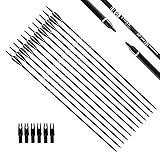
LWANO 32-Inch Carbon Arrows for Outdoor Target Shooting
A calm shooting lane can turn fussy the moment the breeze starts crossing the range. Small differences in shaft behavior, point fit, and arrow length become easier to spot as distance grows, which is why the best arrows for outdoor target shooting need more than a sleek carbon finish. The LWANO setup combines a 32-inch pure carbon shaft, 400 spine rating, removable tips, and a 12-arrow pack aimed at compound-bow practice. That combination sounds practical on paper, though its real value depends heavily on whether the shaft length and spine match the bow.
LWANO 32-Inch Carbon Arrows
The first thing that stands out is the straightforward package. Twelve matching shafts give enough arrows for a full practice session without constant walks to the target after every few shots. A larger set also makes it easier to separate a damaged arrow from the rotation while keeping the session moving. For routine range work, that 12-pack quantity offers a sensible balance between convenience and storage.
The stated 100% pure carbon fiber construction suits repeated target use because carbon shafts resist permanent bending better than many traditional aluminum designs. That doesn’t make them indestructible, though, and a hard strike against a frame, rock, or another arrow still calls for a careful inspection. Carbon damage can hide as a small crack or raised fiber, so flexing and visually checking each shaft after a rough impact shouldn’t be skipped. A clean-looking exterior isn’t always the whole story.
At 32 inches, these shafts provide extra length for setups that require more clearance in front of the rest. That can be reassuring for longer draw lengths or bows where a shorter shaft would sit uncomfortably close to the riser. The tradeoff is equally real: extra shaft length adds weight and changes dynamic spine behavior. Cutting carbon arrows also requires proper equipment and careful finishing, so they aren’t something to shorten casually with a household saw.
The 400 spine rating places these arrows in a common middle range for compound-bow target setups, but the number alone can’t confirm compatibility. Draw weight, actual draw length, point weight, cam aggression, and final arrow length all influence how the shaft reacts during release. A 400-spine arrow may tune neatly from one bow and feel too weak or too stiff from another. Checking the bow maker’s spine chart remains the smart move before treating 400 spine as an automatic match.
Flight Behavior and Outdoor Range Use
Carbon construction generally supports a crisp, repeatable launch when the arrows are assembled consistently. Outdoor shooting, however, puts more pressure on straight flight because wind drift and longer distances magnify small setup errors. The LWANO shafts may suit regular practice well if their spine, point weight, and overall length line up with the bow. That proper match matters more than chasing speed for its own sake.
The removable tips are a useful feature for target practice because worn or damaged points can be replaced without retiring the whole shaft. Point changes may also allow modest tuning adjustments, provided compatible components are used and total weight stays consistent across the set. Loose tips can create irritating rattles or weight differences, so checking them before shooting is worth the few seconds it takes. A small amount of proper thread treatment may help, but permanent adhesive would defeat the purpose of a removable design.
Longer shafts can feel steady, yet they present more surface area to a crosswind than shorter arrows of the same diameter. The effect may be minor at close range and more obvious as targets move farther away. A clean release and consistent anchor still carry most of the workload, but wind exposure shouldn’t be blamed entirely on technique. Shooters working in open fields may notice that careful timing between gusts matters almost as much as the arrow choice.
Group consistency also depends on how closely the arrows match one another after assembly. Small differences in point tightness, nock seating, vane alignment, or total weight can turn one shaft into the odd flyer. Numbering the arrows with a simple marker helps track recurring misses and separates equipment patterns from release mistakes. That little habit makes the 12-shaft set easier to evaluate over several sessions.
Setup Details That Matter Before Shooting
Nock fit deserves more attention than it usually gets. A nock that grips the string too tightly may interfere with a clean release, while one that barely holds can create an obvious safety concern. The right fit should stay on the string under the arrow’s weight without requiring a hard tug to release. Checking nock engagement is especially important whenever serving thickness or string components have changed.
Vane clearance can also make or break an otherwise reasonable setup. Contact with the rest, cable, or riser may kick the rear of the shaft sideways and scatter groups in a pattern that looks like poor form. A quick powder test or visual inspection can reveal rubbing marks without requiring advanced tuning equipment. Rotating the nock, where the design permits, may solve minor clearance trouble while preserving the existing fletching layout.
Outdoor practice often pairs arrow setup with careful sight visibility, especially near tree lines or during dimmer parts of the day. A neutral reference to low-light bow sight options can help explain why sight-pin clarity and arrow consistency are separate pieces of the same aiming problem. A brighter pin won’t correct a mismatched spine, and a well-tuned arrow won’t make a washed-out sight picture easier to read. Keeping those issues separate saves a lot of pointless tinkering.
Broadhead-style use isn’t the main strength suggested by the target-practice positioning, even though the product name includes hunting language. Removable points may support compatible changes, but broadhead selection introduces concerns about insert strength, total front weight, vane steering, and legal hunting requirements. For ordinary range sessions, the supplied target-oriented configuration is the simpler route. Pushing the arrows beyond that role should begin with a compatibility check rather than an assumption.
Strengths, Weaknesses, and Practical Value
The clearest strength is the combination of carbon shafts, 400 spine, removable tips, and twelve arrows in one package. That arrangement covers the basic needs of repeated compound-bow practice without forcing separate component purchases right away. The 32-inch length also leaves room for setups that genuinely need a longer shaft. For someone still refining draw length or equipment position, that extra margin can reduce the risk of starting with an arrow that’s too short.
The same length can become a drawback once a shorter finished arrow would tune better. Leaving unnecessary shaft ahead of the rest changes weight, balance, and flex, while professional cutting adds another step and possible expense. The fixed 400-spine rating is another limitation because it won’t suit every compound bow just because the arrows are marketed for target practice. Equipment compatibility has to come before convenience, plain and simple.
Carbon’s resistance to bending is helpful, but damage inspection is less obvious than spotting a bent aluminum shaft. Any clicking sound during flexing, visible splintering, soft area, or unusual surface mark should take that arrow out of service. That caution may feel tedious, yet it’s part of owning carbon archery equipment. Shooting a questionable shaft isn’t worth squeezing one more round from the pack.
The removable point system adds repair flexibility, though it also creates one more component that can loosen. Frequent target impacts may gradually back out threaded tips, especially if they weren’t checked at the start of the session. Keeping point weights matched is equally important because one heavier tip can shift impact and make the arrow appear defective. Basic maintenance turns this apparent weakness into a manageable routine.
Who Will Get the Most From This Arrow Set
This set makes the most sense around compound bows that genuinely call for a 400-spine shaft near the supplied length. Regular outdoor practice benefits from having enough arrows to build meaningful groups, track patterns, and replace an occasional damaged shaft without ending the day early. The 12-arrow format also fits practice routines built around repeated ends rather than casual single-shot sessions. It’s a workmanlike setup, not a shortcut around proper tuning.
Short-draw setups, very light draw weights, or bows requiring a different spine may not pair naturally with these shafts. The product description doesn’t remove the need to check a chart, measure draw length, and consider finished arrow dimensions. That homework isn’t glamorous, but it prevents poor flight from being blamed on the arrow brand alone. A correct spine and length match remains the dividing line between useful equipment and a frustrating purchase.
Experienced archers may appreciate the replaceable components and the ability to sort a dozen shafts for the most consistent group. Newer shooters may value the straightforward package, though they’ll still need guidance on nock fit, safe inspection, and point maintenance. Neither skill level changes the core rule: arrows must be matched to the bow before they’re trusted at full draw. The LWANO set offers practical ingredients, but the final result depends on careful setup.
Realistic expectations keep the product in its proper lane. These arrows won’t erase release errors, calm a gusty field, or fix a poorly aligned rest, yet their stated construction and component design provide a usable base for repeated practice. The strongest case rests on quantity, carbon construction, removable tips, and generous shaft length. The weakest point is that those same specifications can’t fit every compound bow without adjustment or careful verification.
31-Inch Training Arrows for Outdoor Target Shooting
Early practice sessions can get messy fast when arrows feel awkward, inconsistent, or too demanding for a developing shooting routine. The best arrows for outdoor target shooting should help build repeatable form without turning every end into a puzzle, and this 31-inch training set is positioned around youth and beginner practice. Its appeal sits in the straightforward idea: a full-length target arrow meant for learning, repetition, and basic range use rather than specialized competition tuning. That simplicity can be useful, but the limited product details also mean bow compatibility deserves careful attention before the first shot.
31-Inch Training Arrows
The 31-inch shaft length gives developing archers a generous amount of arrow in front of the rest, which can feel reassuring during early form work. A shaft that’s too short creates an obvious safety concern, especially while draw length is still inconsistent from shot to shot. This longer format may provide extra clearance for growing archers or shared practice bows. Still, length alone doesn’t confirm a safe match, so the arrow must remain properly positioned at full draw.
The product is described as a set of archery practice target arrows, and that wording matters. These arrows are intended for repetitive target use rather than being presented as a hunting-specific setup or a precision tournament shaft. That narrower role keeps expectations grounded and makes the set easier to judge on practical terms. The real question is whether it supports comfortable, repeatable practice without adding unnecessary complexity.
Beginners often benefit from equipment that doesn’t demand constant adjustment. A simple training arrow can keep attention on stance, anchor, release, and follow-through instead of component swapping or fine-grained tuning. That said, basic doesn’t mean universal, and bow weight, draw length, and arrow stiffness still need to line up. A mismatch can create poor flight even if the arrow itself is perfectly serviceable.
The youth-oriented positioning suggests an emphasis on approachable practice, though it shouldn’t be treated as proof that the arrows suit every youth bow. Draw weight varies widely among beginner setups, and some bows are much lighter than others. Without a stated spine, shaft material, or total weight in the provided description, those details remain open questions. Careful matching matters more than the label on the package.
What the 31-Inch Length Changes
Longer arrows give a little breathing room during the learning phase. Small draw-length changes are common while posture improves, shoulders settle, and anchor points become more consistent. The extra shaft length may reduce the chance of the arrow tip sitting too close to the rest during those uneven early draws. That margin can make practice feel less cramped and easier to manage.
There’s a tradeoff, though. A longer arrow usually carries more shaft mass than a shorter version made from the same material, and that can affect speed and trajectory. Slower flight isn’t automatically bad for basic target work, but it may require more vertical sight adjustment as distance increases. Outdoors, that difference becomes more noticeable once targets move beyond close training range.
Length also influences dynamic behavior during the shot. Two arrows with the same nominal stiffness can react differently if one is significantly longer, which is why a 31-inch shaft shouldn’t be judged only by whether it fits physically. The finished arrow setup includes the shaft, point, nock, and fletching as a system. Even simple practice gear benefits from that kind of whole-picture thinking.
Cutting the arrows shorter may seem like an easy solution, but that shouldn’t be assumed from the product description. Different shaft materials require different cutting methods, and poor trimming can damage the shaft or leave an unsafe edge. Without confirmed construction details, shortening them is best handled cautiously. Leaving them at their supplied length is the safer default until compatibility is verified.
Range Experience for Newer Archers
A training arrow earns its keep through repetition. Newer archers need enough predictable shots to recognize what good form feels like, and consistent practice equipment helps separate technique problems from equipment problems. If arrows vary noticeably from one another, confidence can unravel because every miss starts feeling mysterious. A matched set makes it easier to watch group patterns develop over time.
Outdoor ranges add wind, uneven footing, shifting light, and longer distances to the equation. Those conditions can exaggerate small release errors, so expectations should stay realistic. These 31-inch arrows may serve well for close and moderate practice distances if matched correctly, but the provided details don’t support claims about advanced wind resistance or long-range precision. Plain practice use is the more honest lane.
Beginner frustration often comes from chasing the center before a repeatable group has formed. The smarter benchmark is whether several arrows land in a similar area, even if that area sits off-center. That pattern shows that form is becoming repeatable, and sight adjustment can come later. Training arrows should support that learning process rather than distract from it.
Shared family practice can also complicate setup because one bow may pass between people with different draw lengths and strength levels. A 31-inch arrow gives useful physical length, yet it doesn’t solve every compatibility issue created by a shared bow. Arrow stiffness and total mass still need to suit the actual bow being used. One-size-fits-all thinking has a habit of causing trouble at the range.
Safety and Setup Checks
Every shaft should be inspected before shooting, especially after a hard miss or impact with a target frame. Cracks, bends, loose nocks, damaged fletching, and loose points can all change arrow flight or create a safety risk. The pre-shot inspection takes only a moment and is worth building into the routine from day one. Beginners learn good habits faster when those habits are treated as normal rather than optional.
Nock fit deserves a close look because the arrow must clip onto the string securely without gripping so tightly that release becomes rough. A loose nock can fall from the string, while an overly tight one can interfere with clean launch behavior. The right fit depends partly on string serving thickness. That small detail can make a surprising difference in how calm the shot feels.
Fletching clearance matters, too. A vane brushing the bow, rest, or cable may push the arrow off line and create a pattern that looks like inconsistent form. Rotating the nock, where the design allows it, can sometimes improve clearance. The clean passage of the fletching should be confirmed before blaming every stray arrow on the shooter.
Bow selection also shapes the experience, particularly as basic equipment begins to feel limiting. A neutral reference to intermediate recurve bow options helps frame how arrow length, draw weight, and developing form may change as skills progress. A more capable bow won’t replace sound technique, but equipment demands often shift once anchor points and release habits become more consistent. That progression makes future arrow matching just as important as the original purchase.
Strengths and Practical Tradeoffs
The strongest feature is the 31-inch training-oriented format. It gives extra length for developing draw habits and appears aimed at uncomplicated target practice. That can reduce the pressure to buy highly specialized arrows before basic form has settled. Straightforward gear often makes early practice less intimidating.
The product’s beginner and youth positioning also gives it a clear role. It isn’t presented as a tournament shaft, a hunting arrow, or a finely tuned component system. That honesty helps keep expectations in check and makes the arrows easier to assess for casual practice. The set seems better suited to learning rhythm than chasing tiny long-range groups.
The biggest weakness is the absence of key technical details in the supplied description. No spine rating, shaft material, point weight, total arrow weight, or fletching specification has been provided. Those missing numbers limit how confidently the arrows can be matched to a particular bow. The compatibility uncertainty is more important than any marketing phrase attached to the product.
Another tradeoff is that a 31-inch shaft may be more length than some smaller bows or short-draw setups need. Extra length can add weight and alter flight behavior, while cutting may not be appropriate without knowing the shaft construction. For some setups, that generous size is useful. For others, it may feel clumsy or require more careful tuning than expected.
Where These Arrows Make the Most Sense
These arrows fit best in a practice routine centered on close-range targets, basic form, and steady repetition. The training-focused design supports learning sessions where safety, confidence, and group consistency matter more than speed. A backyard-rated target area or supervised range can provide the controlled setting these arrows seem built for. Distance can increase gradually as form becomes more reliable.
They may also suit situations where growing archers need more shaft length than a short youth arrow provides. That doesn’t mean growth alone decides the match, but the 31-inch format offers room that shorter arrows can’t. The bow’s draw weight and the shooter’s actual draw length still carry the final say. Proper fit always beats a broad age label.
Archers already working at longer outdoor distances may want more technical information before relying on this set. Spine consistency, straightness tolerance, shaft diameter, and total weight become more influential as range increases. None of those details appear in the supplied description, so advanced expectations would be premature. The arrows make a stronger case as basic practice equipment than as a precision outdoor system.
Realistic expectations keep the purchase grounded. These arrows can support repetition, help establish safer habits, and offer generous length for early practice, but they can’t correct poor bow fit or replace proper instruction. Their value depends on matching them to the bow and inspecting them regularly. Used within that practical role, they may provide a steady platform for learning without making the process needlessly complicated.
TIGER ARCHERY 30-Inch Carbon Arrows
A windy range has a habit of exposing every loose component and awkward equipment match. Tight groups depend on more than aiming well, so the best arrows for outdoor target shooting need predictable flight, sensible durability, and parts that can be adjusted without a major headache. TIGER ARCHERY’s 30-inch carbon arrows bring together a 0.309-inch outer diameter, removable target tips, adjustable nocks, and plastic vanes in a 12-arrow set. Built for recurve, compound, and longbows rated from 35 to 60 pounds, they sit in a useful middle ground for regular practice rather than highly specialized competition setups.
TIGER ARCHERY 30-Inch Carbon Arrows
The 30-inch carbon shaft gives these arrows a practical size for many adult bows without stretching into an unusually long training format. That length can provide comfortable clearance in front of the rest, especially on setups with moderate draw lengths. Still, arrow length should always be checked at full draw because body proportions and anchor position can change the safe fit. A product label can suggest compatibility, but it can’t measure the bow in front of you.
The listed 0.309-inch outer diameter places the shaft in a standard-size category rather than the slim-diameter class often used for specialized windy-range setups. Standard shafts usually make replacement components easier to manage, and they can be less fussy during routine target practice. The tradeoff is a little more surface area for crosswinds to press against. On calm or mildly breezy days, that difference may matter less than release consistency and correct bow tuning.
Twelve arrows give enough volume for productive practice ends without constant trips downrange. A 12-pack setup also lets individual shafts reveal patterns over time, which is useful because one recurring flyer may point to a loose point, damaged vane, or inconsistent nock fit. Numbering each arrow with a small marker can make that troubleshooting much easier. It’s an old-school habit, but it saves plenty of guesswork.
The supplied black-and-white appearance has a practical side beyond looks. Two black vanes and one white vane make the index vane easier to identify during nocking, helping the arrow sit in the correct orientation for the rest. That visual contrast is especially handy in uneven outdoor light. No fumbling, no squinting, just a quicker setup between shots.
Carbon Construction and Practice Durability
Carbon shafts make sense for repeated range use because they resist permanent bending better than aluminum arrows. A missed target can still damage one, though, and carbon tends to fail differently. Instead of showing a simple bend, it may develop a crack, lifted fiber, or soft area that isn’t obvious at a glance. A careful shaft inspection after hard impacts is part of the deal.
The product description emphasizes extended durability and long-term target practice, which fits the general strengths of carbon construction. That claim shouldn’t be mistaken for immunity from abuse. Direct hits on metal stands, rocks, wooden frames, or another arrow can shorten the life of any shaft. Good range discipline does more for longevity than tough-sounding product language ever will.
Plastic vanes handle damp grass and light rain better than natural feathers because they don’t absorb moisture in the same way. That’s useful outdoors, where arrows often land in wet ground or brush after a wide shot. The plastic fletching can still crease or peel, so each vane should be checked for lifting edges before the next end. A small bend may settle back, while a loose base usually needs proper repair.
Storage matters, too. Carbon arrows shouldn’t spend weeks rolling around beneath heavy gear, and excessive heat inside a vehicle can be rough on adhesives and plastic components. A basic arrow tube or divided case protects the fletching alignment and keeps points from knocking against other equipment. It’s not glamorous, but neither is arriving at the range with three crushed vanes.
Removable Tips and Adjustable Nocks
The nickel-plated stainless steel tips are designed for target practice and outdoor shooting. Their removable construction makes worn points easier to replace without discarding an otherwise usable shaft. Replaceable points can also simplify maintenance after repeated impacts into dense foam or layered targets. That said, compatibility and weight should remain consistent across the whole set.
A loose tip can quietly spoil a group. Repeated impacts may back threaded points out over time, creating a faint rattle or changing the arrow’s balance. Checking point tightness before shooting takes only a few seconds and protects weight consistency from one shaft to the next. Permanent glue isn’t the answer because it removes the benefit of having replaceable components.
The included nocks aren’t fixed with glue, allowing their position to be adjusted for different bow configurations. That flexibility helps align the white index vane correctly for a recurve rest, compound launcher, or longbow shelf. The adjustable nock orientation can also help solve minor vane-clearance issues without stripping and refletching the shaft. Gentle, controlled adjustment is the key because forcing a tight nock can damage the component.
Replacement nocks included with the set provide a useful backup after dry ground impacts or accidental drops. Nocks may look like minor parts, yet a cracked groove or loose fit can create an unsafe release. The arrow should clip securely onto the string without requiring a hard tug to separate. Proper nock fit depends on serving thickness, so it deserves a hands-on check rather than a quick visual glance.
Flight Behavior From 35 to 60 Pounds
The stated draw-weight range covers recurve, compound, and longbows from 35 to 60 pounds. That broad compatibility sounds convenient, but draw weight alone doesn’t settle the match. Actual draw length, point weight, cam aggressiveness, string design, and final shaft length all affect how an arrow flexes during launch. Two bows marked at the same poundage can behave quite differently.
A correctly matched arrow should recover cleanly after release and settle into repeatable flight. An arrow that’s too flexible may leave the bow with excessive movement, while one that’s too stiff can resist tuning and create stubborn left-or-right grouping. The provided description doesn’t state a spine rating, so precise spine matching can’t be confirmed from the supplied specifications alone. The bow manufacturer’s chart remains the sensible reference point.
Plastic vanes give the rear of the shaft enough steering to correct small launch disturbances. The white index vane helps maintain proper orientation, while the two black vanes complete a familiar three-vane arrangement. For ordinary target points, that three-vane configuration is practical and uncomplicated. Larger fixed broadheads would introduce different steering demands, even though the product name mentions hunting.
Outdoor distance adds another layer. A standard-diameter shaft may react more to a crosswind than a narrower design, but technique still carries a lot of weight. Clean release timing, stable anchor pressure, and a level bow reduce the unexplained movement that’s often blamed on equipment. The realistic range experience is a partnership between arrow setup and repeatable form, not one or the other.
Range Setup and Shooting Routine
Begin each session by checking the shafts, points, nocks, and vanes. A quick flex test can reveal suspicious sounds or movement, though it should be done carefully and away from the face. Loose components should come out of the rotation until they’re repaired or replaced. That pre-shot routine becomes second nature after a few range days.
Arrow orientation deserves the same attention. The white vane should be positioned according to the bow’s rest or shelf so the other vanes pass without contact. A rubbing vane can push the rear of the arrow sideways and create groups that seem randomly wide. Clean fletching clearance is one of those small setup details that punches above its weight.
Related bow styles can place different demands on shaft length and fletching clearance, and a useful reference appears in arrows for horse bows where traditional equipment may call for a different balance of flexibility, length, and feather clearance. The TIGER ARCHERY shafts are listed for compound, recurve, and longbows, but that broad wording doesn’t erase the distinctions among those platforms. A center-shot compound behaves differently from an arrow passing close to a traditional bow’s riser. Keeping those differences straight prevents a lot of unnecessary tuning frustration.
Group testing should focus on patterns rather than single shots. Several arrows landing together but away from the center usually signal a repeatable setup that may need sight or aim adjustment. One shaft repeatedly landing apart from the group deserves inspection. This arrow-by-arrow tracking separates equipment issues from the occasional rough release.
Strengths That Stand Out
The main strength is the combination of carbon construction and replaceable components. Carbon resists ordinary bending, while removable tips and adjustable nocks make routine repairs less wasteful. A damaged point or nock doesn’t automatically retire the whole shaft. That practical serviceability suits regular range sessions where wear builds gradually.
The 30-inch length also hits a workable middle point for many setups. It offers more room than short youth arrows without becoming excessively long for common adult draw lengths. Still, the arrow must remain safely in front of the rest at full draw. The usable shaft length is a strength only after that fit has been confirmed.
Visual vane contrast is another quiet advantage. The single white vane makes orientation easy to spot, which speeds up nocking and reduces placement errors. Under cloudy skies or shaded shooting lines, that clear index vane can be easier to recognize than three matching dark vanes. Simple? Sure. Useful? Absolutely.
The package size supports longer sessions and more meaningful group analysis. Twelve arrows allow several shots before retrieval and provide backups when one shaft needs inspection. They also make it easier to create a dedicated practice set rather than mixing arrows with different weights or components. A matched 12-arrow pack brings order to a range bag that might otherwise become a grab bag of leftovers.
Weaknesses and Sensible Expectations
The missing spine specification is the largest limitation in the provided information. A stated draw-weight range helps narrow the field, but it can’t replace an actual stiffness rating. Without that number, exact bow matching requires extra caution and perhaps guidance from an archery shop. Guessing may lead to poor flight or an unsafe setup.
The standard 0.309-inch diameter may not be the first pick for exposed ranges with persistent crosswinds. Slimmer shafts present less side area, although they often cost more and may use less common components. These TIGER ARCHERY arrows lean toward practical general-purpose practice rather than a specialized wind-cutting build. That’s not a flaw by itself, but it sets the right expectation.
The hunting wording should also be read carefully. Removable steel tips and carbon shafts may support component changes, yet the supplied details focus heavily on target practice. Broadhead use demands confirmed insert compatibility, suitable total arrow weight, proper vane control, and compliance with local hunting rules. The target-practice role is better supported by the information available.
These arrows won’t compensate for an improperly set rest, inconsistent anchor, or mismatched bow. They offer a solid set of practical features, but tuning still belongs in the process. Their strongest fit lies with 35-to-60-pound bows that safely accommodate a 30-inch shaft and match the arrows’ unstated stiffness. Under those conditions, the replaceable parts, visible index vane, and carbon shafts create a sensible platform for steady outdoor practice.
SUNYA 30-Inch Carbon Arrows for Target Practice
Pulling arrows from a dense outdoor target can loosen tips, scar nocks, and turn a smooth practice session into a string of small annoyances. The best arrows for outdoor target shooting should handle repeated use without demanding constant repairs between ends. SUNYA answers that need with a 24-piece set built around 30-inch carbon shafts, 500 spine, removable 100-grain tips, adjustable nocks, and 3-inch TPU vanes. The package is aimed mainly at compound bows drawing 40 to 60 pounds, though the adjustable nock direction also allows recurve-bow setup.
SUNYA 24-Piece Carbon Arrow Set
The 24-arrow quantity is the feature that immediately separates this set from smaller practice packs. Six arrows come in each of four vane colors, making it easier to divide the collection into groups for different bows, shooting lanes, or practice routines. Color sorting also helps identify a stubborn flyer without marking every shaft by hand. For longer outdoor sessions, having two dozen arrows means fewer interruptions and more time spent watching group patterns develop.
Each arrow uses a 30-inch shaft and measures 31.5 inches from end to end. That extra overall length includes the fitted components, so the shaft measurement shouldn’t be confused with the complete arrow size. The dimensions can provide comfortable clearance for many moderate draw lengths, but safe fit still needs to be checked at full draw. A generous length is helpful only when the arrow remains matched to the bow and the archer’s actual anchor position.
The stated 500 spine gives buyers more useful matching information than a vague draw-weight label alone. SUNYA lists the arrows for most compound bows in the 40-to-60-pound range, yet bow speed, point weight, draw length, and shaft length still affect dynamic behavior. A 500-spine shaft may react differently from a fast compound than it does from a softer recurve. The bow manufacturer’s chart should settle the question before the arrows are treated as a universal fit.
Tip Retention That Solves a Common Irritation
Removable points are handy until one stays buried in a target. SUNYA addresses that familiar nuisance with a special O-ring placed to help keep the tip secure while the arrow is pulled from dense foam or layered material. The supplied 100-grain points are described as tightened and replaceable, so the setup preserves component flexibility without ignoring the loosening problem. That’s a practical detail, especially during high-volume practice where dozens of impacts can gradually work a threaded tip free.
The 100-grain point weight is widely used in target and general archery setups, which makes future replacement less complicated than an unusual proprietary weight would. Swapping points can still alter total arrow weight and front balance, so replacements should match across the entire set. One odd point can shift impact enough to look like a damaged shaft or inconsistent release. Keeping all 24 arrows mechanically similar is the quiet trick behind useful group testing.
The O-ring isn’t a license to ignore the points before shooting. Repeated target impact, temperature changes, and rough removal can still affect threaded components. A quick finger check catches a loose point before it rattles, shifts balance, or disappears into the target face. The tip-security system reduces maintenance hassle, but it doesn’t replace basic inspection.
Nock Protection and Bow Compatibility
The nock end carries an aluminum reinforcement ring intended to reduce the chance of shaft cracking near the rear. That area takes considerable stress during launch and can also suffer from impacts, dropped arrows, or tight grouping. Reinforcement adds a thoughtful layer of protection where carbon damage could place the hand close to a failing shaft. It’s still wise to retire any arrow showing lifted fibers, cracks, soft spots, or unusual sounds during inspection.
SUNYA ships the arrows with the nocks positioned for a compound-bow setup. Because the nocks aren’t fixed permanently, their direction can be adjusted to suit a recurve bow and its different fletching-clearance needs. The adjustable nock orientation saves the trouble of removing and reinstalling components merely to rotate the index vane. Gentle adjustment matters, though, because forcing the nock with the wrong tool can damage either the nock or the shaft opening.
Nock fit on the string deserves its own check. A nock that grips too tightly may resist a clean release, while a loose one can fall from the serving before the shot is ready. The proper connection should feel secure without requiring a hard pull to separate. String-serving thickness varies among bows, so factory positioning doesn’t guarantee ideal fit on every setup.
TPU Vanes for Indoor and Outdoor Practice
The arrows use 3-inch TPU rubber vanes designed to balance stability with manageable drag. That length gives the shaft enough steering to correct minor launch disturbance without turning the rear of the arrow into a large sail. Plastic vanes also cope better with damp grass and light moisture than natural feathers. Outdoor ranges aren’t always tidy, and arrows have a knack for landing exactly where the ground is wettest.
Four vane colors divide the 24 arrows into six-arrow groups. Besides making the set look organized, the color system can support practical range habits, such as assigning one color to each bow or tracking whether a particular group behaves differently. The six-arrow color groups also make it easy to shoot standard practice ends without mixing every shaft at once. If one color repeatedly spreads wider, the components in that group deserve closer inspection.
Rubber vanes can bend after sitting against a hard case wall or another arrow. Mild distortion may settle back into shape, but peeled bases or deep creases can affect clearance and flight. A vane brushing the rest, cable, or riser may create sideways movement that looks like poor technique. Keeping the fletching straight and unobstructed protects the predictable flight these arrows are designed to deliver.
Outdoor Flight and Range Routine
Outdoor shooting introduces crosswinds, uneven light, and longer distances that don’t show up during short indoor practice. The carbon shaft and 3-inch vanes provide a sensible general-purpose setup, but they can’t erase every gust or release mistake. A clean anchor and relaxed bow hand still do most of the heavy lifting. The 500-spine carbon construction works best after the rest, nocking point, and bow settings have been tuned around it.
Two dozen arrows make equipment patterns much easier to spot. Numbering the shafts within each color group can reveal whether the same arrow keeps landing outside the cluster. That repeatable miss may point to a loose tip, damaged vane, uneven nock fit, or shaft issue rather than a sudden lapse in form. Arrow-by-arrow tracking turns a large set into a useful diagnostic tool instead of a pile of nearly identical equipment.
Outdoor equipment choices sometimes branch into unrelated property-management concerns, and a separate reference appears in green laser guidance for situations involving geese around open grounds. That topic doesn’t affect arrow tuning, shaft behavior, or target practice, so it belongs in its own lane. Keeping unrelated tools separate prevents weak claims and forced connections. The SUNYA arrows should be judged by their shooting components, not by accessories that solve a different problem.
Practical Strengths of the SUNYA Set
The most obvious strength is value through volume and organization. Twenty-four arrows reduce the need for immediate replacements and allow longer practice cycles before retrieval. Four vane colors prevent the set from becoming an anonymous bundle, while six arrows per color fit naturally into common shooting routines. That layout feels planned rather than thrown together.
Component serviceability adds another advantage. The removable 100-grain tips can be replaced, the nocks can be rotated for different bow styles, and the O-rings help address point loosening during target removal. These features reduce the chance that a small worn part will retire an otherwise usable carbon shaft. Maintenance remains part of ownership, but the design makes that maintenance less of a chore.
The aluminum ring near the nock is a meaningful safety-minded detail. Rear-shaft damage can be especially concerning because that section sits close to the bow hand at release. Reinforcement doesn’t make the arrow indestructible, yet it may help the shaft cope with routine stress around the nock opening. The combination of carbon construction and nock-end support suits repeated practice better than a bare-bones shaft with no added protection.
Limitations and Fit Considerations
The 500-spine rating won’t suit every bow within the broad 40-to-60-pound claim. Faster compound cams, longer draw lengths, heavier points, and different release characteristics can all change the shaft’s effective reaction. A setup near the upper end of the listed draw-weight range deserves especially careful chart checking. The stated bow range is a starting point, not a substitute for proper spine selection.
The 30-inch shaft may also be longer than some setups require. Extra length affects total mass and dynamic spine, while shortening carbon arrows demands the correct cutting equipment and careful end preparation. A household saw and a bit of optimism won’t cut it. The full 31.5-inch arrow length should be measured against the bow before any modification is considered.
Twenty-four arrows take up more storage space than a compact dozen. Poor packing can press the TPU vanes flat, let points strike neighboring shafts, or hide a damaged arrow inside the bundle. A divided arrow case keeps the color groups organized and protects the fletching from unnecessary deformation. The larger set pays off only if storage and inspection habits keep pace with the quantity.
Realistic Use Across Compound and Recurve Bows
Compound bows appear to be the primary fit because the nocks arrive in a compound-style position and the listed draw-weight range centers on 40 to 60 pounds. The 500 spine, 30-inch shaft, and 100-grain point form a defined setup that can be checked against a bow chart without guesswork. Once matched correctly, the ready-to-practice configuration limits the amount of component hunting needed before the first session. That simplicity is useful for anyone tired of assembling a complete arrow system piece by piece.
Recurve use is possible through nock rotation, but the bow’s shelf, rest, draw length, and draw weight still influence flight. Some recurves may prefer a different stiffness even if the shaft length feels comfortable. Vane clearance also becomes more sensitive on bows where the arrow passes close to the riser. The adjustable nock direction helps, yet it can’t solve a fundamentally mismatched shaft.
The SUNYA set makes its strongest case as a practical practice collection rather than a precision tournament build. Its strengths lie in quantity, visible grouping, replaceable points, reinforced nock ends, and adaptable vane orientation. The tradeoffs are equally plain: storage takes planning, fit must be verified, and 500 spine isn’t universal. For repeated indoor or outdoor sessions, careful bow matching and regular inspection are what turn these features into dependable range performance.
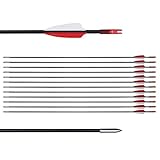
TIGER ARCHERY 30-Inch Orange Carbon Arrows
Bright fletching won’t fix a rough release, but it can make outdoor practice less frustrating once arrows start disappearing against grass, dirt, and shadowed targets. The best arrows for outdoor target shooting need to balance visibility, durability, component serviceability, and sensible bow compatibility. This TIGER ARCHERY set combines 30-inch carbon shafts, a 0.309-inch outer diameter, removable nickel-plated stainless steel tips, adjustable nocks, and orange-and-white plastic vanes in a pack of 12. It’s a practical range setup for recurve, compound, and longbows rated from 35 to 60 pounds, provided the arrow stiffness and final fit suit the actual bow.
TIGER ARCHERY Orange Carbon Arrows
The orange-and-white vane pattern gives this version a noticeably different personality from darker practice arrows. Two orange vanes make the shaft easier to follow through the air, while the single white vane serves as a clear index vane during nocking. That contrast helps on ranges bordered by brush, brown grass, or shaded target lanes where black fletching can disappear in a hurry. It’s a small design choice, sure, but it solves a real outdoor annoyance.
A 12-arrow pack provides enough shafts for full practice ends without forcing constant walks to the target. More arrows also make group patterns easier to read because a single rough shot doesn’t dominate the whole result. Numbering each shaft can reveal whether the same arrow keeps landing outside the cluster. That habit turns the set into a useful tuning tool rather than a dozen nearly identical pieces of gear.
The listed 30-inch length works for many moderate draw setups and leaves a comfortable amount of shaft ahead of the rest. That extra room can be reassuring on recurves and longbows, where the relationship between draw length and arrow clearance deserves close attention. Still, the arrow must be checked at full draw because body dimensions and anchor style vary. A safe length on one bow may be awkward or unnecessary on another.
The 0.309-inch outer diameter places these arrows in a standard-size class rather than the skinny-shaft category. Standard-diameter arrows often make replacement parts easier to source and can feel less finicky during ordinary range maintenance. The compromise is greater side area for wind to push against, especially at longer distance. Calm technique and a clean release still matter more than diameter alone, but crosswind exposure is worth keeping in mind.
Carbon Shaft Durability in Real Practice
Carbon construction suits repeated target use because the shaft resists permanent bending better than aluminum. A missed shot that clips a frame may not leave the obvious curve seen in a metal shaft, yet that doesn’t mean the arrow escaped unharmed. Carbon can develop cracks, raised fibers, or soft sections after a hard impact. A careful shaft inspection should follow every rough hit.
The product description emphasizes solid construction and extended practice life. That promise fits the general purpose of carbon arrows, though no shaft survives careless treatment forever. Rocks, metal target hardware, wooden frames, and direct arrow-to-arrow impacts can all shorten service life. The practical strength here is resistance to ordinary range wear, not immunity from damage.
Storage influences durability almost as much as shooting does. Arrows left loose in a trunk can roll beneath heavy equipment, press their vanes against hard surfaces, and knock points against neighboring shafts. A divided case or arrow tube keeps the carbon protected and the fletching aligned. It’s basic housekeeping, but basic housekeeping keeps a practice set shooting consistently.
Temperature matters, too. Excessive heat can be rough on vane adhesive and plastic components even if the carbon shaft itself looks unchanged. Leaving arrows inside a closed vehicle for days may shorten the life of the fletching bond or distort the vanes. Outdoor equipment lasts longer when it isn’t treated like forgotten cargo.
Orange Vanes and Flight Control
The three-vane layout uses two orange vanes and one white vane. Plastic fletching handles damp conditions better than natural feathers because it doesn’t absorb moisture in the same way. That matters after an arrow lands in wet grass or slides under a target stand following a low shot. The plastic vane construction keeps the setup practical for changing outdoor conditions.
Visibility is the obvious advantage of orange. A bright vane is easier to spot against green vegetation and dark target foam, which can reduce the time spent searching after a wide shot. The white index vane adds orientation clarity when placing the arrow on the rest or shelf. Together, the colors make loading and retrieval a little less of a chore.
Fletching still needs room to pass cleanly. A vane brushing the rest, riser, cable, or shelf can kick the rear of the shaft sideways and create erratic groups. Rotating the adjustable nock may improve vane clearance without requiring complete refletching. A quick powder test or inspection for rub marks can expose contact that isn’t obvious during the shot.
Damaged vanes shouldn’t be ignored just because the shaft remains straight. A peeled base, deep crease, or warped edge changes drag and may cause one arrow to drift differently from the rest. Minor bends may recover, but loose vanes need proper repair. Consistent fletching keeps the orange-and-white design useful for more than visibility alone.
Removable Tips and Nock Adjustment
The arrows use nickel-plated stainless steel tips intended for target practice and outdoor shooting. Removable points simplify replacement once repeated impacts wear the tip or damage the threads. That serviceability can extend the useful life of each shaft because a worn point doesn’t automatically retire the arrow. The replacement should match the original weight to preserve consistency across the set.
Threaded tips have one predictable weakness: they can loosen. Dense foam and layered targets may grip a point tightly enough to start backing it out during retrieval. A quick check before each practice end prevents rattles and unexplained weight differences. The removable-point system is useful, but it rewards a little maintenance.
The nocks aren’t fixed with glue, which allows their orientation to be changed for compound, recurve, or longbow setups. That flexibility helps position the white vane correctly around the arrow rest or bow shelf. It also gives some room to address contact issues without altering the rest of the arrow. Gentle adjustment is the right approach because forcing a tight nock can damage the component or shaft opening.
Replacement nocks are included, adding a practical backup for cracked or worn parts. A nock may seem minor, yet its fit controls how the arrow connects to the string before release. Too tight, and the arrow may resist a clean launch; too loose, and it may fall from the string. Secure nock fit should be confirmed on the actual serving rather than assumed from the package.
Bow Compatibility From 35 to 60 Pounds
The listed range covers recurve, compound, and longbows with draw weights between 35 and 60 pounds. That broad span is convenient, but draw weight doesn’t tell the whole story. Draw length, point weight, bow efficiency, cam design, and shaft length all affect how the arrow flexes during launch. The bow-to-arrow match still deserves a proper chart check.
The provided specifications don’t include a spine rating, which limits precise compatibility analysis. An arrow that’s too weak may flex excessively and leave the bow with unstable movement. One that’s too stiff can resist clean tuning and produce stubborn side-to-side groups. The stated draw-weight range is a useful starting point, not a final answer.
Compound bows often transfer energy more aggressively than traditional bows marked at the same draw weight. A shaft that behaves calmly from a recurve may react differently from a faster cam system. Longbows introduce their own demands because shelf contact and center-shot geometry influence launch behavior. The same 30-inch arrow won’t necessarily feel identical across all three bow types.
Safe fit also depends on length at full draw. The arrow must remain securely supported ahead of the rest or shelf without creating an awkward amount of excess shaft. Cutting carbon arrows requires proper equipment and careful end preparation, so shortening them shouldn’t be treated as a casual garage task. A professional cut preserves shaft integrity and reduces the risk of hidden damage.
Outdoor Range Behavior
Outdoor shooting magnifies small setup problems. Wind pushes on the shaft and vanes, changing light affects the sight picture, and longer distances expose inconsistent release timing. These arrows provide a practical standard-diameter carbon setup, but they won’t make a gusty field behave like an indoor lane. The realistic advantage lies in repeatable components and visible fletching rather than wind immunity.
The orange vanes can help track arrow direction during flight, especially against dark backgrounds. That visual feedback may reveal a fishtailing shaft or an arrow leaving the bow at an odd angle. Still, visible movement doesn’t automatically identify the cause. Rest alignment, nock fit, release quality, and shaft compatibility all deserve inspection before blame lands on one component.
Group testing works best when each arrow is tracked individually. If the same shaft consistently lands outside the group, inspect its point, nock, vane alignment, and surface. If every arrow spreads in the same direction, the issue may sit with bow setup or form instead. Pattern-based troubleshooting keeps range adjustments grounded instead of turning them into guesswork.
Unrelated outdoor equipment sometimes appears alongside archery topics, and a separate reference can be found in BDC rifle scopes for firearm optics that address a completely different shooting system. That subject doesn’t affect arrow flight, vane behavior, or bow tuning. Keeping the two categories separate avoids weak comparisons and misleading claims. These TIGER ARCHERY arrows stand or fall on archery-specific details alone.
Strengths That Matter in Daily Use
The biggest strength is the combination of carbon shafts and replaceable components. Removable points and adjustable nocks make routine repairs less wasteful, while the shaft material resists ordinary bending. That design supports repeated practice without forcing replacement after every small component issue. It’s a sensible setup for anyone who’d rather maintain equipment than toss it.
The orange-and-white vane pattern is another useful advantage. Bright colors improve visibility during loading, flight tracking, and arrow retrieval. The single white vane also makes orientation easy to read at a glance. That clear visual indexing can reduce fletching-placement mistakes between shots.
Twelve matching arrows offer enough volume for group analysis and steady practice. The set can be split into smaller groups, numbered for tracking, or rotated to spread wear more evenly. A complete dozen also means one damaged arrow doesn’t shut down the session. The pack size lands in a practical middle ground between a small sampler and an oversized bulk set.
The 30-inch length may suit many adult practice setups without feeling excessively long. It gives useful clearance while remaining manageable in a standard case or quiver. That said, the measurement only becomes a strength after safe fit is confirmed. Properly matched, the shaft length supports a stable, uncomplicated range routine.
Weaknesses and Sensible Expectations
The missing spine specification is the clearest limitation. A 35-to-60-pound draw-weight label covers a wide range of bows with very different energy delivery. Without exact stiffness data, precise tuning expectations should remain modest. A shop or manufacturer chart may be needed before the arrows are paired with a demanding setup.
The 0.309-inch diameter also brings a tradeoff in exposed wind. Slimmer arrows may present less side area, though they often come with different component requirements and higher cost. These TIGER ARCHERY shafts lean toward straightforward target practice rather than specialized long-range wind performance. That practical focus is useful, but it shouldn’t be mistaken for a competition-oriented design.
The hunting label deserves a careful read. Carbon shafts and removable tips can support different point styles, but the supplied description mainly supports target practice. Broadhead use introduces questions about insert strength, point compatibility, front weight, vane steering, and local regulations. The target-shooting role is the better-supported use based on the information provided.
Bright vanes can still wear, tips can loosen, and nocks can crack. None of those issues are unusual, yet they mean the arrows benefit from regular inspection and sensible storage. The product’s strongest value comes from serviceable components, visible fletching, and carbon construction, not from pretending maintenance disappears. Used with a properly matched bow, the set offers a practical foundation for repeated outdoor practice.


12 Best 22 Pcp Air Rifle For Hunting of 2026 With Quiet Power

7 Best 22 Pcp Air Rifle Under 300 of 2026 For Backyard Pest Control

10 Best 22 Break Barrel Air Rifles of 2026 For Backyard Pest Control

10 Best 30 Caliber Pcp Air Rifle of 2026 For Medium Game

Top Best 177 Air Rifle Under 100: Budget-Friendly Picks for 2026

How to Safely Reload Shotgun Shells at Home

11 Best Co2 Air Rifle For Pest Control of 2026 To Ensure Humane Dispatch

12 Best Inexpensive Air Rifles of 2026 For Dependable Backyard Accuracy






