
Best Arrows for Wicked Ridge Invader 2026 Picks

A fast crossbow can expose every weak link in an arrow setup, from inconsistent shaft weight to loose inserts and poorly matched nocks. The best arrows for Wicked Ridge Invader models should balance stiffness, total weight, straightness, and component fit rather than chasing speed alone. A lighter shaft may look appealing on paper, but it can produce more noise, harsher vibration, and less forgiving flight if the complete build falls below the crossbow maker’s recommended range. That’s where careful matching pays off.
Carbon crossbow bolts remain the common choice because they offer a useful blend of stiffness, repeatable construction, and resistance to minor bending. Still, carbon isn’t indestructible, so every shaft needs a close inspection after striking a hard target, another bolt, or anything beyond the intended backstop. Small cracks near the nock or insert can be easy to miss, and shooting a damaged shaft simply isn’t worth the risk. Rotate the bolt under bright light, flex it gently, and listen for faint cracking sounds before loading it again.
Total arrow weight matters just as much as the label printed on the shaft. Broadheads, inserts, nocks, vanes, and lighted nocks all change the finished weight, so a bare-shaft number won’t tell the whole story. A slightly heavier finished bolt often delivers a calmer shot, better momentum, and less stress on the crossbow, though it may give up a little speed and produce more drop at longer ranges. Frankly, a predictable trajectory is easier to work with than a fast setup that groups inconsistently.
Shaft straightness and weight consistency become noticeable once groups tighten. Tiny differences won’t magically ruin every shot, but mixed bolt weights can create vertical spread, especially as distance grows. Numbering each shaft and recording where it hits can reveal flyers that repeatedly land outside the main group. Sometimes the issue is the shaft, and sometimes it’s a vane, nock, or insert that needs attention.
Nock style deserves special care because crossbows don’t all use the same interface. The correct nock helps the string engage the bolt properly and supports reliable contact with the trigger system. Using an incompatible shape can cause erratic ignition, poor string placement, or serious equipment damage. So, stick with the nock type approved for the specific Wicked Ridge Invader model and confirm compatibility before replacing standard components with illuminated versions.
Length also needs to match the rail and manufacturer guidance. A bolt that’s too short may not sit correctly against the string or safety system, while unnecessary extra length adds weight forward and can change balance. Most compatible factory-style shafts are built around common crossbow lengths, but model-year differences still matter. Check the owner’s manual rather than assuming every Invader uses an identical bolt specification.
Field points should match the broadheads in both weight and fit for useful practice. Even then, broadhead flight may differ because blade surfaces create steering forces that field points don’t. Well-aligned inserts, straight broadhead installation, and intact vanes help keep that difference manageable. Broadhead tuning isn’t just for vertical bows; a crossbow setup can benefit from the same patient attention.
Budget bolts can make sense for close-range practice, yet inconsistent components may become frustrating once accuracy expectations rise. Higher-priced shafts often offer tighter weight and straightness tolerances, though those numbers still don’t replace careful inspection and sorting. The practical sweet spot is a matched set that shoots consistently from the actual crossbow, not the fanciest package on the shelf. Buy enough identical shafts to create a working set, then avoid mixing unrelated models during sight-in.
Storage and target choice affect service life more than many people expect. Dense, worn-out targets can grip bolts so tightly that removal damages vanes or loosens inserts, while overly hard backstops can fracture carbon. Keep shafts dry, protected from crushing weight, and separated from broadheads during transport. A simple bolt case costs less than replacing a half-dozen damaged arrows after they’ve rolled around in a truck bed.
The strongest setup is usually the one that behaves the same shot after shot. Match the approved nock, stay within the recommended finished-weight range, inspect each shaft, and test broadhead impact before hunting. Those habits won’t sound flashy, but they solve the common problems behind wandering groups, uplained flyers, and premature bolt damage. Reliable arrow flight comes from the complete system, not one isolated specification.
- ARS Mark9.6
ARS Mark is a ranking system developed by bestairriflescopes.com. ARS Mark has no relationship or impact from any manufacturers or sales agent websites. Learn more
- BrandWicked Ridge
- ARS Mark9.2
ARS Mark is a ranking system developed by bestairriflescopes.com. ARS Mark has no relationship or impact from any manufacturers or sales agent websites. Learn more
- BrandWicked Ridge
- ARS Mark9.2
ARS Mark is a ranking system developed by bestairriflescopes.com. ARS Mark has no relationship or impact from any manufacturers or sales agent websites. Learn more
- BrandWicked Ridge

- ARS Mark9.2
ARS Mark is a ranking system developed by bestairriflescopes.com. ARS Mark has no relationship or impact from any manufacturers or sales agent websites. Learn more
- BrandTIGER ARCHERY
- ARS Mark8.8
ARS Mark is a ranking system developed by bestairriflescopes.com. ARS Mark has no relationship or impact from any manufacturers or sales agent websites. Learn more
- BrandWicked Ridge

- ARS Mark8.8
ARS Mark is a ranking system developed by bestairriflescopes.com. ARS Mark has no relationship or impact from any manufacturers or sales agent websites. Learn more
- BrandTenPoint
Last update on 2026-07-30 / Affiliate links / Images, Product Titles, and Product Highlights from Amazon Product Advertising API
Best Arrows for Wicked Ridge Invader
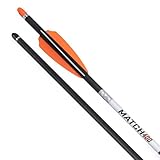
A crossbow can feel dialed in at the bench yet still scatter bolts once small inconsistencies creep into the setup. Shaft weight, nock fit, vane alignment, and front-of-center balance all influence what happens between the trigger break and the target. The best arrows for Wicked Ridge Invader models need to match the bow’s firing system rather than merely share the right length. Wicked Ridge Match 400 arrows address that concern with a 20-inch carbon build, a 400-grain finished weight, and the Alpha-Nock HP system designed around Wicked Ridge crossbows.
Wicked Ridge Match 400
The Match 400 pack includes six 20-inch carbon crossbow arrows, each fletched with 3.5-inch Bohning X Vanes set at a slight offset. That offset encourages controlled rotation after launch, which can help the shaft settle into stable flight instead of wandering as minor aerodynamic forces act on it. Carbon also keeps the shaft reasonably light and stiff without introducing the permanent bends associated with softer metal shafts. Still, carbon demands routine inspection because cracks can hide near the insert, nock, or impact area.
A finished weight of 400 grains places these arrows in a practical middle ground between lightweight speed-focused bolts and heavier builds aimed mainly at momentum. The added mass can soften the shot feel compared with very light arrows while preserving a relatively manageable trajectory. It also supports the penetration claims tied to hunting use, though actual results still depend on broadhead design, shot placement, distance, and the animal encountered. No arrow weight can compensate for poor alignment or rushed shooting.
The six-arrow format gives enough shafts for sight-in, broadhead verification, and a small hunting rotation without immediately mixing different models. Keeping every arrow from the same line helps reduce one common source of vertical spread caused by inconsistent total weights or component dimensions. Even so, numbering each shaft is a smart habit because one arrow may repeatedly land outside the main group after vane damage or a hard target impact. A matched label doesn’t make inspection optional.
The Match 400 is clearly built around Wicked Ridge compatibility, especially through its nock design and finished specifications. That tight focus is useful because crossbow nocks aren’t interchangeable simply because they fit into the back of a carbon shaft. A poorly matched nock can affect string contact, safety operation, and the way energy transfers into the arrow. Before using these arrows with another crossbow brand or an older model, the owner’s manual should settle the compatibility question.
Alpha-Nock HP String Engagement
The Alpha-Nock HP has a deep string groove and a broad, smooth-radius base intended to keep the bowstring centered during the shot. TenPoint states that the Wicked Ridge string wraps more tightly around the center of this nock, creating a 28% increase in string-to-nock engagement. That design aims to reduce the chance of the string riding above or below the nock during launch. Better engagement also encourages straighter nock travel as the arrow accelerates down the rail.
The HP aluminum bushing adds reinforcement around an area that takes a sharp load every time the crossbow fires. A stronger rear interface can help maintain consistent alignment while protecting the carbon shaft from concentrated stress near the nock. This detail matters because the back of the arrow isn’t merely a convenient place to attach plastic. It’s the point where the bowstring transfers its stored energy into the entire projectile.
Serving wear is another practical concern, particularly on crossbows that see frequent target sessions before hunting season. The Alpha-Nock geometry is designed to spread and center string contact, which may help minimize uneven serving wear compared with a less compatible nock profile. That doesn’t remove the need to inspect the serving for separation, flattening, or frayed strands. Correct nock alignment and regular rail maintenance still belong in the same routine.
Lighted nocks may be tempting for tracking arrow flight, but swapping components changes both compatibility and total weight. Any replacement should preserve the nock style required by the crossbow and sit at the proper orientation against the string. A few extra grains at the rear also alter front-of-center balance, even if the change seems small. The safest route is to confirm that a replacement nock is specifically approved for the bow and arrow combination.
Straightness And Front-Of-Center Balance
Wicked Ridge states that Match 400 shafts are inspected for straightness within .004 inch. Straightness tolerance matters because a shaft that wobbles around its axis can exaggerate broadhead steering and create inconsistent impact points. The .004-inch figure isn’t the tightest tolerance found in specialty target arrows, but it suits a hunting-oriented shaft where durability, cost, and repeatable field use all share the stage. Careful broadhead installation remains just as important as the printed tolerance.
A 46-grain aluminum insert shifts more mass toward the front and produces a stated 14% front-of-center balance. That forward bias helps the point lead the arrow through flight instead of allowing the rear to steer too aggressively. It can also support cleaner broadhead behavior because the heavier nose resists small disturbances created by blades and crosswinds. Too much front weight can increase trajectory drop, though, so sight marks should be verified with the exact hunting setup.
The company claims this design can create up to 20% tighter groupings than its previous carbon arrows. The wording matters because “up to” describes a possible improvement under the conditions used for the comparison, not a guaranteed reduction for every crossbow or distance. Arrow condition, scope calibration, rest technique, wind, and broadhead alignment can easily narrow or erase that margin. The useful takeaway is that straightness and forward balance were deliberately adjusted to support more repeatable flight.
Broadheads should be weighed and checked for wobble after installation, since an arrow can meet its shaft tolerance and still fly poorly with a crooked point. Spin testing exposes inserts or broadheads that don’t sit concentrically with the shaft. Matching field-point weight to broadhead weight also keeps sight-in more meaningful, although fixed blades may still strike differently due to their larger surface area. Component alignment is the quiet detail that often separates a tight group from a stubborn flyer.
Flight Behavior And Hunting Practicality
The 3.5-inch Bohning X Vanes provide enough steering surface to stabilize the shaft without turning the rear of the arrow into a bulky drag source. Their slight offset promotes rotation, and that spin can smooth out small differences in vane pressure during flight. Damaged or wrinkled vanes will undermine the benefit, especially if one vane repeatedly contacts the rail or another surface. A quick visual check before loading saves plenty of head-scratching later.
At 400 grains and 20 inches, the Match 400 is intended to preserve a useful blend of speed, momentum, and manageable drop. Heavier arrows often retain momentum well and may reduce vibration, but they won’t strike the same elevation as a lighter bolt at longer distances. Any change from another arrow model calls for a fresh sight-in across the ranges actually used. Assuming two 20-inch arrows share the same trajectory is a fast way to miss high or low.
Penetration depends on more than total grain weight. A sharp broadhead, suitable front-of-center balance, correct impact angle, and precise placement matter every bit as much as the shaft specification. The Match 400 supplies a sensible foundation, but it can’t guarantee a particular hunting outcome. Realistic expectations keep the focus on preparation rather than marketing shorthand.
Crossbow accuracy also depends on what sits above the rail, and sight cost doesn’t always predict how well a setup handles practical hunting ranges. A neutral overview of that separate equipment category appears in bow sights under 200, where adjustment style and reticle clarity become their own set of tradeoffs. The arrow and optic solve different problems, yet both must remain consistent for reliable point-of-impact results.
Strengths, Limits, And Daily Care
The strongest part of this package is its system-specific design. The Alpha-Nock HP, 20-inch length, 400-grain weight, and forward-balanced insert aren’t random features collected for a label. They work together around Wicked Ridge firing geometry and common hunting demands. That cohesion removes some of the guesswork involved in building arrows from unrelated components.
The main limitation is that a specialized arrow isn’t automatically suitable for every crossbow. Nock requirements, minimum arrow weight, rail length, and safety-system design vary between manufacturers and sometimes between model generations. The Match 400’s Wicked Ridge focus should be treated as a strength within the right setup and a restriction outside it. Compatibility comes first, even before price or claimed accuracy gains.
Carbon shafts also require more careful handling than their clean appearance may suggest. After a hard impact, each arrow should be inspected for cracks, splinters, loose inserts, damaged vanes, and movement around the nock bushing. Flexing a carbon arrow must be done cautiously and away from the face or body. Shooting a compromised shaft can cause it to fail under the abrupt force of launch.
Target selection affects service life, too. A target that’s too dense can make removal difficult and strain the insert, while a worn center may allow pass-throughs that damage the shaft beyond the backstop. Using an arrow puller and rotating impact areas helps reduce unnecessary wear. Broadheads belong in a target rated for them, not in a foam block intended only for field points.
Where The Match 400 Makes The Most Sense
These arrows suit a setup that values repeatable factory specifications over tinkering with several shaft, insert, and nock combinations. The consistent 400-grain build simplifies trajectory checks and keeps practice arrows aligned with hunting arrows when the point weights match. Six shafts provide enough room to identify a preferred hunting group while retaining spares. That’s practical, not flashy, and practicality usually wins once the season starts.
Speed-focused setups may consider 400 grains heavier than necessary, particularly where short-range target shooting is the only goal. Yet chasing the lightest permitted arrow can bring more noise, stronger vibration, and less momentum. The Match 400 takes a more balanced route, trading some theoretical velocity for a steadier overall build. The exact speed loss depends on the crossbow, so invented numbers would only muddy the decision.
Long-range shooters will need to pay close attention to drop and wind because no arrow remains flat indefinitely. The forward-balanced design can support stable flight, but distance magnifies small release errors, cant, vane damage, and range-estimation mistakes. Regular practice with the same finished arrow configuration is more valuable than swapping shafts in search of a shortcut. Consistency beats constant adjustment once the basic setup is sound.
The Wicked Ridge Match 400 earns its place through deliberate compatibility, reinforced nock engagement, useful forward balance, and a hunting-friendly finished weight. Its benefits are clearest in a properly maintained Wicked Ridge crossbow that accepts the Alpha-Nock HP system. The tradeoffs are equally plain: model compatibility must be verified, carbon inspection can’t be skipped, and every broadhead change requires impact confirmation. Those boundaries make the arrows easier to judge honestly and easier to use responsibly.
Best Arrows for Wicked Ridge Invader
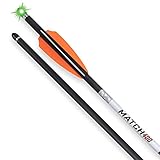
A disappearing bolt can turn a clean shot into a long, frustrating search through leaves, brush, or fading light. Visibility matters almost as much as flight consistency once the trigger breaks and the arrow leaves the rail. The best arrows for Wicked Ridge Invader setups need dependable nock engagement, controlled balance, and enough visual feedback to confirm the point of impact. Wicked Ridge Match 400 Lighted arrows bring those pieces together in a 20-inch, 400-grain carbon build with an Alpha-Blaze illuminated nock.
Wicked Ridge Match 400 Lighted Arrows
The package contains three 20-inch carbon crossbow arrows built around Wicked Ridge and TenPoint firing systems. Each shaft is fletched with Q2i Fusion X-II 3.0 Vanes set at a slight offset, encouraging steady rotation during flight. That controlled spin helps the rear of the arrow correct small disturbances rather than drifting unpredictably. The three-arrow count is leaner than a larger practice pack, though it makes sense for maintaining a dedicated hunting set.
Each finished arrow weighs 400 grains, giving the setup a practical balance between speed and retained momentum. Very light arrows may post faster numbers, but they can also create a sharper shot feel and shed momentum more quickly. The Match 400 build leans toward a steadier launch and useful penetration without becoming excessively heavy. Actual impact still depends on distance, broadhead choice, shot angle, and placement, so the grain figure should be treated as part of the system rather than a promise.
The carbon construction keeps the shaft stiff while avoiding the permanent bending that can affect softer metal arrows. Carbon has its own tradeoff, though, because small cracks aren’t always obvious after a hard impact. Every shaft should be checked around the nock, insert, and impact zone before it returns to the rail. A clean exterior doesn’t automatically mean the internal fibers remain sound.
The Match 400 name also signals a tightly defined setup rather than a general-purpose bolt for any crossbow. Length, nock style, and finished weight all need to agree with the bow’s manual. That specificity is a strength for Wicked Ridge compatibility, but it becomes a limitation on bows designed for another nock geometry. Guessing here isn’t worth the risk because the nock is part of the firing interface, not just a replaceable tailpiece.
Alpha-Blaze Visibility In Real Hunting Conditions
The Alpha-Blaze lighted nock activates as the bowstring launches the arrow, creating a visible reference during flight. That glow can make the point of impact easier to follow in dim woods, shadowed target lanes, or the last legal minutes of an evening hunt. It also helps separate a clean hit from a branch deflection or a miss that buried the arrow under ground cover. Visibility won’t improve the shot itself, but it can reduce uncertainty immediately afterward.
Deactivation is refreshingly simple. Pulling the nock straight out until the light switches off requires no tool, tiny switch, or awkward probing with a field point. The supplied specification lists approximately eight hours of illuminated runtime, which gives enough time for tracking and recovery after the shot. Still, leaving the light on between uses wastes that reserve, so checking the nock before storage is a sensible habit.
Lighted nocks add practical value, but they also introduce another component that must stay aligned and functional. Dirt, moisture, or rough handling around the nock can interfere with smooth operation, especially after the arrow has passed through a target or landed in loose soil. A quick wipe and visual inspection keeps the activation mechanism from becoming an afterthought. Replacement choices should preserve the same approved geometry and weight balance.
The bright tail is especially useful during practice because it reveals more than a glowing streak. A visibly unstable flight path may point toward vane damage, poor nock orientation, or broadhead alignment trouble. That feedback helps separate a scope issue from an arrow issue before frustration takes over. The light is a diagnostic aid as much as a recovery feature, provided the shooter pays attention to what the arrow is doing rather than only where it lands.
Straightness, Balance, And Downrange Control
Wicked Ridge states that these Match 400 shafts are inspected for straightness within .004 inch. That tolerance supports repeatable rotation and helps reduce the wobble that can magnify broadhead steering. A straight shaft alone can’t guarantee a tight group, but it removes one obvious variable from the equation. Scope setup, shooting support, wind, and component alignment still carry plenty of weight.
A 60-grain aluminum insert shifts mass forward and creates a stated 13% front-of-center balance. That forward bias helps the point lead the shaft through flight while the vanes stabilize from behind. It can also calm broadhead behavior by making the nose less vulnerable to small aerodynamic disturbances. Too much front weight can increase drop, but 13% remains a deliberate middle ground rather than an extreme nose-heavy configuration.
The manufacturer states that the design can produce up to 20% tighter groupings than previous carbon arrows. The phrase “up to” matters because the improvement won’t appear identically in every bow, range, or shooting condition. A damaged vane, loose broadhead, or inconsistent rest can erase the advantage in a hurry. The figure is best read as evidence of the design goal, not a guaranteed result for every shot.
Broadhead alignment deserves just as much attention as shaft straightness. A point that wobbles during a spin check can steer even a carefully inspected carbon shaft away from the main group. Field points and broadheads should share the same weight, though their impact may still differ because blade surfaces catch air differently. Consistent component alignment is where the published specifications finally meet real-world accuracy.
Alpha-Nock HP Engagement And Rail Behavior
The Alpha-Nock HP uses a deep groove and broad, smooth-radius base to hold the bowstring in the intended position. That shape is designed to reduce the chance of the string riding above or below the nock during launch. Clean engagement supports straighter nock travel as the arrow accelerates along the rail. It also helps the bow transfer energy into the shaft more consistently from shot to shot.
An HP aluminum bushing reinforces the rear of the arrow where launch forces concentrate. The bushing adds structural support around the nock interface and helps preserve alignment under repeated firing. That extra hardware isn’t decorative; it addresses one of the hardest-working areas of the entire arrow. Rear-end strength matters because a damaged nock seat can affect both accuracy and safety.
Serving wear can become noticeable on a crossbow that sees long practice sessions. A nock designed around the string’s contact pattern may spread pressure more evenly and reduce uneven abrasion. Regular checks are still necessary because lubrication, rail condition, and string alignment also affect wear. A compatible nock can help, but it won’t excuse a neglected serving.
Crossbow string behavior differs from the way a recurve bow string interacts with an arrow, so material choices and engagement geometry shouldn’t be treated as interchangeable. A neutral discussion of that separate subject appears in recurve bow string material, where stretch, strand type, and limb compatibility create a different set of concerns. The Match 400’s Alpha-Nock HP remains purpose-built for crossbow launch forces rather than traditional bow setups. Keeping those systems separate prevents misleading comparisons.
Hunting Benefits And Practical Tradeoffs
The strongest hunting benefit is the combination of visible flight and stable construction. A 400-grain carbon arrow with forward balance can retain useful momentum, while the illuminated nock helps mark the flight path and impact area. That pairing becomes valuable in thick vegetation where a dark shaft disappears almost instantly. It also helps during broadhead practice, where confirming impact behavior matters before heading into the field.
The pack of three is the most obvious limitation. Losing one arrow or damaging a vane leaves less room for practice, broadhead verification, and a full hunting rotation. A careful owner may reserve these for final sight-in and field use while practicing more frequently with matching non-lighted arrows. The catch is that both sets must share the same finished weight and impact point before they can be treated as interchangeable.
Lighted nocks may also face restrictions in certain hunting jurisdictions, and those rules can change. Local regulations should be verified before the season because legality isn’t determined by product compatibility alone. The arrow can function exactly as described and still be unsuitable for a particular hunt under local law. Equipment rules deserve the same attention as broadhead requirements and season dates.
Target choice affects durability more than many shooters expect. A block that grips too aggressively can stress the insert during removal, while a worn target may allow pass-throughs that damage the nock or shaft. An arrow puller reduces twisting and gives the carbon less reason to complain. Broadheads also belong in a target rated for broadhead use, not one designed only for field points.
Who Benefits Most From This Arrow Setup
A Wicked Ridge crossbow that accepts the Alpha-Nock HP system is the natural home for these arrows. The matched length, weight, and nock design reduce the guesswork that comes with mixing shafts and components from unrelated lines. That consistency is useful during sight-in because trajectory changes are easier to trace when the arrows share the same build. Shooters who value a ready-made hunting configuration will appreciate that straightforward approach.
Those focused only on low-cost target volume may not need an illuminated nock on every shot. Lighted components add functionality, but repeated practice can consume their service life and expose them to unnecessary target damage. A separate practice set can preserve the Match 400 Lighted arrows for broadhead checks and hunting. The key is confirming that both sets hit together rather than assuming matching length means matching trajectory.
Accuracy-minded hunters will get the most from the stated .004-inch straightness and 13% front-of-center balance if they also maintain the rest of the system. Loose scope mounts, inconsistent cocking, worn serving, or damaged vanes can overpower the arrow’s built-in advantages. Good hardware narrows the margin for error, but sound habits still finish the job. That’s the plain truth behind any well-designed crossbow arrow.
The Wicked Ridge Match 400 Lighted arrows offer a thoughtful blend of flight visibility, reinforced nock engagement, forward balance, and hunting-oriented mass. Their weaknesses are practical rather than mysterious: only three come in the pack, lighted-nock rules require local verification, and carbon inspection can’t be skipped. Used with the correct Wicked Ridge setup, the Alpha-Blaze and Alpha-Nock HP combination solves two familiar problems at once by improving shot visibility and supporting secure string contact. That makes the design easier to trust without pretending it removes the need for careful setup and disciplined shooting.
Best Arrows for Wicked Ridge Invader
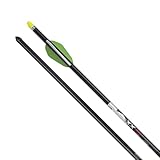
Fast crossbows don’t leave much room for sloppy arrow fit, and a small mismatch can show up as erratic groups, rough string contact, or a shot that simply doesn’t feel right. The best arrows for Wicked Ridge Invader setups need more than the correct length stamped on the package. Wicked Ridge XX75 arrows bring a heavier 459-grain build, a 20-inch aluminum shaft, and the Alpha-Nock system into one factory-matched package. That combination favors steady launch behavior, dependable bowstring engagement, and straightforward compatibility across Wicked Ridge crossbows.
Wicked Ridge XX75 Aluminum Arrows
The XX75 package includes six 20-inch 2219 aluminum arrows, giving the set enough depth for regular target sessions, sight adjustments, and a separate group reserved for hunting. Six matching shafts also make it easier to spot a consistent flyer without mixing unrelated arrow models. Numbering each arrow is still worth the trouble because bent shafts, damaged vanes, or loose components can change impact over time. A matched box helps, but careful tracking tells the real story.
At 459 grains, these arrows sit on the heavier side compared with many speed-focused crossbow bolts. That extra mass can produce a calmer shot feel and carry useful momentum downrange, though it also creates more trajectory drop as distance increases. The tradeoff is easy to understand: less emphasis on headline velocity, more emphasis on a stable, substantial projectile. Shooters stretching distance will need to confirm every aiming reference rather than relying on marks established with lighter arrows.
The aluminum construction gives the XX75 a different personality from carbon. Aluminum shafts are easier to inspect for visible bends, and a slightly warped arrow may reveal itself during a simple roll test on a flat surface. The catch is that aluminum can stay bent after a hard impact, so a shaft that looks almost straight may still wobble enough to disturb broadhead flight. Shaft condition deserves a quick check after tight groups, target pass-throughs, or contact with anything harder than foam.
The overall build feels practical rather than fussy. There’s no lighted nock to manage, no battery life to watch, and no specialized rear component beyond the supplied Alpha-Nock system. That simplicity suits a setup where repeatable function matters more than tracing the arrow through dim cover. The obvious limitation is reduced flight visibility after release, especially against dark targets or wooded backgrounds.
Straightness And Front Balance
Wicked Ridge states that the XX75 arrows are inspected for straightness within .003 inch. That specification is tighter than the .004-inch figure commonly seen on many hunting-oriented shafts, and it gives the arrow a solid starting point for repeatable rotation. Straightness can help reduce wobble, but it won’t fix a crooked field point, damaged vane, or broadhead that doesn’t seat squarely. Accuracy still depends on the whole assembly.
A 13-grain carbon insert anchors the front end and contributes to a stated 10% front-of-center balance. That FOC level keeps the arrow from becoming overly nose-heavy while still placing more mass ahead of the midpoint. The result should feel more neutral than aggressive high-FOC builds, which may suit shooters who want predictable trajectory without pushing too much weight toward the tip. Broadhead weight will still affect the finished balance, so the number isn’t frozen once components change.
The 10% FOC figure also highlights a real difference between this arrow and heavier-fronted carbon alternatives. A moderate forward bias can keep the shaft manageable, but it may offer less nose-led stability than arrows built around larger inserts and higher FOC percentages. That doesn’t make the XX75 inaccurate; it simply gives the arrow a more traditional balance profile. Realistic expectations matter because every design choice shifts something else.
Spin testing remains useful even with a straight shaft. A broadhead or field point that wobbles can steer the arrow off line, and that problem becomes more noticeable as distance grows. The insert, point, and shaft should rotate around the same axis without a visible dance at the tip. Clean component alignment protects the value of the .003-inch straightness rating instead of letting poor installation waste it.
Alpha-Nock Engagement And String Control
The supplied Alpha-Nock uses a deep groove and a broad, smooth-radius base to keep the bowstring centered during launch. That geometry is designed to reduce the chance of the string moving above or below the nock as stored energy transfers into the arrow. Straight nock travel can support more consistent departure from the rail, particularly on a crossbow firing a heavier 459-grain shaft. The nock isn’t a small accessory here; it’s a key part of the launch system.
Wicked Ridge states that the string wraps around the center of the Alpha-Nock with 28% more string-to-nock engagement. More contact can help the string stay seated through the first violent instant of acceleration. It may also spread pressure across a broader area rather than concentrating force along a narrow edge. That design goal makes sense on a crossbow where imperfect string contact can affect both accuracy and component wear.
The HP aluminum bushing reinforces the rear section around the nock. Repeated launches place sharp stress at that interface, so extra support helps preserve alignment and resist damage around the shaft opening. The bushing also gives the nock a more stable seat than a loose plastic fit would provide. Rear-end durability matters because a damaged nock area can create serious problems long before the arrow reaches the target.
String serving wear remains a maintenance issue even with better engagement. Rail condition, lubrication, cocking consistency, and string alignment all influence how quickly the serving flattens or frays. The Alpha-Nock may help minimize uneven wear, but it can’t compensate for a dry rail or an arrow that isn’t seated fully against the string. A quick pre-shot check is plain, old-fashioned insurance.
Flight Characteristics With Short Vanes
Each shaft is fletched slightly offset with 2.0-inch Easton Bully Boattail Vanes. Short vanes reduce rear drag and keep the arrow profile compact, while the offset encourages controlled rotation after launch. That spin helps smooth minor aerodynamic differences as the arrow travels downrange. The shorter vane length also leaves less material hanging off the shaft where target removal might crease or peel it.
Small vanes have their limits, though. They provide less steering surface than longer fletching, so damaged edges or poor vane alignment can have a noticeable effect on broadhead stability. Fixed-blade broadheads may expose those weaknesses faster than field points because the blades add their own steering forces at the front. Vane condition should be checked closely before broadhead practice rather than only before hunting.
The heavier shaft weight can work in the vanes’ favor by creating a less twitchy projectile. A 459-grain arrow doesn’t react to every tiny disturbance the same way an ultralight bolt might, although wind and poor alignment still matter. The practical result is a setup that leans toward controlled momentum rather than a razor-flat trajectory. That’s often easier to live with once distances are known and sight marks are verified.
Broadhead practice should use the same finished configuration intended for the field. Switching from a field point to a heavier broadhead changes total weight, FOC, and impact height, even if the shaft stays the same. A related look at bow setup for developing shooting fundamentals appears in target compound bows, where repeatable form and equipment fit carry more weight than chasing raw speed. The equipment differs, but the lesson about consistent setup still holds.
Compatibility And Everyday Practicality
The clearest strength of the XX75 is broad Wicked Ridge crossbow compatibility. The manufacturer states that these arrows work with all Wicked Ridge crossbows, removing much of the uncertainty around nock profile and shaft length. That doesn’t mean every sight mark stays unchanged, especially when moving from a lighter arrow. It does mean the core fit is designed around the brand’s firing system.
A heavier aluminum arrow can make sense for hunting, repeated target work, and setups where a smoother launch matters more than maximum speed. Momentum benefits are useful, but they shouldn’t be stretched into guaranteed penetration claims. Broadhead sharpness, impact angle, distance, and shot placement still decide the outcome. Arrow mass supports performance; it doesn’t replace sound judgment.
Aluminum also brings a maintenance tradeoff that carbon shooters may not expect. A bent shaft can sometimes be obvious, yet slight deformation may only appear during a roll test or as a repeatable flyer on the target. Trying to straighten a hunting arrow by hand can create uncertainty about whether the shaft is truly aligned. Retiring a questionable arrow costs less than gambling on it during a critical shot.
The six-pack format is useful for sorting arrows into roles. A few can remain dedicated to field-point practice, while others can be reserved for broadhead verification and hunting. Keeping notes on impact patterns, point weight, and shaft condition helps maintain consistent arrow behavior across the set. That approach turns a basic factory package into a more organized shooting system.
Strengths, Weaknesses, And Fit
The XX75’s main strengths are straightforward: .003-inch straightness, a substantial 459-grain finished weight, reinforced nock engagement, and compatibility across Wicked Ridge models. Those features address common frustrations such as uncertain fit, rough string contact, and inconsistent shaft construction. The arrow doesn’t lean on flashy extras to justify itself. Its value comes from being purpose-built around the crossbow family it serves.
The weight may be a drawback for anyone chasing the flattest possible trajectory. More mass generally means more drop, and sight references established with lighter arrows won’t transfer perfectly. Short-range shooting may hide that difference, while longer shots make it harder to ignore. Trajectory verification is mandatory after switching to this arrow, even if the bow remains unchanged.
The aluminum shaft is another clear tradeoff. It’s easy to inspect for obvious bending, yet it can deform permanently after impacts that a carbon shaft might survive differently. Carbon has its own crack-related concerns, so neither material gets a free pass. The XX75 simply asks for roll testing and visual checks as part of regular upkeep.
This arrow makes the most sense where durable factory compatibility, moderate FOC, and heavier flight behavior are valued over lighted visibility or minimum weight. It may be less appealing for someone who wants illuminated tracking, extreme front balance, or the fastest possible chronograph reading. Used within its lane, the Wicked Ridge XX75 offers a sensible, no-nonsense setup with enough weight and structural consistency to support disciplined crossbow shooting. The remaining work falls where it always does: careful inspection, accurate range judgment, and repeatable shot execution.
Tiger Archery 30-Inch Carbon Arrows
A low price and a dozen matching shafts can sound appealing, especially after several arrows have vanished into grass or cracked against a hard backstop. Compatibility changes the picture, though, and that’s the central issue here. Anyone researching the best arrows for Wicked Ridge Invader should know that these Tiger Archery arrows are designed for recurve, compound, and long bows rated from 35 to 60 pounds, not for a Wicked Ridge crossbow. The 30-inch shaft, adjustable open nock, and vertical-bow construction make this a practice-arrow set for a completely different launching system.
Tiger Archery 30-Inch Carbon Arrows
The package includes twelve 30-inch carbon arrows with an outer diameter of 0.309 inch. Each shaft carries two orange vanes and one white vane, making the cock vane easier to identify during setup. That visual distinction helps with correct nock orientation on traditional and compound bows. The bright fletching can also make arrows easier to spot in grass, although orange and white still disappear surprisingly well in dry leaves.
Tiger Archery describes these shafts as suitable for bows with a 35-to-60-pound draw weight. That range covers many recreational recurves, longbows, and entry-level compound setups, but draw weight alone doesn’t settle arrow compatibility. Draw length, arrow spine, point weight, bow speed, and the manufacturer’s minimum specifications all matter. A shaft that behaves acceptably from one 45-pound recurve may react differently from a compound bow carrying more stored energy.
The dozen-arrow quantity suits regular target practice because losing or damaging one shaft doesn’t immediately break up the entire set. Matching arrows also reduce the hassle of practicing with a mixed collection of different lengths, weights, and vane styles. Still, the supplied description doesn’t provide spine deflection, finished arrow weight, or straightness tolerance. Those missing figures limit how precisely the arrows can be matched to a specific bow.
The carbon shaft is presented as durable enough for repeated target sessions and outdoor shooting. Carbon resists permanent bending better than aluminum, but it can develop cracks or splinters after striking wood, metal, another arrow, or a worn target frame. Every shaft needs inspection before reuse, particularly around the nock and point ends. Carbon durability is useful, yet it isn’t permission to keep shooting a damaged arrow.
Why These Arrows Do Not Fit A Wicked Ridge Invader
The most important limitation is simple: these are vertical-bow arrows, not crossbow bolts. Wicked Ridge Invader crossbows generally use much shorter projectiles built around a crossbow-specific nock system, finished weight, and rail interface. A 30-inch arrow with an adjustable recurve or compound bow nock isn’t a substitute for a proper Wicked Ridge bolt. Similar-looking carbon shafts don’t make the two systems interchangeable.
Crossbow strings engage the rear of a bolt differently from the way a bowstring sits against a conventional arrow nock. Wicked Ridge models may require a specific Alpha-Nock design or another approved nock profile, depending on the crossbow and its production generation. The Tiger Archery nocks aren’t described as crossbow-compatible and are intended to rotate for vertical-bow vane alignment. Using an unapproved nock creates a serious compatibility problem, not a minor tuning inconvenience.
The 30-inch length presents another obvious mismatch. A Wicked Ridge rail and retention system are engineered around bolts of a particular length, while these shafts are sized for bows held vertically at full draw. An overly long arrow could interfere with handling, balance, and safe loading, even before nock geometry enters the discussion. Cutting the shafts shorter wouldn’t solve the issue because spine, component fit, weight, and structural design would all change.
The product description also doesn’t state a finished weight that can be checked against the crossbow’s minimum arrow-weight requirement. Crossbows release energy rapidly, and firing an arrow below the approved weight can increase stress on the limbs, string, serving, and internal components. Guessing at suitability based on shaft diameter or carbon construction is a bad bet. For the best arrows for Wicked Ridge Invader, the owner’s manual and an explicitly approved bolt specification should carry more authority than a broad marketplace description.
Practical Value For Recurve And Compound Practice
Used for the bows they’re actually meant to serve, these arrows make more sense. The nickel-plated stainless steel tips are removable, so worn target points can be replaced without discarding the entire shaft. Replaceable points also allow small setup changes, provided the new tips match the shaft threads and remain within a suitable weight range. A loose point should be tightened before shooting because repeated vibration can work threaded components free.
The plastic fletching is arranged with two orange vanes and one white vane. On a recurve or longbow, the contrasting cock vane helps keep the fletching positioned correctly around the rest or shelf. Compound bows may use different vane orientation depending on the rest design, which is where the adjustable nock becomes useful. Small rotations can reduce contact, but they should be made carefully so the nock remains firmly seated.
The nocks aren’t glued into the shafts, allowing their orientation to be adjusted for the bow. That flexibility can solve basic vane-clearance problems, especially when switching between rest styles. It also means the nock fit should be checked regularly because a loose rear component can rotate unexpectedly or pull free. Adjustability is a strength only while the nock remains secure and undamaged.
The supplied field points make these arrows better suited to foam or bag targets than to hunting straight out of the package. Although the product name includes hunting, the description doesn’t provide broadhead compatibility details, spine data, or finished weights needed for a careful hunting setup. Swapping in broadheads without confirming those specifications would be guesswork. For casual target sessions, the configuration is much easier to judge and use responsibly.
Flight Behavior And Setup Tradeoffs
Three plastic vanes provide basic stabilization as the arrow leaves the bow. Their colored layout helps with orientation, but color itself doesn’t improve flight. Vane shape, alignment, adhesion, and clearance around the rest matter more. A bent or partially detached vane can create drag on one side and turn an otherwise decent shaft into a repeatable flyer.
The 0.309-inch outer diameter gives these arrows a fairly substantial profile compared with slimmer target shafts. A wider shaft may tolerate routine handling well, though it also creates more surface area for crosswinds and makes tightly packed target groups slightly harder to score cleanly. The description doesn’t state the inner diameter or wall thickness, so point and insert substitutions require care. Diameter alone doesn’t reveal spine strength or total mass.
The lack of published spine information is the biggest setup weakness for serious archery use. Arrow spine determines how much the shaft flexes during launch, and a poor match can cause inconsistent grouping, clearance trouble, or unstable broadhead flight. Draw weight offers a rough starting range, but it isn’t precise enough for every bow. A faster compound bow and a traditional recurve can place very different demands on an arrow even at similar peak draw weights.
Long-range precision in other shooting disciplines depends on its own set of optics, mounts, ammunition, and environmental calculations. That separate equipment conversation appears in one-mile rifle scopes, where magnification and tracking accuracy have no direct bearing on arrow compatibility. The reference is related only through the broader subject of distance shooting. It shouldn’t be used to bridge the technical gap between rifles, vertical bows, and crossbows.
Strengths And Weaknesses In Daily Use
The strongest feature is the combination of twelve carbon shafts, replaceable target points, visible fletching, and adjustable nocks. That setup can reduce downtime during backyard or range practice because one damaged arrow doesn’t end the session. The included spare nocks add another practical layer, particularly since nocks often take abuse from tight groups and hard impacts. For moderate recreational use, the package is straightforward and easy to understand.
The weaknesses mostly involve missing technical detail. No spine rating, straightness specification, individual arrow weight, or tolerance range appears in the provided information. Those omissions make the set harder to evaluate for tuned compound setups or hunting configurations where small mismatches matter more. Limited specification depth keeps this product closer to general practice use than precision equipment.
The adjustable nocks need occasional attention because they aren’t permanently bonded to the shafts. Rotation is helpful during setup, but an overly loose nock can shift position inside a quiver or during target removal. Each nock should be inspected for cracks, proper string fit, and secure seating. A damaged plastic nock costs little to replace compared with the risk of shooting it again.
Target quality will also affect how long the arrows last. Thin or worn targets allow pass-throughs, while hard internal frames can damage points and carbon fibers. Pulling arrows straight out rather than twisting them sideways helps protect both the shaft and the fletching. Routine inspection and sensible targets will do more for longevity than relying on broad durability language.
Where This Arrow Set Actually Belongs
This set fits casual target shooting with compatible recurve, compound, or long bows after the bow’s requirements have been checked. The 30-inch length may provide room for longer draw lengths, but excess shaft length can add weight and change dynamic spine behavior. Shortening carbon arrows requires proper tools and component knowledge, so it shouldn’t be treated as a quick garage modification. The safest setup uses the arrows at their supplied length only where that length is appropriate.
Beginner practice is a reasonable role because the bright vanes make orientation easy to see and the twelve-pack offers enough arrows for repeated ends. Even then, basic matching still matters. A 35-pound recurve and a 60-pound compound aren’t identical simply because both fall inside the listed range. Bow-specific confirmation prevents the product’s broad compatibility claim from becoming an excuse for careless setup.
Precision-focused archers may prefer shafts with published spine, weight tolerance, and straightness measurements. Those figures make it easier to sort arrows, tune broadheads, and diagnose unexplained impact shifts. The Tiger Archery set doesn’t provide that depth in the supplied description, so expectations should stay practical. It’s positioned more naturally as an affordable practice bundle than as a carefully indexed tournament or hunting set.
For a Wicked Ridge Invader, this product is the wrong category despite its carbon construction and removable points. The 30-inch vertical-bow design, adjustable conventional nocks, and unspecified finished weight don’t meet the clear requirements of a crossbow-specific bolt. Its real strengths belong on suitable compound, recurve, and long bows, where the visible vanes, replaceable components, and twelve-arrow quantity can support steady practice. Keeping that boundary clear protects both the equipment and the person standing behind it.
Wicked Ridge Lighted XX75 Crossbow Arrows
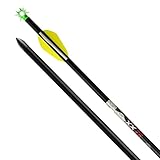
A bolt that vanishes at the moment of impact can leave even a well-placed shot wrapped in uncertainty. Tracking gets harder in dim timber, thick grass, and shadowed target lanes, which is where visible flight earns its keep. For anyone weighing the best arrows for Wicked Ridge Invader, the Wicked Ridge Lighted XX75 combines a 20-inch aluminum shaft, an Alpha-Brite lighted nock system, and a crossbow-specific Alpha-Nock design. The package leans toward practical shot visibility and dependable string contact rather than chasing the lightest possible setup.
Wicked Ridge Lighted XX75
The pack contains three 20-inch 2219 aluminum crossbow arrows, each fletched with 2.0-inch Easton Bully Boattail Vanes. Their slightly offset position encourages the arrow to rotate after launch, helping the vanes smooth out minor disturbances in flight. Short fletching also keeps the rear profile tidy and may reduce the chance of damage during target removal. Still, compact vanes need to remain straight and firmly attached because even a small wrinkle can affect broadhead behavior.
Aluminum gives the XX75 a distinctly old-school, no-nonsense feel. A bent shaft can often be spotted by rolling it across a flat surface, which makes routine inspection fairly straightforward. The downside is equally plain: aluminum can take a permanent bend after a hard strike, a tight group collision, or contact with a target frame. Visible shaft damage should never be shrugged off just because the arrow still fits on the rail.
The three-arrow quantity suits a dedicated hunting set or final sight-in group better than high-volume target practice. Losing one shaft or damaging a vane quickly reduces the usable set, so keeping careful track of each arrow matters. Numbering the shafts can reveal whether one repeatedly lands outside the main group. That simple habit turns a small package into a more organized and predictable shooting rotation.
The supplied information contains a notable weight conflict that deserves attention. The product name lists 459 grains, while another description line states 400 grains. Since those figures aren’t interchangeable, the finished weight should be confirmed on the package or with a suitable grain scale before sighting in or hunting. A 59-grain difference can shift trajectory, point of impact, and how the bow feels at the shot.
Alpha-Brite Lighted Nock System
The Alpha-Brite system uses three connected parts: a Nock-Receiver insert, an LED unit, and a translucent pegged Alpha-Brite nock. That layered design keeps the light source integrated with the nock rather than hanging loosely at the rear of the shaft. Upon firing, the bowstring activates the light, creating a visible trail and a clearer reference at impact. In brushy terrain, that glow can save time that would otherwise be spent searching blind.
Shot visibility helps with more than recovery. A glowing nock can reveal whether the arrow flew cleanly, kicked sideways, or deflected before reaching the target. That quick visual clue may point toward vane contact, broadhead alignment trouble, or a damaged shaft. Flight feedback won’t replace paper tuning or careful inspection, but it adds useful information in the field.
Lighted components introduce maintenance that standard nocks don’t require. Moisture, dirt, and rough target removal can interfere with the nock assembly, so the rear section needs a close look after every session. The LED and receiver should remain seated correctly, and the translucent nock shouldn’t show cracks or looseness. A bright light is useful only while the entire system stays aligned and dependable.
Local hunting rules may also affect whether illuminated nocks can be used during a season. Regulations vary, and legality isn’t guaranteed merely because the arrow fits the crossbow. That makes rule verification part of responsible setup rather than a last-minute chore. The lighted design still carries clear value for target shooting and practice even where field use is restricted.
Alpha-Nock String Engagement
The Alpha-Nock features a deep bowstring groove and a broad, smooth-radius base intended to hold the string in the correct position. That shape helps prevent the string from passing too high or too low during launch. Stable contact matters because the nock is where the bow transfers stored energy into the arrow. A poor fit can create inconsistent launch behavior long before any issue becomes visible at the target.
The wide-radius base also supports straighter movement along the rail. Instead of allowing the string to slip across a narrow or poorly matched surface, the nock keeps engagement centered through the first instant of acceleration. That can support cleaner nock travel and more repeatable departure from the crossbow. The benefit is mechanical, not decorative.
Correct nock geometry may help reduce uneven serving wear, but it won’t erase the need for maintenance. Rail lubrication, string condition, cocking consistency, and full arrow seating still influence wear patterns. A compatible nock can only do its job if the arrow is pushed firmly against the bowstring before firing. Half-seated bolts remain a serious problem regardless of the component label.
The Alpha-Nock also marks a clear boundary around compatibility. Crossbow nocks aren’t universal, and a shaft that accepts one shape shouldn’t automatically be fitted with another. System matching matters more than experimenting with whatever happens to slide into the rear of the arrow. The safest choice is the nock configuration approved for the specific Wicked Ridge model in use.
Straightness And Front-Of-Center Balance
Wicked Ridge states that the XX75 shafts are inspected for straightness within .003 inch. That is a relatively tight figure for a hunting-oriented aluminum arrow and gives the build a solid baseline for repeatable rotation. Straightness helps reduce shaft wobble, especially once broadheads are installed. It can’t rescue a bent tip, loose insert, or damaged vane, though, so the entire assembly still needs attention.
A 13-grain carbon insert creates a stated 10% front-of-center balance. That forward bias places slightly more mass toward the point, helping the nose lead while the vanes guide from behind. Ten percent is moderate rather than aggressive, which may preserve a familiar trajectory without pushing the shaft heavily nose-first. Broadhead weight can alter that balance, so the finished hunting arrow may not remain exactly at the listed figure.
Spin testing is particularly useful with fixed-blade broadheads. A shaft can meet its straightness tolerance yet still wobble if the point doesn’t seat squarely in the insert. Rolling the assembled arrow or using a spinner can expose that issue before it turns into unexplained group spread. Broadhead alignment often matters every bit as much as the shaft specification printed on the box.
The weight discrepancy in the supplied details becomes especially relevant here. If the arrow truly weighs 459 grains, its trajectory and momentum profile will differ from a 400-grain build. If 400 grains is correct, sight marks established with the heavier expectation would be misleading. Confirming finished arrow weight removes that ambiguity and protects both accuracy and crossbow compatibility.
Flight Behavior And Hunting Practicality
The 2.0-inch Easton Bully Boattail Vanes keep drag modest while the slight offset encourages spin. That setup can support stable flight without making the rear of the arrow bulky. The tradeoff is reduced steering surface compared with longer vanes, which may show up more clearly with larger fixed-blade broadheads. Damaged fletching should be replaced rather than pressed back into service and hoped for the best.
A heavier arrow generally sacrifices some speed in exchange for momentum and a calmer launch. That may suit hunters who care more about steady arrow behavior than the flattest possible trajectory. Still, the product details need clarification before its exact weight can be judged honestly. Realistic performance depends on the confirmed build, broadhead choice, distance, and point of impact.
The lighted nock provides a practical edge in low light, but it doesn’t make poor shot placement easier to excuse. A glowing arrow helps show where the shot went, not whether the shot should have been taken. Range judgment, stable support, and a clear shooting lane still carry the load. The arrow adds information after release, while the decision beforehand remains entirely human.
Field gear around the crossbow can also affect how calmly a shot unfolds. A separate equipment discussion appears in binocular harnesses for women, where fit, strap pressure, and access matter more than arrow construction. The subjects aren’t technically connected, but both deal with reducing fumbling and distraction during time-sensitive outdoor use. That practical overlap is worth noting without pretending one product changes the performance of the other.
Strengths And Weaknesses In Daily Use
The most obvious strength is the pairing of visible flight and crossbow-specific nock geometry. The Alpha-Brite system helps track the arrow, while the Alpha-Nock supports proper bowstring contact. Add the .003-inch straightness inspection and moderate FOC, and the design feels purpose-built rather than pieced together. Each feature addresses a separate frustration that can show up during practice or hunting.
The aluminum shaft offers easy bend detection, but it also brings a clear durability tradeoff. Hard impacts can leave permanent deformation that carbon may handle differently. Carbon can crack instead, so neither material is immune to failure. The XX75 simply demands regular roll testing and visual checks as part of its normal care routine.
The three-pack is another weakness for anyone who shoots often. A broadhead set, practice set, and spare set are difficult to maintain with only three arrows available. Keeping a separate non-lighted practice group may preserve the illuminated arrows, but both groups must match closely enough in weight and impact point to avoid surprises. Pack size limits flexibility, especially after one shaft is lost or damaged.
The conflicting weight information is the biggest unresolved issue in the supplied description. A product labeled 459 grains but described elsewhere as 400 grains shouldn’t be evaluated as though both figures are true. That gap affects trajectory, momentum, and sight calibration, so it needs confirmation before serious use. Honest setup begins with accurate numbers, plain and simple.
Best Use And Compatibility Limits
This arrow set makes the most sense in a Wicked Ridge crossbow that accepts the supplied Alpha-Nock system and 20-inch arrow format. The lighted rear assembly suits low-light practice, hunting situations where legal, and anyone who struggles to follow a dark bolt through shadow. The aluminum construction also appeals to shooters who prefer damage that can often be spotted with a basic roll test. It’s a practical hunting-focused package, though not a large-volume practice bundle.
Speed-first setups may prefer a lighter arrow, while high-FOC fans may want more weight concentrated near the point. The XX75 sits closer to a balanced, traditional configuration with a stated 10% FOC. That middle ground can be easier to manage, but it won’t satisfy every tuning preference. Design tradeoffs are part of the product, not flaws that can be ignored.
Broad compatibility claims should still be checked against the crossbow manual. Model changes, nock requirements, and minimum arrow weights can evolve across production years. The supplied Alpha-Nock is designed for Wicked Ridge systems, but the exact bow should remain the final authority. A correct brand name on the package doesn’t remove the need for a proper fit check.
The Wicked Ridge Lighted XX75 stands out through its illuminated three-piece nock system, .003-inch straightness inspection, 20-inch aluminum build, and bowstring-focused Alpha-Nock shape. Its practical limits are just as clear: only three arrows come in the pack, aluminum shafts can bend, lighted-nock rules may vary, and the stated weight needs confirmation. Used with the right Wicked Ridge setup, the core benefits are visibility, string engagement, and predictable construction. Those strengths are useful, provided the unresolved grain figure is settled before the first serious shot.


12 Best 22 Pcp Air Rifle For Hunting of 2026 With Quiet Power

7 Best 22 Pcp Air Rifle Under 300 of 2026 For Backyard Pest Control

10 Best 22 Break Barrel Air Rifles of 2026 For Backyard Pest Control

10 Best 30 Caliber Pcp Air Rifle of 2026 For Medium Game

Top Best 177 Air Rifle Under 100: Budget-Friendly Picks for 2026

How to Safely Reload Shotgun Shells at Home

11 Best Co2 Air Rifle For Pest Control of 2026 To Ensure Humane Dispatch

12 Best Inexpensive Air Rifles of 2026 For Dependable Backyard Accuracy






