
Best Arrows for Wicked Ridge RDX 400 2026 Picks

A fast reverse-draw crossbow can expose every weak link in an arrow setup. Slight weight differences, loose components, damaged vanes, or the wrong nock design may turn a promising group into scattered holes across the target. The best arrows for Wicked Ridge RDX 400 should match the bow's technical requirements rather than merely carrying a crossbow label on the package. That distinction matters because speed won't rescue an arrow that leaves the rail inconsistently.
Correct nock compatibility deserves attention before shaft material, graphics, or pack size. Older Wicked Ridge equipment may have been supplied with Omni-Nock arrows, while current manufacturer guidance favors Alpha-Nock HP or compatible updated systems for many Wicked Ridge crossbows. Mixing parts based on appearance alone isn't worth the gamble. The owner's manual and the arrow manufacturer's compatibility notes should settle the question before the first shot.
Finished weight matters just as much, and that figure includes the shaft, insert, nock, vanes, and field point or broadhead. A lighter build may post a flattering speed, but it can also bring harsher noise, reduced momentum, and added stress to the bow if it falls below the required minimum. A somewhat heavier hunting arrow often feels calmer at the shot and carries energy more steadily downrange. Still, piling on weight without checking trajectory isn't wise, since extra mass creates more drop as distance increases.
Shaft consistency separates dependable arrows from bargain bundles that constantly need sorting. Straightness tolerance gets plenty of attention, yet weight consistency across the pack can have an equally noticeable effect on vertical grouping. Small differences become harder to ignore once broadheads replace field points. Well-matched shafts save time at the range because each arrow behaves more like the one fired before it.
A 20-inch carbon shaft is a common starting point in the Wicked Ridge arrow line, but length alone doesn't confirm a safe match. Insert construction, total finished weight, nock style, and vane clearance must work together. The Match 400 arrow, for example, uses a sturdy aluminum insert and is built around a hunting-friendly finished weight. Even so, the exact RDX 400 manual should remain the final authority, especially if the crossbow still carries its original string, rail, and retention components.
Broadhead tuning brings another wrinkle. Fixed-blade heads create more steering pressure than field points, so an arrow that looks acceptable during casual target practice may show its flaws during hunting preparation. Spin each completed arrow, inspect the ferrule for wobble, and confirm that the broadhead seats firmly against the insert. Clean broadhead flight matters more than lining the blades up with the vanes, a trick that often gets more credit than it deserves.
Lighted nocks help recover arrows and make impact direction easier to read, but they introduce added cost, weight, and another component that can fail. Their weight should be included when comparing the finished setup with non-lighted practice arrows. Otherwise, the hunting arrows may strike at a different elevation even though the shafts share the same label. Matching practice and hunting configurations keeps those last-minute surprises from biting at the worst possible moment.
Durability isn't unlimited, either. Carbon can hide damage beneath dirt or dark graphics, so every shaft deserves a careful flex and visual inspection after a hard impact, pass-through, or collision with another arrow. Cracks, splinters, loose inserts, torn vanes, and damaged nocks mean retirement, not one more shot. The right arrow setup isn't the flashiest one on the rack; it's the one that fits correctly, groups repeatedly, and remains safe after routine inspection.
- ARS Mark9.6
ARS Mark is a ranking system developed by bestairriflescopes.com. ARS Mark has no relationship or impact from any manufacturers or sales agent websites. Learn more
- BrandWicked Ridge

- ARS Mark9.2
ARS Mark is a ranking system developed by bestairriflescopes.com. ARS Mark has no relationship or impact from any manufacturers or sales agent websites. Learn more
- BrandMS JUMPPER

- ARS Mark9.7
ARS Mark is a ranking system developed by bestairriflescopes.com. ARS Mark has no relationship or impact from any manufacturers or sales agent websites. Learn more
- BrandWicked Ridge
- ARS Mark9.2
ARS Mark is a ranking system developed by bestairriflescopes.com. ARS Mark has no relationship or impact from any manufacturers or sales agent websites. Learn more
- BrandWicked Ridge

- ARS Mark9.2
ARS Mark is a ranking system developed by bestairriflescopes.com. ARS Mark has no relationship or impact from any manufacturers or sales agent websites. Learn more
- BrandTenPoint
- ARS Mark9.2
ARS Mark is a ranking system developed by bestairriflescopes.com. ARS Mark has no relationship or impact from any manufacturers or sales agent websites. Learn more
- BrandWicked Ridge
Last update on 2026-08-01 / Affiliate links / Images, Product Titles, and Product Highlights from Amazon Product Advertising API
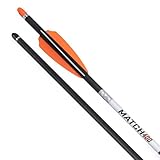
Wicked Ridge Match 400 Carbon Crossbow Arrows
Fast crossbows tend to expose small setup problems that slower equipment can sometimes hide. A loose nock fit, uneven shaft weight, or inconsistent front balance may turn a clean sight picture into a frustrating spread on the target. For anyone searching for the best arrows for Wicked Ridge RDX 400, the Match 400 package addresses those concerns with a 20-inch carbon shaft, a 400-grain finished weight, and TenPoint's Alpha-Nock HP system. The package includes six arrows, giving hunters and range shooters enough matching shafts to build a practical working set.
Wicked Ridge Match 400 Arrows
The Match 400 isn't built around an unusually complicated formula. Its appeal comes from matching several important details in one factory-prepared arrow, including the 20-inch carbon shaft, the 400-grain weight, and the nock design intended for compatible Wicked Ridge crossbows. That combination removes some of the guesswork that comes with piecing together shafts, inserts, vanes, and nocks from different sources. Less tinkering, fewer compatibility headaches.
Each shaft is fletched with 3.5-inch Bohning X Vanes set at a slight offset. That offset encourages controlled rotation during flight, which can help the arrow stabilize after it leaves the rail. The design is especially relevant once broadheads enter the picture, since fixed blades create more aerodynamic resistance than field points. A properly stabilized shaft won't erase poor broadhead alignment, but it gives the setup a better foundation.
The six-arrow pack also makes sense for real hunting routines. One shaft may become a dedicated broadhead practice arrow, another could be kept as a verified hunting backup, and the remaining arrows can stay together as the primary set. Keeping several matching carbon arrows on hand reduces the temptation to mix different weights or nock styles just because one shaft gets damaged. That kind of mixing often creates more trouble than it saves.
Front Balance And Grouping Potential
A 46-grain aluminum insert shifts more of the arrow's mass toward the front, producing the stated 14% front-of-center balance. That front bias helps the point lead the shaft through flight rather than allowing the rear to wander. The manufacturer states that this design can generate up to 20% tighter groupings than earlier carbon arrows. Results will still depend on the crossbow, broadhead alignment, shooting support, and distance, but the balance strategy itself is sound.
Front-of-center percentage often gets buried beneath speed claims, yet it has a noticeable role in broadhead behavior. More weight near the point can help the arrow recover from small disturbances and maintain a steadier line downrange. The aluminum insert also provides a firm mounting point for field points or broadheads, which matters because even slight point wobble may open a group. A quick spin check before shooting remains worthwhile, though.
The .004-inch straightness inspection gives the shafts a practical level of consistency without pretending every arrow is a laboratory instrument. For hunting distances, that tolerance can support repeatable groups when the rest of the setup is properly maintained. Still, shaft straightness is only one part of accuracy. Equal point weight, intact vanes, consistent cocking, and a securely mounted optic all pull their weight, too.
Broadhead tuning deserves patience with any crossbow arrow. A field point may land neatly while a fixed-blade head drifts because the ferrule isn't seated squarely or one vane has been bent in storage. The Match 400's forward-weighted design can help, but it won't cover up damaged components. Small checks before a hunt usually beat chasing scope adjustments after every odd impact.
Alpha-Nock HP Fit And String Control
The Alpha-Nock HP uses a deep groove and a broad, smooth-radius base designed to keep the bowstring centered during the shot. That geometry helps reduce the risk of the string passing above or below the nock, often described as a shoot-over or shoot-under. For a fast crossbow, secure string-to-nock engagement isn't a minor detail. It affects safety, consistency, and the way force transfers into the arrow.
Wicked Ridge states that the string wraps tightly around the center of the Alpha-Nock, creating a 28% increase in string-to-nock engagement. The intended result is straighter nock travel and more orderly acceleration down the rail. That tighter interface may also reduce unnecessary rubbing against the string serving. In plain English, the nock is designed to stay where it belongs instead of letting the string ride unpredictably across its surface.
An HP aluminum bushing reinforces the rear portion of the arrow and supports the nock under repeated launches. That added structure is useful because the nock end absorbs substantial force every time the trigger breaks. The reinforced nock assembly doesn't remove the need for inspection, however. Any cracked nock, loose bushing, or damaged shaft should be taken out of rotation immediately.
Nock compatibility is one area where improvising can backfire. Similar-looking crossbow nocks aren't automatically interchangeable, and using an incorrect style may affect string contact or safe operation. The Match 400's Alpha-Nock HP gives the package a clear identity for compatible Wicked Ridge equipment. The crossbow manual should still have the final say, especially with older bows or models that have been modified.
Weight, Penetration, And Hunting Use
At 400 grains, the Match 400 sits in a sensible hunting-oriented weight range for the setup described. The added mass helps the arrow carry momentum downrange and can produce a calmer shot than an aggressively light shaft. That doesn't mean speed becomes irrelevant, but penetration and controlled flight usually matter more than chasing the largest velocity number on the box. A balanced hunting arrow needs enough weight to behave predictably after impact.
The 20-inch length keeps the shaft aligned with the intended Wicked Ridge configuration while leaving room for standard field points and broadheads. Length by itself doesn't guarantee compatibility, yet it works here as part of a complete factory setup. The 400-grain finished specification also simplifies practice because shooters don't need to calculate the combined weight of loose components before establishing a baseline. Broadhead weight should still match the field points used during sight-in.
Penetration depends on more than arrow weight. Broadhead sharpness, impact angle, shot placement, distance, and the animal's bone structure all affect the outcome. The Match 400 supplies a front-biased carbon platform built to support hunting use, but it can't turn a poor shot into a clean one. Realistic expectations matter, especially at longer distances where wind and trajectory have more time to influence flight.
Practice sessions should include at least a few shots with the actual hunting broadheads. Field-point groups provide useful information, but they don't show how blade surface area will steer the arrow. The Match 400's offset vanes and 14% FOC give it useful tools for broadhead control, though each finished arrow still needs to be checked individually. One bent vane or slightly crooked ferrule can make an otherwise dependable shaft look guilty.
Practical Strengths And Tradeoffs
The strongest feature is the way the Match 400 combines the major compatibility pieces in a single package. Carbon shafts, offset Bohning vanes, aluminum inserts, and Alpha-Nock HP components arrive as a coordinated system rather than a pile of parts. That makes the arrows easier to manage for someone who'd rather spend time shooting than sorting hardware. The six-arrow package also leaves enough room for backups and broadhead verification.
Accuracy-focused details are present without turning the product into a fussy specialty shaft. The .004 straightness inspection, front-heavy insert arrangement, and secure nock geometry all address common causes of uneven flight. Those features make the Match 400 a credible candidate among the best arrows for Wicked Ridge RDX 400. Still, consistency at the range depends heavily on keeping the arrows matched and inspecting them after hard impacts.
The tradeoff is that factory-specific compatibility can limit flexibility. Shooters who enjoy experimenting with different nocks, extreme arrow weights, or custom vane layouts may consider the package a starting point rather than a finished answer. Also, a 400-grain shaft will follow a more curved trajectory than a much lighter arrow at longer ranges. The added momentum is useful, but distance estimation and reticle verification remain part of the deal.
Optic setup can influence how clearly these arrow differences appear on the target. A neutral reference to budget sighting considerations appears in best bow sight under 100, although crossbow scope requirements differ from those of conventional bows. The Match 400 itself can't compensate for loose mounts, incorrect speed calibration, or inconsistent aiming support. Reliable arrow flight and a stable sighting system have to work together.
Care, Inspection, And Long-Term Use
Carbon arrows need regular inspection because damage isn't always dramatic or easy to spot. Dirt can hide fine cracks, and a hard strike against another arrow may weaken fibers without snapping the shaft outright. Flex each arrow gently, listen for unusual sounds, and examine the full surface under good light. A questionable carbon shaft belongs in the discard pile, not back on the rail.
Vanes deserve attention after storage in a crowded case. A flattened or sharply bent vane may steer the rear of the arrow and create a flyer that looks like a scope problem. Mild deformation can sometimes relax after the arrow is stored properly, but torn material needs replacement. The 3.5-inch Bohning vanes are a meaningful part of the flight system, not decoration.
Nocks and inserts should stay firmly seated with no visible movement. A loose insert may create broadhead wobble, while a damaged nock can interfere with string capture at the moment of launch. The Alpha-Nock HP assembly is built for strength, yet repeated shooting still calls for routine checks. Mechanical parts don't get a free pass just because they looked fine last week.
The Match 400 earns its place through compatibility, sensible weight, and a clear emphasis on stable arrow flight. Its limits are equally straightforward: it needs a compatible crossbow, careful component inspection, and broadhead verification before hunting use. Treating the arrows as precision equipment rather than disposable shafts will protect both consistency and safety. That practical discipline brings out the value of the 400-grain carbon design far better than speed claims alone.
29-Inch Carbon Arrows With Real Feather Fletching
A crossbow running at serious speed leaves almost no room for a mismatched shaft, and that’s the central issue here. These 29-inch arrows may look appealing because they use carbon construction, 400 spine shafts, 100-grain points, and traditional feather fletching, but those details describe arrows intended for compound bows, recurve bows, and longbows. Anyone researching the best arrows for Wicked Ridge RDX 400 needs a purpose-built crossbow arrow with the correct length, finished weight, nock geometry, and rail clearance. On that basis, this 12-pack isn’t a suitable match for the RDX 400, even though several individual features make sense for conventional archery.
29-Inch Carbon Feather Arrows
The product’s design is straightforward: a 29-inch carbon shaft, a 400 spine rating, 4-inch real feather fletching, and 100-grain points. That package fits the needs of traditional and compound bow shooting far better than modern crossbow use. Carbon keeps the shaft lighter and more consistent than many basic wooden alternatives, while the supplied points make the arrows ready for target practice. Still, the long shaft and bow-style configuration immediately separate them from the compact crossbow arrows normally associated with the Wicked Ridge RDX 400.
A 12-arrow quantity gives plenty of room for practice, sorting, and replacing shafts that become damaged over time. That’s useful for backyard target sessions or club shooting, where arrows can disappear into grass, strike frames, or suffer vane wear. The larger pack also makes it easier to keep a few arrows aside as cleaner reference shafts. For ordinary bow practice, pack size and replaceability are real conveniences.
The catch is compatibility, and it’s a big one. The RDX 400 uses a crossbow launch system that requires a shaft built to sit correctly on the rail and engage the string through an approved nock design. These arrows are described for compound, recurve, and longbow use, not for crossbows. Using them in the RDX 400 would be a poor bet because bow arrows and crossbow bolts aren’t interchangeable.
Carbon Shaft Feel And Practical Use
Carbon shafts usually appeal to shooters who want a cleaner blend of stiffness, durability, and manageable weight. A 400 spine rating indicates the shaft’s static stiffness, which helps match an arrow to a conventional bow’s draw weight, draw length, and point weight. That specification matters in archery because an arrow that flexes too much or too little may leave the bow inconsistently. Here, the 400 spine construction is relevant for bow tuning, not crossbow rail compatibility.
The 29-inch length also suits many conventional setups where draw length determines how much shaft is needed in front of the rest. It gives some room for adjustment, especially if the arrows can be cut and reassembled by someone who knows how to preserve square ends and secure inserts properly. Out of the package, though, that length is far beyond the typical 20-inch format associated with many Wicked Ridge crossbow arrows. The extra shaft length isn’t a harmless difference because it changes balance, clearance, and handling.
Carbon does demand regular inspection. A shaft can appear fine after a hard impact while hiding splintering, cracked fibers, or damage near the insert. Flexing the arrow carefully, listening for faint crackling, and checking the full surface under bright light should become routine. A compromised carbon arrow belongs in the trash, not back on the string for one last shot.
Realistic expectations matter here. These shafts may serve well for moderate target practice with a properly matched compound, recurve, or longbow, but they shouldn’t be treated as a universal archery solution. Spine selection still has to account for bow setup, and the included 100-grain points affect dynamic behavior. The product gives a workable starting configuration, yet proper bow matching still decides whether flight will be clean or frustrating.
Real Feather Fletching In Daily Shooting
The 4-inch real feather fletching gives the arrows a traditional feel and provides useful steering authority. Feathers collapse more easily against a riser or shelf than rigid plastic vanes, which is why they’re often favored on recurve and longbow setups. That softer contact can reduce deflection during launch. For off-the-shelf shooting, real feather clearance is one of the product’s more meaningful strengths.
Feathers also create more drag than shorter, lower-profile vanes. That can help stabilize an arrow quickly, especially at ordinary target distances, though it may also shave a little speed and increase sensitivity to wind. The tradeoff isn’t necessarily bad; it simply shifts the arrow toward control rather than raw velocity. A traditional archer may appreciate that quicker stabilization, while a speed-focused compound setup may feel differently.
Wet weather is the obvious weakness. Real feathers can absorb moisture, flatten, and lose shape more readily than synthetic vanes. Storage matters too, since a cramped quiver or soft case can crush the fletching and leave one arrow steering differently from the rest. The maintenance burden isn’t severe, but it’s more noticeable than with durable plastic vanes.
Feather orientation also matters for bow use. The cock feather must face the correct direction so the fletching clears the riser or arrow rest without unnecessary contact. A twisted or damaged feather can create erratic impacts that look like an aiming problem. That’s why fletching condition deserves a quick glance before every practice session.
Why They Do Not Fit The RDX 400
The biggest mismatch is the intended platform. These are full-length arrows for handheld bows, while the Wicked Ridge RDX 400 requires crossbow-specific ammunition. A crossbow arrow must work with the bow’s string path, retention system, rail, and nock interface. The provided description says nothing about an Alpha-Nock HP, crossbow-approved nock geometry, or a finished crossbow arrow weight.
Length creates another problem. A 29-inch shaft is designed around draw length and bow clearance, not a compact crossbow rail. Even if the arrow could physically rest on the crossbow, that doesn’t make the setup safe or mechanically correct. The nine-inch difference from a common 20-inch Wicked Ridge arrow format is too large to wave away.
Spine rating can also cause confusion. Conventional arrows are commonly selected through spine charts because they flex around the bow during release. Crossbow arrows face a different launch cycle and are usually specified by the crossbow manufacturer through length, finished weight, nock type, and construction requirements. A label reading 400 spine doesn’t mean the shaft is automatically suitable for a 400-fps crossbow.
The supplied 100-grain points don’t solve the mismatch either. Point weight contributes to total arrow mass and front balance, but safe crossbow use depends on the entire assembly. Without a verified finished weight and compatible nock, there’s no sound basis for treating these as RDX 400 arrows. The smarter reading of the product description is simple: they belong with compound, recurve, and longbow equipment.
Accuracy Expectations And Setup Tradeoffs
Accuracy with these arrows will depend heavily on the bow they’re paired with. A suitable 400-spine setup may produce tidy groups, while an under-spined or over-spined combination can create left-right inconsistency and awkward tuning. The included 100-grain points offer a common baseline, but draw weight and draw length still influence the final match. The shaft specification is useful information, not a guarantee.
Feather fletching may mask minor instability by adding steering drag, though it can’t fix a badly matched spine. Small differences between shafts, points, inserts, and feather condition may show up as the distance grows. Sorting the dozen arrows by straightness, visible condition, and impact pattern can help separate dependable shooters from occasional flyers. That kind of practical arrow sorting is normal, especially in larger packs.
Hunters considering these arrows should also separate shaft suitability from broadhead suitability. Broadhead choice adds surface area, weight distribution, and tuning demands that field points don’t reveal. A neutral reference to broadhead considerations appears in best arrowhead for deer hunting, though shaft compatibility and bow tuning still come first. The 100-grain point standard gives a familiar starting weight, but every hunting setup needs to be verified with the actual head being used.
The strongest case for this product is conventional bow practice with a setup that genuinely calls for 29-inch, 400-spine carbon arrows. The weakest case is any attempt to repurpose them as crossbow ammunition. They may be affordable to keep in rotation, easy to identify through feather color, and pleasant to shoot from the right bow. None of those benefits cancels the platform mismatch with the Wicked Ridge RDX 400.
Maintenance, Storage, And Replacement
Storage deserves more care than a glance at the package might suggest. Real feathers should stay dry, uncrushed, and away from heavy gear that can bend them out of shape. A rigid arrow tube or roomy quiver helps preserve their profile. The 4-inch feathers can stabilize well, but only if they haven’t been folded flat for weeks.
Points and inserts should remain tight before every session. A loosening point may create noise, alter balance, or produce a slight wobble that opens groups. Threading the points in snugly and checking them between ends takes only a moment. That small habit protects consistent front weight across the pack.
Numbering the shafts can also save time. A simple mark near the nock lets each arrow’s impact pattern become familiar, so a recurring flyer is easier to identify. One troublesome shaft may have a damaged feather, a bent insert, or a subtle construction issue. Tracking individual arrows turns vague frustration into useful shooting feedback.
Replacement decisions should be conservative. Deep scratches, cracked nocks, loose inserts, or carbon splinters are reasons to retire an arrow immediately. Feather damage can sometimes be repaired, but shaft damage isn’t worth negotiating with. Used with an appropriate bow and maintained carefully, these arrows offer a practical 12-piece practice set, yet they remain the wrong tool for anyone seeking the best arrows for Wicked Ridge RDX 400.
Wicked Ridge Match 400 Alpha-Nock Carbon Arrows
Arrow problems rarely announce themselves with a clean, obvious clue. One shaft lands low, another drifts right, and suddenly the scope gets blamed even though the real issue may sit on the rail. For anyone sorting through the best arrows for Wicked Ridge RDX 400, the Wicked Ridge Match 400 stands out because its listed configuration matches the crossbow category rather than borrowing specifications from conventional bow arrows. The combination of a 20-inch carbon shaft, .003-inch straightness designation, and Alpha-Nock construction gives this model a much more sensible foundation for RDX 400 use.
Wicked Ridge Match 400 Arrows
The product name tells a useful story without piling on fluff. Wicked Ridge identifies these as Match 400 carbon arrows, built at a 20-inch length and fitted with Alpha-Nocks. That matters because crossbow ammunition depends on more than shaft material or a familiar number printed on the package. Length, nock design, and crossbow compatibility have to work together, or the rest of the setup becomes a guessing game.
The .003-inch specification points toward a tighter straightness category than many basic practice shafts. Straightness isn't the only ingredient behind a neat group, but it helps reduce one source of variation from arrow to arrow. A shaft that begins with more consistent alignment gives the vanes, point, and nock a better chance to do their jobs. For repeated shooting, shaft consistency is the quiet advantage that often matters more than flashy packaging.
The Match 400 label also suggests a ready-made option for someone who doesn't want to assemble a crossbow arrow from unrelated parts. That convenience has real value. Mixing shafts, inserts, nocks, and points can work for experienced builders, yet it also creates more places for weight differences and fit issues to sneak in. A coordinated factory arrow setup keeps the process simpler and easier to inspect.
Why The 20-Inch Length Matters
Crossbow arrows aren't selected the same way as full-length arrows for compound or recurve bows. A 20-inch shaft fits the compact geometry commonly associated with Wicked Ridge crossbows and avoids the awkward overhang of long conventional arrows. The shorter format also keeps the arrow seated where the rail and retention system expect it to be. That purpose-built length is one of the clearest reasons this product makes sense for the RDX 400 category.
Length influences more than appearance. It affects balance, rail contact, component position, and the way the arrow behaves as the string drives it forward. A shaft that's too long may shift mass unnecessarily and alter how the arrow clears the front of the bow. A shaft that's too short can create even more serious fit concerns. The listed 20-inch construction removes that particular uncertainty.
That said, a matching length shouldn't be treated as a complete compatibility guarantee on its own. The crossbow manual still matters, especially if the bow has been modified, restrung, or fitted with aftermarket components. Nock type and finished arrow weight deserve the same attention as shaft length. The Match 400 has the right general shape for the job, but full setup verification remains part of responsible use.
Field handling benefits from the compact size as well. A 20-inch arrow fits more neatly in crossbow quivers and tends to feel less cumbersome around blinds, tree stands, or thick cover. That doesn't improve accuracy by magic, though it does make carrying and loading less awkward. Sometimes the practical details count, especially when quiet, controlled handling matters more than shaving another second off preparation.
Alpha-Nock Fit And String Engagement
The Alpha-Nock is a major part of this arrow's identity. Crossbow nocks aren't decorative pieces, and similar-looking shapes shouldn't be treated as interchangeable. Their geometry affects how the bowstring contacts the rear of the arrow and how force transfers during launch. A properly matched Alpha-Nock system helps keep that interaction consistent from shot to shot.
String engagement deserves serious attention on a fast crossbow. Poor contact may create uneven pressure, erratic travel, or unnecessary wear around the serving. A nock built for the intended platform helps the string settle into a repeatable position before the trigger breaks. That repeatable string contact supports cleaner launches and reduces one more variable from the shot cycle.
Nocks still need inspection, no matter how thoughtfully they're designed. Small cracks, looseness, deformation, or impact damage can turn a dependable arrow into a liability. Rear-end impacts from tight groups are especially rough on nocks and bushings. A quick check before loading protects both shooting consistency and equipment safety.
The nock should also remain aligned and firmly seated in the shaft. Rotation or movement may affect vane orientation and string contact, depending on the design. Any arrow that shows questionable nock fit deserves to be set aside until the issue is understood. That's not being fussy; it's basic care for a component that absorbs substantial launch force.
Straightness And Practical Accuracy
The .003-inch straightness designation is the specification most likely to catch an accuracy-minded eye. A straighter shaft reduces the chance that the arrow begins its flight with avoidable wobble or uneven rotation. At normal hunting distances, that can support more dependable grouping, provided the rest of the system is in order. The .003 straightness rating offers useful consistency without making unrealistic promises.
Accuracy still depends on several connected pieces. Point alignment, vane condition, scope stability, cocking consistency, and shooting support can all change where the arrow lands. A straight shaft can't rescue a loose broadhead or a bent vane. The Match 400 simply gives the setup a better baseline, and that strong starting point is what makes the specification meaningful.
Grouping should be evaluated arrow by arrow rather than pack by pack. Numbering the shafts makes it easier to identify one arrow that repeatedly lands away from the rest. That flyer may have a small component issue even if the carbon looks fine at first glance. Tracking individual impact patterns turns a vague accuracy problem into specific, useful feedback.
Broadheads add another layer because their blades create steering pressure that field points don't. A shaft may group neatly during practice, then shift once a hunting head is installed. Spin testing the complete arrow helps reveal poor alignment before it reaches the target. The Match 400's straight carbon platform is helpful, but broadhead verification still belongs on the checklist.
Carbon Construction And Daily Durability
Carbon offers a sensible balance of stiffness, weight, and resistance to ordinary use. It doesn't bend gradually like some metal shafts, which helps preserve flight consistency over time. The downside is that damage may be less obvious, especially after a hard strike against wood, rock, or another arrow. Every carbon crossbow arrow needs careful inspection instead of a casual glance.
Surface scratches aren't all equal. A light cosmetic mark may be harmless, while a deeper cut can expose weakened fibers beneath the finish. Gently flexing the shaft and listening for faint cracking sounds can reveal damage that isn't easy to see. Any sign of splintering means the arrow should be retired, because hidden carbon damage isn't worth gambling on.
Insert security matters too, even though the provided description doesn't list the insert design. A loose insert can create point wobble and inconsistent front weight, both of which may open groups. Broadheads and field points should seat squarely against the front of the shaft with no visible gap. That simple check protects alignment and repeatability.
Storage conditions also shape long-term reliability. Arrows should stay dry, supported, and protected from heavy equipment that can damage vanes or nocks. Tossing them loosely into a gear box is asking for trouble. A rigid quiver or arrow case helps preserve the finished arrow assembly between range days and hunting trips.
Strengths, Limits, And Realistic Fit
The strongest part of the Wicked Ridge Match 400 is its platform-specific identity. It isn't a long conventional bow arrow being stretched into a crossbow role. The listed 20-inch carbon construction, Alpha-Nock, and .003 straightness specification all point toward serious crossbow use. For the best arrows for Wicked Ridge RDX 400, that basic compatibility logic carries more weight than decorative extras.
The limited product description leaves some details unanswered. It doesn't state the finished arrow weight, vane model, insert weight, or pack quantity in the information provided here. Those omissions don't make the product unsuitable, but they do prevent a fully detailed weight and balance analysis. A careful buyer should treat missing specification details as items to verify rather than filling the gaps with assumptions.
This arrow also won't fix unrelated equipment problems. Loose scope rings, inconsistent cocking, worn strings, damaged rail surfaces, or poorly aligned broadheads can still scatter groups. The Match 400 can reduce variation from the arrow itself, yet it can't carry the entire setup on its back. System-wide consistency remains the real standard.
Some archery accessories serve a separate role and shouldn't be forced into the same discussion. A neutral reference for finger protection used with hand-drawn bows appears in best finger guard for archery, though that equipment isn't part of normal crossbow shooting. Keeping those categories separate avoids the common mistake of treating all archery gear as interchangeable. The Match 400 belongs squarely in the crossbow arrow category.
Range Routine And Maintenance Habits
A dependable range routine starts before the first shot. Inspect the shaft, confirm the nock is secure, check the vanes, and make sure the point sits tight. Those steps take less time than tracking down a mystery flyer later. The Match 400's accuracy-focused construction pays off most when basic maintenance supports it.
Rotating through every arrow in the set also prevents one favorite shaft from hiding problems in the rest. Shoot them under the same conditions, mark impact patterns, and isolate anything that behaves differently. A single outlier shouldn't automatically trigger a scope adjustment. Consistent testing protects zero confidence and keeps troubleshooting grounded.
Hard impacts deserve an immediate pause. An arrow that hits a target frame, another shaft, or a solid object shouldn't go straight back into the quiver. Carbon damage, loosened components, and cracked nocks can be subtle. Careful inspection after those moments protects the bow as much as the arrow itself.
The Wicked Ridge Match 400 makes the most sense for someone who values correct fit, straightforward setup, and repeatable shooting over experimentation. Its listed specifications support that role without wandering into exaggerated promises. The main tradeoff is the limited detail available in the description, which means finished weight and component specifics still need confirmation. Used within its approved setup and maintained properly, the 20-inch Alpha-Nock carbon design offers a practical route toward steadier RDX 400 performance.
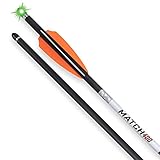
Wicked Ridge Match 400 Lighted Carbon Arrows
Losing sight of an arrow a split second after release can make an otherwise clean shot feel uncertain. Bright vanes help only so much, especially near dusk, against dark cover, or after the shaft passes through the target. The best arrows for Wicked Ridge RDX 400 need more than compatible dimensions; they should also make impact tracking easier without upsetting the balance that keeps groups tight. Wicked Ridge addresses that problem here with a 400-grain carbon arrow, an Alpha-Blaze lighted nock, and an Alpha-Nock HP assembly built around secure string engagement.
Wicked Ridge Match 400 Lighted Arrows
This three-arrow pack is built around a 20-inch carbon shaft, a familiar length for compatible Wicked Ridge crossbow setups. Each finished arrow weighs 400 grains, giving the package a practical hunting-oriented balance rather than chasing the lightest possible launch weight. That added mass can support steadier downrange behavior and useful penetration, though trajectory still drops more noticeably as distance grows. The 20-inch length and 400-grain finished weight are the core specifications that separate these arrows from ordinary bow shafts.
The lighted configuration is the obvious difference from the standard Match 400 version. Upon firing, the bowstring activates the Alpha-Blaze nock, making the arrow easier to follow during flight and easier to locate after impact. That visibility can be especially useful in dim woods where a dark shaft disappears almost instantly. The automatic light activation adds useful feedback without requiring a separate switch before every shot.
Only three arrows come in the pack, which is both practical and limiting. A smaller set keeps the initial package focused on hunting use, where lighted nocks may be reserved for verified broadhead arrows rather than routine target practice. On the flip side, losing or damaging one arrow removes a third of the set at once. The three-arrow quantity suits a dedicated hunting setup better than a long afternoon of repetitive range shooting.
Compatibility still deserves a careful check before loading anything onto the rail. The Match 400 name, Alpha-Nock HP system, and listed 20-inch format point toward Wicked Ridge crossbow use, but the owner's manual remains the final authority for the RDX 400. A matching brand name isn't a substitute for confirming the exact approved nock and arrow specifications. That little bit of homework protects both crossbow safety and consistent launch behavior.
Alpha-Blaze Visibility And Simple Shutoff
The Alpha-Blaze nock solves a simple but persistent problem: the arrow can be hard to see once the trigger breaks. A glowing rear end gives the eye something to follow, making the flight path and point of impact easier to read. That doesn't make a poor shot better, but it can reduce uncertainty about where the arrow traveled. The lighted nock visibility is especially helpful when the background is cluttered or lighting is fading.
Deactivation is pleasantly uncomplicated. Pulling the nock straight outward until the light turns off means there’s no tiny tool to lose and no awkward switch to poke around with after the shot. Simple actions matter in the field, where cold fingers and dim light can turn fiddly gear into a nuisance. The tool-free shutoff makes the system easier to manage between shots and after recovery.
The LED is rated to remain illuminated for approximately eight hours while active. That duration leaves a generous window for locating an arrow after a pass-through or a shot into thick cover. Still, the light shouldn't be treated as a substitute for marking the shot location and following a disciplined recovery process. The eight-hour illumination period is a useful backup, not an excuse to become careless.
Lighted nocks also bring tradeoffs. They add complexity, cost, and another component that can eventually fail or loosen. Their weight is already part of the listed 400-grain finished arrow, which is helpful, but replacement parts should still match the original configuration closely. Keeping practice arrows and hunting arrows at the same finished weight helps prevent unexpected elevation changes.
Shaft Balance And Grouping Behavior
The carbon shafts are inspected for straightness to within .004 inch, a specification aimed at keeping arrow-to-arrow variation under control. Straightness alone won't guarantee a tight group, but it removes one common source of erratic flight. Broadhead alignment, vane condition, and cocking consistency still carry plenty of weight. The .004-inch straightness tolerance gives the setup a dependable baseline rather than a magic shortcut.
A 60-grain aluminum insert moves more mass toward the front and creates a stated 13% front-of-center balance. That forward bias can help the point lead the shaft through flight, reducing the tendency for the rear to wander. Wicked Ridge states that the design can generate up to 20% tighter groupings than previous carbon arrows. The claim is tied to the supplied configuration, so 13% FOC should be viewed as part of the complete design rather than an isolated number.
The Q2i Fusion X-II 3.0 vanes are installed with a slight offset. That offset encourages controlled rotation, helping stabilize the shaft after launch and supporting broadhead flight. Shorter 3-inch vanes can provide useful steering without adding the drag of larger traditional fletching. The offset vane layout is a practical match for a fast crossbow arrow that needs to settle quickly.
Broadheads still need individual verification. One arrow may spin perfectly while another shows wobble because the ferrule isn't seated squarely against the insert. Shooting only field points can hide that problem until hunting season is close. The Match 400 provides accuracy-focused components, but every completed hunting arrow deserves its own spin check and impact test.
Alpha-Nock HP String Control
The Alpha-Nock HP uses a deep groove and a broad, smooth-radius base to hold the bowstring in place. That shape is designed to reduce the risk of the string passing above or below the nock during launch. On a fast crossbow, secure contact isn't a small detail; it affects how force enters the arrow and how predictably the shaft begins moving. The deep-groove nock geometry gives the string a more controlled seating point.
An HP aluminum bushing reinforces the rear of the shaft around the nock assembly. That area absorbs substantial stress every time the crossbow fires, so additional support makes sense. The bushing also helps preserve alignment between the nock and carbon shaft. The reinforced rear assembly supports durability, though it still requires inspection after hard impacts.
String travel can become inconsistent if the nock is damaged, loose, or poorly matched. Small rear-end cracks may not look dramatic, yet they can compromise the way the bowstring engages the arrow. Any unusual movement, deformation, or looseness should take the shaft out of rotation immediately. The nock-to-string interface is too important for a “good enough” approach.
Serving wear is another practical concern. A properly matched nock helps the string track more cleanly and may reduce unnecessary rubbing around the center serving. That doesn’t eliminate routine maintenance, but it can keep wear patterns more orderly. Clean string engagement supports both repeatable arrow launch and longer component life.
Penetration And Field Performance
The 400-grain weight puts these arrows in a sensible range for hunting-focused crossbow use. More mass generally supports momentum, which can help the arrow continue driving after contact. The tradeoff is a slightly more arcing path than a lighter shaft, especially as distance stretches. The 400-grain build favors controlled impact behavior over headline speed.
Penetration still depends on the entire setup. Broadhead sharpness, shot angle, distance, point alignment, and the animal's anatomy all influence the result. No shaft weight can rescue poor placement or a badly tuned head. The Match 400 offers a balanced carbon platform, not a guarantee against every real-world variable.
The lighted nock adds another benefit after impact by helping reveal the arrow's direction of travel. That can be useful when the shaft passes through and disappears into leaves, grass, or shadow. Seeing the light isn't the same as reading the whole shot, but it provides another clue during recovery. The visible point of impact can reduce guesswork at the moment it matters most.
Optic setup plays a separate role in keeping those impacts predictable. A neutral reference to sighting equipment for another firearm category appears in best red dot scope for slug gun, though slug-gun optics and crossbow scopes follow different mounting and calibration needs. The Match 400 cannot compensate for loose rings, incorrect reticle setup, or inconsistent support. Arrow quality and stable aiming equipment have to work as one system.
Strengths, Limits, And Maintenance
The clearest strength is the way the major components arrive as one coordinated package. Carbon shafts, Alpha-Blaze lighted nocks, Alpha-Nock HP geometry, aluminum inserts, and offset vanes are designed to work together. That reduces the urge to mix unrelated parts and hope the final weight stays close. The integrated arrow configuration makes setup simpler and easier to verify.
The most noticeable limitation is pack size. Three arrows may be enough for a dedicated hunting quiver, but it leaves little room for losses, hard impacts, or repeated broadhead testing. Lighted nocks also cost more to replace than ordinary nocks and require a bit more care during inspection. The small-pack tradeoff is easier to accept for hunting than for high-volume practice.
Carbon shafts need conservative maintenance. A hard strike against another arrow, a target frame, or a hidden rock can damage fibers even if the shaft still looks straight. Flex the arrow gently, inspect the surface under good light, and listen for faint cracking. Any sign of splintering means the damaged carbon shaft should be retired immediately.
Vanes, inserts, and nocks deserve the same attention. A bent vane may steer the arrow off line, a loose insert can create broadhead wobble, and a damaged lighted nock may affect string contact. Numbering the arrows makes it easier to identify one shaft that repeatedly lands away from the others. That simple habit turns random frustration into trackable shooting feedback.
The Wicked Ridge Match 400 Lighted Arrows make the strongest case for a hunting setup that values impact visibility, correct crossbow geometry, and sensible finished weight. They aren’t the cheapest way to fill a quiver, and the three-pack won't suit endless practice sessions. Still, the combination of Alpha-Blaze visibility, 13% FOC, .004-inch straightness, and Alpha-Nock HP control directly addresses several problems that matter with the Wicked Ridge RDX 400. Careful compatibility checks and routine inspection remain part of the bargain.
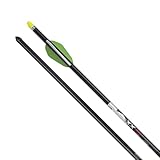
TenPoint Pro Elite 400 Carbon Crossbow Arrows
A fast crossbow can turn tiny arrow inconsistencies into visible gaps on the target. One shaft lands cleanly, the next drifts a little, and before long the scope gets adjusted even though the ammunition may be the real culprit. Among the best arrows for Wicked Ridge RDX 400, the Pro Elite 400 makes a strong technical case with its 20-inch carbon construction, .003-inch straightness inspection, controlled weight tolerance, and Alpha-Nock HP system. It’s built for shooters who’d rather remove variables than spend an afternoon chasing unexplained flyers.
TenPoint Pro Elite 400 Arrows
The Pro Elite 400 arrives as a six-arrow set, which feels more practical than a tiny hunting-only pack. Six shafts leave room for routine target work, broadhead verification, and a couple of reserved hunting arrows without mixing unrelated models. Each arrow uses a 20-inch carbon shaft, keeping the format aligned with compatible TenPoint and Wicked Ridge crossbow configurations. That purpose-built size matters far more than a generic “carbon arrow” label.
Offset fletching with 3.5-inch Bohning X Vanes gives the shaft controlled rotational guidance after it leaves the rail. The slight offset encourages spin, helping the arrow settle into stable flight instead of relying only on the stiffness of the carbon. Broadheads create more steering pressure than field points, so vane control becomes especially useful during hunting preparation. Still, damaged or warped vanes can spoil the benefit, which makes quick inspections worth the trouble.
The package focuses on repeatability rather than decorative extras. There’s no lighted nock mentioned in the supplied configuration, so the design stays centered on shaft consistency, string engagement, and dependable component fit. That simpler build may suit anyone who prefers fewer electronic parts and a straightforward practice-to-hunting transition. The main appeal is mechanical consistency, plain and simple.
Compatibility should never be assumed from shaft length alone. The Alpha-Nock HP design and 20-inch format support the intended crossbow role, yet the Wicked Ridge RDX 400 manual should still settle the final question. Strings, retention systems, and aftermarket modifications can alter what belongs on the rail. A quick specification check protects both safe operation and repeatable arrow launch.
Straightness And Weight Sorting
Each Pro Elite arrow is inspected for straightness to within .003 inch. That tighter tolerance reduces one source of shaft-to-shaft variation and gives the point, vanes, and nock a cleaner alignment foundation. Straightness won’t rescue a loose broadhead or damaged fletching, but it helps keep the arrow itself from becoming the weak link. The .003-inch specification is one of the clearest strengths in this package.
Weight sorting adds another layer of control. TenPoint states that these arrows are hand-sorted to stay within 2 grains per dozen, a small spread intended to keep trajectory more consistent across the set. Even minor weight differences can show up as vertical separation once distance increases. Keeping the shafts closely matched reduces the chance that one arrow drops differently for no obvious reason.
That doesn’t mean every six-arrow pack will place every shaft through the same hole. Scope stability, cocking consistency, shooting support, point alignment, and wind all influence impact location. The arrows simply remove some of the manufacturing variation that can muddy the picture. For careful troubleshooting, reduced shaft variation makes range feedback easier to trust.
Numbering the arrows is still a smart habit. A small mark near the nock lets each shaft build its own impact history, making a recurring flyer easier to identify. One arrow may have a subtle vane issue or point wobble even though it passed the initial visual check. Tracking individual shafts turns random frustration into specific shooting information.
Front Balance And Broadhead Stability
A 46-grain aluminum insert shifts useful mass toward the front of the arrow. In this configuration, TenPoint lists a 13% front-of-center balance, commonly shortened to FOC. That forward bias helps the point lead the shaft through flight, reducing the tendency for the rear to wander. It’s a sensible arrangement for crossbow hunting, where broadhead control matters more than a flashy speed figure.
The aluminum insert also creates a firm mounting surface for field points and broadheads. A solid insert can support alignment, but the point still needs to seat flush against the shaft with no visible gap. Even a small wobble may open a group once blades begin catching air. The insert-to-point connection deserves a spin check before every hunting setup is trusted.
Broadhead flight can differ from field-point flight even with a carefully matched arrow. Fixed blades increase aerodynamic pressure, so a minor alignment problem becomes easier to see downrange. The Pro Elite 400’s offset vanes and forward balance provide useful stabilization tools, though they can’t cover up a crooked ferrule. Broadhead verification should happen with the exact heads intended for the field.
More front weight also brings a tradeoff. A forward-biased 400-class setup may carry momentum steadily, yet trajectory becomes more sensitive to distance than an aggressively light arrow. Range estimation and reticle confirmation still matter, especially beyond ordinary practice distances. The benefit is controlled flight and penetration potential, not freedom from basic shooting discipline.
Alpha-Nock HP String Engagement
The Alpha-Nock HP uses a deep groove and a wide, smooth-radius base to hold the bowstring in a controlled position. That shape is designed to reduce the chance of the string traveling over or under the nock during the launch cycle. On a narrow, fast crossbow, clean string capture is a serious mechanical concern rather than a small design detail. The deep-groove nock geometry gives the string a defined contact point.
TenPoint states that the design provides a 28% increase in string-to-nock engagement on its extremely narrow crossbows. The tighter wrap around the center of the nock is intended to promote straighter nock travel as the arrow accelerates down the rail. That more centered push can support cleaner downrange behavior and reduce side-loading at the rear of the shaft. It also helps explain why the correct nock type matters so much.
An HP aluminum bushing reinforces the rear portion of the arrow. That area takes substantial force every time the crossbow fires, so additional structural support makes practical sense. The bushing also helps maintain the relationship between the carbon shaft and nock assembly. The reinforced rear construction is a meaningful durability feature, though it doesn’t eliminate the need for inspection.
String serving wear can become expensive and irritating if contact is inconsistent. A nock that guides the string around its center may reduce unnecessary rubbing and keep serving wear more orderly. No component can prevent every maintenance issue, but proper engagement removes one avoidable source of trouble. The centered string path benefits both arrow travel and long-term crossbow upkeep.
Field Use, Strengths, And Limitations
The Pro Elite 400 suits a setup where consistency carries more weight than novelty. Its carbon shaft, .003-inch straightness, close weight sorting, 13% FOC, and Alpha-Nock HP design all address real reasons that arrows separate on the target. Those features make it a credible entry among the best arrows for Wicked Ridge RDX 400. The six-pack also provides enough depth for practice without burning through a dedicated hunting set too quickly.
The absence of a listed lighted nock may be a strength or a drawback, depending on priorities. Standard nocks avoid batteries and shutoff mechanisms, but they don’t provide a glowing flight path in dim cover. Hunters who rely heavily on impact visibility may prefer a lighted version, while range-focused shooting benefits from the simpler assembly. That non-lighted configuration keeps the product focused and less complicated.
Arrow performance is only one piece of an accurate shooting system. Loose optic mounts, inconsistent support, poor range estimation, or incorrect reticle calibration can make a well-sorted shaft look unreliable. A separate reference involving rifle optics appears naturally in AR-15 rifle scopes, although crossbow scopes follow different mounting and trajectory requirements. The Pro Elite 400 can reduce ammunition variation, but it can’t correct unrelated sighting problems.
Carbon maintenance deserves a conservative approach. Any shaft that strikes another arrow, a target frame, rock, or hard ground should be flexed gently and examined under bright light. Cracks, splinters, loose inserts, or damaged nocks are reasons to retire it immediately. Reusing a questionable carbon crossbow arrow simply isn’t worth the risk.
Range Routine And Long-Term Value
A disciplined routine gets more value from this arrow set than endless scope adjustment. Inspect each shaft, verify the nock, tighten the point, and look closely at the vanes before shooting. Those small steps keep preventable defects from masquerading as accuracy problems. The Pro Elite’s tight manufacturing tolerances matter most when maintenance is equally consistent.
Rotating through all six arrows helps reveal whether the set behaves as a group. Shooting one favorite shaft repeatedly may produce confidence, but it says little about the remaining arrows in the quiver. Equal practice time exposes recurring flyers and component wear before hunting season arrives. A matched set should deliver repeatable impact behavior, not one lucky arrow surrounded by unknowns.
Storage is easy to overlook. Heavy gear can flatten vanes, rough compartments can scratch carbon, and damp cases may leave components dirty or difficult to inspect. A rigid quiver or protected arrow compartment keeps the finished assemblies aligned and ready. Preserving the Bohning X Vanes is part of preserving the arrow’s flight characteristics.
The Pro Elite 400’s biggest advantage is how its specifications work together rather than standing as isolated marketing numbers. Straight shafts help alignment, close weight sorting helps trajectory, forward balance supports broadhead control, and the Alpha-Nock HP manages string contact. Its limits are equally clear: it won’t replace tuning, maintenance, or exact compatibility checks. For a Wicked Ridge RDX 400 setup that values measured consistency and straightforward construction, this six-arrow package has a well-reasoned design.


12 Best 22 Pcp Air Rifle For Hunting of 2026 With Quiet Power

7 Best 22 Pcp Air Rifle Under 300 of 2026 For Backyard Pest Control

10 Best 22 Break Barrel Air Rifles of 2026 For Backyard Pest Control

10 Best 30 Caliber Pcp Air Rifle of 2026 For Medium Game

Top Best 177 Air Rifle Under 100: Budget-Friendly Picks for 2026

How to Safely Reload Shotgun Shells at Home

11 Best Co2 Air Rifle For Pest Control of 2026 To Ensure Humane Dispatch

12 Best Inexpensive Air Rifles of 2026 For Dependable Backyard Accuracy






