Best Beginner Shotgun for Hunting 2026 Guide

A best beginner shotgun for hunting should feel manageable before it ever feels impressive. Poor stock fit, excessive weight, awkward controls, and harsh recoil can turn a promising first season into a sore shoulder and a string of missed opportunities. A sensible starting point is a firearm that mounts naturally, places the eye in line with the rib, and allows every control to be reached without shifting the firing hand. Fancy finishes can wait because comfort and safe handling matter far more in wet grass, cold wind, and uneven terrain.
Gauge deserves careful thought, but bigger doesn’t automatically mean better. A 12-gauge offers broad ammunition availability and can cover many hunting situations, yet its recoil may feel punishing in a light gun or with heavy loads. A 20-gauge often gives a softer, less intimidating experience while remaining suitable for many common game birds when paired with lawful, appropriate ammunition. The catch is simple: gun weight, load selection, and fit influence felt recoil together, so the number stamped on the barrel tells only part of the story.
Action type changes the whole rhythm of a hunt. A break-action shotgun is visually easy to verify as open and unloaded, has fewer moving parts, and encourages deliberate shooting, though it usually holds only one or two shells. A pump-action model tends to be durable and affordable, but the manual cycling motion takes practice under supervision to avoid short-stroking or losing the sight picture. A semi-automatic can soften some recoil through its operating system, yet it generally asks for more careful cleaning and may be sensitive to certain light loads, so simplicity versus recoil management becomes a real tradeoff.
Stock dimensions quietly make or break the experience. A length of pull that’s too long forces the shoulder backward, slows the mount, and can make cold-weather clothing feel like an extra obstacle. A stock that’s too short may crowd the face and encourage an uncomfortable shooting position. Professional fitting, supervised range instruction, and trying several unloaded firearms at a reputable dealer or club can reveal more than an afternoon spent reading specifications because proper fit supports control, consistency, and safer muzzle awareness.
Weight needs balance rather than blind reduction. A lighter shotgun is easier to carry through brush or across fields, but it usually transfers more recoil to the shoulder. A heavier model can swing smoothly and feel calmer during firing, although long walks may leave the supporting arm tired before the best part of the day. The sweet spot feels steady without becoming a burden, and that answer changes with body size, terrain, clothing, and the kind of hunting planned.
Controls should be easy to understand with gloved hands and under mild pressure. The safety, action release, loading port, and opening lever need to operate without pinching, fumbling, or requiring excessive force. Clear chamber checks are just as important, especially during fence crossings, vehicle transport, breaks, or handoffs. A beginner-friendly layout reduces confusion, but no mechanical feature replaces the core rules of keeping the muzzle pointed safely, keeping the finger outside the trigger guard, and positively identifying the target and what lies beyond it.
Choke systems add flexibility, though they can also create unnecessary confusion at first. Interchangeable chokes allow the pattern to be adjusted for different lawful hunting situations, but the selected choke must be compatible with the barrel, ammunition, and projectile material. Patterning on paper at a legal range shows where the gun actually places its pellets and whether the spread is even enough for the intended distance. That step isn’t glamorous, yet pattern knowledge is far more useful than guessing in the field.
Maintenance also deserves an honest look. Mud, moisture, plant debris, and cold-weather condensation can affect any shotgun, while designs with more moving parts often require closer attention after use. A corrosion-resistant finish can reduce worry, but it won’t excuse careless storage or a damp case left zipped overnight. A straightforward cleaning routine, secure locked storage, and strict separation from unauthorized access help protect both the equipment and everyone around it.
Local hunting laws shape the final decision. Capacity limits, approved ammunition materials, season rules, transport requirements, licensing, and hunter-education obligations vary by location and species. Those details should be confirmed through the current wildlife authority rather than a forum post or an old article. The right shotgun is the one that can be handled safely, fits the intended lawful hunt, and doesn’t demand skills that haven’t been practiced yet.
DPMS Full Auto SBR CO2 BB Air Gun
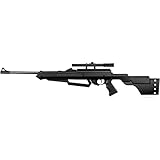
A familiar shape can create the wrong expectation before the first CO2 cartridge is even installed. The DPMS Full Auto SBR CO2 BB Air Gun looks and handles like a compact modern sporting rifle replica, but it is neither a shotgun nor a suitable answer to best beginner shotgun for hunting. Its real purpose is recreational steel-BB shooting, controlled target practice, and learning basic handling habits in a lawful, supervised setting. That distinction matters because a realistic exterior shouldn’t blur the line between backyard-style plinking equipment and a hunting firearm.
DPMS SBR CO2 BB Air Gun
The synthetic body is built around a full-size, realistic feel, giving the air gun more presence than a lightweight toy-like plinker. That extra realism may help with familiarization, especially for practicing safe shouldering, sight alignment, and controlled trigger discipline without live firearm ammunition. Still, the replica profile demands careful storage and transport because a bystander or responding officer may not recognize it as an air gun. Treating the appearance casually would be a serious mistake.
The six-position adjustable stock is one of the more practical details in the design. It allows the length to be shortened or extended, which can improve shoulder placement and make the controls easier to reach. Adjustable fit is valuable during shared range sessions or when clothing thickness changes, though the stock cannot correct every ergonomic mismatch. Face position, arm length, and eye alignment still need attention rather than a quick click into whichever setting looks right.
The dual-action capability gives this model a noticeably different character from a basic single-shot BB gun. It can fire in semiautomatic or full-auto mode, with the stated cyclic rate reaching up to 1,400 rounds per minute. That headline number sounds dramatic, but the 25-round magazine empties quickly during automatic fire, making short, controlled bursts more sensible than simply holding the trigger down. Rapid fire also consumes CO2 faster, so the liveliest feature carries a clear operating-cost tradeoff.
The DPMS uses two 12-gram CO2 cartridges, and the manufacturer-stated velocity reaches up to 430 feet per second. Actual performance can vary with temperature, firing pace, cartridge condition, and how quickly consecutive shots are taken. CO2 pressure tends to drop as the cartridges cool during rapid fire, so velocity may become less consistent during long automatic strings. Cartridges aren’t included, which means the first usable setup requires a separate purchase alongside BBs.
Magazine Design And Shooting Rhythm
The 25-round drop-out magazine creates a more realistic loading experience than a fixed reservoir. It accepts conventional 4.5 mm steel BBs, and the removable format makes loading and unloading easier to organize at a proper shooting station. The magazine capacity feels generous in semiautomatic mode, where each shot can be paced and observed. Full-auto mode changes the math fast, though, turning 25 rounds into a very brief burst rather than a long session.
Magazine changes can add useful structure to target practice, but they shouldn’t become a speed exercise before safe habits are firmly established. Keeping the muzzle in a safe direction, engaging the safety, and verifying the shooting area remain more important than copying fast reloads seen in videos. Deliberate handling keeps the realistic controls from encouraging sloppy behavior. The air gun’s entertainment value is strongest when the session still follows disciplined range procedures.
Steel BBs also behave differently from soft projectiles because they can ricochet from hard surfaces. A proper BB-rated trap, suitable eye protection, and a safe backstop are basic requirements, not optional accessories. Rocks, metal scraps, concrete, water, and flat wooden boards can send BBs in unpredictable directions. The ricochet risk makes improvised indoor or backyard targets a poor bet, even with a product that has far less energy than a firearm.
The magazine and CO2 system also add setup steps that a simpler break-barrel or single-stroke air gun may avoid. Cartridges must be installed correctly, seals should be treated carefully, and BBs need to be loaded without introducing dirt into the mechanism. Leaving CO2 installed for extended storage may strain seals, so the manufacturer’s storage guidance should be followed. Convenience here comes from repeat-shot capability, not from being maintenance-free.
Sights And Practical Accuracy
The removable pop-up front sight and adjustable rear sight support basic sight-picture practice without requiring an optic. Their design fits the replica aesthetic, but the practical benefit is straightforward: windage or elevation adjustment can help align point of aim with point of impact at a chosen target distance. Adjustable iron sights also encourage slower, more deliberate shooting than spraying BBs at a broad target. That slower rhythm is where the platform can teach more useful habits.
Accuracy expectations should stay grounded in the air gun’s purpose. Steel BBs, CO2 pressure changes, rapid firing, and a short tactical-style platform aren’t a recipe for precision comparable to a dedicated target air rifle. The product is better suited to cans, reactive targets rated for BBs, and informal paper practice at appropriate distances. A tight group is possible only when the shooter controls pace, maintains a repeatable hold, and avoids chasing the full-auto feature every few seconds.
The sighting setup may also feel coarse for very small paper targets. Pop-up sights emphasize speed and visibility rather than the fine aiming reference provided by target apertures or magnified optics. That isn’t necessarily a defect, but it shapes the experience. Fast target acquisition fits the design better than benchrest-style precision.
A related category offers a different balance of power, precision, and shooting pace, as outlined in lightweight pcp air rifles. PCP models generally serve a different purpose from this CO2-powered BB replica, so the comparison is useful mainly for understanding platform differences rather than treating them as interchangeable. The DPMS favors rapid-fire recreation and familiar controls. A lightweight PCP platform usually places greater emphasis on measured shots and air-management routines.
Where The DPMS Fits And Where It Does Not
The product description presents a recreational BB air gun with a realistic stock, detachable magazine, dual firing modes, and adjustable sights. Those features can make a paper-target session more engaging, particularly when ordinary single-shot plinking has started to feel repetitive. Fast follow-up shots and realistic handling are the central appeal. Neither feature turns the DPMS into a hunting shotgun, though, and describing it that way would create the wrong safety and performance expectations.
The keyword best beginner shotgun for hunting does not accurately match this product. A shotgun fires shotshells through a smoothbore barrel and must be selected according to lawful game, gauge, fit, recoil, action type, and local hunting regulations. This DPMS shoots 4.5 mm steel BBs using CO2 and is designed around recreational air-gun use. It should not be recommended as a substitute for hunter education, a properly fitted shotgun, or supervised firearm instruction.
Full-auto operation may be the reason many people notice the model, yet it is also the feature most likely to encourage wasted ammunition and rushed technique. Short sessions can burn through BBs and CO2 quickly, while the cooling effect of rapid discharge may reduce consistency. Operating cost and shot discipline deserve more attention than the advertised firing rate. A slower semiautomatic pace usually offers more useful feedback from each shot.
Noise, lawful discharge areas, age restrictions, storage rules, and local air-gun regulations also need consideration. An air gun may be regulated differently from a firearm, but that doesn’t mean it can be fired anywhere or handled openly without consequences. The realistic black exterior raises the stakes around public visibility and transportation. A locked case, responsible adult supervision where appropriate, and strict separation from unauthorized access are sensible precautions.
Maintenance And Ownership Tradeoffs
CO2 systems reward basic care. Dirty magazine channels, damaged seals, or careless cartridge installation can undermine reliability, while long rapid-fire strings may cool the action and alter shot consistency. Simple preventive maintenance matters more than cosmetic detailing. The owner should follow the supplied manual for lubrication points, cartridge removal, cleaning, and storage rather than improvising with general firearm solvents.
The synthetic construction should tolerate routine handling better than delicate wood furniture, but it can still collect dust, grit, and moisture around controls and magazine openings. Wiping the exterior after use and storing the air gun in a dry place helps preserve the mechanism. The removable sights also deserve a quick check after transport because a loose or bumped sight can shift alignment. Small maintenance habits keep target sessions from turning into troubleshooting sessions.
Consumables are part of the ownership equation. Two CO2 cartridges power the system, and the fast firing mode can shorten the useful shooting time from each pair. BBs aren’t included either, so the package doesn’t arrive ready to shoot without extra supplies. Ongoing CO2 and BB costs may be acceptable for occasional recreation but could become noticeable during frequent full-auto use.
The DPMS Full Auto SBR makes the most sense as a supervised recreational air gun for controlled target environments, not as hunting equipment. Its adjustable stock, 25-round magazine, dual firing modes, and removable sights create an engaging replica-style experience with genuine tradeoffs in CO2 use, accuracy, and maintenance. Buyers expecting shotgun performance, hunting capability, or precision-air-rifle consistency will be looking at the wrong platform. Buyers focused on disciplined plinking and realistic handling will understand its strengths more clearly once the full-auto novelty is kept in perspective.
Daisy 880 Multi-Pump Air Rifle With Scope
A first look at this brown, woodgrained air rifle can easily send expectations in the wrong direction. The Daisy 880 Multi-Pump Air Rifle is a .177-caliber pneumatic model built for BB and pellet shooting, not a shotgun and not a legitimate answer to best beginner shotgun for hunting. Its strengths sit in controlled target practice, basic sight alignment, and learning careful handling in a lawful setting. That mismatch isn’t a minor technicality because the ammunition, operating system, effective use, and legal role are entirely different.
Daisy 880 Air Rifle
The Daisy 880 uses a multi-pump pneumatic action, so each shot begins with manual preparation rather than a CO2 cartridge or spring-powered cycle. That arrangement keeps the operating system straightforward and avoids disposable gas cartridges, which can make casual target sessions easier to plan. The tradeoff is obvious after a few strings: repeated pumping slows the pace and adds physical effort between shots. For some, that deliberate rhythm encourages better focus; for others, it becomes the part they tire of first.
The rifle accepts both .177-caliber steel BBs and pellets, giving it two distinct feeding methods. A reservoir holds up to 50 BBs, while pellets are loaded one at a time. That flexibility sounds simple on paper, but BB and pellet shooting feel different in practice because pellets generally suit the rifled barrel better for measured accuracy, while BBs favor casual plinking. Switching ammunition types also calls for attention to the manual so the loading process stays safe and the barrel isn’t damaged through careless use.
The stated maximum velocity reaches 800 feet per second, though actual speed depends on ammunition type, projectile weight, and the number of pumps used within the manufacturer’s limits. That maximum shouldn’t be mistaken for uniform performance on every shot. Pneumatic air rifles reward consistency, and changing the pumping routine can shift point of impact. The number on the box sounds bold, but repeatable handling matters more than chasing the highest figure.
At 37.6 inches overall, the Daisy 880 has the proportions of a compact traditional rifle rather than a tiny youth plinker. The molded Monte Carlo-style stock and forearm carry a woodgrained finish that gives the gun a familiar sporting look without the weight or maintenance of real wood. The shape helps create a stable cheek position, though fit will still vary with arm length and body size. A stock can look conventional and still feel too long, too short, or awkward once shouldered.
Sights, Scope, And Practical Accuracy
The rifle includes blade-and-ramp front sights with an adjustable rear sight, plus a scope in the package. That gives two sighting paths instead of forcing immediate dependence on magnification. Open sights are useful for learning alignment and maintaining a consistent cheek weld, while the scope can make small paper targets easier to see. Still, a bundled scope should be viewed as an entry-level accessory, not precision glass built for demanding long-range work.
The steel rifled barrel is one of the more meaningful specifications in the design. Rifling can stabilize pellets and support tighter groups when the shooter uses a consistent pumping routine, steady hold, and appropriate target distance. Steel BBs don’t engage rifling in the same way, so expectations should remain modest during rapid informal plinking. Pellet accuracy and BB convenience are separate advantages rather than interchangeable promises.
Scope setup can be a little fiddly for anyone expecting perfect alignment straight out of the package. Mounting screws need to remain secure, eye relief has to feel natural, and the reticle must be adjusted gradually against a safe backstop. A loose mount can create wandering groups that look like a rifle problem when the real culprit is hardware movement. That’s the sort of small frustration that teaches a useful lesson: accessories still need inspection and proper setup.
From a practical angle, high power .177 air rifles represent a broader category with different operating systems, energy levels, and maintenance demands. The Daisy 880 sits toward the accessible, manually powered side of that spectrum rather than the specialized end. Its appeal comes from low-complexity shooting and ammunition flexibility, not from matching the consistency of a more expensive pre-charged pneumatic platform. That distinction keeps expectations sensible.
Pros That Matter During Everyday Use
The biggest advantage is the absence of CO2 cartridges. A multi-pump design runs on manual air compression, so there’s no need to keep a supply of disposable cylinders nearby. Low consumable dependence makes the rifle convenient for occasional practice, especially when a session might happen on short notice. The downside is that the shooter supplies the energy every single time, and that routine can feel repetitive during longer outings.
Dual-ammunition capability also adds real flexibility. BBs are convenient for informal target work, while pellets offer a more deliberate single-shot experience that pairs better with the rifled barrel. The 50-shot BB reservoir reduces constant reloading, yet each BB still has to be chambered according to the rifle’s operating process. It isn’t a semi-automatic system, so the reservoir saves handling steps without creating fast follow-up fire.
The combination of open sights and a scope gives the rifle room to grow with basic shooting skills. Someone can begin with the factory sights, then move to the scope once a stable hold and repeatable cheek position feel familiar. Two sighting options also help diagnose whether missed shots come from the optic, the mount, or the shooter’s technique. That flexibility is useful, though the included scope may eventually feel limiting as expectations rise.
The molded stock keeps upkeep modest. It won’t demand the same moisture control or finish care as a traditional wooden stock, and the woodgrained pattern avoids the plain black look of many entry-level air rifles. Simple exterior maintenance suits a product meant for regular handling rather than display. The stock can still be scratched or loosened around hardware, so “molded” doesn’t mean indestructible.
Cons And Limitations Worth Knowing
Manual pumping is the most obvious drawback. The effort breaks the shooting rhythm, and repeated cycles may become tiring for smaller shooters or anyone with limited upper-body strength. Shot-to-shot preparation also makes the Daisy less convenient for extended target sessions than CO2 or pre-charged pneumatic models. The slower pace can teach patience, but patience and comfort aren’t always the same thing.
The rifle’s dual-ammunition setup creates compromise. BBs offer convenience, pellets offer stronger accuracy potential, and neither mode turns the 880 into a dedicated precision platform. The loading process changes between the two, which can invite mistakes if instructions are ignored or rushed. Versatility comes with procedural differences, so careful reading of the owner’s manual matters more than assuming both ammunition types operate identically.
The bundled scope may also draw mixed reactions. It adds immediate magnification without another purchase, but entry-level optics can have limited clarity, basic adjustments, and mounts that need periodic checking. A shooter expecting crisp glass and highly repeatable turret movement may be disappointed. Usable does not mean refined, and the package makes more sense as a starting setup than a finished precision system.
The 800 fps maximum can sound more impressive than the full ownership experience actually feels. Velocity alone doesn’t guarantee a clean group, a comfortable fit, or proper use for a particular legal activity. Temperature, pellet weight, pump count, and technique all influence results. Headline speed is only one variable, and focusing on it too heavily can distract from safety, consistency, and realistic range limits.
Why It Does Not Fit The Shotgun Keyword
The phrase best beginner shotgun for hunting refers to an entirely different category of firearm. A shotgun uses shotshells, has gauge-specific recoil and patterning considerations, and must be selected around game laws, fit, action type, and formal hunter education. The Daisy 880 is a .177-caliber air rifle firing BBs or pellets through a rifled barrel. Calling it a beginner shotgun would be inaccurate and could create unsafe assumptions about capability.
The intended skill set differs, too. Air-rifle target practice can reinforce muzzle awareness, trigger discipline, sight alignment, and safe backstop selection. Those habits are valuable, but they do not replace supervised shotgun instruction, recoil management, moving-target practice, or learning how shotshell patterns behave. Transferable fundamentals are not complete preparation for hunting with a firearm.
Legal treatment may also differ sharply by location. Air guns can still face restrictions involving age, discharge zones, transport, storage, and approved hunting use, even though they aren’t regulated exactly like firearms in every jurisdiction. A realistic sporting profile can also cause alarm if carried openly. Responsible storage and discreet transport remain necessary regardless of the operating system.
The Daisy 880 makes more sense as an affordable practice rifle for paper targets and lawful recreational shooting. Its multi-pump action, dual-ammunition support, adjustable sights, included scope, and traditional stock shape give it enough variety to remain interesting beyond the first few sessions. The weak spots are equally clear: repetitive pumping, modest bundled optics, different loading procedures, and accuracy that depends heavily on consistent technique. Those are manageable compromises for a simple .177 air rifle, but they don’t move it any closer to being a hunting shotgun.
Gamo Varmint .177 Air Rifle And Pellet Pen Bundle
Raw speed looks impressive on a product page, but everyday usefulness depends just as much on fit, control, loading effort, and shot consistency. The Gamo Varmint .177 Air Rifle is a spring-piston break-barrel model bundled with a 4x32 scope and an Air Venturi pellet pen, placing it firmly in the air-rifle category rather than among candidates for the best beginner shotgun for hunting. Its single-shot setup favors deliberate target practice and lawful small-pest applications instead of rapid follow-up shooting. That distinction clears up the product’s role before the velocity figure steals the whole conversation.
Gamo Varmint Air Rifle Bundle
The rifle fires .177-caliber pellets at a stated velocity of up to 1,250 feet per second. Pellet weight, shape, and material can affect actual speed, so the maximum figure shouldn’t be treated as a promise for every ammunition type. A lighter pellet may travel faster, while a heavier one may carry momentum differently and strike another point on the target. Put plainly, velocity alone doesn’t guarantee accuracy or suitability for a particular lawful use.
A spring-piston break-barrel action keeps the operating system independent of CO2 cartridges or external air tanks. Cocking the barrel compresses the spring, and returning it to the firing position prepares the rifle for a single pellet. That mechanical simplicity reduces reliance on consumables, but cocking effort becomes part of every shot. Long sessions may tire the arms, especially if the shooter rushes the motion or uses poor leverage.
The included Air Venturi pellet pen addresses a small annoyance that becomes surprisingly noticeable outdoors. Loose pellets are easy to drop, deform, or contaminate with pocket lint, while the pen keeps a supply organized and easier to handle. Cleaner pellet loading can protect the skirt from unnecessary damage and reduce fumbling around the open breech. Still, it’s a convenience accessory rather than a speed loader because each pellet must be placed individually.
The bundle format makes the package more complete than a bare rifle. A scope, mounting hardware, and pellet pen cover several immediate needs, though pellets and proper protective equipment still require separate attention. Package convenience saves some accessory shopping, but bundled components may not satisfy someone expecting specialized glass or match-oriented hardware. This is a practical starter arrangement, not a fully customized precision rig.
Scope Setup And Field Handling
The supplied 4x32 scope provides fixed four-power magnification with a 32 mm objective lens. Fixed magnification keeps the controls uncomplicated and offers a closer view of small paper targets without adding a zoom ring to manage. The tradeoff is reduced flexibility at very short distances or in tight spaces, where four-power magnification may feel more restrictive than open sights. Eye relief and head position also need to remain consistent to avoid a dark or incomplete sight picture.
Scope mounting deserves patience because spring-piston rifles create a two-way recoil impulse that differs from many firearms and pneumatic air guns. Loose rings or an improperly seated mount can cause shifting groups even when the shooter’s technique is steady. The included mount gets the setup started, but hardware tension and alignment should be checked according to the manufacturer’s instructions. Overtightening is no better than leaving screws loose, so guesswork isn’t the smart play.
Break-barrel rifles also tend to respond noticeably to changes in grip pressure and resting technique. Clamping the stock tightly one shot and barely holding it the next can move the impact point, making the rifle appear inconsistent. A repeatable, relaxed hold usually matters more than brute force because spring-piston shot behavior rewards consistency. That learning curve can be frustrating at first, yet it also teaches careful follow-through rather than hurried trigger work.
The Gamo Varmint carries a traditional rifle layout that supports shouldered shooting, but comfort depends on individual proportions. Stock length, cheek placement, trigger reach, and scope height all influence whether the position feels natural. Proper fit helps the eye settle behind the scope without stretching the neck or lifting the cheek away from the stock. A rifle that looks manageable on a screen may still feel muzzle-heavy or awkward once held for several minutes.
Practical Strengths Of The Gamo Varmint
The strongest practical advantage is the self-contained powerplant. No CO2 cartridges need to be purchased, chilled cartridges won’t change the afternoon’s rhythm, and an external pump or scuba tank isn’t part of the routine. The spring-piston system needs only the correct pellet and a complete cocking cycle for each shot. That gives the rifle low dependence on extra equipment, even though the physical work shifts to the shooter.
Single-shot loading naturally slows the pace, and that isn’t necessarily a drawback. Each cycle creates a pause to inspect the target area, control the muzzle, load one pellet, close the action, and rebuild the shooting position. Deliberate shot preparation can support safer habits and more thoughtful marksmanship than an action built around fast strings. The slower rhythm may feel tedious during casual plinking, but it suits measured paper practice.
The .177 caliber offers a broad range of pellet styles for target work and lawful pest-control situations. Smaller pellets are generally easy to carry, and the included pellet pen keeps them from rattling loose in a pocket. Ammunition variety also allows careful testing to determine which pellet produces the most consistent groups in this particular barrel. That testing should happen on paper against a secure backstop rather than through guesswork in the field.
The 4x32 scope adds useful detail for small targets and removes the immediate expense of sourcing separate optics. Its fixed-power design also keeps operation straightforward because there’s no magnification setting to reconsider before every shot. Basic optical simplicity fits a rifle meant for deliberate shooting at sensible distances. The glass and mount should still be judged as entry-level equipment, with expectations kept in line with the bundle’s practical purpose.
Drawbacks And Realistic Tradeoffs
Cocking effort is the first limitation likely to show up during repeated use. Every shot requires breaking the barrel downward far enough to compress the spring, then returning it securely to the firing position. This process can interrupt position, tire the arms, and encourage careless shortcuts if the shooter becomes impatient. Manual cocking fatigue matters more during a fifty-shot practice session than it does during the first few exciting shots.
Spring-piston recoil presents another learning curve. The rifle may be easier to own than a pre-charged pneumatic model, yet it can be less forgiving about hold technique and scope mounting. Small changes in pressure against the forearm or shoulder may affect groups, particularly before a consistent routine is developed. Technique sensitivity can frustrate anyone expecting the rifle to behave like a low-recoil pneumatic platform.
The advertised maximum velocity may also pull attention away from more useful questions. Pellet accuracy, safe backstop quality, trigger control, scope stability, and lawful shooting distance matter more than chasing the fastest possible projectile. Very light pellets may produce the boldest speed figure without necessarily giving the most stable or satisfying results. Maximum speed is a ceiling, not a complete description of everyday performance.
The fixed 4x scope has limits as well. Four-power magnification may be convenient across a modest target range, but it can feel cramped for very close work and insufficient for inspecting tiny marks farther away. There’s no zoom adjustment to bridge those situations. Fixed magnification trades flexibility for simplicity, which is reasonable in a starter bundle but worth knowing before expectations climb.
Hunting Claims And Keyword Mismatch
The phrase best beginner shotgun for hunting cannot accurately describe this product. A shotgun uses shotshells, is categorized by gauge, and brings separate concerns involving recoil, patterning, choke selection, action type, and game regulations. The Gamo Varmint is a .177-caliber, single-shot air rifle with a rifled barrel and spring-piston powerplant. Treating those categories as interchangeable would be technically wrong and potentially unsafe.
The manufacturer-provided description positions the rifle for varmint hunting, pest control, and target shooting. Any such use depends on local laws, permitted species, humane-shot requirements, property boundaries, and an adequate backstop. Legal permission and responsible shot placement matter more than the velocity printed on the box. An air rifle may be lawful for one species in one location and prohibited for the same purpose somewhere else.
A neutral reference in this case is how airsoft grenades work, though airsoft equipment belongs to a separate recreational category and doesn’t share this rifle’s pellet-firing mechanism. The Gamo uses a spring-piston system to propel a single .177 pellet through a rifled barrel. Airsoft devices typically use different projectiles, power sources, operating rules, and protective practices. Similar-looking equipment can serve completely different purposes, so category labels deserve careful attention.
The bundle fits deliberate paper shooting better than high-volume plinking because every round requires cocking, loading, shouldering, and reestablishing the sight picture. It can also support lawful pest-management tasks only where the caliber and energy are appropriate under current regulations. Slow operation and technique sensitivity are the price paid for a self-contained power source and simple ownership routine. Anyone needing rapid follow-up shots, adjustable magnification, or minimal cocking effort will likely feel those compromises sooner rather than later.
Safety And Maintenance Considerations
The break-barrel action demands careful hand placement during loading. The barrel should remain controlled throughout the cocking and pellet-insertion process because releasing it carelessly can cause injury or equipment damage. Positive barrel control is part of every loading cycle, not an optional precaution for beginners. The owner’s manual should define the proper sequence, lubrication points, and pumping or cocking limits without guesswork.
Steel or reactive targets need to be rated for the projectile and positioned to reduce ricochet danger. Hard surfaces, rocks, concrete, and thin makeshift backstops can redirect pellets in unpredictable directions. Eye protection and a secure pellet-catching backstop remain essential even during informal practice. Backstop quality matters every bit as much as scope adjustment because missed shots still carry beyond the paper.
Routine care is fairly modest, but random firearm solvents or excessive oil can cause trouble in an air-rifle mechanism. The barrel, seals, pivot points, and scope mounts each have different maintenance needs. Manufacturer-approved maintenance protects the spring-piston system better than flooding moving parts with whatever lubricant happens to be nearby. A dry storage space also helps prevent corrosion and keeps the scope lenses from collecting persistent moisture.
Secure storage deserves extra weight because the rifle’s traditional appearance may be mistaken for a firearm. It should remain unloaded, inaccessible to unauthorized hands, and transported discreetly in a suitable case. The muzzle must stay pointed in a safe direction during every handling step, while the finger remains outside the trigger guard until a lawful target and safe backstop are confirmed. Realistic handling habits are the most valuable feature any air rifle can reinforce, provided the shooting routine never treats it like a toy.
Bear River TPR 1200 .177 Air Rifle With Scope
A rifle can look ready for the field long before its practical limits are understood. The Bear River TPR 1200 brings a break-barrel action, spring-piston powerplant, 18-inch rifled steel barrel, scope, and adjustable sights into one package, yet it still isn’t a shotgun or a true match for best beginner shotgun for hunting. Its role is better defined around lawful pellet-rifle target shooting and permitted small-game or pest-control situations. That category difference affects recoil, ammunition, shot placement, range expectations, and the training required before any live quarry is involved.
Bear River TPR 1200 Air Rifle
The TPR 1200 fires .177-caliber pellets through an 18-inch rifled steel barrel. Rifling gives the pellet rotational stability, which can support more consistent groups when the ammunition, hold, and cocking routine stay the same from shot to shot. The manufacturer states speeds up to 1,300 feet per second with premium pellets, though projectile weight and construction will influence actual velocity. That headline figure sounds punchy, but repeatable accuracy matters more than squeezing the highest possible speed from the lightest pellet.
Spring-piston power keeps the rifle independent of CO2 cartridges, refill tanks, or hand pumps. Each shot begins by breaking the barrel downward, loading one pellet, and returning the barrel to its locked position. That routine is simple enough to understand, but it adds physical effort and interrupts the shooting position every time. Self-contained operation is the upside, while repeated cocking fatigue is the price paid for it.
The stock includes a comfortable grip intended to help the rifle settle into the hands and shoulder. Grip comfort can reduce unnecessary tension, especially during slower paper-target sessions where small movements show up clearly on the target. Still, a molded grip cannot guarantee a natural fit for every arm length, hand size, or cheek position. Stock fit and trigger reach deserve as much attention as the rifle’s advertised power.
The package also includes a 4x32 scope with covers, plus adjustable fiber-optic sights. That gives the rifle two sighting systems instead of forcing immediate dependence on the optic. The fixed four-power scope can make small targets easier to see, while the bright sight inserts may feel quicker at shorter distances or in uneven light. Optical choice adds flexibility, though the scope and open sights still require careful zeroing before accuracy claims mean much.
Handling And Shot Preparation
Break-barrel rifles reward a steady routine. The shooter must control the barrel during cocking, place the pellet correctly, close the action securely, rebuild the shoulder position, and settle behind the sights. That process slows the pace, but it can also discourage careless rapid firing. Deliberate preparation is useful only when every step is handled safely and without rushing.
The spring-piston system creates a recoil impulse that behaves differently from CO2 and pre-charged pneumatic air rifles. The internal piston moves forward as the shot breaks, which can make the rifle sensitive to grip pressure and resting technique. Clamping down hard one shot and holding loosely the next may produce a wandering group even when the sights are aligned. Consistent hold pressure becomes part of the accuracy equation.
The stated smooth trigger pull may help reduce the tendency to jerk the rifle at the last moment. A predictable trigger lets the shooter add pressure gradually while keeping the sights from dipping or sliding sideways. Still, the exact feel can’t be judged from specifications alone, and no trigger should be treated casually simply because it is described as smooth. Trigger discipline remains non-negotiable whether the rifle is loaded, unloaded, scoped, or carried between stations.
A comfortable grip and full-length barrel may create a stable shooting platform, but they also add bulk compared with compact plinking rifles. The balance may feel steady from a bench and more demanding during extended offhand use. Someone expecting a featherlight carry rifle may notice arm fatigue before noticing the benefits of the longer sighting platform. Stability versus portability is one of the central tradeoffs here.
Scope, Sights, And Rail Flexibility
The included 4x32 scope gives the TPR 1200 a ready-made optical setup for paper targets and carefully controlled outdoor use. Four-power magnification is straightforward because there’s no zoom ring to adjust, and the 32 mm objective offers a practical sight picture without making the optic oversized. The limitation is equally clear: fixed magnification can feel too tight at close range and not detailed enough farther out. Simple optics reduce complexity but also reduce flexibility.
Fiber-optic sights provide a useful backup when the scope isn’t mounted or when shorter distances make magnification feel awkward. Bright sight elements can be easier to pick up against dark backgrounds, though they may appear less precise on very small targets. Adjustable sights also need proper zeroing rather than casual guessing. Visibility and precision don’t always pull in the same direction.
The six-inch Picatinny rail opens the door to different compatible optics or accessories. Rail space can help with eye-relief adjustment and gives more mounting freedom than a fixed proprietary setup. That said, extra accessories add weight, alter balance, and may loosen under spring-piston recoil if the mounts aren’t suitable. Accessory flexibility is handy, but piling hardware onto the rifle can make it clumsier rather than more capable.
From a practical angle, inexpensive air rifles cover several power systems and feature levels, so a break-barrel spring-piston model should be judged against others with similar operating demands. The TPR 1200 favors a self-contained setup and bundled aiming options. It doesn’t remove the need for scope alignment, pellet testing, or careful technique. That category view keeps the rifle’s strengths from being confused with universal advantages.
Practical Benefits In Regular Use
The absence of gas cartridges is a real ownership benefit. There’s no need to keep CO2 cylinders in a drawer, no concern about cartridge cooling during quick strings, and no external tank to refill. The rifle’s powerplant is ready as long as the mechanism is maintained and the shooter can complete the cocking stroke. Low consumable dependence keeps the routine straightforward.
The included sights and scope also reduce the number of immediate accessory decisions. A new owner can begin with the fiber-optic sights, then mount the scope after becoming familiar with the stock and trigger. That progression can make troubleshooting easier because it separates basic handling issues from optic-mounting problems. Two aiming systems provide more room to adjust the setup without replacing the rifle.
The .177 caliber supports a broad range of pellet designs for paper shooting and lawful small-game applications. Pellet selection still requires restraint because the fastest option may not be the most accurate or appropriate one. Testing several compatible pellets on paper can reveal which type produces the most stable group in this particular barrel. Ammunition consistency usually tells a more useful story than packaging claims alone.
The single-shot action naturally limits ammunition waste. Each pellet demands a full loading cycle, which creates time to inspect the target area and confirm the backstop before the rifle is shouldered again. That pause may feel slow during casual plinking, yet it supports a more measured shooting rhythm. Controlled shot pacing is a practical benefit for anyone trying to improve fundamentals rather than burn through ammunition.
Limitations That Deserve Attention
Cocking effort is likely to become the first annoyance during a long session. Breaking the barrel compresses the spring, and that movement must be repeated before every shot. Fatigue can lead to sloppy barrel control, inconsistent stance, or shortened practice sessions. Manual effort is part of the design, not a temporary inconvenience that disappears after setup.
Spring-piston rifles can also be picky about technique. Resting the forearm directly on a hard surface, changing grip tension, or pulling the rifle tightly into the shoulder may alter the point of impact. The rifle may seem temperamental until a repeatable hold is developed. Technique sensitivity can make early groups look worse than the barrel or scope actually deserves.
The 1,300 fps maximum may invite unrealistic expectations about long-range performance. Pellet drop, wind drift, projectile weight, optic quality, and shooter consistency all matter before distance stretches out. A light pellet that produces the highest velocity may not retain the same stability as a heavier option. Maximum velocity isn’t maximum usefulness.
The included scope should also be treated as a starting point. Fixed magnification, basic mounting hardware, and spring-piston recoil can expose limitations over time. Loose rings may shift zero, while imperfect eye relief can make the rifle uncomfortable to shoulder. Bundled convenience doesn’t guarantee a permanent optical setup.
Why It Is Not A Beginner Shotgun
The keyword best beginner shotgun for hunting refers to a different tool with different handling demands. Shotguns use shells, are categorized by gauge, and require attention to recoil, patterning, choke selection, action type, and legal game restrictions. The Bear River TPR 1200 fires one .177 pellet through a rifled barrel using a spring-piston action. Those systems cannot be treated as substitutes for one another.
Air-rifle practice can reinforce muzzle awareness, trigger control, safe backstop selection, and steady sight alignment. Those habits have value, but they don’t teach moving-target leads, shotshell patterns, shotgun recoil management, or safe loading procedures for break-action, pump, or semi-automatic firearms. Shared fundamentals don’t erase the gap between platforms. Formal hunter education and supervised firearm instruction still stand on their own.
The product description places the TPR 1200 in small-game hunting, pest-control, and target-shooting territory. Any live-animal use must be legal for the species, location, projectile, and power level, with enough accuracy and energy for a humane result. Local rules may prohibit an air rifle even where a firearm is permitted, or permit it only under narrow conditions. Legal suitability has to be established before field use, not assumed from marketing language.
The rifle’s realistic appearance adds another responsibility. Public handling or careless transport can cause alarm because most bystanders won’t identify the powerplant at a glance. Secure storage, an appropriate case, and separation from unauthorized access are basic ownership practices. Appearance and capability may differ, but safe handling standards shouldn’t.
Maintenance And Safe Ownership
Spring-piston mechanisms need the right kind of care rather than generous amounts of random lubricant. Excess oil in the compression chamber can create problems, while unsuitable firearm solvents may damage seals or finishes. The owner’s manual should govern cleaning intervals and approved products. Correct maintenance protects the powerplant better than an enthusiastic but uninformed cleaning routine.
The barrel hinge, stock screws, rail hardware, and scope mounts deserve periodic inspection. Repeated cocking and the rifle’s recoil cycle can loosen fasteners gradually, causing noise, wobble, or shifting impact points. Small changes should be addressed before they become larger reliability issues. Hardware checks are simple, but skipping them can make accuracy problems difficult to diagnose.
A safe backstop must be rated for pellets and placed where missed shots cannot leave the property or strike a hard surface. Rocks, concrete, sheet metal, and thin boards can produce ricochets or allow penetration. Eye protection remains necessary even during routine paper practice. Backstop quality and safe distance matter more than whether the session feels casual.
The rifle should be stored unloaded, dry, and inaccessible to unauthorized hands. The muzzle stays in a safe direction during cocking and loading, and the finger remains outside the trigger guard until the target and its surroundings are confirmed. The barrel must remain physically controlled while open because a careless release can cause injury. Disciplined handling is the one feature that can’t be bundled in the box.
Gamo Swarm Magnum 10X GEN3i .22 Air Rifle
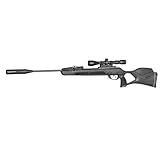
Repeatedly stopping to load a pellet can break concentration just as a steady shooting rhythm begins to settle in. The Gamo Swarm Magnum 10X GEN3i addresses that frustration with a 10-shot inertia-fed magazine, a gas-piston powerplant, adjustable trigger stages, and a recoil-reducing scope rail. Even so, it isn’t a shotgun and shouldn’t be presented as the best beginner shotgun for hunting. This is a high-powered .22-caliber break-barrel air rifle with its own handling demands, legal limits, and maintenance considerations.
Gamo Swarm Magnum GEN3i
The defining feature is the horizontal 10X GEN3i inertia-fed magazine. Each break-barrel cycle advances another pellet into position, removing the need to place a pellet into the breech by hand after every shot. That setup keeps the traditional break-barrel power cycle while making follow-up loading quicker and less fiddly. Ten shots still require ten full cocking strokes, though, so the magazine improves feeding rather than turning the rifle into a semiautomatic.
The manufacturer states a velocity of up to 1,300 feet per second with alloy .22-caliber pellets. That figure describes a maximum under particular ammunition conditions, not the speed every pellet will produce. Heavier lead pellets generally travel more slowly, while pellet shape, fit, and weight can influence consistency and point of impact. Raw velocity may grab attention, but repeatable grouping carries more practical value on paper or during any lawful field application.
The package includes the rifle, a 10X GEN3i magazine, a Gamo 3-9 scope, and a manual. Variable magnification gives more framing flexibility than a fixed-power optic, especially as target size and distance change. The included setup gets the rifle closer to range-ready, but pellets, eye protection, a suitable backstop, and any required maintenance supplies remain separate. Bundled convenience reduces initial guesswork without eliminating setup work.
Gas Piston Power And Cocking Behavior
Gamo’s IGT Mach1 system replaces a conventional coiled spring with an inert gas cylinder. The listed 33 mm cylinder is designed to deliver substantial power while avoiding some spring-related vibration and fatigue concerns. A gas piston can also remain cocked for short periods without the same spring-set concern associated with traditional designs, though the manual should govern safe handling. Gas-piston operation feels mechanically cleaner, but it doesn’t remove recoil or cocking effort.
Every shot still starts by breaking the barrel downward against the resistance of the powerplant. That motion loads the system, advances the magazine, and forces the shooter to rebuild the firing position afterward. A high-output gas piston may demand meaningful cocking force, particularly through a long practice session. Physical effort between shots is a real tradeoff for the rifle’s self-contained power source.
The break-barrel format needs deliberate barrel control from start to finish. A hand should maintain control while the action is open, and the barrel must return fully into its locked position before the rifle is shouldered. Rushing that sequence can damage equipment or cause injury, so the fast-loading magazine shouldn’t encourage careless cycling. Quick pellet feeding and safe cocking are separate matters.
Trigger, Scope Rail, And Shooting Control
The CAT trigger allows independent adjustment of the first and second stages. That gives more control over take-up and the point at which the shot breaks, helping the trigger feel less mysterious once it is set correctly. A predictable release can reduce last-second pulling or flinching, particularly with a powerful break-barrel rifle. Adjustable trigger feel is useful, but adjustments should stay within the manufacturer’s directions rather than becoming a trial-and-error project.
Spring and gas-piston air rifles can place unusual stress on scopes because their recoil cycle moves in more than one direction. The included Recoil Reducing Rail is intended to reduce the forces transferred to the optic and mounting system. That matters on a rifle with this level of stated power, where loose rings can create shifting groups and a wandering zero. Hardware still deserves regular inspection because a rail can reduce stress without making mounting screws immune to movement.
The supplied 3-9 scope offers adjustable magnification for broader target views at the lower setting and more visual detail at the higher setting. Higher power also magnifies wobble, breathing movement, and small inconsistencies in cheek placement. A clear image doesn’t automatically produce a clean group if the hold changes between shots. Optical flexibility helps most after a stable position and repeatable sight picture are established.
Noise Reduction And Realistic Expectations
Whisper Fusion is Gamo’s most extensive listed noise-dampening system for this model. It is designed to reduce muzzle report, which can make practice less disruptive than an otherwise similar unsuppressed air rifle. The system cannot make a high-powered .22-caliber gas-piston rifle silent, however. Reduced report should be understood as quieter operation, not permission to ignore neighbors, property boundaries, local discharge rules, or hearing protection considerations.
Mechanical noise also comes from the piston cycle, action, pellet impact, and target trap. A hard steel target or poorly padded backstop may sound sharper than the rifle itself, especially in a small yard or enclosed area. That means overall sound control depends on the shooting environment as much as the barrel technology. Backstop design and placement can influence perceived noise more than expected.
The .22 caliber trades some of the flatter trajectory associated with lighter .177 projectiles for a larger, heavier pellet. Pellet drop becomes increasingly relevant as distance grows, and different loads can produce noticeably different points of impact. The rifle should be zeroed with the exact pellet intended for regular use rather than mixed ammunition from several tins. Pellet consistency keeps scope adjustments meaningful.
Where The Magazine Helps And Where It Does Not
The 10-shot magazine removes the need to handle a loose pellet during each loading cycle. That’s convenient in cool weather, around a shooting bench, or anywhere tiny pellets tend to slip from the fingers and disappear into grass. The horizontal arrangement also keeps the feeding unit relatively close to the rifle’s action. Cleaner follow-up loading is the practical gain, not unrestricted rapid fire.
Magazine-fed break barrels introduce extra components compared with a basic single-shot breech. The magazine must be filled correctly, seated properly, and kept free of dirt or damaged pellets. A deformed skirt or poorly aligned pellet may interrupt feeding or affect accuracy, so hurried loading can cancel the system’s convenience. More moving parts mean more points that deserve inspection.
A spare magazine could reduce downtime during a long target session, but the provided description lists one 10X GEN3i magazine. The rifle remains usable only as intended with compatible ammunition and correctly functioning feeding components. From a practical angle, air rifles for squirrels represent a closely related category where local laws, humane energy requirements, pellet selection, and shot placement matter more than magazine capacity alone. Ten available shots never replace the need for one carefully judged shot.
Hunting Role And Keyword Mismatch
The phrase best beginner shotgun for hunting describes a firearm category built around shotshells, gauges, chokes, recoil management, and patterning. The Gamo Swarm Magnum fires individual .22-caliber pellets through a rifled barrel using a gas piston. Its magazine, scope, and projectile behavior have little in common with a hunting shotgun. Calling the two interchangeable would blur important differences in training and lawful use.
This air rifle may fit legal small-game or pest-control tasks where local regulations permit its caliber and power. Suitability depends on the species, distance, pellet, shot placement, property rules, and a safe path behind the target. A maximum velocity claim doesn’t establish humane capability by itself. Accuracy and legal authorization have to be confirmed before live-animal use enters the picture.
Shotgun skills also extend beyond what a scoped air rifle teaches. A shotgun may require pattern testing, moving-target leads, recoil management, shell selection, and safe operation of a pump, break-action, or semiautomatic mechanism. The Gamo can reinforce muzzle discipline, trigger control, and careful target identification, but those fundamentals don’t replace formal hunter education. Platform-specific instruction remains essential.
Ownership Strengths And Tradeoffs
The self-contained gas piston removes any need for CO2 cartridges or an external compressed-air tank. That simplifies storage and makes the rifle available whenever suitable pellets and a safe shooting area are ready. The 10-shot magazine also reduces loose-pellet handling, while the variable scope gives room to adjust the sight picture. Independent operation and faster loading are the clearest ownership strengths.
Power brings its own complications. Cocking effort, recoil, scope stress, noise, and sensitivity to hold technique may make this rifle less forgiving than a mild target model. A lighter or lower-powered air rifle can be easier for learning stance and trigger control without fighting the mechanism between shots. High output isn’t automatically beginner-friendly.
The five-year warranty adds some reassurance, and the rifle is listed as being made in Barcelona, Spain. Warranty coverage doesn’t eliminate the need to follow the manual, use compatible pellets, protect the seals, and keep mounting hardware secure. Unauthorized modifications or careless maintenance may create problems that proper ownership would have avoided. Long-term reliability depends partly on how the rifle is treated.
Maintenance And Safe Storage
The magazine, breech, barrel hinge, stock screws, rail, and scope mounts deserve periodic attention. Dust or damaged pellets can interfere with feeding, while loose hardware may shift the point of impact. Approved maintenance products should be used sparingly and only where the manufacturer directs. Routine inspection often prevents small annoyances from becoming puzzling accuracy failures.
A pellet-rated backstop is mandatory for any practice area. Hard flat surfaces, concrete, rocks, thin boards, and unprotected metal can cause ricochets or allow pellets to leave the intended area. Eye protection and control of the space around the target remain basic requirements. Safe containment matters even more with a rifle advertised at high velocity.
The rifle should stay unloaded, secured, and inaccessible to unauthorized hands during storage. Its realistic sporting profile may be mistaken for a firearm by anyone who sees it outside a controlled environment, so discreet transport in a suitable case is sensible. The muzzle stays directed safely, and the finger remains outside the trigger guard until a lawful target and secure background are confirmed. Disciplined handling has more practical value than any magazine, scope, or velocity figure printed on the package.