
Best Binocular Power for Alaska Cruise

Picking the best binocular power for Alaska cruise isn't just about magnification; it's about enhancing the whole experience of exploring rugged landscapes and untamed wildlife. Cruising along Alaska’s icy waters, passengers often dream of locking eyes on a breaching humpback, spotting a bald eagle perched on a cliff, or admiring the sheer majesty of towering glaciers. Without the right gear, these breathtaking moments can slip away in a blur. Choosing binoculars with the ideal power and lens size makes all the difference between a once-in-a-lifetime memory and a missed opportunity. Travelers on an Alaska cruise tend to juggle practical concerns with adventure-ready excitement. They need binoculars that balance clarity, stability, and comfort—too much magnification and the view shakes like a leaf, too little and those orcas become tiny specks. Add in the unpredictable weather, fog, and low light, and it’s clear why optical quality and durability matter just as much as zoom. Many cruise passengers are first-time binocular buyers. They crave simple, no-nonsense guidance that reassures them they’re making the right choice. Whether they’re standing on deck, bundled against the wind, or watching from their cabin balcony, the right binoculars amplify not just the sights but the emotions of the trip. With thoughtful advice on magnification ranges, lens coatings, and field of view, travelers can finally relax, knowing they’re equipped to soak in Alaska’s untamed beauty in all its detail.
Cruising the Alaskan coast is a feast for the senses—towering glaciers groaning as they calve, orcas slicing through frigid waters, and bald eagles gliding above pine forests. Yet, without the best binocular power for Alaska cruise, these moments risk becoming half-seen glimpses. For many travelers, the binocular question surfaces right after booking: what magnification actually works for icy fjords and restless seas? The truth is, binoculars are more than a travel accessory here—they're a gateway to the very heart of Alaska’s wilderness. The perfect set lets you admire wildlife with clarity while keeping the view stable enough for comfort. The wrong choice? Shaky images, eye strain, and frustration. That’s why it’s vital to weigh magnification power, lens size, and portability before you pack. Too much zoom, and you’ll struggle with motion from the ship; too little, and distant wildlife looks like a blur. Travelers who arm themselves with the right knowledge will find their journey transformed, every moment on deck elevated from mere sightseeing into an unforgettable personal encounter with nature.

- ARS Mark9.0
ARS Mark is a ranking system developed by bestairriflescopes.com. ARS Mark has no relationship or impact from any manufacturers or sales agent websites. Learn more
- Branddeesoo

- ARS Mark9.0
ARS Mark is a ranking system developed by bestairriflescopes.com. ARS Mark has no relationship or impact from any manufacturers or sales agent websites. Learn more
- BrandGIGAPENGUIN

- ARS Mark9.0
ARS Mark is a ranking system developed by bestairriflescopes.com. ARS Mark has no relationship or impact from any manufacturers or sales agent websites. Learn more
- BrandTinllaans

- ARS Mark9.0
ARS Mark is a ranking system developed by bestairriflescopes.com. ARS Mark has no relationship or impact from any manufacturers or sales agent websites. Learn more
- BrandTanaview

- ARS Mark8.8
ARS Mark is a ranking system developed by bestairriflescopes.com. ARS Mark has no relationship or impact from any manufacturers or sales agent websites. Learn more
- Brandoccer
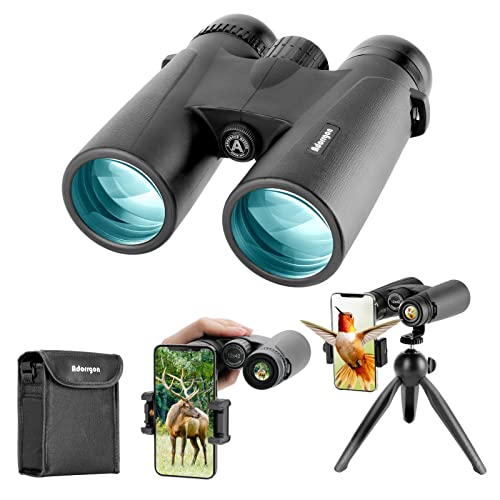
- ARS Mark8.8
ARS Mark is a ranking system developed by bestairriflescopes.com. ARS Mark has no relationship or impact from any manufacturers or sales agent websites. Learn more
- BrandAdorrgon

- ARS Mark8.8
ARS Mark is a ranking system developed by bestairriflescopes.com. ARS Mark has no relationship or impact from any manufacturers or sales agent websites. Learn more
- BrandVULNESS

- ARS Mark8.8
ARS Mark is a ranking system developed by bestairriflescopes.com. ARS Mark has no relationship or impact from any manufacturers or sales agent websites. Learn more
- BrandFLYANT

- ARS Mark8.4
ARS Mark is a ranking system developed by bestairriflescopes.com. ARS Mark has no relationship or impact from any manufacturers or sales agent websites. Learn more
- BrandJivcok
Last update on 2025-09-25 / Affiliate links / Images, Product Titles, and Product Highlights from Amazon Product Advertising API
An Alaska cruise is not just another vacation; it’s a journey into raw wilderness. Imagine spotting a humpback whale breaching in the distance, only to realize your binoculars can’t bring it close enough. That frustration is what many travelers fear. The best binocular power for Alaska cruise directly impacts whether you enjoy crisp views of glaciers, orcas, bald eagles, and bears, or end up squinting at blurry shapes. The difference between a good trip and a phenomenal one often lies in this single piece of gear.
For many passengers, the confusion starts with numbers—8x, 10x, 12x. Too much zoom makes images shaky, while too little feels underwhelming. The sweet spot for stability and clarity is usually between 8x and 10x magnification, offering both reach and balance. Beyond just magnification, the objective lens size plays a huge role in brightness, especially in Alaska’s dim, foggy mornings and late evenings. Choosing binoculars that marry the right power with the right lens size is the foundation for unforgettable viewing.
What makes the stakes higher is the fleeting nature of wildlife sightings. Whales surface for only seconds, bears may vanish into trees, and glaciers calve in the blink of an eye. If your binoculars aren’t up to the task, those moments become memories of missed opportunities. That’s why cruise travelers need advice tailored to Alaska—not general binocular shopping tips, but guidance that addresses weather, ship movement, and wildlife behavior unique to this region.
For first-time travelers, the fear of wasting money on the wrong pair is real. No one wants to lug heavy binoculars that don’t perform. That’s why focusing on practical insights like weight, waterproofing, and wide field of view makes decision-making easier. When chosen well, binoculars stop being a gadget and turn into a window to Alaska’s soul.
One of the biggest mistakes travelers make is assuming higher magnification is always better. On a moving cruise ship, stability is just as critical as zoom. Anything above 10x often magnifies the ship’s motion, creating a jittery image that quickly strains the eyes. That’s why most seasoned travelers recommend 8x to 10x binoculars for this type of journey.
Think of it like this: 8x magnification keeps things steady and wide, perfect for spotting flocks of seabirds or seals on the shore. On the other hand, 10x gives you a bit more reach for distant glaciers or whales without sacrificing too much stability. These ranges give you the best balance for both wildlife watching and landscape admiration.
The field of view is another important factor tied to magnification. Lower magnification typically means a wider field, letting you scan large sections of the horizon for movement. When a pod of dolphins suddenly appears, that wide field can be the difference between seeing them all or catching just one. Travelers often overlook this but later realize how valuable it becomes in the middle of the cruise.
Even professional guides stress that the joy of cruising comes from enjoying the scenery without frustration. A pair of binoculars that steadies your vision while offering detail is worth its weight in gold. This isn’t about bragging rights over magnification; it’s about comfort, usability, and maximizing your time outdoors.
If magnification is the headline act, the objective lens size is the supporting star that makes or breaks performance. In Alaska, light conditions are unpredictable—foggy mornings, dim sunsets, and cloudy days are the norm. That’s why binoculars with larger lenses (around 42mm) are recommended. They allow more light to enter, creating brighter, clearer images even when the skies are gray.
Consider this: a 10x42 binocular balances magnification with brightness, while an 8x42 offers wide views with even more stability. Both outperform compact models like 8x25 in Alaska’s often low-light conditions. Those smaller ones may be fine for city use but leave travelers disappointed in the wilderness.
Another overlooked factor is lens coatings. Fully multi-coated optics improve light transmission, reduce glare, and enhance contrast. When you’re staring at a glacier’s shimmering blue, you want every detail to pop, not be dulled by poor optics. A well-coated lens makes you feel like nature is presenting its show just for you.
Weight is the trade-off. Larger lenses mean heavier binoculars, which can feel cumbersome during long deck sessions. However, most travelers agree that the added clarity far outweighs the slight inconvenience. For those truly concerned about weight, a comfortable neck strap or harness often solves the problem.
Alaska’s environment is not kind to fragile equipment. Sea spray, rain, and fog roll in unannounced, and travelers who skimp on durability often regret it. That’s why choosing binoculars with waterproof and fog-proof construction is essential. Nitrogen purged and O-ring sealed models keep internal lenses clear, even when temperatures fluctuate between cold mornings and warmer afternoons.
Durability goes beyond weather resistance. Cruise passengers often move between decks, cabins, and excursions on shore, which increases the risk of drops and bumps. A rubber-armored body protects against shocks and provides a firm grip even when your hands are cold or wet. These little details prevent your investment from becoming useless mid-trip.
Think of binoculars as companions rather than tools. You want something that withstands both the misty fjords and the salty breeze without requiring constant babying. That’s why durability should rank just as high as optical performance. After all, the most powerful binoculars are useless if they fog up the moment a whale breaches.
Seasoned cruisers often share stories of people regretting not investing in waterproof gear. Missing an entire glacier calving because of fogged lenses is a pain no traveler should endure. By prioritizing rugged construction, water resistance, and fog-proofing, you’ll ensure your binoculars survive every mile of the journey.
Even the best optics are worthless if they’re uncomfortable to use. Long hours on deck scanning for wildlife can lead to fatigue if your binoculars aren’t designed for comfort. That’s why eye relief, adjustable eyecups, and weight distribution matter more than most people realize.
For travelers who wear glasses, longer eye relief (around 15mm or more) ensures they can see the full field of view without straining. Adjustable eyecups add flexibility, letting you customize the fit whether you’re wearing glasses or not. These features prevent sore eyes and keep you focused on the scenery instead of fiddling with your gear.
Weight and ergonomics are equally crucial. Binoculars that feel too heavy or awkward can cut short viewing sessions. A lightweight pair with a balanced body design allows you to enjoy long stretches of whale watching without discomfort. It’s not just about what you see—it’s about how long you can comfortably keep watching.
Small touches like a smooth central focus wheel or textured grip can make a huge difference. They allow quick adjustments when that once-in-a-lifetime sighting happens. The right comfort features transform binoculars from just another piece of equipment into a natural extension of your cruise experience.
Many first-time travelers on an Alaska cruise think smaller binoculars are always easier. While it’s true that compact models slip into a jacket pocket, they often sacrifice brightness, field of view, and comfort. In Alaska’s ever-changing light, that trade-off can feel disappointing when the scenery looks dim or unclear. That’s why it’s important to balance portability with optical performance rather than chasing size alone.
Mid-sized binoculars, especially those in the 8x32 or 10x32 range, offer a practical compromise. They’re lighter than full 42mm versions yet still deliver clearer images than pocket-sized 25mm models. For cruisers who plan to split their time between deck and on-shore excursions, these mid-sized options can be ideal. They don’t weigh you down, but they still provide enough brightness to make those glaciers shine.
Another key factor is carrying comfort. A padded neck strap or chest harness can make even heavier binoculars feel manageable for long viewing sessions. Travelers often overlook these accessories, but they dramatically improve the experience. Think of them as part of your binocular package, not optional extras.
The goal isn’t just to pack light but to ensure you’re packing smart. Binoculars that balance weight, clarity, and usability will always outperform ultra-light options that compromise too much on visual quality. In the wilds of Alaska, performance should never take a back seat to convenience.
One of the least understood yet most critical aspects of binoculars is the field of view. Simply put, this determines how wide an area you can see through your lenses. On an Alaska cruise, a wider field of view helps you track moving wildlife, scan sweeping glaciers, and follow birds in flight with ease.
Binoculars in the 8x range usually provide a wider field, making them excellent for beginners or anyone who enjoys scanning large landscapes. This is especially useful when watching whales, as you’ll spot them surfacing across different sections of water without constantly adjusting your aim. The more area you see at once, the less chance you’ll miss fleeting action.
By contrast, higher magnification often narrows the field of view. While this might seem like a fair trade for more detail, it can make it harder to track animals that move quickly or unpredictably. That’s why many experts advise balancing magnification and field width instead of focusing on one alone.
A wide field doesn’t just help with wildlife; it also enhances the overall sense of immersion. Looking out over vast fjords and snowy peaks feels more natural when your binoculars don’t limit your view. In many ways, the field of view sets the stage for how memorable your visual experience becomes.
Choosing the best binocular power for Alaska cruise can feel overwhelming for newcomers. With endless models and technical jargon, it’s easy to get lost. That’s why practical tips tailored to cruise conditions are so valuable. They help cut through the noise and ensure you make a confident decision.
Start by setting a clear budget. High-quality binoculars don’t have to break the bank, but avoiding rock-bottom prices is wise. Cheap models often lack proper coatings, waterproofing, or durability—all essentials in Alaska’s challenging climate. Spending a bit more upfront ensures your binoculars last beyond one trip.
Next, test for comfort if possible. Hold the binoculars, adjust the focus, and check whether they fit your eyes comfortably. A pair that feels awkward in your hands will only grow more irritating during long hours of use. Ergonomics and ease of handling are just as important as magnification stats.
Finally, consider warranties and customer support. Many reputable brands back their binoculars with long-term guarantees, reflecting their confidence in durability. For travelers investing in an unforgettable journey, that peace of mind is worth its weight in gold.
product_cta:
An Alaska cruise isn’t limited to the ship’s deck. Shore excursions often take travelers into national parks, wildlife refuges, and remote fishing villages. Having binoculars that perform well both onboard and on land ensures you never miss a moment.
Onboard, stability matters most. A moving ship exaggerates even small hand shakes, so binoculars in the 8x to 10x magnification range shine here. On shore, you’ll appreciate higher clarity for spotting distant mountain goats or brown bears from a safe distance. The same pair of binoculars can work well in both settings if you’ve chosen wisely.
Another tip is to keep your binoculars readily accessible. Wildlife doesn’t wait—whales breach without warning, and bald eagles swoop down in seconds. Keeping binoculars hanging on a strap instead of buried in a bag makes all the difference. Quick access often separates those who capture magical moments from those who miss them.
Lastly, remember to practice using your binoculars before the cruise begins. Learning to focus quickly, adjust eyecups, and track moving objects at home builds confidence. When the trip starts, you’ll be ready to fully enjoy the sights, sounds, and emotions Alaska delivers.
Selecting the best binocular power for Alaska cruise is about more than specs—it’s about elevating your entire adventure. The right choice means sharper views, steadier images, and deeper connections with nature. The wrong choice means frustration and missed opportunities.
By focusing on magnification, lens size, field of view, durability, and comfort, travelers can find a pair that fits their needs perfectly. These aren’t just technical features; they’re solutions to real challenges faced on the ship and in Alaska’s rugged outdoors.
Every traveler’s needs are slightly different. Some prioritize lightweight portability, while others won’t compromise on brightness. What unites everyone, though, is the desire to experience Alaska’s grandeur in the clearest, most meaningful way possible.
So, before you set sail, equip yourself with binoculars that make every glacier gleam and every whale leap unforgettable. With the right gear in hand, you’ll not only see Alaska—you’ll feel it.


12 Best 22 Pcp Air Rifle For Hunting of 2026 With Quiet Power

7 Best 22 Pcp Air Rifle Under 300 of 2026 For Backyard Pest Control

10 Best 22 Break Barrel Air Rifles of 2026 For Backyard Pest Control

10 Best 30 Caliber Pcp Air Rifle of 2026 For Medium Game

Top Best 177 Air Rifle Under 100: Budget-Friendly Picks for 2026

How to Safely Reload Shotgun Shells at Home

11 Best Co2 Air Rifle For Pest Control of 2026 To Ensure Humane Dispatch

12 Best Inexpensive Air Rifles of 2026 For Dependable Backyard Accuracy






