
Best Binocular Power for Deer Hunting

Choosing the best binocular power for deer hunting is more than just picking numbers on a lens—it’s about maximizing clarity, field of view, and comfort in real hunting situations. Many hunters struggle with binoculars that either zoom in too much, making the image shaky, or not enough, leaving them squinting at distant shapes in the woods. The ideal magnification usually balances detail and stability, ensuring you can track deer at dawn, in thick brush, or across an open field. Too much magnification makes spotting difficult, while too little can limit your range. That’s why most seasoned hunters often rely on the sweet spot of 8x to 10x power. These options provide crisp detail without sacrificing steadiness, allowing hunters to scan a wide area quickly and lock in on movement. Equally important is the objective lens size—larger lenses bring in more light, crucial during low-light conditions when deer are most active. A wide field of view means you won’t miss movement along the edges, while lightweight construction ensures you can carry them through long treks without strain. With the right binoculars, every rustle of leaves or flick of a tail can be caught before it slips into the shadows. For hunters aiming to improve their success rate, understanding how binocular power directly influences performance is key. From seasoned hunters refining their gear to beginners searching for the right setup, having the right binocular power isn’t just helpful—it’s the difference between guessing and knowing.
For hunters, nothing feels worse than spotting movement in the woods only to lose sight of it because your optics weren’t up to the job. That’s why the best binocular power for deer hunting matters more than most people realize. Deer are cautious, often moving during the earliest and latest hours of the day, when light is weakest. A pair of binoculars that’s too weak won’t pick them out in the shadows, while one that’s too strong may shake with every heartbeat or hand movement. The right magnification strikes a balance: detailed enough to see antlers through the brush, but steady enough to use without a tripod. Many hunters swear by the middle ground—something around 8x or 10x power—because it offers the perfect mix of stability and sharpness. It’s not just about magnification either; brightness, clarity, and field of view all play their part. In deer hunting, every edge counts, and choosing the right binocular power could be the quiet advantage that turns an ordinary day in the woods into a successful one.
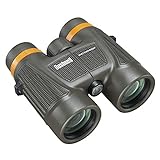
- ARS Mark9.4
ARS Mark is a ranking system developed by bestairriflescopes.com. ARS Mark has no relationship or impact from any manufacturers or sales agent websites. Learn more
- BrandBushnell

- ARS Mark9.4
ARS Mark is a ranking system developed by bestairriflescopes.com. ARS Mark has no relationship or impact from any manufacturers or sales agent websites. Learn more
- BrandLeacco

- ARS Mark9.2
ARS Mark is a ranking system developed by bestairriflescopes.com. ARS Mark has no relationship or impact from any manufacturers or sales agent websites. Learn more
- BrandBushnell

- ARS Mark9.0
ARS Mark is a ranking system developed by bestairriflescopes.com. ARS Mark has no relationship or impact from any manufacturers or sales agent websites. Learn more
- BrandGIGAPENGUIN

- ARS Mark9.0
ARS Mark is a ranking system developed by bestairriflescopes.com. ARS Mark has no relationship or impact from any manufacturers or sales agent websites. Learn more
- Branddeesoo

- ARS Mark8.8
ARS Mark is a ranking system developed by bestairriflescopes.com. ARS Mark has no relationship or impact from any manufacturers or sales agent websites. Learn more
- BrandFLYANT

- ARS Mark8.8
ARS Mark is a ranking system developed by bestairriflescopes.com. ARS Mark has no relationship or impact from any manufacturers or sales agent websites. Learn more
- BrandAdasion
Last update on 2025-09-25 / Affiliate links / Images, Product Titles, and Product Highlights from Amazon Product Advertising API
Every hunter knows the frustration of spotting movement in the brush, only to realize the optics aren’t pulling in enough detail. The best binocular power for deer hunting isn’t a random choice—it’s the silent partner that separates an empty-handed walk from a successful hunt. Many hunters complain about shaky images with high magnification or missing crucial movement because their view was too narrow. That’s why the balance between magnification and stability is a make-or-break factor.
Clarity in low light is another pressing issue. Deer are most active at dawn and dusk, so hunters need optics that can gather light effectively without weighing down the pack. The wrong power can force you into uncomfortable positions, straining your eyes and ultimately missing opportunities. By zeroing in on the right binocular setup, hunters solve the age-old problem of whether to sacrifice detail for steadiness or vice versa.
Experts often recommend 8x to 10x magnification because it provides a sweet spot between range and ease of use. An 8x power keeps images stable, while a 10x power gives a bit more detail for long-range spotting. Choosing wisely can mean clearly identifying antlers through brush instead of second-guessing whether that’s a branch or the buck of the season.
The importance of comfort shouldn’t be overlooked either. Binoculars that are too heavy or awkward quickly become dead weight, especially on long treks. Hunters need gear that works with them, not against them, and the right binocular power reduces both eye strain and fatigue.
Magnification is the first factor hunters obsess over, but it’s often misunderstood. The best binocular power for deer hunting isn’t about going as high as possible. While 12x or 15x binoculars may sound appealing, they often deliver a shaky, narrow view unless mounted on a tripod—something few hunters want to carry through rough terrain.
Lower magnification, like 8x, provides a wider field of view and greater image stability. This makes it easier to scan fields or track a deer moving through timber. A wider field means you catch more of the action, and stability means you won’t lose sight every time you breathe. These are practical benefits that directly increase your odds of success.
Meanwhile, 10x magnification is ideal for hunters who need a touch more detail in open country or when glassing across ridges. Yes, it requires a steadier hand, but the trade-off often pays dividends in spotting deer before they spot you. This explains why many seasoned hunters carry 10x binoculars when hunting western terrain.
Ultimately, the best magnification is the one that fits your hunting environment. Woodland hunters may benefit from 8x, while open field hunters lean toward 10x. Instead of chasing big numbers, hunters should focus on choosing the power that balances field of view, steadiness, and clarity in their specific environment.
Ask a group of hunters about binoculars, and you’ll often hear endless talk about magnification—but fewer mention field of view, even though it’s just as important. Field of view determines how much of the scene you can see without moving your optics. A narrow view can mean missing deer slipping along the edges, while a wide view helps spot subtle movements.
An 8x binocular often provides a wider field of view than a 10x, which makes it especially valuable in dense forests. Imagine scanning a stand of trees at dawn: with a wider view, you catch a flick of an ear or the twitch of a tail that higher magnification might miss. These little details are the difference between filling your tag or going home empty-handed.
Hunters often underestimate how tiring constant glassing can be. A wider field of view allows the eyes to relax and prevents tunnel vision, which not only improves spotting but also enhances overall enjoyment. More comfort means more patience, and patience often leads to success.
In open terrain, a slightly narrower field of view with higher magnification may still be useful. However, hunters need to carefully weigh whether those extra details are worth the trade-off. At the end of the day, binocular power should be paired with field of view to create a reliable hunting tool.
Most hunters know that deer don’t stroll out at midday under the blazing sun. They move at the edges of daylight, when shadows stretch long and visibility drops. That’s why the best binocular power for deer hunting isn’t just about magnification; it’s about how well the lenses gather light.
Objective lens size plays a big role here. Larger lenses let in more light, producing brighter images at dawn or dusk. A 42mm lens paired with 8x or 10x power is a common favorite because it strikes a balance between brightness and portability. Hunters don’t want to lug around oversized glass, but they also can’t afford dim images when it counts the most.
Coating technology on lenses also enhances low light performance. Fully multi-coated optics maximize light transmission, giving hunters the edge in those final few minutes of legal shooting light. Missing a shot because of poor clarity is a mistake no hunter wants to repeat.
Many hunters find that low light capability directly affects their confidence. Knowing your optics can handle tough lighting conditions lets you focus on strategy, not second-guessing whether you’ll be able to see. And that confidence often translates to more successful hunts.
No matter how powerful the optics, if they’re a pain to carry, they’ll end up left behind. The best binocular power for deer hunting must also be practical, meaning light enough to carry for hours yet durable enough to survive rough handling. Hunters often underestimate how much gear fatigue wears down their focus.
Binoculars in the 8x42 or 10x42 range are popular because they balance performance with manageable size. A compact design prevents them from swinging around and getting in the way when climbing into tree stands or crawling through brush. That’s a huge benefit when you’re already carrying a rifle, pack, and other gear.
Eye relief is another overlooked comfort factor. Hunters who wear glasses or spend long hours glassing need binoculars that won’t strain their vision. The right pair will allow for relaxed viewing, reducing the risk of headaches or missed opportunities.
Practicality also extends to durability. Waterproofing, fog-proofing, and rugged construction are critical features for hunting in unpredictable conditions. After all, deer season doesn’t stop for rain, and neither should your gear. Durable, comfortable binoculars ensure hunters stay sharp and ready no matter the situation.
The landscape dictates everything in deer hunting, and binoculars are no exception. In dense woodland, a wider field of view matters more than raw magnification. That’s why 8x binoculars often outperform higher-powered options in the thick stuff. Being able to quickly pick up movement through layers of brush gives hunters a significant edge.
In contrast, wide-open prairies and rolling hills demand more detail at distance. Here, 10x binoculars shine, offering greater reach and clarity when scanning across valleys. Hunters in these terrains often trade a bit of stability for detail, relying on steadier hands or occasional rests against a tree. This shows how the best binocular power for deer hunting is never one-size-fits-all but adapts to the environment.
Swampy or mixed terrain presents its own challenges. A balance of stability, brightness, and magnification helps hunters adapt to unpredictable sightlines. With ever-changing backdrops, binoculars that can perform across multiple scenarios become indispensable.
Magnification grabs attention, but lens size and exit pupil quietly dictate overall performance. A 42mm objective lens paired with 8x or 10x power creates a 5.25mm or 4.2mm exit pupil—perfect for letting enough light hit your eyes during low-light hunts. This translates to brighter images when deer are most active.
Too small an exit pupil forces hunters to strain their vision, especially in fading light. On the other hand, oversized lenses like 56mm offer more brightness but add unnecessary bulk. Hunters must balance light-gathering ability with portability, and that’s why 42mm is such a popular choice.
Eye relief also plays a major role in comfort. Hunters who wear glasses need sufficient distance between the lens and eye to avoid black spots in the view. Without proper eye relief, even the best magnification becomes frustrating. This small detail often determines whether binoculars feel effortless or exhausting to use.
Choosing the right combination of lens size, exit pupil, and eye relief ensures hunters get the full benefits of their chosen power without compromise.
Hunting is rough on gear. Rain, mud, fog, and even accidental drops are part of the journey. That’s why the best binocular power for deer hunting must also come wrapped in rugged durability. Hunters can’t risk optics that fail halfway through a season.
Waterproof and fog-proof designs are essential. Binoculars with nitrogen or argon purging prevent internal fogging, keeping the view clear when temperatures shift. Rubber armor adds shock resistance and makes the grip more secure in wet conditions. These protective features directly translate to reliability when the hunt gets tough.
Durability also means longevity. Spending money on a pair that survives multiple seasons is better than replacing cheap optics every year. Hunters value tools they can trust season after season, and high-quality construction is a key factor in that trust.
Ultimately, ruggedness and weatherproofing are not luxuries—they’re necessities. In the unpredictable world of hunting, reliable gear is the foundation of confidence.
product_cta:
Price often divides hunters, but focusing solely on cost can backfire. The value of binoculars lies in how well they meet hunting needs, not just the number on the tag. Budget optics may work in perfect conditions, but they often fail under pressure—dim views at dusk, fragile builds, or eye strain after prolonged use.
Mid-range binoculars typically offer the best balance of performance and affordability. Many provide clear optics, durable construction, and comfortable designs without breaking the bank. For most hunters, this is where the sweet spot lies.
High-end models, while more expensive, deliver exceptional clarity, top-tier coatings, and unmatched low-light performance. These features make a noticeable difference for hunters who push their gear in extreme conditions. The investment pays off when those last few minutes of light reveal the deer you’ve been waiting for.
Hunters must weigh long-term value against short-term savings. Spending wisely once often costs less than replacing cheap gear multiple times. It’s not about buying the most expensive option—it’s about finding optics that deliver consistent results in the field.
The final step is applying all the knowledge to real-world choices. First, hunters should match binocular power to terrain—8x for forests, 10x for open country. Next, they should prioritize comfort features like weight, grip, and eye relief, ensuring they can glass for long periods without fatigue.
Testing binoculars before buying is another smart move. Holding them in hand, checking stability, and comparing brightness can prevent regret later. Experienced hunters often advise comparing two models side by side at dusk—the results speak louder than specs.
Don’t forget to consider accessories. A good harness distributes weight better than a neck strap, reducing strain on long hunts. Lens covers and cleaning kits also preserve clarity and extend the life of your gear. These small details often elevate the hunting experience.
Finally, hunters should view binoculars as part of a system. The best binocular power for deer hunting works in harmony with rifles, scopes, and personal skill. Choosing wisely means more than just filling a tag—it enhances every moment spent in the woods.


12 Best 22 Pcp Air Rifle For Hunting of 2026 With Quiet Power

7 Best 22 Pcp Air Rifle Under 300 of 2026 For Backyard Pest Control

10 Best 22 Break Barrel Air Rifles of 2026 For Backyard Pest Control

10 Best 30 Caliber Pcp Air Rifle of 2026 For Medium Game

Top Best 177 Air Rifle Under 100: Budget-Friendly Picks for 2026

How to Safely Reload Shotgun Shells at Home

11 Best Co2 Air Rifle For Pest Control of 2026 To Ensure Humane Dispatch

12 Best Inexpensive Air Rifles of 2026 For Dependable Backyard Accuracy






