
Best Binocular Power for Hunting: Clarity Meets Precision

Choosing the best binocular power for hunting isn’t just a technical detail; it’s the difference between spotting a trophy buck at dawn or watching it slip away unseen. Hunters often wrestle with questions: “Is higher magnification always better?” or “Will lightweight binoculars compromise clarity?” The truth is, balance is everything. Too much power, and the image shakes with every heartbeat. Too little, and you’ll struggle to make out details at distance. That’s why understanding the sweet spot in binocular magnification is crucial for hunters who want to enhance precision without dragging extra weight into the field. For many, 8x or 10x magnification provides the optimal blend of steadiness and clarity, giving hunters both a wide field of view and enough zoom to identify game. Add to that the role of lens diameter, light transmission, and rugged build, and the choice becomes less about buying gear and more about building trust in the equipment that supports every hunt. Hunters value tools that work in low light, survive rough terrain, and reduce fatigue over long glassing sessions. The right pair of binoculars isn’t just a gadget; it’s a partner in pursuit, a silent edge in moments where hesitation can cost the prize. By focusing on the best binocular power for hunting, you’re not just fine-tuning vision—you’re stacking the odds in your favor. Every hunter deserves that confidence when the landscape stretches wide, the light fades, and the target blends with shadows. This guide captures those insights, helping hunters select binoculars that match their terrain, prey, and personal style.
For hunters, few tools are as personal as a trusted pair of binoculars. They hang at the ready, light enough to carry all day yet powerful enough to reveal movement where the naked eye falls short. The best binocular power for hunting is rarely about the flashiest numbers or the highest magnification; instead, it’s about a thoughtful balance that matches the hunter’s environment and goals. A whitetail in dense woods demands a wider field of view, while elk across an open ridge beg for stronger magnification and crisp detail. Too often, hunters find themselves frustrated—either straining their eyes through shaky high-power lenses or feeling underprepared with binoculars that don’t bring game close enough. That’s where choosing wisely makes the hunt smoother, less tiring, and far more rewarding. A steady 8x or versatile 10x magnification often hits the sweet spot, providing the clarity, stability, and range that hunters need when the stakes are high. More than numbers, the best binocular power for hunting is about building trust in your vision. It’s the calm assurance that when shadows stretch at dusk or the landscape opens wide, your gear won’t let you down. With the right binoculars in hand, hunters can focus less on squinting and more on the thrill of the chase.
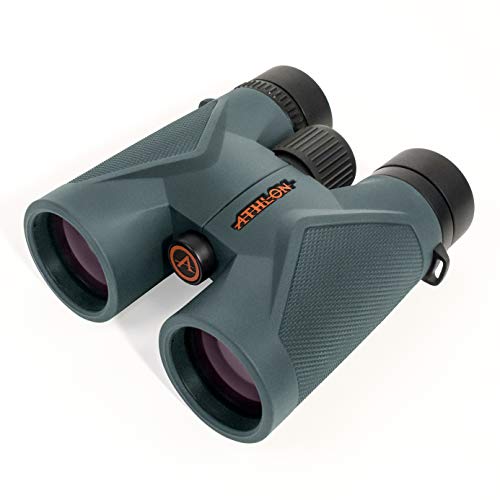
- ARS Mark9.6
ARS Mark is a ranking system developed by bestairriflescopes.com. ARS Mark has no relationship or impact from any manufacturers or sales agent websites. Learn more
- BrandAthlon Optics
- ARS Mark9.4
ARS Mark is a ranking system developed by bestairriflescopes.com. ARS Mark has no relationship or impact from any manufacturers or sales agent websites. Learn more
- BrandBushnell

- ARS Mark9.4
ARS Mark is a ranking system developed by bestairriflescopes.com. ARS Mark has no relationship or impact from any manufacturers or sales agent websites. Learn more
- BrandLeacco
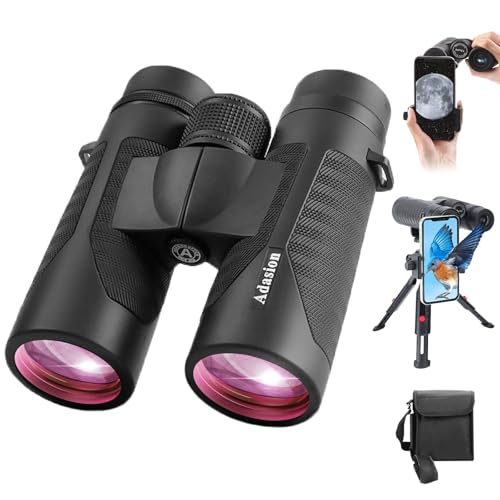
- ARS Mark9.2
ARS Mark is a ranking system developed by bestairriflescopes.com. ARS Mark has no relationship or impact from any manufacturers or sales agent websites. Learn more
- BrandAdasion

- ARS Mark9.2
ARS Mark is a ranking system developed by bestairriflescopes.com. ARS Mark has no relationship or impact from any manufacturers or sales agent websites. Learn more
- BrandBushnell

- ARS Mark9.2
ARS Mark is a ranking system developed by bestairriflescopes.com. ARS Mark has no relationship or impact from any manufacturers or sales agent websites. Learn more
- BrandIBQ

- ARS Mark9.0
ARS Mark is a ranking system developed by bestairriflescopes.com. ARS Mark has no relationship or impact from any manufacturers or sales agent websites. Learn more
- BrandGIGAPENGUIN

- ARS Mark8.8
ARS Mark is a ranking system developed by bestairriflescopes.com. ARS Mark has no relationship or impact from any manufacturers or sales agent websites. Learn more
- BrandFLYANT

- ARS Mark8.8
ARS Mark is a ranking system developed by bestairriflescopes.com. ARS Mark has no relationship or impact from any manufacturers or sales agent websites. Learn more
- Brandoccer

- ARS Mark8.8
ARS Mark is a ranking system developed by bestairriflescopes.com. ARS Mark has no relationship or impact from any manufacturers or sales agent websites. Learn more
- BrandWOZEL
Last update on 2025-09-23 / Affiliate links / Images, Product Titles, and Product Highlights from Amazon Product Advertising API
For many hunters, the best binocular power for hunting is not about chasing the biggest magnification number—it’s about balance. High magnification may seem tempting, but every extra level brings a trade-off between clarity and steadiness. Hunters who carry 12x or 15x binoculars often struggle with shaky images unless they use a tripod. On the other hand, those with 8x binoculars enjoy steadier views but sometimes feel shortchanged in long-range detail. The frustration of missing game due to either too much shake or too little zoom is real, and it underscores the importance of choosing wisely.
A well-chosen binocular isn’t just a tool—it’s an ally. The clarity, steadiness, and field of view all work together to shape a hunter’s experience. A lens that’s too powerful may fatigue your eyes during long glassing sessions, while a weaker one might fail in open country where detail matters most. This is why many experts recommend 8x or 10x as the sweet spot, where both steadiness and reach align. Hunters who know their environment can adjust accordingly, but for the majority, staying within this range ensures consistent performance.
It’s not just about game spotting; it’s about confidence. A hunter equipped with the right binocular power feels more prepared, less stressed, and more in control. Instead of second-guessing whether they’ll miss movement in the brush or lose stability when zoomed in, they can focus on the hunt itself. This confidence translates directly into better results, fewer missed opportunities, and a stronger connection to the environment.
The takeaway is simple: too much magnification isn’t always better, and too little can leave you short. By aiming for balance, hunters create a smoother, more efficient experience. This is the first step in making binoculars a reliable partner rather than a frustrating burden.
Among the countless magnification options, two dominate: 8x and 10x binoculars. Each has unique strengths that appeal to different hunting styles, and knowing these strengths can save hunters from making costly mistakes. For those who spend time in dense forests or rugged hills, 8x magnification is often ideal. It offers a wider field of view, steadier hand-held images, and less eye strain during extended glassing. In contrast, 10x binoculars give hunters the edge when spotting game across plains or valleys, thanks to their stronger reach and finer detail resolution.
The key difference lies in usability. An 8x binocular reduces hand shake, which can make spotting movement in brush easier and less stressful. A 10x binocular, while powerful, demands steadier hands and sometimes a rest on a tree or shooting stick for prolonged use. That’s why many seasoned hunters carry 10x for open country but switch to 8x in wooded terrain. Matching the tool to the terrain is one of the smartest strategies any hunter can adopt.
Numbers alone don’t tell the whole story. Consider field of view: 8x binoculars typically offer around 400 feet at 1,000 yards, while 10x binoculars narrow that to about 330 feet. That difference can mean catching a deer stepping out from the treeline or missing it altogether. A broader field of view allows hunters to scan efficiently, which is invaluable in fast-moving situations. Meanwhile, the extra reach of 10x helps when judging antlers or identifying targets at longer ranges.
Hunters often face the question: “Which is better?” The answer is that both can be right, depending on needs. Choosing between 8x and 10x binoculars is less about superiority and more about fit. Terrain, game type, and personal stability should guide the decision—not just the magnification number stamped on the box.
Magnification grabs the headlines, but field of view and stability are just as critical. Hunters who chase the highest power often overlook these factors and pay the price in missed chances. A narrow field of view forces hunters to pan more frequently, which slows scanning and increases fatigue. Worse, excessive magnification amplifies natural hand tremors, making targets blur or vanish altogether. This is why the best binocular power for hunting must balance power with control.
A wide field of view is especially useful in wooded areas where game moves quickly. Imagine glassing through dense brush—an 8x binocular gives you a broader slice of the world, making it easier to track movement. By contrast, 12x binoculars might zoom in closer, but they also cut down your visible area, forcing you to move more and risk missing subtle signs of life. That wider perspective can be the difference between spotting a flicking ear and walking past unseen deer.
Stability is equally important. Hunters who spend hours glassing from ridges or valleys quickly learn that shaky images are exhausting. Even slight tremors get magnified at higher powers, leading to eye strain and missed details. A balanced 8x or 10x model is more forgiving, keeping the image steady even when fatigue sets in. This not only improves accuracy but also preserves energy for the long hunt ahead.
In practical terms, choosing a binocular with an ideal field of view and stability ensures smoother hunts. It saves time, reduces frustration, and maximizes efficiency. Hunters who prioritize these features often find that their hunts feel less chaotic and more rewarding. After all, the goal is not just seeing further but seeing clearly and comfortably.
Hunting rarely happens under perfect daylight. Dawn and dusk—prime times for spotting game—are low light conditions where binocular performance gets truly tested. The best binocular power for hunting in these scenarios is not just about magnification but also about lens size and light transmission. A large objective lens, paired with coatings that maximize brightness, makes it easier to spot details in dim light. This is why many hunters swear by 42mm lenses paired with 8x or 10x power.
Low light conditions amplify weaknesses in gear. High magnification without adequate lens diameter leads to dark, washed-out images. Hunters then strain their eyes, trying to make sense of shadows, which is both tiring and risky. By contrast, a well-balanced binocular with excellent light transmission gives clear, bright images that reveal movement even when the landscape is cloaked in shade. This clarity builds confidence, allowing hunters to take decisive actions.
Consider this: the human eye’s pupil dilates to about 5mm in low light. A binocular with an exit pupil smaller than this won’t fully utilize available light. For example, 8x42 binoculars produce a 5.25mm exit pupil, which perfectly matches the eye’s ability in dim conditions. That’s why they’re a favorite among hunters who know their quarry moves most at dawn or dusk.
By prioritizing binoculars that excel in low light, hunters solve a critical problem: staying effective during the hours when game is most active. A bright, sharp image ensures fewer missed chances and a higher likelihood of spotting game before it spots you. This is where the right power and lens combination shines brightest.
A hunter’s gear takes a beating. Rain, mud, drops, and endless miles on foot test every piece of equipment. That’s why durability and weight matter just as much as magnification. A high-powered binocular that’s too heavy becomes a burden after hours of trekking, while a fragile pair risks breaking when the hunt gets rough. The best binocular power for hunting means nothing if the tool itself can’t withstand the environment.
Hunters often overlook the role of weight until it’s too late. Carrying a pound around your neck for ten hours doesn’t seem daunting at first, but it adds up. Fatigue sets in, shoulders ache, and reaction times slow. This is where choosing a lighter 8x or 10x model pays dividends. Compact designs keep hunters nimble without compromising performance.
Durability is equally critical. Waterproofing, fog-proofing, and shock resistance aren’t luxuries—they’re survival features. A sudden rainstorm shouldn’t end a hunt, and fogged lenses shouldn’t block a perfect shot opportunity. Hunters who invest in rugged, well-built binoculars find that their gear lasts season after season, reducing long-term costs and frustrations.
Ultimately, hunters who value durability and weight enjoy more consistent results. They spend less time worrying about gear failure and more time focusing on the hunt. The right balance ensures that binoculars remain a reliable partner, even when the environment throws its worst challenges.
The best binocular power for hunting depends heavily on where you’re going to use them. A hunter chasing whitetails in dense hardwoods doesn’t need the same magnification as someone glassing mule deer across open prairies. In thick cover, 8x binoculars shine because they give a wide field of view and let you pick up subtle movement quickly. In contrast, wide-open landscapes reward 10x binoculars with their ability to pull in fine details from long distances.
Terrain dictates more than just power—it influences your comfort and efficiency. For example, mountain hunters often choose lighter 8x models because weight becomes a major factor when climbing ridges. Plains hunters, on the other hand, prioritize the extra reach of 10x to judge animals from a mile away. This flexibility explains why there isn’t a one-size-fits-all answer. Hunters who think about where they spend most of their time can align their optics with the environment, improving results.
Another factor is movement. Game in wooded areas rarely stays still for long, which makes tracking easier with a broader field of view. By contrast, spotting bedded elk across open valleys demands magnification that makes fine antler details clear. Matching binoculars to these conditions prevents the frustration of either too much or too little power.
In short, hunters who consider terrain, movement, and environment when choosing magnification enjoy better hunts. They see more, miss less, and avoid the fatigue that comes from forcing gear into situations it wasn’t meant for.
Budget is always in play. Many hunters believe they must spend thousands to get the best binocular power for hunting, but that’s not entirely true. High-end glass certainly offers brighter images, sharper edges, and more rugged builds. However, for many hunters, mid-range binoculars strike a perfect balance between cost and performance. The key lies in knowing which features matter most.
For example, coatings that improve light transmission are far more valuable than extra magnification. Similarly, robust waterproofing often trumps minor differences in field of view. Hunters who prioritize durability and clarity over bells and whistles get more value for their money. They can invest in gear that performs reliably without breaking the bank.
On the flip side, cheap binoculars often compromise in critical areas like lens coatings and alignment. This leads to eye strain, blurred images, and frustration in the field. Saving money upfront can cost you the hunt later, which is why seasoned hunters often recommend buying the best you can reasonably afford.
By balancing price with essential features, hunters find optics that elevate their experience. This thoughtful approach ensures confidence without regret, making every dollar count toward reliable performance.
product_cta:
Even experienced hunters stumble when choosing binoculars. One of the most common mistakes is assuming higher magnification is always better. While 12x or 15x binoculars might look impressive, they often cause more problems than they solve when used without tripods. Another mistake is ignoring field of view, which limits scanning ability and slows down response time.
Hunters also overlook weight and bulk. A heavy pair might seem manageable in the store, but after a day in the field, the added strain becomes a liability. Over time, this leads to fatigue, slower reactions, and missed opportunities. Choosing lighter, balanced binoculars prevents these pitfalls and keeps hunters sharper longer.
Another misstep is failing to consider low light performance. Many animals move most at dawn and dusk, yet hunters buy binoculars that perform poorly in dim conditions. Without adequate lens size and coatings, those models reduce effectiveness when it matters most. This results in hunters packing gear that can’t deliver during crucial windows.
Avoiding these mistakes isn’t complicated—it’s about focusing on balance. By prioritizing steadiness, clarity, and comfort, hunters sidestep the common traps that undermine performance.
Owning the best binocular power for hunting is only half the battle. Knowing how to use them effectively separates skilled hunters from frustrated ones. First, steady your elbows on your chest, knees, or a nearby tree to minimize shake. This simple trick makes even 10x binoculars feel steadier and clearer.
Next, don’t just scan randomly. Divide the landscape into sections and move methodically. This prevents you from missing subtle signs like a twitching ear or shifting shadow. Many hunters rush through glassing and overlook details that careful, systematic scanning would reveal.
Focus adjustments matter, too. Many forget to fine-tune diopters, leading to eye strain and blurred vision. Taking time to adjust for each eye ensures you get the sharpest image possible. It’s a one-time setup that pays dividends throughout the hunt.
Finally, practice before the season. Use your binoculars in different lighting and terrain so you’re familiar with their limits. Hunters who practice with their optics head into the field with confidence, knowing exactly how their gear performs in real-world conditions.
At the end of the day, the best binocular power for hunting is about trust. Trust that your optics won’t shake uncontrollably, darken at dusk, or weigh you down when miles stretch ahead. Trust that you’ll spot movement when it counts, without second-guessing your equipment.
Hunters who choose wisely build confidence in their gear and, by extension, in themselves. They eliminate the nagging doubts that come with mismatched optics and replace them with the calm certainty that they’re prepared for any scenario. That confidence makes hunts more enjoyable and more successful.
Every hunter deserves that assurance. By focusing on balance, durability, light performance, and usability, binoculars become more than tools—they become partners in the pursuit. And in hunting, having the right partner can make all the difference.


12 Best 22 Pcp Air Rifle For Hunting of 2026 With Quiet Power

7 Best 22 Pcp Air Rifle Under 300 of 2026 For Backyard Pest Control

10 Best 22 Break Barrel Air Rifles of 2026 For Backyard Pest Control

10 Best 30 Caliber Pcp Air Rifle of 2026 For Medium Game

Top Best 177 Air Rifle Under 100: Budget-Friendly Picks for 2026

How to Safely Reload Shotgun Shells at Home

11 Best Co2 Air Rifle For Pest Control of 2026 To Ensure Humane Dispatch

12 Best Inexpensive Air Rifles of 2026 For Dependable Backyard Accuracy






