
Best Binocular Power for Wildlife Viewing

Choosing the best binocular power for wildlife viewing isn’t just about magnification numbers—it’s about striking the right balance between clarity, comfort, and stability. Too much power and you’ll battle shaky images; too little, and those distant details slip away. Most outdoor enthusiasts crave that sweet spot where they can enjoy sharp visuals, wide fields of view, and the ability to track fast-moving animals without strain. That’s where an ideal binocular power makes all the difference. For birdwatchers, hikers, or safari explorers, 8x to 10x magnification often proves golden—it gives enough reach without sacrificing brightness or steadiness. Wildlife doesn’t wait around, so having gear that delivers quick focus and comfortable handling is crucial. Plus, lighter binoculars mean longer hours of use without fatigue. Anyone who has tried holding heavy 15x magnification models for long stretches knows how quickly the arms surrender. Beyond magnification, people also care about the objective lens size, as it influences brightness during dawn or dusk—prime times for spotting wildlife. A power of 8x42, for example, blends portability and performance seamlessly. Meanwhile, 10x50 options appeal to those who want a touch more reach, especially in open landscapes. Every choice is a trade-off, but the right power ensures you don’t miss magical moments in nature. At the end of the day, it’s not about owning the flashiest gear—it’s about choosing the best binocular power for wildlife viewing that fits your lifestyle. Whether you’re captivated by the flutter of a hummingbird or the stride of a deer across a meadow, the right setup transforms fleeting glimpses into unforgettable memories.
The thrill of watching wildlife is a mix of patience, timing, and the right equipment. With the best binocular power for wildlife viewing, you’re not just looking—you’re connecting with nature in a way that feels intimate and alive. Imagine catching sight of a hawk gliding across the sky or spotting the subtle twitch of a fox’s tail in tall grass. Without the right power, those details blur, and the moment slips away. Wildlife lovers often find themselves torn: do they chase higher magnification for reach, or settle for steadier, wider views? The answer lies in balance. Too much zoom brings shaky images and eye fatigue, while too little leaves you wishing for more detail. That’s why enthusiasts lean toward 8x to 10x magnification, where steadiness, clarity, and field of view align beautifully. Whether you’re trekking through forests, scanning open plains, or quietly observing from a hide, the right binocular power amplifies the joy of every encounter. It turns ordinary outings into extraordinary experiences. And while technology evolves, one thing stays true: choosing the best binocular power for wildlife viewing means you’ll see the natural world as it was meant to be seen—crisp, clear, and unforgettable.

- ARS Mark9.2
ARS Mark is a ranking system developed by bestairriflescopes.com. ARS Mark has no relationship or impact from any manufacturers or sales agent websites. Learn more
- BrandIBQ

- ARS Mark9.2
ARS Mark is a ranking system developed by bestairriflescopes.com. ARS Mark has no relationship or impact from any manufacturers or sales agent websites. Learn more
- BrandWASOCA

- ARS Mark9.0
ARS Mark is a ranking system developed by bestairriflescopes.com. ARS Mark has no relationship or impact from any manufacturers or sales agent websites. Learn more
- BrandGIGAPENGUIN

- ARS Mark9.0
ARS Mark is a ranking system developed by bestairriflescopes.com. ARS Mark has no relationship or impact from any manufacturers or sales agent websites. Learn more
- BrandTinllaans

- ARS Mark9.0
ARS Mark is a ranking system developed by bestairriflescopes.com. ARS Mark has no relationship or impact from any manufacturers or sales agent websites. Learn more
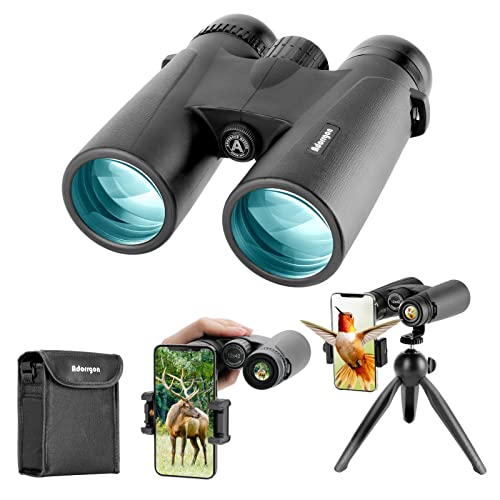
- BrandAdorrgon

- ARS Mark8.8
ARS Mark is a ranking system developed by bestairriflescopes.com. ARS Mark has no relationship or impact from any manufacturers or sales agent websites. Learn more
- Brandoccer
- ARS Mark8.8
ARS Mark is a ranking system developed by bestairriflescopes.com. ARS Mark has no relationship or impact from any manufacturers or sales agent websites. Learn more
- BrandAdorrgon

- ARS Mark8.8
ARS Mark is a ranking system developed by bestairriflescopes.com. ARS Mark has no relationship or impact from any manufacturers or sales agent websites. Learn more
- BrandFLYANT
Last update on 2025-09-26 / Affiliate links / Images, Product Titles, and Product Highlights from Amazon Product Advertising API
A wildlife lover wants both reach and stability, but the higher you go above 10x magnification, the more hand shake destroys the view. That’s why experts often recommend 8x to 10x binoculars as the sweet spot for most conditions. They allow observers to see fine details while keeping images bright and stable. Missing out on magical moments—like a hawk diving or a deer emerging at dusk—happens when the wrong power is chosen.
Real-world examples highlight this struggle. A birder using 15x binoculars might catch tiny details of feathers but misses the overall flight path because the field of view narrows. In contrast, an 8x user enjoys broader landscapes, spotting animals faster. Here’s the audience insight: they crave gear that reduces frustration, making wildlife encounters smoother and more enjoyable.
This isn’t about owning the most expensive optics; it’s about solving problems that nature observers face daily. Choosing the right binocular power is like having a reliable travel companion—steady, clear, and responsive to every outdoor adventure.
For those craving more detail—like safari-goers or serious birders—10x binoculars bring animals closer. The extra magnification provides sharper views of plumage, antlers, or subtle behaviors. But here’s the trade-off: less stability. Even a small hand tremor becomes obvious, making long sessions more tiring. The insight here? Enthusiasts must weigh whether they value reach or steadiness more.
A National Audubon Society survey once noted that most birders prefer 8x42 models, showing that clarity and comfort often win over raw magnification. That reflects a universal pain point: nature doesn’t wait for you to adjust your gear. Quick focus and stable power matter more than chasing extreme zoom.
Ultimately, the best advice is to match binocular power to lifestyle. Are you trekking through dense forests, where spotting fast-moving birds is crucial? Or are you on open plains, where extra reach makes sense? The best binocular power for wildlife viewing adapts to your environment, ensuring you’re always ready.
Audience pain point: dim images at dawn or dusk. Nothing’s more frustrating than spotting a rare owl in low light only to see a blur. That’s where larger lenses step in, providing brighter, sharper visuals. Of course, bigger lenses mean heavier gear, and here’s another trade-off: more brightness but less portability.
Wildlife travelers often lean toward 42mm lenses because they strike a balance. They’re portable enough for long treks but powerful enough to deliver clear, bright images. In contrast, 50mm lenses shine in open habitats but weigh down hikers over time. Insights show that most enthusiasts seek gear that won’t burden them yet still performs well in diverse conditions.
The key takeaway? The best binocular power for wildlife viewing isn’t just about magnification numbers—it’s also about pairing the right lens size to maximize brightness without overwhelming the user with extra weight.
For example, a 10x50 pair might zoom beautifully but makes it harder to track a flock of geese in flight. Meanwhile, an 8x42 gives more panorama, letting you track animals smoothly across the sky or landscape. Audience insight: people want binoculars that reduce the stress of losing sight of animals mid-action.
It’s not just beginners who struggle here—seasoned wildlife enthusiasts also prefer wider views to avoid eye strain. Experts often say, “You can’t enjoy what you can’t find.” That’s exactly why the best binocular power for wildlife viewing focuses on balancing magnification with field width.
In practice, having a wide field of view means capturing the entire moment, not just a zoomed-in snapshot. It’s the difference between seeing a single bird and experiencing the entire flock as it takes off. This enhances not just clarity, but the joy of wildlife watching.
Wildlife watchers often face this dilemma: larger lenses mean brighter images but more weight. Carrying 10x50 binoculars on a long hike can feel like lugging bricks. On the other hand, compact 8x32s offer comfort but compromise on brightness in dim light. Audience insight: most people want equipment they can carry for hours without regret.
Stability also matters. Tripods help, but few hikers want extra gear. Instead, many choose lower power binoculars, where natural hand movements don’t ruin the view. 8x power once again shines here, offering steadiness without sacrificing too much detail.
The benefit of comfortable gear extends beyond fatigue. When users aren’t distracted by heavy weight or shaking images, they connect more deeply with nature. The right choice ensures every outing is memorable, stress-free, and rewarding.
Audience pain point: blurred, dark images during prime wildlife hours. Many enthusiasts buy high-power binoculars only to realize they don’t perform well in the shadows. The insight is clear—bright, clear visuals are more valuable than excessive magnification. That’s why many experts encourage mid-range power combined with wide objective lenses.
Field experiences show this clearly. A birder using 8x42s can spot owls just before sunrise, while someone with 12x25s struggles to see at all. The right binocular power ensures no magical encounter is lost to poor brightness.
The reality is that low-light performance isn’t a luxury; it’s a critical factor for any serious wildlife enthusiast. Without it, half the opportunities to enjoy nature simply vanish.
Audience pain point: fragile binoculars that fog up or fail after a few months. Imagine being deep in a forest, spotting a rare bird, only to have foggy lenses ruin the moment. That frustration turns excitement into disappointment instantly. Insights show that buyers seek gear that’s as tough as their adventures.
Brands often highlight O-ring seals and nitrogen-purged designs to keep optics clear and dry. These key features aren’t marketing gimmicks; they solve real-world problems. Rugged construction ensures binoculars survive falls, scratches, and harsh environments without losing performance.
Durability means reliability. With strong gear, enthusiasts can focus on the thrill of spotting wildlife rather than worrying about damaging fragile optics. The peace of mind it brings is just as valuable as clarity or brightness.
product_cta:
Audience pain point: overspending on features they don’t need. Many beginners buy top-tier models expecting a life-changing experience, only to realize they could’ve had the same satisfaction with mid-range optics. Insights reveal that people want practical performance, not just flashy specs.
Statistics show that most birdwatchers and wildlife enthusiasts settle into the $200–$500 range, where they find a balance of magnification, durability, and optical clarity. Premium brands may charge thousands, but unless you’re a professional researcher, those investments rarely add proportional benefits.
The truth? Spending wisely ensures you get sharp views, reliable performance, and comfort without draining your wallet. The best value comes from aligning your binocular power with your needs, not chasing unnecessary extras.
Audience insight: one-size-fits-all doesn’t exist. People often buy a single pair expecting it to cover every situation. But environments dictate which key features matter most. For example, in Alaska’s damp climate, waterproofing is far more valuable than in Arizona’s deserts.
Quotes from seasoned birders and guides echo this truth: “The best binocular is the one you’ll actually carry.” Heavy, bulky optics left at home are useless in the field. That’s why many recommend compact 8x models for travelers, even if they sacrifice a bit of detail.
The secret lies in matching your adventure with the right gear. The best binocular power for wildlife viewing adapts, ensuring every outing feels rewarding no matter the landscape.
Audience pain point: missing the magic because of poor equipment choices. Insights show that enthusiasts want to feel connected, not frustrated. The right binocular power eliminates distractions, allowing focus on what truly matters—the beauty of nature.
This is where all the features converge: magnification, lens size, field of view, durability, and comfort. Together, they create an effortless experience, where equipment enhances rather than hinders. The best binocular power for wildlife viewing isn’t just technical—it’s emotional.
Because in the end, what we’re really buying isn’t just a tool—it’s a doorway into nature’s wonders. The binoculars fade, the wildlife remains, and the memory lingers forever.


12 Best 22 Pcp Air Rifle For Hunting of 2026 With Quiet Power

7 Best 22 Pcp Air Rifle Under 300 of 2026 For Backyard Pest Control

10 Best 22 Break Barrel Air Rifles of 2026 For Backyard Pest Control

10 Best 30 Caliber Pcp Air Rifle of 2026 For Medium Game

Top Best 177 Air Rifle Under 100: Budget-Friendly Picks for 2026

How to Safely Reload Shotgun Shells at Home

11 Best Co2 Air Rifle For Pest Control of 2026 To Ensure Humane Dispatch

12 Best Inexpensive Air Rifles of 2026 For Dependable Backyard Accuracy






