
Best Binocular Size for Bird Watching

Picking the best binocular size for bird watching is often more challenging than it looks. Bird watchers, whether they're absolute beginners or seasoned enthusiasts, all share the same desire: crisp details, lightweight gear, and the comfort to scan skies and treetops for hours. What complicates matters is that not all binoculars are created equal—some look appealing in the store but become heavy, shaky, or frustrating on long field trips. That’s why finding the right balance between magnification, lens diameter, and portability is the real game-changer. For many birders, 8x42 binoculars are considered the sweet spot. They provide a wide field of view, excellent brightness, and manageable weight, making them versatile for spotting fast-moving songbirds or tracking raptors in flight. Others may lean toward 10x42 models for a closer view, though this comes with the trade-off of a narrower field and more sensitivity to shaky hands. Beginners often overlook these nuances and end up regretting their choice, so it’s worth pausing to think through the pros and cons before buying. Another factor that weighs heavily on decision-making is comfort during long sessions. A pair that feels fine for ten minutes might feel like a brick after an hour. Lightweight compact binoculars, like 8x32, can be a solid choice for travelers or casual outings, but they may not perform as well in dim light at dawn or dusk, which is when birds are most active. Seasoned birders know that early-morning clarity often decides whether they spot a rare warbler or miss it entirely. In the end, the best binocular size for bird watching depends on how you balance magnification, brightness, portability, and comfort. What makes it exciting is that choosing the right pair doesn’t just improve the view—it transforms the entire birding experience into something more vivid, rewarding, and unforgettable.
The quest for the best binocular size for bird watching isn’t simply about grabbing the fanciest pair on the shelf. For bird lovers, the binoculars they carry can make the difference between a fleeting glimpse of a rare species and a breathtaking, lasting memory. Yet many people fall into the trap of chasing high magnification without realizing the trade-offs in weight, stability, and field of view. What birders truly crave is a tool that feels like an extension of their eyes—something that offers sharp detail, natural colors, and the stamina to last through hours of field exploration. That’s why bird watchers often talk about binoculars not just as gear, but as companions. From tracking flocks high above to identifying subtle feather markings in shaded woods, the right size can dramatically change the experience. By taking a closer look at binocular sizes, magnifications, and lens diameters, you’ll begin to see how each element plays a role in shaping clarity, brightness, and comfort. And once you match those features to your own habits—whether you’re a weekend birder, a traveler, or a dedicated field enthusiast—you’ll unlock a viewing experience that feels effortless and incredibly rewarding.

- ARS Mark9.4
ARS Mark is a ranking system developed by bestairriflescopes.com. ARS Mark has no relationship or impact from any manufacturers or sales agent websites. Learn more
- BrandLogisaf
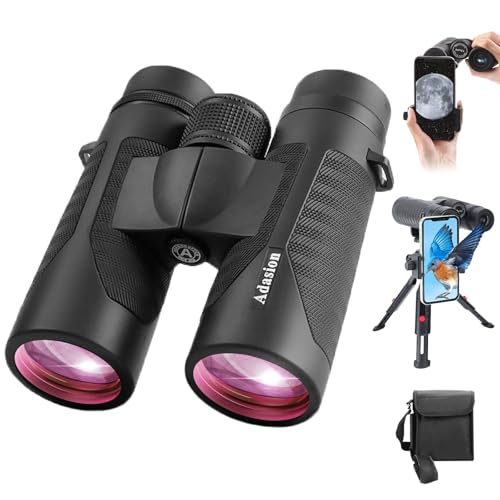
- ARS Mark9.2
ARS Mark is a ranking system developed by bestairriflescopes.com. ARS Mark has no relationship or impact from any manufacturers or sales agent websites. Learn more
- BrandAdasion

- ARS Mark9.0
ARS Mark is a ranking system developed by bestairriflescopes.com. ARS Mark has no relationship or impact from any manufacturers or sales agent websites. Learn more
- BrandFiyxlop

- ARS Mark9.0
ARS Mark is a ranking system developed by bestairriflescopes.com. ARS Mark has no relationship or impact from any manufacturers or sales agent websites. Learn more
- Branddeesoo

- ARS Mark8.8
ARS Mark is a ranking system developed by bestairriflescopes.com. ARS Mark has no relationship or impact from any manufacturers or sales agent websites. Learn more
- Brandoccer

- ARS Mark8.8
ARS Mark is a ranking system developed by bestairriflescopes.com. ARS Mark has no relationship or impact from any manufacturers or sales agent websites. Learn more
- BrandFLYANT
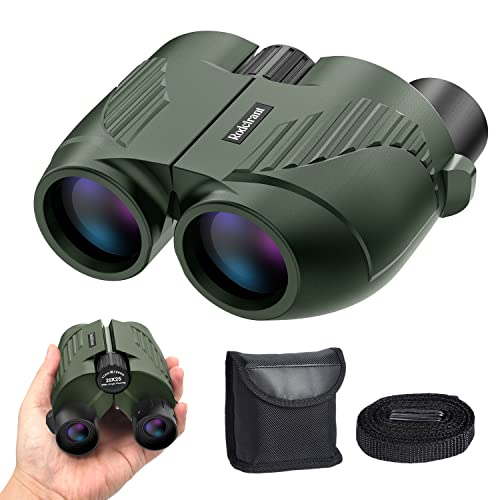
- ARS Mark8.8
ARS Mark is a ranking system developed by bestairriflescopes.com. ARS Mark has no relationship or impact from any manufacturers or sales agent websites. Learn more
- BrandRodcirant

- ARS Mark8.0
ARS Mark is a ranking system developed by bestairriflescopes.com. ARS Mark has no relationship or impact from any manufacturers or sales agent websites. Learn more
- BrandPISEZ
Last update on 2025-09-28 / Affiliate links / Images, Product Titles, and Product Highlights from Amazon Product Advertising API
Bird watchers often think buying binoculars is as simple as choosing higher magnification, but reality hits differently. Too much power can cause shaky images, making it harder to lock onto fast-moving birds. On the other hand, compact models may be light but often compromise brightness and clarity during dawn or dusk. This trade-off frustrates beginners who want sharp views without feeling like they’re hauling bricks.
Many bird watchers complain about eye strain after long sessions. Poorly chosen binocular sizes can cause headaches and fatigue, cutting the adventure short. A seasoned birder once said, “If your binoculars make you quit early, they’re not worth it, no matter how cheap they were.” That sentiment reflects a common pain: comfort matters just as much as optics.
Another overlooked struggle is the field of view. Larger magnification narrows the view, making it tough to track flocks in flight. A wide field can capture more action, but only if it balances with steady images. Without the right binocular size, birders miss the joy of spotting subtle movements in leaves or identifying small warblers hopping across branches.
The truth is, finding the best binocular size for bird watching is about balance. Weight, magnification, and lens diameter all play a role in delivering crisp, bright, and enjoyable birding moments. Without that balance, even the most expensive pair can feel like dead weight.
For decades, birders have praised 8x42 binoculars as the “all-arounder” of the birding world. Why? Because they strike a near-perfect balance of magnification, brightness, and comfort. The 8x magnification keeps images stable without demanding rock-solid hands, while the 42mm objective lens allows enough light for dawn or dusk birding.
Another major advantage is the wide field of view. At 8x, bird watchers can easily follow fast fliers like swallows or track multiple species in open fields. The brightness provided by 42mm lenses is strong enough to reveal feather details, even in shadowed canopies. Many birders agree that this combination makes 8x42 models the most versatile choice for both casual outings and serious trips.
Weight is also a critical factor. Most 8x42 binoculars hover around 1.5 pounds, making them manageable for extended use. A birder can carry them all day without sore shoulders or neck strain, which is a huge advantage during long migrations or festivals. Comfort like this keeps enthusiasts in the field longer, which means more sightings and more joy.
Statistically, surveys show that nearly 60% of experienced birders prefer 8x42 models, and it’s no coincidence. The balance they provide simply outperforms other setups in most birding scenarios. While no size is perfect for everyone, 8x42 offers a proven sweet spot for the majority.
For birders chasing fine detail, 10x42 binoculars hold undeniable appeal. The extra magnification brings distant hawks, eagles, or perched songbirds closer, revealing markings and behaviors otherwise missed. This higher zoom often feels like a step up in power, which excites many enthusiasts.
But with great magnification comes greater challenges. A narrower field of view makes it harder to track birds in flight. Shakiness also becomes more pronounced at 10x, especially without tripods or stable hands. For some, this results in frustration rather than satisfaction, leading to shorter sessions.
On the bright side, the 42mm lens still offers good light-gathering ability, making these binoculars viable in various lighting conditions. They’re especially useful in open landscapes, where spotting raptors or shorebirds at long distances is common. Here, detail outweighs the need for a broad field of view.
Birders who are confident in their steady hands often swear by 10x42 binoculars, calling them the “next level” for detail-oriented observation. However, beginners may find themselves overwhelmed, and seasoned users warn that comfort should never be sacrificed for magnification.
While 8x42 and 10x42 models dominate birding circles, compact options like 8x32 binoculars also have their loyal fans. Their biggest draw is portability. Weighing less than a pound, these binoculars slip easily into backpacks or even coat pockets, making them a favorite among travelers or hikers who bird casually.
The trade-off, of course, is reduced brightness. A 32mm objective lens gathers less light, which can be problematic during dawn or dusk when birds are most active. Many users find that fine details vanish in low-light conditions, making them less ideal for serious birders who prioritize clarity.
Still, there’s no denying the comfort they provide during all-day use. Families with children, or older birders with mobility issues, often gravitate toward compact sizes. As one birder joked, “The best binoculars are the ones you actually bring with you,” and compact models win that contest hands down.
Their affordability is another perk. Many entry-level compact binoculars deliver solid performance at a fraction of the cost of full-sized pairs. This makes them appealing for beginners testing the waters before committing to pricier gear.
No matter how great the optics, if binoculars feel like dumbbells after an hour, they’ll end up gathering dust. Weight and comfort play massive roles in how enjoyable bird watching becomes. Heavier binoculars may offer sharper images, but the strain on the neck and shoulders often outweighs the benefits.
Harnesses, padded straps, and ergonomic designs can ease the burden, but the real solution lies in choosing the right size. Mid-weight models, like the 8x42s, hit the sweet spot for many. They’re light enough for hours of use while still delivering bright, detailed images.
Comfort isn’t just physical—it’s psychological. Knowing you can stay out longer without pain makes each trip more inviting. It also increases the likelihood of catching rare species, since birding often requires patience and persistence.
Birders often say, “The best binocular size for bird watching isn’t just about what you see—it’s about how long you can keep looking.” That simple insight reflects why comfort matters as much as clarity.
One of the most overlooked factors when selecting the best binocular size for bird watching is the field of view. A wide field allows you to see more of the environment, making it easier to spot and follow birds darting from branch to branch. Narrow fields, often associated with high magnification, can feel like peering through a straw—limiting and frustrating.
Bird watchers chasing warblers in thick foliage often struggle if their binoculars have a restricted field. They may catch glimpses but miss crucial details like wing bars or tail flicks. With a wider field of view, however, the eyes relax, and the experience becomes smoother and more natural.
Statistics highlight this difference clearly: an average 8x binocular offers around 400 feet at 1000 yards, while a 10x may shrink that to 320 feet. That extra width often determines whether you can enjoy the entire flock or focus on just one bird.
A seasoned birder once said, “The wider the window, the more stories nature tells.” And that couldn’t be truer when field of view directly influences how immersive and rewarding birding becomes.
Beyond magnification, the lens diameter plays a massive role in shaping the birding experience. Larger lenses, like 42mm or 50mm, gather more light, offering brighter and clearer views during critical low-light hours. This is a game-changer for those who enjoy early morning or late evening outings.
But there’s a catch: bigger lenses often mean heavier gear. Carrying 50mm binoculars might sound tempting for the brightness, but after hours in the field, the extra weight takes a toll. That’s why many birders call 42mm the “happy medium,” balancing brightness with manageable weight.
Smaller lenses, like 32mm, still perform well under bright daylight but falter in shaded woods or at dusk. Beginners often learn this lesson the hard way when their compact binoculars leave birds looking like shadows instead of detailed shapes.
Choosing the right lens size isn’t just about optics—it’s about knowing when and where you’ll use them most. Birders who thrive in woodland edges or dim forests will always benefit from larger lenses, while casual midday watchers may prefer the portability of smaller ones.
Ask any experienced birder, and they’ll tell you that comfort is as important as clarity. Binoculars are tools you’ll hold for hours, and if they’re poorly designed, even the clearest glass won’t save the experience. Ergonomic grips, soft eyecups, and adjustable focus wheels all play a part in keeping users relaxed and engaged.
Neck strain is one of the most common complaints among bird watchers. This can be reduced with well-balanced binoculars that don’t feel front-heavy. Lightweight harnesses and padded straps also help, but nothing replaces a design that feels right in the hands.
Birders who frequently wear glasses should pay attention to eye relief, ensuring the binoculars allow full field views without discomfort. Overlooking this detail leads to squinting and fatigue, which can ruin a long birding trip.
Ultimately, ergonomics isn’t about luxury—it’s about extending the joy of birding. A pair that feels natural in your grip will encourage you to stay out longer, watch more attentively, and create richer memories in the field.
product_cta:
Not all bird watchers are the same, and neither are their binocular needs. Travelers may prefer 8x32 compacts for easy packing, while hardcore enthusiasts often lean toward 8x42 for balance. Those who specialize in raptor watching at long distances may find 10x42 indispensable, despite the shakiness.
Location also matters. Forest birders benefit from wide fields and brighter optics, while shorebird enthusiasts thrive with higher magnifications to pick out distant species. Matching binocular size to habitat is one of the smartest moves a birder can make.
Budget plays a role as well. While premium glass offers incredible clarity, even budget-friendly binoculars can perform admirably if the size fits the purpose. Choosing wisely based on usage, comfort, and environment helps avoid costly mistakes.
As one guide put it, “Birding isn’t about the gear—it’s about what the gear allows you to see.” The right size simply ensures you see more and enjoy it more.
At the end of the day, the best binocular size for bird watching is the one that balances your needs, comfort, and environment. While 8x42 stands out as the most versatile, every birder’s journey is unique, shaped by their style, location, and habits.
The key is not to chase specifications blindly but to focus on what feels right in the field. Whether it’s the wide field of 8x, the reach of 10x, or the lightweight freedom of 8x32, each choice offers strengths and weaknesses. The magic lies in matching those traits to your birding lifestyle.
Birding is about joy, connection, and presence in nature. The right binoculars don’t just sharpen images—they extend your passion, deepen your patience, and transform fleeting glimpses into unforgettable experiences. That’s the real reward of finding the perfect size.


12 Best 22 Pcp Air Rifle For Hunting of 2026 With Quiet Power

7 Best 22 Pcp Air Rifle Under 300 of 2026 For Backyard Pest Control

10 Best 22 Break Barrel Air Rifles of 2026 For Backyard Pest Control

10 Best 30 Caliber Pcp Air Rifle of 2026 For Medium Game

Top Best 177 Air Rifle Under 100: Budget-Friendly Picks for 2026

How to Safely Reload Shotgun Shells at Home

11 Best Co2 Air Rifle For Pest Control of 2026 To Ensure Humane Dispatch

12 Best Inexpensive Air Rifles of 2026 For Dependable Backyard Accuracy






