
Best Binocular Size for Birding That Brings Birds Closer

Choosing the best binocular size for birding isn’t just about magnification power; it’s about striking the perfect balance between clarity, comfort, and portability. Birdwatchers often face the dilemma of whether larger lenses will enhance their view or simply weigh them down during long treks. The reality is that binocular size directly impacts brightness, field of view, and ease of use, and the wrong choice can quickly turn a joyful birding trip into an exhausting experience. Many beginners believe bigger always means better, yet seasoned birders know that’s not the whole story. While a large 10x50 pair might give more detail, it can be heavy and harder to keep steady. On the other hand, compact 8x32 binoculars are lightweight and perfect for travel, but they may not gather as much light in darker forests. The sweet spot often lies in sizes like 8x42, where image brightness, weight, and steadiness all come together for a comfortable experience. Beyond technical specifications, birdwatchers crave gear that enhances their connection with nature. A wide field of view allows them to catch fast-moving birds, while lighter frames reduce fatigue during hours of scanning treetops. Comfort matters just as much as clarity—because birding isn’t a sprint, it’s a long walk through nature where details unfold slowly. That’s why best binocular size for birding is less about chasing maximum numbers and more about finding that reliable, balanced companion that lets you enjoy every feather and every call.
Birdwatching isn’t just a hobby—it’s an escape, a way to reconnect with the natural world. And nothing shapes that experience more than your choice of optics. The best binocular size for birding can make the difference between catching a fleeting glimpse of a warbler or missing it altogether. For beginners, the maze of numbers and specifications can feel overwhelming, but the truth is simpler than it seems. The right size offers more than clear images; it ensures comfort during hours outdoors, stability when tracking moving birds, and enough brightness to bring colors alive even in low light. Birders often find themselves torn between power and portability, but a balanced pair bridges that gap beautifully. With the best binocular size for birding, you’re not just buying equipment—you’re investing in countless unforgettable encounters with nature’s most vibrant performers. So, let’s peel back the jargon and talk about what really matters for your birding adventures.

- ARS Mark9.0
ARS Mark is a ranking system developed by bestairriflescopes.com. ARS Mark has no relationship or impact from any manufacturers or sales agent websites. Learn more
- BrandGIGAPENGUIN

- ARS Mark9.0
ARS Mark is a ranking system developed by bestairriflescopes.com. ARS Mark has no relationship or impact from any manufacturers or sales agent websites. Learn more
- BrandCelestron

- ARS Mark9.0
ARS Mark is a ranking system developed by bestairriflescopes.com. ARS Mark has no relationship or impact from any manufacturers or sales agent websites. Learn more
- Branddeesoo

- ARS Mark9.0
ARS Mark is a ranking system developed by bestairriflescopes.com. ARS Mark has no relationship or impact from any manufacturers or sales agent websites. Learn more
- BrandFiyxlop

- ARS Mark8.8
ARS Mark is a ranking system developed by bestairriflescopes.com. ARS Mark has no relationship or impact from any manufacturers or sales agent websites. Learn more
- Brandoccer
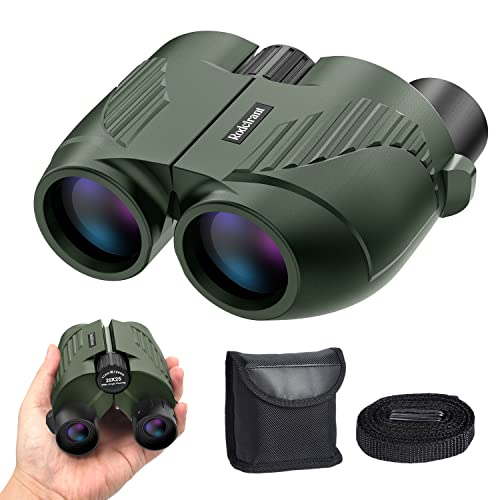
- ARS Mark8.8
ARS Mark is a ranking system developed by bestairriflescopes.com. ARS Mark has no relationship or impact from any manufacturers or sales agent websites. Learn more
- BrandRodcirant

- ARS Mark8.2
ARS Mark is a ranking system developed by bestairriflescopes.com. ARS Mark has no relationship or impact from any manufacturers or sales agent websites. Learn more
- BrandAurosports

- ARS Mark8.0
ARS Mark is a ranking system developed by bestairriflescopes.com. ARS Mark has no relationship or impact from any manufacturers or sales agent websites. Learn more
- BrandZIYOUHU
Last update on 2025-09-26 / Affiliate links / Images, Product Titles, and Product Highlights from Amazon Product Advertising API
Birding is not just about spotting; it’s about staying engaged for hours. A heavy or poorly balanced binocular drains energy quickly, leaving enthusiasts fatigued. Comfort, brightness, and stability matter more than sheer power. Many first-time buyers regret purchasing binoculars that looked good on paper but failed them in the field. The insight? Birders crave a balance between magnification, lens size, and portability.
Choosing the wrong size isn’t just inconvenient—it ruins the joy of birdwatching. Imagine straining your eyes with a narrow field or missing a bird’s flight because the lens fogged up or felt unstable. Such frustrations drive the need for a practical, well-thought-out choice. That’s why focusing on the right balance of 8x42 or 10x42 often makes more sense than obsessing over extremes.
Ultimately, the real question isn’t “What’s the biggest lens I can carry?” but “Which size lets me enjoy birding without distraction?” This shift in perspective is what sets experienced birders apart from frustrated beginners.
The biggest audience pain point is realizing that too much power becomes a burden. Tracking a moving bird through dense foliage with 12x magnification can feel like aiming through a straw. Steadiness and clarity matter far more than sheer zoom. Research shows most birders spot more species with an 8x because the wider field helps them follow fast flyers.
Another overlooked factor is hand tremor. At higher magnifications, even the slightest shake turns into a shaky image. That’s why many enthusiasts emphasize balance and usability over maximum reach. A pair that feels steady in the hands will always outperform one that looks better in the catalog.
Choosing wisely means prioritizing what really matters: bright images, steady grip, and wide perspective. For most, the sweet spot lies in 8x42—a size designed for endurance and joy.
The best binocular size for birding balances lens diameter with portability. The 42mm lens diameter has become a go-to standard because it strikes harmony: enough brightness without overwhelming weight. With this middle ground, birders can enjoy early-morning warblers without back pain from lugging oversized optics.
Portability matters just as much as clarity. Many enthusiasts report leaving their larger binoculars at home because of fatigue, effectively wasting money. On the other hand, compact models, while light, frustrate users when shadows steal the detail of a bird’s plumage.
That’s why 8x42 binoculars dominate recommendations—they’re bright, portable, and adaptable. They let birders focus on the experience, not the gear. And when the gear “disappears” into the background, the joy of birding shines through.
Comfort also plays a huge role. Birding is not a sprint; it’s a marathon. Hours spent scanning treetops or wetlands demand gear that feels natural. Heavy or poorly designed binoculars turn a joyful outing into a painful chore. The insight here is simple: comfort is as important as clarity.
Ergonomics add another layer. Adjustable eyecups, proper weight distribution, and padded neck straps help birders last longer in the field. Without them, even the brightest lens becomes a liability. The gear must feel like an extension of the user, not a burden.
The best binocular size for birding ensures both wide FOV and manageable comfort. The 8x42 again emerges as the practical hero—balancing visibility and ease of use. Birders want not just to see birds but to enjoy the process of seeing them.
A second error is ignoring ergonomics. Comfort seems secondary until the first long birding session reveals sore wrists and aching necks. The insight? Comfort equals longer birding time, which equals more sightings. Without it, frustration sets in quickly.
Another pitfall lies in dismissing mid-range sizes like 8x42. Many buyers believe they need to choose between extremes—bulky giants or tiny compacts. In reality, the middle ground often provides the most satisfying balance.
Finally, ignoring field conditions can be costly. A birder who frequents dense forests may need brighter optics, while someone birding in open fields may prefer wider FOV. Recognizing these nuances saves money and enhances the entire birding experience.
The field of view in 8x42 binoculars is wide enough to follow birds in flight with ease, which is a major benefit for spotting fast-moving species like swallows or hawks. For many birders, this wider perspective means less frustration and more enjoyment. They can spot, follow, and admire without constantly losing track.
The 42mm lens diameter ensures that images stay bright and colorful, even in low-light conditions at dawn or dusk. For those who love early morning birding, this is a game changer. Sharpness and brightness combine to deliver a fuller, more vibrant experience.
Seasoned birders often say 8x42s feel like the “all-rounder” of binoculars. They’re versatile enough for beginners yet advanced enough to satisfy professionals. This adaptability is why many call them the best binocular size for birding across different habitats and conditions.
However, the trade-off is worth noting. Higher magnification reduces the field of view, making it more challenging to track birds in motion. The image may also appear shakier without a tripod or very steady hands. That’s why many recommend 10x42s only for specific conditions, rather than as a general-purpose choice.
For birders who love distant viewing, the brightness of 42mm lenses in this format still ensures solid image quality. But again, comfort and stability become critical factors. Many birders carry both 8x42 and 10x42, switching depending on the terrain and species.
In the end, the choice boils down to priorities: if reach outweighs comfort, 10x42 is a strong contender. But for most, it’s hard to beat the versatility and ease of the 8x42.
Modern binoculars offer features like twist-up eyecups, padded neck straps, and lightweight housing to make viewing comfortable. Birders who ignore these details often regret their purchase. Weight distribution, grip, and adjustability matter for long-term use.
Another key factor is eye relief, especially for those who wear glasses. Without sufficient eye relief, the experience can feel restricted, forcing constant adjustments. Comfort ensures not just better birding but more hours in the field, which ultimately leads to more sightings.
The insight here is clear: choose a binocular size and design that feels like an extension of your body. When comfort and clarity work together, birding becomes a seamless experience, not a battle with your gear.
product_cta:
In wooded areas with low light, 8x42s shine because they gather enough light to reveal fine details. In contrast, birders in wide-open areas, like coastal cliffs or deserts, may appreciate the extra reach of 10x42s. Tailoring size to location helps avoid disappointment.
Weather also plays a role. Waterproofing, fog resistance, and durability matter just as much as optics. A high-powered lens won’t help if condensation clouds the view. Practical durability is a hidden but essential factor in choosing wisely.
By considering environment and conditions, birders can make smarter choices. The best binocular size for birding isn’t universal—it’s about matching the tool to the task at hand.
The 8x42 continues to be the go-to size for its adaptability, comfort, and reliability. It doesn’t try to be everything but manages to check all the right boxes. Brightness, steadiness, wide field, and manageable weight combine to form a practical solution.
Still, individual preferences and conditions should guide the final decision. For those who prioritize reach, 10x42 offers undeniable benefits. For travelers, 8x32 might strike the right balance. What matters most is aligning the gear with personal needs and environments.
The insight is simple: birding should be about the birds, not the struggle with equipment. The right size allows enthusiasts to stay immersed in the experience, capturing every detail of wings, feathers, and flight without distraction.


12 Best 22 Pcp Air Rifle For Hunting of 2026 With Quiet Power

7 Best 22 Pcp Air Rifle Under 300 of 2026 For Backyard Pest Control

10 Best 22 Break Barrel Air Rifles of 2026 For Backyard Pest Control

10 Best 30 Caliber Pcp Air Rifle of 2026 For Medium Game

Top Best 177 Air Rifle Under 100: Budget-Friendly Picks for 2026

How to Safely Reload Shotgun Shells at Home

11 Best Co2 Air Rifle For Pest Control of 2026 To Ensure Humane Dispatch

12 Best Inexpensive Air Rifles of 2026 For Dependable Backyard Accuracy






