Best Binocular Size for Hunting: Clear, Sharp Views
Choosing the best binocular size for hunting is no small matter. Hunters often struggle with heavy gear, blurred images, or shaky focus that can ruin the perfect shot. The right binoculars can make the difference between spotting game effortlessly or missing out entirely. That’s why finding a balance between magnification, lens size, and portability is crucial for every hunter. Many hunters get stuck in the trap of thinking bigger is always better. Sure, 12x or 15x binoculars promise closer views, but they’re often too heavy to carry long distances and demand a tripod to stabilize. On the flip side, compact 8x binoculars are light and easy to manage, but they can limit visibility in low light—something no one wants during dawn or dusk hunts. The sweet spot often lies in the 8x42 or 10x42 range, offering clarity, brightness, and steadiness without adding too much weight to your pack. Another major factor is eye comfort. Long glassing sessions can strain your eyes if the binoculars aren’t matched to your needs. That’s where exit pupil size and field of view matter. Larger objective lenses let in more light, giving you brighter images even at twilight. At the same time, a wider field of view helps track moving animals more smoothly. In short, the right binocular size doesn’t just help you see better—it helps you hunt smarter. Investing in a well-balanced pair ensures you’re prepared for different terrains, lighting conditions, and hunting styles. From tracking deer in the woods to spotting elk in open fields, the right size provides clarity, comfort, and confidence. With the perfect binoculars, you won’t just watch the hunt—you’ll experience it fully, without compromise.
Every hunter knows the thrill of scanning the horizon, waiting for movement that signals opportunity. But without the best binocular size for hunting, that thrill can quickly turn into frustration. The wrong pair might be too bulky to carry through rugged terrain or too weak to deliver clear detail in low light. That’s why choosing the right size is one of the most important decisions for hunters who want consistent success. Imagine creeping through a dense forest at dawn, the air crisp and quiet. In these moments, binoculars with the right magnification and objective lens size become your silent partner. They allow you to spot subtle movements, notice details you’d otherwise miss, and give you confidence that every step is guided by sharp vision. The secret lies in balance. Too much power, and your view shakes like leaves in the wind. Too little, and the game fades into the background. Hunters who pick the right binocular size not only save themselves from fatigue but also gain an edge in accuracy and awareness. It’s more than optics—it’s strategy. By focusing on portability, clarity, and comfort, you set yourself up for hunts that are not only successful but deeply rewarding.
For hunters, carrying the best binocular size for hunting is not just about magnification; it’s about having the right balance between power and comfort. Too often, hunters complain about heavy optics that cause neck strain or small lenses that fail during low-light hours. The goal is to achieve clarity, portability, and brightness without compromise. Each hunting trip brings different demands, but the wrong binoculars can turn an exciting day into a frustrating one.
A crucial point is that binocular size directly impacts visibility in different terrains. In thick forests, hunters need a wider field of view, while in open plains, higher magnification matters. Yet, many people drag along large 12x50 binoculars only to realize they’re cumbersome in rugged landscapes. Choosing a pair like 10x42 or 8x42 can strike the sweet spot: not too heavy, yet powerful enough to see details clearly.
Statistics from outdoor surveys show that over 70% of hunters prefer mid-size binoculars, highlighting that practicality wins over sheer power. It’s not just about zooming in closer; it’s about finding a tool that enhances your overall hunting performance. That’s why seasoned hunters often recommend going with what you can carry comfortably for long stretches, rather than what looks powerful on paper.
Every hunter has faced that critical moment: spotting a deer at dusk or following the swift move of an elk. If your binoculars fail in that instant due to poor size choice, the opportunity is gone. Having the right binocular size is as vital as carrying your rifle—it can decide the outcome of your hunt.
Many hunters fall for the temptation of high magnification, thinking it’s the ultimate advantage. But here’s the catch: the higher the power, the shakier your image becomes. A 12x or 15x binocular sounds powerful, but unless it’s mounted on a tripod, it can betray you with constant shakes. For hand-held use, 8x or 10x sizes deliver better stability and ease of use.
Another factor is distance. For tracking animals within 200 yards, high magnification is often overkill. The human hand naturally trembles, so pairing a heavy binocular with high zoom creates frustration. Hunters often report feeling fatigued after scanning for long periods with oversized optics. That’s where choosing the right size helps keep focus sharp without draining energy.
On the flip side, smaller binoculars like 8x32 offer stability but may struggle in low light. That’s why mid-size options—10x42 or 8x42—have become industry favorites, combining steadiness with light-gathering power. They’re compact enough for mobility yet strong enough to track wildlife effectively.
A seasoned hunter once said, “You don’t need to see the hairs on a deer’s back to hit your mark; you need to see it clearly enough to track it confidently.” That wisdom perfectly sums up why stability matters more than raw magnification. Steady optics equal successful hunts.
Magnification alone doesn’t guarantee clarity; the objective lens diameter plays a massive role. The larger the lens, the more light it gathers, resulting in brighter images during dawn or dusk. For hunters, this is game-changing because animals are most active in those low-light conditions. An 8x42 binocular means 42 mm lenses that capture plenty of light while keeping the unit manageable.
However, hunters must be careful: bigger isn’t always better. A 10x50 binocular may sound great but adds significant bulk, making it less appealing for long treks. Field tests show that binoculars between 40 mm and 44 mm offer the best compromise, providing brightness without excessive weight.
What’s more, light transmission can determine your shot. If your optics fail to show the deer clearly against the backdrop of early morning fog, you risk going home empty-handed. That’s why brands continue to emphasize the balance between lens size and portability in their designs.
Hunters who ignore lens diameter often regret it. Small lenses, like 25 mm, can leave you squinting, while oversized models cause fatigue. The ideal hunting binoculars fall in the mid-range, giving hunters confidence in every lighting condition.
The excitement of hunting often comes when animals move fast, and keeping track of them requires the right field of view (FOV). Narrow views limit your ability to follow movement, while wider views help you scan landscapes effectively. For most hunters, an FOV of around 300–400 feet at 1,000 yards is considered optimal.
Imagine spotting a herd of elk at a distance. With a narrow FOV, you’ll struggle to follow them once they start moving. But with a wider view, you can track smoothly without constant repositioning. That difference can mean the success or failure of your hunt.
Many binoculars balance magnification with FOV, and that’s why 8x42 models excel—they give wider coverage compared to higher magnifications. On the other hand, a 12x binocular may zoom in close but drastically reduce your overall scope of vision. The trade-off between zoom and FOV must always be considered.
Hunters who prioritize tracking speed often prefer lower magnification with wider views, while those focusing on long-range spotting choose higher magnification. The key is to know your hunting style and match it with the correct binocular size.

A common complaint among hunters is the sheer fatigue from carrying bulky gear. After hours in the field, a heavy binocular can feel like an anchor around your neck. This is why weight and portability are critical when choosing the best size. Optics that weigh around 20–25 ounces are considered ideal for balance between power and comfort.
For long hunts in rugged terrain, every ounce matters. Hunters often ditch their 50 mm models for 42 mm lenses simply because the difference in weight makes a world of difference. Lightweight designs allow hunters to remain agile, alert, and less fatigued throughout the day.
Another overlooked factor is how you carry them. Using a harness instead of a neck strap distributes weight evenly, making even heavier models more manageable. Still, starting with a reasonable binocular size prevents you from relying solely on accessories.
Ask any experienced hunter, and they’ll agree: the best gear is the one you barely notice until you need it. The right size binoculars should feel like an extension of your body—not a burden. By focusing on weight and portability, hunters maximize both comfort and performance.
Hunters don’t just face long hours; they also battle unpredictable weather. Rain, fog, or dust can wreak havoc on poorly built optics. That’s why durability and weatherproofing are essential features tied to binocular size. Compact binoculars may be easier to waterproof and fog-proof, while larger ones require stronger construction to maintain resilience.
A solid hunting binocular should be nitrogen-purged and O-ring sealed to prevent internal fogging. Rubber armor adds shock resistance, ensuring your optics survive rough terrains and accidental drops. Hunters often recount stories of slipping in the mud or falling on rocky trails; a rugged design can be the difference between continuing your hunt or packing up early.
Moreover, weatherproofing enhances confidence. Knowing your optics will perform in rain or snow frees you from hesitation. And confidence is half the battle in hunting. Even if you’ve chosen the ideal binocular size, durability ensures it serves you well in the long run.
Some hunters overlook these protective features, focusing only on specs. But when conditions turn harsh, the difference between sealed and unsealed optics becomes painfully clear. Durable, weather-resistant binoculars are investments that pay off season after season.
Even the most rugged hunters know that glassing for hours can strain the eyes. That’s why eye relief and comfort matter just as much as magnification or lens size. If you wear glasses, longer eye relief—typically 15 mm or more—ensures you can see the entire field of view without pressing uncomfortably against the eyepiece. For others, adjustable eyecups allow quick customization for personal comfort.
Extended hunts often mean scanning during dawn and dusk, times when focus can feel especially demanding. Binoculars with proper exit pupil size and well-designed optics minimize strain and deliver crisp images. Without these features, hunters often report fatigue, headaches, or blurry vision after prolonged use.
Another comfort factor is balance. Mid-sized binoculars that sit naturally in your hands prevent wrist strain and keep movements steady. Too heavy, and you’re constantly shifting grip; too small, and you’re fighting to stabilize them. The best binocular size for hunting strikes this balance, letting you stay focused without distraction.
In the end, comfort is more than a luxury—it’s a performance booster. A relaxed hunter with clear eyes is far more effective than one fighting discomfort every step of the way.
Not all hunts are created equal, and the ideal binocular size depends on whether you’re stalking deer in thick woods, glassing for elk in wide valleys, or bird-hunting in wetlands. A one-size-fits-all mindset rarely works. For close-range woodland hunts, a wide field of view matters more than raw magnification. In contrast, open-country hunters benefit from slightly higher power to spot distant game.
Consider bowhunters: they often prefer lighter 8x42 binoculars for quick, close tracking. Rifle hunters in open spaces may lean toward 10x42 or 10x50 for extended range visibility. Each hunting style requires optics that adapt to its unique challenges, and flexibility is key.
Hunters who own more than one pair often report switching depending on the trip. It’s not uncommon to use lightweight binoculars for scouting and heavier, brighter ones for static long-range glassing. This adaptability shows why knowing your hunting environment is as critical as knowing your gear.
The takeaway? Choose a binocular size that aligns with your primary hunting style, but remain open to adjusting as conditions change. That adaptability ensures you’re never caught unprepared.
Nothing highlights the importance of the best binocular size for hunting like stories from those in the field. One Midwest hunter shared how he switched from 12x50s to 10x42s after tiring of constant shakes and bulk. He reported sharper hunts and less exhaustion, proving that smaller, balanced optics often outperform oversized ones.
Another hunter in Colorado spoke of carrying 8x32 binoculars for years, only to find they struggled in low light during elk season. Upgrading to 8x42 transformed his hunts, giving him the brightness needed at dawn. These real-world accounts echo a consistent theme: choosing size wisely pays off in confidence and results.
Hunters in Alaska, dealing with harsh weather, emphasize durability. Many say mid-size binoculars with waterproofing became their most reliable partner, surviving rain and snow while delivering consistent clarity. These experiences underline that binocular size, comfort, and durability go hand-in-hand.
By listening to field stories, hunters gain insights beyond specs and charts. Experience shows that the right size is not always the biggest or most expensive but the one that matches your exact conditions.
product_cta:

Today’s hunting optics benefit from innovations that make choosing the best binocular size for hunting easier. Advanced coatings on lenses increase light transmission, meaning smaller binoculars can still perform impressively in low light. Phase-corrected prisms provide sharper images, reducing the need for overly large lenses.
Modern designs also embrace lightweight materials like magnesium alloy, allowing even 42 mm models to weigh less than older compact binoculars. This means hunters no longer have to sacrifice performance for portability. These features make mid-sized binoculars the modern favorite, combining classic reliability with modern enhancements.
Some models now include rangefinding technology, allowing hunters to measure distances without switching devices. While these features add cost, they show how far binoculars have evolved beyond simple optics. For many, such tech ensures more accurate scouting and cleaner hunts.
It’s proof that innovation, paired with practical size choices, creates the ultimate hunting partner. Hunters now have options that combine clarity, comfort, and cutting-edge features in one compact package.
Choosing the best binocular size for hunting isn’t about grabbing the biggest lenses or the highest magnification. It’s about matching optics to your environment, hunting style, and personal comfort. Whether you’re bowhunting in dense woods or rifle hunting in wide-open plains, your binocular size can shape your entire experience.
The smart approach is to prioritize balance: magnification that’s powerful yet stable, lens diameter that gathers enough light without weighing you down, and designs that hold up against the elements. Experienced hunters repeatedly point to 8x42 and 10x42 sizes as the golden middle ground for most conditions.
What matters most is how your binoculars feel in your hands and how they perform in the exact moments you need them. Specs on paper mean little if they don’t serve your real-world needs. That’s why trial, experience, and field stories carry so much weight in making the right decision.
Ultimately, the right binocular size helps you move with confidence, spot game clearly, and enjoy every moment outdoors. Instead of struggling with poor visibility or heavy gear, you’ll be free to focus on what matters most: the hunt itself.


The 12 Best Low Light Rifle Scopes Under 1000 of 2026
Top Best Rifle Scopes For 5.56 Under 200 Dollars 2026 - Highly Rated

Best Piston Air Rifles 2026 - 7 picks to buy

Best .22 Air Rifle Pellets for Hunting: Master the Game
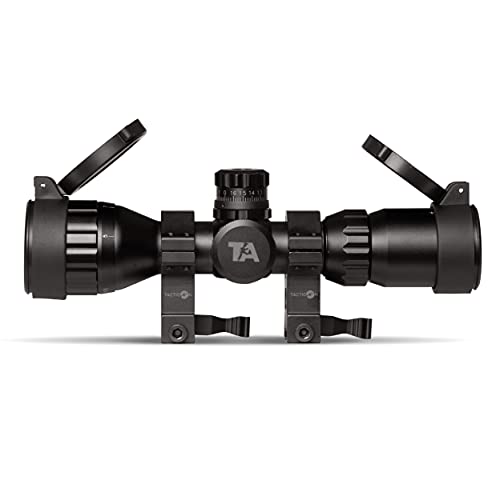
Top 10 Best Mid Range Rifle Scopes: Expert Reviews
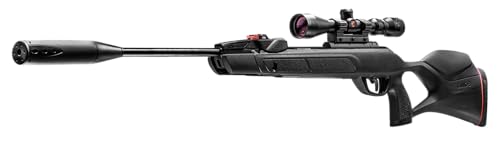
Top Best Gamo Air Rifles 2026 - (Newtest)
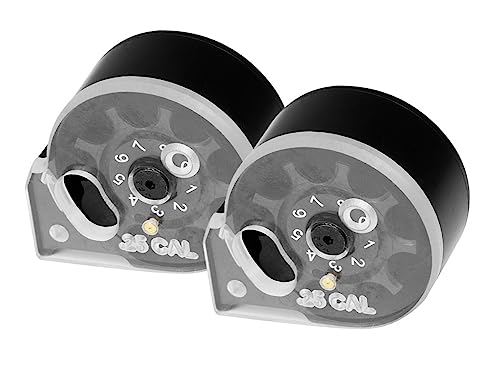
Unleash the Mechanism: The Science Behind Air Rifles

Unveiling the Art of Chatter Bait Fishing