
Best Binocular Specs for Hunting Guide

Choosing the best binocular specs for hunting can feel like trying to find a needle in a haystack. Hunters often wrestle with balancing magnification, field of view, and lens size while also thinking about durability and comfort. Let’s face it—hauling a heavy optic into the woods or mountains isn’t practical, but neither is missing your shot because your vision wasn’t sharp enough. That’s why narrowing down the right specs is a game-changer for every hunter. The best binocular specs for hunting go beyond numbers on a box; they directly affect how quickly you can spot movement, judge distance, and track animals across challenging environments. For instance, too much magnification might give you detail but shrink your field of view, while too little magnification may leave you frustrated at long ranges. The sweet spot usually lies somewhere in the middle, but every hunter’s situation is unique. Another crucial element is lens diameter. Larger lenses draw in more light, helping during dawn and dusk—the very times animals are most active. Yet, big lenses also mean more weight, and that can slow you down in the field. On the flip side, smaller lenses are lighter but may struggle in low light. Knowing your terrain and hunting style helps you strike the right balance. Durability is equally vital. Binoculars aren’t just accessories; they’re survival tools. Waterproofing, fog-proofing, and shock resistance make all the difference in unpredictable weather. And let’s not forget ergonomics. Long hunts demand binoculars that fit comfortably in your hands and against your eyes, without causing strain. Ultimately, the best binocular specs for hunting depend on harmonizing magnification, brightness, weight, and ruggedness into a tool that works with you, not against you.
Every hunter knows the thrill of spotting movement in the distance, but without the best binocular specs for hunting, that excitement can quickly turn into frustration. Picking the right specs isn’t just about numbers—it’s about improving your odds in the wild. The right binoculars can mean the difference between a clean shot and going home empty-handed. Think about those moments at dawn or dusk when visibility is tricky. With the proper binocular specs, you’re not straining your eyes—you’re confident and steady. Hunters need optics that balance magnification for range, lens size for brightness, and durability for unpredictable weather. It’s about seeing more clearly and reacting faster when opportunity knocks. The journey to finding the best binocular specs for hunting starts with knowing what truly matters: performance, comfort, and rugged design. No two hunts are alike, but all demand gear that keeps up. Whether you’re glassing from a ridge or tracking in dense woods, the right specs give you the edge. This guide is here to cut through the clutter and spotlight what really counts for hunters who don’t want to leave success up to chance.

- ARS Mark9.6
ARS Mark is a ranking system developed by bestairriflescopes.com. ARS Mark has no relationship or impact from any manufacturers or sales agent websites. Learn more
- BrandVortex
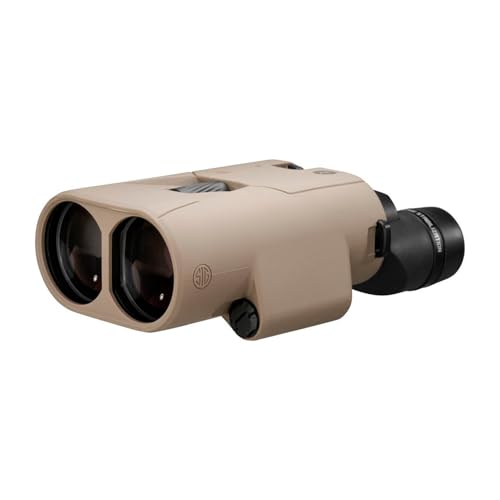
- ARS Mark9.6
ARS Mark is a ranking system developed by bestairriflescopes.com. ARS Mark has no relationship or impact from any manufacturers or sales agent websites. Learn more
- BrandSig Sauer

- ARS Mark9.4
ARS Mark is a ranking system developed by bestairriflescopes.com. ARS Mark has no relationship or impact from any manufacturers or sales agent websites. Learn more
- BrandLeacco
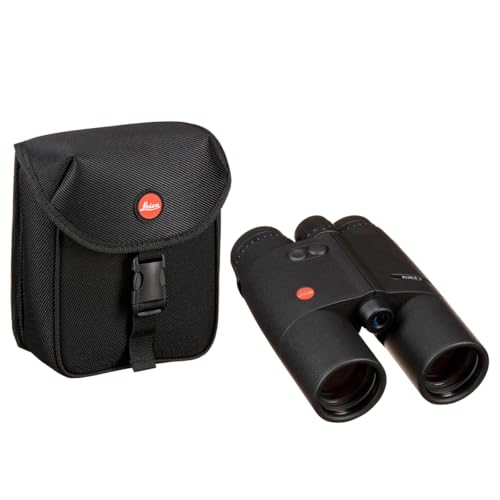
- ARS Mark9.2
ARS Mark is a ranking system developed by bestairriflescopes.com. ARS Mark has no relationship or impact from any manufacturers or sales agent websites. Learn more
- BrandLeica

- ARS Mark9.0
ARS Mark is a ranking system developed by bestairriflescopes.com. ARS Mark has no relationship or impact from any manufacturers or sales agent websites. Learn more
- BrandGIGAPENGUIN

- ARS Mark9.0
ARS Mark is a ranking system developed by bestairriflescopes.com. ARS Mark has no relationship or impact from any manufacturers or sales agent websites. Learn more
- BrandTanaview

- ARS Mark8.8
ARS Mark is a ranking system developed by bestairriflescopes.com. ARS Mark has no relationship or impact from any manufacturers or sales agent websites. Learn more
- Brandoccer

- ARS Mark8.8
ARS Mark is a ranking system developed by bestairriflescopes.com. ARS Mark has no relationship or impact from any manufacturers or sales agent websites. Learn more
- BrandFLYANT
Last update on 2025-09-30 / Affiliate links / Images, Product Titles, and Product Highlights from Amazon Product Advertising API
A National Shooting Sports Foundation survey revealed that nearly 70% of hunters said their binoculars were their most used accessory after their rifle. That statistic underscores a simple truth: your optics define your experience. Whether it’s distinguishing a branch from a deer’s antlers or tracking an elk across a valley, having the right specifications means fewer mistakes and more opportunities seized.
Hunters also know the frustration of hauling gear that feels more like a burden than an advantage. Heavy binoculars with oversized lenses may provide bright images, but carrying them on long treks becomes a chore. On the flip side, compact optics can be light but may fall short when the light fades. The best binocular specs for hunting must strike the sweet spot between performance and practicality.
There’s also the matter of precision. A missed detail could mean walking miles in the wrong direction. With proper magnification, lens size, and durability, hunters gain confidence knowing their binoculars won’t let them down. The right gear removes guesswork and transforms hunting from stressful guess-and-check to a controlled, rewarding experience.
Consider this: at 8x magnification, a deer 800 yards away looks like it’s only 100 yards out. That’s powerful enough to assess size and movement while maintaining a wide field of view. Field of view is critical because game rarely stays still. The broader your view, the easier it is to track an animal as it moves through brush or across open land.
Of course, terrain matters. In dense forests, lower magnification helps maintain perspective and reduces eye strain. In contrast, wide plains or mountains may demand higher magnification for those long shots. This is where hunter preference and environment intersect, making customization essential.
Ultimately, the best binocular specs for hunting don’t always mean the highest magnification. Instead, they mean a magnification level that fits the environment, supports quick decision-making, and minimizes fatigue. A steady, clear view is far more valuable than a powerful but shaky one.
Imagine glassing at dawn in a shadowy field. A 42mm lens provides a sharp, bright image where smaller lenses would leave you squinting. But larger 50mm or 56mm lenses? While excellent in brightness, they add bulk and can fatigue your arms during long hunts. The trade-off between weight and clarity becomes a deciding factor for many hunters.
Studies show that most game animals, including whitetail deer, move most actively during low-light periods. That means hunters with optics designed for brightness and clarity have the upper hand. A lens that performs in those critical moments can make the difference between tagging your prize or walking away empty-handed.
Still, bigger isn’t always better. Carrying heavy gear slows you down, and if your hunt involves trekking miles into rugged terrain, comfort trumps extra light. That’s why many experts recommend balancing objective lens size with portability. Hunters must evaluate where and how they hunt before locking in on the right lens size.
Rubber armor is another valuable feature. Not only does it provide a solid grip, but it also adds shock resistance against bumps and drops. In the unpredictable outdoors, this kind of protection isn’t just nice to have—it’s essential. Hunters need optics that withstand being tossed in packs, banged against rifles, or dropped on rocky terrain.
Consider this scenario: you’re glassing elk in the mountains, and a sudden downpour hits. With subpar binoculars, you’re fumbling to wipe lenses clean. With rugged, waterproof binoculars, you simply keep going. That’s the difference the best binocular specs for hunting deliver—confidence in all conditions.
Hunters also benefit from nitrogen- or argon-purged optics. These gases prevent internal fogging and maintain clear vision across temperatures. For anyone who’s ever experienced the frustration of fogged lenses, this small detail transforms the hunt. The key factor here is reliability: gear you can count on when nature tests your patience.
The design of the focus wheel is another overlooked detail. A smooth, responsive wheel ensures quick adjustments when your target shifts suddenly. In a real hunt, seconds matter. A stiff or poorly designed focus system can cost you the moment. Hunters benefit from binoculars designed with usability at the forefront.
Neck strain is another real issue. Carrying heavy optics for hours is taxing, which is why padded straps or harnesses can be game changers. Binoculars that integrate well with harness systems distribute weight evenly, freeing hunters from constant discomfort.
Finally, comfort extends beyond physical weight. The best binocular specs for hunting also involve intuitive use. Ergonomics mean hunters spend less time fumbling and more time focusing on the field. A tool that feels like an extension of the body rather than an awkward accessory is what separates the average optics from the great ones.
A common benchmark is around 330 feet at 1,000 yards, which balances detail and breadth. Anything smaller can feel restrictive, especially in dynamic environments. A broader field allows hunters to scan quickly, reducing eye strain and making the experience more natural.
Hunters often recall the frustration of “losing” their target in the glass. This happens when the field of view is too tight, especially with high magnification. The key factor here is matching magnification with field of view so you’re never trading awareness for detail. For most, 8x magnification paired with a generous field of view strikes the sweet spot.
Even seasoned hunters stress how much more confident they feel when their gear makes it easy to follow unpredictable movement. A wide field of view means fewer missed opportunities, smoother tracking, and more successful hunts overall.
Consider coatings like fully multi-coated lenses. These not only enhance light transmission but also reduce glare, helping hunters distinguish subtle shapes against dark backdrops. Without these features, what looks like a shadow could actually be your prized buck.
Studies from wildlife researchers show that deer and elk activity spikes within the first and last two hours of daylight. That means your binocular specs must rise to the challenge during these windows. Clear optics at low light can mean the difference between a filled tag and a frustrating miss.
It’s not just about brightness, though. True low-light performance also involves color fidelity and contrast. Binoculars with superior coatings reveal sharper details, ensuring hunters can identify their target with confidence even as daylight fades.
Lens coatings also play a major role. Fully multi-coated optics ensure maximum light transmission and protect against scratches or moisture. These coatings may seem like small details, but in the field, they’re game-changers. Clearer glass equals more accurate judgments about distance, antler points, or movement in brush.
Hunters should also consider phase-corrected prisms. These prisms improve resolution and contrast, giving sharper images that help distinguish fine details. When your target blends into the background, the right coatings pull it into focus.
The main key here is clarity. Clearer optics save time, reduce guesswork, and improve shot accuracy. Investing in better glass and coatings isn’t a luxury—it’s a necessity for serious hunters.
product_cta:
Lightweight binoculars, on the other hand, are easier to carry and use for extended periods. However, they might sacrifice brightness or stability. The trick is finding binoculars that deliver quality without unnecessary bulk. Many hunters find the 8x42 configuration to be the sweet spot: manageable size with excellent performance.
It’s worth remembering that fatigue reduces alertness. A hunter worn out from heavy optics is more likely to miss subtle movements or make poor judgments. The important point here is sustainability—gear that lets you stay sharp for hours, not just minutes.
Harnesses and straps can also change the game. By distributing weight across the body, they make even slightly heavier binoculars comfortable to use all day. Hunters should consider not just specs on paper, but also how those specs feel in practice.
That said, premium models shine in low light, clarity, and durability. For hunters who chase trophy animals or invest in multi-day hunts, the extra cost can be justified. The difference in performance during critical moments, like at twilight, often pays for itself in success rates.
Hunters should weigh their hunting style, frequency, and terrain when deciding. A weekend hunter in thick woods may not need premium ED glass, while a mountain hunter scanning for elk at 1,000 yards will benefit enormously. The key is matching budget to needs, ensuring you’re not overspending on features you’ll never use—or underspending on specs that leave you frustrated.
Finally, remember that optics are a long-term investment. Many hunters use the same binoculars for decades. Spending wisely now means reliable performance season after season. Choosing the best binocular specs for hunting isn’t just about today—it’s about building confidence and success for years to come.


12 Best 22 Pcp Air Rifle For Hunting of 2026 With Quiet Power

7 Best 22 Pcp Air Rifle Under 300 of 2026 For Backyard Pest Control

10 Best 22 Break Barrel Air Rifles of 2026 For Backyard Pest Control

10 Best 30 Caliber Pcp Air Rifle of 2026 For Medium Game

Top Best 177 Air Rifle Under 100: Budget-Friendly Picks for 2026

How to Safely Reload Shotgun Shells at Home

11 Best Co2 Air Rifle For Pest Control of 2026 To Ensure Humane Dispatch

12 Best Inexpensive Air Rifles of 2026 For Dependable Backyard Accuracy






