
11 Best Compact Spotting Scope For Hunting of 2026 To Cut Pack Weight

Heavy spotting scopes kill backcountry legs. Hauling an oversized optic up a timbered ridge hogs pack volume meant for survival gear, yet shaving weight too aggressively creates a different disaster. Cheap or undersized glass brings dim low-light views right when legal game steps into clearings at dusk. One blurry sight picture can trick a hunter into a brutal two-mile stalk, only to reveal an immature animal. High magnification on a flimsy trail tripod just adds sickening image shake whenever the mountain wind kicks up.
Glassing from a windy ridge should save steps, not waste them. A streamlined optic needs to slide neatly into a pack pocket while maintaining the optical punch to verify legal antler points before sundown. Prioritizing a balanced 56mm to 65mm objective lens provides strong light gathering without back-breaking bulk. Combine that with a nitrogen-sealed housing to stop internal fogging and a sensible zoom range that stays steady on lightweight legs. You get a reliable way to cut pack weight without sacrificing optical clarity across every rugged mile. Here is how the top compact spotters compare for your next hunt.

- ARS Mark7.8
ARS Mark is a ranking system developed by bestairriflescopes.com. ARS Mark has no relationship or impact from any manufacturers or sales agent websites. Learn more
- BrandVortex

- ARS Mark7.8
ARS Mark is a ranking system developed by bestairriflescopes.com. ARS Mark has no relationship or impact from any manufacturers or sales agent websites. Learn more
- BrandGosky

- ARS Mark9.2
ARS Mark is a ranking system developed by bestairriflescopes.com. ARS Mark has no relationship or impact from any manufacturers or sales agent websites. Learn more
- BrandVortex

- ARS Mark9.6
ARS Mark is a ranking system developed by bestairriflescopes.com. ARS Mark has no relationship or impact from any manufacturers or sales agent websites. Learn more
- BrandVortex
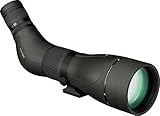
- ARS Mark8.8
ARS Mark is a ranking system developed by bestairriflescopes.com. ARS Mark has no relationship or impact from any manufacturers or sales agent websites. Learn more
- BrandVortex
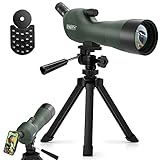
- ARS Mark9.2
ARS Mark is a ranking system developed by bestairriflescopes.com. ARS Mark has no relationship or impact from any manufacturers or sales agent websites. Learn more
- BrandEmarth
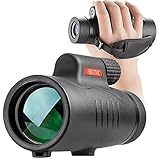
- ARS Mark7.8
ARS Mark is a ranking system developed by bestairriflescopes.com. ARS Mark has no relationship or impact from any manufacturers or sales agent websites. Learn more
- BrandFEEMIC

- ARS Mark9.0
ARS Mark is a ranking system developed by bestairriflescopes.com. ARS Mark has no relationship or impact from any manufacturers or sales agent websites. Learn more
- BrandWOSPORTS

- ARS Mark7.2
ARS Mark is a ranking system developed by bestairriflescopes.com. ARS Mark has no relationship or impact from any manufacturers or sales agent websites. Learn more
- BrandVOOPON

- ARS Mark8.6
ARS Mark is a ranking system developed by bestairriflescopes.com. ARS Mark has no relationship or impact from any manufacturers or sales agent websites. Learn more
- BrandLULOLO

- ARS Mark7.3
ARS Mark is a ranking system developed by bestairriflescopes.com. ARS Mark has no relationship or impact from any manufacturers or sales agent websites. Learn more
- BrandGosky
Last update on 2026-09-27 / Affiliate links / Images, Product Titles, and Product Highlights from Amazon Product Advertising API
Can a 56mm or 65mm objective lens gather enough light at dawn?
Yes, a 56mm or 65mm objective lens gathers adequate light during dawn and dusk, especially when kept at lower zoom settings. Optical configurations like 13-39x56 or 16-48x65 provide a wider exit pupil at their lower magnifications, allowing available ambient light to reach your eye when game moves out of dark timber. Dialing up toward maximum magnification reduces image brightness in low light, so keeping magnification moderate during the first and last minutes of legal light is critical. Choosing a 56mm or 65mm objective trims substantial pack weight and bulk compared to full-size glass while preserving the clarity needed for early morning glassing. Verify the lens coating details on the manufacturer listing to confirm fully multi-coated surfaces for optimal light transmission.
What magnification range stays stable on a compact field tripod?
Magnification ranges between 13-39x and 16-48x maintain a steady image on lightweight backcountry tripods, while higher power ranges create severe image shake. Glassing from exposed ridgelines exposes ultralight tripod setups to wind gusts that cause extreme image vibration at extreme zoom levels. High magnifications such as 60x, 75x, or 90x amplify minor tremors, making it difficult to distinguish antler points or verify legal game. Staying within a 13-39x or 16-48x window provides crisp detail recognition without forcing you to haul a heavy studio tripod up the mountain. Check that your tripod mount and quick-release plate match the threading on the scope body before your hunt.
Is an angled or straight eyepiece easier to pack and glass from a ridgeline?
An angled eyepiece, such as a 45-degree angled design, is significantly easier to use when glassing from ridgelines or sitting low against brush. Looking downward into an angled eyepiece allows you to keep your tripod closer to the ground, which reduces wind exposure and prevents neck strain during long viewing sessions. Angled designs also make glassing steep uphill basins much more comfortable. While straight scopes slide slightly cleaner into long external pack sleeves, angled bodies offer superior viewing flexibility from seated hunting positions. Measure your pack pockets to ensure the angled ocular housing fits securely without rubbing.
How does nitrogen purging protect a spotting scope in sudden mountain storms?
Nitrogen-filled housing prevents internal moisture formation by replacing the atmospheric air inside the optical barrel with dry, inert nitrogen gas. Rapid elevation gains, heavy exertion, and freezing rain subject optics to severe temperature swings that cause unsealed barrels to fog internally. A nitrogen-purged, waterproof housing keeps internal lens and prism surfaces dry, ensuring your sight picture remains clear when rain or sleet moves across the ridge. Always check the product specifications to confirm the scope has a waterproof, nitrogen-purged rating rather than simple weather resistance.
When does an 80mm or 85mm spotting scope become impractical for backcountry hunting?
Spotting scopes with 80mm, 85mm, or 92mm objective lenses become impractical as soon as long-distance foot travel dictates your pack capacity. While large 80mm to 92mm lenses gather ample light from a vehicle or flat ground, their physical length and weight crowd out vital survival gear, water, and warm clothing inside a hunting pack. Downsizing to a 56mm or 65mm optic gives you sufficient optical resolution to spot distant game without carrying unnecessary pounds over rough terrain. Once distant game is spotted and evaluated, hunters often switch to dedicated rifles fitted with scopes designed for accurate holdovers to make an ethical shot. Verify the listed overall length and physical weight on the manufacturer page before deciding on an optic size.
Can a compact 8x42 monocular replace a spotting scope for judging legal game?
An 8x42 monocular cannot replace a variable spotting scope when you must verify antler tines or legal maturity across distant canyons. An 8x42 handheld monocular works well for scanning timber at short distances, but fixed 8x magnification lacks the optical reach needed to evaluate animals miles away. Variable spotting scopes spanning 13-39x or 16-48x provide the high-magnification clarity required to prevent blown stalks on sublegal animals. When managing pack weight in heavy cover where close targets are common, hunters often pair packable glass with dedicated optics built for clear sight alignment to ensure rapid target acquisition. Check the magnification requirements of your hunting unit before leaving a spotting scope behind.

10 Top Picks: Best Youth Air Rifles for 13-Year-Olds

12 Best Rifle Scopes For 5.56 Under 150 Dollars - (2026 Top Picks)

Top 10 Rifle Scopes for Coyote Hunting in 2026

12 Best Benchrest Rifle Scopes of 2026 For Tight Groups

Top 5 Airsoft Rifles: Unleash the Action in 2026
Unveil the Best Straight Wall Deer Rifles: Top Picks for 2026

Top Ammo Choices for Air-Powered Rifles: Boost Your Performance in 2026

Best Quick Detach Scope Rings for Accurate and Convenient Shooting







