
What Crossbow Accessories Do You Actually Need?

Wax, lube, and a cocking rope come first. Track oil slicks the barrel so extreme friction does not burn your bowstring, while wax stops fibers from fraying. A simple pull rope gives you the leverage to draw the heavy limbs evenly without hurting your back. Skipping these basics leads straight to worn strings and broken parts, but nearly everything else in the archery shop is strictly optional.
What you should add next depends on your exact setup and where you shoot. Starter packages often include a basic quiver and sight, leaving fewer gaps to fill right away. Heavy draw weights might require a crank cocker instead of a rope if your shoulders need assistance. Hunters heading up into tight tree stands also benefit from vibration dampeners and secure arrow cases that target shooters can skip. Here is how to sort genuine necessities from useless pack weight.
The Required Basics: Rail Lube, Wax, and Why Friction Destroys Bowstrings
Modern crossbows generate severe kinetic energy. When you pull the trigger, the limbs snap forward and transfer hundreds of pounds of pressure through the bowstring into the arrow. That bowstring does not float freely through the air. Instead, it rides hard against the barrel, sliding down the metal or composite track to launch the bolt. This constant contact generates intense friction and surface heat. If you shoot a dry bow without proper lubrication, that heat immediately attacks the center serving (the protective thread wrapped around the center of the bowstring).
Once that protective serving thread burns through or separates, the raw synthetic fibers of the main bowstring take the direct brunt of the friction. The string begins to fray, snap, and lose tensile strength. When a bowstring gives out under high tension, the bow experiences a dry fire (firing the bow without an arrow nocked, which absorbs zero energy and can shatter limbs, break cams, and fling sharp shrapnel). Rail lube (track oil for the arrow barrel) prevents this damage entirely. Applying one or two drops across the flight track every 20 to 30 shots creates a slick barrier that lets the center serving glide without burning. Keep that oil forward on the barrel, however, and never allow it to seep into the internal trigger housing. Excess lubricant inside the trigger box collects dust, leaves, and grit, which can gum up the internal catch and prevent the safety from locking reliably.
Synthetic bowstrings also require consistent moisture protection. High-tension strings dry out rapidly when exposed to sun, wind, and outdoor humidity shifts. String wax coats these exposed synthetic bundles, locking out rainwater and preventing the micro-fibers from fraying into a fuzzy texture. To apply it properly, rub a wax stick along the exposed string and cable strands, then pinch the string firmly between your thumb and forefinger. Vigorously rub your fingers back and forth along the length of the string. The friction heat generated by your fingers melts the wax, drawing it deep into the center of the fibers rather than leaving thick, gummy clumps on the outside. Do not apply wax to the center serving or the track, because thick wax traps dirt right where the string meets the arrow rail.
Maintaining your setup takes less than two minutes before a practice session or a hunt. You only need a compact set of core maintenance items in your gear bag before taking your first shot:
- Rail lubricant (track oil): A lightweight, specialized liquid applied along the barrel to protect the center serving from friction heat.
- Synthetic string wax: A protective wax stick rubbed into the exposed string and cables to seal out moisture and stop fraying.
- Matched cocking aid: A pull cord with handles or a mechanical crank designed to pull the bowstring back evenly into the latch.
- Enclosed broadhead case: A secure hard box that stores razor-sharp hunting arrow points without exposing fingers to bare blades.
- Portable discharge target: A dense foam block or field bag kept in your vehicle to safely unload the drawn bowstring at sunset.
Cocking Tools Compared: Rope Pullers Versus Mechanical Cranks
Never pull a modern crossbow string back using your bare hands. Pulling by hand might seem simple, but high-performance crossbows feature severe pull weights (how much muscular effort it takes to pull the bowstring back, often exceeding 150 to 200 pounds). Drawing that much tension with bare fingers places uneven pressure on your hands. If your dominant arm pulls even a fraction of an inch harder than your other arm, the bowstring enters the trigger latch off-center. That slight tilt puts uneven pressure on the cams and limbs, sending your arrow wide of the target. Pulling by hand also creates a severe slipping hazard if sweaty fingers lose their grip halfway through the draw.
A cocking rope (a pull cord with handles to draw the string evenly) solves both problems instantly. It uses dual pulleys and molded hooks that slide along the barrel grooves. This pulley setup cuts the bow pull weight directly in half, turning a heavy 180-pound pull into a manageable 90-pound draw. Because the plastic hooks follow the track channels, the string glides straight back into the trigger latch without twisting to either side. Cocking ropes are lightweight, inexpensive, completely silent, and fold up small enough to tuck into a jacket pocket. For mobile hunters walking through brush or climbing trees, a pull cord remains the simplest tool for the job.
Mechanical crank aids offer an effortless drawing method for shooters who find a 90-pound pull too demanding. A crank aid uses an internal gear spool and a turn handle that mounts onto the bow stock or drops into a rear receiver pocket. Turning the small hand-crank reduces the drawing effort down to just 5 to 15 pounds of light force. This mechanical advantage allows archers managing shoulder injuries, back pain, or limited upper-body strength to draw heavy crossbows without strain. Cranking also provides a stable way to recock your bow inside a cramped ground blind without having to stand up or bend your knees awkwardly.
However, crank aids introduce clear trade-offs in the woods. They add noticeable weight to the back of the bow, altering how the stock balances against your shoulder during offhand aiming. Some older mechanical cranks make a sharp clicking sound as the ratchet teeth engage, which can alert game animals unless you manually override the safety pawl. Cranks also require more time to set up and turn, slowing down your reload pace on target shooting days. If you prefer a lightweight, fast setup, a standard rope cocker is ideal. If physical comfort, injury recovery, or blind hunting is your main priority, factory setups like crossbow factory accessory packages featuring integrated silent cranks provide an easy, consistent draw every time.
Arrow Care, Noise Dampeners, and Safe End-of-Day Decocking
A broadhead (a razor-sharp hunting arrow point) demands dedicated protection whenever it is not in flight. Carrying broadheads loose in a pocket, tackle box, or soft pack ruins the blade edges and presents a serious cut risk. Even gentle contact against hard plastic or zippers can dull the fine razor bevels, reducing game penetration in the field. A dedicated broadhead box provides molded slots that separate up to six individual broadheads, supporting closed blade widths up to 1-3/8 inches. This keeps the edges sharp and prevents accidental cuts when rummaging through your gear bag.
When you attach arrows to your bow for a hunt, rely on a quiver with a deep, protective hood. The hood encloses the exposed broadhead blades completely, protecting you as you slip through thick brush or climb tree stand ladders. In tight hunting spots, check your bow wheel-to-wheel length (the axle-to-axle distance between the limb pulleys). Shorter bows under 31 inches turn effortlessly in tight spots, but attaching a long quiver to the side can catch on tree limbs. Look for quick-detach quiver mounts that let you remove the quiver and hang it on a tree hook once you settle into your stand.
Crossbows are naturally loud due to the sudden energy release of heavy limbs. When the trigger releases the string, that violent forward slam creates a sharp crack that can cause deer to duck the arrow path. Vibration dampening accessories absorb that excess energy before it turns into acoustic noise. Rubber limb dampeners slip between split limbs, while string stop cushions catch the bowstring at the exact end of its stroke. These rubber components dampen hand shock, quiet the loud crack, and reduce vibration wear on your scope mount without stealing arrow speed.
At the end of your hunt, unloading your crossbow safely is mandatory. You cannot shoot a crossbow into thin air to unload it, because that causes a limb-shattering dry fire. You must relieve the drawn tension with controlled resistance.
Follow these sequential steps to unload your crossbow safely at the end of the day:
- Point the crossbow barrel down toward soft dirt, keeping your fingers completely clear of the flight rail and trigger guard.
- Unseat your hunting arrow from the flight track and place it back into your quiver hood or broadhead storage case.
- If your bow model features an integrated decocking mechanism, engage the safe decocking switch and reverse the crank handle smoothly.
- If your bow does not feature an internal decocking system, consider crossbow models with built-in safe decocking systems, or place a dedicated discharge arrow fitted with a blunt field point onto the rail.
- Aim at a portable target discharge bag or dense dirt mound free of rocks, and shoot the discharge arrow to release the string energy safely.
- Inspect your arrows by flexing each carbon shaft gently by hand near your ear to listen for faint cracking or splintering sounds before packing up.
What to Look for in Crossbow Accessories
Choosing dependable accessories comes down to selecting durable gear that protects your bow without adding unnecessary clutter. Avoid flashy gadgets and heavy balance attachments that make your setup cumbersome to carry. Crossbows are already front-heavy tools, and stacking extra clamps, bulky lights, or oversized brackets onto the barrel quickly tires your arms during offhand aiming. Focus on practical items that shield the bowstring, secure cutting edges, and make cocking consistent.
Always verify that cleaning products, waxes, and track oils are explicitly rated for synthetic archery strings and crossbow tracks. Never apply household oils, spray lubricants, or petroleum greases to your bow. Petroleum-based products dissolve the adhesives that hold arrow fletchings and destroy the protective thread on your center serving. Look for silicone-based rail lubricants that leave a slick, micro-thin coat without building up sticky residue over time.
When selecting cocking cords and cases, check the construction of the contact points. Rope cockers must feature smooth, rounded hooks that fit your specific rail channels without gouging the finish. Broadhead boxes should offer secure latching lids and dense interior foam that holds each ferrule tight so the blades never touch one another. If you notice severe serving fraying, cracked limb fiberglass, or bent pulley pins, do not attempt to repair the tensioned bow with home tools. Take your crossbow to an archery pro shop bow press, where a trained technician can safely relieve limb pressure to replace worn components.
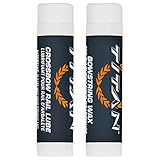
- ARS Mark9.3
ARS Mark is a ranking system developed by bestairriflescopes.com. ARS Mark has no relationship or impact from any manufacturers or sales agent websites. Learn more
- BrandAC Allen
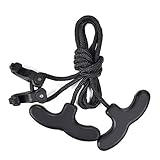
- ARS Mark8.5
ARS Mark is a ranking system developed by bestairriflescopes.com. ARS Mark has no relationship or impact from any manufacturers or sales agent websites. Learn more
- BrandELONG OUTDOOR

- ARS Mark7.1
ARS Mark is a ranking system developed by bestairriflescopes.com. ARS Mark has no relationship or impact from any manufacturers or sales agent websites. Learn more
- BrandAC Allen
Last update on 2026-10-18 / Affiliate links / Images, Product Titles, and Product Highlights from Amazon Product Advertising API
FAQs
Can you use regular gun oil or petroleum jelly instead of crossbow rail lube?
No, you should never apply gun oils, motor lubricants, or petroleum jelly to your crossbow rail. Petroleum-based chemicals break down the protective serving thread and dissolve the glue holding your arrow fletchings in place. Always use dedicated silicone-based archery rail lubricant that dries clean without gumming up the flight track.
How often do you need to wax the bowstring and lubricate the track?
Apply a drop or two of rail lubricant along the arrow track every 20 to 30 shots, or whenever the metal surface looks dry. Wax the synthetic string and cable bundles every few shooting sessions, or as soon as individual strands begin to appear dry or fuzzy. Always use clean fingers to rub the wax briskly so the heat melts it deep into the fibers.
Do you need to replace your stock crossbow scope right away?
Most factory scopes included with modern crossbow packages perform reliably for target shooting and hunting inside 40 yards. You only need to upgrade if you hunt in very low light and require a wider objective lens, or if you want illuminated aiming dots dialed to specific yardages. Prioritize basic upkeep items like rail lube, wax, and safe decocking gear before investing in premium optics.


12 Best 22 Pcp Air Rifle For Hunting of 2026 With Quiet Power

7 Best 22 Pcp Air Rifle Under 300 of 2026 For Backyard Pest Control

10 Best 22 Break Barrel Air Rifles of 2026 For Backyard Pest Control

10 Best 30 Caliber Pcp Air Rifle of 2026 For Medium Game

Top Best 177 Air Rifle Under 100: Budget-Friendly Picks for 2026

How to Safely Reload Shotgun Shells at Home

11 Best Co2 Air Rifle For Pest Control of 2026 To Ensure Humane Dispatch

12 Best Inexpensive Air Rifles of 2026 For Dependable Backyard Accuracy






