
Best Easton Arrow for Hunting 2026: Straight Talk

A clean shot begins long before the bowstring moves. Picking the best Easton arrow for hunting means balancing spine, finished weight, shaft diameter, and component fit instead of grabbing the fastest-looking shaft on the rack. A mismatched arrow can leave broadheads wandering, groups opening up, and confidence slipping right before the season starts. That’s a rough spot to be in, especially after spending hours tuning a bow that still refuses to settle down.
Arrow spine deserves the first hard look because it controls how the shaft reacts during the shot. Draw weight, draw length, point weight, and arrow length all affect the correct spine range, so the number printed on the shaft isn’t a stand-alone answer. A shaft that’s too weak may flex excessively, while one that’s overly stiff can make broadhead tuning more stubborn than it needs to be. Easton’s spine charts provide a useful starting point, but final tuning still matters because bows, rests, releases, and shooting form don’t behave exactly alike.
Finished arrow weight shapes the entire setup, too. A lighter build can produce a flatter trajectory, yet it may become less forgiving when range estimates are off or wind starts pushing across an open field. A heavier arrow usually carries momentum well and can quiet the bow, though the increased drop becomes noticeable as distance grows. The sensible middle ground depends on the bow’s energy, typical shot distance, and whether the terrain offers open lanes or tight woodland gaps.
Shaft diameter creates another tradeoff that glossy product descriptions often gloss over. Smaller-diameter hunting arrows can reduce wind drift and may offer better penetration characteristics because less surface area meets resistance. Standard-diameter shafts, on the other hand, often make component replacement simpler and may cost less to maintain over several seasons. Neither format automatically wins, so compatibility with inserts, nocks, broadheads, and the arrow rest should carry real weight in the decision.
Durability matters because hunting arrows rarely live an easy life. They get pulled from layered targets, bumped against stands, carried through brush, and occasionally buried in dirt after a miss. Carbon construction helps keep weight manageable, but every shaft still needs inspection for cracks, splinters, loose components, or damage around the nock end. Flexing and checking each arrow before shooting isn’t busywork; it’s a basic habit that protects both accuracy and safety.
Easton offers hunting shafts across different price levels, and paying more usually brings tighter tolerances, refined components, or specialized construction rather than magical field results. Straightness tolerance can help support more consistent builds, but careful assembly and matching arrow weights remain just as important. A moderately priced shaft that’s cut square, indexed properly, and tuned to the bow may group better than an expensive shaft assembled in a hurry. That little detail gets missed all the time.
Broadhead behavior should settle the final argument. Field points can hide small setup problems, while fixed-blade broadheads tend to expose them fast. If broadheads consistently land apart from field points, the answer may involve rest alignment, nock fit, cam timing, spine selection, or total arrow length rather than a bad batch of arrows. Mechanical broadheads may appear more forgiving in flight, but they still require a correctly spined and well-built shaft.
The best Easton arrow for hunting is ultimately the shaft that fits the bow, accepts the preferred components, survives normal field use, and produces repeatable broadhead groups. Speed alone won’t settle that equation, and brand reputation can’t replace proper setup. Build around realistic distances, local conditions, and the bow’s actual specifications. Get those basics right, and the arrow stops being a guessing game.

- ARS Mark9.8
ARS Mark is a ranking system developed by bestairriflescopes.com. ARS Mark has no relationship or impact from any manufacturers or sales agent websites. Learn more
- BrandEaston
- ARS Mark9.8
ARS Mark is a ranking system developed by bestairriflescopes.com. ARS Mark has no relationship or impact from any manufacturers or sales agent websites. Learn more
- BrandEaston

- ARS Mark9.6
ARS Mark is a ranking system developed by bestairriflescopes.com. ARS Mark has no relationship or impact from any manufacturers or sales agent websites. Learn more
- BrandEaston

- ARS Mark9.4
ARS Mark is a ranking system developed by bestairriflescopes.com. ARS Mark has no relationship or impact from any manufacturers or sales agent websites. Learn more
- BrandEaston

- ARS Mark9.2
ARS Mark is a ranking system developed by bestairriflescopes.com. ARS Mark has no relationship or impact from any manufacturers or sales agent websites. Learn more
- BrandEaston

- ARS Mark9.2
ARS Mark is a ranking system developed by bestairriflescopes.com. ARS Mark has no relationship or impact from any manufacturers or sales agent websites. Learn more
- BrandEaston

- ARS Mark9.0
ARS Mark is a ranking system developed by bestairriflescopes.com. ARS Mark has no relationship or impact from any manufacturers or sales agent websites. Learn more
- BrandEaston

- ARS Mark8.6
ARS Mark is a ranking system developed by bestairriflescopes.com. ARS Mark has no relationship or impact from any manufacturers or sales agent websites. Learn more
- BrandEaston

- ARS Mark8.4
ARS Mark is a ranking system developed by bestairriflescopes.com. ARS Mark has no relationship or impact from any manufacturers or sales agent websites. Learn more
- BrandEaston
Last update on 2026-07-22 / Affiliate links / Images, Product Titles, and Product Highlights from Amazon Product Advertising API
Easton Carbon Legacy Arrows for Hunting
A traditional-looking arrow often forces a compromise between old-school character and modern consistency, but this model takes a different path. The best Easton arrow for hunting should do more than match a wooden riser or look sharp in a back quiver, and the Easton Carbon Legacy 500 combines a realistic wood-grain finish with a carbon-fiber shaft. Its 500 spine, .244-inch internal diameter, 4-inch helical feathers, and included components give it a clear purpose rather than a broad, catch-all identity. That focused design has real strengths, though bow compatibility and weather conditions still deserve a careful look.
Easton Carbon Legacy 500
The realistic wood-grain finish is the feature that catches the eye first, yet it isn’t merely decorative fluff. It gives a recurve, longbow, or traditionally styled hunting bow the visual warmth of wood without requiring the same straightening and sorting routine associated with natural shafts. Carbon construction also removes much of the grain variation that can make wooden arrows behave differently from one shaft to another. Frankly, that blend makes sense for anyone who likes classic gear but doesn’t want arrow preparation to become a weekend-long chore.
The shaft uses a .244-inch internal diameter, placing it in a familiar standard-diameter category. That sizing can make compatible points and replacement components easier to manage than they might be with narrower specialty shafts. Standard diameter also gives the arrow a conventional feel through many rests and quivers, which helps avoid awkward component hunting later. The tradeoff is increased surface area compared with micro-diameter arrows, so wind drift may become more noticeable during exposed or longer shots.
A 500 spine rating makes these arrows suitable only after draw weight, draw length, shaft length, and point weight have been considered together. The spine number shouldn’t be treated like a universal size printed on a shirt because arrow behavior changes once components and bow energy enter the picture. A shaft that flexes correctly from one recurve may behave too weakly from a heavier or more aggressive setup. Proper spine selection is the backbone of clean flight, and no handsome finish can rescue a serious mismatch.
The package includes six arrows, which creates a practical starting set for field practice and a hunting quiver. A six-arrow pack offers enough shafts to check consistency without committing to a much larger batch, but it doesn’t leave much breathing room for lost arrows or damaged feathers. Keeping one or two arrows reserved for broadhead confirmation can shrink the usable field set quickly. That’s worth thinking through before season preparation reaches the last minute.
Carbon Construction and Straightness
Easton lists the shafts with straightness within .006 inch, a specification suited to practical hunting and recreational shooting rather than obsessive tournament sorting. Straightness matters because visible shaft wobble can affect point alignment and broadhead behavior, but it’s only one part of the build. A poorly seated insert or an unevenly cut shaft can introduce trouble even when the carbon tube falls within its stated tolerance. Careful assembly still carries plenty of weight here.
The carbon-fiber construction provides a useful middle ground between durability, manageable weight, and repeatable dimensions. Carbon won’t bend permanently in the same manner as aluminum, and it avoids the natural inconsistencies found in wood. Still, carbon damage can hide beneath the surface after a hard impact, so each shaft needs to be flexed and inspected before shooting. Cracks, splinters, or unusual sounds aren’t minor annoyances; they’re reasons to retire the arrow.
Field conditions can be rough on any arrow. Dirt behind a target, tight foam, brush, rocks, and crowded quivers all place stress on the shaft and components. The Legacy’s carbon body should handle normal use sensibly, but no carbon arrow deserves careless treatment simply because it feels rigid. A quick inspection around the nock end and insert area can catch damage before the next shot turns into a bad surprise.
The wood-grain surface also helps these arrows avoid the plain, technical appearance of many carbon shafts. That matters more than some reviewers admit because equipment confidence includes feel, balance, familiarity, and yes, appearance. The traditional visual character complements classic bows without forcing the maintenance habits of actual wooden arrows. It’s a practical compromise, not a costume pretending to be something else.
Helical Feathers and Arrow Control
Each shaft is fletched with 4-inch left-wing helical feathers, giving the arrow a strong rotational influence after release. Helical orientation helps the shaft spin and stabilize, which can be useful with broadheads that expose small tuning errors more readily than field points. The larger feather profile also provides stronger corrective steering than shorter, lower-profile vanes. That added control comes with extra drag, so these arrows favor stability over squeezing out every last foot per second.
Natural feathers usually behave well from traditional shelves and rests because they compress during contact. That flexibility supports cleaner arrow clearance on setups where a stiff plastic vane might kick against the riser or rest. It can make tuning feel less stubborn, especially on recurves and longbows with simple shooting shelves. Still, feather clearance can’t correct an arrow that has the wrong spine or a nocking point that’s badly positioned.
Rain is the obvious weakness in this fletching choice. Wet feathers may flatten, clump, or lose some of their steering ability until they dry and recover their shape. A bowhunter moving through soaked brush should treat weather sensitivity as a real limitation rather than a tiny footnote. Feather treatments and protective storage may help, but plastic vanes remain less fussy in consistently wet environments.
Four-inch feathers can also take a beating inside tight quivers or crowded arrow cases. Bent fibers may often be smoothed or restored, while torn quills and loose bases require proper repair. The larger fletching profile deserves more storage space than compact hunting vanes, and forcing the arrows into a cramped holder can undo the benefits of careful helical alignment. A little room goes a long way here.
Nocks, Inserts, and Setup Details
The arrows arrive with white 3D Super Nocks already installed, saving one assembly task and providing strong visual contrast against the darker wood-grain pattern. White nocks can also be easier to locate on a target face or forest floor than muted colors. Pre-installation is convenient, but string fit still needs to be checked because center-serving diameter varies from bow to bow. The nock should engage securely without clamping so tightly that it disrupts a clean release.
Easton includes RPS aluminum inserts weighing 13 grains, giving each shaft a ready foundation for compatible field points or broadheads. The relatively modest insert weight allows the final front-end balance to be shaped mainly through point selection. Aluminum is familiar and straightforward, though it still needs careful bonding and square seating. Even a slight alignment error can produce visible broadhead wobble during a spin check.
Shaft preparation deserves patience because carbon dust, uneven ends, and poorly bonded inserts can create preventable problems. The cut end should be square, clean, and properly prepared before the insert is fixed in place. Insert alignment directly affects how a broadhead sits in relation to the shaft, so rushed work can undermine the arrow’s straightness specification. It’s one of those small jobs that looks trivial until groups start wandering.
Shooting interests sometimes extend beyond bows, although the equipment and handling requirements remain completely separate. For broader reference on another projectile platform, related design differences appear in pump air rifle options, where propulsion, ammunition, and maintenance follow a very different logic. The Carbon Legacy’s nocks, inserts, and feather orientation remain strictly archery components. Blurring those categories doesn’t help either setup.
Hunting Flight and Broadhead Behavior
Broadhead flight provides the most honest test of a hunting arrow. The helical feather configuration can offer firm steering once the shaft leaves the bow correctly, but it won’t disguise poor rest alignment or an unsuitable spine. Field points may group neatly while fixed blades reveal small setup errors through horizontal or vertical separation. That difference isn’t automatically a flaw in the arrow; it’s often the bow asking for finer tuning.
The standard-diameter carbon shaft may suit woodland hunting where shot distances stay moderate and wind exposure is limited. In those conditions, stable arrow flight and predictable component compatibility can matter more than a narrow profile. Open terrain changes the equation because crosswinds have more shaft and feather area to push against. A smaller-diameter arrow with lower-profile vanes may hold an advantage there, though it won’t provide the same traditional feel.
Arrow weight isn’t fully defined by the supplied details because finished length, point weight, adhesive, and other components change the final number. That means claims about exact speed, momentum, or trajectory would be guesswork. The finished arrow build should be weighed after assembly and evaluated against the bow’s requirements. Realistic expectations begin with actual measurements rather than assumptions based on the shaft name.
Shorter and moderate distances play naturally to the 4-inch feathers because extra drag has less time to exaggerate trajectory drop. At greater distances, the arrow may demand more precise range estimation than a light shaft wearing compact vanes. The stability-versus-speed tradeoff is plain: stronger steering supports recovery and control, while increased drag reduces some downrange efficiency. Neither side is automatically better; the hunting environment settles that argument.
Strengths, Weaknesses, and Best Fit
The strongest part of this package is its coherent design. A wood-grain carbon shaft, long helical feathers, white nocks, and included aluminum inserts all point toward a traditional-style setup backed by modern materials. Nothing feels randomly tacked on for the sake of a longer feature list. For a correctly matched bow, the parts support a clear balance of visual character, practical durability, and assertive stabilization.
The weaknesses are just as specific. A 500 spine limitation rules out many heavier or longer setups, natural feathers need more care in wet conditions, and the .006-inch straightness tolerance won’t satisfy every precision-focused shooter. The six-pack quantity can also feel lean after one arrow is lost and another is set aside for broadhead practice. These aren’t hidden defects, but they do narrow the situations where the package feels fully at home.
Traditional bows, suitable lower-to-moderate draw weights, and moderate hunting ranges are the clearest match for these arrows. The 4-inch feather clearance works naturally with many recurve and longbow shelves, while carbon construction reduces the upkeep demanded by real wood. A compound bow can use them if spine, rest clearance, and component selection line up correctly. Buying solely for the vintage appearance, though, puts the cart before the horse.
The Easton Carbon Legacy 500 earns attention through thoughtful compromises rather than exaggerated claims. Its carbon durability, realistic finish, included 13-grain inserts, pre-installed Super Nocks, and left-wing helical feathers create a practical hunting shaft with a strong traditional identity. Wet-weather performance, spine compatibility, and long-range drag remain the main cautions. Matched and assembled carefully, it offers a grounded route into classic-looking carbon arrows without pretending every bow or hunting style needs the same setup.
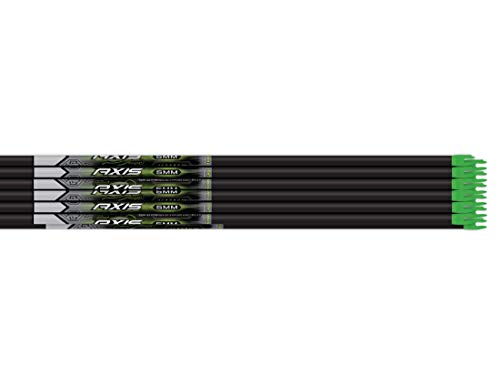
Easton Axis Carbon 300 Hunting Arrow Shafts
Bare shafts put every setup decision under a brighter light, which can be refreshing or downright annoying depending on how much control you want. The Easton Axis Carbon 300 HT belongs in the best Easton arrow for hunting conversation because it gives the builder a clean starting point instead of locking in someone else’s vane style, orientation, or component layout. Supplied as a dozen Axis shafts with HIT inserts, this package leans toward deliberate customization rather than instant range use. That freedom is its biggest strength, but it also means cutting, squaring, fletching, and final tuning can’t be skipped.
Easton Axis Carbon 300 HT Shafts
The bare-shaft format is the defining feature here. No vanes are included, so each shaft can be fitted with feathers, low-profile vanes, higher-steering vanes, or another compatible fletching setup based on the bow and broadhead combination. That’s handy when factory fletching never seems to match the preferred helical direction or rest clearance. On the flip side, anyone expecting arrows that can be nocked and shot immediately will have extra work ahead.
A dozen shafts provides more breathing room than a six-pack. Twelve matching shafts can support a hunting quiver, broadhead practice, field-point sessions, and a few replacements without running thin right away. The dozen-shaft quantity also makes weight sorting more practical, since builders can organize finished arrows into closely matched groups after adding inserts, nocks, adhesive, and fletching. Still, consistency depends on careful assembly rather than the package count alone.
The 300 spine points toward stiffer hunting setups, though the printed number isn’t enough to confirm compatibility by itself. Draw length, bow weight, shaft length, point weight, insert weight, and cam behavior all influence dynamic spine after release. Cutting a shaft shorter generally stiffens its reaction, while heavier front components can make it behave weaker. A proper selection chart and hands-on tuning should settle the decision before the saw touches carbon.
That stiffness can make sense for bows carrying substantial energy or builds using heavier points, but assumptions are risky. A shaft that’s excessively stiff may produce stubborn left-right tuning issues, while one that’s too weak can recover poorly and behave unpredictably with broadheads. The correct dynamic spine matters far more than choosing the toughest-looking number on the label. In plain English, 300 isn’t automatically better just because it’s stiffer.
HIT Inserts and Front-End Alignment
The included HIT inserts sit inside the shaft rather than wrapping around its exterior like a conventional insert. This internal placement supports the Axis design’s narrower profile and creates a direct connection between the broadhead or point and the shaft’s inner wall. The result is a clean front-end shape without a bulky external component interrupting the shaft line. Installation accuracy, though, becomes a make-or-break detail.
A HIT insert must be seated at the correct depth and aligned with a properly squared shaft end. Rushing that job can leave a broadhead slightly crooked even if the carbon shaft itself is straight. The insert installation process calls for clean preparation, suitable adhesive, and enough curing time before points are threaded in and tested. Cutting corners here can create wobble that shows up immediately during a spin check.
Broadhead alignment deserves special attention because fixed blades tend to reveal small errors fast. A point that doesn’t spin true may steer the arrow away from the field-point group, creating a tuning headache that gets blamed on the bow. Square shaft ends and correctly positioned HIT inserts reduce that risk by keeping the point centered with the shaft. The concept is simple, but sloppy workmanship has nowhere to hide.
The internal insert design also means replacement or repair may feel less straightforward than swapping a conventional external insert. Once bonded, the component isn’t meant to be casually removed after every change of mind. That makes front-end planning worthwhile before assembly begins, especially where heavier broadheads or different point systems are being considered. Measure twice, build once, and save the cussing for something else.
Bare-Shaft Flexibility for Hunting Builds
No factory vanes means the fletching can be chosen around real hunting conditions rather than whatever happened to be pre-installed. Taller vanes may offer stronger broadhead correction, while lower-profile options can reduce drag and quiver clearance issues. The custom fletching choice also allows right or left helical orientation to match personal setup preferences. That level of control is useful, yet it demands more knowledge than opening a package of completed arrows.
Rest design should guide the final vane decision. Drop-away rests generally provide generous clearance, while fixed rests may need careful vane height and orientation to avoid contact. A cleanly fletched shaft can leave the bow without interference, but even a well-made vane becomes a problem if it clips the rest or cable. Powder testing or another safe clearance check can expose contact before broadhead tuning turns into a wild goose chase.
Weather also affects the decision. Plastic vanes tend to stay more predictable in rain than natural feathers, which may appeal where wet brush and sudden showers are common. Feathers can offer forgiving shelf clearance on traditional equipment, though these stiff 300-spine Axis shafts may not suit every recurve or longbow configuration. The bare-shaft design doesn’t dictate the answer; it simply leaves the answer in the builder’s hands.
Fletching style changes more than appearance. Helical configurations encourage rotation and can help steer broadheads, but they add drag compared with a subtle offset. Straight fletching may preserve speed, though it usually provides less rotational influence. The stability and drag tradeoff should reflect realistic shot distance, wind exposure, and broadhead profile instead of a trend copied from someone else’s bow.
Axis Shaft Behavior in the Field
Axis shafts are built around a relatively slim hunting-arrow concept, which can reduce the amount of shaft surface exposed to crosswinds compared with broad standard-diameter designs. Less surface area may also mean less material pushing through tissue or dense target foam behind the point. The narrow shaft profile supports a streamlined hunting setup without relying on exaggerated speed claims. Exact flight results still depend on finished weight, length, and the rest of the arrow build.
Penetration can’t be predicted honestly from the shaft name alone. Broadhead design, impact angle, shot placement, total arrow weight, point weight, bow energy, and target material all play a role. The Axis platform gives builders room to create a purpose-driven front end, but it doesn’t erase the physics or guarantee a specific outcome. A well-tuned moderate build can be more dependable than a heavy setup assembled without balance.
Carbon shafts also require routine inspection after hard impacts, misses, target pass-throughs, or contact with other arrows. Small cracks or splinters can be difficult to notice at a glance, so the shaft should be examined around the nock, midsection, and insert area. Carbon safety checks aren’t optional maintenance, especially after an arrow strikes dirt, wood, or rock. A damaged shaft belongs in the discard pile, not back on the string.
The lack of supplied vanes makes storage easier before assembly, yet completed arrows need quiver space suited to the chosen fletching. Tall helical vanes can rub or deform in a cramped hood, while compact vanes may sit more neatly but offer different steering behavior. The finished arrow dimensions matter just as much as the bare shaft’s slim body. A quiver that squeezes the fletching can quietly undo careful shop work.
Tuning Demands and Realistic Limitations
Bare shafts make it possible to build around exact preferences, but they don’t forgive poor measurements. Arrow length must be selected safely, each cut needs to be square, and all components should be installed consistently. The assembly workload is noticeably higher than buying finished arrows, especially without a suitable saw, squaring tool, fletching jig, and grain scale. Paying a competent archery shop may make more sense than improvising with the wrong equipment.
Finished weight isn’t provided in the product details because a bare shaft changes once it’s cut and equipped. Vanes, wraps, nocks, inserts, broadheads, and adhesive all add weight, sometimes in places that affect balance differently. The final arrow weight should be measured rather than guessed before estimating trajectory or evaluating bow performance. Any exact speed or momentum claim without those details would be little more than smoke and mirrors.
Technical shooting topics sometimes overlap in conversation even though their equipment operates on entirely different principles. A neutral explanation of optic markings appears in reading a sniper scope, while the Axis shaft itself relies on bow tuning, arrow spine, and broadhead alignment rather than reticle adjustments. Keeping those systems separate prevents misleading comparisons. The shared need for careful setup doesn’t make the platforms interchangeable.
The 300-spine limitation is the main reason this product won’t fit every bow. Lower draw weights, shorter draws, or lightweight point combinations may need a weaker shaft to tune correctly. Bare construction is another hurdle for anyone without tools, time, or an interest in custom assembly. These aren’t minor footnotes; they define whether the package feels liberating or needlessly complicated.
Strengths and Weaknesses of the Axis 300
Control stands out as the clearest strength. The unfinished shaft format allows the builder to choose vane material, vane height, fletching orientation, finished length, point weight, and visual details without stripping off factory components first. HIT inserts support the intended Axis configuration and arrive with the shafts, removing one compatibility question from the build. For a carefully planned setup, that’s a tidy foundation.
The dozen count is another practical advantage. Matching twelve shafts offers room to create a consistent hunting batch while keeping several arrows available for practice and broadhead verification. A larger matched set can reduce the annoyance of rebuilding from scratch after one lost shaft. It also provides more options for sorting completed arrows by finished weight.
The weaknesses center on effort and compatibility. No vanes means no immediate shooting, and the HIT insert system rewards precise installation rather than casual assembly. A 300 spine can be too stiff for many bows, while custom fletching adds cost beyond the shaft package. Anyone hoping for plug-and-play convenience may feel like they bought a project instead of arrows.
The Easton Axis Carbon 300 HT makes the most sense where stiff spine, a narrow shaft platform, internal inserts, and custom fletching are already part of the plan. Its hunting-focused construction offers room for thoughtful tuning without pretending one vane or point setup suits every bow. The package asks for patience, proper tools, and disciplined inspection. Built with care, it becomes a tailored arrow system; assembled in a hurry, it can turn small mistakes into long evenings at the range.
Easton Genesis V2 1820 Teal Arrows
Bright colors can make an arrow easier to track, but appearance won’t rescue a shaft that doesn’t match the bow or the job at hand. The Easton Genesis V2 1820 enters the best Easton arrow for hunting discussion as a six-arrow set with 3-inch vanes, a teal finish, and a notably simple product description. That limited information calls for a grounded review rather than big promises about speed, penetration, or durability. Its real appeal lies in straightforward setup and visible styling, while its suitability for hunting depends heavily on bow compatibility and the finished arrow configuration.
Easton Genesis V2 1820 Arrows
The 1820 shaft designation is the first detail that deserves careful attention because it isn’t a universal fit across bows. Arrow selection has to account for draw weight, draw length, shaft length, point weight, and the energy delivered at release. A shaft that behaves well from one setup may react too weakly or too stiffly from another, plain and simple. The printed size provides a starting point, but a spine chart and proper tuning should make the final call.
This package includes six arrows, which is enough for a compact quiver or a modest practice set. The six-pack quantity keeps the purchase manageable, though it leaves little room after an arrow is lost, damaged, or reserved for broadhead verification. Regular practice can chew through a small set faster than expected, especially where targets sit near brush, dirt, or hard backstops. Keeping every arrow inspected and accounted for matters more when the backup supply is thin.
The teal finish brings a practical visual advantage beyond style. A bright shaft color may stand out more clearly against dark target faces, grass, leaves, or the shadowed floor of a gear closet. That visibility can reduce the time spent hunting for a misplaced arrow after a missed target, although ground cover and lighting still affect how easily it can be spotted. Teal won’t appeal to every traditional setup, but it’s far from pointless decoration.
The Genesis name often points toward accessible shooting setups, yet that doesn’t automatically make every Genesis arrow appropriate for every hunting bow. The bow-to-arrow match remains the deciding factor, not the branding or package color. A hunting arrow must carry a compatible point or broadhead, clear the rest properly, and tune without erratic behavior. Buying first and checking compatibility later puts the cart before the horse.
Three-Inch Vanes and Flight Behavior
The arrows arrive with 3-inch vanes, a middle-ground length that avoids both oversized steering surfaces and ultra-short speed-focused profiles. Three-inch vanes can provide useful stabilization without adding the drag associated with longer 4-inch fletching. That balance may suit moderate shooting distances where repeatable flight matters more than chasing the flattest possible trajectory. Exact performance, though, depends on vane height, offset, shaft setup, and point choice, none of which should be guessed.
Plastic vanes generally handle moisture with less fuss than natural feathers. Rain, wet grass, and humid storage won’t flatten them in the same way soaked feathers can collapse against a shaft. This weather-resistant fletching can be helpful during damp practice sessions or unpredictable field conditions. Bent vanes can still create trouble, so quiver pressure and careless storage deserve attention.
Rest clearance may decide whether the supplied vanes behave cleanly. A vane that clips a fixed rest, riser, or cable can push the arrow off line before it has a chance to stabilize. The 3-inch fletching profile may clear many common setups, but orientation and vane height still matter. A simple clearance check can save a lot of head-scratching after groups begin spreading for no obvious reason.
Broadheads place greater steering demands on an arrow than field points because exposed blades can magnify small tuning errors. The supplied vanes may provide enough correction for a properly tuned setup, yet no fletching can fully cover poor alignment or a mismatched shaft. Broadhead flight should be confirmed on a safe target before any field use is considered. If field points and broadheads land apart, the bow and arrow setup needs attention rather than wishful thinking.
Color Variation and Package Expectations
The product details clearly state that fletching colors may vary from what appears in the picture. That note matters because buyers expecting an exact color combination may receive vanes with a different appearance. The shaft is identified as teal, but the vane colors shouldn’t be treated as guaranteed based solely on the listing image. Functionally, color variation may not change flight, yet it can disrupt a carefully matched visual setup.
Mixed or unexpected vane colors can have a small practical upside. A contrasting index vane color may make nocking orientation easier to recognize quickly, depending on the combination supplied. Still, the listing doesn’t specify which colors will arrive, so there’s no honest basis for promising a particular pattern. Anyone building a color-coordinated quiver should keep that uncertainty in mind.
The limited product description leaves several details unstated, including finished arrow weight, straightness tolerance, point weight, nock style, and included accessories. Those omissions don’t prove a weakness, but they do limit how far a responsible review can go. The known specifications are the 1820 designation, teal color, six-arrow quantity, and 3-inch vanes with possible color variation. Claims beyond that would be pulling numbers out of thin air.
Packaging should also be inspected soon after arrival because vanes can become bent if arrows sit under pressure during shipping or storage. A slightly wrinkled vane may recover with careful handling, while a torn base or loose bond deserves closer attention. The condition of the fletching directly affects consistency, so cosmetic-looking damage shouldn’t be dismissed automatically. Each arrow should also be checked for visible shaft and nock damage before use.
Practical Hunting Limits
The strongest question isn’t whether these arrows look ready for the field; it’s whether their 1820 specification matches the intended bow. Hunting setups often use more energy and heavier front components than casual target configurations, which can change how a shaft behaves during release. Without verified compatibility, calling this the right hunting arrow would be careless. The product may fit certain bows, but it shouldn’t be treated as a blanket recommendation.
Point and broadhead compatibility also requires confirmation because the supplied description doesn’t identify the included point system or hardware. A hunting setup needs components that thread or seat securely, align with the shaft, and remain within a safe finished configuration. The front-end assembly affects balance, dynamic spine, and broadhead flight all at once. A poorly aligned point can create wobble even when the rest of the arrow appears sound.
Finished weight remains another unknown. Shaft length, nock, vanes, insert, adhesive, and point all contribute to the number that finally leaves the bow. The complete arrow weight should be measured rather than assumed before discussing trajectory, momentum, or bow efficiency. Any exact speed or impact claim without those figures would be guesswork dressed up as certainty.
Visibility, moisture-resistant vanes, and a manageable six-arrow bundle are useful traits, but none overrides safe tuning. The main limitation is the lack of detailed specifications needed to judge hunting compatibility from the listing alone. An archery shop or reliable manufacturer chart can help settle shaft selection, point fit, and safe arrow length. That extra step may feel fussy, but it beats forcing the wrong arrow into service.
Handling, Maintenance, and Related Gear
Routine inspection should happen before every shooting session, especially after an arrow hits something harder than a target. Cracks, bends, damaged nocks, loose points, and lifting vane edges can all change flight or create a safety issue. The shaft condition matters far more than whether the teal finish still looks tidy. Any arrow showing structural damage should be taken out of rotation rather than given one more chance.
Vane care is fairly simple but shouldn’t be ignored. Tight quivers and crowded cases can press the 3-inch vanes sideways, leaving them distorted before the bow is even strung. Storing the arrows with enough room around the fletching helps preserve their shape and alignment. Mud or residue should be removed carefully so the vane bond isn’t pulled loose.
Shooting accessories often get discussed together even when they serve unrelated platforms. A neutral overview of sighting equipment appears in airsoft holographic sights, while these Easton arrows rely on bow fit, shaft behavior, and fletching clearance rather than an optical sight system. The shared emphasis on alignment doesn’t make the gear interchangeable. Keeping each category in its proper lane avoids muddled setup decisions.
The teal color may also help with organizing a mixed equipment case. A distinct shaft finish makes it easier to separate these arrows from other sizes or builds at a glance, reducing the chance of grabbing the wrong set. Color coding isn’t a replacement for reading shaft markings, but it can support a more orderly routine. That’s a small benefit, yet small efficiencies count when gear starts piling up.
Strengths, Weaknesses, and Realistic Fit
The clearest strength is simplicity. The package provides six pre-fletched arrows with 3-inch vanes, avoiding the time and equipment needed to fletch bare shafts from scratch. Teal coloring adds visibility, and plastic vanes should remain less temperamental than feathers in damp conditions. For a compatible bow, that combination can make routine practice more straightforward.
The biggest weakness is uncertainty. The supplied details don’t state straightness tolerance, finished weight, included point components, or several other factors that matter during hunting-arrow selection. This limited specification set makes it impossible to promise precise performance or broad compatibility. The varying fletching colors also mean the delivered appearance may not match the product image exactly.
These arrows make the most sense where the 1820 size has already been confirmed for the bow and the convenience of installed vanes matters. A properly matched setup can benefit from the easy-to-see shaft color and moderate vane length without requiring a custom fletching job. Heavier hunting bows or specialized broadhead builds may call for a different shaft specification. There’s no shame in that; arrows are tools, not one-size-fits-all accessories.
The Easton Genesis V2 1820 set offers a straightforward package rather than a deeply specified custom hunting system. Its 3-inch vanes, six-arrow count, and teal finish are clear benefits, while variable fletching colors and missing technical details remain the main cautions. Compatibility should be confirmed before attaching hunting components or relying on the arrows in the field. Used within the right setup, they can fill a practical role without pretending to solve every archery need.
Easton 6.5 ACU-Carbon Bowhunter 400 Arrows
Small setup mistakes have a nasty habit of showing themselves only after broadheads replace field points. That frustration gives the Easton 6.5 ACU-Carbon Bowhunter 400 a clear place in the best Easton arrow for hunting discussion, especially for a bow that has already been matched to a 400-size shaft. The six-arrow package arrives with 2-inch Bully Vanes, so there’s less workshop prep than a bare-shaft build demands. Still, the limited product information means finished weight, straightness, point hardware, and exact shaft length shouldn’t be guessed.
Easton ACU-Carbon Bowhunter 400
The 400 size shapes nearly every judgment about this arrow because spine compatibility can’t be treated like a casual detail. Draw length, draw weight, arrow length, point weight, and bow design all influence how the shaft bends during release. A 400 arrow may settle nicely from one setup and react poorly from another that looks similar on paper. Put bluntly, the correct match matters more than the name printed along the shaft.
Easton packages these arrows in a set of six, which keeps the quiver manageable and avoids buying more shafts than a light hunting rotation may need. The six-arrow count can cover several practice arrows and a field-ready group, although one miss into thick brush can make that supply feel thin in a hurry. Setting aside arrows for broadhead verification reduces the working number even further. For frequent range sessions, the pack size may feel more like a starting point than a long-term supply.
The 6.5 platform suggests a familiar shaft format rather than a very narrow micro-diameter build. A standard-style diameter can make quiver fit, rest clearance, and component handling less complicated than some specialized systems. The downside is a little more shaft area for wind to push against across open ground. In wooded lanes or moderate-distance setups, that tradeoff may matter less than straightforward compatibility.
The supplied description identifies Easton Archery but doesn’t provide enough information to make exact claims about speed, momentum, grains per inch, or penetration. That absence isn’t automatically a flaw, but it sets a firm boundary around this review. The confirmed details are the 400 size, 6.5 ACU-Carbon designation, 2-inch Bully Vanes, and six-arrow package. Anything more specific would be filling in blanks that weren’t actually supplied.
Two-Inch Bully Vanes in Real Use
The 2-inch Bully Vanes give the arrows a compact, tidy profile that should take up less room than long feathers or taller hunting vanes. Shorter fletching can reduce drag and keep a quiver from feeling overcrowded, which is useful during long walks or tight storage. That small footprint also looks clean on a modern hunting shaft. The flip side is less steering surface, so the bow and broadhead setup need to leave the string without much drama.
Compact vanes tend to reward a well-tuned bow. A poorly aligned rest, crooked point, or mismatched spine can overpower the correction that small fletching provides. The main difference between this setup and a longer-vane build is the balance between lower drag and stronger stabilization. Neither approach wins every time, but the 2-inch format clearly leans toward efficiency and cleaner packaging.
Wet weather is one area where plastic vanes earn their keep. Rain and damp brush won’t flatten them in the same way natural feathers can collapse against a shaft. This weather-resistant design reduces one common headache during soggy practice sessions or unpredictable hunting days. Bent vanes can still create inconsistent flight, though, especially after being crushed inside a tight case.
Rest clearance deserves a quick, serious check before broadhead tuning begins. A vane that brushes the riser, cable, or rest can push the arrow off line before stabilization even starts. The low-profile vane shape may improve clearance compared with bulkier fletching, but orientation still matters. A clean launch is the foundation, and no vane can fix contact that happens at the bow.
Broadhead Flight and Spine Matching
Broadheads reveal problems that field points often hide. Exposed blades can steer against the intended path if the shaft leaves the bow with poor alignment or excessive flex. The 400 spine rating must work with the complete arrow, not merely the uncut shaft. Added point weight can make the arrow behave weaker, while shortening the shaft generally makes it react stiffer.
Fixed-blade broadheads place more demand on vane control than field points because their blade surfaces can act like small wings. The 2-inch Bully Vanes may handle that job well on a tuned setup, but they aren’t a magic cover for poor component alignment. Broadhead consistency depends on straight point seating, proper rest position, sound nock fit, and suitable dynamic spine. If impact points separate, the cause needs to be traced rather than blamed on the shortest visible part.
Mechanical broadheads may present less blade surface during flight, yet they don’t remove the need for a compatible arrow. The finished configuration still changes with shaft length, insert weight, broadhead weight, wraps, vanes, and adhesive. Since those values aren’t supplied, exact trajectory or impact claims would be guesswork. Weighing the finished arrows provides useful information that the package name alone can’t deliver.
Optics and archery sometimes appear in the same gear conversations, even though their setup logic differs sharply. A neutral look at sight selection appears in air rifle scopes under 500, while these arrows depend on bow tuning, shaft response, and broadhead alignment rather than scope tracking. Both systems reward consistency, but the components and adjustments don’t cross over. Keeping those differences clear prevents messy expectations.
Carbon Handling and Maintenance
Carbon construction brings a practical mix of stiffness, manageable weight, and resistance to permanent bending. Unlike aluminum, a carbon shaft generally won’t stay visibly bent after an impact, but hidden damage can be more serious. The carbon safety check should include the full shaft, nock area, and front end after hard target hits or misses. Cracks, splinters, soft spots, or unusual sounds mean the arrow should be retired.
The nock end deserves close attention because repeated string pressure and rear impacts can create damage that’s easy to overlook. A loose or cracked nock can alter release behavior and create a safety concern. The rear component fit should feel secure without forcing the string into an overly tight grip. Clean, repeatable nock engagement supports more consistent launches from shot to shot.
Vane care is simple, but neglect can undermine an otherwise sound arrow. A quiver hood or storage tube that squeezes the 2-inch vanes sideways may leave them warped before the next trip. Dirt around the vane base can also hide lifting edges or weakened adhesive. A few seconds of inspection can catch those problems before grouping starts to wander.
Numbering the six shafts is a practical way to separate shooting form from equipment behavior. If one arrow repeatedly lands away from the others, the individual shaft condition deserves inspection for vane damage, point wobble, or nock alignment. That small habit can prevent endless adjustments to a bow that was already tuned correctly. Sometimes the odd arrow really is the odd arrow.
Practical Strengths and Weaknesses
The strongest feature is convenience without going fully generic. These arrows arrive with pre-installed 2-inch Bully Vanes, removing the need for a jig, adhesive setup, and vane indexing before the first tuning session. The compact fletching also supports easier quiver storage and less drag than a much larger vane profile. For a compatible bow, that saves time without eliminating setup control.
The 6.5 format is another practical strength because it avoids the extra fuss that can accompany narrower specialty shafts. A familiar shaft profile may fit more readily into common rests, quivers, and workshop routines. That doesn’t mean every accessory is automatically compatible, but it can make the overall build less finicky. Sometimes ordinary dimensions are a blessing, not a compromise.
The main weakness is the shortage of detailed specifications in the supplied description. No confirmed figures are provided for straightness tolerance, shaft length, grains per inch, insert weight, or finished arrow weight. This information gap makes precise performance judgments impossible and puts more responsibility on verifying the product against the bow. Buyers seeking a fully documented technical build may want more data before committing.
The six-pack quantity is also a tradeoff rather than an automatic benefit. It keeps the initial set compact, but replacement flexibility becomes limited after losses, damage, or broadhead-only arrows reduce the available pool. A hunter who practices heavily may burn through six shafts faster than expected. Someone maintaining a small, carefully tracked quiver may see the count as just right.
Where the Bowhunter 400 Makes Sense
This arrow makes the most sense after the 400 size has been confirmed for the bow’s draw weight, length, and point configuration. The best-fit setup is one that benefits from compact plastic vanes, a 6.5 shaft platform, and a ready-fletched six-arrow package. It isn’t meant to cover every draw length or broadhead plan. A proper match turns the supplied features into benefits, while a poor match turns them into distractions.
Damp woods, compact quivers, and moderate hunting distances suit the practical character of the Bully Vanes. Their short profile should be easier to manage than long feathers in wet brush or crowded storage. Open-country shots with strong crosswinds may place more emphasis on total shaft diameter and complete arrow balance. The shooting environment, not marketing language, should settle that preference.
Heavier bows, long draw lengths, or substantial front weight may require a stiffer shaft depending on the completed setup. Lighter bows may need a weaker alternative. The 400-spine limitation isn’t a defect; it simply defines the lane this arrow belongs in. Treating one size as universal is where otherwise sensible equipment choices go sideways.
The Easton 6.5 ACU-Carbon Bowhunter 400 offers a clean, ready-fletched route into a hunting-arrow build without piling on unsupported promises. Its key strengths are the compact 2-inch Bully Vanes, manageable six-arrow package, carbon construction, and familiar 6.5 format. Its weaknesses are the limited supplied specifications and the need to verify spine compatibility before use. In the right bow, it can be practical and straightforward; in the wrong bow, no amount of tuning patience will make the mismatch disappear.
Easton 6.5 ACU-Carbon Bowhunter 340 Arrows
A stiffer arrow can steady a demanding setup, but stiffness alone doesn’t guarantee clean broadhead flight. The Easton 6.5 ACU-Carbon Bowhunter 340 enters the best Easton arrow for hunting discussion with a specific recipe: a 340-size carbon shaft, 2-inch Bully Vanes, and six finished arrows in the package. That combination reduces assembly work while leaving spine selection and final tuning firmly in the archer’s hands. It’s a focused hunting option, not a universal shaft that can be tossed onto any bow without a second thought.
Easton ACU-Carbon Bowhunter 340
The 340 size separates this model from lighter-spined alternatives and points toward bows that need a comparatively stiff shaft. Draw weight, draw length, arrow length, point weight, and cam aggressiveness all influence whether that stiffness is appropriate. A long arrow carrying a heavy broadhead may behave differently from a shorter shaft fitted with a lighter point, even though both show the same number on the label. The sensible move is to treat 340 as a specification to verify, not a badge of strength to chase.
Easton supplies six arrows, which creates a compact setup for practice and field use. The six-arrow package can fill a hunting quiver without leaving a pile of extras on the workbench, and that appeals to anyone who keeps gear lean. Still, losing one arrow and damaging another can cut the set down quickly. A small package rewards careful tracking, regular inspection, and a little restraint around rocky backstops.
The 6.5 ACU-Carbon platform favors a familiar shaft format rather than a tiny micro-diameter profile. That can make quiver fit, rest setup, and component handling feel less fussy, especially for a bow already built around standard hunting arrows. More shaft surface may catch additional crosswind compared with narrower designs, though the actual effect depends on distance and conditions. In thick timber or along short lanes, straightforward handling may matter more than shaving every fraction of wind exposure.
The product information provided is brief, so this review sticks to confirmed details rather than inventing figures. Easton identifies the arrows as 6.5 ACU-Carbon Bowhunter shafts in size 340 with 2-inch Bully Vanes, sold six per pack. The unknown specifications include finished weight, straightness tolerance, grains per inch, included point hardware, and exact shaft length. Without those numbers, exact speed, momentum, or penetration claims would be smoke and mirrors.
Compact Bully Vanes and Arrow Control
The 2-inch Bully Vanes give the arrows a short, tidy fletching profile that won’t crowd many quivers the way longer vanes or feathers can. Compact vanes usually produce less drag than larger steering surfaces, which helps preserve downrange efficiency. They also create a clean modern appearance that suits the carbon Bowhunter platform. The tradeoff is reduced surface area, so the bow must launch the shaft without major tuning problems.
A small vane doesn’t have as much room to correct a badly behaving arrow. Poor rest alignment, a loose nock, front-end wobble, or the wrong dynamic spine can overpower the steering authority of compact fletching. That doesn’t make the Bully Vanes inadequate; it makes setup quality more visible. A well-tuned bow lets short vanes do their job, while a messy launch asks them to clean up more than they reasonably can.
Plastic vanes also bring a practical weather advantage. Rain and wet brush won’t flatten them the way natural feathers may collapse against the shaft, so the fletching profile should remain more predictable during damp conditions. Mud, tight quivers, and careless case storage can still bend or loosen them. Weather resistance helps, but it doesn’t make the vanes maintenance-free.
Rest clearance deserves attention before broadhead testing starts. The short vane length may reduce the chance of contact, yet vane height and orientation can still place the fletching against a cable, riser, or rest. Clean arrow clearance matters because even a light brush can push the shaft off line during launch. That tiny contact can turn a neat field-point group into a head-scratcher once broadheads come out.
Spine Behavior With Hunting Components
The 340 spine choice should be judged only after the entire arrow build is considered. A heavier broadhead or insert adds front weight and may make the shaft react weaker during the shot. Cutting the arrow shorter generally makes it behave stiffer, while a longer finished shaft can flex more. Those relationships aren’t glamorous, but they’re the nuts and bolts of a hunting arrow that tunes without a fight.
Fixed-blade broadheads expose dynamic-spine problems quickly because their blades interact with airflow. The 2-inch vanes can guide a properly launched shaft, but they can’t fully correct a broadhead that starts its trip sideways. Broadhead alignment, rest position, nock fit, and shaft compatibility all need to work together. If field points and broadheads separate on the target, the complete system deserves inspection rather than a quick vane replacement.
Mechanical broadheads may present less exposed surface during flight, though they still rely on a straight, correctly matched arrow. The finished arrow weight changes with shaft length, inserts, nocks, vanes, wraps, adhesive, and point choice. Since the supplied description doesn’t state those values, no exact trajectory prediction would be honest. Weighing and tuning the completed arrows tells far more than assuming performance from the 340 marking alone.
Arrow selection can feel backwards when a stiffer number is treated as automatically safer or tougher. Too much stiffness may create stubborn tuning behavior just as surely as a shaft that’s too weak. The right spine balance allows the arrow to recover cleanly after release without excessive flex or resistance to tuning adjustments. Bigger isn’t always better, and stiffer isn’t always smarter.
Field Handling and Durability Habits
Carbon arrows resist permanent bending in a way that differs from aluminum, but they still demand regular checks. A hard miss, target pass-through, or collision with another arrow can create cracks or splinters that aren’t obvious at first glance. The carbon shaft inspection should cover the full length, especially around the nock and front component areas. Any suspicious sound, split, or soft spot is enough reason to retire the arrow.
The compact vanes should make storage fairly painless in many hunting quivers. Less fletching length means less material rubbing against neighboring shafts or getting folded beneath a tight hood. Even so, the Bully Vanes can deform if they stay pressed sideways for days inside an overloaded case. A roomy holder preserves the vane shape and keeps careful tuning from being undone before the next shot.
Numbering each arrow is a simple way to spot equipment problems. If one shaft repeatedly lands outside the group, the individual arrow may have a damaged vane, misaligned point, loose nock, or another small defect. That pattern is easy to miss when every arrow looks identical from the shooting line. A tiny mark on the shaft can save an afternoon of unnecessary bow adjustments.
Cleaning should remain gentle and practical. Dirt around the nock throat, vane base, or point connection can hide wear and interfere with inspection. The component areas need to stay visible, but harsh chemicals may weaken adhesive or damage finishes if they aren’t compatible with the materials. A soft cloth and careful examination usually beat aggressive scrubbing.
Hunting Strengths and Tradeoffs
The strongest benefit is the ready-fletched construction. These arrows arrive with 2-inch Bully Vanes, so there’s no need to set up a jig, index the vanes, and wait for adhesive before beginning the tuning process. That saves time while preserving the ability to choose points or broadheads appropriate for the bow. It’s a middle ground between fully custom bare shafts and a completely predetermined finished build.
The 340 size can also support demanding hunting setups where a weaker shaft would be unsuitable. A stiffer carbon platform may pair sensibly with certain higher-energy bows, longer draws, or heavier front components, provided Easton’s selection guidance supports the combination. That caveat matters because stiffness only helps when it matches the bow. On the wrong setup, it becomes another tuning problem wearing a confident label.
The major weakness is the limited specification list supplied for this product. No confirmed details cover straightness, total weight, grains per inch, insert system, or included point components. This information gap prevents a precise evaluation of trajectory, front-of-center balance, or component compatibility. Anyone planning a tightly controlled hunting build will need those facts before final assembly.
Six arrows may also feel restrictive for heavy practice. A small matched set is easy to organize, but it leaves little room for losses, damaged shafts, or separate broadhead practice arrows. Ordering replacement shafts later may introduce minor batch differences or visual mismatches. That’s not a deal breaker, though it’s worth considering before the season calendar starts closing in.
Realistic Fit for a Hunting Bow
This model makes the most sense after the bow has been confirmed to need a 340-size shaft. The best-fit conditions include a setup that benefits from compact plastic vanes, a familiar 6.5 carbon platform, and less assembly work than bare shafts require. It won’t suit every draw length, poundage, or point-weight plan. Compatibility turns the listed features into practical benefits; mismatch turns them into expensive clutter.
Damp woods and compact quivers suit the short plastic fletching. The weather-resistant vanes don’t demand the same care as long natural feathers, and their modest size should be easier to manage through brush. Open-country shooting may place more emphasis on shaft diameter, wind behavior, and total arrow balance. Terrain changes priorities, so the same arrow can feel sensible in one setting and less appealing in another.
Shooting equipment across different platforms sometimes shares language about accuracy, though the mechanics remain separate. A neutral reference on another hunting tool appears in PCP air rifles for rabbits, while the Easton Bowhunter 340 relies on spine selection, vane clearance, and broadhead tuning rather than air pressure or pellet choice. Both demand careful setup, but their components and safety routines don’t cross over. Keeping that distinction clear avoids forced comparisons.
The Easton 6.5 ACU-Carbon Bowhunter 340 brings together a stiff hunting-oriented size, compact Bully Vanes, carbon construction, and a convenient six-arrow format. Its main strengths are reduced fletching work, weather-friendly vanes, manageable storage, and a focused 340 configuration. The weaknesses are equally plain: sparse technical information, limited pack quantity, and no guarantee that the spine suits a given bow. Matched correctly, it offers a clean foundation for broadhead tuning; chosen by guesswork, it may turn a simple arrow purchase into a long afternoon of adjustments.


12 Best 22 Pcp Air Rifle For Hunting of 2026 With Quiet Power

7 Best 22 Pcp Air Rifle Under 300 of 2026 For Backyard Pest Control

10 Best 22 Break Barrel Air Rifles of 2026 For Backyard Pest Control

10 Best 30 Caliber Pcp Air Rifle of 2026 For Medium Game

Top Best 177 Air Rifle Under 100: Budget-Friendly Picks for 2026

How to Safely Reload Shotgun Shells at Home

11 Best Co2 Air Rifle For Pest Control of 2026 To Ensure Humane Dispatch

12 Best Inexpensive Air Rifles of 2026 For Dependable Backyard Accuracy






