
2 Best Gen 3 Night Vision Scopes of 2026 For Pitch-Black Clarity

Mistaking an inferior Gen 2+ tube for genuine Gen 3 image intensification is the costliest trap in the night-hunting world. That single oversight leaves shooters stuck with murky, washed-out silhouettes on moonless nights, non-refundable gear, and zero recourse when heavy rifle recoil shatters a delicate housing. A similar blunder happens when buyers grab head-rig goggles, only to discover too late that the unit cannot clamp to a Picatinny rail or survive the concussive punch of a hunting caliber. Out in the field, that mistake turns an expensive nocturnal setup into heavy, frustrating dead weight.
True nighttime confidence starts with pairing an authentic gallium arsenide tube with a chassis engineered specifically for your firearm. Gaining crisp target clarity in complete darkness requires verifying three crucial elements before committing your hard-earned cash. First, confirm actual tube generation rather than marketing buzzwords to ensure genuine Gen 3 low-light gain. Next, decide whether high-contrast white phosphor or classic green phosphor suits your scanning terrain best. Finally, check that the optic features a dedicated weapon mount with a verified recoil rating. The options below showcase what true Gen 3 night vision scopes offer when the sun drops and dark targets step into view.
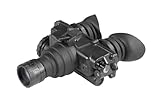
- ARS Mark8.5
ARS Mark is a ranking system developed by bestairriflescopes.com. ARS Mark has no relationship or impact from any manufacturers or sales agent websites. Learn more
- BrandAGM Global Vision
- ARS Mark8.8
ARS Mark is a ranking system developed by bestairriflescopes.com. ARS Mark has no relationship or impact from any manufacturers or sales agent websites. Learn more
- BrandAGM Global Vision
Last update on 2026-10-05 / Affiliate links / Images, Product Titles, and Product Highlights from Amazon Product Advertising API
How do you verify genuine Gen 3 image intensification instead of Gen 2+?
Check the explicit tube designation and generation rating on the product specification sheet before ordering. Models like the AGM Global Vision PVS-7 3AW2 designate Gen 3 image intensifier tubes with white phosphor visual output, while alternative configurations such as the AGM Global Vision PVS-7 NL3 specify Gen 2+ Level 3 P43-Green IIT components. Confirming the exact model suffix and tube generation on the manufacturer spec sheet prevents mistaking lower-tier Gen 2+ hardware for authentic Gen 3 performance.
What is the functional difference between white phosphor and P43 green phosphor?
White phosphor configurations present black-and-white imagery with high contrast, whereas P43 green phosphor provides classic monochrome illumination. Models featuring AGM Global Vision PVS-7 3AW2 Gen 3 White Phosphor Night Vision Goggles produce a visual palette that many shooters find easier on the eyes during extended scanning periods. Systems utilizing P43-Green IIT, such as the AGM Global Vision PVS-7 NL3, offer standard green target silhouettes that remain dependable under low ambient illumination. Verify which phosphor presentation matches your operational comfort before finalizing your setup.
Can a PVS-7 night vision unit mount directly to a rifle rail?
No, the PVS-7 design is strictly a bi-ocular night vision goggle system built for headgear, helmet mounts, or handheld scanning. Because models like the AGM Global Vision PVS-7 3AW2 feed a single objective into two separate eyepieces, they lack integrated reticles, weapon-recoil dampening, and proper eye relief for firearm rails. Shooters typically wear goggles on a helmet shroud and aim through an infrared laser, reserving a dedicated low-power variable optic for daylight and dusk shooting platforms. Always check the manufacturer manual to confirm mounting limitations before attempting to secure any goggle housing to a firearm.
When is Gen 3 night vision preferred over a thermal weapon sight?
Gen 3 night vision excels when you must read subtle terrain changes, navigate rough ground, and achieve positive target identification using ambient night light. When scanning open fields, pairing your setup with the best gun for a thermal scope highlights hidden animal heat signatures across extreme distances, but thermal displays do not display crisp environmental details like analog intensifiers do. Gen 3 white phosphor tubes let you distinguish branches, wire fences, and background obstacles that thermal sensors might wash out. Verify whether your field conditions prioritize spotting thermal heat or recognizing crisp anatomical and terrain features.
How do you prevent image intensifier tube damage from bright light exposure?
Confirm that your unit features an integrated bright-light shutoff system and keep the objective lens pinhole cap secured during daytime handling. Exposing sensitive Gen 3 or Gen 2+ photocathodes to sudden vehicle headlights, spotlights, or daylight can cause immediate phosphor burn and permanent tube blemishes. Keep the protective daylight filter fitted over the objective lens whenever you verify functionality outside of complete darkness. Checking the operating manual reveals the exact recovery procedures and light-sensor thresholds for your optical housing.
What headgear and mounting accessories do you need for night vision goggles?
Using goggle systems like the AGM Global Vision PVS-7 requires a dedicated head harness, bump helmet, or tactical helmet equipped with a compatible shroud and flip-up mount. The goggle housing connects via a standard bayonet or dovetail interface, allowing hands-free scanning while keeping your hands ready on your gear. Check the product packaging details to confirm whether the unit includes a standard head harness or if you must acquire separate helmet mounting brackets. Adjusting chin straps and eye-relief spacing before heading out ensures stable positioning without unexpected shifts during movement.

10 Top Picks: Best Youth Air Rifles for 13-Year-Olds

12 Best Rifle Scopes For 5.56 Under 150 Dollars - (2026 Top Picks)

Top 10 Rifle Scopes for Coyote Hunting in 2026

12 Best Benchrest Rifle Scopes of 2026 For Tight Groups

Top 5 Airsoft Rifles: Unleash the Action in 2026

Unveil the Best Straight Wall Deer Rifles: Top Picks for 2026

Top Ammo Choices for Air-Powered Rifles: Boost Your Performance in 2026

Best Quick Detach Scope Rings for Accurate and Convenient Shooting







