
8 Best Night Hunting Scope of 2026 For Hog and Predator Hunting

A glossy product listing promises crystal-clear midnight clarity, but out in a freezing pasture, the wrong optic delivers a pixelated blur right as a sounder of hogs breaks cover. Getting saddled with mismatched gear turns a late hunt into an expensive disaster. Thermal units pick up heat signatures hidden behind dense brush, yet low-resolution sensors can leave hunters guessing whether that glowing shape is a feral boar or a calf. Meanwhile, a digital infrared scope delivers crisp detail for safe confirmation, but cannot easily detect heat buried in thick woods. Factor in a battery pack that dies in freezing air or a sluggish refresh rate that smears moving coyotes, and hunters face ruined stalks and wasted setups.
Clean predator control requires total certainty before touching the trigger, backed by an optic that holds zero through heavy recoil. Pairing your terrain with the right technology solves the confusion: pick thermal sensors to track body heat across overgrown tree lines, or digital night vision for positive target identification out in open pastures. Confirming a quick 50Hz refresh rate keeps moving game sharp in the eyepiece, while verifying a solid rail mount prevents zero shift. The models below make it easy to match your rifle to your hunting grounds.

- ARS Mark9.5
ARS Mark is a ranking system developed by bestairriflescopes.com. ARS Mark has no relationship or impact from any manufacturers or sales agent websites. Learn more
- BrandGeowFiiTech

- ARS Mark7.8
ARS Mark is a ranking system developed by bestairriflescopes.com. ARS Mark has no relationship or impact from any manufacturers or sales agent websites. Learn more
- BrandATN

- ARS Mark9.3
ARS Mark is a ranking system developed by bestairriflescopes.com. ARS Mark has no relationship or impact from any manufacturers or sales agent websites. Learn more
- BrandGOYOJO

- ARS Mark8.7
ARS Mark is a ranking system developed by bestairriflescopes.com. ARS Mark has no relationship or impact from any manufacturers or sales agent websites. Learn more
- BrandBansainong
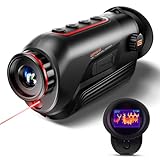
- ARS Mark7.9
ARS Mark is a ranking system developed by bestairriflescopes.com. ARS Mark has no relationship or impact from any manufacturers or sales agent websites. Learn more
- BrandGOYOJO
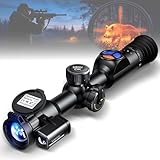
- ARS Mark8.2
ARS Mark is a ranking system developed by bestairriflescopes.com. ARS Mark has no relationship or impact from any manufacturers or sales agent websites. Learn more
- BrandGOYOJO

- ARS Mark7.8
ARS Mark is a ranking system developed by bestairriflescopes.com. ARS Mark has no relationship or impact from any manufacturers or sales agent websites. Learn more
- BrandtheOpticGuru
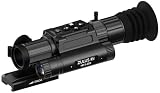
- ARS Mark7.6
ARS Mark is a ranking system developed by bestairriflescopes.com. ARS Mark has no relationship or impact from any manufacturers or sales agent websites. Learn more
- BrandDNT Optics
Last update on 2026-09-27 / Affiliate links / Images, Product Titles, and Product Highlights from Amazon Product Advertising API
Is thermal or digital night vision better for predator and hog hunting?
Thermal optics work best for detecting heat signatures through thick brush, while digital night vision is superior for identifying fine physical details before you shoot. Thermal scopes with 256x192 or 384x288 sensor resolutions highlight body heat against dark backgrounds regardless of ambient lighting. Digital night vision optics with 3864x2218 or 4056x3040 sensor resolutions use infrared illumination to show fur patterns, facial structures, and nearby branches. Choosing between them depends on whether your hunting environment requires scanning broad wood lines or confirming target identity in open ground.
Can you positively identify game at night before taking a shot?
Yes, digital night vision scopes with built-in infrared provide the visual clarity needed for positive game identification. High-resolution digital displays reveal critical physical features, which prevents confusing a neighbor's dog or domestic livestock with a feral hog or coyote. While thermal scopes with 256x192 sensors spot heat signatures instantly, they show target silhouettes rather than visual surface markings. Many hunters combine thermal scanning optics for wide detection with a digital night scope for final target confirmation.
How long will the battery last during an overnight hunt?
Battery runtime depends on display processing and features, with manufacturer listings ranging from 14hrs+ to 18hrs+ on advanced digital night vision scopes. Thermal optics draw substantial power to process sensor heat data continuously, meaning their runtime is often shorter than digital IR platforms. Cold weather also reduces battery voltage in the field, so verify whether an optic relies on internal power or swappable cells before staying out past midnight. Checking listed runtimes before your trip prevents unexpected shutoffs while tracking game in complete darkness.
Will a night hunting scope mount directly to an 11mm dovetail or 20mm rail?
Most night hunting optics include integral bases designed for standard 20mm Picatinny rails rather than 11mm dovetails. If your rifle or airgun uses an 11mm dovetail receiver, you need an adapter rail or compatible ring set to secure the scope properly. A loose or mismatched mount causes shifting zero under recoil and disrupts eye box alignment. Checking your receiver dimensions and ring height ensures solid lockup while setting up your optic for proper barrel clearance.
What sensor refresh rate is required to track moving coyotes and hogs?
A 50Hz refresh rate is recommended to track running predators smoothly without image lag or display stutter. Optics featuring a 50Hz display, such as 256x192 thermal rifle scopes with 25mm optics, refresh the visual screen fifty times per second so moving targets stay fluid. Lower frame rates like 25 Hz work well for stationary observation in scouting monoculars, but they can produce motion blur when swinging on trotting hogs. Fast refresh rates ensure your reticle stays aligned with the animal's true position in real time.
What magnification range works best for night hunting setups?
Variable magnification ranges like 3-15x or 5-20x offer the versatility needed for both close brush encounters and open pasture shots. A low base magnification of 3x or 5x provides a wide field of view, keeping you aware of approaching hogs coming from the flanks. Higher magnification settings let you zoom in on distant predators to verify shot placement and reticle hold. When taking longer shots in the dark, review your setup for accurate holdovers so bullet drop compensators and digital ballistic calculators remain reliable.

10 Top Picks: Best Youth Air Rifles for 13-Year-Olds

12 Best Rifle Scopes For 5.56 Under 150 Dollars - (2026 Top Picks)

Top 10 Rifle Scopes for Coyote Hunting in 2026

12 Best Benchrest Rifle Scopes of 2026 For Tight Groups

Top 5 Airsoft Rifles: Unleash the Action in 2026
Unveil the Best Straight Wall Deer Rifles: Top Picks for 2026

Top Ammo Choices for Air-Powered Rifles: Boost Your Performance in 2026

Best Quick Detach Scope Rings for Accurate and Convenient Shooting







