Best Overall Shotgun for Hunting: Safety Comes First

The phrase best overall shotgun for hunting sounds as though one model should handle every bird, season, landscape, and body type without compromise. Real field conditions tell a different story. A firearm that feels steady during a brief shop visit may become awkward after several miles through wet grass, thick cover, or uneven ground. Proper fit, manageable recoil, and safe control matter more than flashy finishes or a long feature list.
Stock dimensions deserve close attention because poor alignment can make consistent handling frustrating and uncomfortable. A stock that feels too long may snag on heavy clothing, while one that feels too short can create a cramped shooting position and harsher felt recoil. Professional fitting and supervised practice help reveal these problems before opening day. Well, that extra preparation isn't glamorous, but it can prevent bad habits from becoming deeply rooted.
Weight and balance create another tradeoff that product descriptions often gloss over. A lighter firearm may feel easier to carry across fields, yet it can transfer more recoil and become harder to swing smoothly. A heavier design may feel calmer during practice but burdensome during long walks or steep climbs. The sensible middle ground depends on physical comfort, hunting conditions, local rules, and the type of game being pursued.
Operating controls should feel clear while the firearm remains unloaded and pointed in a safe direction. The safety, action release, loading area, and other controls need to be understood through qualified instruction rather than trial and error in the field. Gloves, rain, fatigue, and cold fingers can turn a small inconvenience into a serious handling problem. Simple, familiar operation usually serves responsible hunting better than extra mechanical complexity.
Recoil tolerance shouldn't be treated as a test of toughness. Excessive recoil can encourage flinching, rushed mounting, and reluctance to practice, all of which work against safe and ethical use. A qualified instructor or reputable shooting facility can help assess fit and comfort under controlled conditions. So, selecting equipment that supports calm repetition often makes more sense than chasing greater power simply because it's available.
Reliability also depends on maintenance habits, storage conditions, and using lawful ammunition approved by the manufacturer. Mud, moisture, plant debris, and temperature swings can affect equipment that seemed flawless indoors. Routine inspection and careful cleaning reduce surprises, but maintenance must follow the manufacturer's instructions. Homemade alterations, improvised repairs, or unfamiliar modifications aren't worth the risk.
Local hunting laws shape every responsible decision. Regulations may govern seasons, permitted ammunition, magazine capacity, transportation, storage, hunter education, and where a firearm may be discharged. Those rules can change, so current information should come from the relevant wildlife agency and local authorities. Ethical preparation also includes clear target identification, awareness of what lies beyond it, and the discipline to pass on uncertain opportunities.
The best overall shotgun for hunting is therefore not a universal product recommendation. It is a lawful, properly fitted firearm that the individual can control confidently after certified instruction and repeated supervised practice. Comfort, simplicity, safe storage, and realistic field conditions should guide the decision. A trusted instructor or licensed dealer can help evaluate those factors without turning the process into a guessing game.
Gamo Varmint .177 Air Rifle
Carrying extra equipment across a large property gets old fast, especially when every shot also depends on a pump, tank, or disposable power source. The Gamo Varmint .177 Air Rifle takes a simpler route with its self-contained spring-piston system, lightweight synthetic stock, and single-cocking break barrel. Although the main keyword is best overall shotgun for hunting, this product is not a shotgun and shouldn't be treated as one. It is a .177-caliber pellet rifle with a much narrower role built around target shooting and limited pest-control situations where local laws permit its use.
Gamo Varmint Air Rifle
The operating design is refreshingly straightforward. Breaking the barrel cocks the spring piston, and one .177-caliber pellet is loaded before the barrel is returned to its firing position. This single-shot break-barrel system removes the need for air cylinders, pumps, CO2 cartridges, or charging hardware. On the other hand, every follow-up shot requires another full cocking cycle, so the rifle favors patience over rapid shooting.
Gamo lists a muzzle velocity of up to 1,250 feet per second with PBA Platinum pellets. That figure applies to the specified lightweight ammunition and shouldn't be assumed for every pellet placed in the chamber. Different pellet materials and weights can change velocity, trajectory, and how the rifle behaves during a session. The printed number is useful for understanding the platform's general power range, but it isn't the whole story.
The .177 caliber gives the rifle a relatively small projectile and a trajectory that may feel easier to manage at modest distances once the optic is properly sighted. Still, caliber limitations matter, particularly when the rifle is considered for pest control rather than paper targets. Distance, pellet selection, shot placement, local regulations, and the animal involved all affect whether a use is lawful and humane. Bigger velocity claims don't erase those practical boundaries.
Spring-Piston Power Without Extra Gear
The long-lasting spring piston is the heart of this Gamo's appeal. It keeps the rifle independent from separate charging equipment, which can make storage and occasional use less complicated. Grab the approved pellets, inspect the rifle, and the basic power source is already built in. That self-contained powerplant suits a simple routine, though the spring and seals still require care according to the manufacturer's instructions.
Spring-piston rifles have a distinct firing behavior that can surprise anyone familiar only with low-powered recreational airguns. Internal movement creates vibration and a recoil cycle that may influence the scope, mounting hardware, and consistency of the hold. The rifle isn't likely to reward a white-knuckle grip or hurried trigger pull. A repeatable shooting position matters because small changes in pressure can affect where the pellet lands.
Cocking effort is another tradeoff hidden behind the lightweight description. The rifle may be easy to carry, yet breaking the barrel repeatedly can still demand noticeable physical effort. Longer practice sessions could become tiring, especially from a cramped bench or an awkward standing position. So, light carry weight doesn't automatically mean effortless operation from start to finish.
Rifled Barrel And Included Scope
The barrel combines a rifled steel interior with a fluted polymer jacket. Rifling guides the pellet as it travels through the bore, while the polymer exterior provides a practical handling surface around the steel structure. The fluted appearance adds visual character without making accuracy automatic. Pellet consistency, scope alignment, and steady technique remain central to useful results.
A grooved cylinder rail provides the mounting surface for the included 4 x 32 shockproof scope. Fixed four-power magnification keeps the setup uncomplicated because there is no zoom ring to adjust between shots. That can be handy at ordinary backyard target distances or across a controlled property where the shooting range stays fairly consistent. The limitation is flexibility, since fixed magnification cannot be widened for very close work or increased for a smaller aiming point farther away.
The shockproof description is relevant because spring-piston recoil can be demanding on optics. Even so, the supplied details don't provide a specific durability test or guarantee that mounting hardware will never loosen. Screws and rail position deserve periodic inspection with the rifle unloaded and secured. A shifting scope mount can mimic poor barrel accuracy, sending someone down the wrong troubleshooting path.
Stock Comfort And Everyday Handling
The synthetic stock has an ambidextrous shape, allowing left-handed and right-handed handling without a strongly one-sided design. Its all-weather construction is also less fussy around damp grass, light rain residue, dusty sheds, and ordinary temperature changes than an untreated wood surface might be. That doesn't mean the rifle can be put away wet and forgotten. Weather resistance reduces some worries, but responsible drying and storage still matter.
A rubber recoil pad sits at the rear of the stock. The .177 pellet itself may be small, yet the spring-piston mechanism can still create movement and vibration against the shoulder. The pad gives the stock a less slippery contact point and may help it settle against a jacket or shirt. Stable shoulder contact supports consistency, though it won't correct an unsuitable length of pull or poor sight alignment.
The lightweight build is useful during property walks or repeated movement between a storage area and a shooting bench. Less bulk also makes the rifle easier to reposition without feeling as though it is dragging the arms downward. Still, a lighter platform may move more readily during the firing cycle than a heavier one. That balance between easy carrying and steady shooting should be considered before treating low weight as an unconditional advantage.
Adjustable Trigger And Shooting Pace
Gamo equips this rifle with a trigger that has an adjustable second stage. That feature allows some refinement of the point where resistance builds before the shot releases, provided any adjustment follows the manufacturer's directions. A predictable second stage can help reduce sudden snatching at the trigger. Trigger familiarity matters more than making the pull unusually light.
The single-shot design naturally slows the pace. Cocking, loading, closing the barrel, settling behind the scope, and reassessing the surroundings happen before every pellet is fired. That rhythm can be useful for deliberate target practice because it encourages attention to each step. Still, slow follow-up shots may be frustrating in situations where a multi-shot magazine would be more convenient.
No noise-dampening system is included according to the supplied specifications. The rifle may not sound like a conventional firearm, but the muzzle report and mechanical snap of a spring piston can still be noticeable. Nearby homes, animals, local ordinances, and property boundaries all deserve consideration before use. No integrated sound moderation means quiet operation shouldn't be assumed simply because the rifle fires pellets.
A Better Fit For Pest Control Than Shotgun Hunting
The keyword best overall shotgun for hunting doesn't accurately describe the Gamo Varmint because the two product categories work differently and serve different purposes. A shotgun fires shotshells and may be configured for birds, small game, or other lawful hunting roles. This Gamo fires one .177 pellet through a rifled barrel. Calling it a shotgun alternative would blur important differences in capability, range, ammunition, and legal use.
The rifle makes more sense as a self-contained airgun for controlled target sessions and carefully limited pest applications. A useful related discussion appears in rodent air rifle options, where pellet caliber, power system, handling, and practical limitations fit the subject more naturally. Even in that narrower setting, safe backstops and current local regulations remain essential. A pellet can travel beyond the intended target and cause serious injury or property damage.
Small rodents may be the type of problem that brings this rifle into consideration, but the product description alone cannot determine whether it is suitable for every species or situation. Humane use depends on sufficient energy, appropriate pellets, accurate placement, and a realistic distance. Buildings, hard surfaces, trees, fencing, and neighboring land can create ricochet or escape-path concerns. Clear target identification and a dependable backstop are non-negotiable parts of the setup.
A larger animal, distant target, or area without a safe pellet path would push the rifle beyond a sensible role. The lack of sound dampening may also make it a poor match near noise-sensitive property lines. Anyone expecting rapid repeat shots could find the break-barrel routine too slow. Those practical limits don't make the rifle useless; they define where its straightforward design does and doesn't belong.
Durability, Warranty, And Maintenance
The rifle is listed as made in Spain and backed by a one-year warranty. That support period gives the ownership experience a defined manufacturer-backed window, though it doesn't predict the lifespan of every individual unit. Long-term condition depends on storage, appropriate lubrication, seal health, spring condition, and correct pellet use. Maintenance should follow Gamo's instructions rather than habits borrowed from unrelated firearms.
The polymer-jacketed barrel and synthetic stock reduce some of the concerns associated with delicate exterior finishes. Moisture can still reach metal parts, scope hardware, and other areas that shouldn't remain damp during storage. Wiping the rifle down after outdoor use is a small job that can prevent a larger headache later. Dry, secure storage also protects the rifle from unauthorized access and accidental handling.
The optic and grooved rail deserve attention after repeated firing because spring-piston movement may gradually affect mounting hardware. A loose fastener can cause shifting groups even when the barrel and pellets are behaving consistently. Inspecting the setup before a session is more sensible than waiting until accuracy becomes unpredictable. Routine hardware checks support reliability without requiring unnecessary modifications.
Pellet selection may take a little patience because air rifles don't always behave identically with every shape and weight. The provided details identify PBA Platinum pellets for the maximum velocity claim, but they don't say that those pellets will produce the tightest groups in every rifle. Testing suitable manufacturer-approved ammunition on paper can reveal consistency without inventing performance claims. Accuracy and maximum speed aren't always the same goal.
Strengths, Weaknesses, And Realistic Expectations
The strongest part of the package is its convenience. The rifle includes a scope, carries its own spring-piston power source, uses an ambidextrous synthetic stock, and doesn't depend on an external air supply. Those features create a relatively tidy setup for someone who values straightforward equipment. Self-contained operation is the central benefit rather than any single headline specification.
The weaknesses are equally clear. There is no noise dampening, the scope has fixed magnification, and each shot requires a separate cocking and loading cycle. Spring-piston vibration may also demand more attention to hold technique and scope mounting than expected. These handling tradeoffs can become more noticeable during longer sessions.
The velocity claim may draw the eye first, but the rifle's everyday usefulness rests on fit, control, and appropriate use. A fast lightweight pellet doesn't automatically provide the best accuracy, the right energy for every task, or humane results at uncertain distances. The product should be treated as a .177 break-barrel air rifle rather than stretched into a broader hunting category. Realistic expectations keep the design's benefits from being overshadowed by the wrong comparison.
The Gamo Varmint is most convincing as a simple pellet rifle that combines portability, an included optic, and independent spring-powered operation. It is less convincing for anyone who needs adjustable magnification, quiet shooting, magazine-fed follow-ups, or a low-effort cocking cycle. Safe handling, secure storage, legal compliance, and careful shot selection remain more important than raw velocity. Within those boundaries, simplicity, manageable weight, and a practical stock define what this model brings to the table.
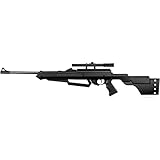
Barra Sportsman 900 Air Rifle
One missed target can turn a relaxed afternoon into a tedious cycle of pumping, reloading, and second-guessing the sights. The Barra Sportsman 900 Air Rifle addresses that frustration with dual-ammunition capability, adjustable power, a rifled barrel, and two sighting systems. It doesn't belong in the same category as the best overall shotgun for hunting, though, because this is a .177-caliber multi-pump air rifle rather than a shotgun. Its strengths make more sense for supervised target practice and limited small-game or pest situations where airgun use is lawful, safe, and humane.
Barra Sportsman 900
The Sportsman 900 uses a multi-pump pneumatic system that lets the shooter pump the lever from one to ten times before firing. Fewer pumps provide lower power for short-range practice, while additional pumps raise the listed velocity toward its maximum of 800 feet per second. That adjustability gives the rifle a broader working range than a fixed-power plinker. Still, pumping ten times before each shot can feel like a workout during a long session.
Dual-ammunition compatibility adds another layer of flexibility. The rifle can fire single .177-caliber pellets or feed BBs from its built-in 50-BB reservoir, allowing the setup to shift between careful pellet shooting and more casual BB practice. Pellets generally make better use of a rifled barrel, while steel BBs may behave differently in accuracy and ricochet risk. Ammunition should always match the manufacturer's instructions and the intended shooting environment.
The phrase best overall shotgun for hunting may suggest broad field capability, but this model serves a much narrower purpose. A .177 air rifle doesn't deliver the payload, range characteristics, or versatility of a shotgun firing lawful shotshells. That isn't a flaw in the Barra; it is simply a category boundary that shouldn't be blurred. Judged as an affordable multi-pump airgun, the design becomes much easier to understand.
Pump Control And Adjustable Power
The ability to select between one and ten pumps can reduce the feeling that every shot needs maximum power. Short indoor-range distances, where permitted and properly contained, may not require the same output as outdoor paper targets. This adjustable power approach also encourages more deliberate preparation because each shot begins with a conscious pumping decision. The downside is inconsistency if the number of pumps changes accidentally from one shot to the next.
Maximum velocity is listed at 800 FPS, but that figure shouldn't be interpreted as a promise for every pellet or BB. Projectile weight, ammunition type, pump count, temperature, seals, and rifle condition may influence actual speed. The supplied information also doesn't identify which ammunition produced the maximum number. So, raw velocity belongs in the conversation, but it shouldn't overshadow accuracy, backstop safety, and practical distance.
Manual pumping has no dependence on CO2 cartridges or a separate compressed-air tank. That makes the rifle self-contained and relatively easy to keep ready for occasional target sessions. On the other hand, the pump lever must be cycled repeatedly, and rushed movement can lead to pinched fingers or sloppy handling. Controlled pumping technique matters, especially after fatigue starts creeping in.
Rifled Barrel And Two Sight Systems
The 20-inch rifled barrel is one of the rifle's defining features. Rifling is intended to stabilize pellets, helping them travel more predictably than they would through a smooth bore. The barrel length also gives the rifle a full-sized profile rather than the feel of a compact youth plinker. Even so, barrel length alone cannot guarantee tight groups without suitable ammunition and repeatable technique.
Barra includes a 4 x 15 rifle scope for magnified aiming. Fixed four-power magnification keeps the controls simple, which can be useful when the shooting distance remains fairly consistent. The small 15 mm objective lens helps keep the optic compact, though it won't gather light like a larger objective. Dim conditions and tiny targets may expose that limitation faster than bright paper targets on a clear day.
Adjustable fiber-optic sights provide a second aiming method, which is handy if the scope isn't mounted, sighted in, or preferred. Bright sight elements can be easier to pick up against some backgrounds, especially during casual short-range practice. They may look less crisp against bright vegetation or colorful objects, depending on the setting. Having scope and open-sight options gives the rifle some welcome flexibility without pretending either system is flawless.
Loading Pellets And BBs
The large chamber opening is designed to make pellet loading less fiddly. A magnetic pin helps manage ammunition during the loading process, which can be useful when small .177 pellets are awkward to handle. Cold fingers, gloves, and poor light can still complicate the job, but easier chamber access removes some of the usual frustration. Care is still needed to keep the muzzle controlled throughout the process.
The built-in reservoir holds up to 50 BBs, reducing the need to handle one BB before every shot. That capacity can keep casual range sessions moving, although the rifle remains a manual multi-pump system rather than a rapid-fire platform. Each shot still requires pumping and operating the action correctly. The reservoir saves loading effort, not the full preparation cycle.
Steel BBs deserve extra caution around hard surfaces because they may ricochet more readily than soft lead pellets. Rocks, metal fencing, concrete, hard wood, and shallow backstops can create unsafe rebound paths. A purpose-built pellet trap or dependable backstop is therefore more than a convenience. Ammunition choice should reflect the target material, distance, local rules, and what lies behind the intended impact area.
Stock Shape And Shoulder Position
The stock uses thick-walled ABS plastic with a subtle textured finish. That material keeps the design budget-conscious while giving the exterior some resistance to ordinary bumps, moisture, and handling marks. Plastic won't offer the warmth or visual character of wood, but it tends to demand less cosmetic upkeep. The textured stock surface may also feel more secure than slick, polished plastic.
A pistol-grip handle and drop-stock profile give the Sportsman 900 a look inspired by modern sporting rifles. The drop in the stock is intended to create a usable line of sight while the rifle is shouldered, particularly with the included optic. Fit will still vary from one person to another because arm length, cheek position, and shoulder shape aren't universal. A modern appearance doesn't automatically mean the stock geometry will suit every frame.
The rifle's full-sized layout can feel more substantial than basic BB guns built mainly for short recreational sessions. That may support steadier shouldering, but it can also make storage and maneuvering less convenient in tight spaces. The pump arm adds another moving component beneath the rifle, so hand placement deserves attention. Comfort and control should take priority over appearance during actual use.
Accuracy Expectations In Everyday Use
Consistent hits depend on more than the rifled barrel and included scope. The same number of pumps, the same ammunition, steady sight alignment, and a smooth trigger press all contribute to repeatable results. Changing from BBs to pellets may also shift the point of impact. Ammunition consistency matters because two projectile types shouldn't be expected to behave identically.
The adjustable fiber-optic sights allow mechanical correction, while the scope offers magnification for smaller aiming points. Either setup needs to be properly sighted before accuracy can be judged fairly. Loose scope mounts or inconsistent cheek placement can create scattered groups that appear to be a rifle problem. A careful paper-target session can expose those setup issues without relying on invented performance claims.
Long-range practice is mentioned in the product description, but the phrase needs realistic boundaries. A pellet or BB loses velocity over distance, and environmental conditions can affect a small projectile more noticeably than many people expect. The exact useful range isn't supplied, so it would be misleading to invent one. Responsible distance limits should be based on demonstrated accuracy, sufficient energy, and a safe impact area.
Small-Game Use And Category Limits
The manufacturer presents the rifle as capable of short-range small-game hunting, yet legality and suitability vary by location and species. A .177 projectile requires precise placement, and not every animal should be taken with this caliber or power level. Local wildlife regulations may restrict airgun use, ammunition, seasons, and legal quarry. Humane shot limitations matter more than the convenience of adjustable pumping.
The Sportsman 900's pump system and dual-ammunition layout place it closer to recreational and pest-oriented air rifles than conventional hunting shotguns. A related discussion of larger pump-powered platforms appears in pump .22 air rifle options, where caliber and power expectations differ from this .177 model. That reference is relevant because the Sportsman 900 may feel underpowered for situations better suited to a heavier pellet. Bigger caliber isn't automatically appropriate, but the distinction deserves attention.
Safe use requires a clear target, a secure backstop, and full awareness of surrounding buildings, roads, animals, and property lines. A BB or pellet can leave the intended area after a miss or ricochet, even if the rifle seems modest beside a firearm. Eye protection and secure storage remain basic responsibilities. Airgun safety shouldn't be relaxed simply because there is no gunpowder cartridge.
Materials, Maintenance, And Tradeoffs
The ABS stock is presented as thick-walled and consciously designed rather than a thin decorative shell. That construction may reduce worries about minor surface damage during normal handling. Still, the supplied information doesn't include impact-test data or long-term durability measurements, so sweeping claims would be guesswork. Practical durability will also depend on storage, pumping habits, and routine care.
Pneumatic seals are central to the rifle's operation because they help retain the air produced by each pump stroke. Dirt, improper lubrication, and long periods of poor storage can affect how smoothly the system behaves. Maintenance should follow Barra's instructions rather than improvised fixes or firearm oils that may not suit an airgun. A clean exterior alone doesn't guarantee healthy internal seals.
The biggest strength is the range of choices packed into one rifle: pellets or BBs, one to ten pumps, scope or fiber-optic sights, and a 50-BB reservoir. Its weaknesses are just as tangible, including repetitive pumping, fixed magnification, variable results between ammunition types, and the modest limitations of .177 caliber. Flexibility comes with extra decisions, and consistency requires keeping those decisions deliberate. Someone wanting quick follow-up shots or effortless operation may tire of the routine.
Where The Sportsman 900 Fits Best
This rifle makes the most sense for controlled target shooting where adjustable power and two ammunition choices provide room to experiment responsibly. The self-contained pump system avoids recurring CO2 purchases and doesn't need a charging tank. That simplicity can keep occasional practice affordable and organized. Manual effort, however, remains part of every shot.
The package may not suit someone expecting the reach, payload, or field versatility associated with the best overall shotgun for hunting. It also won't satisfy a shooter who wants a magazine-fed pellet rifle, variable-power optic, or nearly silent operation. The product description doesn't mention integrated noise reduction, so discreet shooting shouldn't be assumed. Those limits narrow its role without erasing its practical appeal.
The Barra Sportsman 900 is best understood as a budget-minded, multi-pump .177 air rifle with a useful mix of aiming and ammunition options. Its rifled barrel, large loading port, magnetic pin, adjustable sights, and included scope address several common frustrations found in simpler BB guns. The pump lever demands patience, and the caliber requires sensible expectations for any hunting-related use. Control, safe setup, and repeatable technique ultimately determine whether its flexible design feels helpful or merely busy.
Gamo Swarm Whisper .22 Air Rifle
Repeatedly breaking open a barrel and fumbling with loose pellets can drain the rhythm from an otherwise focused shooting session. The Gamo Swarm Whisper .22 Air Rifle tackles that annoyance with a multi-shot feeding system, a gas-piston powerplant, reduced vibration, and a stock built for changing outdoor conditions. It still isn't the best overall shotgun for hunting because it is a .22-caliber air rifle, not a shotgun, and the two platforms have very different capabilities. Judged within its actual category, though, this Gamo offers a practical mix of follow-up convenience, quieter operation, and recoil control.
Gamo Swarm Whisper Air Rifle
The Swarm Whisper uses Gamo's IGT gas-piston system rather than a traditional coiled spring. According to the supplied description, that design supports higher velocity, less vibration, and a longer operating life than conventional spring-powered airguns. Reduced vibration can make the firing cycle feel less twangy and unsettled against the shoulder. Still, the product information doesn't provide a precise velocity figure, so assigning one would be guesswork.
A gas piston also avoids some of the mechanical behavior associated with a spring compressing and releasing inside the action. The shot cycle may feel cleaner, but it won't be completely motionless or recoil-free. Air rifles can still shift against the shoulder and place stress on optics during firing. Consistent hold pressure remains important if tight groups are the goal.
The .22-caliber chambering gives this rifle a different character from lighter .177 models. A larger pellet generally carries more mass, which can be useful in lawful pest-control and small-game situations where the rifle provides sufficient energy and the shooter can place the pellet precisely. That doesn't make every shot suitable or humane by default. Caliber, distance, pellet choice, and accuracy all need to line up with local regulations and the intended quarry.
Multi-Shot Convenience In The Field
The Swarm name points to one of the rifle's more practical strengths: quicker access to follow-up pellets than a basic single-load break barrel. The shooter still has to cock the action between shots, but the feeding system reduces the need to handle a loose pellet every time. That difference can matter on chilly mornings or around thick vegetation where tiny pellets are easy to drop. Faster reloading doesn't remove the need to reassess the target and backstop before every shot.
A multi-shot setup can keep target sessions moving without turning the rifle into a rapid-fire platform. Each cocking cycle still introduces a natural pause, which helps preserve a deliberate shooting rhythm. The magazine system adds moving parts, however, and that means careful loading and basic inspection become part of ownership. Convenience and mechanical simplicity rarely arrive in equal amounts.
Pellet shape can influence how smoothly a magazine-fed air rifle cycles. The provided description doesn't list compatible pellet lengths, weights, or profiles, so broad ammunition promises wouldn't be responsible. Pellets that fit poorly may feed less smoothly even if they share the correct caliber marking. Manufacturer guidance should settle that question rather than assumptions based solely on the number printed on the tin.
Whisper Technology And Reduced Report
Gamo's Whisper Technology is intended to reduce the sound produced at the muzzle. That feature can make the rifle less disruptive than an unsuppressed airgun, particularly in settings where mechanical noise and pellet impact aren't the only concerns. Quiet is relative, though. The gas piston, action, target, and surrounding structures can still create noticeable sound.
Hard backstops may produce a sharper impact noise than the rifle itself, while enclosed spaces can reflect sound toward nearby homes or buildings. Trees, fencing, sheds, livestock areas, and property lines all affect how discreet the setup really feels. The word Whisper shouldn't be read as silent. Reduced noise isn't zero noise, and local discharge rules still apply.
The quieter design pairs naturally with the lower-vibration gas piston. Together, those features address two common frustrations: a harsh firing sensation and a report that feels larger than expected from an airgun. Even so, no decibel measurement appears in the supplied details. Without that figure, it is fair to describe the rifle as sound-moderated, but not to claim a specific noise reduction.
Recoil Control And Shoulder Comfort
The buttpad includes Gamo's Shock Wave Absorber, a feature intended to reduce the recoil felt at the shoulder. Air-rifle recoil differs from the push of a shotgun, yet a powerful gas-piston action can still produce movement and vibration. A cushioned contact point helps keep the stock from feeling abrupt during repeated shooting. It may also reduce slipping against smooth outerwear.
Recoil reduction can support steadier technique because the shooter is less tempted to tense up before the trigger breaks. A softer pad won't correct poor stock fit, uneven cheek pressure, or a rushed trigger pull, however. Those fundamentals remain stubbornly important. Comfort supports consistency, but it doesn't manufacture accuracy on its own.
The supplied information doesn't describe adjustable stock dimensions. That means fit depends largely on the rifle's fixed geometry and the shooter's natural shoulder position. Thick winter clothing can change that relationship, while a light shirt may expose extra reach. A rifle that feels settled in one season can feel surprisingly different in another.
All-Weather Stock And Outdoor Handling
The synthetic stock is made for outdoor use and includes black rubber inserts. Synthetic material typically requires less cosmetic fuss than wood after exposure to damp grass, dust, or temperature changes. The inserts can provide a more secure contact surface around the areas used for control. Weather resistance and grip are useful benefits for a rifle likely to leave the shooting bench.
All-weather doesn't mean careless storage is harmless. Moisture can remain around metal parts, the action, scope hardware, or magazine components even when the stock itself shrugs off a wet surface. Wiping the rifle down before secure storage is still sensible. A damp case can trap moisture against the rifle and create problems that the synthetic exterior cannot prevent.
The black finish gives the rifle a restrained sporting appearance without the maintenance concerns of a glossy stock. Rubber inserts may collect fine dust or debris more readily than a smooth surface, so occasional cleaning may be needed. That is a minor tradeoff rather than a serious weakness. Practical handling is clearly the priority here, not display-case elegance.
Package Size And Storage Considerations
The listed package dimensions are 47.7 inches long, 7.1 inches wide, and 2.7 inches high. Those measurements describe the retail package rather than confirmed rifle dimensions, but they still suggest a full-length airgun that requires proper storage space. A compact cabinet intended for pistols or short equipment may not accommodate the box or assembled rifle. Measuring the intended storage area beforehand prevents a needless headache.
Length can also affect movement through doorways, vehicles, brush, and small sheds. A longer package isn't automatically a burden, yet it does require more deliberate transport than a compact carbine. The rifle should be unloaded, secured, and transported according to applicable law. Safe transport and controlled access matter every bit as much as weather protection.
The narrow package depth may make boxed storage relatively straightforward, though packaging dimensions don't reveal the quality of internal protection. The supplied details also don't mention a case, sling, or optic. Those omissions should be treated as unknowns rather than filled with assumptions. Extra accessories may therefore need separate planning based on the actual package contents.
Pros In Practical Use
The strongest benefit is the combination of multi-shot convenience and gas-piston operation. Fewer loose-pellet loading interruptions can make a shooting session feel smoother, while the IGT system is designed to reduce vibration compared with a conventional spring. That pairing addresses both handling rhythm and firing feel. It is a more thoughtful package than simply chasing a large velocity number.
Whisper Technology and the Shock Wave Absorber tackle two forms of discomfort at once. One reduces muzzle report, while the other softens the rifle's contact with the shoulder. Neither feature eliminates noise or movement, but together they may make repeated practice less tiring and distracting. Reduced report and felt recoil are meaningful strengths for controlled, lawful use around suitable property.
The synthetic stock brings practical value during damp or dusty outings. Rubber inserts offer extra purchase, and the weather-resistant construction avoids some of the finish anxiety associated with wood. That doesn't excuse neglect, but it makes routine outdoor handling less precious. The .22-caliber format also gives the platform a clearer pest-control identity than light recreational BB rifles.
Cons And Tradeoffs To Consider
The rifle remains a break-barrel design, so every shot still requires a full cocking movement. A multi-shot magazine reduces pellet handling, but it doesn't remove the physical effort or interruption of resetting the powerplant. Long sessions may become tiring, particularly from a cramped position. Faster feeding isn't effortless shooting.
The supplied description leaves several practical specifications unstated, including exact velocity, weight, cocking effort, magazine capacity, trigger details, and included optics. Those missing figures make it difficult to judge balance, physical demands, and out-of-box readiness from the listing alone. Making up those details would distort the review. Unspecified equipment and performance data remain a genuine limitation for anyone planning a complete setup.
The Whisper system may create expectations that the rifle will be nearly silent. It won't erase the mechanical action, pellet impact, or echoes from nearby structures. Noise-sensitive surroundings could still make this model unsuitable despite its moderated barrel. Likewise, the .22 caliber isn't automatically appropriate for every animal mentioned under local hunting rules.
Hunting Role And Category Difference
The Gamo belongs in the air-rifle category, not beside the best overall shotgun for hunting. A shotgun launches a shotshell payload and can serve bird, clay, and certain game applications depending on configuration and law. This rifle launches one .22 pellet through an air-powered action. The two systems differ in range behavior, terminal capability, ammunition, noise, regulation, and safe-backstop demands.
That category difference shouldn't be viewed as an insult to the Swarm Whisper. Its narrower role is precisely where the gas piston, moderated barrel, multi-shot feeding, and recoil pad begin to make sense. It may suit lawful small-game or pest work at distances where demonstrated accuracy and pellet energy remain adequate. Responsible limits matter more than stretching an air rifle into a firearm-sized job.
Crossbows introduce another distinct hunting platform with their own speed measurements, handling patterns, and legal requirements. From a practical angle, a separate equipment reference appears in crossbow speed basics, which helps keep those performance claims apart from air-rifle velocity. The link is relevant as a category distinction, not as proof that one system can replace the other. Each platform requires its own safe setup, backstop, and lawful use case.
Realistic Ownership Expectations
The Swarm Whisper's appeal rests on usable refinements rather than flashy extras. A gas piston reduces traditional spring behavior, the sound-moderating barrel lowers the report, and the recoil pad softens shoulder contact. The synthetic stock also handles outdoor grime with less fuss than a delicate finish. Those are practical improvements that can make regular use feel less irritating.
Magazine feeding needs careful handling, and the break-barrel action still demands patience. Pellet compatibility may take some trial within the manufacturer's recommendations, while the unspecified velocity prevents firm trajectory claims. Anyone expecting firearm-like reach, silent operation, or effortless follow-up shots will likely be disappointed. Realistic expectations keep the rifle's strengths in proper proportion.
The model makes less sense where local laws prohibit airgun discharge, where a safe pellet backstop cannot be guaranteed, or where the intended quarry exceeds the rifle's lawful and humane capability. It may also feel awkward for someone who struggles with break-barrel cocking or fixed stock dimensions. Secure storage remains necessary because a .22 pellet rifle can cause severe injury. Fit, safe handling, and legal suitability should settle the decision before convenience or appearance gets the final word.
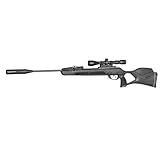
Gamo Swarm Magnum 10X GEN3i .22 Air Rifle
Power means little if every follow-up shot turns into a clumsy search for a loose pellet. The Gamo Swarm Magnum 10X GEN3i attacks that headache with a 10-shot inertia-fed magazine, a high-output gas piston, adjustable trigger stages, and a rail designed to reduce stress on the scope. Although the surrounding keyword is best overall shotgun for hunting, this product is a .22-caliber break-barrel air rifle rather than a shotgun, so its role, ammunition, handling, and legal uses are distinctly different. Inside the high-powered air-rifle category, though, the package brings together several practical features that address slow loading, harsh recoil, mechanical noise, and inconsistent trigger feel.
Gamo Swarm Magnum GEN3i
The headline specification is a listed velocity of up to 1,300 FPS with alloy .22-caliber pellets. That figure is tied to a specific lightweight projectile, so it shouldn't be treated as the speed every pellet will reach. Pellet material, weight, fit, environmental conditions, and rifle condition can all influence actual velocity. Still, the number makes one thing clear: this isn't positioned as a mild backyard plinker.
High velocity can flatten trajectory over a practical distance, but speed by itself doesn't guarantee tight groups or appropriate terminal performance. Some rifles shoot more consistently with pellets that travel below the advertised maximum. The useful approach is to separate maximum speed from repeatable accuracy, since those goals don't always point toward the same ammunition. Gamo doesn't provide accuracy figures in the supplied details, so inventing a group size would be misleading.
The .22-caliber format gives the rifle a heavier projectile than typical .177 platforms. That larger pellet can retain useful energy for lawful pest or small-game applications, provided the distance, pellet construction, shot placement, and local regulations all line up. It doesn't turn the rifle into a substitute for a shotgun, and it certainly doesn't make every target suitable. Power needs restraint, especially around hard surfaces, nearby structures, livestock, or uncertain backstops.
Ten-Shot Inertia-Fed Magazine
The 10X GEN3i system uses a horizontal inertia-fed magazine that holds 10 pellets. Instead of placing a fresh pellet into the breech after every shot, the magazine feeds the next one as the barrel is cocked. That change removes one of the most annoying parts of traditional break-barrel shooting, particularly in cold weather or tall grass where tiny pellets are easy to drop. The rifle still requires a full cocking stroke, but the loading routine becomes noticeably cleaner.
Follow-up shots are described as quick, though quick remains relative for a manually cocked air rifle. The shooter must break the barrel, complete the cocking cycle, return the barrel to position, reacquire the sight picture, and confirm the surroundings before firing again. The magazine reduces pellet handling rather than eliminating the pause between shots. Faster feeding isn't rapid fire, and that distinction keeps expectations grounded.
Magazine systems introduce convenience along with another component that needs attention. Pellets must fit the magazine correctly, and deformed skirts or unsuitable lengths may create feeding trouble even when the caliber marking is correct. The supplied information doesn't list compatible pellet dimensions or profiles, so broad claims about universal pellet fit would be shaky. Manufacturer guidance matters here because reliable indexing depends on ammunition the mechanism can handle.
The horizontal layout also keeps the magazine integration from towering awkwardly above the receiver. That can help preserve a more natural scope position and a less cluttered sight line. Still, any magazine adds bulk compared with a bare single-shot breech. Shooters who value absolute mechanical simplicity may prefer a conventional loader, while those tired of fumbling with pellets will likely appreciate the trade.
IGT Mach1 Gas-Piston Power
The IGT Mach1 replaces a conventional coiled spring with an inert gas cylinder. Gamo specifies a 33-millimeter cylinder intended to produce more velocity and stronger terminal penetration than its standard spring-powered setup. A gas piston can also reduce the metallic twang and vibration associated with traditional springs. The firing cycle may feel cleaner, but it won't be motionless or gentle in every respect.
High-powered break barrels can produce a sharp, complex recoil pulse that behaves differently from the rearward push of many firearms. That movement can affect scope hardware, cheek position, and the consistency of the hold. Gripping the stock harder doesn't necessarily solve the problem; sometimes it makes the rifle less predictable. Repeatable shoulder pressure and a steady firing routine matter more than muscling the rifle into place.
The gas-piston system is self-contained, so there is no external tank, hand pump, or disposable cartridge required to create firing pressure. That independence is useful for storage, transport, and occasional field use because the powerplant travels with the rifle. The cost is manual effort. A high-output gas piston can demand a firm cocking stroke, and the supplied description doesn't provide the exact cocking force.
Long sessions may expose that physical tradeoff faster than a short sight-in session. The rifle can be ready without charging equipment, yet every shot still requires the shooter to compress the powerplant by breaking the barrel. Someone with limited shoulder, wrist, or upper-body strength may find that routine tiring. Self-contained power saves equipment, not effort.
Whisper Fusion Noise Control
Whisper Fusion is identified as Gamo's quietest noise-reduction technology. The system is designed to dampen the muzzle report, which can make the rifle less disruptive than a comparable unsuppressed airgun. No decibel figure is supplied, so the degree of reduction shouldn't be turned into a made-up percentage. The safest description is simple: muzzle noise is moderated, not eliminated.
Mechanical sound still comes from the gas piston, action, magazine, and pellet impact. A steel trap, wooden fence, hollow shed wall, or rocky backstop can create more noticeable noise than expected. Enclosed spaces can also reflect sound and make a moderated rifle seem louder. Whisper Fusion helps at the muzzle, but it can't silence the entire shooting environment.
Reduced report may be useful where noise is a practical concern, yet local discharge rules don't disappear because the rifle sounds quieter. Property boundaries, neighboring buildings, animals, and public roads still demand careful planning. A quiet rifle can remain unsafe in the wrong location. Sound reduction and safe use solve different problems.
CAT Trigger Adjustability
The Custom Action Trigger allows independent adjustment of the first and second stages. That gives the shooter room to tailor the take-up and the final break within the manufacturer's permitted range. A predictable trigger can make it easier to hold the sight picture without yanking the shot off target. Two-stage adjustment is a meaningful feature on a rifle powerful enough to punish sloppy technique.
The first stage controls how the trigger moves before reaching the firmer stopping point. The second stage determines how the final release feels once that wall is reached. Adjusting both independently can help create a pull that feels deliberate rather than vague. Still, lighter isn't automatically better, especially where gloves, cold fingers, or field movement are involved.
Trigger changes should follow the manual rather than guesswork or improvised modifications. An excessively light or poorly understood setting can reduce control instead of improving it. The supplied details promise adjustability, not a specific pull-weight range. Familiarity beats novelty, so a consistent setting often matters more than constant tinkering.
Recoil Reducing Rail And Scope Protection
The Recoil Reducing Rail is designed to reduce the stresses transmitted to the optic. That matters because powerful air rifles can be demanding on scopes and mounts, sometimes in ways that surprise people accustomed to conventional firearm recoil. Gamo includes a 3-9 scope, giving the package variable magnification rather than a fixed sight picture. The rail is meant to help protect that optic from the rifle's intense firing cycle.
Variable magnification adds flexibility across different target sizes and distances. Lower power can provide a wider view, while higher power helps place the reticle more precisely on a smaller mark. Magnification also makes wobble more visible, which can tempt the shooter to chase the reticle instead of settling naturally. A larger image doesn't correct unstable technique.
The scope still needs proper mounting, eye relief, and sight-in work before its usefulness can be judged. Loose rings or rail hardware may create wandering impact points that resemble an ammunition or barrel problem. Regular inspection should occur with the rifle unloaded and secured. Mount stability is part of accuracy, not a separate cosmetic detail.
The supplied information doesn't specify the scope's objective diameter, reticle type, adjustment increments, or optical coating. Those unknowns limit how far the optic can be evaluated from the description alone. The inclusion itself is convenient because the rifle arrives with a magnified sighting option. Still, serious optic expectations should remain measured until the actual specifications and performance are known.
Hunting Role And Practical Limits
The Gamo Swarm Magnum has far more in common with high-powered pellet rifles than with the best overall shotgun for hunting. A shotgun fires shotshells and may serve bird, clay, or game roles depending on gauge, load, choke, and law. This Gamo fires one .22 pellet at a time through an air-powered break-barrel action. The platforms differ in projectile behavior, range, legal treatment, recoil, and safe-backstop requirements.
Its 10-shot magazine and high-output piston may suit lawful pest or small-game situations where a .22 air rifle is permitted and adequate. Humane use still depends on demonstrated accuracy, suitable pellet energy, clear identification, and realistic distance. The maximum velocity claim doesn't answer those questions by itself. Responsible shot selection matters more than the speed printed on the package.
CO2-powered rifles solve the power question differently by relying on disposable gas cartridges rather than manual break-barrel compression. From a practical angle, a separate equipment reference appears in CO2 cartridge options, though this Gamo doesn't require them because its IGT Mach1 cylinder is self-contained. That distinction can prevent unnecessary accessory confusion. The Swarm Magnum's operation depends on manual cocking, not replaceable CO2 capsules.
Hard surfaces deserve special caution with a high-powered pellet rifle. Metal, concrete, stone, shallow wooden boards, and water can create unpredictable deflections or ricochets. A secure pellet-rated backstop and clear area beyond the target are essential. High energy increases consequences when the setup is careless.
Build, Warranty, And Included Equipment
The rifle is listed as made in Barcelona, Spain, and backed by a five-year warranty. That coverage period is notably longer than the one-year warranties attached to some simpler airguns. A warranty doesn't replace proper maintenance, but it gives ownership a clearer support window. Terms and exclusions should still be read in the supplied documentation rather than assumed.
The package includes the pellet rifle, Gamo 3-9 scope, 10X GEN3i inertia magazine, and manual. Those components cover the core shooting setup, though the supplied list doesn't mention a case, sling, spare magazine, or pellets. Those omissions aren't necessarily weaknesses, but they affect what is ready straight from the box. Included essentials don't always equal a complete field kit.
Routine care should focus on the manufacturer's instructions for the gas piston, barrel, magazine, stock, and scope hardware. Excess oil or the wrong lubricant can cause problems in air rifles, so habits borrowed from unrelated equipment may not apply. The magazine should also remain clean enough to index without grit interfering with movement. A little maintenance is sensible; unnecessary disassembly isn't.
Strengths And Tradeoffs
The strongest feature is the way several systems work toward smoother follow-up shooting. The 10-shot magazine reduces pellet handling, the gas piston limits traditional spring vibration, and the adjustable trigger helps refine the release. Whisper Fusion and the recoil-reducing rail address noise and optic stress. Convenience, control, and power are woven through the design rather than added as isolated extras.
The tradeoffs begin with physical effort and mechanical complexity. Every shot still requires the barrel to be cocked, while the magazine, indexing system, adjustable trigger, scope, and rail create more components to monitor than a bare single-shot rifle. A simpler airgun may be easier to diagnose if something feels off. The Swarm Magnum pays for convenience with more moving parts.
Maximum velocity can also shape unrealistic expectations. Alloy pellets may reach the advertised 1,300 FPS, but heavier pellets will generally behave differently, and the fastest option may not produce the best consistency. Noise reduction isn't silence, recoil reduction isn't recoil elimination, and a 10-shot magazine doesn't create semiautomatic operation. Those distinctions keep the rifle impressive without turning the review into sales copy.
The Gamo Swarm Magnum 10X GEN3i fits best where a high-powered, magazine-fed .22 break barrel is legally appropriate and manual cocking isn't a burden. It may be a poor fit for anyone wanting a compact rifle, effortless cycling, minimal mechanical complexity, or a platform that replaces shotgun capability. The five-year warranty, included optic, adjustable trigger, moderated barrel, and gas piston create a substantial package. Realistic range, secure storage, lawful use, and consistent handling remain the factors that determine whether those features actually pay off.
Umarex Notos Carbine .22 PCP Air Rifle
Bulky rifles can turn a quick trip to the range into a packing chore, especially once a long barrel, air gear, and extra accessories enter the picture. The Umarex Notos Carbine takes a different route with a compact 11.75-inch barrel, regulated PCP power, a seven-shot rotary magazine, and a side-lever action that keeps the shooting rhythm smooth. It doesn't fit the same category as the best overall shotgun for hunting, because this is a .22-caliber pre-charged pneumatic air rifle rather than a shotgun. Its appeal lies in compact handling, repeatable shot behavior, reduced noise, and a practical format for lawful small-game use, plinking, and target work.
Umarex Notos Carbine
The Notos is built around a regulated PCP system, which means stored compressed air powers each shot rather than a spring, gas piston, or CO2 cartridge. That setup usually creates a smoother firing cycle because the rifle doesn't have a heavy spring moving inside the action. Less internal movement can make the sight picture easier to manage from shot to shot. The tradeoff, plain and simple, is that the rifle needs an external source of compressed air before it can be used.
Its short 11.75-inch barrel keeps the overall concept compact without reducing the rifle to a low-powered plinker. The supplied specifications state that it launches a 12-grain .22-caliber pellet at 700 FPS. That combination gives the rifle a clearly defined performance reference without inviting made-up claims about other pellet weights. Heavier or lighter ammunition may behave differently, so the listed figure should stay tied to the stated 12-grain pellet.
The compact format can feel easier to maneuver around a bench, vehicle, shed, or wooded property than a long full-sized rifle. Shorter equipment is also less likely to snag on brush or bump into door frames during careful transport. Still, compact dimensions can affect stock fit, cheek position, and balance depending on body size. Easy handling doesn't automatically mean the rifle will fit every shoulder the same way.
Regulated Air For Repeatable Shots
The fixed high-pressure air tank is regulated to support consistent shot-to-shot performance. A regulator meters the air used for each shot instead of allowing pressure to fall unevenly as the tank empties. That consistency can reduce sudden changes in pellet speed during the useful portion of the fill. It also makes the rifle easier to understand because erratic point-of-impact shifts are less likely to come from large pressure swings alone.
Regulation doesn't remove every variable, though. Pellet fit, temperature, barrel condition, scope setup, and shooter technique still influence where shots land. The supplied description doesn't state the number of regulated shots available from one fill, so assigning a shot count would be guesswork. Predictable air delivery is the confirmed benefit, not unlimited shooting from a single charge.
The fixed tank keeps the air supply attached to the rifle, which simplifies the shooting setup once it has been filled. There is no break barrel to cock and no disposable cartridge to replace between sessions. On the flip side, a hand pump, compressor, or compatible fill source becomes part of ownership. The rifle itself may be compact, but PCP support equipment still requires storage, maintenance, and planning.
Side-Lever Action And Seven-Shot Magazine
The side lever allows the action to cycle without forcing the shooter to break the barrel or move the rifle far from the shoulder. That can help preserve cheek placement and sight alignment between shots. The movement is described as smooth, which fits the Notos' quick-handling design. Side-lever cocking is especially useful during target sessions where a steady position matters more than dramatic speed.
A seven-shot auto-indexing rotary magazine feeds the next pellet as the action is cycled. That removes the need to place a pellet directly into the breech before every shot, saving small but noticeable interruptions. Tiny .22 pellets can be awkward in cold weather or poor light, so the magazine solves a real handling nuisance. The rifle still requires deliberate cycling, and the target and backstop should be reassessed before each shot.
Auto-indexing adds convenience, yet magazines always introduce another component that can affect reliability. Pellet shape, length, and condition may influence how smoothly the magazine turns and feeds. The provided information doesn't list approved pellet profiles, so it would be careless to claim universal compatibility. Clean pellets and correct loading help the system do its job without forcing the mechanism.
Seven rounds strike a useful middle ground for a compact air rifle. The capacity supports a steady string of shots without making the magazine overly bulky. Shooters who prefer very long target strings may still want extra magazines, though none are listed among the supplied details. That missing accessory isn't a flaw by itself, but it affects how uninterrupted a session can feel.
Quiet Shooting Without A Harsh Cycle
The Notos is described as a quiet-shooting carbine, a benefit that pairs naturally with PCP operation. Without a spring or gas ram snapping forward, the firing cycle can feel calmer than many break-barrel designs. That smoother behavior may make follow-through easier because the rifle disturbs itself less during the shot. Quiet, however, shouldn't be confused with silent.
Pellet impact, compressed-air release, nearby walls, and the chosen backstop all influence the sound that reaches surrounding areas. A steel target or hollow wooden surface can create more noise than expected even if the muzzle report is modest. Buildings and fences can reflect sound, too. Reduced report helps with comfort, but it doesn't override local discharge rules or property limitations.
The quieter operation can be useful during controlled practice where repeated sharp noise becomes distracting. It may also reduce fatigue over longer sessions, particularly when combined with the gentle PCP firing cycle. The supplied details don't include a decibel measurement or formal sound comparison. Describing the rifle as quiet is supported; inventing an exact reduction would not be.
Compact Barrel And Practical Velocity
An 11.75-inch barrel is short for a rifle, yet the stated output reaches 700 FPS with a 12-grain .22 pellet. That pairing shows how the PCP system generates useful power without requiring a long barrel or a heavy spring mechanism. The result is a carbine that keeps its profile tidy while maintaining a defined level of performance. Short barrel and usable power are the core design balance here.
Velocity shouldn't be treated as a shortcut around accuracy or responsible distance. A pellet that leaves the barrel at 700 FPS will still lose speed and energy as it travels. Wind, pellet shape, and distance can affect a small projectile more than a bold number on a product page suggests. The supplied information doesn't provide a maximum ethical range, so one shouldn't be invented.
The .22-caliber pellet carries more mass than a typical .177 pellet of similar design. That can support lawful small-game use where the rifle, pellet, distance, and shot placement are appropriate. It also raises the need for a solid backstop because the projectile can cause serious injury and property damage. Compact size doesn't mean modest consequences.
Accuracy And Shooting Rhythm
PCP rifles often appeal to shooters who dislike the hold sensitivity of powerful break barrels. The Notos' regulated tank and calmer action reduce some of the variables created by spring movement. That doesn't guarantee tiny groups, but it gives the shooter a more settled platform to work with. Consistent pressure and smooth cycling create a sensible foundation for repeatable target work.
The side lever also helps preserve shooting rhythm because the rifle doesn't need to be folded open between shots. From a bench or supported position, the shooter can cycle the action, settle back onto the target, and continue without a dramatic change in posture. That feels more refined than repeatedly wrestling with a stiff barrel. The magazine and regulator work together to make each shot feel like part of the same sequence.
Accuracy still depends on a properly mounted optic or sighting system, though the supplied details don't mention included sights or a scope. That omission means the out-of-box aiming setup cannot be evaluated from the information provided. A related reference is accurate break barrel rifles, which highlights a different power system and a different set of handling tradeoffs. The Notos avoids spring recoil, while break barrels avoid dependence on an external air source.
Small-Game And Target Roles
The product description identifies small-game hunting, plinking, and target shooting as intended roles. Those uses make sense for a regulated .22 PCP carbine, provided the activity is lawful and the rifle has enough demonstrated accuracy for the chosen distance. Small game is not a single universal category, and local regulations may restrict species, seasons, caliber, or airgun use. Legal and humane limits should be checked before field use.
Plinking suits the Notos' seven-shot magazine and smooth side lever because the rifle can move through a casual string without constant single loading. A safe pellet trap or substantial backstop remains essential. Hard surfaces, water, stone, metal fencing, and shallow boards can create ricochet concerns. Quiet operation doesn't reduce projectile danger.
Target shooting may be where the regulated system feels most immediately useful. Consistent air delivery makes it easier to evaluate pellet behavior without wondering whether large pressure changes caused each shift. The supplied description doesn't provide group sizes or formal testing results, so accuracy claims should remain measured. The rifle offers features that support consistency, not a guaranteed measurement for every setup.
How It Differs From A Hunting Shotgun
The Notos cannot honestly be labeled the best overall shotgun for hunting because it isn't a shotgun at all. A shotgun fires shotshells and may be used for birds, clays, or lawful game depending on gauge, load, choke, and regulation. The Notos launches one .22 pellet through compressed-air power. Those systems differ in ammunition, effective use, handling, recoil, noise, and legal treatment.
That difference doesn't diminish the Notos within its proper lane. A compact PCP carbine can be easier to carry, quieter to operate, and gentler to shoot than a shotgun. It also lacks the broad payload options and moving-target capability associated with shotshells. Different tools solve different problems, and forcing them into the same ranking only muddies the decision.
The Notos makes more sense for carefully placed single-projectile shots than for fast-moving birds or situations that require a shot pattern. Its magazine supports follow-ups, but every pellet still travels as one projectile. A clear target and safe background are mandatory. The rifle's size and calm firing cycle may feel approachable, yet its .22 pellet still demands full responsibility.
Strengths And Real Tradeoffs
The strongest feature combination is compact handling, regulated power, and magazine-fed cycling. Those three traits reduce bulk, smooth out shot behavior, and eliminate constant loose-pellet loading. The quiet PCP action adds another layer of comfort during extended sessions. Few of these benefits rely on flashy language; they solve specific annoyances found in other airgun formats.
The main weakness is dependence on compressed-air support. A break barrel can be cocked anywhere without a tank, compressor, or hand pump, while the Notos eventually needs a refill source. That equipment adds cost, storage needs, and another maintenance routine. Convenient shooting follows less convenient charging, which is the central PCP tradeoff.
The seven-shot magazine is practical but not especially large for someone who dislikes frequent reloading. The supplied details also leave several questions unanswered, including total shot count per fill, tank pressure, stock dimensions, weight, and included sighting equipment. Those gaps don't justify negative assumptions, but they limit how precisely the rifle can be evaluated from the description alone. A responsible review should leave unknowns as unknowns.
Ownership Expectations And Best-Fit Situations
The Notos fits neatly into situations where compact size and gentle shot behavior matter more than complete independence from support gear. Bench practice, lawful property pest work, and short walks through brush can all benefit from a carbine that isn't long or front-heavy. The side lever also suits anyone who wants to keep the rifle near the shoulder between shots. Smooth operation is the personality of this model.
It may not suit someone who wants a rifle that can remain ready for months without checking tank pressure or arranging a fill source. A shooter who prefers traditional break-barrel simplicity may view the PCP equipment as extra baggage. The short carbine format may also feel cramped to someone who prefers a longer stock or broader fore-end. Fit deserves as much attention as velocity.
The Umarex Notos earns its appeal through practical restraint rather than oversized specifications. A 12-grain .22 pellet at 700 FPS, a regulated fixed tank, seven-shot magazine, quiet firing cycle, and short barrel form a focused package. It won't replace the broad role of a hunting shotgun, and it isn't designed to. Compact control, repeatable pressure, and quick cycling are the reasons this carbine stands out within its actual category.