
Best Pellet Gun for Varmints 2026: Practical Picks

A best pellet gun for varmints setup needs more than impressive numbers printed on a box. Consistent accuracy, predictable handling, a usable trigger, and enough practical power matter far more once small pests start appearing around barns, gardens, sheds, or rural property. A rifle that feels awkward or produces scattered groups can turn a simple pest-control job into a frustrating guessing game. Just as important, local rules, a secure backstop, and humane shot placement should shape the decision before raw velocity ever enters the conversation.
Caliber deserves careful thought because each option brings its own balance of trajectory, pellet weight, noise, and energy. Lighter pellets can offer a flatter path at modest distances, while heavier projectiles tend to retain momentum better and may behave more predictably in breezy outdoor conditions. Still, bigger isn't automatically better. Extra recoil, louder operation, increased pellet cost, or a rifle that's harder to shoot steadily can wipe out whatever advantage the larger caliber promised on paper.
The powerplant changes the ownership experience just as much as caliber does. Spring-piston rifles are self-contained and convenient since there's no air tank to fill, but their firing cycle can demand a steady technique to keep groups tight. PCP air rifles usually offer softer recoil and easier follow-up shooting, though pumps, compressors, or tanks add expense and gear to the equation. CO2 models feel simple and pleasant in mild weather, but changing temperatures can affect consistency, so they're not always the strongest fit for year-round outdoor pest control.
Noise matters more than many buyers expect, especially near livestock, neighbors, or buildings where repeated sharp reports quickly become annoying. A well-designed moderated air rifle can make routine property maintenance less disruptive, although legal restrictions on sound-moderating equipment vary by location and need checking first. Weight matters too. A heavy rifle may settle nicely from a supported position, but lugging it around fences, sheds, and uneven ground gets old fast, while an extremely light model can feel twitchy when a precise shot is needed.
Then there's the trigger, an easy feature to ignore until a stubborn, heavy pull starts dragging shots away from the intended point. A clean, predictable trigger system helps maintain sight alignment without forcing the shooter to fight the rifle at the final moment. The same practical thinking applies to optics. Huge magnification sounds impressive, but clear glass, sensible adjustment, and a usable close-range focus often bring more value for property distances than an oversized scope that makes the whole setup bulky.
Pellet preference can also surprise people because two rifles of the same model may not group every pellet design equally well. Trying several reputable pellet weights and shapes on paper is a smarter approach than assuming the fastest or heaviest option will automatically shoot best. That bit of patience pays off, plain and simple, because consistent grouping is the foundation of responsible pest control. Without it, extra muzzle energy doesn't solve the real problem.
Maintenance shouldn't become a second hobby unless that's genuinely appealing. Simple stock hardware, accessible seals, dependable magazines, and readily available replacement parts can make ownership much less irritating over time. PCP systems need attention to pressure and seals, spring rifles benefit from sensible lubrication and screw checks, and every air gun should be stored securely away from children or unauthorized access. Those aren't glamorous details, but they're exactly the things that separate a rifle that's pleasant to own from one that ends up gathering dust.
A practical varmint air rifle also needs to match the actual setting rather than some imaginary long-range scenario. Tight farm buildings, backyard edges, garden rows, and open rural lots all create different demands for noise, maneuverability, trajectory, and safe shooting angles. A modest, accurate rifle with a reliable backstop can make far more sense than chasing the highest advertised velocity. In the end, responsible control starts with knowing the legal limits, confirming the rifle groups consistently, and refusing shots that don't offer a safe and humane outcome.

- ARS Mark8.8
ARS Mark is a ranking system developed by bestairriflescopes.com. ARS Mark has no relationship or impact from any manufacturers or sales agent websites. Learn more
- BrandGamo

- ARS Mark8.8
ARS Mark is a ranking system developed by bestairriflescopes.com. ARS Mark has no relationship or impact from any manufacturers or sales agent websites. Learn more
- BrandGamo

- ARS Mark8.8
ARS Mark is a ranking system developed by bestairriflescopes.com. ARS Mark has no relationship or impact from any manufacturers or sales agent websites. Learn more
- BrandBarra

- ARS Mark8.6
ARS Mark is a ranking system developed by bestairriflescopes.com. ARS Mark has no relationship or impact from any manufacturers or sales agent websites. Learn more
- BrandGamo

- ARS Mark8.4
ARS Mark is a ranking system developed by bestairriflescopes.com. ARS Mark has no relationship or impact from any manufacturers or sales agent websites. Learn more
- BrandCrosman
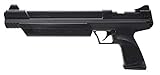
- ARS Mark8.2
ARS Mark is a ranking system developed by bestairriflescopes.com. ARS Mark has no relationship or impact from any manufacturers or sales agent websites. Learn more
- BrandUmarex
Last update on 2026-08-13 / Affiliate links / Images, Product Titles, and Product Highlights from Amazon Product Advertising API
Gamo Varmint .177 Air Rifle
A simple air rifle can become frustrating fast if its operation feels fussy, its stock is awkward in the hands, or the included sighting setup adds more work than expected. The Gamo Varmint takes a more stripped-down approach with a .177 caliber break-barrel system, a spring-piston powerplant, and an included 4x32 shockproof scope. That straightforward configuration puts it naturally into discussions around the best pellet gun for varmints, especially where self-contained operation matters more than having magazines, air bottles, or charging equipment. Its appeal starts with simplicity, but the compromises of a traditional spring-powered rifle deserve equal attention.
Gamo specifies a maximum muzzle velocity of 1,250 fps with PBA Platinum pellets, and that wording matters. The number applies to the stated pellet rather than every .177 projectile that might be used with the rifle, so treating 1,250 fps as a universal velocity would paint the wrong picture. Pellet material and weight can influence velocity, while consistency remains a separate concern altogether. In other words, the headline speed is useful product information, but it shouldn't overshadow the rest of the rifle's design.
The furniture is clearly built around practical ownership rather than decorative detail. An ambidextrous synthetic all-weather stock avoids the extra care associated with finished wood, while the rubber recoil pad provides a more secure shoulder contact point during the spring-piston firing cycle. The rifle is also described as lightweight, which can make carrying and positioning less cumbersome. Still, a lighter air rifle can feel livelier in the hands, so there's a tradeoff between easy handling and the planted sensation some heavier rifles provide.
Gamo Varmint .177 Air Rifle
The heart of this model is the single-cocking break barrel. Opening the barrel cocks the spring-piston mechanism, after which a .177 pellet is loaded directly before the barrel is returned to position. There's no separate compressed-air reservoir or CO2 cartridge involved, so the rifle remains mechanically self-contained. That keeps supporting equipment to a minimum, although every shot requires repeating the cocking and loading cycle.
The spring-piston powerplant is one of the strongest practical distinctions between this rifle and a PCP design. It doesn't depend on an external pump, compressor, or tank, which removes another layer of ownership cost and preparation. On the flip side, spring-powered rifles have a noticeable mechanical firing cycle as the piston moves inside the action. That movement gives this platform a different feel from low-recoil pneumatic systems and can make consistent handling more noticeable during ordinary shooting.
Its .177 caliber format keeps the rifle centered on a widely recognized airgun pellet size. The supplied information doesn't claim that every pellet weight or shape performs identically, so there's no reason to pretend they do. A rifle's published caliber and maximum velocity explain only part of its behavior. Pellet construction, fit, and consistency can change the experience even without changing anything on the rifle itself.
That makes the Varmint a fairly traditional package at heart. The design favors mechanical simplicity instead of adding a reservoir, pressure gauge, magazine, or other PCP-style hardware. Less equipment can be refreshing if complicated preparation is exactly what someone wants to avoid. The cost of that simplicity is a slower single-shot rhythm and the characteristic movement that comes with a spring piston.
Barrel And Optic Setup
Gamo specifies a rifled steel barrel surrounded by a fluted polymer jacket. The steel barrel handles the actual pellet path while the exterior jacket gives the rifle its distinctive profile without relying on a fully exposed steel tube. Rifling is a meaningful part of an air rifle's construction because it imparts spin to the pellet as it moves through the bore. The specification is useful, though it shouldn't be stretched into unsupported accuracy claims that aren't provided by the manufacturer.
The rifle also includes a grooved cylinder rail for mounting its optic. Gamo supplies a 4x32 shockproof scope, giving the package a fixed four-power sight rather than leaving the rifle without an optical aiming system. Fixed magnification keeps operation uncluttered because there's no zoom range to manage. The tradeoff is equally straightforward: 4x stays 4x, so it doesn't offer the framing flexibility of a variable-power scope.
Scope alignment can influence how usable an included optic feels, particularly after mounting or adjustment changes. The connection between sight settings and point of impact is easier to understand with a little background, and this rifle sight adjustment guide provides relevant context without changing the basic character of the rifle itself. The Varmint's included 4x32 scope means the optical side of the package is already accounted for rather than requiring a separate scope from the outset. That convenience is one of the more practical elements in the supplied feature list.
One specification is notably absent from the sound-control side: noise dampening is listed as none. There's no supplied claim of an integrated moderator or other dedicated noise-reduction system, so it would be misleading to describe the rifle as specifically quiet. Spring-piston operation also introduces mechanical sound from the action itself. Anyone weighing noise heavily should treat that as a genuine limitation rather than a footnote.
Trigger And Handling Character
The rifle uses a Gamo trigger with an adjustable second stage, giving some control over the latter part of the trigger pull. That doesn't justify inventing a pull weight or describing it as match-grade because neither detail appears in the supplied information. What can be said is simpler: the second stage isn't entirely fixed. That adjustability gives the trigger more flexibility than a design offering no second-stage adjustment at all.
The lightweight construction works alongside the synthetic stock to keep the rifle from becoming an unnecessarily bulky package. Less mass can be welcome when carrying equipment around a property or shifting between supported positions. Still, low weight isn't an automatic advantage in every circumstance because a lighter rifle may feel less settled than a heavier one. It's one of those features that sounds universally positive until personal handling preferences enter the equation.
Ambidextrous furniture adds another practical point. The all-weather synthetic stock isn't shaped exclusively around one dominant hand according to the supplied description, making the basic layout more accommodating. Its polymer construction also sidesteps worries about scratching or weathering a decorative wood finish. The visual style is plainly utilitarian, though, and anyone drawn to traditional wood-stock aesthetics won't get that character here.
The rubber recoil pad rounds out the stock setup with a grippier shoulder contact surface. A spring-piston air rifle doesn't behave exactly like a powder-burning firearm, yet the internal mechanism still moves during the firing cycle. A secure butt pad can help the stock stay positioned without requiring elaborate stock hardware. It's a modest feature, but small ergonomic details often influence whether a rifle feels pleasant or awkward during repeated handling.
Power Without Overreading The Numbers
The advertised 1,250 fps velocity deserves context because manufacturers commonly tie maximum velocity figures to a particular projectile, and Gamo explicitly names PBA Platinum pellets here. That means the specification shouldn't be repeated as though every .177 pellet will produce the same speed. Different pellet weights and materials can alter velocity. Keeping that distinction clear prevents the specification from turning into a claim the supplied information never actually makes.
Velocity also doesn't describe every characteristic of an air rifle. The .177 caliber platform, barrel construction, trigger behavior, optic setup, and shooting consistency all contribute to how the rifle feels in ordinary ownership. Focusing on the biggest number alone can obscure practical qualities such as cocking routine and stock ergonomics. The Gamo Varmint makes more sense as a complete mechanical package than as a single velocity statistic.
The break-barrel mechanism gives the rifle a predictable workflow: cock, load, close, and reset for each subsequent shot. That single-shot operation keeps mechanical complexity low but makes rapid repeat firing less convenient than a magazine-fed platform. There isn't a magazine specification in the supplied details, so one shouldn't be invented. The rifle's appeal lies more in self-contained operation than in speed between shots.
For the broader best pellet gun for varmints discussion, that distinction is worth keeping front and center. A fast specification may grab attention first, but ease of ownership, handling, sight configuration, and realistic limitations usually determine whether a product actually fits a particular routine. The Varmint's spring piston keeps auxiliary equipment out of the equation. At the same time, it brings a manual cocking cycle and mechanical movement that won't suit every preference.
Practical Strengths And Weaknesses
A major strength is the rifle's self-contained design. It doesn't require a separate compressed-air source or disposable CO2 cartridge according to the supplied specifications, which keeps preparation relatively uncomplicated. The included optic further reduces the number of major components that need to be sourced separately. For someone who dislikes equipment sprawl, that simplicity is easy to appreciate.
The stock contributes another clear strength. Synthetic material, an ambidextrous layout, a rubber recoil pad, and lightweight construction combine into a package aimed more at practical handling than decorative appeal. There's little in the specification suggesting delicate furniture or elaborate external hardware. The tradeoff is a straightforward black synthetic appearance that won't satisfy someone specifically wanting traditional styling.
The clearest weakness is the absence of noise dampening. The supplied details explicitly state none, leaving no basis for dressing the rifle up as a purpose-built quiet model. That may matter more in settings where sound carries easily or where nearby activity makes noise a primary consideration. Local laws and safe-use requirements should also be checked independently because the provided product information doesn't define where or how the rifle may legally be used.
Another tradeoff comes from the break-barrel format itself. Each shot requires manually cocking and loading the rifle again, so convenience takes a back seat to mechanical independence. Some people appreciate that stripped-down rhythm, while others prefer the faster cycling of magazine-based air rifles. Neither approach is universally better; they're simply different ownership experiences.
Scope, Rail, And Everyday Usability
The supplied 4x32 shockproof scope adds useful completeness to the package. A fixed four-power optic is simple by nature, and simplicity can reduce distractions for someone who doesn't want to juggle magnification settings. Still, fixed magnification means there's no way to widen or tighten the optical view through zoom adjustment. That limitation should be seen as part of the design rather than something hidden behind the convenience of an included scope.
The grooved cylinder rail provides the mounting interface mentioned in the product information. That's an uncomplicated detail, but it's relevant because scope security and alignment depend on the mounting system as well as the optic itself. Nothing in the supplied description supports claims about unusual anti-recoil hardware or proprietary mounting technology beyond the listed grooved rail. Keeping the review grounded means stopping at what the product information actually says.
The rifle's low-maintenance exterior also suits ordinary storage better than a finish requiring constant cosmetic attention. Its synthetic stock is described as all-weather, which speaks to material choice rather than permission to neglect basic care. Moisture, dirt, and loose hardware can still create problems for any mechanical product. Secure storage and manufacturer-recommended maintenance remain sensible habits without needing exaggerated durability claims.
Gamo backs the rifle with a one-year warranty, another straightforward detail worth noting. The provided description also states that the rifle is made in Spain. Neither fact needs embellishment to be useful because they give concrete information about support coverage and origin. A one-year warranty is exactly that, not lifetime coverage and not proof that repairs will never be needed.
Where The Design Fits Best
The strongest case for the Gamo Varmint comes from its simple spring-powered architecture. A rifle that doesn't rely on a charging bottle, compressor, pump, or CO2 supply eliminates several pieces of supporting equipment from the ownership routine. That can reduce hassle for occasional lawful use and ordinary target practice. The flip side is the manual effort and extra time involved in cocking the barrel for every shot.
Its lightweight ambidextrous stock makes the rifle less specialized around one shooting hand and avoids the extra mass of a heavier furniture setup. That can make handling feel less cumbersome, especially during repeated movement or storage. Yet some shooters may prefer more weight because additional mass can feel steadier. The feature is therefore best understood as a design preference rather than a universal performance advantage.
The combination of a rifled .177 barrel, adjustable second-stage trigger, and 4x32 scope gives the rifle several useful components without turning it into an overly complicated system. Those parts create a sensible foundation, but they don't justify made-up accuracy figures or unsupported range claims. Actual consistency depends on factors not supplied in the product description, including pellet selection and individual setup. That's exactly why a grounded review should resist pretending that specifications tell the whole story.
Measured against the best pellet gun for varmints keyword, the Gamo Varmint stands out most clearly for its blend of self-contained operation, stated 1,250 fps capability with PBA Platinum pellets, lightweight synthetic stock, and included scope. Its limitations are just as easy to identify: no noise dampening, a single-shot break-barrel routine, fixed 4x magnification, and the distinctive firing behavior of a spring piston. Those aren't hidden flaws, just practical compromises tied directly to the design. The result is a straightforward .177 air rifle whose appeal depends more on simplicity and supplied equipment than on a long list of extra features.
Gamo Varmint .177 Rifle + Pellet Pen Bundle
Carrying loose pellets, sorting out an optic, and dealing with extra support equipment can make a simple shooting setup feel busier than it needs to be. This Gamo bundle keeps the arrangement fairly lean by combining a .177 caliber spring-piston break-barrel rifle, a 4x32 scope with mount, and an Air Venturi pellet pen. That combination gives the best pellet gun for varmints discussion a practical angle: the rifle is mechanically self-contained, while the included accessories cover basic aiming and pellet handling. There aren't pumps, compressed-air bottles, or CO2 cartridges involved in the operating routine described for this model.
The headline specification is up to 1,250 fps, but that figure is best treated as the stated maximum rather than an expectation for every .177 pellet. Different projectile weights and designs can behave differently, and the provided information doesn't include individual velocity figures for alternative pellets. What matters here is the combination of spring-piston power, a straightforward single-shot action, and a package designed around varmint control, pest management, and target shooting. It isn't complicated, and for this kind of rifle, that's part of the attraction.
Gamo Varmint .177 Rifle + Pellet Pen Bundle
The basic operating system is refreshingly old-school. Break the barrel to cock the spring-piston mechanism, insert one .177 pellet, close the barrel, and the rifle is ready for the shot. There isn't a reservoir pressure level to watch or an external gas source to connect. That independence can make the rifle easier to keep ready for occasional lawful pest-control duties or a casual target session.
Of course, the single-shot break-barrel design has a flip side. Every shot means repeating the cocking and loading process, so anyone used to a magazine-fed air rifle will notice the slower rhythm right away. The Air Venturi pellet pen helps with one piece of that routine by keeping individual .177 pellets organized and accessible. It doesn't make the gun a repeater, but it fits the loading method better than carrying a handful of loose pellets.
The included 4x32 scope and mount also make this bundle more complete than a bare-rifle package. Fixed four-power magnification keeps the sighting system uncomplicated, with no magnification range to adjust from shot to shot. That's handy for someone who prefers a set-it-and-settle-in approach. On the other hand, shooters who like changing magnification for different distances or target sizes won't get that flexibility from a fixed 4x optic.
Viewed as a whole, the bundle leans toward simple ownership rather than accessory-heavy shooting. Rifle, scope, mount, and pellet pen cover the core pieces without introducing charging equipment or electronic controls. That's a meaningful strength if minimizing setup hassle is high on the list. The compromise is a slower mechanical shooting cycle that asks for a little patience between shots.
Power And .177 Caliber Character
Gamo states that the Varmint can send .177 caliber pellets up to 1,250 fps. That sounds punchy, but the words "up to" matter because the supplied description doesn't claim every pellet reaches the same speed. Pellet construction and weight can affect velocity, so it would be misleading to attach that maximum figure to every ammunition choice. The specification is still useful because it shows how Gamo positions the rifle within its intended performance range.
The .177 caliber chambering also fits neatly with the uses given for the rifle: varmint hunting, pest control, and target shooting. The product information doesn't provide energy figures, group sizes, or a specific effective range, so there's no reason to invent any. Those details depend on variables that aren't supplied here. A grounded evaluation therefore has to separate the known specification from assumptions about real-world results.
Spring-piston power adds another layer to the experience. Instead of releasing stored compressed air from a reservoir, the rifle uses its mechanical spring-and-piston system for every shot. That gives the gun a firing cycle with more internal movement than many pneumatic designs. Consistent handling matters because changing how firmly the rifle is held can make the overall shooting experience less predictable.
The important difference is that velocity isn't the only useful measure of this rifle. A manageable cocking routine, reliable sight setup, sensible pellet selection, and repeatable shooting technique all affect how satisfying a break barrel feels. Chasing the biggest velocity number while ignoring those fundamentals can lead down the wrong road. The Varmint makes more sense as a complete shooting system than as a 1,250 fps number standing by itself.
Scope And Support Setup
The supplied 4x32 scope saves the trouble of immediately sourcing an optic and matching mount. Four-power magnification is straightforward, which suits a rifle that already favors a deliberate one-shot-at-a-time rhythm. There's no zoom ring to fuss with, and the optic arrives as part of the stated bundle. Its limitation is just as straightforward: fixed magnification stays fixed.
A steady shooting position becomes especially useful while sorting out an optic or checking how a particular pellet behaves. Small changes in hold can muddy the picture, making it harder to tell whether a shift comes from sight adjustment or simple movement behind the rifle. For shooters interested in creating a steadier bench setup, a related reference is bipods for benchrest shooting, where support choice becomes part of controlling unnecessary movement. That connection is about stability rather than claiming a bipod changes the Varmint's mechanical performance.
The included scope remains a practical benefit, yet the provided information doesn't specify reticle design, adjustment increments, eye relief, or detailed optical construction. Calling it a competition-grade optic would therefore wander beyond the facts. Its real appeal is much simpler. It gives the rifle an optical aiming setup without requiring another purchase before getting the package assembled.
That bundled approach also works nicely with the Air Venturi pellet pen. One accessory addresses aiming, while the other helps with individual pellet handling between break-barrel loading cycles. Neither piece changes the underlying action, but both reduce little annoyances around the shooting routine. Sometimes that's more useful than piling on features that complicate an otherwise simple rifle.
Pros Of The Gamo Varmint Bundle
The clearest strength is its self-contained spring-piston operation. There isn't an external air tank or CO2 supply involved in the basic system, so the rifle can be stored without also keeping a charging setup nearby. That simplicity suits occasional use particularly well. Grab the properly stored rifle and required pellets, and the mechanical power source is already part of the gun.
Another meaningful pro is the bundled equipment. A 4x32 scope, mount, and .177 pellet pen accompany the rifle, covering several practical needs that would otherwise have to be addressed separately. The pellet pen is especially well matched to a single-shot break barrel because every firing cycle involves handling another pellet. It's a small accessory, sure, but one that actually relates to the way the rifle operates.
The stated 1,250 fps maximum velocity is another notable part of the package, provided expectations remain tied to the wording Gamo gives. It's a maximum specification, not a promise that every pellet will achieve the exact same result. Keeping that distinction intact prevents an impressive number from becoming an exaggerated claim. The Varmint still brings a clearly defined performance specification without needing made-up chronograph results.
The rifle's intended roles are also clearly stated. Gamo positions it for varmint hunting, controlling pests, and target shooting, so the bundle isn't being stretched into a job the supplied description never mentions. The included optic lines up logically with those applications. For lawful use in an appropriate setting, the design favors deliberate aiming and simple mechanical operation.
Cons And Practical Tradeoffs
The biggest weakness is easy to spot once the first few shots are taken: every pellet requires another break-barrel cocking cycle. There's no magazine described in the supplied information and no quick repeating action. That makes extended shooting slower than with a multi-shot pneumatic platform. Some shooters enjoy the measured pace, while others will find it tedious.
The spring-piston firing cycle is another tradeoff worth understanding before buying. Mechanical movement inside the rifle means it doesn't have the same firing character as a low-recoil PCP. A reasonably consistent hold matters, and the rifle may require more attention to technique than someone expects from looking at velocity alone. That isn't a defect; it's part of how this type of powerplant behaves.
The included fixed 4x scope can also become a limitation for someone who wants greater optical flexibility. Four-power magnification may suit straightforward shooting, but it can't be dialed down for a wider field of view or increased for a more magnified sight picture. The product information doesn't claim variable magnification, so expectations should remain grounded there. Convenience is the scope's main advantage, not adjustability.
There are also several specifications the supplied description doesn't provide, and that's worth acknowledging rather than filling the gaps with guesses. No measured group sizes, rifle weight, noise measurement, detailed trigger specification, or individual pellet velocity results are included. That lack of detail creates a comparison limitation for anyone evaluating the rifle purely from specifications. It doesn't prove weakness in those areas; it simply means confident claims about them wouldn't be supported.
Pellet Pen And Everyday Convenience
The Air Venturi .177 pellet pen may sound like the least exciting piece in the bundle, but its usefulness is easy to understand once the loading cycle is considered. A break barrel needs one pellet at a time, so having ammunition organized in a simple dispenser can reduce fumbling with a tin after every shot. It keeps the accessory relevant to the rifle instead of feeling like something tossed into the package to inflate the item count. That's a sensible bit of bundle design.
It also preserves the rifle's deliberate shooting rhythm. The pellet pen doesn't change the Varmint into a rapid-fire platform, nor does it pretend to replace a magazine. It simply makes handling individual pellets more convenient. That small distinction matters because practical accessories are often more valuable than flashy extras that don't address an actual part of the routine.
For target sessions, the combination can make the bench feel less cluttered. The rifle already has its scope and mount, while the pellet pen provides a tidy place for the ammunition being loaded one piece at a time. This supports the bundle's broader simplicity advantage. There are fewer loose components competing for attention while settling into a consistent shooting position.
The same logic applies during lawful property pest control. A pellet pen won't increase velocity, improve the barrel, or change the powerplant, and it shouldn't be described as though it does. Its benefit is strictly organization and loading convenience. That's modest, but honest, and it fits the Varmint better than an unrelated accessory would.
How The Bundle Fits Varmint Use
The best pellet gun for varmints isn't determined by a single specification because practical use asks more from a rifle than raw speed. A workable sight system, controlled shooting position, predictable loading routine, and suitable pellet all matter once accuracy becomes the priority. The Gamo bundle addresses the first few pieces with its included scope, mount, spring-piston rifle, and pellet pen. It leaves pellet preference and individual shooting technique to be sorted out through responsible practice.
The stated up to 1,250 fps capability gives the Varmint a clear velocity benchmark, while the .177 chambering matches the product's stated pest-control and target-shooting roles. Still, no supplied information establishes a universal varmint distance or guarantees a particular result on any animal. Conditions, pellet choice, shot placement, local regulations, and safe backstop requirements all matter. Treating those variables seriously is more useful than inventing a one-size-fits-all range recommendation.
The rifle's main benefit remains independence from charging hardware. A spring piston keeps the power source inside the gun, eliminating the separate infrastructure associated with PCP systems. That can make occasional shooting simpler, especially where hauling extra equipment feels like overkill. The price paid for that convenience is manual cocking and the distinct mechanical behavior of the powerplant.
Its biggest difference from more elaborate airgun setups is therefore not some hidden technology but the lack of complexity. The Gamo Varmint bundle offers a .177 break barrel, stated 1,250 fps maximum velocity, 4x32 scope and mount, and an Air Venturi pellet pen in one package. Against those advantages sit fixed magnification, single-shot operation, and the technique demands of spring-piston shooting. Those tradeoffs are the details that matter most once the spec sheet gives way to everyday use.
Barra 1866 Cowboy Series Air Rifle Kit
A rifle can lose its charm pretty quickly if every shooting session starts with hunting down cartridges, pellets, targets, and basic protective gear. The Barra 1866 takes a different route by combining a multi-pump pneumatic air rifle with safety glasses, 125 pellets, and paper targets in one package. Its old-west styling gives it plenty of personality, but the more relevant point for the best pellet gun for varmints discussion is the adjustable one-to-ten-pump power system. It lets the rifle remain self-contained without depending on disposable CO2 cartridges.
Barra states that ten pumps can send .177 pellets at up to 800 fps, while lower pump counts provide reduced power. That variable output creates a very different shooting rhythm from a fixed-power spring rifle because the amount of pumping can change with the task. There's a catch, of course: maximum output means working the lever ten times before the shot. For short sessions that may feel perfectly manageable, but repeated full-power shooting asks more effort from the shooter than a CO2 or pre-charged pneumatic system.
Barra 1866 Cowboy Series Air Rifle Kit
The 1866's defining feature is its multi-pump pneumatic powerplant. Barra uses the long cast-iron lever as the pump arm, allowing anywhere from one to ten pumps before firing. That gives the rifle adjustable power without adding tanks, pumps, compressors, or CO2 cartridges to the gear pile. The whole arrangement feels deliberately mechanical, which fits the rifle's western-inspired design rather nicely.
Variable pumping is also a meaningful practical benefit, not just a novelty. A casual paper-target session doesn't necessarily require the same power setting as a situation where the rifle's stated maximum velocity is desired. Using fewer pumps reduces the work between shots, while ten pumps reaches the manufacturer's listed ceiling of 800 fps with pellets. The tradeoff is unavoidable: more power requires more lever cycles.
The rifle also handles two types of ammunition. It accepts single .177 caliber pellets while a built-in reservoir holds up to 50 metal BBs, giving the platform noticeably more flexibility than a pellet-only single-shot design. The BB reservoir doesn't turn pellets into repeating ammunition, though, and that's an important distinction. Pellets still need to be handled individually.
That split ammunition system gives the Barra a useful two-sided personality. Pellets suit the more deliberate side of shooting, while the 50-BB reservoir makes informal plinking less fussy. Both modes still depend on the same manually pumped pneumatic power source. So, while ammunition handling changes, the effort required to build air pressure remains part of every shooting session.
Adjustable Power Without CO2 Cartridges
No CO2 cartridges means fewer consumables to keep around. The rifle creates its own operating pressure through the one-to-ten-pump system, so there isn't a gas cartridge waiting to run low halfway through a session. That self-contained design can be especially appealing when the rifle only comes out occasionally. There's less supporting equipment to remember and fewer disposable parts involved in normal operation.
Maximum power requires ten pumps, and Barra lists that setting at up to 800 fps with pellets. The phrase "up to" matters because the supplied information doesn't claim every .177 pellet will achieve the same velocity. Pellet weight and construction aren't specified for that figure. Treating 800 fps as the stated ceiling rather than a guaranteed speed for every projectile keeps expectations realistic.
The adjustable output also changes how the rifle can be approached during target sessions. Lower power settings may make sense when the goal is simply working on sight alignment or basic marksmanship at an appropriate range. Higher pump counts increase output but also increase the physical work between shots. That power-versus-effort tradeoff is central to the 1866 experience.
A fixed-power rifle makes the same basic demand every time the trigger is pulled, while the Barra lets the shooter decide how much pumping goes into each shot. That's a genuine difference from many conventional break barrels. Still, variable power adds another consistency factor because changing the pump count changes the setup. Repeatable shooting therefore benefits from using a repeatable number of pumps.
Accuracy Claim At 25 Yards
Barra supplies a specific accuracy figure rather than relying solely on vague language. The manufacturer states that the 1866 is capable of 1.2-inch center-to-center groups at 25 yards. That's useful information because it provides an actual reference point tied directly to the product description. It shouldn't be interpreted as a guarantee that every shooter and every pellet combination will reproduce exactly the same group.
Center-to-center measurement describes the spread between pellet impact centers rather than the outside edges of the holes. The stated 1.2-inch CTC figure therefore gives a clearer picture than simply calling the rifle accurate. Conditions, ammunition choice, pumping consistency, and shooting technique can still influence results. The product information doesn't identify the pellet used for that group, so claiming one particular load is responsible would be speculation.
Variable power adds another wrinkle to accuracy work because the pump count becomes part of shot preparation. If one pellet is fired after five pumps and another after ten, the pressure behind each shot isn't being held constant. A consistent pump count makes more sense when checking groups on paper. That approach helps separate ammunition and sighting issues from changes introduced by the power setting itself.
A steady shooting position matters for the same reason. Reducing unnecessary movement makes it easier to judge the rifle's sighting setup and pellet consistency without blaming every stray impact on the gun. Separately, an unrelated equipment category appears in Hoyt bow discussions, which belongs to archery rather than the performance characteristics of this air rifle. Keeping that distinction clear avoids forcing an artificial connection between two different shooting platforms.
Classic Lever Styling With A Working Purpose
The old-west appearance isn't merely decorative. Barra built the 1866 around a cast-iron lever that doubles as the pump arm, so one of the rifle's most visible design elements also performs an essential mechanical job. That creates a pleasing bit of functional styling rather than attaching a western shape to an unrelated action. The rifle's visual identity and operating method actually support each other.
The long lever arm is specifically intended to make pumping easier, which matters once several strokes are required before a shot. At the ten-pump maximum, leverage becomes more than a cosmetic detail. The lever-assisted pumping system helps turn the western-inspired form into something practical. Even so, ten strokes are still ten strokes, and no lever design removes that repetition entirely.
The styling may be a strength for anyone tired of nearly identical black synthetic air rifles. It gives the Barra a recognizable personality and ties directly to the old repeating-rifle inspiration mentioned in the product description. On the other hand, visual preference is personal. Someone who wants a modern tactical profile may not care for the cowboy look at all.
Function remains more important than appearance once the shooting starts. The rifle's lever still has to pump air, the pellet still has to be loaded, and consistency still depends on keeping the basic routine repeatable. That's where the 1866 stops being a decorative novelty and becomes a working multi-pump pneumatic rifle. The western character adds flavor, but it doesn't replace the fundamentals.
Dual Ammo Design And The 50-BB Reservoir
The ability to fire both pellets and BBs gives the Barra a meaningful versatility advantage. Single .177 pellets handle one side of the rifle's job, while the built-in reservoir stores multiple metal BBs for a different style of shooting. That means one air rifle can cover deliberate pellet shooting and more casual BB use. The ammunition systems aren't identical, though, and treating them as such would be misleading.
The 50-BB reservoir applies specifically to BBs. Pellets remain single-load ammunition according to the supplied description, so anyone expecting a 50-shot pellet repeater would be disappointed. This distinction matters because reservoir capacity can look more impressive on paper than it feels if pellets are the primary ammunition. The rifle offers convenience with BBs, not magazine-fed pellet operation.
For the best pellet gun for varmints discussion, the pellet side naturally deserves more attention. Barra's supplied 25-yard accuracy claim relates directly to the rifle's precision-oriented potential, while the maximum 800 fps specification defines the upper end of the stated pellet velocity. No muzzle-energy figure or pellet weight is provided. That makes unsupported claims about terminal effectiveness inappropriate.
The BB capability still adds value because it broadens recreational use. A rifle bought primarily for pellets doesn't have to sit idle during a casual plinking session where BB convenience is preferred. That's a genuine secondary benefit, especially in a starter package. It simply shouldn't be confused with enhanced pellet feeding.
Starter Kit Keeps The First Setup Simple
The Silver Air Rifle Kit includes safety glasses, 125 pellets, and paper targets alongside the rifle. Those extras won't alter the powerplant or improve its mechanical specifications, but they remove several small purchases from the initial setup. Paper targets give the rifle an obvious place to begin checking groups, while the included pellets provide compatible ammunition. The package feels intentionally assembled around getting started rather than simply padding the box with unrelated accessories.
Safety glasses are especially relevant around pellet and BB shooting because ricochets from unsuitable surfaces are a real concern. The supplied eye protection doesn't eliminate the need for a safe shooting environment, but it does put one basic protective item in the kit from the outset. Paper targets also encourage a more controlled approach than shooting at random household objects. That practical emphasis suits a starter bundle well.
The 125 included pellets offer a reasonable starting supply based strictly on the information provided. Their weight, design, and exact construction aren't specified, so there isn't enough information to call them optimized for the rifle or tie them to the stated grouping claim. They're simply .177 pellets included with the kit. Keeping the description that straightforward avoids turning an accessory into an unsupported performance promise.
The bundle's main convenience comes from reducing forgotten essentials. Rifle, ammunition, safety glasses, and targets already cover several basics before any additional equipment is considered. For someone who owns all of those items already, the extras may carry less value. That's a realistic bundle tradeoff rather than a flaw in the rifle itself.
Everyday Shooting Experience
The rhythm of the Barra 1866 is slower than its western repeating-rifle appearance might suggest. Building pneumatic pressure takes several lever strokes, then a pellet must be loaded individually before the shot. That makes the multi-pump routine deliberate rather than rapid. A long target session at maximum power can therefore involve quite a bit of lever work.
Lower pump counts change that experience noticeably because they reduce the effort required between shots. This is where adjustable power starts feeling genuinely useful instead of merely looking good on a specification sheet. The shooter isn't forced to use all ten pumps for every paper target. That control over pump count can make casual practice less tiring.
The rifle's mechanical simplicity also means there's no CO2 pressure dropping as a cartridge empties and no external PCP tank requiring refills. Those systems have their own benefits, but the Barra avoids their supporting hardware altogether. Its self-contained pneumatic operation trades convenience in one area for manual work in another. That's the bargain, plain and simple.
Consistency remains the part that deserves attention. Using the same pump count and maintaining a repeatable hold makes it easier to understand where the rifle is actually placing its shots. Changing several variables at once can turn sighting work into a headache. The Barra gives the shooter adjustable power, but that adjustment works best when it's used deliberately.
Strengths That Stand Out
The biggest strength is the absence of CO2 dependency. Manual pumping supplies the air, which means no cartridges have to be purchased, installed, or replaced as part of the normal operating cycle. That can simplify occasional ownership and reduce the number of consumables kept on hand. The price is physical effort rather than ongoing gas cartridges.
Adjustable power is another meaningful benefit. One to ten pumps create a range of power levels instead of forcing every shot to use the rifle's maximum stated output. That flexibility can suit different target routines without changing ammunition or hardware. Maximum effort remains necessary to reach the listed 800 fps ceiling.
The dual-ammunition arrangement also gives the rifle a practical difference from pellet-only designs. Single pellets support more deliberate shooting, while the 50-BB reservoir gives casual BB sessions a faster ammunition-handling routine. Neither mode requires a separate power system. That makes the 1866 more adaptable without making it mechanically complicated.
Barra's specific 1.2-inch CTC at 25 yards claim is worth highlighting too. It's much more informative than an unsupported adjective about accuracy, even though actual results can vary. Combined with the starter accessories, the figure gives this package a clearer sense of purpose. The rifle is meant to be shot on paper, evaluated, and used with a repeatable routine rather than treated as a display piece.
Weaknesses And Practical Tradeoffs
Repeated pumping is the most obvious weakness. Ten lever strokes before every maximum-power shot can become tiring during an extended session, especially compared with systems that only require working a bolt or trigger between shots. Using fewer pumps reduces that burden. Still, anyone who dislikes manual pumping won't magically grow fond of it because the lever looks like an old-west rifle.
The pellet-loading method presents another limitation. BBs benefit from the 50-round reservoir, but .177 pellets are loaded individually according to the product description. That slows pellet-focused sessions compared with magazine-fed pneumatic rifles. For careful shooting the pace may be fine, but rapid pellet follow-ups aren't part of the design.
The stated 800 fps maximum also places a clear ceiling on what can responsibly be claimed about the rifle from the supplied specifications. There's no pellet weight, muzzle-energy figure, or species-specific performance information included. That means claims about guaranteed effectiveness on particular varmints would be guesswork. The rifle should be judged on the provided velocity, grouping claim, and mechanical features rather than invented field performance.
Classic styling brings its own tradeoff too. The cowboy aesthetic gives the Barra a distinctive look, but buyers who prefer modern stocks, tactical furniture, or a more conventional hunting-rifle appearance may simply not connect with it. Appearance doesn't change the multi-pump system or stated accuracy. It does, however, influence whether the rifle feels enjoyable to own.
How It Fits The Varmint Role
The best pellet gun for varmints needs predictable shot placement more than flashy styling, and Barra at least provides a concrete manufacturer accuracy claim to consider. Its stated 1.2-inch center-to-center groups at 25 yards offer a useful reference point, while the ten-pump maximum produces the listed 800 fps pellet velocity. Those figures don't establish a universal effective distance or guarantee results in every setting. Pellet choice, pump consistency, safe backstops, and local regulations still matter.
Adjustable power gives the 1866 an interesting practical advantage because the rifle doesn't have to operate at maximum output for every target session. The shooter can use fewer pumps where less power is appropriate and reserve the full ten-pump cycle for situations where the stated maximum is desired. That flexibility is useful, but it shouldn't be mistaken for automatic suitability for every pest-control situation. Safe and humane use depends on circumstances the product description can't define.
The starter bundle also supports a sensible progression from unpacking the rifle to evaluating it on paper. Included targets and pellets provide a way to establish where the rifle is actually grouping before relying on assumptions. That matters because a manufacturer's 25-yard grouping claim is still different from an individual rifle-and-pellet combination in a particular shooter's hands. Checking consistency first is simply the responsible side of airgun ownership.
The Barra 1866 ultimately stands apart through variable pneumatic power, dual-ammunition capability, classic lever styling, and a complete starter kit. Its limitations remain equally clear: repetitive pumping at full power, individually loaded pellets, and a maximum velocity specification that shouldn't be stretched into unsupported hunting claims. That balance gives the rifle a distinct personality within the varmint-oriented pellet-gun category. It's mechanically straightforward, adjustable, and versatile, but it asks the shooter to accept a slower, hands-on operating routine.
Gamo Swarm Whisper .22 Air Rifle
Noise and harsh recoil can turn a routine shooting session into a chore, especially around property where every sharp report carries farther than expected. The Gamo Swarm Whisper .22 Air Rifle tackles those annoyances with an IGT gas-piston powerplant, Whisper noise-reduction technology, and a Shock Wave Absorber buttpad designed to soften the firing cycle. Those features give it a practical place among the best pellet gun for varmints options without relying on flashy extras or complicated external air equipment. The rifle also uses an all-weather synthetic stock with black rubber inserts, which suits outdoor handling better than furniture that needs constant cosmetic care.
The supplied specifications don't provide a muzzle-velocity figure, energy rating, accuracy group, or detailed trigger information, so those numbers shouldn't be guessed. What Gamo does state is that the IGT Inert Gas Technology piston offers higher velocity, less vibration, and a longer lifespan than traditional spring-powered airguns. That makes the powerplant itself the strongest story here. Instead of chasing an unsupported speed claim, this rifle is easier to judge by how its design addresses vibration, sound, recoil, and outdoor durability.
Gamo Swarm Whisper .22 Air Rifle
The IGT gas-piston system is the feature that separates this rifle most clearly from a traditional coil-spring airgun. Gamo replaces the conventional spring with an inert-gas piston, which the company says reduces vibration while offering greater longevity than traditional spring powerplants. That matters because spring buzz and mechanical chatter can make a rifle feel rough even when it has enough power for its intended role. A calmer firing cycle won't magically create accuracy, but it can make the rifle less distracting to shoot consistently.
Gas-piston operation also keeps the rifle mechanically self-contained. There isn't a separate PCP bottle, compressor, or CO2 cartridge mentioned in the supplied information, so ownership remains fairly straightforward. That self-contained power system can be a real benefit when the rifle is used occasionally rather than as part of an elaborate airgun setup. The tradeoff is that the rifle still behaves like a mechanically powered airgun rather than the nearly motionless pneumatic platforms some shooters prefer.
The .22 caliber chambering gives the Swarm Whisper a different character from smaller .177 rifles. A .22 caliber pellet generally emphasizes a heavier projectile format, which helps explain why this model sits naturally in discussions around varmint-oriented air rifles. Still, the supplied description doesn't provide pellet weight, muzzle energy, or species-specific performance data. Those missing figures make it important to avoid pretending the caliber alone guarantees a particular result.
The stock adds another layer of practicality. Gamo uses an all-weather synthetic stock with black rubber inserts, so the exterior favors grip and durability over polished wood styling. That setup makes sense around damp grass, sheds, barns, and changing temperatures where a delicate finish would be more trouble than it's worth. Anyone who prefers classic walnut aesthetics may see the synthetic furniture as plain, but function clearly takes priority here.
Whisper Technology And Reduced Noise
The Whisper Technology is one of the most relevant features for a rifle intended for property pest control. Gamo describes the rifle as really quiet, which points directly to sound reduction as a design goal rather than a minor accessory. No decibel figure is supplied, though, so calling it silent or assigning a precise noise level would go beyond the available information. The fair takeaway is that this model is specifically engineered to reduce report compared with an unmoderated setup.
Lower perceived noise can make repeated shooting less disruptive, particularly around rural property where sound can bounce off buildings or carry across open ground. That doesn't mean reduced sound removes the need for a safe backstop or compliance with local rules. The noise-control advantage improves comfort and discretion, not safety requirements. It's a practical improvement, but not a free pass for inappropriate shooting locations.
The Whisper system works nicely alongside the IGT piston because each feature addresses a different annoyance. The gas piston is aimed at reducing internal vibration, while the sound-dampening system tackles the report. Together, they create a more refined firing experience than a basic spring-powered rifle with no sound treatment. That pairing is more meaningful than adding unrelated accessories simply to make the specification list longer.
There is still a realistic limitation here. Without measured sound data, it's impossible to state exactly how much quieter this rifle is than another model under identical conditions. The weakness isn't necessarily excessive noise; it's the absence of quantified information. Buyers who need a precisely documented sound level won't get enough detail from the supplied specifications alone.
Shock Wave Absorber And Shooting Comfort
Gamo equips the buttpad with a Shock Wave Absorber designed to reduce felt recoil. Air rifles don't recoil in exactly the same way as centerfire firearms, but a break-barrel gas-piston mechanism still produces movement as the shot is released. Softer shoulder contact can make repeated shooting feel less abrupt. That becomes more noticeable during longer target sessions, where small ergonomic annoyances tend to stack up.
Reduced recoil can also help the shooter maintain a more repeatable position. If the stock moves less harshly against the shoulder, rebuilding the same hold from shot to shot can feel easier. The comfort benefit doesn't guarantee tighter groups, and the supplied information doesn't provide measured accuracy data to support such a claim. It simply reduces one source of discomfort that can interfere with a steady routine.
The rubber inserts in the synthetic stock complement that recoil pad. They add grip and handling control where smooth polymer might otherwise feel slippery, especially with damp hands or gloves. That detail sounds minor until the rifle is used outdoors rather than from a perfectly dry bench. Practical grip surfaces often matter more in real use than decorative stock features.
The stock's utilitarian character won't appeal to everyone. Traditionalists may prefer the warmth and appearance of wood, while this model leans clearly toward weather resistance and low-fuss ownership. That's a fair tradeoff rather than an outright flaw. The Swarm Whisper is built to be handled, carried, and used without treating the stock like furniture.
Pros And Cons Of The Swarm Whisper
The strongest pro is the combination of IGT gas-piston operation and Whisper noise reduction. Those two systems directly target vibration and sound, which are common frustrations with more basic air rifles. Add the Shock Wave Absorber buttpad, and the design starts to feel coordinated rather than pieced together. Each feature contributes to a calmer, more comfortable shooting experience.
Another strength is the all-weather synthetic stock with rubber inserts. It suits outdoor use without demanding the same cosmetic care as finished wood, and the added grip can help during damp or dusty conditions. That makes the rifle easier to live with around working property. The practical exterior also fits the purpose of a varmint-oriented air rifle better than decorative furniture would.
The biggest con is the lack of detailed performance data in the supplied description. There's no stated muzzle velocity, pellet energy, accuracy group, or exact sound measurement here. Those omissions make direct numerical evaluation harder and prevent responsible claims about specific range or effectiveness. Someone shopping by hard performance figures may want more information than this listing provides.
A second tradeoff is that the gas piston still produces a mechanical firing cycle. Less vibration than a traditional spring doesn't mean zero movement, so anyone accustomed to the softer behavior of a PCP may still notice a difference. The synthetic stock may also feel less refined to someone who values traditional materials. Those compromises are tied to the rifle's practical design rather than hidden defects.
How It Fits Varmint Control
The best pellet gun for varmints needs more than raw power because noise, shot comfort, stock durability, and consistent handling all influence how useful a rifle feels outside the store. The Swarm Whisper addresses several of those everyday issues with a .22 caliber platform, reduced vibration, quieter operation, and weather-resistant furniture. That makes the rifle easier to understand as a complete package. Its strengths come from refinement and practicality rather than a single oversized performance number.
The .22 caliber chambering also gives the rifle a logical place in varmint-control discussions, but caliber alone doesn't establish an ethical or effective distance. The provided specifications don't include muzzle energy or a species-specific recommendation, so those details shouldn't be invented. A responsible shooting setup still depends on suitable pellets, verified accuracy, local regulations, and a secure backstop. Those factors matter more than marketing language once an actual shot is considered.
From a practical angle, a related reference is air rifles for varmint control, where powerplant type, caliber, noise, handling, and property conditions all influence the overall fit. The Swarm Whisper's IGT piston, Whisper system, recoil-reducing buttpad, and synthetic stock line up neatly with those considerations. The link belongs naturally beside the rifle's intended role rather than being forced into an unrelated feature discussion. That keeps the comparison grounded in actual air-rifle characteristics.
The supplied package dimensions are 47.7 inches long, 7.1 inches wide, and 2.7 inches high, which are useful for understanding the packaged footprint rather than the rifle's exact assembled dimensions. That distinction matters because package size shouldn't be mistaken for precise firearm length or handling balance. The Swarm Whisper's real appeal rests on its quieter operation, gas-piston smoothness, recoil management, and weather-resistant stock. Those are the features that stand out most clearly from the information provided.
Crosman Legacy 1000 .177 Air Rifle
Running out of disposable gas halfway through a shooting session is the sort of nuisance that makes a simple air rifle feel more complicated than it should. The Crosman Legacy 1000 avoids that problem with a variable-pump pneumatic system, while still supporting both .177 pellets and traditional steel BBs. That mix gives it a practical place in the best pellet gun for varmints discussion because the rifle combines adjustable output, a rifled steel barrel, and self-contained operation in one fairly straightforward package. The tradeoff is equally clear: every shot requires manual pumping, so convenience comes from independence rather than fast cycling.
Crosman lists the rifle at 750 fps to 1,000 fps, giving it a useful range of power instead of locking every shot into the same output. The synthetic construction is described as durable and waterproof, while the ammunition system includes an 850-BB reservoir, a 17-round spring-loaded BB magazine, and a separate side-load pellet chamber. A fiber-optic sight and a 4 x 15 mm scope are included for aiming, and the crossbolt safety adds another handling feature. Pellets and BBs aren't included, so the package covers the rifle and sighting hardware but still requires ammunition before use.
Crosman Legacy 1000 .177 Air Rifle
The variable-pump pneumatic action is the feature that really defines this model. Pressure is created manually before firing, so there's no CO2 cartridge to replace and no external PCP filling equipment involved in the basic operating routine. That's a real strength for anyone who'd rather keep the gear list short and avoid worrying about whether a gas source is ready. The downside, naturally, is that the shooter's arm does the work that a cartridge or pre-charged reservoir would otherwise handle.
Variable output makes that manual system more flexible. Crosman's stated 750-to-1,000-fps range means the rifle doesn't have to run at its highest setting for every paper target or casual plinking session. Lower output can reduce unnecessary pumping, while greater velocity remains available within the rifle's design. That ability to balance effort and power is one of the Legacy 1000's more useful differences from a fixed-output air rifle.
The rifle also works with .177-caliber pellets and steel BBs, and the two ammunition types give it noticeably different shooting personalities. Pellets use the side-load chamber, creating a slower and more deliberate firing routine. BBs, meanwhile, benefit from large onboard storage and a spring-loaded magazine. That dual-ammo capability is genuinely useful, but the feeding systems shouldn't be confused with one another.
Crosman's waterproof synthetic design rounds out the practical side of the rifle. A synthetic exterior makes more sense around damp grass, dusty benches, sheds, or garages than furniture that needs constant cosmetic care. That doesn't mean the steel barrel or internal mechanism can be ignored after exposure to moisture. The benefit is low-fuss stock material, not freedom from normal maintenance.
Variable Power And Manual Pumping
The biggest benefit of the Legacy 1000 is control over output without relying on disposable gas. A variable-pump rifle lets the shooter decide how much effort goes into the next shot, which can be handy during lower-demand target work. There's no need to chase maximum power every time. That flexibility makes the system feel more adaptable than a rifle that operates at one fixed level regardless of the situation.
The flip side is the rifle's most obvious weakness. Repeated pumping can become tiring during longer sessions, especially if higher output is used shot after shot. A handful of deliberate shots may feel perfectly manageable, but an afternoon of constant pumping is another story. Anyone who prioritizes quick follow-up shots is likely to notice this compromise right away.
Consistency also matters because changing pump effort can change the rifle's output. A repeatable pumping routine helps keep one variable under control while checking pellet placement or adjusting the sights. Mixing different power levels during the same sight-in session can make it harder to tell whether a change came from the rifle, the pellet, or the pumping setup. Adjustable power is useful, but it works best with a little discipline.
The stated 1,000-fps maximum should also stay in perspective. The supplied information doesn't provide pellet weight, muzzle energy, or a species-specific effective range, so those figures shouldn't be invented. Velocity is only one part of air-rifle performance. Pellet choice, actual grouping, and safe shot placement still matter more than a headline number.
Pellet Loading And BB Capacity
The BB side of the rifle is built around convenience. Crosman provides an 850-BB reservoir, which gives the rifle a substantial onboard supply before loose BBs need to be added again. A separate 17-round spring-loaded BB magazine handles the smaller ready-to-feed amount. Those two figures describe different parts of the BB system, which is worth keeping straight.
Pellets use the side-load pellet chamber, so the .177 pellet routine is more deliberate. Each pellet needs individual handling, which naturally slows the pace compared with the BB setup. That slower rhythm isn't necessarily a problem for careful target work or pest-control preparation. Still, anyone expecting the large BB reservoir to function like a pellet magazine will be disappointed.
This ammunition flexibility remains a clear strength. Steel BBs suit relaxed plinking, while pellets make better use of the rifled barrel for more careful shooting. One rifle can cover both without changing its powerplant or basic operating system. That's practical versatility, not just another bullet point on the box.
One small drawback is that pellets and BBs aren't included. The rifle comes with aiming equipment, but ammunition has to be supplied separately before the first session. That's easy enough to plan around, yet it keeps the package from being completely ready to shoot straight out of the box. The omission matters most to someone starting without any .177 ammunition already on hand.
Rifled Barrel And Included Sights
The rifled steel barrel is one of the more meaningful features for pellet shooting. Rifling spins the pellet as it travels through the bore, giving it a better foundation for stable flight than a smoothbore design. Crosman doesn't provide group-size data in the supplied description, so it would be misleading to attach a precise accuracy claim here. The barrel construction is worth appreciating on its own without dressing it up with made-up numbers.
A fiber-optic sight gives the rifle a simple non-magnified aiming option. Bright fiber elements can be easier to pick up against mixed outdoor backgrounds than plain dark sights, especially during casual shooting. That keeps the Legacy usable without relying entirely on the included scope. It also gives the shooter a more straightforward sight picture when magnification isn't necessary.
The included 4 x 15 mm scope adds fixed four-power magnification. Fixed magnification keeps the optic simple because there's no zoom ring to adjust, but it also means the sight picture can't be changed for different target sizes or distances. The supplied information doesn't provide reticle type, eye relief, or adjustment increments. Its main benefit is convenience rather than advanced optical capability.
From a practical angle, a related reference is PCP air rifles under $400, where the powerplant difference becomes easy to see. PCP models store compressed air before the shooting session, while the Legacy 1000 asks the shooter to create pressure manually. That changes preparation, follow-up speed, and the amount of supporting equipment involved. The Crosman favors mechanical independence, while PCP designs shift more of the effort to the charging stage.
Pros Of The Crosman Legacy 1000
The first major pro is independence from disposable gas. There are no CO2 cartridges to replace, and the supplied operating details don't require the external charging hardware associated with PCP rifles. That can make occasional shooting less complicated and reduce the number of extra components stored between sessions. The power source is built into the pumping routine itself.
The variable 750-to-1,000-fps output is another strong point. Instead of forcing every shot to use one fixed level, the rifle allows output to change with the pumping routine. That flexibility can reduce unnecessary effort during lighter target work. It also gives the rifle more than one practical operating style.
Dual-ammunition support adds another strength. The Legacy accepts .177 pellets and traditional steel BBs, while the 850-BB reservoir and 17-round magazine make the BB side particularly convenient. Pellet shooting remains slower, but the same rifle can still cover both deliberate and casual shooting. That's useful for someone who doesn't want separate airguns for each role.
The rifled barrel, fiber-optic sight, included scope, waterproof stock, and crossbolt safety make the package feel well thought out for basic everyday use. None of those features is especially flashy, but each solves a practical problem. The sights cover two aiming styles, while the synthetic stock keeps outdoor handling less fussy. The safety adds another layer to the handling routine without replacing proper muzzle control or secure storage.
Cons Of The Crosman Legacy 1000
The biggest con is manual pumping. Higher power means more work before the shot, and that can become tiring during an extended session. Someone who enjoys a slower, hands-on shooting rhythm may not mind at all. Someone focused on quick follow-ups probably will.
The pellet system creates another weakness. The large BB capacity sounds impressive, but pellets still use the side-load chamber individually. That makes pellet shooting much slower than BB operation and rules out repeating pellet convenience. For deliberate shooting that's acceptable, but it isn't ideal for anyone who wants a fast pellet cycle.
The included 4 x 15 mm scope also has an obvious limitation. Fixed four-power magnification keeps the setup simple, yet there's no ability to alter magnification for changing distances or target sizes. The product details don't list advanced optical features either. The scope is useful because it's included, not because it offers extensive adjustment.
Performance information is also somewhat limited. Crosman supplies the 750-to-1,000-fps velocity range, but no pellet weight, muzzle-energy figure, group-size claim, or species-specific effective distance appears in the provided description. Those gaps make aggressive varmint-performance claims inappropriate. A responsible review has to stop where the supplied information stops.
Safety And Weather Resistance
The crossbolt safety gives the Legacy 1000 a built-in mechanical handling aid. That's useful, but it doesn't replace keeping the muzzle pointed safely, using a proper backstop, or storing the rifle where unauthorized access isn't possible. Those practices matter whether the rifle is loaded with pellets or BBs. The safety is one part of the system, not the entire safety plan.
The waterproof synthetic construction makes the rifle easier to live with around ordinary outdoor conditions. Moist grass, dust, and changing weather shouldn't create the same cosmetic concern associated with polished wood furniture. The rifled steel barrel and internal components still deserve sensible maintenance afterward. Waterproof stock material doesn't mean every part of the rifle can be neglected.
Steel BBs introduce their own practical limitation because hard projectiles can ricochet from unsuitable surfaces. The 850-BB reservoir makes extended plinking convenient, but that convenience doesn't change the need for a proper target and backstop. Paper targets paired with an appropriate trap make far more sense than hard improvised objects. Safe setup matters more than ammunition capacity.
Variable output adds another reason to keep the routine controlled. Using the same pump setting while sighting the rifle helps separate power changes from errors caused by sight adjustment or inconsistent holding. That makes pellet placement easier to interpret before any lawful pest-control use is considered. A variable-pump system gives control, but that control works best when used methodically.
Varmint Use Strengths And Limits
The best pellet gun for varmints needs predictable shot placement more than a big reservoir number, and the Legacy 1000 does provide several useful building blocks. A rifled steel barrel, .177 pellet compatibility, variable pneumatic power, a fiber-optic sight, and a fixed-magnification scope all support deliberate aiming. The supplied description doesn't provide a universal humane distance or animal-specific effectiveness figure. Those claims would require information that hasn't been provided.
The 750-to-1,000-fps range gives a useful velocity reference, but projectile mass isn't listed. Without pellet weight, muzzle energy can't be responsibly calculated from the supplied information. That matters because speed alone doesn't define how a pellet behaves after impact. Pellet choice, actual grouping, local regulations, and safe backstop conditions still shape whether a particular use is appropriate.
The main difference between this rifle and PCP or CO2 platforms is the balance between effort and independence. Manual pumping removes dependence on disposable cartridges or external air equipment, but it also slows the firing cycle. For occasional deliberate shots, that compromise can feel sensible. During high-volume sessions, the pumping routine may become the very thing that pushes someone toward another powerplant.
The strongest benefits are variable pneumatic power, dual-ammunition compatibility, large BB storage, a rifled steel barrel, waterproof synthetic construction, two supplied sighting options, and a crossbolt safety. The corresponding weaknesses are repeated pumping, individual pellet loading, fixed scope magnification, no included ammunition, and limited supplied performance data beyond velocity. Those practical tradeoffs define the Crosman Legacy 1000 far better than simply seeing 1,000 fps on the specification sheet. It's a flexible, hands-on .177 air rifle built around mechanical independence rather than the fastest possible shooting rhythm.


12 Best 22 Pcp Air Rifle For Hunting of 2026 With Quiet Power

7 Best 22 Pcp Air Rifle Under 300 of 2026 For Backyard Pest Control

10 Best 22 Break Barrel Air Rifles of 2026 For Backyard Pest Control

10 Best 30 Caliber Pcp Air Rifle of 2026 For Medium Game

Top Best 177 Air Rifle Under 100: Budget-Friendly Picks for 2026

How to Safely Reload Shotgun Shells at Home

11 Best Co2 Air Rifle For Pest Control of 2026 To Ensure Humane Dispatch

12 Best Inexpensive Air Rifles of 2026 For Dependable Backyard Accuracy






