
Best Position For Red Dot Sight 2026 Real Accuracy Guide

Best position for red dot sight discussions often begin after frustration appears on the range, not before. Shots feel slightly off even though fundamentals seem correct, and the problem quietly hides in optic placement rather than skill. Eye strain, slow target pickup, and inconsistent grouping usually trace back to mounting distance and alignment. Small adjustments suddenly change everything, turning hesitation into smooth, confident motion.
Optic placement controls how naturally the eye meets the dot during presentation. A red dot mounted too far forward forces unnecessary head movement, while one placed too close crowds the sight picture and reduces awareness. The sweet spot balances peripheral vision with instant dot acquisition, allowing the sight to appear without searching. Muscle memory builds faster once the optic sits where the eye expects it every single time.
Many setups fail because they copy another configuration without considering ergonomics. Arm length, shooting stance, and recoil management all influence the ideal red dot placement. A position that works flawlessly for one setup may feel awkward or slow in another. Precision grows when placement matches natural posture instead of forcing adaptation.
Speed improves dramatically when the optic aligns with the dominant visual plane. The brain prefers minimal correction, so consistent presentation becomes easier when the dot appears centered automatically. That effortless alignment reduces fatigue during long sessions and keeps focus on target tracking rather than equipment adjustment. Confidence follows repetition, and repetition depends on comfort.
Environmental conditions also affect perceived performance. Bright light exaggerates alignment errors, while low light reveals how well the optic supports intuitive aiming. Proper positioning minimizes glare angles and keeps the dot clear during transitions. Stability increases because visual confirmation happens faster than conscious thought.
Another overlooked factor involves recoil impulse and balance. Mounting location slightly shifts weight distribution, influencing recovery between shots. A well-placed optic supports smoother follow-through and faster reacquisition without extra effort. Accuracy stops feeling forced and begins feeling automatic.
Consistency matters more than experimentation once the correct position is found. Repeated presentation builds neural efficiency, making movement predictable and repeatable. Tiny deviations disappear as alignment becomes subconscious. That steady rhythm transforms scattered results into tight, reliable groups.
The true advantage of understanding the best position for red dot sight lies in removing guesswork. Equipment fades into the background, allowing attention to stay fully on timing, control, and awareness. Performance improves not through complexity but through alignment that simply feels right. Precision then becomes a natural outcome rather than a constant struggle.

- ARS Mark9.0
ARS Mark is a ranking system developed by bestairriflescopes.com. ARS Mark has no relationship or impact from any manufacturers or sales agent websites. Learn more
- BrandOsight
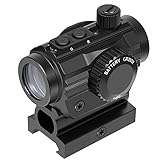
- ARS Mark9.0
ARS Mark is a ranking system developed by bestairriflescopes.com. ARS Mark has no relationship or impact from any manufacturers or sales agent websites. Learn more
- BrandFeyachi

- ARS Mark8.8
ARS Mark is a ranking system developed by bestairriflescopes.com. ARS Mark has no relationship or impact from any manufacturers or sales agent websites. Learn more
- BrandCVLIFE
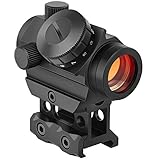
- ARS Mark8.6
ARS Mark is a ranking system developed by bestairriflescopes.com. ARS Mark has no relationship or impact from any manufacturers or sales agent websites. Learn more
- BrandMidTen

- ARS Mark8.4
ARS Mark is a ranking system developed by bestairriflescopes.com. ARS Mark has no relationship or impact from any manufacturers or sales agent websites. Learn more
- BrandFeyachi

- ARS Mark8.4
ARS Mark is a ranking system developed by bestairriflescopes.com. ARS Mark has no relationship or impact from any manufacturers or sales agent websites. Learn more
- BrandCVLIFE

- ARS Mark8.0
ARS Mark is a ranking system developed by bestairriflescopes.com. ARS Mark has no relationship or impact from any manufacturers or sales agent websites. Learn more
- BrandCVLIFE
Last update on 2026-03-09 / Affiliate links / Images, Product Titles, and Product Highlights from Amazon Product Advertising API
Best Position For Red Dot Sight With OSIGHT SE Micro Optic
Alignment problems rarely announce themselves loudly; they creep in through tiny inconsistencies that slowly sabotage confidence. Shots land slightly off, transitions feel hesitant, and the sight picture demands more effort than expected. Somewhere between presentation and trigger press, efficiency disappears. Conversations about the best position for red dot sight usually begin right at that frustrating moment, where technique feels right but results stubbornly disagree.
OSIGHT SE Enclosed Micro Red Dot
OSIGHT SE Enclosed Micro Red Dot focuses on reliability first, trimming away distractions that often complicate optic selection. The fully sealed emitter protects internal components from dust, moisture, and debris, which means performance stays stable regardless of environment. Harsh weather or extended outdoor sessions stop being variables that ruin visibility. Confidence grows because equipment behaves predictably every time it’s used.
Durability becomes immediately noticeable during repeated handling. The enclosed emitter design prevents contaminants from interfering with projection, preserving a clear aiming reference even after heavy exposure. Many optics lose clarity once debris enters the emitter path, but sealing eliminates that vulnerability entirely. Reliability turns from hopeful expectation into a dependable constant.
Movement highlights another strength. Fast presentations require instant reticle visibility, and hesitation often comes from inconsistent projection. The sealed structure maintains uninterrupted reticle output, helping transitions feel smooth instead of rushed. Stability during motion becomes one of the optic’s quiet advantages.
Compatibility further improves practicality. The RMSc footprint allows direct mounting on optics-ready slides, simplifying installation and reducing setup guesswork. Less adjustment time means quicker refinement of optic positioning. That efficiency helps users focus on placement rather than hardware troubleshooting.
Aspherical Lens And Visual Precision
Visual clarity determines whether a red dot feels natural or distracting. The aspherical lens eliminates distortion across the viewing window, preserving accurate image geometry even near the edges. Peripheral awareness remains intact, preventing tunnel vision during tracking. Eye fatigue decreases because the brain no longer compensates for warped visuals.
Parallax-free performance enhances real-world usability. Slight head movement no longer shifts perceived alignment, allowing faster acquisition without rigid positioning. Dynamic scenarios benefit most from this feature because perfect posture rarely exists outside controlled practice. The optic adapts to motion rather than demanding stillness.
The larger window strengthens instinctive alignment. A broader visual field encourages the eye to locate the reticle instantly, reducing hesitation during presentation. Speed improvements feel subtle at first, then become obvious after repetition. Muscle memory forms faster when visual confirmation happens automatically.
Brightness consistency supports varied lighting environments. Strong sunlight or dim indoor spaces still produce a clear, defined reticle. The eye locks onto contrast instead of searching for visibility. Precision becomes easier because visual information arrives instantly.
Dual Reticle System And Adaptability
The 2 MOA dot and 32 MOA circle dual reticle system expands flexibility without adding complexity. Switching between configurations allows adaptation to different engagement styles quickly. A smaller dot favors precision alignment, while the larger circle accelerates acquisition during rapid transitions. Versatility becomes practical rather than theoretical.
Dot-only mode emphasizes controlled accuracy. A fine aiming reference minimizes target obstruction and encourages deliberate shot placement. Precision work feels cleaner because visual clutter disappears. Consistency improves through simplified alignment.
Circle-only mode prioritizes speed. The bold outer ring guides the eye toward center alignment instantly, helping rapid presentations feel intuitive. Engagement timing improves because the reticle becomes easier to locate. Reaction speed increases without sacrificing awareness.
Combined reticle mode balances speed and precision simultaneously. The circle frames the target while the dot refines aiming point placement. Adaptability becomes a defining advantage across changing scenarios. The optic adjusts without requiring hardware changes.
Side Load Battery And Practical Maintenance
Battery replacement often disrupts zero and forces recalibration. The side load battery system removes that frustration by allowing replacement without removing the optic. Maintenance becomes quick and predictable rather than inconvenient. Confidence remains intact because re-zeroing isn’t necessary after every battery swap.
Accessibility encourages proactive upkeep. Easy access reduces hesitation around battery changes, preventing unexpected downtime. Reliability improves simply because maintenance becomes effortless. Small engineering decisions create meaningful everyday benefits.
Stable power delivery ensures consistent reticle brightness. Flickering or sudden shutdowns remain unlikely thanks to steady energy output. Performance stays predictable during extended use. Equipment reliability stops competing for attention.
Efficiency during long sessions becomes noticeable. Less interruption allows focus to remain on refinement rather than adjustments. Practice time feels productive instead of fragmented. Practical design choices quietly elevate the experience.
Placement Performance And Real Usage Feel
Proper mounting reveals the optic’s full potential. The compact housing supports ergonomic positioning that aligns naturally with eye movement. Balanced placement improves presentation speed and reduces visual searching. Achieving the best position for red dot sight becomes easier because size and weight complement natural handling.
Weight balance influences recoil recovery more than expected. A lightweight profile minimizes forward drag, allowing faster return to target after each shot. Follow-up shots feel controlled instead of forced. Stability emerges as a consistent performance benefit.
Presentation consistency increases once alignment matches posture. The dot appears immediately within the viewing window, reinforcing predictable repetition. Muscle memory develops quickly because visual feedback remains identical every time. Confidence builds through repetition rather than adjustment.
Upgrade overall shooting balance and control by exploring best draw weight for recurve bow setups designed to match strength with precision performance.
Compatibility And Build Confidence
Integration flexibility strengthens long-term value. The RMSc footprint compatibility ensures straightforward mounting across multiple optics-ready platforms. Installation becomes predictable instead of experimental. Setup confidence directly supports accurate positioning decisions.
Compact dimensions improve maneuverability. Larger optics sometimes disrupt handling flow, but this low-profile design preserves natural movement. Visual obstruction stays minimal during transitions. Handling remains smooth across varied conditions.
Material durability supports repeated use without degradation. Daily handling, recoil cycles, and environmental exposure fail to compromise performance. The optic feels purpose-built rather than fragile. Trust grows because durability matches real-world expectations.
Function-driven design defines the overall experience. Every feature contributes directly to clarity, reliability, or efficiency instead of adding unnecessary complexity. The optic integrates naturally into routine use, allowing attention to stay on performance improvement. That quiet reliability becomes its most convincing strength.
Feyachi RDS-36 Red & Green Dot Sight
Dialing in accuracy often feels like chasing a moving target, especially when sight alignment changes under different lighting or shooting distances. A setup that works perfectly indoors suddenly feels sluggish outside, while fast target acquisition sometimes sacrifices precision. That push and pull usually leads shooters toward experimenting with optic placement, and conversations about the best position for red dot sight start surfacing once consistency becomes the real goal rather than raw speed. Small ergonomic advantages quickly turn into noticeable performance gains.
Feyachi RDS-36 Red Dot
The Feyachi RDS-36 Red Dot approaches practicality with a refreshingly straightforward design. Dual color reticle selection stands out immediately, allowing quick switching between red dot and green dot depending on lighting conditions. Bright outdoor environments sometimes wash out traditional optics, but the green reticle maintains visibility where red struggles. Flexibility becomes the main attraction rather than complexity.
Seven brightness settings extend usability across day and night scenarios. Lower settings prevent bloom during low-light sessions, while higher levels cut through bright daylight glare. Adjustments feel intuitive, not overly technical, which helps maintain focus on shooting rather than constant tuning. The optic adapts quickly without interrupting rhythm.
Quick acquisition defines the experience with the 5 MOA reticle. Larger dot size naturally favors close and mid-range engagement, enabling faster alignment during dynamic movement. Speed improves because the eye locates the dot almost instantly. Precision remains respectable despite the emphasis on rapid targeting.
Switching between color modes also reduces eye fatigue during extended sessions. Some environments simply favor one reticle color over another, and having options prevents strain caused by poor contrast. Comfort quietly enhances consistency. Better visibility often equals better decision-making under pressure.
Optical Clarity And Coated Lens Performance
Image clarity plays a massive role in maintaining confidence, and the fully multi-coated lens helps minimize reflections that typically reduce contrast. Anti-reflective coating enhances brightness without exaggerating glare. Targets appear sharper, especially in mixed lighting environments. Visual stability supports smoother tracking.
Light transmission improves noticeably compared to untreated optics. Reduced light loss means clearer target outlines and improved depth perception. That clarity becomes valuable during rapid transitions where visual confirmation must happen instantly. A clean sight picture reduces hesitation.
Glare reduction also contributes to long-term usability. Bright conditions often cause reflections that distort aiming references, but coating technology limits those distractions. The optic maintains clarity instead of forcing constant adjustment. Consistency emerges as one of its strongest advantages.
Unlimited eye relief further simplifies positioning. Natural head placement works without forcing strict alignment, allowing flexibility in mounting location. The optic feels forgiving rather than demanding. That characteristic supports experimentation when optimizing placement.
Mounting Height And Co-Witness Advantage
The included 0.83-inch riser mount delivers absolute co-witness height with standard front sights, simplifying integration with existing setups. Alignment between iron sights and optic feels natural instead of awkward. Transitioning between backup and optic aiming remains seamless. Practical redundancy adds confidence.
Four mounting slots provide stable attachment while maintaining lightweight handling. The optic stays secure during recoil cycles without adding unnecessary bulk. Balance remains comfortable even after extended use. Handling dynamics feel unchanged compared to iron-sight setups.
Proper mounting height directly influences achieving the best position for red dot sight. Absolute co-witness encourages consistent cheek weld and predictable sight alignment. Presentation becomes repeatable because visual references stay familiar. Muscle memory develops faster under stable geometry.
Installation itself feels uncomplicated. No specialized tools or complicated alignment steps interrupt the process. Simplicity encourages experimentation with placement until comfort and performance align. That flexibility matters more than flashy adjustments.
Durability And Environmental Reliability
Durability defines whether an optic becomes trusted equipment or temporary gear. The shockproof construction allows the RDS-36 to handle recoil and impact without losing zero easily. Reliability remains steady even during rough handling. Confidence increases because performance stays predictable.
Waterproof O-ring seals protect internal components from moisture intrusion. Rain, humidity, or accidental exposure no longer threaten functionality. Environmental resistance expands usability across different conditions. Dependability grows from thoughtful engineering choices.
Lightweight construction prevents fatigue during extended sessions. Heavy optics often change handling balance, but this design maintains maneuverability. Movement stays fluid and responsive. Comfort subtly improves accuracy through reduced strain.
Field usability becomes the real test, and the optic performs consistently under varied environments. Practical durability matters more than laboratory claims. Reliability proves itself through repeated use rather than specifications alone.
Real World Performance Pros And Cons
Pros include versatile dual-color reticles, fast acquisition through the 5 MOA dot, and simple brightness adjustments that adapt quickly to changing light. Lightweight construction improves handling comfort during longer sessions. Unlimited eye relief supports flexible mounting positions. Accessibility makes the optic easy to integrate without steep learning curves.
Pros also extend to durability features like waterproof sealing and shock resistance. The riser mount enables immediate co-witness compatibility without additional purchases. Optical coatings enhance clarity beyond expectations for its category. Practical functionality outweighs unnecessary complexity.
Cons appear mainly in precision-focused scenarios. A 5 MOA dot prioritizes speed over ultra-fine accuracy at extended distances. Users seeking extremely tight grouping at long range may prefer smaller reticles. Trade-offs exist, though they align with the optic’s intended strengths.
Cons also include limited advanced customization compared to premium optics. Adjustment controls remain straightforward rather than deeply configurable. Simplicity benefits many setups but may feel restrictive for highly specialized configurations. Expectations should match the optic’s purpose-driven design.
Upgrade early archery skills with balanced control by exploring the best compound bow beginners archery setups designed to build accuracy and confidence from the ground up.
CVLIFE 1X22X33 Red Green Dot Reflex Sight
Some setups feel perfect on paper yet strangely awkward the moment real shooting begins. Alignment takes an extra fraction of a second, moving targets slip out of view, and consistency becomes harder than expected. Those small frustrations usually point toward optic ergonomics rather than technique itself. Discussions around the best position for red dot sight often emerge after realizing visibility and speed depend heavily on how naturally the optic works with the shooter’s eye.
CVLIFE Reflex Red Green Dot
CVLIFE Reflex Red Green Dot leans into accessibility and versatility instead of overcomplication. The tubeless design immediately separates it from traditional enclosed optics, offering a wide viewing window that feels open and forgiving. Target tracking becomes smoother because the eye isn’t boxed into a narrow tunnel. Fast acquisition feels instinctive rather than forced.
Dual illumination brings practical adaptability. Switching between red and green reticles helps maintain visibility across sunlight, cloudy conditions, or shaded environments. Some lighting washes out red dots entirely, yet the green option restores contrast instantly. Flexibility turns what could be a limitation into a daily advantage.
The optic doesn’t overwhelm with complexity either. Controls remain straightforward, allowing adjustments without interrupting rhythm. Simplicity becomes a strength because attention stays on shooting performance instead of menu navigation. That balance between function and usability stands out quickly.
Weight also plays a quiet but meaningful role. At roughly 130 grams, the sight avoids front-heavy imbalance that can slow transitions. Handling remains agile during rapid movements. Comfort builds naturally during extended sessions.
Wide Field Of View Performance
The 33mm reflex lens aperture defines the experience more than any specification sheet could suggest. A larger viewing window expands peripheral awareness, helping track moving targets without losing orientation. Rapid-fire scenarios benefit the most because visual reacquisition happens almost instantly. Speed feels organic rather than rushed.
Tubeless construction removes visual clutter around the edges. Instead of staring through a confined cylinder, the shooter sees more environment alongside the reticle. That openness improves spatial awareness during transitions. Confidence increases when visibility matches natural vision.
Moving targets reveal the optic’s biggest strength. The wide lens allows smoother follow-through, especially during lateral motion. Tracking becomes continuous instead of stop-and-correct. Momentum stays uninterrupted.
Placement flexibility improves as well. Because the window feels forgiving, achieving the best position for red dot sight becomes less sensitive to millimeter-perfect adjustments. The optic accommodates natural posture instead of demanding rigid alignment.
Reticle Options And Practical Accuracy
Four selectable reticle shapes give this optic surprising versatility. Each pattern serves a slightly different purpose, whether prioritizing speed, framing targets, or maintaining precision focus. The multi-reticle system allows adaptation without swapping optics. That flexibility supports experimentation during training.
Dual illumination enhances usability further. Bright environments benefit from higher intensity settings, while lower brightness prevents reticle bloom indoors. Visibility remains consistent without overpowering the sight picture. Balanced illumination protects clarity.
Parallax correction contributes to accuracy consistency. Minor head movement doesn’t dramatically shift perceived alignment, reducing missed shots caused by imperfect positioning. The optic forgives small posture variations. Reliability grows from that tolerance.
Unlimited eye relief adds another layer of comfort. Natural head placement works without strain, encouraging faster presentations. Less adjustment equals smoother performance. Efficiency replaces hesitation.
Build Quality And Durability
Construction quality surprises many at first handling. The high-grade aluminum alloy body delivers solid durability while maintaining lightweight characteristics. Matte black anodizing resists wear and reflections. Practical resilience defines its everyday usability.
Shock resistance ensures stable performance during recoil cycles. The optic holds zero effectively once adjusted, preventing constant recalibration. Stability builds trust during repeated sessions. Equipment reliability becomes predictable.
Weather resistance also adds reassurance. Outdoor exposure rarely disrupts functionality thanks to sealed components and coated lenses. Environmental variability stops being a concern. Dependability becomes part of the routine.
The included Picatinny mounting base simplifies installation. Secure attachment minimizes wobble while maintaining compatibility with common rail systems. Setup feels straightforward rather than technical. Convenience matters more than flashy extras.
Adjustment System And Zero Retention
Windage and elevation adjustments use an Allen screw click system paired with a locking mechanism. Fine-tuning becomes precise without feeling fragile. Adjustments stay secure after zeroing, preventing unwanted drift. Reliability appears through mechanical simplicity.
Locking screws reinforce stability during extended firing sessions. Once dialed in, the optic maintains alignment without frequent correction. Consistency reduces frustration significantly. Time stays focused on practice rather than recalibration.
Adjustment feedback feels tactile enough to guide changes confidently. Each correction produces predictable movement, allowing gradual refinement. Predictability strengthens trust in the setup. Accuracy benefits from repeatable adjustments.
Ease of zeroing makes the optic approachable even for newer setups. The process avoids unnecessary complexity while still offering precision control. Accessibility becomes part of its appeal. Confidence develops quickly after installation.
Pros And Cons From Real Use
Pros include the wide field of view, flexible multi-reticle system, and lightweight construction that supports fast target acquisition. Dual illumination improves usability across varied lighting conditions. Unlimited eye relief enhances comfort during extended sessions. Practical design choices emphasize usability over complexity.
Pros also extend to straightforward mounting and durable aluminum construction. Zero retention remains reliable once adjustments are locked. Multi-coated lenses maintain brightness and contrast effectively. Value comes from functional performance rather than premium pricing claims.
Cons appear primarily in precision-focused applications. The open reflex design exposes the lens more compared to enclosed emitters, requiring occasional cleaning. Extreme environments may favor sealed optics instead. Trade-offs reflect design priorities rather than flaws.
Cons also include reticle brightness controls that may require manual adjustment when lighting changes rapidly. Automatic brightness isn’t included, so user input remains necessary. Some setups may prefer smaller reticles for long-distance precision. Expectations align best with speed-focused performance.
Improve release consistency and smoother shot execution by exploring the best wrist release archery options built for stable control and repeatable accuracy.
MidTen 2MOA Micro Red Dot Sight
Accuracy frustrations rarely come from obvious mistakes; they usually hide inside tiny inconsistencies that slowly chip away at confidence. One session feels sharp, the next feels off, and the difference often comes down to optic clarity and alignment rather than technique. That’s exactly where conversations around the best position for red dot sight begin right when shooters realize comfort, visibility, and repeatability matter just as much as raw precision. Small improvements in optic behavior can suddenly make every movement feel smoother and more predictable.
MidTen 2MOA Micro Red Dot
MidTen 2MOA Micro Red Dot focuses heavily on refining precision without complicating operation. The upgrade from larger dot sizes to a 2MOA reticle immediately shifts performance toward tighter aiming control while maintaining quick acquisition. The dot appears clean and centered inside the tube, avoiding distracting flare or ghosting. That clarity helps maintain focus during both slow precision shots and fast transitions.
Unlimited eye relief plays a surprisingly large role in usability. Natural head positioning works effortlessly, reducing the need to hunt for alignment during presentation. The optic adapts to movement instead of forcing rigid posture. That flexibility supports smoother target engagement across different shooting rhythms.
The reticle enhancement also reduces unwanted red glare. A centered, crisp dot prevents visual distraction that can occur in brighter optics. Clear sight pictures translate into steadier follow-through. Confidence grows because the aiming reference stays consistent.
Early impressions often revolve around simplicity. Controls remain intuitive, and adjustments feel predictable without requiring constant recalibration. Reliability becomes noticeable through repetition rather than flashy features. Practical performance defines the experience.
Optical Clarity And Low Light Advantage
The multi-coated scratch-resistant lens improves light transmission while minimizing reflection. Low-light visibility benefits the most, allowing targets to remain defined even as ambient light fades. Enhanced contrast reduces visual strain during longer sessions. Clear imagery supports faster recognition and decision-making.
Brightness control expands adaptability through 11 intensity levels. Lower settings handle dim or rainy conditions without overwhelming the sight picture, while higher settings cut through bright daylight effectively. Adjustments allow precise tuning rather than broad jumps. Visibility stays optimized across environments.
Optical performance also feels stable during changing conditions. Transitioning between indoor and outdoor lighting doesn’t require constant recalibration. The optic maintains clarity without dramatic brightness shifts. That predictability improves overall shooting rhythm.
Scratch resistance ensures long-term usability. Minor contact or regular transport rarely compromises lens quality. Durability protects visual performance over time. Clear optics remain reliable session after session.
Durability And Environmental Reliability
The shockproof aluminum body establishes strong durability without adding unnecessary weight. Recoil impact and regular handling fail to disrupt structural integrity. The optic feels solid rather than delicate. Stability builds confidence during extended use.
Nitrogen purging prevents internal fogging caused by humidity or temperature changes. Sudden environmental shifts no longer threaten visibility. The optic remains clear even during rapid transitions between climates. Reliability extends beyond controlled environments.
Waterproof sealing through O-ring construction protects internal components from moisture exposure. Rain or damp conditions become manageable instead of risky. Environmental resistance supports consistent operation outdoors. Dependability becomes one of the optic’s strongest advantages.
The matte black anodized finish adds both protection and subtle concealment benefits. Scratch resistance preserves appearance while reducing unwanted reflections. Practical durability meets functional design. Everyday handling feels worry-free.
Mounting Flexibility And Positioning Control
Two mounting height options introduce meaningful versatility. The ability to switch between low mount and lower 1/3 co-witness configurations allows fine adjustment based on ergonomics. Proper alignment becomes easier to achieve across different platforms. Flexibility encourages experimentation with placement.
Mount height directly influences achieving the best position for red dot sight. Lower configurations emphasize stability, while co-witness setups improve sight alignment consistency. The optic accommodates varied preferences without requiring additional accessories. Setup customization feels straightforward.
Installation remains simple and secure. Once mounted, the optic holds position firmly without noticeable movement. Reliable attachment ensures zero retention during repeated firing cycles. Stability reinforces trust in performance.
Compact dimensions further support ergonomic positioning. The micro design avoids obstructing peripheral vision, allowing faster target transitions. Movement remains natural rather than restricted. Comfort enhances repeatability.
Real World Performance Pros And Cons
Pros include improved precision through the 2MOA dot, clear optical performance in low light, and adaptable brightness levels that handle diverse environments. Unlimited eye relief enhances usability during dynamic movement. Durable waterproof and fog-proof construction strengthens reliability. Practical functionality becomes the defining advantage.
Pros also extend to mounting flexibility and compact design. Lightweight handling prevents fatigue during longer sessions. Consistent reticle clarity reduces visual distractions. Performance feels stable and predictable once properly positioned.
Cons appear mainly in extremely fast close-range scenarios where larger reticles may acquire slightly faster. A smaller dot favors precision over raw speed. Users focused solely on rapid acquisition may notice this trade-off. Design priorities lean toward accuracy.
Cons also include manual brightness adjustment requirements as lighting changes. Automatic brightness isn’t included, meaning occasional user input remains necessary. Some may prefer automated systems for convenience. Still, manual control offers finer adjustment flexibility.
Improve precision consistency across longer distances by exploring the best long range archery sight designed to support stable aiming and refined accuracy control.
Feyachi 3X Red Dot Magnifier With Flip Mount
Speed feels effortless at close range, yet the moment distance increases, tiny details start slipping away. Targets look smaller, confirmation takes longer, and confidence quietly drops even though the red dot remains perfectly functional. That gap between speed and precision often sparks curiosity about optimizing setups tied to the best position for red dot sight, especially when magnification becomes the missing piece rather than a new optic entirely. A well-matched magnifier can transform familiar equipment into something far more capable without changing shooting habits.
Feyachi 3X Red Dot Magnifier
Feyachi 3X Red Dot Magnifier focuses on extending capability instead of replacing an existing optic. The core idea stays simple: add 3x magnification power while preserving the speed advantage of a non-magnified red dot. Targets appear closer and clearer, allowing better identification and refined aiming at extended distances. That added clarity bridges the gap between rapid engagement and controlled precision.
Compact sizing plays an important role in usability. A magnifier that feels bulky can disrupt balance, yet this design remains lightweight enough to avoid front-heavy handling. Movement stays natural, and transitions don’t feel slowed down by extra equipment. Comfort becomes noticeable during longer sessions where weight distribution matters.
Integration with existing optics feels seamless. Instead of learning a completely new sighting system, the magnifier enhances what already works. Familiar muscle memory remains intact while visual detail improves significantly. That continuity reduces adjustment time dramatically.
The experience feels less like adding complexity and more like unlocking hidden potential. The optic setup suddenly handles multiple distances without compromise. Flexibility becomes the defining benefit. Performance evolves without requiring major changes.
Magnification Performance And Target Detail
The 3x magnification introduces immediate visual improvement, especially when engaging targets beyond typical close-range distances. Edges appear sharper, shapes become clearer, and aiming confidence increases naturally. Precision improves because the eye receives more usable detail. That clarity encourages deliberate shot placement rather than guesswork.
Unlike traditional scopes, magnification here complements speed instead of replacing it. The red dot remains the primary aiming reference, maintaining intuitive alignment. Visual enhancement supports accuracy without slowing reaction time. Balance between speed and precision stays intact.
Extended-distance performance benefits most from this setup. Small targets no longer blur into indistinct shapes. Identification becomes quicker, which reduces hesitation before engagement. Clearer visuals often lead to smoother follow-through.
Consistency also improves across varying ranges. Instead of switching optics or adjusting technique drastically, shooters maintain the same workflow. Familiarity supports reliability. Confidence grows through predictable performance.
Adjustable Focus And Optical Clarity
The adjustable focus feature allows fine tuning of the sight picture depending on distance and eyesight preference. Minor adjustments sharpen the image until clarity feels natural. Personalized focus reduces eye strain during prolonged use. Comfort directly supports accuracy over time.
Crystal-clear viewing remains achievable across different scenarios. Environmental lighting or distance changes rarely compromise visibility once focus is properly dialed in. The optic adapts easily without requiring constant correction. Stability becomes part of the viewing experience.
Sharper imagery enhances coordination between magnifier and red dot. The reticle stays crisp rather than distorted, maintaining alignment precision. Visual harmony between both optics prevents distraction. Smooth integration feels intentional rather than improvised.
Focus adjustment also adds flexibility for varied setups. Slight mounting differences or posture changes can be compensated quickly. The system works with the shooter instead of demanding perfect conditions. Practical adaptability becomes a key strength.
Flip-To-Side Mount And Transition Speed
The flip-to-side mount defines how naturally this magnifier fits into real usage. Instant switching between magnified and unmagnified views allows rapid adaptation without breaking rhythm. Close-range targets remain accessible without visual obstruction. Speed stays preserved even with added capability.
Transitioning feels smooth and intuitive. A simple motion moves the magnifier aside, restoring full peripheral vision immediately. That mechanical simplicity supports dynamic environments where distances change quickly. Efficiency replaces hesitation.
Peripheral awareness improves significantly once flipped aside. The red dot operates normally without interference. Maintaining situational awareness becomes easier during fast movement. Practical usability shines through this design choice.
The mount also locks securely into position. Stability prevents unwanted movement during recoil or handling. Confidence grows because the magnifier behaves predictably. Reliable mechanics reinforce overall performance.
Compatibility And Height Adjustment
Two mounting height options expand compatibility across different setups. The choice between 37mm absolute co-witness and 40mm lower 1/3 co-witness allows alignment customization based on ergonomic preference. Proper alignment simplifies achieving optimal optic positioning. Flexibility supports varied configurations.
Included spacers help fine-tune optical alignment between magnifier and red dot. Proper alignment prevents shadowing or misalignment issues that sometimes occur with mismatched components. Visual consistency improves immediately. Setup feels refined rather than experimental.
Compatibility with most red dot sights increases practical value. Existing equipment integrates smoothly without requiring specialized adapters. Installation becomes straightforward. Convenience encourages experimentation with placement adjustments.
Correct height alignment contributes indirectly to finding the best position for red dot sight. Matching eye level and optic axis improves presentation consistency. Natural posture develops faster with proper geometry. Ergonomics quietly enhance performance.
Durability And Real World Reliability
Durability stands out through the 800G shock-tested construction. Designed to withstand intense recoil and rough handling, the magnifier maintains structural integrity under demanding conditions. Reliability becomes evident through repeated use. Equipment trust grows naturally.
Solid construction reassures during transport and field use. Minor impacts or vibrations rarely affect alignment. The optic feels rugged rather than delicate. Longevity becomes part of its appeal.
Harsh environments pose less concern thanks to sturdy materials and secure mounting. Performance remains consistent even when conditions change quickly. Dependability reduces distractions during practice or real scenarios. Stability becomes predictable.
Compact engineering balances toughness with usability. The magnifier avoids excessive weight while maintaining resilience. Handling stays agile without sacrificing durability. Practical design choices support everyday reliability.
Strengths And Trade-Offs In Use
Strengths include versatile magnification, quick flip-to-side transitions, and adjustable focus that enhances clarity across distances. Compatibility with most red dots simplifies integration. Lightweight construction preserves handling balance. Flexibility defines the overall experience.
Strengths also appear in adaptability between close and mid-range engagement. Instant switching maintains speed advantages while adding precision capability. Reliable mounting improves consistency. The magnifier extends usefulness without replacing familiar equipment.
Weaknesses mainly involve added complexity compared to a standalone red dot. Additional alignment steps may require careful setup initially. Some users may notice slight weight increase depending on platform balance. Adjustment patience becomes necessary during installation.
Weaknesses also include reliance on proper alignment for optimal clarity. Incorrect positioning can introduce shadowing until adjusted correctly. Once aligned, performance stabilizes quickly. Trade-offs reflect versatility rather than design flaws.


12 Best 22 Pcp Air Rifle For Hunting of 2026 With Quiet Power

7 Best 22 Pcp Air Rifle Under 300 of 2026 For Backyard Pest Control

10 Best 22 Break Barrel Air Rifles of 2026 For Backyard Pest Control

10 Best 30 Caliber Pcp Air Rifle of 2026 For Medium Game

Top Best 177 Air Rifle Under 100: Budget-Friendly Picks for 2026

How to Safely Reload Shotgun Shells at Home

11 Best Co2 Air Rifle For Pest Control of 2026 To Ensure Humane Dispatch

12 Best Inexpensive Air Rifles of 2026 For Dependable Backyard Accuracy






