
Best Rage Broadhead For Elk: Tough Picks 2026

Elk put broadhead design under a different kind of pressure. A best rage broadhead for elk candidate needs more than an attention-grabbing cutting diameter because the arrow still has to drive through hide, muscle, and potentially heavy bone before reaching the vitals. Rage currently lists several mechanical heads suited to demanding big-game setups, and its own guidance names Hypodermic, Hypodermic +P, SS, Trypan, and Extreme designs among its elk recommendations. That makes the real question less about picking the widest head on the shelf and more about matching penetration, blade angle, arrow energy, and shot placement.
The Rage Hypodermic NC +P stands out for hunters who lean toward penetration rather than chasing the widest possible wound channel. Rage offers the design in 100- and 125-grain versions, with a more swept blade angle intended to help the head continue driving after impact. That detail matters on elk because a broadside shot can still involve substantial tissue and rib contact. Put simply, a slightly more conservative cutting profile can make plenty of sense when preserving momentum is higher on the priority list.
The regular Hypodermic NC takes a different tack, giving the familiar Rage mechanical concept a no-collar blade-retention system. Rage explains that its NC system removes the need to index a shock collar and helps prevent unwanted blade deployment in the quiver. Fewer small setup details can be welcome before a hunt, especially after packs, arrows, and gear have been bounced around on rough approaches. Still, mechanical simplicity doesn't erase the need to inspect the blades, verify arrow flight, and make sure the chosen head behaves properly with the actual hunting setup.
The Hypodermic Trypan NC pushes farther toward a large wound channel. Its construction uses a one-piece titanium ferrule, .039-inch stainless-steel blades, and a no-collar retention design, giving it a stout build around its mechanical blade system. A broad cutting path is appealing, no doubt, but elk hunting punishes sloppy equipment matching. Lower-energy bows, marginal impact angles, or questionable arrow flight can make an aggressive mechanical less forgiving than it looks in the package.
Therein lies the tradeoff. A large cutting diameter can create a substantial entrance wound and tissue disruption, while a more swept blade angle can favor continued penetration. Neither feature magically compensates for poor arrow tune or a risky shot angle. The sensible move is to treat cutting diameter as one part of the equation alongside total arrow weight, broadhead weight, bow energy, accuracy, and impact angle.
Rage's 2-Blade NC Cut-On-Contact head provides another useful reference point. The 100-grain model uses a hybrid Hypodermic tip, machined stainless-steel ferrule, .035-inch blades, a 2-inch cutting diameter, and non-collar blade retention. Those specifications explain why Rage heads have such a recognizable identity: narrow in flight, then substantially wider after deployment. On an elk setup, though, broadhead choice should never become a contest to see who can bolt on the biggest cutting diameter.
Bow style deserves attention too. Rage sells crossbow-specific heads and notes meaningful construction differences between standard Hypodermic and crossbow versions, while its guidance points high-speed crossbows toward appropriate high-energy retention systems or crossbow-specific designs. That's worth taking seriously rather than assuming every 100- or 125-grain Rage head is interchangeable. A broadhead that behaves predictably from one launch platform can face very different forces from another.
Another easily missed issue is blade condition. Rage recommends replacing broadhead blades after they have been shot, which is a sensible reminder for a hunting head expected to cut immediately and cleanly. Saving a few bucks by putting a damaged edge back into the quiver is penny-wise and pound-foolish. Fresh blades, straight ferrules, properly seated components, and confirmed broadhead flight matter more than cosmetic wear on the rest of the arrow.
For a penetration-minded elk setup, the Hypodermic NC +P makes a particularly compelling case because its swept blade geometry is deliberately aimed at deeper penetration. The Trypan family makes more sense where a rugged ferrule and substantial mechanical cutting path carry greater weight in the decision. Meanwhile, standard Hypodermic-style options retain the familiar two-blade Rage formula without forcing every setup toward the same blade geometry. Different arrows, bows, draw weights, and realistic shot distances can shift the better choice, so there isn't much value in pretending one model wins every situation.
The last piece is the boring one, and frankly, it's the piece that saves headaches: practice with the hunting configuration. Field-point accuracy doesn't automatically prove that a broadhead-tipped arrow will land in exactly the same place. Confirm impact, inspect the head, and resist taking steep or obstructed angles simply because a mechanical broadhead looks formidable. Elk are big animals, and disciplined shot selection remains more valuable than another fraction of an inch of advertised cut.

- ARS Mark9.6
ARS Mark is a ranking system developed by bestairriflescopes.com. ARS Mark has no relationship or impact from any manufacturers or sales agent websites. Learn more
- BrandRAGE
- ARS Mark9.4
ARS Mark is a ranking system developed by bestairriflescopes.com. ARS Mark has no relationship or impact from any manufacturers or sales agent websites. Learn more
- BrandRAGE

- ARS Mark9.4
ARS Mark is a ranking system developed by bestairriflescopes.com. ARS Mark has no relationship or impact from any manufacturers or sales agent websites. Learn more
- BrandRAGE

- ARS Mark9.4
ARS Mark is a ranking system developed by bestairriflescopes.com. ARS Mark has no relationship or impact from any manufacturers or sales agent websites. Learn more
- BrandRAGE
- ARS Mark9.4
ARS Mark is a ranking system developed by bestairriflescopes.com. ARS Mark has no relationship or impact from any manufacturers or sales agent websites. Learn more
- BrandG5 Outdoors

- ARS Mark9.2
ARS Mark is a ranking system developed by bestairriflescopes.com. ARS Mark has no relationship or impact from any manufacturers or sales agent websites. Learn more
- BrandRAGE

- ARS Mark9.2
ARS Mark is a ranking system developed by bestairriflescopes.com. ARS Mark has no relationship or impact from any manufacturers or sales agent websites. Learn more
- BrandRAGE

- ARS Mark9.2
ARS Mark is a ranking system developed by bestairriflescopes.com. ARS Mark has no relationship or impact from any manufacturers or sales agent websites. Learn more
- BrandRAGE
Last update on 2026-08-13 / Affiliate links / Images, Product Titles, and Product Highlights from Amazon Product Advertising API
Rage Hypodermic Crossbow NC 100 Grain
A broadhead can look convincing in the package and still create doubts once thick hide, heavy ribs, and the sheer body mass of an elk enter the picture. That pressure makes the best rage broadhead for elk discussion less about flashy specifications and more about how blade design, ferrule construction, and arrow flight work together. The Rage Hypodermic 2-Blade Crossbow NC brings a 100-grain mechanical design, a 2-inch cutting diameter, and a steel-centered build aimed at keeping the head streamlined before impact. It’s a fairly aggressive combination, but it also comes with practical tradeoffs that deserve a closer look.
Rage Hypodermic Crossbow NC 100 Grain
The heart of this broadhead is its one-piece steel ferrule, and that choice matters more than the silver finish or compact profile might suggest. A ferrule carries the load as the head enters an animal, so a solid steel structure gives the blades a firm foundation instead of asking thin components to handle everything alone. Rage describes the design as built for increased penetration and bone-crushing power, which fits the demands of a large-bodied animal where impact resistance can climb quickly. Still, no ferrule turns a poor angle into a sensible shot, so the structural benefit should be viewed as extra durability rather than permission to push limits.
The Hybrid Hypodermic Tip gives the front of the head a narrow, pointed shape rather than a wide fixed-blade profile. That geometry helps the broadhead maintain a more aerodynamic form during flight, especially compared with broad fixed blades that expose more surface area to crosswinds and tuning errors. For crossbow setups, where speed can amplify small inconsistencies, the cleaner profile is a useful practical advantage. The real payoff is confidence that the hunting head isn’t introducing a wildly different silhouette from the practice configuration.
Rage pairs that tip with its Machined Stainless Steel Ferrule Technology, keeping the structure compact while supporting the mechanical blades. There’s a tidy logic to it: keep the head narrow in flight, then let the cutting system open after impact. That approach is one reason mechanical heads appeal to hunters who dislike wrestling with broadhead steering during setup. The tradeoff, of course, is that deployment becomes part of the equation, so blade retention and proper setup deserve just as much attention as sharpness.
Two-Inch Cutting Diameter And Blade Design
The headline specification is the 2-inch cutting diameter, and that’s substantial enough to shape the entire personality of this broadhead. A wider cut can open a larger wound channel than a narrow fixed blade, which is precisely why Rage’s mechanical designs have built their reputation around expandable cutting surfaces. On elk, that width can be appealing because blood-trail visibility and tissue damage matter after the shot. But there’s no free lunch: pushing two blades that wide through dense tissue can demand more energy than a smaller cutting profile.
The blades themselves measure .035-inch stainless steel, giving the head a pair of thin, razor-oriented cutting edges rather than chunky fixed fins. That thinness supports sharpness and helps keep the closed profile compact, while stainless construction adds resistance to ordinary corrosion and handling. A sharp edge matters enormously because broadheads cut rather than shock tissue, and dullness can rob a large diameter of the advantage it looked so impressive for on paper. Blade condition should therefore be treated as a pre-hunt inspection point, not something checked only after a problem appears.
Mechanical width also changes how the head should be matched to the rest of the setup. A heavy, well-tuned crossbow arrow carrying strong forward energy gives a broad mechanical head more room to do its job than a marginal configuration that’s already short on penetration potential. That’s why arrow compatibility deserves attention alongside broadhead specifications instead of being treated as a separate decision. A related equipment reference appears in arrows for an 80 lb bow, where shaft selection, weight, and setup considerations naturally tie into how efficiently a broadhead carries energy downrange.
No-Collar Design And Field Practicality
The “NC” in the name points to the no-collar retention design, a practical change from mechanical systems that rely on separate collars or bands to keep blades controlled before impact. Fewer loose pieces can make preparation less fiddly, especially when gear is being handled in low light, cold weather, or the cramped space of a blind or vehicle. Nobody enjoys realizing a tiny retention component has shifted at the worst possible moment. The integrated approach keeps the broadhead cleaner from a setup standpoint and removes one small thing from the pre-shot checklist.
That doesn’t mean the head becomes maintenance-free. Mechanical blades still need to be seated correctly, the ferrule should be checked for visible damage, and the entire broadhead should sit squarely on the arrow before hunting. Those little checks are dull compared with talking about a 2-inch wound channel, but they’re the stuff that keeps equipment dependable. A broadhead with moving parts rewards a methodical routine, plain and simple.
The package includes three 100-grain broadheads, which is a sensible quantity for a hunting setup where backups matter. Losing an arrow during practice, damaging a blade, or setting one broadhead aside after use won’t immediately leave the quiver empty. Rage also identifies the R39609 practice head as the recommended companion, although it isn’t included in the package. That separation is worth noticing because anyone wanting a dedicated practice head will need to account for it separately rather than assuming one comes with the three hunting heads.
Flight Characteristics And Crossbow Fit
A mechanical broadhead lives or dies by how little drama it adds to arrow flight. Rage’s aerodynamic profile is built around keeping the blades contained during flight while the Hybrid Hypodermic Tip presents a narrow leading shape to the air. That’s particularly relevant on faster crossbows, where small alignment problems can become more obvious downrange. The design won’t replace proper tuning, but it does avoid the large exposed blade surfaces that can make some fixed heads more sensitive to steering effects.
The 100-grain weight is also a familiar standard, which makes the Rage easier to integrate into many existing arrow setups without radically changing front-end mass. Still, familiar doesn’t mean universally correct. A heavier arrow, different insert weight, or another broadhead can shift front-of-center balance and impact behavior, so switching heads right before a hunt is asking for trouble. The smart habit is to verify broadhead impact against the actual sighted setup rather than assuming the same grain number guarantees the same point of impact.
Crossbow labeling matters here as well. This is specifically the Rage Hypodermic 2-Blade Crossbow NC, not simply a generic 100-grain Hypodermic head with a different package name. Crossbows can expose broadheads to high launch forces, so using a design intended for that platform removes some unnecessary guesswork. That platform-specific focus is one of the stronger reasons to consider this model for a crossbow-based elk setup instead of grabbing whichever mechanical head happens to share the same weight.
Where The Hypodermic NC Makes Sense For Elk
Elk hunting puts an uncomfortable spotlight on penetration because the animal gives an arrow plenty of material to cross before reaching vital organs. The Rage counters that challenge with a steel ferrule, a narrow penetrating tip, and a mechanical blade system that stays tucked away during flight. Those ingredients make sense for someone who wants field-point-like aerodynamic behavior without giving up a broad cutting diameter after deployment. The balance is appealing, though it still favors setups with enough energy to support a wide-opening mechanical head.
The biggest strength is the way several useful traits work together rather than any single dramatic specification. You get a 2-inch cut, .035-inch stainless blades, a one-piece steel ferrule, and no-collar retention in the same compact package. The biggest weakness is just as straightforward: a wide mechanical broadhead asks more from the arrow after impact than a smaller fixed design generally does. On lighter-energy equipment or questionable shot angles, that tradeoff deserves serious consideration rather than being brushed aside.
Shot placement remains the line nobody should blur. A well-tuned arrow through the vital area gives the Hypodermic NC a clean opportunity to use its cutting diameter and sharp blades effectively, while a steep or bone-heavy impact can stack resistance quickly. The head’s steel construction helps address toughness, but physics still gets the final word. Realistic expectations make this broadhead easier to judge: it’s designed to combine aerodynamic flight with a large mechanical cut, not to make poor shot selection harmless.
Build Quality, Value, And Ownership Details
Rage states that its broadheads are made in the USA, a detail that may matter to buyers who pay attention to manufacturing origin. More useful in day-to-day ownership, though, is the straightforward three-pack format and standardized 100-grain weight. Nothing about the package requires an unusual mounting process or an oddball weight category. That keeps replacement planning relatively simple as long as the arrows and inserts are already built around 100-grain heads.
Value is harder to judge from the number of broadheads alone because a hunting head is only economical if it fits the setup and performs predictably. Three heads provide a workable hunting supply, but the recommended practice head isn’t included, so that’s one extra piece to remember. There’s also the ongoing reality of inspecting mechanical blades after use or damage rather than expecting them to stay hunting-ready indefinitely. Those aren’t deal breakers, but they’re part of the ownership cost in both money and attention.
The Rage Hypodermic Crossbow NC ultimately makes its strongest case through a focused combination of aerodynamic flight, a sturdy steel ferrule, and a wide two-blade cut. Its no-collar construction trims away some setup fuss, while the 100-grain format keeps it familiar for many crossbow arrows. The compromise is equally clear: that 2-inch cutting diameter benefits from a capable, properly matched arrow system and disciplined shot selection. For an elk setup that already has those fundamentals sorted, the design has a logical place without needing inflated promises to sell the idea.
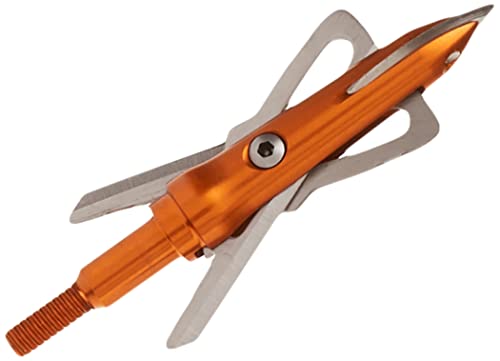
Rage Crossbow X 2-Blade 100 Grain
A big elk can turn a small equipment weakness into a very noticeable problem, especially after the bolt leaves the rail and there’s no fixing anything mid-flight. That’s why the best rage broadhead for elk discussion has to go beyond cutting diameter and look closely at blade retention, ferrule alignment, penetration demands, and how cleanly the head behaves at crossbow speed. The Rage Crossbow X 2-Blade 100 Grain is built around those exact pressure points, using a rear-deploying SlipCam system, improved Shock Collar Technology, and a 2-inch cutting diameter. It brings a bold mechanical design to the table, but its real value comes from understanding where that design fits and where the tradeoffs begin.
Rage Crossbow X 2-Blade 100 Grain
The Crossbow X starts with a 100-grain mechanical format that keeps the head familiar for many common crossbow bolt setups. Rage uses rear-deploying blades rather than leaving broad cutting surfaces exposed during flight, so the head stays relatively compact until impact. That matters because a narrow in-flight profile can reduce the steering effect that wide fixed blades sometimes create at higher speeds. The design is clearly aimed at preserving aerodynamic behavior before the broadhead ever has to start cutting.
The package includes three 100-grain broadheads, which gives a hunter more than one ready hunting head without mixing weights or designs in the same quiver. Rage also offers this model in a 125-grain version, but the supplied package here is specifically the 100-grain three-pack. Replacement blade R53005 is available separately and isn’t included, so blade maintenance needs to be considered as part of long-term use. That’s a practical detail rather than a flashy feature, yet it matters once a broadhead has been shot, damaged, or handled enough to raise questions about edge condition.
Rage describes the Crossbow X as a precision-oriented broadhead, but the useful part of that claim is the way the design supports repeatable flight. The aluminum ferrule, rear-deploying blades, and F.A.T. alignment system all work toward keeping the head centered and streamlined. None of those features replaces proper bolt tuning, of course, and that’s an important distinction. A well-designed head can reduce one source of inconsistency, but the entire arrow system still has to be matched correctly.
Two-Inch Cutting Diameter Changes The Equation
The biggest number attached to this head is the 2-inch cutting diameter, and that width shapes almost every other performance discussion. Two expandable blades create a much broader cutting path than many compact fixed-blade designs, which is exactly why mechanical broadheads appeal to hunters focused on wound-channel size. On elk, though, wider cutting surfaces also have to push through thick tissue after deployment. The benefit is obvious, but so is the cost: more cutting width can demand more energy.
Each blade is made from .035-inch stainless steel, giving the Crossbow X a thin, razor-oriented edge designed to slice rather than bulldoze through tissue. Stainless construction also suits a hunting broadhead that may be exposed to moisture, dirt, and repeated handling. The broad leading-edge blade profile is meant to open as the head enters, allowing the SlipCam system to transition from a narrow flight configuration to a wide cutting configuration. That shift is central to the broadhead’s identity, and it’s also where proper energy matching becomes especially important.
A heavy-bodied elk doesn’t care how impressive a cutting diameter looks on packaging. Penetration still depends on bolt weight, speed, impact angle, blade sharpness, and the resistance encountered after impact. A strong crossbow setup gives the 2-inch mechanical design more room to work, while a marginal setup leaves less energy in reserve once the blades deploy. That makes this head better suited to hunters who already have confidence in their bolt setup rather than someone trying to use a broadhead to compensate for poor tuning.
The practical advantage is a broad cutting path without dragging a 2-inch fixed profile through the air. That’s the clever part. The SlipCam deployment system lets Rage separate aerodynamic needs from cutting needs instead of forcing one blade shape to handle both jobs at the same time. For crossbow hunters who prefer mechanical heads, that balance is arguably more important than the raw cutting diameter by itself.
Shock Collar Technology Keeps The Blades Controlled
Mechanical blades need to stay closed until the right moment, and Rage uses improved Shock Collar Technology to handle that job. The collar is designed to retain the blades while the bolt is stored and during flight, then allow the blades to open after impact. That sequence sounds simple, but premature blade movement can create both aerodynamic and reliability problems. The collar gives the Crossbow X a defined retention system rather than leaving blade position to chance.
Quiver storage is where this feature quietly earns its keep. Bolts get bumped, repositioned, carried through brush, and handled with cold or gloved hands, so blade retention isn’t only a concern during the actual shot. A secure Shock Collar helps keep the broadhead in the closed configuration Rage intended before launch. That can reduce the nagging doubt that one blade may have shifted while the bolt was sitting in the quiver.
The tradeoff is extra inspection. A collar-based mechanical broadhead introduces another component that needs to be checked before hunting, and there’s no sensible reason to ignore that step. Blade seating, collar condition, and ferrule alignment all deserve a quick look before loading the bolt. For someone who prefers an almost maintenance-free head, this may feel fussier than a simple fixed blade or an integrated no-collar design.
That small bit of maintenance is part of the Crossbow X personality. The head offers controlled blade retention in exchange for requiring some attention before use. Plenty of hunters will consider that a fair deal because the system is straightforward and easy to understand. Others may prefer fewer moving or replaceable parts, which is a legitimate difference rather than a flaw.
Ferrule Alignment Technology Targets Cleaner Flight
Rage’s Ferrule Alignment Technology, usually shortened to F.A.T., is intended to help the broadhead maintain a more aerodynamic relationship with the bolt. Alignment matters because a broadhead that sits slightly off-axis can introduce unwanted steering, especially as crossbow speed climbs. The Crossbow X uses its ferrule design to keep the front assembly centered rather than relying solely on the fletching to correct small inconsistencies. That makes F.A.T. one of the less flashy but more relevant features in the design.
The ferrule uses aluminum construction, which helps Rage keep the head at the specified 100-grain weight while supporting the blade mechanism. Aluminum brings a different balance of weight and rigidity than a heavier steel ferrule, so it’s worth viewing this as a deliberate engineering choice rather than automatically labeling one material better. The Crossbow X prioritizes a streamlined, crossbow-friendly mechanical package. Hunters who place maximum ferrule mass above all else may naturally lean toward a different broadhead style.
Crossbow speed can magnify alignment problems that might be less obvious at lower arrow velocities. That makes a centered broadhead, properly seated insert, and straight bolt especially important. The Crossbow X addresses only one part of that chain, so complete bolt setup still deserves attention. A neutral reference to another archery setup appears in traditional bows for field archery, where equipment matching matters for different reasons but still shows how closely projectile behavior depends on the entire system.
Field-point accuracy also shouldn’t be treated as automatic proof of broadhead accuracy. Even with a compact mechanical profile, the actual hunting head should be verified before the season. The F.A.T. system is there to support aerodynamic flight, not eliminate the need to shoot the finished hunting configuration. That distinction keeps expectations realistic and avoids putting too much faith in one feature.
Where The Crossbow X Helps On Elk
Elk demand confidence in both cutting and penetration, so the Crossbow X makes the most sense when the bolt already carries enough energy for a wide mechanical broadhead. Its closed profile helps during flight, while the 2-inch blades take over after impact. That combination solves a common frustration for crossbow hunters who want a substantial wound channel without flying a wide fixed head. The design is especially appealing where consistent aerodynamics and a large deployed cut are both priorities.
The rear-deploying blade system is also useful because it keeps the broadhead compact until it reaches the target. Less exposed surface area during flight can make the bolt less sensitive to aerodynamic steering than some large fixed heads. That doesn’t mean every setup will produce identical field-point and broadhead impact, but the Crossbow X is clearly designed to narrow that gap. For a hunting system already shooting consistently, that’s a meaningful benefit.
The weakness shows up on questionable impact angles. A 2-inch expandable head has to move more blade surface through tissue than a narrow fixed design, and that resistance becomes more relevant if the bolt encounters heavy bone or takes a steep path. Strong equipment helps, but no mechanical design rewrites the basic physics of penetration. The Crossbow X should therefore be paired with sensible shot selection rather than treated as insurance against poor angles.
Shot discipline becomes part of the product experience whether people like admitting it or not. Broadside and controlled quartering opportunities give the Crossbow X a cleaner path to use its blade width effectively. Steep, obstructed, or bone-heavy shots stack more resistance against the same 100-grain head. The broadhead’s strengths show best when the hunting decision supports the design instead of fighting it.
Maintenance And Realistic Ownership Tradeoffs
A mechanical broadhead isn’t something to toss back into the quiver without inspection after hard use. The Crossbow X relies on sharp .035-inch blades, so edge condition directly affects its cutting role. Replacement blade R53005 being sold separately gives the design a defined maintenance path rather than making the entire head disposable by default. Still, the replacement blades aren’t part of the three-pack, which is worth remembering before assuming every maintenance item is already in the box.
The Shock Collar deserves the same attention. Its purpose is to keep the blades retained during storage and flight, so a damaged or improperly seated collar shouldn’t be shrugged off. That’s the maintenance tradeoff attached to the system: blade control is built in, but the retention component has to be kept in proper condition. Someone who likes visually checking each part may appreciate that straightforward setup, while someone who wants fewer pieces may prefer another Rage design.
Rage states that the Crossbow X is made in the USA, a detail that may matter to hunters who pay attention to manufacturing origin. More practically, the three identical 100-grain heads make it easy to keep a consistent quiver rather than mixing broadhead weights or blade systems. Standardization reduces one variable during setup and replacement. That’s not glamorous, but consistency is often what keeps archery equipment predictable.
The Crossbow X ends up being a very specific answer to the best rage broadhead for elk question rather than a universal one. Its strongest points are the 2-inch SlipCam cutting system, controlled blade retention, F.A.T. alignment, and crossbow-focused aerodynamic profile. Its main limitations are the energy demands of a wide mechanical cut, the added Shock Collar inspection, and the aluminum ferrule choice compared with heavier steel alternatives. For a properly tuned crossbow with enough bolt energy and disciplined shot selection, those tradeoffs form a practical, understandable package rather than an exaggerated promise.
Rage 3-Blade Chisel Tip X Crossbow Broadhead
Elk hunting has a nasty habit of exposing equipment compromises that look harmless on the workbench. A broadhead may fly neatly and still face a completely different challenge once thick muscle, ribs, and resistance enter the picture, which is why the best rage broadhead for elk needs a sensible balance between cutting surface and penetration. The Rage 3-Blade Chisel Tip X approaches that balance with a steel chisel tip, strengthened ferrule, three expandable blades, and swept-back blade geometry. Rather than leaning entirely on maximum cutting width, this design mixes a broad initial cut with a narrower 1.6-inch final cutting diameter intended to keep the bolt moving forward.
Rage 3-Blade Chisel Tip X Crossbow Broadhead
The redesigned front end is one of the clearest strengths of this broadhead. Rage borrowed ideas from its original 3-Blade model but strengthened the ferrule and blades while adding a newly designed steel chisel tip for hard impact. That construction makes practical sense around elk-sized animals because occasional rib contact is always a possibility, even on a well-placed shot. It doesn't make heavy bone an inviting target, but it does give the broadhead a more substantial leading structure than a delicate needle-style point.
The head weighs 100 grains, so it fits a familiar weight class used in many crossbow bolt setups. That makes it easier to integrate without immediately rebuilding an entire arrow configuration around an unusual point weight. Each purchase includes three broadheads, while Rage lists replacement blade R60105 separately rather than including replacement blades in the package. That's a small ownership detail, but it matters because expandable blades should be inspected carefully after impact or visible damage.
Rage also states that these broadheads are made in the USA, which may matter to buyers who pay attention to manufacturing origin. More relevant in daily use, though, is how the three identical heads allow a quiver to stay consistent in weight and blade design. Mixing different broadheads can introduce unnecessary variables, while a matched set keeps the hunting configuration easier to track. The Crossbow X isn't complicated to understand on paper, but its mechanical parts still reward a careful pre-hunt inspection.
Three Blades Change The Cutting Pattern
The three-blade configuration immediately separates this model from Rage's better-known two-blade mechanical heads. Rage specifies an initial slap-cut potential of 2.125 inches before the blades cam backward into a 1.6-inch final cutting diameter. That means the broadhead begins with a large contact area but doesn't remain fully spread at that initial width as it continues through tissue. For elk, that transition is interesting because it tries to preserve a substantial wound path without leaving the blades at their most resistant angle throughout penetration.
Each expandable blade measures .035 inch thick and uses stainless steel construction. The blades sweep backward as they deploy, and that geometry deserves more attention than the raw diameter number because blade angle influences how much resistance the bolt has to overcome. A steep blade angle can demand more energy, while swept-back geometry gives the cutting edges a more favorable path through tissue. That's particularly relevant on a large animal where maintaining forward movement can matter more than squeezing another fraction of an inch from the advertised cut.
The 1.6-inch diameter may look modest beside some 2-inch mechanical broadheads, but that's not necessarily a weakness. A broadhead still has to reach the vital area, so cutting width and penetration have to live in the same conversation. The Chisel Tip X seems deliberately positioned between a narrow penetration-oriented head and a very wide mechanical design. That middle ground is one of its more sensible characteristics for hunters who don't want cutting diameter to dominate every other consideration.
Steel Chisel Tip Adds A Tougher Point Of Contact
The steel chisel tip is built for hard impact, and Rage specifically describes the revised design as capable of dealing with bone strikes. A chisel-style nose distributes the initial impact differently from a long needle point and gives the front of the broadhead a stout, compact shape. That can be reassuring on an elk-sized target where the bolt may clip a rib even on an otherwise responsible shot. Still, the feature is better viewed as added structural insurance than a reason to aim through the shoulder.
Behind the tip sits a strengthened ferrule, giving the blades a more rigid platform as the head begins to open. Ferrule strength matters because the center body has to keep the broadhead aligned while absorbing impact and supporting three moving blades. A weak core could undermine even sharp blades, so Rage's emphasis on strengthening this part of the design isn't merely cosmetic. For a large-game broadhead, that reinforcement addresses a real mechanical stress point.
The combination of a tougher tip and revised ferrule gives this model a distinctly different character from heads built mainly around a narrow aerodynamic nose. The main difference is that the Chisel Tip X puts noticeable emphasis on impact durability while still retaining a compact mechanical flight profile. That doesn't guarantee flawless performance through every obstacle, and it certainly doesn't erase shot-angle limitations. What it does provide is a more robust front-end concept for a three-blade expandable head.
Shock Collar Technology Manages Blade Retention
Mechanical broadheads need their blades closed until impact, and the Crossbow X uses improved Shock Collar Technology to manage that job. Rage states that the collar holds the blades during storage and flight, then allows deployment once the head hits the target. That sequence is especially relevant on crossbows because strong launch forces can put considerable stress on a mechanical blade system. Secure retention helps keep the head in its intended aerodynamic shape before contact.
Storage matters almost as much as launch. Bolts get moved around in quivers, handled in cold conditions, and bumped during normal travel, so blade retention needs to remain dependable before the shot ever begins. The Shock Collar provides a visible retention component that can be inspected during preparation. That extra piece creates a little more routine maintenance, but it also gives the system a straightforward way to control blade position.
The tradeoff is that the Shock Collar becomes another item that should be checked before hunting. Anyone who strongly prefers minimal components may favor a fixed head or a no-collar mechanical design instead. On the other hand, a hunter who doesn't mind a quick visual inspection may appreciate having a distinct retention system rather than relying on less obvious blade tension. Neither approach wins automatically; the better fit depends on how much mechanical complexity you're comfortable maintaining.
Ferrule Alignment Technology Targets Cleaner Flight
Rage equips the broadhead with Ferrule Alignment Technology, or F.A.T., to help support more aerodynamic bolt flight. Alignment is especially relevant on a crossbow because increased speed can make small inconsistencies more noticeable downrange. A broadhead that isn't centered properly can introduce steering before the vanes have much chance to settle things down. F.A.T. is meant to reduce that source of disturbance by keeping the ferrule better aligned with the bolt.
The closed mechanical profile works alongside that alignment system. With the blades retained during flight, the head doesn't expose the same large surfaces that a wide fixed-blade design would carry through the air. That gives the Crossbow X a compact in-flight profile before the blades open to their larger cutting shape. The practical benefit is a design that tries to separate aerodynamic efficiency from post-impact cutting width rather than forcing one blade shape to handle both jobs.
No flight feature should be mistaken for a substitute for setup verification, though. Bolt weight, straightness, inserts, fletching, and front-end balance can all influence where a hunting arrow lands, so broadhead accuracy still depends on the complete system. A crossbow head with good alignment can reduce one potential problem, but it can't correct everything happening behind it. That distinction keeps expectations grounded instead of treating F.A.T. as a magic fix.
Penetration Is Where The Swept Blades Matter
The Chisel Tip X becomes more interesting once the blades are fully deployed because the swept-back angles are specifically intended to increase penetration. Instead of holding three blades at a highly resistant angle, the design cams them backward toward the 1.6-inch final cutting diameter. That geometry gives the edges a less abrupt path through tissue while still maintaining three cutting surfaces. On elk, that balance between cutting and continued forward travel is more meaningful than a diameter number by itself.
The initial 2.125-inch slap-cut potential adds another layer to the design. The broadhead can create broad contact early in penetration, then transition into its swept final geometry as the blades cam back. That approach allows Rage to claim substantial initial cutting surface without requiring the head to remain at maximum width throughout the wound path. It makes mechanical sense, especially where preserving bolt momentum after opening is a priority.
There is still no free ride. Three expanded blades create resistance, and the penetration demand increases if the bolt meets heavy muscle, a steep angle, or substantial bone. A strong, well-matched crossbow setup gives the broadhead more energy to work with, while a marginal setup leaves less room once the blades deploy. That's why this head makes more sense as part of an already capable hunting system than as a bandage for weak bolt performance.
Elk-Sized Game Brings Clear Tradeoffs
The Chisel Tip X has a convincing strength in its balance between a large initial cut and a more restrained final diameter. Bigger isn't always better on elk because every extra bit of blade width adds resistance during penetration. The 1.6-inch final diameter, paired with swept blades, appears aimed at keeping that resistance in check. For someone worried about sacrificing too much forward drive for an oversized wound channel, that design decision is worth noticing.
The weakness is the complexity that comes with a three-blade mechanical system. There are more moving cutting surfaces than on a simple fixed broadhead, plus the Shock Collar and replaceable blades to inspect. None of that is inherently troublesome, but it does create more maintenance points before a hunt. Hunters who prefer a bare-bones setup may see that as needless fuss, while mechanical-head fans may consider it a reasonable exchange for the expandable cutting profile.
Shot angle remains a hard limit regardless of the reinforced tip. The steel chisel point may help with incidental bone contact, but intentionally asking a three-blade mechanical to punch through the heaviest shoulder structure is a different proposition. Broadside and controlled quartering-away opportunities give the head a cleaner path to the vitals and let its blade geometry work as intended. That's a more realistic way to use its reinforced design than treating bone-strike capability as an invitation to force difficult shots.
Crossbow-Specific Details Make A Practical Difference
This broadhead is built around crossbow use, so the retention and alignment features aren't random extras. Crossbow launch forces can challenge expandable heads differently than slower equipment, making secure blades and proper ferrule alignment particularly useful. Rage addresses those concerns with Shock Collar retention before impact and F.A.T. during flight. Together, they support the broadhead during the two stages where a mechanical design is most vulnerable to unwanted movement.
The 100-grain weight also keeps the product relatively familiar. A hunter already using a compatible 100-grain setup won't necessarily need to change the entire front end just to accommodate this head, although bolt balance and actual point of impact should still be verified. A related field-preparation topic appears in hunting clothing for archery, where comfort and mobility form another part of staying consistent during long hours outside. The subjects are different, but both underline how small equipment choices can influence what happens when the shot opportunity finally arrives.
Replacement blade availability is useful because mechanical heads naturally invite more maintenance than fixed designs. Rage identifies R60105 replacement blades for this model, though they aren't included with the original three-pack. That gives the broadhead a defined service path rather than leaving worn blades as an unanswered problem. It's still smart to factor that extra component into ownership because sharp cutting edges are central to what this broadhead is supposed to do.
How The Design Fits An Elk Hunting Setup
The best rage broadhead for elk doesn't have to be the Rage model with the largest final cutting diameter. The 3-Blade Chisel Tip X makes a different argument by pairing a 1.6-inch final cut with three blades, a steel chisel tip, reinforced construction, and swept-back geometry. That recipe puts noticeable emphasis on penetration management without giving up the broad wound-channel concept associated with mechanical heads. For a strong crossbow setup, that balance is arguably more useful than chasing width alone.
Its strongest traits are easy to identify: reinforced ferrule construction, a robust chisel-style point, .035-inch stainless blades, controlled retention, and aerodynamic alignment technology. Each feature addresses a specific stage of the shot rather than simply adding another marketing number. The tip handles first contact, the collar manages the blades before impact, F.A.T. supports flight, and the swept geometry takes over during penetration. That division of labor gives the head a coherent design instead of a collection of disconnected features.
The realistic limitation is equally clear. A three-blade expandable broadhead still asks the bolt to drive multiple cutting surfaces through an elk, so sufficient energy and sensible shot placement remain essential. The strengthened structure and swept blades help address resistance, but they don't erase it. For hunters who value a tough chisel point, controlled mechanical deployment, and a final cutting diameter that doesn't push to the widest extreme, the Rage 3-Blade Chisel Tip X presents a measured set of tradeoffs rather than an all-or-nothing approach.
Rage NC +P 100gr Broadhead
Mechanical broadheads earn their keep only if the whole design stays predictable from the quiver to impact. That concern gets even sharper around elk, where thick hide, dense muscle, ribs, and long penetration paths can expose a weak setup in a hurry. The best rage broadhead for elk needs more than a dramatic cutting diameter, and the Rage NC +P 100gr addresses that problem with built-in blade retention, a 1.75-inch open cut, a machined stainless steel ferrule, and a Hybrid Hypodermic Tip. Its personality is fairly clear: keep the head compact and uncomplicated in flight, then let the blades do the wider cutting work after contact.
Rage NC +P 100gr Broadhead
The most noticeable design choice is what isn't wrapped around the broadhead. Rage uses finger-tab blade retention, so the blades stay closed through built-in tabs instead of relying on an external collar, band, or O-ring. That removes a small piece of hunting equipment that could otherwise break, shift, or snag while the arrow sits in a quiver. For anyone who has enough little components to keep track of already, fewer external parts make this head easier to live with.
The broadhead stays compact before impact, which suits the aerodynamic side of a mechanical design. Closed blades and the lack of an external retention ring give the NC +P a streamlined profile without unnecessary hardware sticking out around the ferrule. That shape can help reduce drag and unwanted surface exposure while the arrow is traveling. It still needs to be shot with the actual hunting setup before season, because no compact profile can compensate for a poorly matched shaft or questionable tune.
The head weighs 100 grains, keeping it in a familiar category for many hunting-arrow setups. That standard weight can simplify the switch from another 100-grain point, although matching grain numbers doesn't automatically guarantee the same point of impact. Arrow spine, insert weight, total arrow mass, and fletching still have a say in the final result. The NC +P makes sense as part of a properly built system rather than as a shortcut around arrow setup.
Finger-Tab Retention Removes Extra Hardware
Blade retention sounds like a small detail until a mechanical head is carried through brush, bumped inside a quiver, or handled repeatedly in cold conditions. The NC +P keeps those blades closed with integrated finger tabs, eliminating external collars that need separate positioning. No bands or O-rings means fewer loose components to worry about before a shot. That design doesn't make the broadhead maintenance-free, but it trims away one common source of fiddling.
The cleaner exterior also helps around vegetation and gear. A head with no external retention parts presents fewer small edges or pieces that can catch while being carried, which is useful during the kind of rough movement that comes with elk hunting. The blades remain tucked against the ferrule until impact rather than depending on an exposed accessory to hold them in place. It's a simple change, yet simple changes can matter a lot after hours of moving through timber.
Inspection is still part of the deal. The blade tabs need to remain intact, the blades should sit correctly, and nothing around the ferrule should look bent or damaged before hunting. Built-in retention reduces clutter, but it doesn't eliminate moving parts. Anyone expecting a mechanical broadhead to behave like a solid one-piece fixed head would be asking the design to be something it isn't.
The 1.75-Inch Cut Finds A Useful Middle Ground
Once the blades swing open, the NC +P creates a 1.75-inch cutting diameter. That's wide enough to produce a substantial cutting path, yet it stops short of the 2-inch width seen on some other expandable Rage models. For elk, that smaller difference matters because every bit of cutting surface creates resistance as the broadhead travels through tissue. The NC +P feels less obsessed with the biggest possible number and more focused on balancing wound width and penetration.
The head flies in a compact shape and only becomes wide after impact. That separation gives hunters the familiar benefit of a mechanical broadhead: reduced exposed blade area during flight paired with a much broader cutting profile inside the animal. The catch is straightforward. Opening the blades and pushing them through dense tissue consumes energy, so the arrow still needs enough momentum to support the design.
A 1.75-inch cut isn't automatically better or worse than a narrower head. It simply changes the tradeoff. A narrow fixed blade may preserve penetration more efficiently, while the NC +P offers more cutting width in exchange for the energy required to deploy and drive those blades. Elk hunting rewards understanding that balance rather than assuming a wider hole always means a better outcome.
Hybrid Hypodermic Tip Leads The Impact
The NC +P uses a Hybrid Hypodermic Tip with a sharp, narrow point at the front of the broadhead. That shape keeps the nose compact and gives the head a focused contact point before the mechanical blades begin opening. Rage pairs it with machined steel construction, creating a tougher central structure behind the point. On a large animal, that combination makes sense because the broadhead needs to start penetrating cleanly before asking the blades to handle the wider cut.
Bone contact is where the tip becomes more interesting. Rage describes the design as offering penetration power for bone, which gives some confidence if the head encounters a rib during an otherwise sensible shot. That shouldn't be mistaken for a license to drive deliberately into heavy shoulder structure. The practical value is having a sturdier point available for incidental hard contact rather than relying on a fragile-looking nose.
The tip also supports the aerodynamic philosophy of the whole head. A narrow nose, closed blades, and no external collar keep the front profile relatively clean before impact. Then the broadhead changes character as the blades open to 1.75 inches. That progression from streamlined flight to wider cutting is one of the NC +P's more coherent design strengths.
Machined Stainless Steel Ferrule Brings More Backbone
The ferrule is the structural center of a broadhead, and Rage uses machined stainless steel here rather than a lighter-looking plastic or fragile assembly. That matters because the ferrule has to support the tip and blades while absorbing impact forces. Elk-sized game can put a lot of stress into that central body, so a strong ferrule is more than a specification to skim past. It gives the mechanical system a firmer platform to work from.
Stainless steel also fits the role of a hunting component exposed to moisture, dirt, and repeated handling. The real benefit, though, is structural strength rather than cosmetic durability. If the ferrule loses alignment or breaks down under impact, blade sharpness becomes almost irrelevant. Rage's machined construction addresses that weak point directly by putting solid material at the center of the head.
That makes the NC +P feel more penetration-minded than a broadhead built solely around maximum expansion. The steel ferrule, narrow tip, and 1.75-inch cutting width create a combination that doesn't chase one extreme. For the best rage broadhead for elk conversation, that balance is useful because the head still needs to survive impact while driving a mechanical blade system through a big animal.
Streamlined Flight Is More Than A Cosmetic Benefit
A broadhead that catches excessive air can turn an otherwise good arrow setup into a frustrating tuning session. The NC +P reduces that concern with a compact closed profile and no external rings or bands around the ferrule. Less exposed hardware means fewer surfaces interacting with airflow before impact. That doesn't promise identical field-point flight, but it gives the head a sensible aerodynamic foundation.
Brush is another practical consideration. The broadhead has no external parts to catch according to the supplied design description, and that can matter while arrows are carried through thick cover. Elk country rarely looks like a tidy shooting lane from the parking lot. A cleaner profile won't solve every field problem, yet avoiding unnecessary protrusions is one less headache during a long day.
Accuracy still depends on the entire arrow, not simply the broadhead nose. Arrow stiffness, fletching, insert alignment, and total weight all contribute to consistent flight. Equipment setup matters across many shooting disciplines, and a separate reference appears naturally in scope options for PCP air rifles, where alignment and repeatability also influence practical accuracy. The equipment is different, but the underlying lesson is similar: one component can't rescue an inconsistent system.
Where The NC +P Makes Sense For Elk
The NC +P suits an elk setup that already has enough arrow energy to support a 1.75-inch mechanical cut. Its compact flight profile helps before impact, while the stainless steel ferrule and Hybrid Hypodermic Tip give the head a sturdy central structure once contact begins. That pairing makes more sense than judging the broadhead by cutting width alone. The design is trying to manage several stages of the shot rather than maximize one headline specification.
The absence of collars is another meaningful strength in real hunting conditions. Built-in retention means there are fewer pieces to shift or snag, which can simplify preparation around a bow case, quiver, or pack. That doesn't sound dramatic, and that's precisely why it's useful. Gear that requires less fiddling tends to be easier to trust when attention should be on the shot instead of tiny accessories.
The 100-grain weight also makes the head easier to integrate into many existing arrow builds. Still, the best fit is a setup that has been verified with the broadhead itself instead of relying only on field-point groups. A strong mechanical design deserves the same tuning discipline as any other hunting head. Skipping that step because the head looks streamlined would be putting faith in the wrong thing.
Tradeoffs Keep The Broadhead Honest
The biggest weakness is the unavoidable resistance created by an expandable blade system. A 1.75-inch cut asks more from an arrow than a very narrow fixed head because the blades must open and continue cutting through tissue. A capable setup can handle that demand much better than a marginal one. That makes arrow energy and shot angle especially important rather than optional details.
The second tradeoff is mechanical complexity. The NC +P removes collars and O-rings, which simplifies things, but it still relies on moving blades and retention tabs. Those components need to be straight, clean, and undamaged. Hunters who want absolutely minimal moving parts may still prefer a fixed-blade design, while those comfortable with mechanical heads will likely appreciate the cleaner retention approach.
The third limitation is simply that no tip or ferrule can make every shot sensible. The Hybrid Hypodermic Tip and machined steel construction may help the broadhead handle hard contact, but steep angles and heavy shoulder bone still create substantial resistance. Broadside or controlled quartering-away shots give the head a far better chance to use its blade width and penetration-focused build effectively. Tough construction is useful insurance, not permission to ignore anatomy.
What Sets The NC +P Apart From Collar-Based Rage Heads
The clearest difference is the integrated blade retention. Older-style mechanical setups often rely on a separate collar, band, or ring, while the NC +P keeps its blades closed through finger tabs built into the head. That makes the exterior cleaner and eliminates several small pieces from the setup. For someone who likes Rage-style expansion but dislikes separate retention hardware, this distinction carries real weight.
The 1.75-inch cut also gives the NC +P a slightly different personality from wider 2-inch options. It still delivers a broad wound channel, but the reduced diameter can ease some of the resistance associated with very wide mechanical blades. Paired with the machined stainless steel ferrule, the head feels more focused on maintaining a workable balance between cutting and penetration. That's a sensible direction for elk rather than chasing width simply because bigger numbers look impressive.
The overall package is fairly straightforward: 100-grain weight, built-in finger-tab retention, a streamlined exterior, Hybrid Hypodermic Tip, 1.75-inch expansion, and a machined stainless steel ferrule. Each feature solves a specific problem, from keeping blades closed during flight to giving the center structure more strength at impact. The NC +P still carries the normal tradeoffs of an expandable broadhead, especially energy demand and moving parts. Its appeal comes from reducing unnecessary external hardware while keeping the cutting profile substantial enough to remain relevant for elk-sized game.
G5 Montec 100 Grain Broadheads
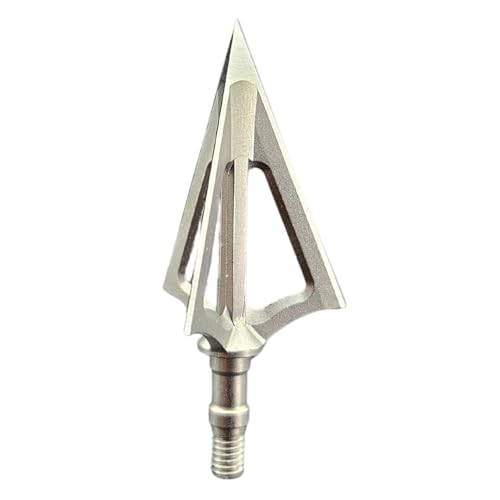
Elk expose every weak spot in an arrow setup, and a broadhead that seems perfectly adequate on smaller game can suddenly feel less convincing once dense muscle, thick hide, and heavy ribs enter the picture. That’s where the best rage broadhead for elk discussion gets interesting, because the G5 Montec takes a completely different route from expandable Rage heads. Instead of relying on blade deployment, the Montec uses a one-piece all-steel body, fixed cut-on-contact blades, and a compact 1 to 1 1/8-inch cutting diameter. The tradeoff is pretty straightforward: less wound-channel width than a large mechanical, but fewer moving parts and a design focused heavily on structural strength and penetration.
G5 Montec 100 Grain Broadheads
The Montec’s defining feature is its one-piece MIM construction. G5 forms the broadhead through Metal Injection Molding, creating an all-steel head without separate blade screws, hinges, collars, or ferrule joints that can become additional stress points. That simplicity matters around elk because impact forces are transferred through one continuous structure rather than several connected pieces. For hunters who lose sleep over mechanical failure, this is the sort of structural simplicity that can make equipment decisions easier.
The supplied version weighs 100 grains, while G5 also makes Montec broadheads in 85- and 125-grain options. That range gives different arrow builds some breathing room, although the 100-grain model fits neatly into many common hunting configurations. Grain weight alone won’t dictate performance, of course, because shaft spine, total arrow mass, insert weight, and front-of-center balance all affect how the arrow behaves. Still, a familiar 100-grain head makes it easier to build around an established setup instead of starting from scratch.
G5 also states that every Montec is 100% spin-tested before it leaves production. The purpose is simple: verify balance and help ensure the broadhead rotates true rather than wobbling around the arrow’s axis. A straight-spinning head gives the arrow a cleaner starting point, especially with fixed blades exposed to airflow from the moment the string is released. That manufacturing check doesn’t replace bow tuning, but it reduces one variable that can cause headaches later.
One-Piece Steel Construction Cuts Out Weak Links
Separate broadhead components can do their jobs perfectly, but each joint, screw, or pivot is still another place where stress gets concentrated. The Montec avoids that issue with a solid steel structure from tip to base, and that’s arguably its biggest strength for heavy-game use. There’s no expandable blade mechanism waiting to open and no retention collar that has to stay positioned before impact. The broadhead arrives at the target in the same basic configuration it had when it left the bow.
That makes durability easier to understand. A hunter can inspect the edges, tip, and overall alignment without also wondering whether hidden mechanical pieces are seated correctly. The design isn’t immune to damage, naturally, because any broadhead can suffer after a hard impact. What changes is the number of failure points that need attention, and the Montec keeps that list short.
The downside is equally clear. A fixed head carries its full blade profile through the air, so it can reveal tuning problems more readily than a closed mechanical broadhead. That means the Montec’s strength in simplicity comes with a demand for better arrow flight and alignment. Anyone unwilling to spend time verifying broadhead groups may prefer the aerodynamic forgiveness of a mechanical design.
Cut-On-Contact Blades Favor Early Penetration
The Montec uses a cut-on-contact tip, which means the blade edges start slicing as soon as the broadhead touches the target. There’s no separate chisel point pushing ahead of the cutting surface and no expandable mechanism waiting for resistance to open the blades. That immediate cutting action can make sense on elk because penetration begins without spending energy on blade deployment. It’s a direct approach, plain and simple.
G5 describes the broadhead as having diamond-cut sharpness, and that matters more than catchy wording because sharpness directly affects cutting efficiency. A dull edge has to push and tear more than a sharp one, increasing resistance before the arrow has traveled very far. The Montec’s fixed geometry lets those sharpened edges work right from first contact. Edge condition still deserves attention before hunting, because tough steel isn’t much help if the cutting surfaces have been neglected.
The cut-on-contact layout also gives the Montec a different personality from a large Rage mechanical. A Rage-style expandable generally stays narrow during flight and becomes much wider after impact, while the Montec keeps its full cutting shape throughout the entire shot. That fixed geometry removes uncertainty about whether blades will open. The price for that certainty is more aerodynamic surface during flight and a smaller overall cutting diameter.
Smaller Cutting Diameter Brings A Real Tradeoff
The original Montec provides roughly a 1-inch to 1 1/8-inch cutting diameter, which is considerably narrower than a 1.75- or 2-inch expandable broadhead. That smaller figure can look unimpressive if wound-channel width is the only thing being judged. Elk hunting, though, makes penetration just as important because an arrow still has to travel through substantial tissue before reaching the vitals. A narrower fixed head creates less blade resistance than a very wide mechanical once it starts moving through the animal.
This is where the best rage broadhead for elk conversation becomes less about brand loyalty and more about design philosophy. The Montec gives up some width in exchange for a simpler path through tissue, while Rage mechanicals commonly trade additional energy for larger expandable cuts. Neither strategy wins every time. Shot angle, arrow energy, tuning quality, and tolerance for moving parts all change which compromise feels more sensible.
A smaller cut also puts a brighter spotlight on accuracy. The Montec doesn’t create the same broad path as an oversized mechanical, so precise shot placement matters even more. That isn’t really a special burden, since elk hunting already demands careful placement regardless of broadhead type. It simply means the Montec’s benefits are strongest when the arrow is delivered through a clean, responsible angle.
Spin Testing Supports Consistent Arrow Flight
A broadhead that wobbles during rotation can introduce inconsistency before the bow tune even gets a chance to matter. G5’s spin-testing process is designed to verify that each Montec is balanced and rotates true. That’s especially useful with a fixed three-blade profile because the exposed surfaces can amplify small alignment problems. Starting with a centered head makes the rest of the tuning process less frustrating.
Spin testing should still be viewed as a manufacturing quality check rather than a guarantee of perfect field-point matching. An arrow with an improperly seated insert, poor spine selection, or inadequate fletching can still behave badly even if the broadhead itself is balanced. The Montec’s accuracy potential depends on the entire arrow system working together. That’s the reality with any fixed-blade setup, and ignoring it usually leads to chasing groups around the target.
Equipment consistency shows up in other shooting setups too, and a related reference appears naturally in scope options for a .22 air rifle, where alignment and repeatability also shape downrange accuracy. The categories are different, but the principle is familiar: small setup errors compound once the projectile starts moving. With the Montec, correct arrow alignment simply gives the broadhead a better chance to fly the way its spin-tested construction intends.
Fixed-Blade Flight Rewards Proper Bow Tuning
Wide exposed blades interact with airflow from the instant the arrow is released. That means a fixed head like the Montec can be more sensitive to bow tune and arrow alignment than a mechanical broadhead whose blades remain tucked away in flight. Poorly tuned arrows may show broadhead drift that wasn’t obvious with field points. The upside is that those flight problems become visible at the range instead of staying hidden until hunting season.
Adequate fletching helps control that exposed blade surface. So does correct spine, square inserts, and an arrow that leaves the bow cleanly without excessive yaw. The Montec’s one-piece balance gives the head a solid foundation, but it can’t compensate for a shaft that’s fundamentally wrong for the bow. That’s why this broadhead tends to suit hunters who’d rather solve tuning issues than rely on a compact mechanical profile to hide them.
The payoff can be very satisfying once the setup is sorted. A properly tuned fixed head has no deployment sequence to worry about and carries the same geometry from release through penetration. That gives the Montec a kind of predictable simplicity that mechanical-head fans may not prioritize but fixed-blade hunters often appreciate. It’s not easier in every phase, just easier in different ones.
Penetration Is Where The Montec Makes Its Case
The Montec’s combination of cut-on-contact geometry, modest blade width, and solid steel construction naturally leans toward penetration. There’s no energy spent swinging blades open after impact, and the narrower cut creates less resistance than a broad 2-inch mechanical profile. On an elk, that can matter once the arrow has already crossed hide and begins driving through dense tissue. The head is built to keep cutting without changing shape along the way.
The all-steel body reinforces that penetration-first character. Impact forces travel through a continuous one-piece structure instead of passing across moving joints or a separate blade deployment system. That doesn’t make the Montec immune to hard bone, and it certainly doesn’t justify poor shot selection. It simply means the broadhead’s construction is well suited to handling resistance without depending on several moving pieces staying synchronized.
A heavy shoulder is still a poor target. The Montec’s toughness can provide some confidence around normal rib contact, but responsible shot angles remain more valuable than any broadhead material. Broadside and controlled quartering-away opportunities let the cut-on-contact design work through a cleaner path. Strong construction should support good decisions, not encourage reckless ones.
Maintenance Stays Refreshingly Straightforward
Mechanical broadheads often require checks on collars, blade seating, pivots, or retention tabs. The Montec strips most of that away, leaving edge condition and alignment as the main concerns. That simpler routine can be appealing before a hunt, especially when there are already enough pieces of equipment demanding attention. Fewer parts don’t mean zero maintenance, but the checklist is short.
Sharpness deserves particular attention because the head depends on immediate cutting. The diamond-cut blades need clean edges to take full advantage of the cut-on-contact design. A dull broadhead may still be structurally tough, but toughness alone doesn’t create efficient tissue cutting. Keeping the edges in proper condition is therefore part of the product’s practical ownership.
Installed alignment matters too. Even though G5 spin-tests the head, an insert that isn’t square can introduce wobble after the broadhead is screwed onto the shaft. A quick spin check after installation can reveal that problem before it turns into inconsistent groups. It’s a simple habit and fits the Montec’s overall no-nonsense character.
Strengths And Weaknesses Are Easy To Define
The Montec’s biggest strength is durability through simplicity. One-piece steel construction removes blade hinges, retention devices, and separate ferrule components from the equation. The cut-on-contact blades begin working immediately, and the head never needs to change shape after impact. That combination makes the design easy to understand and easy to inspect.
Its main weakness is the smaller wound-channel diameter compared with large mechanical heads. A 1 to 1 1/8-inch cut can’t match the raw width of a 1.75- or 2-inch expandable design. Hunters choosing the Montec are effectively accepting that narrower path in exchange for fixed-blade reliability and penetration efficiency. That’s a real compromise, not something worth sugarcoating.
The second weakness is aerodynamic sensitivity. Exposed blades can punish poor tuning, so the Montec may require more setup work before it groups with field points. Mechanical broadheads often feel easier in that specific respect because their closed blades present less surface during flight. For someone comfortable tuning equipment, though, that extra setup effort may be a reasonable price for eliminating deployment concerns later.
How The Montec Fits Against Rage Mechanical Heads
The biggest difference is obvious but important: the G5 Montec isn’t a Rage broadhead. It belongs in this discussion as an alternative design for someone researching the best rage broadhead for elk and wondering whether a fixed head might better suit the setup. Rage mechanicals generally emphasize compact flight and large post-impact expansion, while the Montec emphasizes fixed geometry and penetration. Those are fundamentally different ways to solve the same hunting problem.
A Rage expandable can offer a much wider wound channel, which may appeal to hunters prioritizing tissue disruption and blood-trail potential. The Montec answers with no blade deployment, no collars, no moving pivots, and a one-piece steel construction built around durability. That difference becomes especially meaningful if the bow setup has moderate energy or if deep penetration ranks above maximum cutting width. The Montec doesn't try to beat a Rage head at being a Rage head; it plays another game entirely.
The 100-grain Montec is particularly well suited to a setup where structural strength, immediate cutting, and simple maintenance carry more weight than maximum expansion. Its spin-tested balance supports accuracy, while the cut-on-contact point and modest cutting diameter favor forward efficiency. The tradeoffs remain clear: exposed blades demand good tuning, and the wound channel is narrower than a large mechanical. For elk, those limitations are easier to accept if dependable fixed-blade behavior and penetration sit near the top of the priority list.


12 Best 22 Pcp Air Rifle For Hunting of 2026 With Quiet Power

7 Best 22 Pcp Air Rifle Under 300 of 2026 For Backyard Pest Control

10 Best 22 Break Barrel Air Rifles of 2026 For Backyard Pest Control

10 Best 30 Caliber Pcp Air Rifle of 2026 For Medium Game

Top Best 177 Air Rifle Under 100: Budget-Friendly Picks for 2026

How to Safely Reload Shotgun Shells at Home

11 Best Co2 Air Rifle For Pest Control of 2026 To Ensure Humane Dispatch

12 Best Inexpensive Air Rifles of 2026 For Dependable Backyard Accuracy






