
Which Ravin Crossbow Accessories Do You Actually Need?

A hunter stands over an unboxed bow, staring at the bare rail and wondering what gear is truly necessary before opening day. The most critical additions are matched snap-on arrows to protect the bowstring from dry-fires (firing without an arrow loaded) and lighted arrow nocks (the plastic rear clips that snap onto the string) to track where each shot lands.
What you add next depends on where and how you shoot. Hunting deep timber at dusk calls for bright tracking lights and a rigid case, while relaxed target practice only requires standard points and string wax. Bow size matters just as much, because compact frames need specific brackets that will not rub against moving parts. Here is how to choose the right gear for your setup without wasting money on parts you do not need.
Essential Gear Versus Optional Extras
Setting up a Ravin crossbow can feel overwhelming because of how specialized the bow is. These bows feature a very narrow wheel-to-wheel length (the distance between the two axle pins across the limbs), which makes them easy to carry through brush and turn inside tight ground blinds. But that compact power places extreme stress on strings, cables, and arrows. Buying every add-on in the catalog will only weigh down your pack and drain your wallet. You only need a few core items to protect your bow, shoot safely, and recover game cleanly in 2026.
To keep things simple, separate your gear into what protects your investment right away and what you can safely leave on the shelf. The following checklist covers the essentials you need before heading into the woods, along with upgrades worth considering later.
- Dedicated clip-on arrows: You must use arrows with the correct factory-style clip-on nock (the plastic rear clip that snaps onto the bowstring). Generic flat or half-moon nocks are unsafe on these bows.
- Protective narrow bow case: Standard crossbow cases are too wide, allowing a compact bow to slide around during transit. A dedicated case protects the cams, string loops, and scope dials from harsh bumps.
- Serving fluid and rail lubricant: The center serving (the tight thread wrap that protects the center bowstring) takes hundreds of pounds of friction during each shot. Applying lubricant regularly stops the serving from separating or fraying.
- Lighted nock arrows: A high-value upgrade for hunters. These glowing rear nocks show your exact point of impact at dusk and make recovering arrows in thick leaves much easier.
- Upgraded aluminum arrow rest: An optional upgrade for shooters who fire hundreds of practice arrows each season and want a rest that will never wear down or flex in freezing weather.
If you are strictly shooting at an outdoor target range during daylight, you can skip lighted nocks and heavy-duty field cases for now. But if you hunt big game in thick timber, arrow recovery gear and protective travel luggage become just as important as the broadheads in your quiver. Taking a few moments to understand how these parts interact with your bow will keep you shooting safely season after season.
Why Arrow Matching Matters for Safety and Accuracy
Unlike traditional crossbows, a Ravin does not have a long aluminum flight rail that supports the arrow along its entire length. Instead, the arrow floats freely in the air between two contact points: the small front rest and the trigger latch mechanism at the back. Because the arrow hovers without a rail underneath it, the nock (the plastic rear clip that snaps onto the bowstring) plays a critical safety role. When you load an arrow, you must push it backward into the trigger mechanism until you hear and feel a solid, loud click. That click confirms the nock has physically clipped onto the center serving.
Shooting generic crossbow arrows without this specialized clip-on nock is extremely dangerous. If you use a flat nock, a half-moon nock, or a loose-fitting clip from another brand, the arrow can slide forward off the string while you point the bow down from a tree stand. When you pull the trigger on an arrow that is not seated against the bowstring, the string jumps over or under the shaft. This creates a dry-fire (firing the bow without an arrow loaded). During a dry-fire, the thousands of foot-pounds of energy stored in the limbs have nowhere to go. That energy rebounds directly into the limbs, cams, and cables. Limbs can splinter, cams can warp, and metal parts can shear off with enough force to cause severe injury.
Arrow straightness and spine stiffness also matter far more on these high-speed bows than on standard models. Carbon shafts rated at .003-inch straightness maintain a true center line as they launch. If an arrow flexes unevenly under heavy pull weight, your groups will open up, and broadheads will plane off target at 40 or 50 yards. Always inspect your arrows before shooting. You should make a habit of flex-testing carbon arrows (bending the arrow gently by hand to listen for cracking sounds before shooting). Grip the shaft near each end, apply slight bending pressure while rotating it, and listen for any tick, pop, or creak. If you hear a noise or spot a hairline fracture in the carbon, throw the arrow away immediately.
Sticking to manufacturer-matched arrows also protects your wallet. If you damage your bow by shooting unauthorized generic bolts, the factory warranty will not cover the repair. Because of the extreme tension in the limbs, servicing these cables requires an archery pro shop bow press designed specifically for ultra-narrow limbs. Regular shop presses can crush the riser or bend the axle pins. Using the right arrows from day one avoids expensive shop repairs and keeps your setup performing exactly as designed.
Tracking Shots in Low Light and Protecting Moving Parts
Most big game hunting opportunities happen during the first hour of daylight or the last twenty minutes before sunset. When an arrow leaves a modern high-speed bow, it moves so fast that your eyes cannot track its flight against dark brush or timber. This is where match-weight lighted carbon arrows prove their value. A lighted arrow uses a small battery and an LED housed inside the plastic rear clip. When the bowstring pushes forward upon release, the forward force clicks the light on instantly, creating a bright glowing streak through the air.
Seeing that streak of light tells you where your shot landed on the animal before it runs out of sight. A hit tucked tight behind the front shoulder means a quick recovery, while a hit further back tells you to wait several hours before tracking so you do not push the animal. Once the shot is over, the lighted nock continues to glow in the leaf litter. In heavy brush, finding a standard black carbon shaft is nearly impossible, but a glowing nock acts like a beacon. Recovering the arrow right away lets you check the color and smell of the blood on the fletching, giving you clear clues about what organs the broadhead passed through.
At the front of the bow, the arrow rest (the small front bracket that cradles the arrow) does the quiet work of guiding the shaft until it leaves the riser. Standard factory rests use composite plastic guide fingers. For casual hunters who only shoot twenty practice shots a year, these standard rests work fine. But for archers who shoot dozens of arrows every weekend, the continuous friction of high-speed carbon shafts can slowly wear down the contact points. When an arrow rest develops slight grooves, arrow flight can become inconsistent, causing unexplained flyers on the target face.
Many shooters upgrade to an aftermarket aluminum arrow rest to eliminate that wear. Machined aluminum brackets do not flex, do not warp in freezing rain or sub-zero deer seasons, and provide a rock-solid shelf that lasts through thousands of shots. However, you must pay close attention to compatibility. While most aluminum replacement rests fit standard narrow-limb frames, they do not fit the R500 series, which features a completely enclosed flight deck and a different cocking track. When comparing bow platforms and gear setups, hunters often evaluate narrow setups alongside other compact designs, such as the best TenPoint crossbow for hunting or purpose-built blind setups like the TenPoint TX-Ultra 265 crossbow, to see how different bracket and rest designs handle field abuse.
Protecting these moving parts also extends to how you transport your bow. The strings, cables, and front rest must never bear the weight of other hunting gear. Storing your bow in a fitted, padded case keeps tree sap, grit, and moisture off the center serving and cams. Dirt that settles on a waxed bowstring acts like sandpaper against the arrow rest and cable slides. Keeping the entire assembly clean and cushioned during truck rides and ATV trips ensures your bow shoots to the same point of impact every single time you pull it out of the case.
What to Look for When Choosing Ravin-Compatible Upgrades
When you shop for add-ons to improve your shooting setup, verifying direct compatibility should always be your top priority. Because these compact bows operate under tight mechanical tolerances, generic accessories designed for standard wide-limb crossbows will rarely fit properly and can cause serious mechanical problems. Always check your specific bow series first. Standard narrow-limb models use open-air flight configurations, while fully enclosed platforms use dedicated track and cocking channels that require proprietary brackets and components.
Pay close attention to nock retention and arrow weight before buying replacement shafts. The arrow must have a deep-groove clip nock engineered to snap directly onto the specific diameter of your bow's center serving. In addition, make sure the arrow shaft has sufficient carbon wall thickness and the correct spine stiffness to handle rapid acceleration without bowing. Shooting an arrow that is too light or too flexible can damage the limbs and throw off your sight calibration. Look for components made from machined aluminum or reinforced composites rather than soft plastics, especially for front rests, scope mounts, and quiver brackets that face regular vibration and outdoor weather extremes.

- ARS Mark8.7
ARS Mark is a ranking system developed by bestairriflescopes.com. ARS Mark has no relationship or impact from any manufacturers or sales agent websites. Learn more
- BrandRAVIN
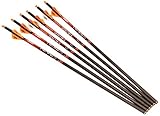
- ARS Mark8.6
ARS Mark is a ranking system developed by bestairriflescopes.com. ARS Mark has no relationship or impact from any manufacturers or sales agent websites. Learn more
- BrandRavin Crossbows

- ARS Mark8.4
ARS Mark is a ranking system developed by bestairriflescopes.com. ARS Mark has no relationship or impact from any manufacturers or sales agent websites. Learn more
- BrandAntivanl
Last update on 2026-10-18 / Affiliate links / Images, Product Titles, and Product Highlights from Amazon Product Advertising API
FAQs
Can I shoot standard universal crossbow arrows out of my Ravin?
No, you should never shoot standard universal crossbow arrows out of your bow. These bows require specialized clip-on nocks that physically snap onto the center serving to stay seated on the free-floating track. Using standard flat or half-moon nocks can allow the arrow to slide away from the bowstring, resulting in a dangerous dry-fire that can shatter the limbs and void your warranty.
How often do I need to replace the arrow rest on a Ravin crossbow?
You should inspect the arrow rest before every shooting session and replace it whenever you see visible grooves, cracks, or loose guide fingers. Standard composite rests often last several seasons for casual hunters, but high-volume target shooters may see wear within a single year. Upgrading to a machined aluminum rest eliminates regular wear and provides long-lasting stability for years of heavy practice.
Do lighted nocks change how high or low my arrow hits at long range?
Lighted nocks add a tiny amount of weight to the very back of the arrow shaft, which can shift your impact point slightly at distances past 40 yards. To maintain pinpoint accuracy, buy match-weight lighted arrows that balance the internal battery weight with the front insert. Practicing with the exact arrow and nock combination you plan to hunt with ensures your scope yardage dials remain true in the field.


12 Best 22 Pcp Air Rifle For Hunting of 2026 With Quiet Power

7 Best 22 Pcp Air Rifle Under 300 of 2026 For Backyard Pest Control

10 Best 22 Break Barrel Air Rifles of 2026 For Backyard Pest Control

10 Best 30 Caliber Pcp Air Rifle of 2026 For Medium Game

Top Best 177 Air Rifle Under 100: Budget-Friendly Picks for 2026

How to Safely Reload Shotgun Shells at Home

11 Best Co2 Air Rifle For Pest Control of 2026 To Ensure Humane Dispatch

12 Best Inexpensive Air Rifles of 2026 For Dependable Backyard Accuracy






