
Best Red Dot Sight For Sig P320 2026 Top Picks

Best red dot sight for sig p320 choices can make the pistol feel sharper, faster, and less fussy, but only if the optic actually matches the slide cut and the way the gun gets used. A great dot shouldn't feel like a science project every time the cover plate comes off. It should mount cleanly, stay zeroed, and give the eye a crisp aiming point without forcing a weird grip change. That sounds simple, yet plenty of setups turn messy because footprints, screw lengths, rear sight placement, and adapter plates don't always play nice.
Direct-fit optics usually make the most sense for a P320 because they keep the setup lower and cleaner. Models built around the DeltaPoint Pro footprint or SIG’s PRO cut tend to feel more natural on many optics-ready P320 slides. The SIG ROMEO-X PRO brings strong appeal because of its low deck height, sturdy housing, and easy battery access. The Holosun SCS 320 also earns attention with an enclosed-style build, solar charging behavior, and a reticle that feels quick without being too busy.
Durability matters more than the spec sheet makes it sound. A pistol dot rides through recoil, sweat, lint, rain, holster bumps, range bags, and the occasional “Oops, that hit the bench harder than planned” moment. Open emitters can still run beautifully, especially on clean range guns, but enclosed emitters offer extra peace of mind when dust or weather gets involved. For a defensive-style or all-weather setup, that sealed design isn’t just a fancy upgrade; it’s a headache reducer.
Reticle size also changes the whole feel of the pistol. A 2 MOA or 3 MOA dot gives more precision, while a 6 MOA dot grabs the eye faster up close. Circle-dot systems split the difference nicely, giving a quick visual catch without hiding too much of the target. Still, bigger isn’t automatically better, because a bright, blooming dot can turn clean shots into guesswork under indoor lighting.
Battery access deserves more respect than it gets. A side-loading or top-loading battery keeps zero intact and saves a trip back to the bench. Motion activation, long runtime, and auto-brightness can be great, but manual controls still matter when lighting gets odd. The best setup feels boring in the best way: draw, present, dot appears, shot breaks clean.

- ARS Mark9.2
ARS Mark is a ranking system developed by bestairriflescopes.com. ARS Mark has no relationship or impact from any manufacturers or sales agent websites. Learn more
- BrandSig Sauer

- ARS Mark9.2
ARS Mark is a ranking system developed by bestairriflescopes.com. ARS Mark has no relationship or impact from any manufacturers or sales agent websites. Learn more
- BrandHOLOSUN
- ARS Mark9.2
ARS Mark is a ranking system developed by bestairriflescopes.com. ARS Mark has no relationship or impact from any manufacturers or sales agent websites. Learn more
- BrandOsight

- ARS Mark8.6
ARS Mark is a ranking system developed by bestairriflescopes.com. ARS Mark has no relationship or impact from any manufacturers or sales agent websites. Learn more
- BrandVOTATU
- ARS Mark8.2
ARS Mark is a ranking system developed by bestairriflescopes.com. ARS Mark has no relationship or impact from any manufacturers or sales agent websites. Learn more
- BrandSig Sauer

- ARS Mark7.6
ARS Mark is a ranking system developed by bestairriflescopes.com. ARS Mark has no relationship or impact from any manufacturers or sales agent websites. Learn more
- BrandBushnell
- ARS Mark7.4
ARS Mark is a ranking system developed by bestairriflescopes.com. ARS Mark has no relationship or impact from any manufacturers or sales agent websites. Learn more
- BrandUUQ
Last update on 2026-05-20 / Affiliate links / Images, Product Titles, and Product Highlights from Amazon Product Advertising API
Best Red Dot Sight For Sig P320
Cold mornings at the range tend to expose weak optics fast. Buttons feel mushy, glass blooms under sunlight, and battery swaps somehow turn into a full teardown job. That frustration disappears pretty quickly with the SIG SAUER Romeo-RS PRO Reinforced Steel 8 Brightness Modes Red Dot Sight, especially on optics-ready pistols built around the P320 family. The whole setup feels trimmed down without looking fragile, and honestly, that balance matters more than most shooters admit after long practice sessions.
Romeo-RS PRO
Lightweight construction usually comes with compromises, but SIG handled the structure differently here. The optic uses a skeletonized steel chassis wrapped inside a high-strength polymer housing, creating a blend that avoids the brick-on-top feeling some pistol dots suffer from. Recoil impulse stays predictable, and the sight doesn’t make the slide feel awkward during rapid transitions. A lot of compact optics claim durability, yet this one actually feels engineered around hard slide movement instead of just bench-top specs.
Direct compatibility with optic-ready P320, P226, and P229 models also keeps installation cleaner. No one enjoys stacking adapter plates like pancakes just to mount a red dot. Lower mounting height helps presentation feel more natural, and the dot appears quicker during draw practice. That smoother sight acquisition becomes noticeable once the round count climbs and fatigue starts creeping into wrist alignment.
Carry comfort benefits from the lower-profile design too. Bulky optics can snag on clothing or make holster fit annoyingly inconsistent. The Romeo-RS PRO stays compact enough to avoid that top-heavy sensation while still providing a generous viewing area. Small difference on paper. Huge difference after wearing the setup for hours.
Grip consistency improves because the optic doesn’t force unnatural presentation habits. Plenty of shooters start “fishing” for the dot with taller sights, especially during quick strings. This model stays flatter against the slide, so alignment feels intuitive instead of mechanical. That rhythm matters during drills where hesitation costs accuracy.
Glass Clarity That Actually Helps
Aspherical glass changes the experience more than flashy marketing slogans ever will. Distortion around the edges stays minimal, which helps maintain target awareness during movement. Cheaper optics often create subtle warping that tires the eyes over time, especially indoors under bright overhead lighting. The Romeo-RS PRO keeps the image cleaner and calmer.
SpectraCoat anti-reflection coatings also deserve attention because glare can ruin an otherwise solid optic. Midday sunlight tends to expose weak coatings immediately. Here, the dot remains crisp without excessive starbursting, assuming vision correction is already dialed in properly. That cleaner presentation reduces distraction and makes follow-up shots feel more controlled.
Low-light visibility holds up surprisingly well too. Eight brightness modes provide enough flexibility without burying adjustments inside clunky menus or tiny recessed buttons. Indoor ranges, shaded outdoor bays, and bright summer conditions all demand different settings, and quick access matters. The side-mounted controls feel large enough to manipulate without turning adjustment into a fingernail test.
Dot sharpness from the 6 MOA reticle leans toward speed rather than surgical precision. That larger dot grabs the eye quickly during defensive-style shooting or fast drills. Tiny dots can feel precise at distance, sure, but they sometimes disappear during stressful transitions. The Romeo-RS PRO chooses visibility first, and honestly, that decision makes sense for a pistol optic.
MOTAC Keeps Things Practical
Motion Activated Illumination Technology, better known as MOTAC, solves one of the most annoying habits in pistol optics: forgetting to power the sight down. The system automatically activates with movement and powers down during inactivity. That feature sounds simple until a range day begins with a dead battery because the optic sat glowing inside a safe for three weeks.
Battery efficiency stretches impressively far with SIG claiming up to 20,000 hours at medium settings in dot-only mode. Real-world runtime always varies depending on brightness use, but the concept still matters. Less battery anxiety means more confidence grabbing the pistol without wondering whether the optic quietly drained overnight.
Side-mounted battery access deserves praise because removing optics for battery swaps gets old fast. Re-zeroing after every replacement becomes tedious, not to mention expensive in ammunition. This tray system keeps the optic mounted while changing power sources, making maintenance less disruptive. Tiny convenience. Massive long-term quality-of-life improvement.
Field usability feels carefully thought out throughout the design. Controls avoid accidental bumps while remaining easy to manipulate under pressure. Some optics chase sleek aesthetics so aggressively that functionality suffers. SIG balanced both reasonably well here, and the result feels practical rather than gimmicky.
Real Shooting Impressions
Rapid-fire tracking stands out almost immediately once the pistol starts cycling hard. The optic window allows the dot to settle back into view naturally during recoil recovery. That matters because losing the dot between shots kills pacing and creates unnecessary hesitation. The Romeo-RS PRO stays predictable, which builds confidence over longer sessions.
Window clarity also helps during awkward shooting positions. Barricade work, angled transitions, and compressed stances often expose tunnel-like optics that limit peripheral awareness. This design feels more open than expected considering its compact footprint. That wider visual comfort reduces the “looking through a tube” sensation.
Outdoor performance remains stable across changing light conditions. Harsh sunlight can wash weaker emitters into near invisibility, while dim indoor lighting may force constant brightness adjustment. The Romeo-RS PRO handles those shifts competently without excessive fiddling. Consistency like that matters more than flashy features most of the time.
General shooting culture around optics and training routines sometimes overlaps with adjacent hobbies and gear discussions, and related reading occasionally appears in why is airsoft so popular. Shared interest in handling drills, target transitions, and equipment tuning tends to cross paths more often than expected.
Holster compatibility usually stays manageable thanks to the compact housing profile. Oversized optics occasionally demand entirely new carry setups, which turns a simple upgrade into an expensive domino effect. This one avoids that issue on many optic-ready configurations. Less hassle. More actual range time.
Small Tradeoffs Worth Knowing
The 6 MOA dot favors speed heavily, so precision-focused shooters may prefer a smaller reticle for extended-distance work. Tight grouping at longer pistol distances still remains possible, but the larger dot naturally covers more target area. That tradeoff feels intentional rather than limiting. Defensive-oriented setups often benefit from quicker acquisition anyway.
Polymer housing sections may also raise eyebrows among shooters who only trust full-metal optics. Still, the reinforced steel chassis underneath changes the equation substantially. The hybrid design keeps weight manageable without feeling flimsy during repeated slide impact. After enough rounds, practical durability matters more than internet forum panic.
Brightness controls feel straightforward, though gloves can slightly reduce tactile feedback during fast adjustments. Thankfully, the buttons remain large enough to avoid frustrating misclicks. Plenty of compact optics shrink controls too aggressively in the name of aesthetics. SIG avoided that mistake here.
Total travel adjustment of 70 MOA provides enough flexibility for most mounting setups and zeroing situations. Some pistol optics run out of adjustment surprisingly fast once tolerances stack up between slides and plates. The Romeo-RS PRO leaves more room to dial things properly without hitting mechanical limits early.
Best Red Dot Sight For Sig P320
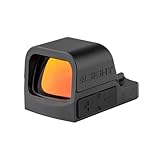
Dust, sweat, dead batteries, awkward presentation angles pistol optics get exposed to all sorts of nonsense once range sessions turn serious. Plenty of red dots look impressive in product photos, then start falling apart mentally or mechanically after repeated slide cycles. The HOLOSUN HS407C X2 Red 2 MOA Dot Open Reflex Sight manages to avoid most of that drama. Mounted on a SIG P320, it feels less like an accessory bolted on top and more like part of the pistol’s natural rhythm.
HS407C X2
Compact durability becomes obvious the moment the optic hits the slide. Holosun used 7075 T6 aluminum for the housing, and that material choice matters more than flashy branding ever will. Recoil from repeated firing can punish weaker optics over time, especially on pistols that already cycle aggressively. This sight keeps its shape and confidence without adding unnecessary bulk.
Open reflex construction gives the HS407C X2 a broad sight picture that feels quick during target transitions. Tight windows can create that annoying tunnel effect where the shooter spends more time chasing the dot than tracking the target. Holosun avoided that issue nicely here. The larger viewing area helps maintain awareness without making the optic oversized or clumsy.
Slide balance stays surprisingly neutral once mounted on a P320. Some optics throw off the pistol’s handling by adding too much mass up top, especially during rapid strings. This one rides lighter than expected, so the gun still snaps naturally between targets. Fast presentations feel smoother because the dot settles into view without excessive wrist adjustment.
Industry-standard footprint compatibility also removes a layer of installation headaches. Nobody enjoys buying extra plates only to realize screw lengths still don’t cooperate. The HS407C X2 works comfortably with many optics-ready slide configurations, and that cleaner mounting position keeps the setup lower and more intuitive during repeated draws.
Reticle Performance In Real Shooting
The 2 MOA red dot leans heavily into precision while still remaining fast enough for defensive-style shooting. Smaller dots often demand cleaner technique, but they also allow tighter aiming at distance without covering half the target. The balance feels deliberate here. At fifteen to twenty-five yards, the crisp aiming point makes steel work and tighter groupings noticeably easier.
Parallax-free performance keeps the optic forgiving during imperfect shooting positions. Real-world pistol shooting rarely happens with laboratory-perfect alignment. Slight shifts in head position or awkward barricade angles still maintain usable dot placement. That flexibility becomes valuable once drills start involving movement or unconventional stances.
Brightness adjustment options remain practical rather than overly complicated. The optic offers ten daylight settings alongside two night vision-compatible modes, giving enough range for bright outdoor conditions and darker indoor environments. Some pistol dots jump awkwardly between brightness levels, forcing endless button tapping. Holosun keeps transitions smoother and easier to fine-tune.
Lock Mode quietly solves one of those irritating little problems people rarely think about until it happens. Accidental button presses during holster movement or handling can wreck carefully chosen brightness settings. Locking the controls prevents that nonsense completely. Tiny feature. Massive convenience during regular carry or training routines.
Shake Awake Changes Daily Use
Shake Awake Technology remains one of Holosun’s smartest ideas because it removes mental clutter from the shooting experience. The optic powers down during inactivity, then instantly reactivates with movement. No fumbling for buttons. No second-guessing whether the dot stayed on overnight. The system just works in the background without demanding attention.
Battery life stretches impressively far with a claimed runtime of up to 50,000 hours under appropriate settings. Real-world use always depends on brightness levels and usage habits, but the broader point still stands. Constant battery anxiety fades away with an optic designed around efficiency instead of raw brightness gimmicks.
Side-mounted battery access deserves serious appreciation too. Removing an optic for every battery replacement gets old in a hurry, especially once re-zeroing enters the conversation. The CR1632 battery tray slides out from the side cleanly, keeping the optic mounted and the zero intact. That practical design choice saves both time and ammunition.
Solar Failsafe technology adds another layer of reliability that feels genuinely useful instead of overly tactical. If battery power disappears unexpectedly, natural or artificial light can still keep the reticle running in Auto Mode. Lighting conditions automatically influence reticle brightness as well, helping maintain visibility without constant manual adjustments.
Conversations around shooting gear often drift into broader equipment discussions, and similar maintenance habits occasionally surface in best air blow gun for compressor. Cleaning routines, compressed air use, and workshop setups tend to overlap more than people expect once gear collections start growing.
Handling And Field Experience
Target acquisition speed feels natural after only a short adjustment period. Some red dots force shooters into exaggerated presentation habits because the window or reticle placement feels awkward. The HS407C X2 settles into the eye line quickly on the P320 platform. Recoil recovery stays smooth, and the dot returns predictably during rapid follow-up shots.
Outdoor visibility remains strong even under harsh sunlight. Weak emitters tend to wash out badly during bright midday conditions, creating hesitation at the exact wrong moment. Holosun’s Super LED maintains enough intensity to stay visible without becoming excessively bloomed or messy. The reticle stays clean rather than turning into a fuzzy red blob.
Window proportions help maintain peripheral awareness during movement drills. Narrow optics can make transitions feel cramped, especially during lateral movement or multiple-target work. This sight gives enough visual openness to keep things comfortable while still maintaining a compact footprint. The balance feels well judged instead of oversized for the sake of appearances.
Unlimited eye relief also improves flexibility during fast shooting. Pistol optics don’t operate like magnified scopes, obviously, but forgiving eye positioning still matters more than many shooters realize. Fast draws and imperfect alignment remain manageable because the optic doesn’t punish slight presentation inconsistencies.
Tradeoffs Worth Mentioning
Open emitter optics naturally expose the emitter to lint, rain, dust, and debris more than enclosed designs. That’s simply part of the tradeoff for lighter weight and a wider feel. Regular maintenance becomes more important if the pistol rides daily in rough environments. Thankfully, the optic itself cleans up quickly without complicated disassembly.
The 2 MOA dot rewards steadier shooting technique, though newer shooters may initially prefer a larger reticle for faster visual pickup. Tiny dots can seem slower at first because they demand cleaner presentation habits. Over time, though, that finer aiming point becomes addictive for tighter accuracy work.
Button placement feels functional overall, though thick gloves can slightly reduce tactile confidence during rapid adjustments. Holosun avoided recessed controls that require tiny tools or fingernail gymnastics, which already puts it ahead of many competitors. Minor annoyance. Not a deal-breaker.
Auto Mode behavior under Solar Failsafe occasionally shifts brightness faster than some shooters might prefer during rapidly changing light environments. Walking from bright sun into deep shade can require a quick manual adjustment for personal preference. Still, the system generally reacts well enough to remain practical instead of distracting.
Best Red Dot Sight For Sig P320
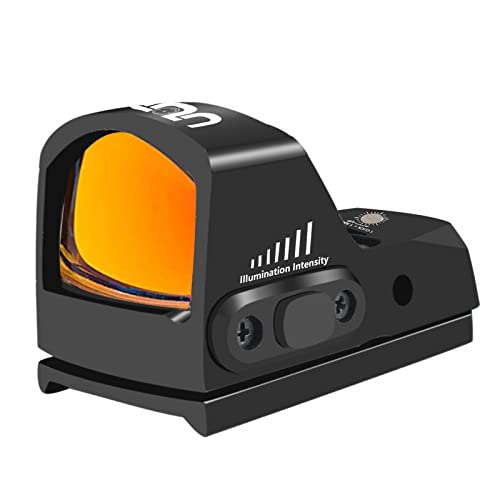
Heavy optics can ruin a compact pistol faster than people expect. Balance disappears, presentation slows down, and suddenly the whole setup feels like it’s carrying bricks on top of the slide. That’s why the OSIGHT K Micro Red Dot Sight feels surprisingly refreshing on a SIG P320 configuration built for quicker handling. The optic stays compact, avoids unnecessary bulk, and still delivers enough visibility to keep fast shooting from turning into a guessing game.
OSIGHT K Micro
Compact dimensions shape the entire personality of this optic. Some pistol red dots feel oversized once mounted, almost like miniature rifle optics awkwardly squeezed onto a handgun slide. The OSIGHT K Micro avoids that trap with a slimmer profile that feels natural on subcompact and carry-oriented builds. Slide cycling stays lively instead of sluggish, and the pistol maintains that clean, responsive feel people usually want from the P320 platform.
The RMSc footprint also simplifies mounting compatibility across many optics-ready slides. Adapter plates can become a complete headache once tolerances start stacking up, especially on compact pistols where every millimeter matters. A direct-fit style keeps the optic sitting lower and more stable. That lower mounting position helps the dot appear naturally during presentation instead of forcing awkward wrist adjustments.
Weight distribution deserves more attention than spec sheets usually give it. Tiny changes up top can completely change how a pistol transitions between targets. The OSIGHT K Micro stays light enough to preserve the original handling feel without making the gun seem nose-heavy or sluggish during recoil recovery.
Carry comfort benefits from the smaller housing too. Large optics sometimes create annoying printing issues or interfere with tighter holster setups. This optic rides close to the slide, reducing snag points while still giving enough window space for practical shooting. Little details like that make daily handling feel less cumbersome over time.
Fast Dot Pickup Without Fuss
The 6 MOA reticle clearly prioritizes speed over pinpoint precision, and honestly, that’s not a bad thing on a pistol. Smaller dots can disappear during stress shooting or rapid movement, especially under imperfect lighting. This larger reticle jumps into view quickly and stays easy to track during transitions. Fast follow-up shots feel more fluid because the eye reacquires the dot without hunting around the window.
Close-range shooting benefits heavily from the larger reticle size. Defensive drills, quick transitions, and movement-based exercises all reward visibility over tiny aiming points. The dot feels bold without becoming overwhelming. Bright sunlight, indoor ranges, and mixed lighting conditions remain manageable because the reticle stays visually obvious.
Parallax-free performance also keeps things forgiving during imperfect presentation angles. Real shooting doesn’t happen from a perfectly squared-up stance every single time. Slight shifts in head position still maintain usable aiming reference, which helps during barricade work or awkward movement drills. That flexibility creates more confidence once speed starts increasing.
Window usability feels balanced despite the optic’s compact footprint. Some micro red dots shrink the viewing area so aggressively that target transitions feel cramped. The OSIGHT K Micro still provides enough visual openness to avoid that boxed-in sensation during rapid shooting strings.
Battery Design That Saves Time
Side-loading battery access solves one of the most annoying habits in pistol optics. Removing an optic every time the battery dies gets old quickly, especially once re-zeroing becomes part of the routine. This design keeps battery replacement simple while preserving the mounted position. Less downtime means more consistency once the optic is dialed in.
Maintenance convenience matters more than many shooters expect. Tiny screws, stripped threads, and repeated optic removal eventually become frustrating. The OSIGHT K Micro avoids unnecessary hassle with accessible battery placement that doesn’t require complete disassembly. Practical design choices like that tend to age well over long-term ownership.
Battery monitoring also adds a reassuring layer of awareness. Once voltage drops below 2.2V, the reticle flashes quickly once per minute to indicate replacement is approaching. Nobody enjoys discovering a dead optic halfway through a training session. That warning system gives enough notice without becoming visually distracting during use.
General gear discussions often branch into outdoor routines and equipment preparation, and similar problem-solving habits occasionally show up in how to start trapping. Compact tools, efficient setups, and dependable handling usually matter in both conversations more than flashy extras.
Motion Sensor Performance
The motion sensor system keeps the optic feeling ready without demanding constant attention. The sight activates with slight movement, then powers down after three minutes of inactivity to conserve energy. That automatic behavior feels seamless rather than intrusive. No fumbling for buttons before range work starts.
Battery conservation benefits heavily from the automatic sleep system. Optics left running accidentally inside safes or range bags can chew through batteries surprisingly fast. The motion sensor prevents most of that waste without requiring extra thought from the shooter. Grab the pistol, move naturally, and the dot appears almost instantly.
Readiness during carry becomes smoother because the optic behaves predictably. Some auto-on systems lag slightly or activate inconsistently after sitting untouched for extended periods. The OSIGHT K Micro responds quickly enough to avoid feeling sluggish during draw practice. That reliability builds trust over repeated use.
Everyday handling feels uncomplicated overall. Controls remain simple, startup behavior stays consistent, and the optic avoids drowning the shooter in unnecessary menu systems or gimmicky reticle modes. Straightforward operation often wins over overloaded feature lists once real range time enters the picture.
Where The Optic Fits Best
Compact P320 builds benefit the most from this optic’s overall size and reticle style. A giant optic on a smaller handgun can completely upset balance and concealment comfort. The OSIGHT K Micro keeps things streamlined while still delivering strong visibility during rapid shooting. That balance feels intentional rather than compromised.
Speed-focused shooting plays directly into the strengths of the 6 MOA reticle. Tight bullseye precision at extended handgun distances isn’t really the optic’s primary personality. Instead, it excels in quick acquisition and close-to-midrange engagement where visibility matters most. That purpose-driven approach gives the sight a clearer identity.
Open emitter construction does mean the optic requires occasional cleaning in dusty or wet conditions. Lint, debris, and moisture can reach the emitter more easily compared to enclosed optics. Still, the simpler design keeps the overall footprint lighter and more compact, which many shooters will gladly accept as a tradeoff.
Long-term usability feels grounded in practical features rather than flashy marketing language. The combination of side-loading battery access, motion activation, low battery alerts, and compact sizing creates a package that stays easy to live with over time. Some optics look impressive online but become irritating after months of regular handling. This one avoids most of those headaches surprisingly well.
Best Red Dot Sight For Sig P320
Late-night range sessions can expose weak accessory setups in a hurry. Loose mounting systems, awkward controls, and dim aiming points usually show their flaws right when speed matters most. The Votatu H6L-R Ultra Compact Pistol Red Laser Sight takes a simpler route by focusing on lightweight handling, practical compatibility, and fast visibility for SIG P320 owners who don’t want extra bulk hanging off the rail. Tiny footprint. Straightforward controls. Surprisingly flexible fitment.
Votatu H6L-R
Compact dimensions shape the entire personality of this laser sight. Full-sized accessories often make pistols feel clunky during carry or holster work, especially on already thick setups. The H6L-R stays small enough to avoid turning the P320 into a brick while still adding useful targeting support. That lightweight feel becomes obvious once the pistol starts moving quickly between targets.
Reinforced nylon construction helps trim weight without making the housing feel disposable. Metal-bodied accessories definitely have their place, but heavy rail-mounted units can throw off balance during extended practice sessions. The polymer shell keeps the pistol lively in hand while still handling regular recoil cycles competently. Nothing fancy. Just practical engineering aimed at everyday handling.
Holster compatibility also benefits from the compact profile. Oversized laser modules tend to create fitment headaches, forcing expensive holster replacements or awkward retention compromises. The H6L-R avoids most of that frustration because the footprint stays relatively streamlined. Carrying the pistol remains comfortable instead of feeling like a bulky science project hanging off the dust cover.
General handling feels balanced across both compact and full-size pistols. The design works with multiple handgun sizes without looking oversized or toy-like. Some rail accessories clearly favor one platform while feeling awkward on another. This one adapts more naturally than expected.
Laser Visibility And Real Use
The red laser output stays highly visible indoors and under lower-light conditions. Rated at a 650nm wavelength with power output at or below 5mw, the beam remains crisp without appearing washed out in darker environments. Daylight visibility reaches roughly 50 meters according to the provided specifications, while nighttime visibility stretches significantly farther. That extra reach can make target alignment feel faster during low-light drills.
Target acquisition speed becomes the main advantage here. Traditional red dots still dominate for precise aiming, but lasers offer a different kind of visual reference during unconventional shooting positions. Tight barricades, awkward movement, or compressed shooting angles sometimes make a visible laser quicker to reference than aligning irons or chasing a small optic window.
Strobe functionality adds another layer of versatility. Constant beam mode keeps things simple during standard range work, while strobe mode introduces a more disruptive visual pattern. Not everyone will rely on that feature regularly, though having both options available broadens the overall usability without overcomplicating the controls.
Close-range shooting especially benefits from the straightforward visibility. Fast transitions between steel targets or movement-based drills feel smoother because the eye immediately catches the beam without needing perfect sight alignment. Some shooters love that extra visual confirmation during rapid engagement sequences.
Fitment Across Multiple Pistols
The included rail locating keys solve a problem that many cheaper laser systems completely ignore. Sloppy mounting fit can destroy consistency once recoil enters the equation. Votatu includes five locating keys covering Glock, Picatinny, Beretta 90two, S&W variants, and the SIG P320 platform. That tighter interface helps maintain zero more reliably over repeated use.
Bidirectional recoil resistance matters because rail accessories absorb constant forward and rearward movement during firing cycles. Weak mounting systems eventually shift under stress, creating annoying point-of-impact inconsistencies. The locking setup here feels reasonably secure once tightened properly. Consistency during repeated range sessions matters far more than flashy cosmetic details.
Subcompact compatibility stands out as one of the stronger practical benefits. Many rail-mounted lasers become awkwardly oversized on smaller handguns, ruining concealment or balance. The H6L-R scales down nicely without feeling underpowered. Compact carry setups stay manageable instead of top-heavy.
Conversations around low-light shooting gear often drift into broader outdoor equipment discussions, and related tracking habits occasionally appear in how to hunt a bobcat. Visibility, positioning, and fast target identification tend to overlap across more activities than people initially expect.
Controls And Charging Simplicity
Ambidextrous controls make the laser easier to operate under pressure. Tiny recessed switches can become infuriating during fast handling or gloved use. The H6L-R uses a more accessible layout that accommodates both left-handed and right-handed operation without awkward finger gymnastics. Quick activation feels intuitive instead of overly mechanical.
Magnetic USB charging also removes a layer of unnecessary hassle. Disposable batteries always seem to die at inconvenient times, and tiny battery compartments rarely make replacement enjoyable. The built-in rechargeable system keeps maintenance simpler and avoids repeated removal procedures. Snap the charger into place and move on.
Charging convenience becomes more valuable over time than people expect. Frequent removal of accessories eventually increases wear on screws, rails, and mounting interfaces. Keeping the laser attached during charging helps preserve consistent alignment while reducing unnecessary handling. Less disruption means less re-adjustment later.
Operation under stress stays refreshingly uncomplicated overall. No overloaded menus. No endless reticle configurations. Just direct beam control with accessible functionality. Sometimes simpler gear performs better because it wastes less mental energy during actual use.
Adjustment And Practical Tradeoffs
Windage and elevation adjustment provide enough tuning flexibility for different pistol setups and distances. Rail tolerances vary slightly between manufacturers, so adjustment range matters more than some buyers realize. Dialing the beam properly helps maintain cleaner alignment during practical shooting drills. Fine-tuning remains straightforward without requiring specialty tools.
Laser-focused aiming systems naturally come with tradeoffs compared to traditional red dot optics. Bright outdoor sunlight can reduce beam visibility substantially during midday conditions. Indoors or during dusk, though, the laser becomes much easier to track quickly. That environmental sensitivity simply comes with the territory.
Open rail mounting also means the unit can collect dust or debris over time, especially during outdoor use. Thankfully, the simplified housing design makes basic cleaning relatively painless. Wipe it down, inspect the lens area, and it’s generally ready to go again without much fuss.
Practical value ends up being the strongest selling point of the H6L-R. Lightweight construction, broad compatibility, rechargeable convenience, and visible targeting support all combine into a setup that feels easy to live with. Some pistol accessories try too hard to look futuristic while forgetting usability altogether. This one keeps things grounded in function first.
Best Red Dot Sight For Sig P320
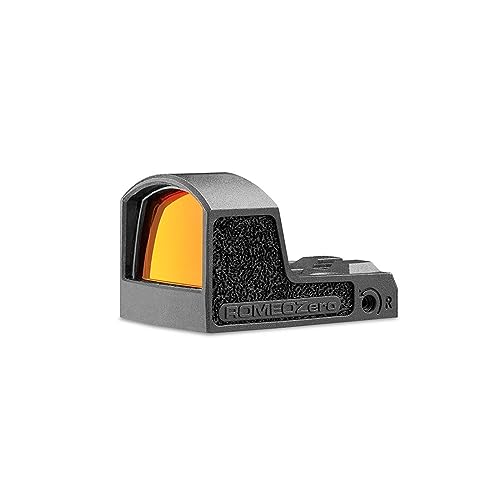
Bulky optics can make a carry pistol feel like it swallowed a paperweight overnight. Fast draws become clumsy, concealment gets annoying, and suddenly that sleek SIG P320 setup starts printing through everything except a winter jacket. The Sig Sauer RomeoZero 1x24mm 3 MOA Red Dot heads in the opposite direction with an ultra-light profile built around slim slides and daily carry practicality. Tiny dimensions, surprisingly rugged construction, and fast target pickup give this optic a very different personality from oversized competition-style dots.
RomeoZero 1x24mm
Ultra-compact sizing changes the entire shooting experience on a carry-oriented pistol. Some red dots feel like miniature bricks mounted on top of the slide, forcing awkward presentation angles and sluggish transitions. The RomeoZero barely adds noticeable bulk, which helps preserve the original handling characteristics of the P320 platform. That lightweight feel becomes even more obvious during long range sessions where heavier optics start fatiguing the wrist.
Carry comfort improves dramatically because the optic stays low and streamlined. Concealed setups often struggle once oversized optics enter the equation, especially around tighter holsters or slimmer clothing. The RomeoZero avoids most of those frustrations thanks to its minimal footprint and featherweight construction. At only 0.4 ounces, it almost disappears once mounted.
Slim-slide optimization also gives this sight a cleaner, more natural profile compared to larger enclosed optics. Presentation from the holster feels intuitive rather than mechanical. The eye picks up the dot quickly without forcing exaggerated wrist corrections. Fast sight acquisition matters more than people think once adrenaline or speed drills enter the picture.
Direct mounting compatibility helps reduce installation headaches too. The optic supports the Shield RMS-c footprint and J-Point footprint while remaining compatible with direct ROMEOZero mounting systems. Cleaner mounting setups generally translate into lower optic height and better alignment during rapid draws.
Durability Without Excess Weight
The SpectraCoat HD Polymer Lens gives the RomeoZero an unusual advantage compared to traditional glass optics. SIG states the polymer lens offers ten times the impact resistance of standard glass. That durability focus matters because pistol optics absorb repeated slide movement, accidental bumps, and the occasional “Oops, that hit the bench harder than expected” moment.
WeaponsGrade textured polymer housing also helps balance toughness with reduced weight. Metal optics certainly dominate conversations online, but lighter materials can absolutely make sense on compact carry pistols. Heavy optics shift slide behavior and sometimes create sluggish cycling feel. The RomeoZero keeps things nimble without feeling flimsy in hand.
Drop protection becomes more important once the optic enters daily carry rotation. Pistols bounce against seatbelts, desk edges, range bags, and hard surfaces far more often than people admit. The RomeoZero feels purpose-built for that kind of routine abuse. Rugged enough to survive regular handling without turning the pistol into a cinder block.
Surface texture on the housing adds subtle grip during installation and maintenance too. Tiny details like that rarely appear in flashy product photos, yet they make real ownership smoother over time. Small optic bodies can become frustratingly slippery during battery changes or mounting adjustments. This one avoids that annoyance fairly well.
Fast Dot Pickup And Clear Presentation
The 3 MOA red dot strikes a smart middle ground between precision and speed. Larger dots grab attention faster up close but can obscure more target area at longer distances. Smaller dots increase precision yet sometimes disappear during rapid transitions. The RomeoZero balances those extremes nicely, giving enough visibility for quick shooting without sacrificing tighter aiming capability.
Parallax-free performance keeps the optic forgiving during imperfect shooting positions. Real pistol shooting rarely happens from textbook-perfect stances. Barricade drills, awkward movement, or compressed defensive positions all introduce alignment inconsistencies. The RomeoZero still maintains a usable aiming reference during those imperfect moments.
The 24mm objective lens creates a surprisingly open sight picture considering the optic’s tiny footprint. Some micro red dots feel cramped, almost like peering through a narrow tunnel while chasing the reticle around. This one feels cleaner and more forgiving during rapid transitions. Peripheral awareness stays reasonably intact instead of collapsing into a tiny window.
Discussion around compact aiming systems often overlaps with broader precision shooting interests, and similar equipment conversations occasionally appear in best pnuematic air pistol. Lightweight handling, trigger control, and fast sight alignment tend to connect naturally across different shooting setups.
MOTAC Makes Everyday Use Easier
MOTAC technology, short for Motion Activated Illumination System, removes one of the biggest headaches in modern optics: forgetting to power them down. The sight automatically activates when movement is detected and powers off during inactivity. That seamless behavior keeps the optic ready without demanding constant battery management attention.
Battery efficiency feels surprisingly strong for such a compact optic. SIG lists runtime around 20,000 hours using the CR1632 battery under normal operating conditions. Real-world results always depend on brightness usage, naturally, but the broader takeaway still matters. Less battery anxiety means more confidence grabbing the pistol without second-guessing whether the optic stayed on overnight.
The point-source LED emitter also contributes to cleaner performance. SIG claims the emitter operates eight times more efficiently than conventional red dot systems. The reticle appears crisp and responsive rather than smeared or excessively bloomed under normal brightness settings. Cleaner dots help reduce eye fatigue during longer shooting sessions.
Eight daytime illumination settings provide enough flexibility without drowning the user in endless menus or unnecessary complexity. Bright outdoor ranges and dim indoor bays demand completely different reticle intensity levels. Quick adjustment options help keep visibility consistent across changing environments.
Practical Tradeoffs And Real Ownership
Polymer lens construction naturally sparks debate among shooters who strongly prefer traditional glass optics. Some users may worry about scratching or long-term wear under rough treatment. Still, the tradeoff supports the optic’s ultra-light design philosophy while improving impact resistance significantly. That balance feels intentional rather than cheap.
The open emitter layout also requires occasional maintenance in dusty or wet conditions. Lint, rain, and debris can reach the emitter area more easily compared to enclosed systems. Thankfully, the RomeoZero cleans up quickly without requiring complicated disassembly or specialty tools. A quick wipe usually handles routine buildup.
Brightness controls stay relatively straightforward, though the tiny housing limits oversized tactile buttons. Shooters wearing thick gloves may need slightly more deliberate adjustments compared to larger duty-sized optics. That compromise comes with the territory once optics shrink this aggressively.
Overall balance remains the RomeoZero’s strongest trait. The optic doesn’t try to become a giant competition window or a tank-like duty sight. Instead, it focuses on keeping compact pistols light, fast, and easy to carry while still improving target acquisition speed. For slim-slide and everyday carry setups, that restrained design philosophy honestly makes a lot of sense.


12 Best 22 Pcp Air Rifle For Hunting of 2026 With Quiet Power

7 Best 22 Pcp Air Rifle Under 300 of 2026 For Backyard Pest Control

10 Best 22 Break Barrel Air Rifles of 2026 For Backyard Pest Control

10 Best 30 Caliber Pcp Air Rifle of 2026 For Medium Game

Top Best 177 Air Rifle Under 100: Budget-Friendly Picks for 2026

How to Safely Reload Shotgun Shells at Home

11 Best Co2 Air Rifle For Pest Control of 2026 To Ensure Humane Dispatch

12 Best Inexpensive Air Rifles of 2026 For Dependable Backyard Accuracy






