
Best Rifle Scope For Astigmatism 2026 Clear Vision Guide

Astigmatism often turns illuminated dots and reticles into starburst patterns, making traditional red dots frustrating to use. This guide to best rifle scope for astigmatism focuses on optics that reduce distortion and keep the reticle stable. Prism scopes, etched reticles, and holographic systems tend to perform better than standard red dots. Many shooters notice immediate improvement in clarity when switching away from LED-based aiming systems. The difference is especially noticeable in low light or high brightness conditions where starbursting becomes worse. Choosing the right optic can significantly improve confidence and accuracy in real shooting scenarios. Comfort behind the scope also increases because the eye no longer fights constant visual distortion. Instead of straining to “find” the dot, the shooter sees a consistent aiming point. This reduces fatigue during longer sessions at the range. Even budget-friendly prism optics can outperform expensive red dots for this specific vision condition. As a result, the market has shifted toward etched reticle solutions for users with astigmatism. Understanding this difference helps avoid wasted money on incompatible optics.

- ARS Mark9.4
ARS Mark is a ranking system developed by bestairriflescopes.com. ARS Mark has no relationship or impact from any manufacturers or sales agent websites. Learn more
- BrandSig Sauer

- ARS Mark9.2
ARS Mark is a ranking system developed by bestairriflescopes.com. ARS Mark has no relationship or impact from any manufacturers or sales agent websites. Learn more
- BrandMonstrum
- ARS Mark9.0
ARS Mark is a ranking system developed by bestairriflescopes.com. ARS Mark has no relationship or impact from any manufacturers or sales agent websites. Learn more
- BrandCVLIFE

- ARS Mark9.0
ARS Mark is a ranking system developed by bestairriflescopes.com. ARS Mark has no relationship or impact from any manufacturers or sales agent websites. Learn more
- BrandCVLIFE

- ARS Mark9.0
ARS Mark is a ranking system developed by bestairriflescopes.com. ARS Mark has no relationship or impact from any manufacturers or sales agent websites. Learn more
- BrandMidTen

- ARS Mark9.0
ARS Mark is a ranking system developed by bestairriflescopes.com. ARS Mark has no relationship or impact from any manufacturers or sales agent websites. Learn more
- BrandCVLIFE
- ARS Mark8.6
ARS Mark is a ranking system developed by bestairriflescopes.com. ARS Mark has no relationship or impact from any manufacturers or sales agent websites. Learn more
- BrandCVLIFE

- ARS Mark8.6
ARS Mark is a ranking system developed by bestairriflescopes.com. ARS Mark has no relationship or impact from any manufacturers or sales agent websites. Learn more
- BrandUUQ

- ARS Mark8.4
ARS Mark is a ranking system developed by bestairriflescopes.com. ARS Mark has no relationship or impact from any manufacturers or sales agent websites. Learn more
- BrandCVLIFE
- ARS Mark8.2
ARS Mark is a ranking system developed by bestairriflescopes.com. ARS Mark has no relationship or impact from any manufacturers or sales agent websites. Learn more
- BrandMonstrum
Last update on 2026-07-13 / Affiliate links / Images, Product Titles, and Product Highlights from Amazon Product Advertising API
Sig Sauer Tango MSR 1-6x24mm LPVO Scope
Bright daylight glare bouncing off glass, a shifting reticle that never quite settles, and that subtle eye fatigue that creeps in after a few minutes at the bench can change how a scope feels more than most people expect. A setup like this Sig Sauer Tango MSR LPVO 1-6x24mm Rifle Scope sits right in that tension between clarity and distortion, especially for shooters dealing with visual irregularities that make simple dots bloom or smear. The experience isn’t just about magnification or build quality, it’s about how steady the image feels when your eyes refuse to cooperate. That’s where an LPVO like this tries to step in and smooth things out.
Sig Sauer Tango MSR LPVO Review
Built around a 1-6x variable range, the optic leans heavily into flexibility, letting the shooter stay at true 1x for close work and roll up to 6x when detail matters. The MSR BDC6 reticle gives a structured aiming reference instead of relying on a floating dot that can distort under certain vision conditions. That etched pattern makes a noticeable difference for users who struggle with starburst effects from illuminated points. It doesn’t disappear or flare the same way a basic red dot often does.
The 30mm tube also plays a role in maintaining brightness consistency across the zoom range. Field of view shifts from 19.6 to 124.8 feet at 100 yards, which gives enough room for both dynamic movement and controlled aiming. The image stays relatively stable even when lighting changes quickly, something that matters more than most specs suggest. It’s not about chasing perfection, but reducing the visual “noise” that distracts from target focus.
Handling IPX-7 water resistance means the optic doesn’t panic under wet conditions or sudden weather shifts. That kind of sealing matters less on paper and more when a range session turns messy. Combined with the magnification range, it creates a setup that feels predictable rather than temperamental, which is often what shooters with astigmatism end up prioritizing without even realizing it.
Optical Behavior And Eye Comfort
Astigmatism changes how light edges behave, and this scope sidesteps part of that issue by avoiding reliance on a simple illuminated dot. The etched reticle remains physically defined regardless of eye strain or focus inconsistency. That alone can reduce the frustration of seeing multiple ghost images or streaking reticles under bright conditions. It’s not a cure, but it removes one of the biggest triggers.
At 1x magnification, the scope behaves almost like a red dot replacement, though slightly more structured. That structure is what helps stabilize perception when the eye is struggling to focus cleanly. As magnification increases, the reticle scales in a way that keeps reference points visible without overwhelming the field of view. The result is a steadier visual experience rather than constant reticle distortion correction.
Brightness management also plays a subtle role. Instead of relying heavily on illumination, the optic leans on glass clarity and reticle contrast. That shift reduces the chance of glare-heavy flare effects, especially in outdoor daylight where many shooters notice their vision issues more clearly. The balance between brightness and definition is what makes it easier on strained eyes.
Field Use And Practical Handling
Quick transitions between close and mid-range shooting feel natural thanks to the smooth magnification ring. There’s no sudden jump in visual instability when moving through the range, which helps maintain focus during dynamic sessions. The scope holds zero consistently once mounted properly, and that stability supports confidence in repeated shooting cycles. It becomes less about adjusting constantly and more about staying in rhythm.
The weight distribution of the optic also plays into how it behaves on the rifle. It doesn’t feel overly front-heavy, which matters when tracking moving targets or adjusting aim rapidly. Even small ergonomic details start to matter more when the shooter is compensating for visual distortion. A balanced setup reduces unnecessary cognitive load.
Durability expectations are realistic rather than exaggerated. The housing handles recoil and field movement without drifting out of alignment under normal use. It’s not built to be overdesigned, but it doesn’t feel fragile either, which lands it in a practical middle ground for regular range and field work.
Limitations And Real-World Tradeoffs
There’s no escaping the fact that LPVOs bring complexity compared to simple red dots. The extra magnification system adds weight and requires more conscious setup. For shooters who only run close-range drills, that added structure can feel unnecessary. The tradeoff shows up in speed versus clarity balance, depending on how the optic is used.
Illumination isn’t the strongest focus here, which might disappoint users expecting a bright, dot-heavy system. Instead, the emphasis stays on etched clarity and optical consistency. That means in extremely fast-paced close engagements, it won’t feel as instantly reactive as a dedicated holographic sight. The design leans more toward precision than raw snap acquisition.
Eye relief consistency is solid but still requires proper cheek weld discipline. If positioning shifts too much, the sight picture can feel less forgiving. That’s less of a flaw and more of a reminder that LPVOs reward stable shooting posture over casual handling. Once adjusted properly, the system becomes far more predictable.
Where It Fits In Astigmatism-Friendly Optics
Shooters dealing with distorted red dots often end up switching to etched reticle systems for relief, and this optic sits directly in that category. The combination of variable magnification and structured reticle gives a steadier visual reference point across different shooting distances. That consistency reduces the constant struggle of “cleaning up” a blurry dot in real time.
Compared to simpler prism sights, this setup offers more range flexibility, which becomes useful in mixed-distance environments. It doesn’t force the shooter into a single engagement style. Instead, it adapts based on how the eye is performing at that moment, which is a subtle but meaningful advantage for vision variability.
For those trying to reduce the visual stress that comes with standard red dots, this kind of LPVO becomes less about upgrading gear and more about restoring comfort behind the rifle. The clarity doesn’t feel artificial or over-processed, just more controlled and easier to interpret under changing conditions. That’s where it quietly earns its place among optics considered for best rifle scope for astigmatism setups.
A related setup discussion often appears in general shooting setups such as air rifle configurations for field control, especially where consistent target visibility plays a similar role in performance. The connection isn’t about product overlap, but about how sight clarity influences practical shooting decisions across different platforms.
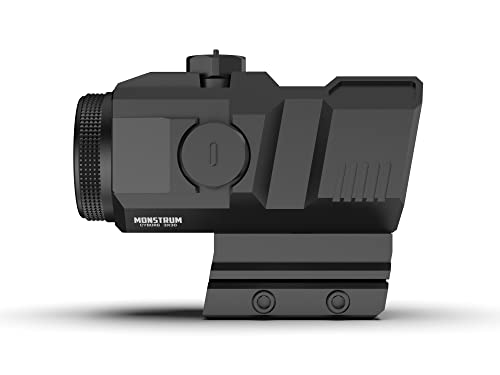
Monstrum Ladon 1-6x SFP LPVO Rifle Scope
Foggy mornings at the range, shifting light through tree lines, and that annoying moment when a simple dot turns into a glowing smear can make even a solid rifle setup feel unreliable. The frustration builds quietly, especially for shooters who rely on visual clarity more than raw magnification tricks. That’s where the Monstrum Ladon 1-6x SFP LPVO Rifle Scope steps into the conversation with a different kind of visual stability that doesn’t depend on perfect eyesight conditions.
Ladon 1-6x LPVO Overview
The 1-6x magnification range gives a comfortable middle ground between close engagement and mid-range precision, without forcing constant optic swaps. Built around a newly designed optical assembly, the system focuses on expanding the eye box and stretching eye relief, which makes a noticeable difference during fast shoulder transitions. The image stays more forgiving when head position isn’t perfectly locked in, which is where many optics start to fall apart under real use.
The BDC-A3 reticle sits in the second focal plane, meaning it stays visually consistent across magnification levels. That consistency helps when switching between quick close-range shots and more deliberate mid-range aiming. Instead of shrinking or expanding like some first focal plane designs, the reticle maintains a steady presence, which some shooters prefer when dealing with visual distortion issues tied to astigmatism.
True 1x performance is one of the key selling points here. At close range, the optic behaves more like a red dot alternative, but without relying entirely on a projected illuminated point. That subtle difference matters because etched structure tends to hold its shape better for eyes that struggle with LED bloom or starburst effects. It’s not flashy, but it’s predictable.
The included offset cantilever mount and flip-up lens covers make the setup more complete out of the box. There’s less tinkering required before heading to the range, which is useful for shooters who want something that just works without extra configuration layers. It feels more like a ready system than a parts puzzle.
Optical Behavior Under Real Conditions
Eye strain becomes a real factor when illuminated dots start bleeding into shapes that don’t match the target. The illuminated reticle system here offers multiple brightness levels, which helps adjust visibility across lighting conditions. Instead of overwhelming the eye, the illumination stays controllable enough to avoid excessive flare in mid-day brightness or low-light environments.
The wider eye box changes how forgiving the scope feels during movement. Small shifts in head position don’t immediately collapse the sight picture, which reduces the constant micro-adjustments that usually come with tighter optics. That becomes especially useful when shooting from unstable positions or when fatigue starts creeping in during longer sessions.
At higher magnification, the image retains decent clarity without forcing the eye to work harder to lock focus. It doesn’t eliminate astigmatism-related distortion entirely, but it reduces the harshness compared to basic red dot systems. The result is less visual “noise” and more usable target definition, especially at mid-range distances.
Some shooters describe LPVOs like this as a compromise between speed and structure, and that’s accurate here. It won’t match the instant reflex feel of a holographic sight, but it offers a steadier visual anchor when the eye itself becomes the limiting factor.
Field Performance And Handling
Recoil handling feels controlled, with the optic holding zero consistently under repeated firing cycles. That stability matters more than most specs suggest, especially when the shooter is already dealing with visual inconsistency. A drifting point of impact combined with optical distortion is a frustrating mix, and this setup avoids that spiral reasonably well.
The included mount adds rigidity to the platform, reducing unnecessary movement between the optic and rail system. That rigidity translates into a more stable sight picture during fast transitions. It’s not about making the rifle feel heavier or lighter, but about keeping the optic aligned under stress.
Switching between magnification levels feels smooth without sudden resistance changes. That matters during dynamic shooting where hesitation can break rhythm. The adjustment ring doesn’t feel overly stiff or loose, landing somewhere in the practical middle where control still feels intentional.
Durability expectations are backed by a lifetime warranty, which signals long-term confidence rather than short-term experimentation. While warranty terms don’t affect optical clarity directly, they do influence how the product is treated in real-world ownership scenarios.
Limitations And Practical Tradeoffs
The illuminated system, while useful, isn’t designed to overpower daylight in the same way some high-end tactical optics do. That means in extremely bright conditions, reliance shifts more toward the etched structure of the reticle rather than illumination alone. Shooters expecting ultra-bright dot dominance may find it slightly restrained.
Weight and bulk are also part of the LPVO tradeoff. Compared to a simple red dot, this setup adds complexity and physical presence on the rifle. That extra structure improves versatility but slightly reduces the minimalist feel some shooters prefer for ultra-light builds.
Second focal plane behavior also comes with limitations. While the reticle stays visually stable, ranging references don’t scale with magnification changes. That means precision adjustments require more awareness of zoom level compared to first focal plane systems. It’s a familiar tradeoff rather than a flaw.
Eye relief is improved compared to many budget optics, but it still demands a consistent shooting posture for best results. Once that rhythm is found, the optic feels stable, but inconsistency in positioning can still affect clarity during rapid engagement sequences.
Astigmatism-Friendly Performance Angle
For shooters dealing with distorted dot behavior, this optic offers a more structured visual experience through its etched reticle system. Instead of relying on a glowing point that can flare or smear, the reticle stays physically defined across lighting conditions. That alone reduces a major source of visual frustration.
The combination of true 1x capability and controlled illumination gives flexibility without forcing reliance on a single visual mode. That adaptability helps when eye strain fluctuates during longer sessions. Some days the illumination is useful, other days the etched reticle carries the entire experience.
In mixed-distance environments, the 1-6x range provides enough scaling to maintain clarity without overwhelming the shooter with unnecessary magnification jumps. That balance keeps the optic relevant across multiple shooting styles, especially where visual consistency matters more than raw speed.
A broader look at similar shooting setups and gear configurations can be seen in related field systems like CO2-powered airsoft sniper platforms, where consistency and sight clarity often play a similar role in overall performance under variable conditions.
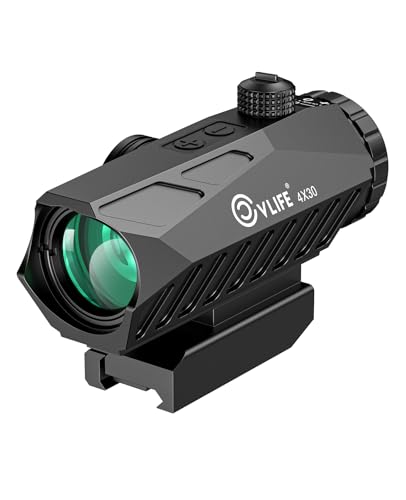
CVLife 4X Prism Scope Motion Awake
Early range sessions hit differently when a simple sight picture refuses to stay stable, especially in shifting light where focus keeps drifting and the eye starts fighting the glass more than the target. That constant tug-of-war between clarity and distortion is exactly where the CVLIFE 4X Compact Prism Scope enters the conversation, built around the idea of keeping things readable even when vision isn’t playing nice.
CVLife 4X Prism Scope Overview
The 4x magnification sits in that awkward but useful middle zone where close-range speed and mid-range detail try to coexist. Instead of pushing extreme zoom, this optic leans into balance, giving a steady 30ft field of view at 100 yards while still keeping enough reach for longer shots. That balance matters more than people expect, especially when eye strain starts messing with fine focus adjustments.
The etched glass reticle is the real anchor here. It stays visible even when illumination is off, which helps shooters dealing with astigmatism since there’s no floating LED dot to bloom or smear. That etched design feels more grounded, like the image has a fixed reference point instead of something projected into space.
Illumination adds another layer with red and green options across multiple brightness levels. The motion-awake feature quietly kicks the optic into action when movement is detected, removing the need to constantly toggle power. It’s subtle, but it keeps the workflow smooth during longer sessions where distractions build up quickly.
The body construction uses a single-piece machined aluminum frame, which gives the optic a firm, no-flex feel on the rifle. Two recoil lugs help lock it into place, reducing micro-shifts that can ruin consistency after repeated firing. It’s not about being flashy, it’s about staying put when things get loud.
Optical Clarity And Astigmatism Behavior
Eye distortion issues show up fast with traditional red dots, where light spreads into halos or star shapes under strain. This optic avoids that by relying heavily on its glass etched reticle system, which keeps edges defined regardless of lighting conditions. That stability is the main reason prism designs keep showing up in astigmatism discussions.
Fully multi-coated lenses push around 92% light transmission, which helps maintain contrast without over-brightening the image. That balance matters in mixed environments where shadows and glare shift quickly. Instead of forcing the eye to adjust constantly, the optic keeps the visual field relatively predictable.
The 2.8-inch eye relief gives enough breathing room to avoid awkward positioning. It’s forgiving enough for dynamic shooting positions but still tight enough to maintain control over sight alignment. That middle ground makes a difference when fatigue starts affecting consistency.
At 4x magnification, detail becomes more defined without collapsing the field of view into a tunnel. The transition from close to mid-range feels smoother than expected for a fixed prism design. It doesn’t try to overcorrect vision issues, it simply avoids amplifying them.
Field Performance And Handling
Speed matters in close engagements, and the circle-dot reticle helps with fast visual acquisition. Both-eyes-open shooting feels natural here, with the reticle acting like a stable anchor instead of a floating distraction. That’s especially useful when tracking moving targets or transitioning between multiple points quickly.
The motion-awake system plays a quiet but useful role in real use. Instead of worrying about toggling power states, the optic wakes itself when movement is detected. That removes one small but annoying friction point during active sessions where attention should stay on the environment.
Electronic buttons controlling brightness feel tactile enough to use under gloves or in cold conditions. There’s no guessing whether a setting changed, which keeps adjustments predictable. That reliability becomes more noticeable during longer range days when small frustrations tend to stack up.
Recoil resistance holds steady thanks to the reinforced frame design. Even after repeated firing cycles, the optic maintains alignment without drifting. It’s not a delicate system pretending to be rugged, it’s built to stay consistent under real pressure.
Limitations And Real-World Tradeoffs
The 4x fixed magnification creates a ceiling that won’t suit shooters wanting extreme long-range precision. While it reaches out to extended distances, it doesn’t replace higher zoom systems for detailed target work. That limitation is part of the compromise for keeping the optic compact and fast.
Illumination, while useful, isn’t the main focus of the design. In very bright environments, the etched reticle carries most of the workload anyway. That means shooters expecting a strong, glowing dot experience might find the illumination more supportive than dominant.
The compact frame helps handling but slightly limits adjustment flexibility compared to larger LPVO setups. There’s less room for gradual scaling between distances, so shooting style has to adapt to the fixed magnification nature. It rewards consistency more than experimentation.
Weight distribution is solid, but the prism structure still adds more presence than a minimalist red dot setup. That extra bulk is noticeable in lightweight builds, though it pays off in optical stability. It’s a trade that favors clarity over minimalism.
Astigmatism-Focused Performance Angle
For shooters dealing with distorted red dot behavior, the etched reticle system becomes the most important feature. It avoids the glowing point issue entirely, replacing it with a physical reference that stays consistent under all lighting conditions. That alone removes a major source of visual frustration.
The combination of prism optics and controlled illumination gives flexibility without relying on a single visual system. Some days the illumination helps, other times it’s better left off entirely. That adaptability makes the optic feel less dependent on perfect eye conditions.
In mixed shooting environments, the clarity holds up well enough to maintain confidence without constant visual correction. The image doesn’t fight back, which is often the biggest win for shooters dealing with astigmatism-related distortion. It keeps focus where it belongs, on the target rather than the reticle.
A broader look at similar optic setups used in compact platforms can be seen in related systems like airsoft rifle configurations with suppressor setups, where stability and sight clarity often matter just as much as raw power or range.
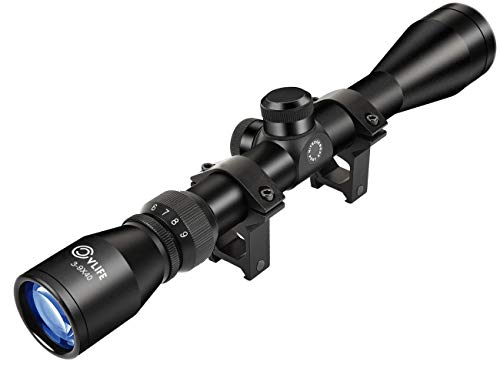
CVLIFE 2-10x32 MPVO AO Scope
A rifle setup can feel completely different once the optic starts pulling its weight instead of fighting your eyes, especially during those mixed-light sessions where targets blur just enough to annoy you. Small inconsistencies in focus, tiny shifts in reticle sharpness, and that subtle strain build-up tend to show up faster than most people expect. The CVLIFE 2-10x32 MPVO AO Rifle Scope sits in that middle space where flexibility and clarity try to stay balanced without overcomplicating the experience.
Cvlife 2-10x Mpvo Ao Overview
The 2-10x magnification range gives a surprisingly wide operating window for a scope in this category. Lower settings keep things fast and responsive, while higher magnification opens up enough detail for more deliberate shots. That flexibility matters when shooting distances vary, and you don’t want to constantly swap optics just to stay effective.
The adjustable objective (AO) system plays a big role in refining focus and reducing parallax error. It allows the shooter to fine-tune clarity depending on distance, which becomes noticeable when switching between near and mid-range targets. Instead of guessing focus, the image feels more controlled and deliberate once dialed in properly.
The exposed locking turrets add a more hands-on feel to adjustments. Each click gives a clear tactile response, which helps when making quick windage or elevation changes without losing track of settings. The 1/2 MOA adjustment system keeps movements predictable, especially during repeated corrections.
Included accessories like the cantilever mount and flip-up lens caps make the setup feel more complete right out of the box. It removes some of the initial friction of assembly and lets the optic settle into use faster. That convenience doesn’t change performance, but it does reduce setup frustration.
Optical Performance And Clarity
Glass quality often defines how usable a scope feels in real conditions, and this one relies on fully multi-coated green lenses to improve light transmission. The coating helps reduce glare while maintaining enough brightness to keep the sight picture readable. That balance becomes noticeable in shifting daylight where contrast tends to fluctuate.
The dual illuminated reticle system offers red and green options across multiple brightness levels. This helps maintain visibility in both low-light and brighter outdoor environments without forcing a single lighting style. The illuminated center point gives a stable reference when natural contrast drops.
Astigmatism-related distortion tends to show up more in simple illuminated dots, but the etched glass structure here reduces that issue by providing a physical reticle shape. That stability helps the eye lock onto a consistent reference instead of dealing with flare or smearing. It doesn’t eliminate visual strain entirely, but it softens the problem significantly.
At higher magnification levels, the image retains enough clarity for mid-range precision without collapsing the field of view too aggressively. The transition between 2x and 10x feels gradual rather than abrupt, which helps maintain situational awareness during adjustments. That smooth scaling adds confidence during dynamic shooting.
Field Use And Adjustability
Handling in real shooting environments often reveals more than spec sheets ever can. The combination of magnification control and AO adjustment gives the shooter multiple ways to refine the sight picture depending on distance and lighting. That adaptability becomes useful when conditions shift unexpectedly.
The parallax adjustment feature is especially noticeable when engaging targets at varying ranges. Instead of dealing with subtle alignment errors, the image can be tightened to reduce perceived shift between eye position and reticle placement. It makes longer sessions feel less fatiguing overall.
Illuminated reticle control across five brightness levels allows for quick adaptation in changing light. Lower settings help preserve detail in darker environments, while higher levels maintain visibility in daylight. The dual-color option adds another layer of flexibility depending on background contrast.
Durability testing claims up to 500 rounds of 1000G impact resistance suggest a focus on shock handling rather than delicate precision use. That kind of reinforcement helps maintain zero under repeated recoil cycles. It’s not about overengineering, but about staying consistent under normal field stress.
For shooters exploring similar platforms and setups, additional context can be found in related configurations such as PCP air rifle systems under 1000, where optic stability and clarity often play just as important a role in performance outcomes.
Limitations And Real World Tradeoffs
The 2-10x range, while flexible, does not fully replace higher magnification scopes for long-distance precision work. At extended ranges, detail definition starts to depend more on environmental conditions and shooter stability. It’s capable, but not specialized for extreme distance focus.
Illumination control is functional but not overly aggressive, which means it relies more on reticle structure than brightness intensity. In very bright conditions, the illuminated center may feel secondary rather than dominant. That’s a tradeoff for keeping the system balanced and usable across different environments.
The optic’s weight and full setup with mount add some presence to the rifle platform. While not excessive, it’s noticeable compared to minimalist sighting systems. That added structure improves stability but slightly reduces lightweight agility.
Eye relief is comfortable enough for general use, but consistent head positioning still matters for optimal clarity. Shifts in alignment can affect sight consistency, especially at higher magnification. Once properly set, though, the image stabilizes into a predictable view that supports steady shooting rhythm.
MidTen 4-16x50 AO Tactical Scope Combo
Rainy field edges, low-light silhouettes, and that split-second hesitation when multiple sighting tools start competing for attention can turn a simple setup into visual chaos. Instead of focusing on the target, the shooter ends up juggling brightness, alignment, and glare all at once. The MidTen 4-16x50 AO Tactical Rifle Scope tries to compress that mess into a single, layered system that does everything at once, sometimes boldly, sometimes a bit aggressively.
MidTen 4-16x50 Tactical Overview
Stacked into a single platform, this optic combines a 4-16x AO riflescope, reflex sight, laser module, and flashlight. That’s not subtle, and it doesn’t pretend to be. The idea is simple: reduce time spent switching gear by merging functions into one mounted system. The result feels more like a control hub than a traditional optic.
The 4-16x magnification range handles everything from close movement to extended engagement distances. At lower magnification, the field of view stays usable enough for fast scanning. At higher levels, detail sharpens significantly, though the tradeoff is expected tunnel narrowing as zoom increases.
The integrated 22mm rail mount simplifies installation across Picatinny or Weaver systems. Instead of assembling multiple components separately, the unit locks in as a single block. That reduces setup time, but it also means committing to a heavier, more complex sighting platform.
AO adjustment is included to reduce parallax and sharpen image clarity at varying distances. That becomes especially useful when switching between mid-range scanning and tighter precision shots. The adjustment isn’t subtle, it’s meant to be actively tuned rather than left alone.
Optical System And Illumination Behavior
Optics here rely heavily on dual-color illumination with red and green reticles, each offering multiple brightness levels. That flexibility helps in shifting light conditions, especially during dawn or dusk transitions. The reticle system also includes multiple pattern options, which adds variation but also complexity.
The holographic-style reflex sight integrated into the system supports fast target acquisition at close range. It behaves differently from the magnified scope, giving a quicker visual reference point for moving targets. The contrast between the two systems creates a layered aiming experience rather than a single sight picture.
The flashlight component adds another dimension with five lighting modes, including strobe and SOS. While useful in low visibility, it also introduces additional variables into the sight picture. At close range, illumination can dominate the scene, which may or may not suit every shooting style.
The laser sight extends usable targeting reference beyond the optic line, reaching over 300 meters under Class IIIA output. It provides a secondary aiming guide, but it also requires careful alignment to avoid offset errors. Once tuned correctly, it becomes another reference layer rather than a primary aiming method.
Field Handling And Practical Use
Handling this setup feels closer to operating a multi-tool than a traditional scope. Every function has its own control logic, from brightness adjustment to laser switching. That flexibility can be helpful, but it also demands familiarity to avoid over-adjusting mid-use.
The windage and elevation turrets offer 1/4 MOA adjustments with audible clicks. That feedback is useful for making corrections without second guessing movement. However, with multiple aiming systems layered together, consistent zeroing becomes more about discipline than simplicity.
In close-quarter environments, the reflex sight takes priority, allowing rapid transitions between targets. The magnified optic becomes more useful when distance increases and detail matters more than speed. Switching mental focus between those roles is part of the learning curve with this system.
Durability is supported by a reinforced body design, though the complexity of components means more potential points of adjustment over time. It holds up under typical use conditions, but it isn’t designed to feel minimal or lightweight. The tradeoff is capability over simplicity.
Limitations And Real-World Tradeoffs
The biggest challenge here is not performance, but complexity. Multiple sighting systems layered together create versatility, but also increase cognitive load during use. Instead of focusing purely on the target, the shooter often manages settings and modes.
The combined optic system adds weight and bulk compared to standalone scopes or red dots. That affects balance on lighter platforms, especially during extended handling. It’s noticeable during movement-intensive use where agility matters more than feature count.
Illumination systems are effective, but not always necessary in every scenario. In bright daylight, some features become redundant, while in low light they can feel overwhelming if not carefully adjusted. Balancing brightness across multiple systems takes practice.
Parallax correction and magnification tuning improve usability, but they also require more setup time before the optic feels fully dialed in. It rewards users who like adjusting gear, not those who prefer static simplicity. Once set correctly, though, the system stabilizes into a predictable rhythm.
For shooters comparing multi-function platforms with simpler setups, related configurations like entry-level .22 air rifle platforms often highlight how much complexity is actually necessary for consistent field performance, depending on use case and shooting style.

10 Top Picks: Best Youth Air Rifles for 13-Year-Olds

12 Best Rifle Scopes For 5.56 Under 150 Dollars - (2026 Top Picks)

Top 10 Rifle Scopes for Coyote Hunting in 2026

12 Best Benchrest Rifle Scopes of 2026 For Tight Groups

Top 5 Airsoft Rifles: Unleash the Action in 2026

Unveil the Best Straight Wall Deer Rifles: Top Picks for 2026

Top Ammo Choices for Air-Powered Rifles: Boost Your Performance in 2026

Best Quick Detach Scope Rings for Accurate and Convenient Shooting







