
9 Best Scopes For Coyote Hunting of 2026 To Spot Predators Day and Night

Mounting a high-power bench scope on a predator rifle is the costliest trap in the field, trading away critical field of view just when an animal charges in fast. When a wary coyote breaks cover at forty yards or slips through shadowed timber at dusk, excessive base magnification leaves the glass full of blurry brush instead of target. Black wire crosshairs vanish against dark winter coats in low light, turning an easy broadside opportunity into a tense second of hesitation before the animal catches human scent and bolts into the darkness.
Hunting predators with confidence starts with glass built specifically for high-stress, low-light encounters. A forgiving low-end magnification like 1x or 2.5x preserves a wide peripheral view so you can track fast-moving targets without hunting through the eyepiece. Pairing that wide sight picture with an illuminated reticle or a dedicated thermal sensor ensures the aiming point stands out instantly against heavy cover, regardless of shadows or midnight skies. Rugged, shockproof construction and reliable mounting hardware keep zero locked in through rough truck rides and freezing damp weather. Matching the terrain and shooting hours to your optical setup delivers immediate target identification, turning blown stands into clean, decisive shots.
- ARS Mark7.6
ARS Mark is a ranking system developed by bestairriflescopes.com. ARS Mark has no relationship or impact from any manufacturers or sales agent websites. Learn more
- BrandVASTFIRE

- ARS Mark9.5
ARS Mark is a ranking system developed by bestairriflescopes.com. ARS Mark has no relationship or impact from any manufacturers or sales agent websites. Learn more
- BrandOdepro
- ARS Mark8.7
ARS Mark is a ranking system developed by bestairriflescopes.com. ARS Mark has no relationship or impact from any manufacturers or sales agent websites. Learn more
- BrandOdepro

- ARS Mark8.5
ARS Mark is a ranking system developed by bestairriflescopes.com. ARS Mark has no relationship or impact from any manufacturers or sales agent websites. Learn more
- BrandSig Sauer

- ARS Mark9.4
ARS Mark is a ranking system developed by bestairriflescopes.com. ARS Mark has no relationship or impact from any manufacturers or sales agent websites. Learn more
- BrandBESTSUN
- ARS Mark8.7
ARS Mark is a ranking system developed by bestairriflescopes.com. ARS Mark has no relationship or impact from any manufacturers or sales agent websites. Learn more
- BrandAGM Global Vision

- ARS Mark9.1
ARS Mark is a ranking system developed by bestairriflescopes.com. ARS Mark has no relationship or impact from any manufacturers or sales agent websites. Learn more
- BrandOdepro

- ARS Mark9.6
ARS Mark is a ranking system developed by bestairriflescopes.com. ARS Mark has no relationship or impact from any manufacturers or sales agent websites. Learn more
- BrandATN
- ARS Mark8.5
ARS Mark is a ranking system developed by bestairriflescopes.com. ARS Mark has no relationship or impact from any manufacturers or sales agent websites. Learn more
- BrandCVLIFE
Last update on 2026-10-03 / Affiliate links / Images, Product Titles, and Product Highlights from Amazon Product Advertising API
Do I need a thermal scope, or can I hunt coyotes with an illuminated daylight optic and a predator light?
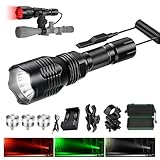
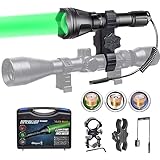
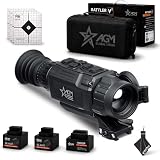
You can hunt coyotes effectively with either system, but your hunting hours and terrain dictate the right setup. Dedicated thermal optics like the AGM Rattler V2 35-384 feature a 384x288 12-micron sensor with sub-20mK sensitivity and up to 1800yd detection, allowing you to spot predator heat signatures through brush without casting any visible beam. On the other hand, a daylight rifle scope paired with an illuminated reticle and a mounted predator light works well for open pastures at night. Systems like a zoomable 350-yard red hunting light or interchangeable red, green, and white LED lights allow you to illuminate eyeshine and confirm targets while preserving your normal daytime zero.
What magnification range works best for running coyotes up close versus stationary shots past 200 yards?
A low starting magnification like 1x or 2.5x is critical for tracking fast coyotes at close range, while higher magnification helps confirm targets past 200 yards. Low power variable optics like a 1-8x24mm second focal plane scope provide a wide field of view at 1x so you do not lose sight of an incoming predator charging straight into a call. For wide-open fields or stationary shots at distance, higher magnification ranges like 2.5-20x or 3-24x on digital thermal setups provide the zoom necessary for clean shot placement. If you hunt large agricultural fields during the day, choosing a 6-24x variable optic for accurate holdovers gives you the reach needed for distant varmints.
How does an illuminated reticle help against dark coyote fur at dawn or dusk?
An illuminated reticle prevents your crosshairs from disappearing against thick cover or dark predator coats in low light. During dawn and dusk, standard black wire reticles blend directly into dark coyote fur, which can delay your trigger pull or cause an errant shot. Scopes with lighted reticles, such as an illuminated MSR BDC-8 reticle or dual red and green illuminated patterns, project a bright aiming point directly over the vital zone. This allows you to acquire the target instantly against shadows without losing your point of aim as the animal pauses.
When is an adjustable objective useful for coyote hunting?
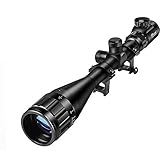
An adjustable objective is necessary when taking shots across varying distances to eliminate parallax error and keep both the reticle and the predator in crisp focus. Optics like a 6-24x50 AOE scope use an adjustable objective ring to calibrate target distance, preventing the crosshairs from shifting if your eye is slightly off-center. For tight timber stands where coyotes can appear inside 30 yards, setting up an optic with adjustable objective focus for close-range pesting keeps close targets sharp while eliminating sight alignment errors before you break the shot.
What scope mounting setup is required for a predator hunting rifle?
Your mounting setup must match the scope tube diameter, clear the rifle barrel, and handle field recoil without losing zero. A 30mm maintube requires matched 30mm rings or a dedicated cantilever mount, which is often used on flat-top tactical rifles to achieve correct eye relief. If you plan to attach an auxiliary hunting light or an 850nm infrared illuminator using a scope mount bracket, verify that your ring height provides enough clearance so attached accessories do not contact your handguard or barrel. Always confirm that your rings match your receiver rail, whether using standard 20mm Picatinny bases or narrow rimfire rails.
How do thermal sensor specifications impact long-range coyote identification?
Sensor resolution and thermal sensitivity dictate whether a distant heat signature appears as an identifiable coyote or an indistinct heat blob. Optic systems built around a 384x288 sensor resolution provide enough detail to distinguish a coyote from a non-target animal like a deer or domestic dog at practical hunting distances. Pairing that resolution with a sub-20mK thermal sensitivity rating ensures the scope registers minor temperature contrasts across cold brush and wet pasture grass, giving you a clear silhouette before you pull the trigger.

10 Top Picks: Best Youth Air Rifles for 13-Year-Olds

12 Best Rifle Scopes For 5.56 Under 150 Dollars - (2026 Top Picks)

Top 10 Rifle Scopes for Coyote Hunting in 2026

12 Best Benchrest Rifle Scopes of 2026 For Tight Groups

Top 5 Airsoft Rifles: Unleash the Action in 2026
Unveil the Best Straight Wall Deer Rifles: Top Picks for 2026

Top Ammo Choices for Air-Powered Rifles: Boost Your Performance in 2026

Best Quick Detach Scope Rings for Accurate and Convenient Shooting







