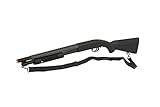
Best Semi Auto 12 Gauge Shotgun for Home Defense 2026

A best semi auto 12 gauge shotgun for home defense needs more than a rugged finish and a large capacity. Reliability, manageable recoil, simple controls, secure storage, and a comfortable fit matter far more during a stressful emergency. A shotgun that feels awkward at the shoulder or requires complicated handling can create hesitation at the worst moment. That’s the hard truth: More features don’t automatically produce better control.
Semi-automatic operation removes the need to manually cycle the action after every shot. That can reduce movement between shots and help maintain a steadier firing position, but the system brings its own tradeoffs. Some semi-auto shotguns react differently to ammunition power, lubrication, fouling, and inconsistent shoulder support. The exact defensive ammunition kept at home should function consistently during lawful range practice under qualified supervision.
Recoil management deserves serious thought because a 12-gauge shotgun can generate substantial rearward force and muzzle movement. Gas-operated systems often soften the recoil impulse, while inertia-operated designs may feel sharper but usually run cleaner. Firearm weight, stock geometry, recoil pads, stance, and ammunition selection all change how the shotgun behaves. A lightweight model may be easier to carry, yet it can also punish the shoulder and make fast recovery harder.
Stock fit affects comfort, control, and access to the safety and trigger. A stock that’s too long can catch on clothing, stretch the firing arm, and make the gun feel slow in tight spaces. A stock that’s too short may feel cramped and place the face too close to the receiver. Natural shoulder placement matters more than cosmetic styling or a long list of accessories.
Controls should feel obvious without requiring unusual hand movement. The charging handle, safety, bolt release, and loading port need to be reachable while maintaining a secure grip and safe muzzle direction. Oversized controls may help under stress, but poorly shaped extensions can snag on clothing, cases, or nearby furniture. Simple and protected controls usually make more sense than an overloaded receiver.
Capacity often receives more attention than it deserves. Extra shells add weight toward the front of the firearm and may affect balance, especially during longer practice sessions. A longer magazine tube can also make the shotgun less convenient to store in compact safes. Usable capacity should support reliable handling rather than turn the firearm into a heavy, awkward object.
Secure storage belongs at the center of the decision. Leaving a loaded shotgun unsecured can expose children, guests, or other household members to a deadly risk. A quick-access locking safe may provide a reasonable balance between responsible storage and emergency access, depending on local law and the home’s layout. Access rules, ammunition storage, and family emergency procedures should be settled before the firearm enters the house.
Home defense planning extends beyond the shotgun itself. Reinforced doors, working locks, exterior lighting, alarm systems, charged phones, and a practiced retreat plan may prevent a confrontation from developing. Calling emergency services and moving household members to a safer location should remain central parts of the plan. A firearm is a last-resort tool, not a replacement for awareness, prevention, or professional instruction.
Indoor use carries serious drawbacks. A full-size shotgun can be difficult to maneuver through narrow hallways, and its muzzle blast may cause permanent hearing damage. Projectiles can pass through interior walls and threaten people in adjoining rooms, so ammunition marketing shouldn’t replace an honest assessment of the building’s construction. Local laws governing storage, defensive force, transportation, and access must also shape the final decision.
The most sensible setup is often plain, dependable, and easy to maintain. Fancy attachments, aggressive styling, and oversized magazines won’t correct weak fundamentals or poor storage habits. Regular cleaning, lawful practice, and a realistic household safety plan matter much more than internet rankings. The right defensive shotgun is one that can be controlled responsibly, stored securely, and operated safely without confusion.
Gamo Viper Express Air Shotgun
Expectations can drift pretty quickly once the word "shotgun" appears in a product name. The Gamo Viper Express Air Shotgun often catches attention from people researching the best semi auto 12 gauge shotgun for home defense, yet it belongs in a completely different category. This is a .22 caliber air rifle that accepts either pellets or dedicated shotshells, and judging it fairly means focusing on the role it was actually built to fill instead of comparing it with a full-size defensive firearm.
Gamo Viper Express
The feature that immediately separates this model from ordinary air rifles is its ability to use shotshells with shot as well as standard pellets. That flexibility creates two distinct shooting experiences without requiring two separate airguns. Switching ammunition changes how the rifle behaves on different targets, giving casual range sessions a little more variety. It's an unusual approach, and that's exactly what makes the platform memorable.
The listed 750 ft/sec velocity provides a useful reference point, although actual performance naturally depends on the projectile being used. Pellets and shotshells behave differently, so expecting identical results from both would be unrealistic. The specification should be viewed as part of the overall design rather than a promise of identical performance with every load.
The Limited Lifetime Warranty is another welcome detail. Long-term ownership always feels more reassuring when manufacturer support is available, especially with a product that uses a less common ammunition system. Warranty coverage never replaces proper maintenance, but it certainly adds confidence for owners planning to keep the rifle for years.
Versatility That Defines The Platform
Few air rifles offer this kind of ammunition flexibility. Standard pellets provide a familiar shooting experience for careful target work, while the dedicated shotshells create a broader pattern that changes how close-range practice feels. Rather than forcing the rifle into one narrow purpose, the design leaves room for experimentation. Dual-ammunition compatibility remains the strongest reason this model stands apart from more conventional air rifles.
That flexibility does introduce practical tradeoffs. Specialized shotshells may not be as widely available as ordinary .22 pellets, depending on local retailers. Some owners may spend most of their time shooting pellets simply because they're easier to obtain. The shotshell capability stays valuable, but it works best for someone who genuinely plans to use both options.
The broader family of similar airgun designs offers useful background for readers interested in mechanical differences. A related reference appears in best 22 break barrel air rifles, where the overall platform receives additional discussion without forcing unrelated comparisons.
Changing between pellet shooting and shotshell shooting also changes expectations on the target. A pellet encourages deliberate precision, while shot spreads across a wider area at shorter distances. Neither approach is automatically better than the other because each serves a different style of recreational shooting. Matching the ammunition to the intended activity makes a noticeable difference.
Handling Characteristics In Daily Use
The .22 caliber platform offers a shooting experience that many owners describe as approachable without feeling overly limited. The rifle's handling encourages slowing down, paying attention to each shot, and developing consistent habits. That rhythm suits target practice well because every shot becomes intentional rather than rushed. Consistency becomes more important than speed.
Loading and preparing each shot naturally requires more involvement than repeating systems. Some people enjoy that mechanical interaction because it becomes part of the shooting routine instead of simply firing one round after another. Others may prefer faster cycling, so this characteristic is worth considering before purchase. The operating style rewards patience rather than rapid follow-up shots.
The published velocity gives enough energy for the rifle's intended recreational role without relying on inflated performance claims. Velocity numbers always represent only one piece of the picture because projectile weight, distance, and environmental conditions also affect results. Looking at the specification alongside the ammunition options creates a much clearer understanding of the rifle's capabilities.
Balance also deserves recognition. A rifle that feels comfortable during a few shots can become tiring if the weight distribution feels awkward over a longer session. The Viper Express maintains a straightforward layout that keeps handling uncomplicated. Simple ergonomics often contribute more to enjoyable practice than adding unnecessary accessories.
Strengths And Honest Limitations
The strongest quality of this model is its distinctive identity. Plenty of air rifles shoot pellets, but far fewer combine pellet capability with dedicated shotshell ammunition. That unique approach gives owners another option without adding excessive complexity. Versatility is built directly into the platform instead of relying on aftermarket modifications.
The warranty also strengthens the ownership experience. Products designed around specialized ammunition naturally raise questions about longevity and long-term support. Knowing that warranty protection exists can make ownership feel more comfortable, even though routine care remains essential. Proper cleaning and storage still play the biggest role in dependable operation.
At the same time, this product should never be confused with a semi-automatic 12-gauge shotgun. The product name includes the word "shotgun," but it remains an air rifle chambered in .22 caliber using pellets or dedicated shotshells. Anyone searching specifically for the best semi auto 12 gauge shotgun for home defense should recognize that these are fundamentally different categories with different operating systems and intended purposes.
The specialized ammunition system may also influence long-term convenience. Standard pellets are generally easier to source than dedicated shotshells, so usage patterns may naturally shift toward pellet shooting over time. That isn't a flaw, but it is a realistic tradeoff worth considering before making a purchase decision. Understanding the intended role helps this rifle make far more sense than expecting it to replace something it was never designed to be.
Powerful M3 Pump Action Airsoft Shotgun
A product name can create the wrong expectation before the first BB ever leaves the barrel. The Powerful M3 Pump Action Airsoft Shotgun may surface beside searches for the best semi auto 12 gauge shotgun for home defense, but the two categories have almost nothing in common beyond their general shape. This model is a pump-action airsoft gun designed for recreational play, with a triple-BB firing system, a retractable stock, and a 30-round shell-style magazine. Judged on those terms, it offers a practical mix of capacity, adjustable handling, and close-to-medium-range game utility.
Powerful M3 Airsoft Shotgun
The M3’s defining feature is its ability to fire up to three BBs per pump. That spread gives each trigger pull a broader impact area than a typical single-BB airsoft gun, which can be helpful during fast indoor matches or short-range field encounters. It also changes the aiming experience because the emphasis shifts slightly from placing one BB with precision to managing a small cluster. That feels more shotgun-like in play, though it still remains firmly within the airsoft category.
The listed velocity reaches up to 330 FPS, placing the M3 in a range that suits many common airsoft environments, subject to local field rules. Velocity alone doesn’t guarantee reach or consistency because BB weight, wind, and hop-up behavior also affect flight. The fixed hop-up keeps operation simple, but it removes the ability to fine-tune trajectory for different BB weights. That’s a fair trade for someone who values straightforward setup over constant adjustment.
A reinforced barrel adds structural reassurance to a design that relies on repeated pump action. Pumping places regular mechanical stress on the front assembly, so a sturdier barrel area makes practical sense. The benefit isn’t flashy, but it supports the kind of repetitive use expected during long matches. Mechanical simplicity and a solid front end often matter more than cosmetic extras once a game gets moving.
Triple-Burst Performance On The Field
The triple-burst pump action gives this shotgun its most recognizable personality. Each pump chambers a shot cycle that sends multiple BBs downrange, creating a wider pattern than a single-shot replica. That can help during quick corner engagements where movement happens faster than careful sight alignment. The three-BB spread adds forgiveness, but it also consumes ammunition quickly.
That faster ammunition use becomes obvious with the included 30-round shell magazine. At three BBs per shot, the theoretical shot count drops much faster than the capacity number first suggests. A player who fires conservatively can stretch a shell through several encounters, while someone who keeps pumping under pressure may empty it in a hurry. Reload planning matters more here than it would with a single-BB design.
The spread pattern also comes with limits. Multiple BBs may improve hit probability at shorter distances, yet the pattern can open up as range increases, reducing consistency against smaller targets. The fixed hop-up helps maintain a predictable baseline, but it can’t be adjusted to compensate for every BB weight or weather condition. Close-range effectiveness is the M3’s stronger lane, while long-range precision isn’t its main strength.
Rapid follow-up shots still require deliberate pumping. The action isn’t semi-automatic, despite the product occasionally appearing near searches centered on semi-auto shotguns. A smooth pump rhythm can feel satisfying and dependable, but short-stroking the action may interrupt the firing cycle. Consistent operation depends on completing each pump with enough force and travel.
Retractable Stock And Overall Handling
The retractable stock gives the M3 more flexibility than a fixed-length airsoft shotgun. Shortening the stock can make the replica easier to maneuver in tight indoor layouts, while extending it creates a more stable shoulder position in open areas. That adjustability helps the platform adapt to different body sizes and playing styles. Length-of-pull control is one of the most useful practical features in the package.
A listed weight of 6 pounds gives the shotgun enough mass to feel substantial without becoming unmanageable for most full-length sessions. Weight can steady the muzzle during aiming, but it also becomes more noticeable as a match stretches on. Carrying the replica at the ready for long periods may tire the arms, especially with the stock extended. A sling could reduce fatigue, though no sling is included in the provided details.
The pump-action layout naturally puts the support hand in charge of both control and cycling. That arrangement feels intuitive after a little practice, but the repeated forward-and-back motion demands a secure grip. Gloves may improve comfort during extended use, particularly if the pump surface is firm or textured. Hand placement and a full pumping stroke will matter more than raw speed.
The retractable stock also changes balance slightly as it moves in or out. A shorter setup feels more compact, though it may reduce the sense of stability at the shoulder. A longer setting spreads the gun across the body and can make controlled aiming easier. The best position depends less on appearance and more on comfort, control, and field layout.
Magazine Capacity And Reload Rhythm
The shell-style magazine gives the M3 a familiar airsoft shotgun feel while holding up to 30 rounds. That capacity sounds generous at first, yet the three-BB firing system means the shell can be depleted in roughly ten complete shots if every trigger pull releases three BBs. The design rewards measured shooting instead of frantic pumping. That limitation isn’t necessarily bad because it adds a tactical reload rhythm to gameplay.
Shell magazines also create a different storage routine from standard box magazines. Extra shells are compact and easy to organize, but losing one in grass or under field structures can be frustrating. Carrying spares in a secure pouch keeps reloads cleaner and reduces fumbling. Shell management becomes part of the experience, and some players will enjoy that added realism more than others.
The 30-round capacity works best when paired with awareness. Firing into uncertain angles burns through ammunition without gaining much, while waiting for a clear target preserves the shell. That makes the M3 feel less like a spray-and-pray platform and more like a deliberate close-range tool. Ammo discipline becomes an advantage rather than a chore once the firing pattern is understood.
Reload speed depends heavily on how spare shells are carried. A loose pocket may work casually, but structured storage keeps the shell oriented correctly and easier to grab. The provided details don’t mention a shell holder, so that accessory would need to be considered separately. The basic shotgun remains usable without one, but frequent reloads may feel slower during fast matches.
Fixed Hop-Up And Accuracy Tradeoffs
The fixed hop-up system is built around convenience. There’s no adjustment dial to knock out of place, no extra tuning step, and no temptation to overcomplicate setup before a game. That simplicity suits a recreational shotgun where close-range spread matters more than fine long-range calibration. Set-it-and-use-it operation keeps the learning curve manageable.
The downside is equally clear. Different BB weights can behave differently, and a fixed hop-up can’t be tuned to match every option. Lighter BBs may rise more, while heavier BBs may drop sooner, depending on how the factory hop is configured. The M3 may therefore reward sticking with one BB weight that produces predictable results.
Accuracy claims should also be understood within the limits of a three-BB system. A wider pattern increases the chance of contact at modest distances, but it won’t place every BB in the same tiny group. The phrase pinpoint accuracy is too strong for this type of firing design, especially as range increases. The more realistic strength is usable consistency within the distances where an airsoft shotgun makes sense.
Aiming style changes with the spread as well. The front of the shotgun needs to be aligned well enough to center the cluster, yet the pattern offers a little tolerance compared with a single projectile. That balance can feel forgiving without eliminating the need for good technique. Controlled pointing, steady shoulders, and a complete pump cycle still shape every shot.
Clear Limits And Best-Fit Scenarios
The largest limitation is the mismatch between the product and the main search phrase. This airsoft model is not semi-automatic, not 12 gauge, and not intended for home defense. It fires plastic BBs for recreational play and should be stored, transported, and used according to airsoft safety rules. Calling it the best semi auto 12 gauge shotgun for home defense would be factually inaccurate.
The M3 makes far more sense in structured airsoft games, especially where close-range maneuvering and quick target transitions matter. Indoor arenas, short lanes, and dense field layouts play to the strengths of its adjustable stock and multi-BB pattern. Open fields with long sightlines may expose the limitations of fixed hop-up and spread. Field type has a major effect on how useful this shotgun feels.
Eye and face protection remain essential because 330 FPS projectiles can cause serious injury. Field velocity limits, minimum engagement distances, and approved protective equipment vary, so those rules need to be followed every time. The shotgun should never be aimed at anyone outside a controlled airsoft setting. Safe handling matters even though the platform is recreational.
The provided internal reference covers a completely different accessory category, so it belongs only as a neutral side note rather than part of the M3’s performance discussion. Separate equipment research sometimes includes topics such as laser sights for sig p365, but that subject doesn’t alter the role, fit, or limitations of this pump-action airsoft shotgun. The M3 stands on its own as a six-pound, triple-BB recreational replica with a retractable stock and a fast-moving, close-range style.
Metal Barrel Pump Action Airsoft Shotgun
A sturdy replica can feel convincing in the hands without belonging anywhere near the same category as a defensive firearm. The Metal Barrel Pump Action Airsoft Shotgun may appear beside searches for the best semi auto 12 gauge shotgun for home defense, yet its actual purpose is recreational airsoft play and controlled target practice. It fires one plastic BB per pump, uses a spring-powered action, and produces a listed muzzle velocity of 300 to 330 FPS with 0.12g BBs. That distinction isn’t a footnote; it shapes every strength, drawback, and realistic expectation attached to this model.
Metal Barrel Airsoft Shotgun
The first thing that separates this model from lighter replicas is the metal barrel construction. Extra weight can make the platform feel steadier during deliberate aiming, and it gives the front end a more substantial character than thin plastic barrels often provide. That solid feel may appeal during casual skirmishes where handling matters almost as much as appearance. Still, added heft can tire the support arm during a long session, especially if the shotgun stays shouldered between rounds.
The operating system is straightforward: pump, aim, and fire a single BB. There’s no battery to charge, no gas reservoir to monitor, and no electronic trigger system to troubleshoot. That spring-powered simplicity keeps preparation uncomplicated and reduces dependence on extra equipment. The flip side is obvious, though, because every shot demands a full manual pump before the trigger is ready again.
The listed velocity of 300 to 330 FPS applies specifically to 0.12g BBs. Heavier ammunition will generally behave differently, so the number shouldn’t be treated as a fixed result with every projectile. Field rules also vary, and some locations may restrict very light BBs because their flight can become less stable. The useful takeaway is modest recreational power, not a promise of long-range dominance.
Forward and rear sights are built into the shotgun, giving the shooter a defined reference instead of relying entirely on instinctive pointing. That setup supports more careful alignment during short target sessions and slower-paced outdoor games. The sights won’t transform a basic spring gun into a precision platform, but they do add structure to the aiming process. Simple sighting hardware suits the gun’s mechanical, no-fuss personality.
Pump Action Feel And Firing Rhythm
The pump action creates a deliberate cadence that many airsoft players either enjoy or reject almost immediately. Pulling the fore-end through its full cycle compresses the internal spring and prepares one BB for the next shot. That physical sequence adds involvement and can make each trigger pull feel more intentional. It also means the shotgun isn’t semi-automatic, despite the surrounding keyword centered on a semi auto 12 gauge shotgun.
A full pump stroke matters. Stopping short or rushing the movement can interrupt the firing cycle, which becomes frustrating in the middle of a quick exchange. The action rewards smooth, consistent motion rather than brute force or frantic speed. Reliable cycling depends as much on technique as it does on the gun’s internal design.
Single-shot operation conserves ammunition compared with multi-BB airsoft shotguns. One pump produces one shot, so a player can keep track of usage without watching three projectiles disappear every time the trigger is pulled. That efficiency suits casual backyard targets where legal and safe, or field roles that favor careful placement. The tradeoff is lower hit probability during fast close-range movement because there’s no spread pattern to cover small aiming errors.
The firing pace naturally slows under pressure. A missed shot requires another complete pump before a second attempt, and that delay can feel substantial beside electric or gas-powered replicas. Some players will enjoy the discipline because it forces better timing and positioning. Others may feel under-equipped during fast matches, which makes play style compatibility one of the biggest buying considerations.
Pistol Grip Control In Tight Spaces
The tactical pistol grip changes how the shotgun feels through the wrist and palm. It creates a more vertical hand position than a traditional stock grip, which can improve leverage while moving the pump or transitioning between targets. That layout also gives the firing hand a clear control point during short indoor games. Grip security is a genuine strength, especially when quick directional changes matter.
A pistol grip isn’t automatically comfortable for every hand size. A grip that feels secure during a few test movements may create wrist fatigue after an hour of repeated pumping and aiming. Texture, grip angle, and trigger reach all influence comfort, yet those details weren’t included in the supplied description. Realistic expectations matter because control and comfort aren’t always the same thing.
The compact rear profile can make the shotgun easier to maneuver around field barriers and narrow doorways. Less material behind the receiver reduces the chance of bumping a long stock against nearby structures. That advantage suits close-range airsoft layouts, but it may reduce shoulder stability if the model lacks a full shoulder stock. A compact grip favors maneuverability, while a stocked design usually gives more support for deliberate aiming.
Recoil isn’t comparable to a firearm, yet the spring mechanism can still create a small internal jolt and vibration. The pistol grip helps keep the replica aligned during that movement, but a relaxed, consistent hold usually matters more than squeezing hard. Excessive tension can make aiming feel jerky and tiring. Balanced hand pressure keeps the pump cycle and trigger movement smoother.
Metal Barrel Strengths And Tradeoffs
The metal barrel gives the shotgun a weighty, durable impression. It can also shift the balance forward, helping the muzzle settle during a measured shot rather than wandering around. That steadiness may improve confidence with the embedded sights. At the same time, front-heavy balance can become a nuisance during long games that involve constant ready positions.
Metal also changes the ownership routine. Scratches, moisture, and storage conditions deserve more attention than they might with an all-plastic outer barrel. Wiping the exterior after use and keeping the shotgun dry can help preserve its appearance and reduce surface wear. The construction feels sturdy, but basic maintenance still belongs in the deal.
The phrase “durably constructed” should be understood carefully. A metal barrel doesn’t mean every internal component is metal, nor does it guarantee that rough handling won’t cause damage. Spring airsoft guns still contain parts that can wear if the pump is forced, slammed, or cycled improperly. The barrel is a clear strength, but it shouldn’t be mistaken for proof that the entire replica is indestructible.
Weight creates a surprisingly personal tradeoff. Some people prefer a replica that feels substantial because it steadies movement and reduces the toy-like sensation. Others would rather carry something lighter through a full afternoon of play. Solid construction helps the gun feel planted, while lighter alternatives may be easier on the arms and quicker during repeated transitions.
Sight Picture And Practical Accuracy
Embedded front and rear sights provide a simple sight picture without adding a separate optic. That keeps the top of the shotgun uncluttered and maintains the straightforward character of the design. At short distances, the sights can help center the BB path more consistently than pure instinctive aiming. Built-in alignment points are especially useful for paper targets and slower field moments.
Accuracy still depends on more than sights. BB weight, barrel cleanliness, wind, hop behavior, and pump consistency all influence where the projectile lands. The supplied description doesn’t mention adjustable hop-up, so trajectory tuning may be limited or fixed. That means the gun may prefer a narrow range of ammunition choices rather than responding equally well to everything.
The stated 300 to 330 FPS range sounds adequate for short and moderate airsoft distances, but it shouldn’t be confused with firearm performance. Plastic BBs lose energy quickly, and light 0.12g ammunition can be affected by air movement. Expectations should stay grounded around recreational accuracy, not precision rifle behavior. The embedded sights support consistency, yet they can’t cancel the physical limits of lightweight projectiles.
Optic-related equipment belongs to a separate category from this basic spring shotgun. From a practical angle, a related reference is scopes for sks rifle, though that subject concerns firearm optics rather than the built-in sights or intended role of this airsoft model. Keeping those categories separate prevents a simple recreational replica from being judged by standards it was never designed to meet.
Pros That Matter During Recreational Use
Mechanical simplicity is the clearest advantage. A spring-powered pump action doesn’t need batteries, chargers, gas canisters, or electronic settings. That makes spontaneous target sessions easier to organize because there’s less equipment to prepare beforehand. It also reduces the number of external systems that can interrupt a day of play.
The single-shot format encourages ammunition discipline. Instead of emptying a magazine through rapid fire, the shooter has to make each shot count before pumping again. That can sharpen timing and reward patience during casual practice. It won’t suit every match, but it gives the shotgun a clear, methodical character.
The pistol grip adds useful leverage. It can make the replica feel easier to point in confined airsoft layouts, and it provides a steady hand position during pumping. Paired with the metal barrel, the grip helps the gun feel less flimsy than lightweight entry-level replicas. Control and substance are the two benefits most likely to be noticed immediately.
The built-in sights are another sensible addition. They don’t require mounting hardware, batteries, or zeroing procedures beyond learning how the BBs behave. That saves money and keeps setup simple. For modest recreational distances, integrated sighting is often more practical than covering a basic spring gun with accessories.
Cons That Can Limit The Experience
The biggest weakness is speed. Every trigger pull requires another pump, so the shotgun falls behind electric and gas-powered replicas during rapid engagements. A player caught in the open may not have enough time to cycle the action before the next exchange. Slow follow-up shots are part of the design, not a minor inconvenience.
The single-BB system also lacks the spread that some people expect from an airsoft shotgun. One projectile can be more economical and predictable, but it removes the forgiving cluster created by triple-shot models. Missed alignment means a clean miss rather than a nearby BB making contact. That makes the shotgun less forgiving during hurried close-range play.
The stated velocity relies on 0.12g BBs, which are very light. Those BBs may travel quickly, but they can lose stability and drift more easily than heavier options. Using heavier ammunition could improve consistency in some situations, though it would likely reduce velocity. The supplied details don’t provide results with other BB weights, so performance beyond the listed specification remains uncertain.
The product also has no legitimate relationship to home-defense firearm use. It isn’t a 12-gauge shotgun, it isn’t semi-automatic, and plastic BBs don’t turn it into a defensive tool. Its place is controlled airsoft recreation with proper eye protection and lawful use. Category clarity is essential because the keyword and the actual product describe entirely different equipment.
Safe Use And Realistic Best-Fit Scenarios
Protective equipment isn’t optional. A BB traveling at the listed speed can cause serious eye injury, so field-rated eye protection and any required face protection belong in every session. The shotgun should only be aimed at approved targets or participants wearing proper gear in a controlled setting. Safe airsoft handling matters even though the gun is spring powered.
The design fits slower recreational games, casual target shooting, and airsoft scenarios where careful movement matters more than sustained fire. Its metal barrel, pistol grip, and embedded sights create a solid foundation for that style. High-speed competitive play may expose the limitations quickly. A basic pump gun has charm, but it won’t imitate the output of an electric rifle.
Storage deserves care too. Airsoft replicas can look realistic from a distance, so carrying one openly may create alarm or lead to dangerous misunderstandings. Transporting it in a closed case and following local laws reduces that risk. The bright safety marking, if present, should never be removed or covered.
This shotgun makes the most sense as a straightforward, manually operated replica that trades firing speed for simplicity. The metal barrel, pistol grip, and built-in sights support controlled recreational use without pretending to offer more than the supplied specifications justify. Its weaknesses are equally clear: one BB per shot, manual cycling, light-ammunition velocity claims, and no connection to genuine home-defense performance.
Umarex T4E HDS .68 Caliber CO2 Shotgun
A product labeled for home defense can sound reassuring before its limits are examined closely. The Umarex T4E HDS .68 Caliber CO2 Shotgun may appear in searches for the best semi auto 12 gauge shotgun for home defense, but it is neither a 12-gauge firearm nor a semi-automatic shotgun. It is a factory-produced .68 caliber CO2 platform rated at 16 joules and listed at more than 325 FPS. That makes category clarity essential, especially because defensive situations carry serious legal, medical, and safety consequences.
Umarex T4E HDS .68 CO2 Shotgun
The factory-produced 16-joule configuration is one of the clearest strengths in the supplied specifications. It avoids the uncertainty that can come with aftermarket power modifications, and the factory warranty adds a more dependable ownership framework. A production version also gives the buyer a defined baseline instead of relying on altered internal components. Still, factory status doesn’t automatically establish suitability for defensive use under local law.
The HDS uses a 12-gram CO2 cartridge to power the system. CO2 operation eliminates manual spring compression between shots and can make the handling cycle feel less laborious than a basic break-barrel airgun. Temperature, cartridge condition, and seal health can influence CO2 performance, though, so consistency may change across different environments. Cold storage conditions are especially worth considering because compressed gas systems don’t always behave identically as temperatures fall.
The listed muzzle velocity of 325-plus FPS provides a straightforward performance reference. Velocity by itself doesn’t explain the full impact of a .68 caliber projectile because projectile material and mass also matter. A heavier projectile traveling at the same speed behaves differently from a lighter one. The 16-joule rating therefore provides useful context alongside the velocity figure.
The factory warranty is another practical advantage. A gas-powered launcher depends on valves, seals, and pressure-holding components, so manufacturer support can matter over time. Proper storage and maintenance remain necessary because a warranty can’t prevent seal wear or damage caused by incorrect handling. Factory backing helps, but sensible care still carries most of the day-to-day burden.
Power Level And Realistic Expectations
The 16-joule output places this model well above low-powered recreational launchers, yet it remains fundamentally different from a conventional firearm. It doesn’t deliver 12-gauge ballistic performance, and its legal classification may vary sharply by jurisdiction. That gap matters because the keyword best semi auto 12 gauge shotgun for home defense describes a completely different category of equipment. Treating the two as interchangeable would create a misleading impression of capability.
The supplied details state compatibility with several types of .68 caliber projectiles. That flexibility may appeal from a platform-design standpoint, but projectile choice carries substantial legal and safety implications. Steel, pepper-filled, rubber, nylon, and shaped projectiles can create very different injury risks and may be restricted in some locations. The safest review position is simple: Compatibility does not equal legal permission or appropriate defensive use.
Higher power can also magnify handling mistakes. A launcher that appears less intimidating than a firearm can still cause severe injury, permanent eye damage, or death depending on projectile type and impact location. Protective equipment remains essential during lawful training or target use. Serious injury potential should never be minimized because the device operates on CO2.
Indoor use introduces another layer of risk. Hard projectiles can ricochet from tile, metal, glass, concrete, or other rigid surfaces, while irritant-filled rounds can affect everyone in an enclosed room. Household members, pets, and nearby neighbors may face unintended exposure. The platform’s power may seem manageable on paper, but environmental hazards can quickly complicate any real-world situation.
CO2 Operation Pros And Cons
The biggest operational benefit is reduced manual effort between shots. A fresh cartridge supplies the stored pressure, allowing the platform to function without repeatedly compressing a spring. That can make the system easier to handle during controlled practice. Gas-powered operation also gives the HDS a distinct feel compared with traditional single-shot airguns.
CO2 dependence is also a weakness. A cartridge can lose pressure over time, seals may deteriorate, and performance may drop in colder conditions. A device stored for an emergency must be maintained according to the manufacturer’s instructions, yet prolonged pressurization may not always be recommended. That creates a practical tension between storage readiness and seal longevity.
Replacement cartridges add an ongoing supply requirement. A firearm’s ammunition presents its own storage issues, but a CO2 system also depends on cartridge integrity and proper installation. Running out of gas leaves the launcher unusable regardless of how many projectiles remain nearby. Consumable dependence is therefore a real limitation rather than a minor inconvenience.
Gas systems can also develop leaks that aren’t immediately obvious. A slow pressure loss may reduce velocity or prevent proper function after storage. Regular inspection can help identify problems, but the provided specifications don’t describe a built-in pressure indicator. That means readiness can be harder to verify than the external appearance suggests.
Projectile Compatibility And Safety Tradeoffs
The ability to accept multiple .68 caliber projectile types gives the HDS broad mechanical flexibility. Steel, rubber, nylon, pepper-filled, and shaped rounds differ in hardness, weight, deformation, and intended application. Those differences affect trajectory, ricochet behavior, injury risk, and legality. Broad compatibility is technically useful, but it places more responsibility on the owner.
Steel projectiles deserve particular caution because hard spherical rounds can ricochet and may penetrate materials that softer projectiles would not. Using them against unsuitable backstops can create a hazard far beyond the intended target area. Their presence in a compatibility list shouldn’t be interpreted as a recommendation for defensive use. Projectile hardness changes the risk profile dramatically.
Pepper-filled rounds also carry complications. Irritant clouds can spread through ventilation systems, linger in enclosed spaces, and affect people who weren’t part of the confrontation. Medical conditions may increase the danger of exposure, and local rules can restrict possession or use. The product may accept those rounds mechanically, but legal and medical consequences remain separate questions.
Rubber and nylon projectiles are sometimes described as less lethal, yet that wording can create false confidence. Impact injuries can still be severe, especially at close range or around the head, neck, chest, and eyes. No projectile should be treated as harmless. Reduced lethality is not zero lethality, and responsible handling must reflect that fact.
Handling Benefits And Practical Drawbacks
The shotgun-style format can provide two-handed control and a familiar shoulder-level orientation. A larger frame may feel steadier than a compact pistol-shaped launcher, particularly during deliberate target practice. That added control can reduce wandering at the muzzle. Stable handling is one of the more practical benefits of the design.
Size creates its own downside. A longer platform can be awkward in narrow hallways, around furniture, or inside vehicles. It also requires more storage space than a compact launcher, especially if locked storage is part of a responsible setup. Maneuverability and secure storage often pull in opposite directions.
The HDS also appears more realistic than many casual airguns. That visual resemblance can create dangerous misunderstandings during transport, public exposure, or interactions with law enforcement. A closed case and strict compliance with local rules are essential. Replica appearance increases the need for cautious handling outside private property.
Weight and balance details weren’t included in the supplied specifications, so comfort can’t be judged precisely. A shotgun-style body may distribute weight well, but individual fit still depends on grip shape, reach, and shoulder position. Without those measurements, claims about long-session comfort would be guesswork. The honest assessment stops at the provided facts.
Pros That Carry Real Value
Factory 16-joule production is a meaningful advantage because it avoids reliance on unknown aftermarket alterations. The listed factory warranty further supports that benefit by tying the product to original manufacturer coverage. Buyers concerned about modification quality may appreciate the clearer provenance. That strength is specific and practical rather than cosmetic.
The 325-plus FPS rating gives the platform a defined performance range. Combined with the .68 caliber format, it distinguishes the HDS from low-energy plinking devices. The figure also helps set realistic expectations without inventing field-test claims. Still, velocity should always be interpreted alongside projectile weight and local legal limits.
Multi-projectile compatibility makes the platform adaptable for lawful training formats and approved target applications. A relevant airgun reference appears in bb air rifles, though that category differs in caliber, power system, and intended use from this .68 caliber CO2 launcher. Keeping those distinctions clear prevents broad airgun labels from hiding important mechanical differences.
The two-handed shotgun layout may also provide a steadier aiming platform than smaller CO2 devices. More contact points can improve control during supervised practice. That doesn’t make the HDS equivalent to a firearm, but it does give the design a practical handling advantage. Controlled ergonomics fit its strongest use cases better than exaggerated defensive claims.
Cons That Limit Defensive Appeal
The largest drawback is the mismatch between the product and the keyword. The HDS is not semi-automatic in the same sense as a firearm, it is not chambered in 12 gauge, and it cannot be evaluated as a direct substitute for a conventional defensive shotgun. Its energy, operation, ammunition, and legal treatment are different. Category mismatch is the central limitation of this review.
CO2 reliability can also be affected by storage and temperature. A cartridge that performs normally in a warm environment may behave differently in a cold garage or vehicle. Seal condition adds another variable that may not be visible from the outside. For emergency readiness, uncertain pressure retention is a serious practical concern.
Projectile flexibility can become a liability rather than an advantage. Hard or irritant projectiles may expose the owner to greater legal risk, accidental injury, or unintended harm to others. The platform’s ability to fire a particular round says nothing about whether doing so is lawful or responsible. Legal ambiguity can outweigh mechanical capability.
The term “home defense” can also create expectations the product may not meet. A determined attacker may not respond predictably to impact or irritant projectiles, and relying on intimidation alone is dangerous. Emergency planning should prioritize secure rooms, locks, alarms, communication, and lawful professional guidance. The HDS shouldn’t be treated as a shortcut around broader household safety planning.
Storage, Training, And Legal Responsibility
Secure storage belongs at the center of ownership. A realistic-looking CO2 launcher should remain inaccessible to children, visitors, and unauthorized household members. Locked storage also reduces the chance of accidental discharge or misuse. Controlled access matters regardless of whether local law classifies the device as a firearm.
Training should focus on safe handling, muzzle awareness, backstop selection, and the manufacturer’s operating instructions. It should not assume that a launcher is harmless because it uses CO2. Eye protection and a controlled environment remain basic requirements during lawful practice. Airgun safety rules need the same seriousness applied to any device capable of causing grave injury.
Local law may regulate projectile type, public carry, transportation, defensive use, and CO2-powered weapons differently. Rules can vary between cities, states, and countries, so broad internet advice isn’t enough. Official government sources or a qualified local attorney provide a more reliable legal foundation. Jurisdiction-specific rules may determine whether ownership or intended use is permitted at all.
The HDS makes the most sense as a specialized .68 caliber CO2 platform judged on its factory power level, warranty, handling format, and projectile compatibility. Its strengths are tangible, but so are its limits: gas dependence, uncertain cold-weather consistency, serious projectile risks, and no direct equivalence to a 12-gauge firearm. Those tradeoffs deserve more weight than the defensive language attached to the product name.
Full Metal Pump Action Airsoft Shotgun
Realistic weight can make an airsoft replica feel convincing, but that heft also changes how it behaves after an hour of carrying and repeated pumping. The Full Metal Pump Action Airsoft Shotgun may appear beside searches for the best semi auto 12 gauge shotgun for home defense, yet it belongs to an entirely different category. This is a single-shot spring airsoft gun rated at 300 to 340 FPS with 0.20g BBs, built around manual operation rather than firearm-level power or semi-automatic cycling. Its value lies in recreational handling, deliberate shot placement, and a sturdy presentation that feels less toy-like than many lightweight alternatives.
Full Metal Airsoft Shotgun
The full metal and steel barrel construction is the first feature likely to shape the experience. More weight toward the front can steady the muzzle during careful aiming, which may help the embedded sight picture feel less twitchy. That same forward balance creates a more convincing presence than hollow plastic outer barrels. Still, a heavier front end can wear on the support arm during longer matches, so the realistic feel comes with a physical cost.
The operation is refreshingly simple. Each shot requires a complete pump cycle, compressing the spring and preparing one BB for the next trigger pull. There’s no battery pack, gas cartridge, charger, or electronic firing system to manage. Mechanical simplicity makes the shotgun easy to prepare, though it also means follow-up shots depend entirely on how quickly and cleanly the pump is worked.
The listed 300 to 340 FPS velocity is measured with 0.20g BBs, which gives the specification more useful context than a number based only on ultra-light ammunition. A 0.20g BB is common enough for recreational airsoft, and the stated range suggests a balance between manageable speed and practical field use. Actual flight still depends on wind, barrel condition, BB consistency, and whatever hop-up arrangement the gun uses. Those details weren’t supplied, so claims beyond the stated velocity would be guesswork.
The comfortable-length stock and textured gripping surfaces make sense on a manually cycled platform. A firm rear contact point helps stabilize the replica while the support hand works the pump. The grooved handguard should also offer a more dependable hold when gloves are worn or hands become sweaty. Those ergonomic details aren’t flashy, but they directly influence control during repeated use.
Pump Action Rhythm And Shot Discipline
The pump mechanism is meant to mimic the sequence of a traditional pump shotgun, and that gives the replica a slower, more deliberate personality. One full stroke prepares one BB, so every miss carries a brief penalty before another shot is available. That pace can be frustrating during fast games, but it also encourages careful timing and less wasteful shooting. Single-shot operation rewards patience rather than volume.
A complete pump stroke matters more than brute force. Short-stroking the handguard may interrupt the loading cycle, while slamming it unnecessarily can add wear without improving performance. Smooth movement tends to be the better habit, especially during long sessions where fatigue starts creeping in. The gun’s consistency depends partly on the shooter maintaining a repeatable rhythm.
The realistic action also makes the replica more engaging during casual target practice. Pumping before each shot creates a mechanical routine that feels more involved than pulling the trigger repeatedly on an electric rifle. Some people enjoy that ritual because it turns every shot into a small process. Others may quickly tire of the slower pace, which makes operating preference one of the biggest deciding factors.
The shotgun is not semi-automatic, despite its proximity to a keyword centered on semi-auto firearms. It also doesn’t fire 12-gauge ammunition and should never be treated as a home-defense substitute. Clear category boundaries matter because an airsoft replica and a defensive firearm differ in power, construction, legal status, and intended use. The honest role here is recreational airsoft, full stop.
Handling With Stock And Grooved Handguard
The stock provides a stable shoulder reference and helps distribute the replica’s weight across more than one contact point. That makes the front-heavy metal barrel easier to manage than it would be with only a pistol grip. A comfortable length can also reduce the feeling of being cramped while aiming. Shoulder support is especially useful during slow, deliberate shots.
The textured grip and grooved handguard add practical control. Gloves can sometimes slide across smooth plastic, especially in warm weather or during longer outdoor games. Grooves give the support hand more purchase while cycling the action, reducing the chance of an incomplete pump. Grip security becomes a real benefit once movement, sweat, and repeated handling enter the picture.
Comfort still depends on hand size and arm length. A stock described as comfortable may fit one person naturally and feel awkward to another. The supplied details don’t include stock measurements, trigger reach, or total length, so exact fit can’t be judged from specifications alone. That uncertainty is worth acknowledging because ergonomics can make or break a manually operated airsoft gun.
Weight distribution may also influence movement through tight spaces. A solid front end feels planted during aiming but can be slower to redirect from one side to another. Indoor fields with sharp corners may expose that tradeoff more than open outdoor layouts. Stability and agility pull in opposite directions here, and the metal barrel favors the former.
Velocity, Accuracy, And Range Expectations
The stated velocity range of 300 to 340 FPS with 0.20g BBs suggests practical recreational performance. That speed can support short and moderate engagement distances, provided local field rules permit it. The number shouldn’t be treated as a guarantee of long-range precision because BBs lose energy quickly and react to wind. Usable velocity matters, but it doesn’t erase the limitations of lightweight spherical ammunition.
Single-shot firing can support better accuracy than a multi-BB spread because every trigger pull sends one projectile along the barrel. That gives the shooter a clearer relationship between sight alignment and impact point. The tradeoff is less forgiveness during hurried shots, since there’s no cluster of BBs to cover minor aiming errors. Precision depends more heavily on alignment with this design.
The product description calls out great distance and accuracy, but those claims need realistic framing. Barrel quality, hop consistency, BB weight, and environmental conditions all shape the final result. Without adjustable hop-up details or measured grouping information, it would be misleading to promise pinpoint performance. The stronger, safer claim is that the setup supports deliberate aiming better than random point shooting.
A heavier BB could behave differently, though no alternate velocity figures were provided. Increased BB mass may reduce speed while improving stability in some conditions, but that balance varies by gun. Sticking close to the stated 0.20g specification keeps expectations aligned with the supplied information. Ammunition consistency will likely matter more than chasing a slightly higher advertised velocity.
Carry Options And Sling Mounting Points
Front and rear sling mounting points are genuinely useful on a six-foot-long game day where carrying fatigue builds gradually. A two-point sling can spread the shotgun’s weight across the body and free the hands between rounds. That matters more with a metal-barreled replica than with a featherweight plastic model. Carry comfort is one of the quieter strengths in the design.
Sling support also helps with transitions during movement. The shotgun can hang closer to the body instead of being held constantly at chest level. That reduces arm strain and lowers the chance of dropping the replica while adjusting gear. The supplied description doesn’t include a sling, though, so that accessory would likely need to be sourced separately.
Sling placement can affect balance. A poorly adjusted two-point sling may pull the muzzle downward or interfere with the pump hand. Proper length and routing keep the sling from crossing the handguard or catching during operation. Useful mounting points still require thoughtful setup to avoid becoming another source of friction.
The metal barrel increases the value of those mounting points because the weight becomes more noticeable over time. Carrying the shotgun by hand for a few minutes may feel manageable, while holding it through several game rounds can become tiring. A sling doesn’t change the replica’s performance, but it can improve how comfortably the platform fits into a full day of play. That practical benefit often matters more than another cosmetic accessory.
Magazine Use And Reload Planning
The product details mention a compatible spare magazine identified by model number B0B6KHVRGN. Spare magazines can reduce downtime between rounds and make the shotgun easier to keep in rotation during longer sessions. The exact capacity wasn’t supplied, so it would be inappropriate to invent a shot count. Magazine availability is still a useful ownership advantage because it gives the platform a clearer replacement path.
Single-shot firing generally stretches ammunition farther than triple-shot airsoft shotguns. Each trigger pull consumes one BB instead of several, so reload intervals may feel less frequent depending on magazine capacity. That efficiency suits slower games and casual practice. Players accustomed to electric rifles may still feel the reload process is old-fashioned, but that mechanical pace is part of the design.
Spare magazines also reduce the temptation to rush refilling during active play. Swapping a prepared magazine is cleaner than pouring loose BBs into a loading area while moving around a field. The benefit depends on how the magazine system is accessed and retained, details that weren’t provided. Even so, having a compatible spare option makes long-term use more practical.
Magazine care matters on spring-powered platforms because dirt, damaged feed lips, or inconsistent loading can interrupt operation. Keeping spares protected in a pouch reduces contamination from dust and grass. A metal barrel may make the shotgun feel rugged, but feed components still deserve careful handling. The entire system is only as dependable as its cleanest moving parts.
Strong Points That Stand Out
The metal barrel construction gives the shotgun a substantial feel that many entry-level replicas lack. It supports steadier aiming and creates a more convincing balance in the hands. That extra realism can make recreational sessions more satisfying without adding electronic complexity. The tradeoff is weight, but the construction remains one of the product’s clearest strengths.
The stock, textured grip, and grooved handguard work together as a sensible control package. Each contact point serves a practical purpose rather than existing only for appearance. The stock stabilizes the rear, the grip manages trigger-hand control, and the handguard supports repeatable pumping. Coordinated ergonomics give this model a more thoughtful layout than bare-bones spring replicas.
The stated velocity with 0.20g BBs is another useful detail. It offers a more grounded expectation than velocity claims based on extremely light ammunition. The range of 300 to 340 FPS should fit many recreational settings, subject to field rules and chronograph limits. Transparent ammunition context makes the specification easier to interpret.
The sling mounting points and available spare magazine broaden the practical package. Neither feature changes the firing mechanism, yet both make the shotgun easier to live with during long sessions. Carrying becomes less tiring, and reloading can be better organized. Those small conveniences often shape satisfaction more than dramatic marketing language.
Limitations That Need Honest Attention
The slow firing cycle is the most obvious drawback. One pump produces one shot, so the shotgun can’t keep pace with electric or gas-powered replicas during rapid exchanges. Missing a target means manually preparing another round before trying again. Limited follow-up speed is built into the design and can’t be solved with technique alone.
The heavy metal barrel may also become tiring. Realistic weight feels appealing during the first few minutes, but long games expose the downside quickly. Players with smaller frames or limited upper-body endurance may prefer a lighter replica. Front-heavy handling can improve steadiness while reducing agility.
The supplied description doesn’t mention adjustable hop-up, magazine capacity, total length, or overall weight. Those missing details make it difficult to judge long-range tuning, reload frequency, storage fit, and carrying comfort precisely. A careful review has to stop where the information ends. Guessing would create a cleaner sales pitch but a less honest assessment.
The biggest mismatch remains the keyword itself. This product is neither a 12-gauge firearm nor a semi-automatic home-defense shotgun. It is an airsoft replica intended for lawful games, collecting, and controlled target use with proper eye protection. Purpose confusion could lead to dangerous expectations, so the distinction needs to stay unmistakable.
Realistic Use And Safety Boundaries
The shotgun makes the most sense in slower airsoft formats where deliberate movement and careful shot placement are rewarded. Indoor arenas, casual outdoor games, and target sessions can suit its manual rhythm. High-speed competitive matches may expose the disadvantages of single-shot operation almost immediately. Game pace determines whether the mechanism feels satisfying or restrictive.
Proper eye and face protection remain essential. A 0.20g BB traveling at the listed speed can cause serious injury, particularly around the eyes and teeth. The replica should only be used against approved targets or protected participants in controlled environments. Airsoft safety doesn’t become optional simply because the gun is spring powered.
Transport also deserves care because the full metal barrel and realistic profile may cause confusion from a distance. A closed case keeps the replica out of public view and reduces the chance of a dangerous misunderstanding. Local laws may also regulate display, transport, or use of realistic airsoft guns. Responsible storage should keep it inaccessible to children and unauthorized hands.
Optic-related firearm research belongs to a separate equipment category from this spring airsoft shotgun. From a practical angle, a related reference is ar 15 scopes, though that topic concerns firearm optics rather than the embedded handling features or intended role of this replica. The airsoft shotgun is better judged by its manual action, metal construction, grip design, and recreational limitations than by standards attached to an actual rifle platform.