Bestairriflescopes.com is reader-supported. When you buy through links on our site, we may earn an affiliate commission. Learn more

Best Semi Auto Tactical Shotgun 2026 Field Guide

A reliable shotgun should cycle cleanly, shoulder naturally, and keep its controls within easy reach. The search for the best semi auto tactical shotgun often starts with magazine capacity or aggressive styling, but those details tell only part of the story. Gas operation, inertia operation, ammunition sensitivity, stock geometry, and total weight shape the real experience far more than a flashy handguard. A model that looks sharp on a product page can become tiring, awkward, or frustrating once loading, cleaning, and repeated handling enter the picture.

Operating system design deserves close attention because it affects recoil, maintenance, and ammunition compatibility. Gas-operated shotguns often soften felt recoil by using part of the expanding gas to cycle the action, though carbon buildup can make cleaning more involved. Inertia-driven designs usually run cleaner and contain fewer gas-system parts, but some can feel sharper against the shoulder or become less forgiving with light loads. Neither system wins every argument, so the better fit depends on realistic ammunition choices and tolerance for routine upkeep.

Controls can make or break an otherwise capable platform. An oversized charging handle, a clearly shaped safety, and a generous bolt release help reduce fumbling, especially while wearing gloves or working under poor lighting. Still, bigger isn’t always better. Protruding controls may catch on cases, slings, or clothing, while poorly positioned accessories can crowd the loading port and turn simple reloads into a knuckle-banging chore.

Stock fit and balance matter just as much as mechanical reliability. A stock that’s too long forces the shoulders backward and makes the shotgun feel heavier than its listed weight. Adjustable length-of-pull systems can solve that problem, but collapsible stocks may add moving parts, cheek-weld compromises, or unwanted bulk around the receiver. Pistol grips offer strong control in certain positions, yet traditional stocks often feel smoother during mounting and may be more comfortable during longer practice sessions.

Capacity brings another set of tradeoffs. Extended magazine tubes provide more onboard shells, but they also shift weight toward the muzzle and can slow transitions between targets. Added shell carriers, optics, lights, and mounting hardware pile on ounces quickly, and those ounces don’t disappear during a long training day. A balanced setup usually beats an overloaded one, so each accessory should solve a real problem rather than fill an empty rail slot.

Reliability with intended loads should remain the deciding factor. Some semi-automatic actions need a firm shoulder position and enough ammunition energy to complete the cycling process. Light target shells may run inconsistently in platforms tuned around heavier defensive or hunting loads, while stiff new actions sometimes benefit from proper lubrication and a manufacturer-approved break-in period. Realistic expectations, careful ammunition selection, and regular inspection will do more for dependable function than any decorative upgrade.

Maintenance can’t be brushed aside, either. Semi-automatic shotguns contain more moving components than basic pump designs, so neglect tends to show up sooner through sluggish cycling or stubborn fouling. Easy access to the piston, bolt assembly, recoil spring, and magazine tube reduces that burden. A sensible purchase weighs cleaning effort, replacement-part availability, warranty support, and local service options alongside price, because a bargain loses its shine when small parts become impossible to source.


Wearable4U Hatsan BullMaster .22 PCP Bundle

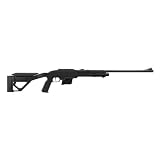
Big bundles can look tidy on a shopping page, yet the details decide whether everything works together without creating extra headaches. The Wearable4U Hatsan BullMaster package combines a semi-automatic .22-caliber PCP air rifle with a 2-7x32 scope, rings, 250 pellets, and a hard case. Although the main keyword is best semi auto tactical shotgun, this product is not a shotgun and doesn’t fire shotgun shells. It’s a pre-charged pneumatic air rifle built around a compact bullpup layout, so expectations should be grounded in that category from the start.

Hatsan BullMaster .22 PCP Bundle

The bundle’s strongest idea is convenience. A scope, compatible rings, pellets, and a protective case cover several purchases that would otherwise need to be researched separately. That can cut down on compatibility guesswork, especially since the BullMaster uses a receiver setup that accommodates common optics mounting formats. Still, the package doesn’t include every piece needed to support PCP ownership, and that missing detail matters more than another tin of ammunition.

A PCP rifle needs an external air source to refill its cylinder. That usually means a rated hand pump, compressor, or high-pressure tank fitted with appropriate connections. None of those filling tools appears in the supplied description, so the rifle bundle shouldn’t be mistaken for a fully self-contained setup. The hard case and pellets help on day one, but the air supply determines whether day two goes smoothly.

The 2-7x32 scope is a sensible match for casual target work at moderate distances because its magnification range stays fairly manageable. Low magnification generally offers a wider view, while the upper end provides more detail without turning the rifle into a bulky bench-only rig. Included scope rings remove one small shopping chore, although ring alignment, eye relief, and secure mounting still deserve careful attention from a qualified person. A bundled optic may be practical, but it shouldn’t automatically be assumed to equal a more specialized standalone scope.

Compact Bullpup Layout And Handling

The BullMaster places much of its working mechanism behind the trigger, creating a shorter overall profile without relying on an unusually short barrel. That bullpup configuration can feel handier in storage and around a shooting bench where long conventional stocks become clumsy. The balance, however, is noticeably different from a traditional sporting rifle. More mass sits near the shoulder, which some people appreciate and others find awkward until their hold settles in.

Compact doesn’t mean light. Published specifications for the base rifle place its weight around 10.3 pounds before accessories, and the scope, rings, loaded magazine, and other additions push the working weight higher. That heft can steady the rifle on a supported position, but carrying it for extended periods may become a chore. Anyone expecting the quick, feathery feel of a small rimfire-style airgun could be caught off guard.

The synthetic stock keeps weather-related concerns lower than unfinished wood and avoids the dents that make owners baby a polished hunting stock. Its molded shape also supports the BullMaster’s modern appearance without pretending to be decorative furniture. Even so, stock fit remains personal, particularly with bullpups because cheek position and optic height are tied closely together. A scope mounted too low or too high can turn an otherwise compact design into a neck-straining puzzle.

Semi-Automatic PCP Performance

The BullMaster’s semi-automatic action is the feature that separates it from many bolt-action PCP rifles. Follow-up shots don’t require manually cycling a side lever between each trigger press, which keeps the shooting position less disrupted during lawful range use. The .22 version is commonly listed with a 12-shot rotary magazine, providing more than a handful of shots before a magazine change. That convenience is useful, though it also adds mechanical complexity compared with a basic manually operated action.

Published listings cite maximum figures around 1,000 feet per second and roughly 31 foot-pounds of muzzle energy for the .22 model. Those are manufacturer-style maximums rather than promises for every pellet, temperature, fill level, or shooting condition. Pellet weight and fit can change velocity, consistency, and energy, sometimes by a noticeable margin. Treating the headline number as a fixed result would be a bit like reading a car’s top-speed claim and expecting it during every grocery run.

The large 500cc air cylinder supports a higher shot count than many compact PCP rifles, with some listings indicating up to about 50 shots per fill. Actual usable consistency can vary because semi-automatic cycling consumes air and because pressure changes across the fill. A large cylinder also takes more effort and time to refill, particularly with a manual pump. Capacity brings convenience at the range, but there’s no free lunch.

Hatsan specifies a maximum fill pressure around 250 bar, or approximately 3,625 psi, which is serious pressure rather than ordinary shop-compressor territory. Only equipment rated for the required pressure and fitted correctly should be used, following the manufacturer’s manual and local safety rules. Improvised adapters, damaged seals, or uncertified filling gear don’t belong anywhere near this system. The air cylinder deserves the same respect given to any high-pressure vessel.

Scope, Pellets, And Case Value

The included pellets provide a ready supply for initial sight-in and basic familiarization, assuming they’re suitable for the rifle and permitted at the chosen location. A quantity of 250 .22-caliber pellets is useful, but it isn’t proof that the rifle will prefer that exact pellet design. PCP barrels can show distinct preferences for head size, weight, and shape. Consistency usually matters more than grabbing the fastest or heaviest pellet on the shelf.

A hard case adds genuine practical value because optics and exposed controls can take a beating in a soft, loosely packed bag. The case should help shield the rifle from routine bumps during storage and lawful transport. Still, a carrying case isn’t automatically secure storage, especially where children, unauthorized people, or theft risks are present. Local rules may also require separate locking methods, unloaded transport, or other precautions.

The scope setup fits the rifle’s role better than traditional iron sights would for many range sessions. Still, sighting systems aren’t interchangeable in feel or technique. A relevant reference is using peep sights on rifles equipped with the appropriate rear aperture and front sight arrangement, which is separate from operating this scoped BullMaster bundle. The distinction matters because this package description centers on an optic rather than a factory peep-sight system.

Maintenance And Ownership Tradeoffs

Semi-automatic PCP systems reward owners who pay attention to seals, magazine condition, lubrication guidance, and cylinder health. Dirt or damaged pellets can create feeding trouble, while neglected seals may allow slow leaks that drain pressure between sessions. Maintenance is more involved than wiping down a simple spring-powered air rifle. The owner’s manual should remain the primary reference, especially because incorrect lubricants can damage seals or create safety concerns in high-pressure systems.

The BullMaster’s shrouded barrel helps manage report compared with an unshrouded barrel of similar power, but “shrouded” doesn’t mean silent. Noise varies with ammunition, surroundings, and how enclosed the shooting area is. Hearing protection and a lawful backstop remain sensible precautions, and neighbors may hear more than expected. Backyard suitability can’t be assumed merely because the projectile is a pellet rather than a firearm cartridge.

Parts support and service access deserve a look before purchase because a semi-automatic action contains more specialized components than a basic single-shot platform. Magazine availability, replacement seals, fill-probe compatibility, and qualified repair options can affect long-term satisfaction. A lower initial price loses its appeal if a small unavailable part sidelines the rifle. The bundle’s real value therefore depends on support beyond the items packed inside the case.

Pros And Cons In Practical Use

Pros include the compact bullpup profile, semi-automatic cycling, a large air cylinder, and a useful collection of bundled accessories. The included scope and rings reduce the chance of buying an obviously mismatched optic mount, while the case offers better protection than bare-box storage. A 12-shot magazine also keeps range sessions flowing with fewer interruptions. For supported target shooting, the rifle’s weight may contribute to a planted, steady feel.

Another strength is the .22-caliber balance between pellet availability, power, and manageable ammunition cost. The caliber is widely used in adult air rifles, so several pellet weights and shapes are commonly available. That variety makes it possible to identify ammunition that feeds and groups consistently without relying on a single option forever. The supplied pellets provide a starting point, not the final word.

Cons begin with weight and filling requirements. The rifle is heavy for an airgun, and a suitable high-pressure filling solution adds cost, storage needs, and maintenance. Semi-automatic operation may also use air faster than a manually cycled rifle, reducing the practical efficiency of that large cylinder. Shooters who value mechanical simplicity may prefer a bolt-action or side-lever PCP instead.

The category mismatch is another major limitation. This BullMaster cannot serve as a substitute for the best semi auto tactical shotgun because it’s a .22-caliber PCP air rifle with different ammunition, power, legal treatment, maintenance, and intended uses. Its styling may look tactical, but visual similarity doesn’t erase the mechanical distinction. Buying it under the assumption that it behaves like a shotgun would set the wrong expectations from the outset.

Who May Not Enjoy This Setup

Compact-rifle fans may like the layout, yet anyone sensitive to weight could tire of the BullMaster quickly. The rear-biased balance feels different, and the scope can raise the total mass enough to make unsupported shooting less comfortable. A lighter PCP rifle may suit longer walking sessions better. Bench use and supported positions play more kindly to this platform’s bulk.

Low-maintenance expectations also clash with the BullMaster’s design. High-pressure filling equipment, magazine care, seal inspection, and semi-automatic mechanisms add layers that a basic air rifle avoids. Mechanical convenience during shooting is exchanged for more complexity behind the scenes. That trade can be worthwhile, but pretending it doesn’t exist only leads to frustration.

Local restrictions may be the deciding factor before weight, optics, or shot count even enter the conversation. Airgun laws differ by state, city, country, property type, and projectile energy, while hunting rules can be even more specific. Safe storage, lawful transport, and an adequate backstop aren’t optional details. The bundle makes several purchasing decisions easier, but responsibility still sits outside the box.

ArmyBoy Crosman DPMS SBR CO2 BB Gun Bundle

A crowded kit can save time, but only if every included piece supports the same shooting routine instead of adding clutter. The ArmyBoy Crosman DPMS SBR bundle brings together a .177-caliber CO2 BB rifle, BBs, CO2 cartridges, targets, a speed loader, glasses, and a wristband in one package. That makes it relevant to shoppers researching the best semi auto tactical shotgun only at a surface level, since this product is actually a CO2-powered BB gun, not a shotgun and not a firearm chambered for shells. The distinction changes the power source, projectile, handling expectations, maintenance needs, and appropriate use.

ArmyBoy Crosman DPMS SBR Bundle

The bundle’s main strength is simple: several basic accessories arrive together. BBs supply the ammunition, CO2 powers the action, targets create a clear starting activity, and the speed loader helps reduce repetitive loading work. The included glasses also address an essential part of responsible airgun use, though eye protection should always fit properly and remain in good condition. Bundling these pieces can remove some early shopping confusion, especially for someone who doesn’t want to chase down six separate items before the first supervised range session.

The rifle itself uses a .177-caliber steel BB format, which is common in recreational CO2 airguns. Steel BBs are generally inexpensive and widely recognized, but they can ricochet from hard surfaces far more readily than soft projectiles. That means a dependable backstop matters every single time. Paper targets alone don’t stop BBs, so the shooting area needs a purpose-built trap or another manufacturer-approved solution behind them.

The full-auto label grabs attention, no doubt about it, yet it also creates practical tradeoffs. Rapid fire can empty magazines and drain CO2 faster than slow, deliberate shooting. Accuracy may also suffer once the trigger is held and the rifle begins moving in the hands. Controlled bursts and careful handling make more sense than treating the feature like an invitation to spray BBs around.

The product name uses SBR styling language, but the rifle remains an airgun with its own legal and safety rules. Its appearance may resemble a compact tactical platform, which can lead bystanders or law enforcement to mistake it for a firearm. Responsible transport and discreet handling therefore matter even more than they do with brightly colored recreational equipment. Carrying it uncovered in public would be a poor decision regardless of local classification.

CO2 Operation And Shooting Rhythm

CO2 power keeps the setup cleaner than spring-driven systems that require cocking before every shot. Once the cartridges are installed correctly, the rifle can cycle without the shooter breaking position between shots. That supports a smoother rhythm during supervised target practice. Still, CO2 performance changes with temperature, shooting speed, and cartridge condition, so consistency may drop as the gas cools or pressure falls.

Fast strings of fire cool the cartridges quickly. As the temperature inside the system drops, velocity and cycling consistency can become less predictable, particularly during long bursts. Pausing between magazines gives the system a chance to recover somewhat, but it won’t create unlimited power. The full-auto mode is entertaining in controlled conditions, yet semi-auto pacing usually uses gas more efficiently.

CO2 cartridges also create an ongoing supply cost. The included cartridges get the rifle started, but they’re consumable and will need replacement. Leaving a pierced cartridge installed for extended periods may place unnecessary pressure on seals, depending on manufacturer guidance. The manual should settle that question, not guesswork or habits borrowed from a different airgun.

Installation deserves patience because damaged seals can turn a straightforward system into a hissing money pit. A cartridge should seat according to the manufacturer’s directions, with the correct orientation and without excessive force. Seal care and proper lubrication should follow Crosman’s instructions, since random oils can harm components or create unsafe conditions. More lubricant isn’t automatically better.

Bundle Accessories And Practical Value

The speed loader is the accessory most likely to improve the routine immediately. Loading BBs one at a time gets old fast, especially with a platform designed around repeated shots. A properly used loader shortens downtime and keeps loose BBs from rolling across a table or floor. Faster loading doesn’t reduce the need for muzzle discipline, though, and the rifle should remain safe and pointed in an appropriate direction during every pause.

Targets add structure to practice instead of encouraging random shooting at cans, signs, or improvised objects. Printed targets make it easier to watch grouping size, point of impact, and changes in control from one magazine to the next. They also reveal whether full-auto strings are spreading much farther than expected. The paper itself offers no stopping power, so a secure BB trap remains mandatory.

The supplied glasses are a welcome inclusion because steel BBs can rebound in unpredictable directions. Fit matters, and scratched or loose eyewear may not protect as intended. Anyone standing nearby should wear suitable eye protection as well, not just the person holding the rifle. The included safety gear helps establish the right habit, but supervision and a controlled environment carry equal weight.

The wristband is the least important piece from a performance standpoint. It may add a bit of bundle personality, but it won’t affect accuracy, reliability, or gas efficiency. That doesn’t make it useless, just secondary. The money value of this package rests far more on the rifle, CO2, BBs, loader, targets, and glasses.

Handling, Controls, And Red Dot Considerations

The DPMS-style shape offers familiar placement cues for anyone accustomed to modern sporting rifle layouts, though familiarity shouldn’t be confused with identical operation. A CO2 BB gun has different internals, different recoil behavior, and different maintenance requirements. Its compact styling may feel easy to shoulder, while the magazine and CO2 system can still add noticeable weight. Balance and control placement matter more than looks once a shooting session stretches beyond a few minutes.

Iron sights or an added optic can support repeatable aiming, but the supplied description doesn’t list a red dot as part of this bundle. That means any optic would be a separate purchase requiring compatible mounting space and careful setup. One useful reference appears in red dot adjustment basics, particularly for understanding how small windage and elevation changes shift the point of impact. The rifle should be unloaded and handled according to the manual during any sight setup.

A red dot can make target acquisition feel quicker at short recreational distances, yet it won’t fix poor trigger control or an unstable stance. Large adjustments made too quickly may send the point of impact farther off target. Small changes, consistent aiming, and a supported rest usually make the process less frustrating. Optic alignment and repeatable hold work together, so blaming the sight for every scattered group can send the setup in circles.

The tactical appearance may tempt people to cover the rifle with accessories. That can add weight, interfere with controls, and make a recreational BB gun more cumbersome than it needs to be. A simple optic may have value, but lights, oversized grips, and decorative hardware can crowd the platform quickly. Lean setups tend to handle better, especially during basic target practice.

Realistic Strengths And Limitations

The clearest strength is the package approach. A new owner receives the gun, ammunition, gas, targets, loading help, and eye protection without building the kit piece by piece. That cuts down on forgotten essentials and makes the first session easier to organize. Bundle convenience is the honest selling point here, not exaggerated claims about power or precision.

Full-auto capability adds variety, but it also consumes BBs and CO2 quickly. A magazine that lasts comfortably during deliberate shots can disappear in seconds during an extended burst. That creates more reloading, more gas use, and more time spent cleaning up loose BBs. High fire rate is both a feature and a cost.

Cold weather is another limitation that matters in real use. CO2 systems often lose consistency as temperatures fall, and rapid firing compounds the cooling effect. Indoor use may avoid some temperature swings, but only where lawful and supported by a proper trap, safe distance, and adequate ventilation. Environmental conditions can shape the experience more than the rifle’s exterior styling suggests.

Accuracy expectations should remain grounded in the platform’s purpose. Steel BBs and a blowback-style recreational design generally prioritize fast, engaging target shooting over precision competition. The rifle may reward controlled trigger work and a steady hold, but it shouldn’t be judged by the standards of a dedicated pellet rifle. Recreational realism and precision shooting sit on different sides of the fence.

Why It Is Not A Tactical Shotgun Substitute

The keyword best semi auto tactical shotgun points toward an entirely different product class. A tactical shotgun fires shotgun ammunition, produces far greater energy, and falls under different rules, storage expectations, and training requirements. The Crosman bundle fires .177-caliber BBs using disposable CO2 cartridges. Similar styling doesn’t create mechanical equivalence.

This BB gun can support supervised recreational practice involving sight alignment, trigger control, safe handling, and target discipline. Those habits have value, but they don’t duplicate shotgun recoil, loading, cycling, patterning, or ammunition management. Training transfer has clear limits. Treating one platform as a stand-in for the other would create false confidence.

Noise and backstop needs also differ, yet neither should be dismissed. A CO2 BB gun may be quieter than a firearm, but it can still disturb neighbors and damage property. Steel BBs can penetrate thin materials or bounce back from metal, masonry, and other hard surfaces. Lower power doesn’t mean harmless.

The product fits best as a recreational CO2 bundle for controlled target shooting, not as a defensive tool or shotgun alternative. Its appeal rests on rapid-fire fun, familiar styling, and the convenience of included supplies. Buyers expecting shotgun-like function, force, or durability under harsh conditions will be looking at the wrong category. Clear expectations prevent that mismatch before money changes hands.

Ownership Friction Worth Knowing

Loose BB management becomes a routine issue faster than many people expect. Steel BBs roll under furniture, hide in grass, and create slip hazards on hard floors. A tray, sealed container, and disciplined loading area keep the mess under control. Organization matters more with a high-rate-of-fire airgun than with a slower single-shot model.

Magazine care deserves attention because dirt, dents, or incorrect loading can interrupt feeding. Forcing BBs into a jammed loader may damage small components rather than solve the problem. Cleaning should follow the manual, and parts should never be modified to chase more power or faster cycling. Factory configuration offers the safest baseline.

Storage should prevent access by children, visitors, and anyone unfamiliar with airgun safety. The rifle should remain unloaded, separated from BBs and CO2 where appropriate, and secured according to local rules. Its realistic shape makes careless storage especially risky because someone may handle it believing it’s a toy. Locked storage and adult supervision solve far more problems than warning stickers.

Local laws can regulate possession, discharge, transport, age restrictions, and use within city limits. Property rules may be stricter than state law, and public spaces are rarely appropriate. The included targets don’t imply permission to shoot wherever there’s room. Legal location and safe containment need to be settled before the first CO2 cartridge is pierced.

DPMS Full Auto SBR CO2 BB Air Gun

Fast-fire airguns can look simple until gas use, magazine capacity, balance, and realistic handling start pulling in different directions. The DPMS Full Auto SBR CO2-Powered BB Air Gun aims to keep those pieces under one roof with dual-action operation, a full-size synthetic body, and an adjustable stock. It may appear beside searches for the best semi auto tactical shotgun, but the category gap is substantial because this model fires 4.5 mm steel BBs rather than shotgun shells. Its real appeal sits in recreational target shooting, familiar control placement, and rapid-fire capability within a properly controlled setting.

DPMS Full Auto SBR BB Air Gun

The strongest part of this model is the way several practical features support the same shooting rhythm. A 25-round drop-out magazine gives the rifle enough capacity for repeated shots without turning every few trigger pulls into a loading break. Dual-action capability adds both semi-automatic and full-automatic operation, so the pace can shift from deliberate target work to short bursts. That flexibility sounds straightforward, though the faster mode changes gas consumption, ammunition use, and control in a hurry.

The rifle uses two 12-gram CO2 cartridges, which the provided specifications say can drive BBs at speeds up to 430 feet per second. That number represents a maximum claim rather than a fixed result for every shot. Temperature, cartridge pressure, firing pace, and BB condition can all influence how the airgun behaves from the first magazine to the last. CO2 cartridges aren’t included, so the rifle won’t be ready to fire straight from the box without that separate supply.

The full-size design gives the platform a more substantial feel than compact plastic plinkers. Its durable synthetic construction avoids the fuss of wood finishes and should be easier to wipe down after ordinary handling. Still, full-size dimensions bring more weight and bulk than a small recreational pistol or lightweight rifle. That realism can feel satisfying on the shoulder, but it may be less comfortable during long unsupported sessions.

The claimed rate of up to 1,400 rounds per minute is the number most likely to grab attention. In practice, a 25-round magazine empties very quickly at that pace, so the specification says more about firing speed than sustained shooting time. Short bursts make more sense for keeping shots controlled and avoiding needless CO2 waste. Long bursts may be entertaining for a moment, but they can turn a careful target session into a rapid cycle of loading, replacing cartridges, and sweeping up BBs.

Stock Adjustment And Shoulder Fit

The six-position stock is one of the more useful features because it changes how the rifle fits different arm lengths and shooting positions. A shorter setting can make the platform feel more compact, while a longer extension offers additional reach for a steadier shoulder mount. Adjustable length of pull reduces the chance that the stock will feel awkwardly stretched or cramped. That matters because poor fit tends to exaggerate muzzle movement and make the controls feel farther away than they really are.

Stock adjustment also affects balance. Pulling the stock outward shifts the shoulder relationship without changing the rifle’s front weight, so the platform may feel less crowded even though its mass stays the same. A collapsed stock can be handy for storage, but the shortest position won’t automatically provide the best control. Comfort and repeatability matter more than choosing the most compact setting just because it looks tidy.

The full-size layout makes the rifle easier to shoulder in a familiar way, yet realistic proportions come with a responsibility that shouldn’t be brushed aside. From a distance, this BB gun may be mistaken for a firearm because of its black finish and modern rifle shape. Discreet transport and secure storage are therefore essential, even where local law treats it differently from a firearm. Carrying it openly in public or leaving it visible in a vehicle creates risks that have nothing to do with muzzle velocity.

The synthetic stock and receiver should handle ordinary recreational use without demanding delicate care. Even so, hard knocks can still shift sights, damage the magazine, or affect small moving parts. A padded case and a dry storage area reduce that kind of wear. Rugged appearance isn’t a license to toss the rifle around like a shovel.

CO2 Performance And Firing Pace

CO2 gives the rifle its fast cycling behavior, but the gas system has a personality of its own. Rapid firing cools the cartridges, and colder CO2 can lose pressure as the shooting session continues. That means the first burst and the final burst may not feel exactly alike. Temperature sensitivity is part of the platform, not necessarily a defect.

The two-cartridge arrangement supports the rifle’s blowback action and quick follow-up shots. It also doubles the number of disposable cartridges needed each time the system is replenished. Owners who fire mostly in full-auto mode will likely go through gas and BBs much faster than those who stick with semi-auto shooting. Running cost deserves attention because the rifle itself is only one part of the ongoing expense.

CO2 installation should follow the manufacturer’s instructions rather than habits learned from another airgun. Overtightening can damage seals, while poor seating may produce a slow leak that drains the cartridges before much shooting happens. Approved lubrication and correct storage practices help protect the system. Seal condition often determines whether the rifle feels dependable or annoyingly inconsistent.

Leaving pierced cartridges installed for long periods may place continued pressure on seals, depending on the manufacturer’s guidance. Removing them can be equally problematic if done carelessly while pressure remains. The manual should settle the proper procedure, since improvised shortcuts can damage parts or release gas abruptly. Routine care isn’t complicated, but it can’t be guessed at.

Magazine Capacity And Loading Routine

The 25-round drop-out magazine gives the DPMS a realistic loading pattern and keeps ammunition contained in a single removable unit. That’s more convenient than feeding BBs directly into the receiver one at a time. The magazine also supports the visual and handling style of the rifle. Capacity and realism come together here, though the magazine can still empty in seconds during full-auto fire.

Traditional 4.5 mm steel BBs are compatible according to the supplied details, but the BBs aren’t included. Clean, undamaged ammunition matters because deformed or dirty BBs can cause feeding trouble. Reusing BBs recovered from the ground or a trap may introduce grit, dents, or flattening that harms consistency. Fresh steel BBs are a small expense compared with clearing avoidable jams.

The magazine deserves careful handling because dropping it on concrete can damage the feed path or exterior shell. Dirt inside the magazine may also interfere with smooth feeding. A simple loading tray keeps loose BBs from rolling away and reduces the chance of grit entering the mechanism. Magazine care sounds dull, but it affects nearly every shot.

Full-auto mode can make ammunition management feel almost comical. One moment the magazine is full, and the next it’s empty before the target grouping has even settled. Semi-auto fire gives each magazine more useful life and makes it easier to notice changes in aim or gas pressure. Controlled pacing usually produces a more informative range session than holding the trigger until the action stops.

Sights And Practical Aiming

The rifle includes a removable pop-up front sight and an adjustable rear sight. That combination offers a straightforward aiming system without requiring an optic from the start. The rear sight adjustment helps shift point of impact, while the front post provides a clear reference. Included iron sights keep the basic setup simple and avoid adding weight immediately.

Pop-up sights also give the rifle some flexibility if an optic is added later. Removing or folding them can clear the sight picture, while keeping them available may provide a secondary reference depending on the setup. Still, additional accessories can crowd the top rail and change the rifle’s balance. A clean sighting setup often feels better than stacking hardware simply because mounting space exists.

The supplied link concerns another realistic airgun category rather than this rifle’s sight system. As a neutral side reference, airsoft Glock replicas illustrate how replica styling can appear across different projectile systems with very different power sources and handling rules. That distinction helps prevent appearance from becoming the only buying criterion. Platform type matters more than visual similarity.

Iron sights reward a consistent cheek position and steady trigger press. The rifle’s adjustable stock can help create that repeatable head placement, but changing stock positions too often may shift the feel of the sight picture. Small adjustments and a stable rest make sighting easier to evaluate. Consistency behind the rifle matters just as much as mechanical adjustment.

Rapid Fire Strengths And Tradeoffs

The obvious strength is speed. Dual-action operation allows slower semi-auto shooting for deliberate practice and full-auto fire for brief recreational bursts. That gives the rifle more variety than a single-shot or manually cocked airgun. Flexible firing modes keep the platform from feeling one-dimensional.

The tradeoff arrives almost immediately in ammunition and gas use. Full-auto fire drains a 25-round magazine quickly and cools the CO2 system at the same time. More frequent magazine loading interrupts the session, while repeated cartridge changes add cost. Fast cycling is fun, but it isn’t efficient.

Control also changes as the action cycles repeatedly. Even though a BB gun produces far less recoil than a firearm, blowback movement and trigger hold can still spread shots across the target. Short bursts are easier to manage than long strings. Practical accuracy usually improves once the novelty of continuous fire stops running the show.

The up-to-430-fps velocity claim places the rifle in recreational BB gun territory rather than precision pellet-rifle territory. Steel BBs are designed for smooth feeding and quick shooting, not for matching the accuracy of carefully selected diabolo pellets. Expecting tiny groups at long distances would set the wrong standard. Realistic expectations make the rifle easier to appreciate for what it actually does.

Safety, Backstops, And Storage

Steel BBs can ricochet from hard surfaces, and that risk shapes the entire setup. Metal signs, concrete walls, rocks, and thin household materials aren’t suitable targets or reliable backstops. A purpose-built BB trap with an appropriate surrounding area is the safer choice. Eye protection and containment should apply to everyone nearby, not just the person pulling the trigger.

The rifle’s realistic appearance makes secure storage especially important. It should remain unloaded and inaccessible to children, visitors, or anyone who may mistake it for a toy. CO2 cartridges and BBs can be stored separately where appropriate. Locked storage prevents both unauthorized handling and confusion during an emergency.

Local rules may restrict possession, transport, discharge, or use based on age, location, or property type. A large backyard doesn’t automatically make shooting lawful or safe, and paper targets don’t turn an improvised area into a range. Neighbors may also react strongly to a realistic rifle silhouette. Legal location and privacy need to be settled before the first cartridge is installed.

The adjustable stock and detachable magazine should never distract from basic handling discipline. The muzzle must stay pointed in a safe direction, the trigger should remain untouched until the shooting area is ready, and every BB gun should be treated as loaded. Those habits don’t become optional because the projectile is small. Lower energy isn’t harmless energy.

Where The DPMS Fits And Falls Short

The DPMS suits recreational shooters who value realistic dimensions, rapid cycling, and a removable magazine. It offers more mechanical activity than a simple plinker and more firing flexibility than a semi-auto-only BB rifle. The adjustable stock and included sights also make the platform easier to tailor without immediate accessory spending. Handling realism is one of its clearest attractions.

Its limitations are equally plain. CO2 cartridges and BBs are not included, so the initial purchase doesn’t cover everything needed for operation. Gas performance can shift with temperature, and full-auto fire burns through supplies quickly. Ongoing consumable cost may bother anyone expecting inexpensive, slow-paced target shooting.

The rifle also has little in common with the best semi auto tactical shotgun beyond visual styling and rapid follow-up capability. A shotgun uses different ammunition, produces far more energy, and carries completely different legal, safety, and training demands. This DPMS is a .177-caliber recreational BB airgun. Category clarity prevents a flashy exterior from creating the wrong expectations.

Precision-focused shooters may prefer a rifled pellet gun with a manually operated action and ammunition chosen for grouping consistency. People who dislike buying disposable gas may lean toward pneumatic or spring-powered alternatives. The DPMS asks its owner to accept noise from the action, frequent loading, and steady CO2 consumption. Its personality is speed and realism, not quiet simplicity or long-range precision.

Benjamin Armada BP22SAC Semi-Auto PCP Air Rifle

Long shooting sessions get irritating fast when pressure drops unpredictably, magazines interrupt the rhythm, or a stock never quite settles into the shoulder. The Benjamin Armada BP22SAC tackles those annoyances with a regulated PCP system, a 10-shot rotary magazine, and an adjustable chassis-style stock. It may appear beside searches for the best semi auto tactical shotgun, but this platform is a .22-caliber pellet air rifle, not a shotgun and not a firearm that fires shells. Its strengths belong to field target shooting, lawful small-game use, and controlled semi-automatic pellet shooting where consistency matters more than raw noise and recoil.

Benjamin Armada BP22SAC

The Armada’s core feature is its regulated PCP powerplant. An integrated regulator is designed to keep air delivery more consistent from shot to shot, reducing the pressure swings that can cause vertical shifts on a target. That doesn’t guarantee identical velocity with every pellet, temperature, or fill condition, but it gives the rifle a more controlled foundation than an unregulated system. For anyone tired of chasing a wandering point of impact as cylinder pressure falls, that feature carries real weight.

Semi-automatic operation changes the pace without turning the rifle into a gas-hungry novelty. Each trigger press can produce the next shot without manually cycling a bolt or side lever, so the cheek weld and sight picture can remain more settled. The 10-shot rotary magazine also keeps interruptions reasonable while avoiding an oversized magazine hanging far below the receiver. Ten rounds disappear quickly during careless firing, though, so restraint still matters.

The supplied specifications list up to 40 shots per fill at 3,000 psi. That figure should be treated as a maximum operating estimate rather than a promise for every pellet weight or shooting condition. Air use can change with firing pace, regulator behavior, fill quality, and maintenance. Still, forty shots is enough to support several magazines before the cylinder needs attention, which makes the Armada more practical for a structured range session than a low-capacity PCP.

Pellets and a compressor aren’t included, and that omission affects the real startup cost. A PCP rifle needs a safe source capable of reaching the stated fill pressure, along with the correct fittings and handling procedure. High-pressure air equipment isn’t something to improvise with a garage compressor or mismatched adapter. The rifle may be ready mechanically, but the complete ownership setup extends beyond the box.

Regulated Performance And Shot Consistency

The regulator is the part serious target shooters will notice first because it supports a steadier pressure window across the usable fill. Better pressure consistency can make group analysis less frustrating since one major variable is reduced. A poor hold, unsuitable pellet, or shifting optic can still scatter shots, of course. Regulation improves the platform’s potential, but it can’t replace sound fundamentals.

The listed velocity reaches up to 950 feet per second with .22-caliber pellets. Pellet weight, shape, fit, and ambient conditions will influence the actual result, so the headline number shouldn’t be treated as a constant. Lighter pellets may travel faster, while heavier options often trade some speed for a different energy profile and wind behavior. The useful question isn’t simply how fast the rifle can shoot, but which pellet feeds smoothly and groups consistently.

Semi-auto cycling adds another layer because the action depends on sufficient pressure and correct magazine function. A weak fill, damaged pellet, or poorly seated magazine can interrupt the rhythm. That complexity is the price paid for follow-up shots without manual cycling. Convenience and mechanical simplicity don’t always sit on the same side of the fence.

The regulated system also makes the rifle easier to evaluate over multiple magazines. Instead of wondering whether every low shot came from a falling pressure curve, the shooter can focus more closely on technique, pellet choice, and optic setup. That’s valuable during field target practice where small errors become obvious on distant or reduced-size targets. Predictable air delivery turns troubleshooting into a cleaner process.

Stock Fit And Chassis Handling

The all-weather synthetic stock is adjustable, ambidextrous, and built in a chassis-style layout. That design gives the rifle a modern profile while supporting different shoulder positions and dominant hands. Ambidextrous handling matters more than it sounds because controls and stock geometry can make a left-handed shooter feel like an afterthought. The Armada avoids some of that frustration by keeping the overall setup more neutral.

Stock adjustment helps tune length of pull and eye position behind an optic. A stock set too long forces the shoulders backward, while one set too short can crowd the trigger hand and compress the shooting position. The right setting encourages a repeatable cheek weld without making the rifle feel like it’s wrestling for space. Fit affects consistency just as surely as pellet selection does.

Synthetic construction also handles damp grass, dust, and seasonal temperature swings with less cosmetic worry than a polished wood stock. A wipe-down is still sensible, especially around the receiver, barrel, and fasteners. The material may resist ordinary weather exposure, but it doesn’t make the rifle immune to corrosion or careless storage. All-weather doesn’t mean maintenance-free.

The chassis-style body may appeal to people who like modular equipment, yet it can feel busier than a traditional sporting stock. Rails, adjustments, and angular surfaces create more places for slings, clothing, or gloves to catch. Some shooters will appreciate the adaptable layout, while others may prefer a smoother rifle that simply shoulders and disappears. Modern ergonomics bring options along with extra hardware.

Barrel, Sound Control, And Practical Accuracy

The rifled steel barrel gives the .22-caliber pellet a controlled spin rather than sending a smooth steel BB downrange. That distinction supports better accuracy potential and makes the Armada more suitable for field targets and lawful small-game applications. Barrel quality still works together with pellet choice, cleanliness, and crown condition. Rifling creates potential, not automatic tiny groups.

A shrouded barrel with integrated sound suppression helps reduce the report compared with an unshrouded PCP of similar output. The rifle won’t be silent, and the mechanical action may still be noticeable during semi-auto fire. Enclosed spaces, hard walls, and nearby buildings can make the sound seem sharper than expected. Reduced sound is not no sound, so hearing protection and neighbor awareness remain sensible.

The shroud also gives the barrel a thicker profile that fits the Armada’s chassis appearance. That can make the rifle look more substantial, though appearance isn’t the useful part. The real benefit is lowering the harshness of each shot without adding a separate accessory. Integrated suppression keeps the setup cleaner than bolting on more hardware.

Accuracy work should begin with a stable rest and one pellet type at a time. Switching weights and shapes every few shots makes it difficult to separate ammunition behavior from shooter input. Groups reveal more than single impacts because they show patterns rather than lucky hits. Methodical pellet testing may feel slow, but it saves a pile of second-guessing later.

Magazine Use And Semi-Auto Rhythm

The 10-shot rotary magazine suits the Armada’s semi-automatic character without making the rifle feel overloaded. It carries enough pellets for a useful string while staying compact around the receiver. Loading should be done carefully so pellet skirts aren’t crushed or seated backward. Magazine condition directly affects feeding, and a damaged pellet can spoil an otherwise smooth cycle.

Ten shots encourage a steady pace, but they also disappear before long during rapid trigger work. That isn’t necessarily a weakness. A magazine change creates a natural pause to inspect the target, check pressure, and settle the shooting position again. Short shooting strings can improve discipline compared with mindlessly burning through a much larger magazine.

Spare magazines could reduce downtime, though none are listed in the supplied package details. Magazine availability and replacement cost therefore deserve attention before ownership settles into a routine. A semi-auto rifle becomes far less convenient if a damaged magazine is difficult to replace. Support parts matter just as much as headline specifications after the initial excitement fades.

The action should never be forced when feeding trouble appears. A jammed pellet, empty magazine, or pressure issue needs calm inspection with the rifle made safe according to the manual. Pushing harder on controls can turn a minor stoppage into damaged parts. Gentle diagnosis beats brute force every time.

Receiver And Accessory Space

The machined receiver gives the rifle a firm mounting foundation for the included 5-inch Picatinny rail. That rail provides room for a suitable optic or another compatible sighting accessory without relying on improvised clamps. Secure mounting space matters because a shifting optic can mimic poor accuracy and waste an afternoon of adjustment. Proper ring fit and screw tension remain just as important as the rail itself.

Five inches is useful but not endless. Large optics, extended mounts, or crowded accessories can quickly consume the available space and interfere with eye relief. The best setup is usually the one that places the optic correctly without stacking unnecessary risers and adapters. Simple mounting arrangements tend to hold zero more reliably and keep the rifle better balanced.

The Armada’s modern receiver invites customization, but there’s a practical limit before the rifle starts carrying more gear than purpose. Heavy scopes, oversized bipods, lights, and side accessories can make a balanced rifle feel nose-heavy or awkward. Every added ounce shows up during unsupported shooting. Accessory restraint keeps the chassis useful instead of turning it into a display rack.

Budget-minded PCP research often includes neighboring categories with simpler actions or fewer accessories. From a practical angle, low-cost air rifles provide a useful reference point for seeing how the Armada’s regulator, semi-auto action, and modular receiver differ from more basic platforms. The link belongs to a broader buying discussion rather than a claim that every lower-priced rifle offers the same function. Feature depth and ownership cost rise together here.

Field Target And Small-Game Use

The manufacturer positions the Armada for field target shooting and small-game hunting where lawful. Field targets reward repeatable aim, sensible magnification, and steady pressure delivery, all areas where a regulated PCP can be useful. Semi-auto follow-up capability may help maintain position between shots, though deliberate trigger control still produces better information than rushing. Consistency is the real advantage, not simply speed.

Small-game use places stricter demands on pellet selection, shot placement, legal energy requirements, and ethical distance. The supplied specifications alone can’t determine suitability for every species or jurisdiction. Local hunting laws may restrict caliber, season, land access, or airgun use entirely. Legal and humane use must be settled before the rifle leaves the range.

The adjustable stock and suppressed barrel support field practicality, but total equipment weight can climb once a scope, sling, and filled air system enter the picture. A chassis rifle may feel manageable at a bench yet heavier after a long walk. Supported positions reduce fatigue, though they aren’t always available in uneven terrain. Carrying comfort deserves as much attention as muzzle velocity.

Weather resistance helps during damp mornings or dusty range days, but pellets and magazines still need protection from dirt and moisture. Bent skirts, grit, and debris can affect both accuracy and feeding. A small sealed container and organized magazine storage prevent many avoidable problems. Clean ammunition supports clean cycling.

Strengths That Matter In Daily Ownership

The Armada’s most meaningful strength is the combination of regulation and semi-automatic operation. Those systems address two common PCP frustrations: pressure variation and repeated manual cycling. The rifle can maintain a steadier shooting rhythm while offering a more predictable pressure window. Regulated semi-auto performance is the feature that separates it from simpler air rifles.

Its adjustable ambidextrous stock is another practical advantage because fit can be corrected instead of merely tolerated. Different shooting positions may call for small changes, and shared household use becomes less awkward when the stock isn’t locked into one dimension. The synthetic chassis also tolerates ordinary outdoor handling without the same cosmetic anxiety as decorative wood. Adaptable fit and weather resistance support regular use.

The 10-shot magazine, shrouded barrel, and Picatinny rail create a setup that feels purposeful rather than random. Each feature addresses a different part of the routine: feeding, sound management, and optic mounting. None of them removes the need for care or skill, but together they reduce several small irritations. Well-matched features often matter more than a long list of disconnected extras.

Up to 40 shots per fill also gives the rifle a workable range rhythm. Several magazines can be fired before the pressure source returns to center stage. That won’t satisfy someone expecting all-day shooting without refill equipment, but it’s enough for structured target work. Practical shot capacity balances the semi-auto action reasonably well.

Limitations And Ownership Costs

The largest drawback is the supporting equipment required for 3,000-psi fills. A suitable compressor, tank, or approved hand-pump arrangement adds expense and storage needs, and the compressor isn’t included. PCP ownership also introduces hoses, fittings, seals, and pressure checks that basic spring rifles avoid. Startup cost extends beyond the rifle.

Semi-auto mechanics add convenience during shooting but more complexity during troubleshooting. A bolt-action PCP may be slower, yet it often has fewer cycling parts involved between trigger pulls. The Armada asks for cleaner magazines, steady pressure, and closer attention to proper function. Mechanical convenience carries maintenance tradeoffs.

The 10-shot capacity may feel modest beside larger-magazine recreational rifles. For disciplined field use, that can be perfectly reasonable. For rapid plinking, it means frequent reloading and more magazine handling. Capacity suits control better than volume, so expectations need to match the rifle’s intended role.

The platform also isn’t a substitute for the best semi auto tactical shotgun. It fires .22-caliber pellets from a PCP system, offers far lower energy, and follows different legal, maintenance, and safety requirements. The chassis styling may look tactical, but the operating purpose remains firmly within the air-rifle category. Visual similarity doesn’t create functional equivalence.

Maintenance And Long-Term Practicality

High-pressure seals, magazine components, the barrel, and the action all need routine attention. Dirt around fill ports or moving parts can create leaks and feeding issues that are avoidable with careful storage. Only lubricants approved by the manufacturer should be used because unsuitable oils can damage seals or create hazards in high-pressure systems. Correct maintenance matters more than frequent maintenance.

The cylinder should be treated as a pressure vessel, not a casual accessory. Damage, corrosion, or questionable fittings deserve immediate attention from qualified service rather than home experimentation. Filling should be slow, controlled, and consistent with the manual. Three-thousand-psi air demands respect, even though it’s invisible.

Barrel cleaning should also avoid aggressive habits borrowed from powder-burning firearms. Air-rifle barrels often need less frequent intervention, and rough tools can cause more harm than a little harmless residue. Accuracy changes, visible debris, or manufacturer guidance should drive the decision. Gentle care protects the rifled steel barrel.

Long-term satisfaction depends on access to magazines, seals, fill fittings, and competent service. A semi-auto PCP is more enjoyable when small replacement parts aren’t a scavenger hunt. Storage pressure, transport rules, and safe containment also become part of the normal routine. Ownership support may never appear in a product headline, but it decides whether the rifle stays useful years later.

Benjamin Marauder BP22SAW Semi-Auto PCP Air Rifle

A rifle can look settled on paper and still become awkward once cheek position, refill pressure, magazine handling, and total weight enter the routine. The Benjamin Marauder BP22SAW brings a regulated semi-automatic PCP system, a hardwood stock, and a 10-shot rotary magazine into one fairly traditional-looking platform. It may surface during research for the best semi auto tactical shotgun, yet this model is a .22-caliber pellet air rifle, not a shotgun and not a firearm that uses shells. That distinction matters because its strengths center on controlled target shooting and lawful small-game hunting rather than shotgun recoil, patterning, or ammunition management.

Benjamin Marauder BP22SAW

The Marauder’s main attraction is its blend of familiar rifle styling and semi-automatic PCP operation. A hardwood stock gives it a warmer, more conventional feel than the molded chassis designs common among modern air rifles. Underneath that traditional profile sits a regulated power system intended to support steadier air delivery from shot to shot. The combination suits someone who wants quicker follow-up shots without giving up the balance and cheek contact associated with a sporting stock.

The supplied description lists up to 60 shots per fill at 3,000 psi, which creates room for several magazines before the air cylinder needs attention. That figure represents a maximum claim, not a guaranteed count under every temperature, pellet weight, or firing pace. Semi-automatic cycling consumes air as part of the operating process, and rapid strings may influence practical efficiency. Even so, the stated capacity offers a more relaxed rhythm than PCP rifles that demand a refill after only a couple of magazines.

Velocity is listed at up to 1,000 feet per second, with muzzle energy reaching 29 foot-pounds under the stated conditions. Those numbers indicate meaningful .22-caliber air-rifle output, but pellet weight and fit can shift both speed and energy. A lighter pellet may chase the maximum velocity figure, while a heavier pellet may behave differently in wind or on target. Headline speed matters less than consistent feeding and a repeatable group.

The rifle includes a 10-shot rotary magazine, giving the semi-auto action enough capacity for measured strings without creating an oversized protrusion below the receiver. Ten shots also provide a natural stopping point to inspect the target, check air pressure, and reset the shooting position. That pause isn’t a bad thing. A semi-automatic mechanism can encourage hurried trigger work, and a compact magazine helps keep the pace from getting completely out of hand.

Regulated Semi-Auto Performance

The integrated regulator is one of the most useful technical features in the package. It aims to keep pressure delivered to the firing valve within a steadier range as the main reservoir gradually drops. Shot-to-shot consistency helps reduce unexplained vertical movement on paper, especially during longer strings. It won’t correct poor trigger control, damaged pellets, or a loose optic, but it removes one common variable from the equation.

Semi-automatic operation lets the rifle fire the next pellet without requiring a manual bolt cycle after each shot. That preserves cheek weld and keeps the sight picture from being interrupted by a hand reaching for the action. Faster follow-up capability can be useful during lawful pest-control or small-game situations where a second shot may be needed. Still, speed should never replace careful identification, a secure backstop, or responsible shot placement.

The product name includes both semi-automatic and bolt-action wording, which may cause some confusion. The supplied description specifically identifies it as a regulated semi-automatic .22-caliber PCP rifle, so expectations should follow that information rather than assuming it functions like a basic manually cycled Marauder. Model details deserve careful verification because similar names can refer to different operating systems. A buyer should rely on the exact model manual and packaging for final configuration.

Mechanical convenience comes with more moving parts. A manually operated PCP often has a simpler feeding cycle, while a semi-auto system depends more heavily on magazine condition, pressure, and internal timing. Complexity is the tradeoff for keeping the rifle shouldered between shots. That doesn’t make the design fragile, but it does mean careless loading or neglected maintenance can create more frustrating stoppages.

Hardwood Stock And Adjustable Cheek Fit

The hardwood stock gives the Marauder a noticeably different character from synthetic tactical-style air rifles. Wood feels solid in the hands and can provide a comfortable surface against the cheek during cooler weather. The stock also supports a balanced, sporting-rifle profile rather than leaning fully into a rail-covered appearance. Traditional ergonomics are a genuine advantage for anyone who dislikes angular chassis furniture.

An adjustable raised comb cheek piece helps line the eye up with an optic. That feature matters because scope height can vary depending on ring size and objective diameter. A cheek piece set too low forces the head to float above the stock, while one set too high can make the sight picture feel cramped. Repeatable cheek weld improves comfort and reduces the small alignment changes that scatter groups.

Hardwood carries its own baggage, though. It can show dents, scratches, moisture marks, and finish wear more readily than a plain synthetic stock. Careful storage and a dry wipe-down after damp field use are sensible habits. Wood rewards care, and anyone who wants a rifle that can be tossed around without cosmetic concern may prefer an all-weather alternative.

The balanced stock design should feel steady from a bench or supported position, but total rifle weight still matters during long walks. A scope, mounts, sling, and filled air reservoir add more ounces than the bare rifle specification suggests. That extra mass can calm small movements on target while making unsupported shooting more tiring. Stability and portability rarely arrive in equal measure.

Barrel Design And Sound Management

The rifled steel barrel is built for .22-caliber pellets rather than smooth steel BBs. Rifling imparts spin, supporting the accuracy potential needed for target work and lawful hunting. Pellet quality, barrel cleanliness, and crown condition still influence the final result. A rifled barrel creates a strong foundation, but ammunition testing remains part of the job.

An integrated resonance dampener is designed to manage the report and tonal sharpness of the shot. That can make the rifle less jarring than an unshrouded PCP operating at similar energy. It won’t make the action silent, and semi-auto cycling adds its own mechanical sound. Reduced report is relative, especially near buildings, fences, or enclosed shooting lanes.

Sound control can improve concentration because the rifle feels less abrupt during a string. It may also reduce disturbance on property where lawful shooting is permitted and an appropriate backstop is already in place. Still, quieter operation shouldn’t encourage casual backyard use without checking local regulations. Lower noise doesn’t erase legal limits or the need for hearing protection where appropriate.

The barrel system should be maintained gently. Aggressive cleaning rods, harsh solvents, or constant scrubbing can cause more trouble than light residue. Manufacturer guidance and visible accuracy changes should determine the cleaning schedule. Careful barrel maintenance protects both the rifling and the crown from unnecessary wear.

Magazine Handling And Pellet Selection

The 10-shot magazine keeps pellets organized and supports the semi-auto mechanism without a long loading interruption between shots. Rotary magazines work best when pellets are seated evenly and their skirts remain undamaged. A bent skirt may drag inside the magazine or enter the barrel poorly. Clean loading habits matter more in a self-cycling platform because every feeding step depends on the previous one.

Pellets aren’t listed as included, so ammunition selection becomes part of the initial setup. Different weights and head shapes may produce noticeably different groups, even when each one fits the caliber. Testing one type at a time avoids muddying the results. Consistency beats variety during the first sight-in sessions.

Spare magazines can make range time smoother, though none are mentioned in the supplied details. Availability and replacement cost are worth considering because a damaged magazine can sideline a semi-auto rifle faster than a basic single-shot platform. Dust and pocket lint also have a habit of sneaking into exposed feed parts. Magazine storage deserves a small case rather than a loose jacket pocket.

A related reference appears in Gamo .22 hunting air rifles, which belong to the same broad caliber discussion but may use different powerplants, actions, and stock designs. That difference helps frame the Marauder’s higher-pressure PCP requirements and semi-auto feeding system without pretending every .22 air rifle behaves alike. Caliber alone doesn’t define the experience. Power source, magazine design, and shot cycle carry equal weight.

Pros That Show Up In Regular Use

Regulated air delivery is the strongest advantage because it supports a steadier firing cycle over the useful portion of the fill. That can make sight adjustment and pellet evaluation less frustrating. The rifle still depends on sound technique, but pressure variation should be less distracting. For target work, that’s a practical benefit rather than a decorative specification.

Semi-automatic operation keeps the shooter’s support and trigger hands in place between shots. The sight picture remains more stable because there’s no need to work a bolt after every pellet. That rhythm can feel smoother during bench shooting and field practice. It also allows quicker follow-up shots without abandoning the shoulder position.

The hardwood stock and adjustable cheek piece give the rifle a comfortable, tailored feel that many chassis-style PCPs lack. Scope alignment becomes easier when cheek height can be adjusted instead of tolerated. Wood also gives the rifle a restrained sporting appearance rather than an accessory-heavy profile. That aesthetic won’t improve velocity, but comfort and confidence behind the stock do influence practical shooting.

Up to 60 shots per fill reduces how often the shooting session must stop for high-pressure air. Six full 10-shot magazines is a useful theoretical rhythm under the stated conditions. Real-world output may vary, yet the listed capacity still suggests more breathing room than many compact PCP systems. Less frequent refilling means more attention can stay on the target and less on hoses or tanks.

Cons And Ownership Friction

The largest drawback is the need for a 3,000-psi filling source. A standard shop compressor can’t simply be substituted, and proper PCP equipment adds cost, storage, and setup time. Hoses, probes, fittings, and seals become part of the ownership routine. The rifle’s price alone doesn’t represent the full entry cost.

Semi-auto complexity is another tradeoff. More moving parts can mean more variables during a feeding problem, especially if magazine condition, air pressure, and pellet fit all need to be checked. A basic bolt-action PCP is slower but often easier to diagnose. The Marauder trades simplicity for a smoother firing rhythm.

The hardwood stock may also be a poor match for rough, wet, or highly mobile use. Scratches and finish wear can appear faster than they would on a synthetic stock, and moisture deserves more attention. Some people enjoy that aging process, while others see every mark as damage. Cosmetic durability depends heavily on expectations.

The 10-shot capacity is practical but modest for someone drawn mainly to rapid firing. A semi-auto trigger can empty the magazine quickly, creating more pauses than the operating system initially suggests. That isn’t a flaw for deliberate shooting, though it may disappoint anyone expecting long uninterrupted strings. Magazine capacity favors control over volume.

Field Use And Realistic Expectations

The stated 29 foot-pounds and .22-caliber format place the Marauder in a serious air-rifle class, but lawful hunting suitability depends on far more than a specification sheet. Species rules, minimum energy requirements, land access, season dates, and local airgun laws can all change the answer. Ethical range and shot placement remain essential. Mechanical power doesn’t excuse a rushed or uncertain shot.

The adjustable cheek piece, regulated action, and rifled barrel support field target shooting where consistency is rewarded. A well-fitted optic and stable rest can help reveal which pellets the barrel prefers. Wind, uneven ground, and fatigue will still affect results outside a sheltered range. Field accuracy is a system, not a single feature.

Carry comfort may be the deciding issue during longer outings. Hardwood, high-pressure hardware, and an optic create a substantial package that feels steadier than a featherweight rifle but less pleasant after miles on foot. A sling can help, provided it doesn’t interfere with controls or magazine changes. Balanced weight is useful until it becomes carrying weight.

This product also shouldn’t be framed as the best semi auto tactical shotgun. It fires pellets, uses compressed air, and operates under a completely different power, ammunition, and maintenance system. Its traditional stock and semi-auto action may appeal to some of the same preferences, but the similarities stop there. It is a regulated PCP hunting air rifle, and judging it by shotgun standards would miss both its strengths and its limitations.

Maintenance And Long-Term Practicality

The high-pressure system deserves careful, routine inspection. Fill fittings should remain clean, seals should be monitored for leaks, and only manufacturer-approved lubricants belong near the mechanism. Random petroleum products can damage seals or create hazards around compressed air. Correct maintenance matters more than frequent tinkering.

The magazine and action also benefit from clean pellets and protected storage. Dirt in the feed system can create frustrating stoppages that look like larger mechanical problems. Forcing the action during a jam risks damaging small components. Calm troubleshooting beats pushing harder and hoping for the best.

The hardwood stock should be kept dry and away from extreme temperature swings during storage. A padded case protects the finish, but long-term storage in a damp closed case can trap moisture. Wiping metal surfaces and checking the stock after field use takes only a few minutes. Small care habits prevent expensive cosmetic and mechanical headaches.

Replacement magazines, seals, fill components, and qualified service affect the rifle’s usefulness years after purchase. A semi-auto PCP depends on more specialized support than a basic spring-powered air rifle. Availability of those parts can matter as much as the original velocity claim. Long-term ownership value lives in serviceability, not just the first few magazines.

4.3
3 ratings
Henry Berry
WRITTEN BY
Henry Berry
Hi, I'm an avid air rifle and hunting enthusiast. I love spending time outdoors and enjoying the sport of hunting. If you're looking for someone to talk to about air rifles and hunting, I'm your guy. Feel free to shoot me a message.