Bestairriflescopes.com is reader-supported. When you buy through links on our site, we may earn an affiliate commission. Learn more

Best Shotgun for a Woman 2026: Fit Beats Flash

The label best shotgun for a woman can send the search in the wrong direction before it even begins. Gender doesn’t determine the right firearm, but body dimensions, strength, experience, and intended use certainly affect comfort and control. A shotgun that feels balanced in one person’s hands may feel front-heavy, awkward, or punishing in another’s. Proper fit beats decorative finishes, clever branding, and sweeping claims every single time.

Length of pull deserves close attention because an overly long stock can force the shoulder backward and make the trigger difficult to reach comfortably. That strained posture often causes the shooter to lean away from the gun, which can make recoil feel sharper and handling less stable. A shorter or professionally adjustable stock may create a more natural stance without compromising safe trigger control. Still, going too short can crowd the face and hands, so a qualified instructor or gunsmith should confirm the fit.

Overall weight brings another tradeoff. A lighter shotgun may be easier to mount and carry, yet it can transfer more felt recoil because there’s less mass to absorb the movement. A heavier model may soften that sensation, but holding it steady can become tiring during a long practice session or a day in the field. The sensible middle ground is a firearm that can be shouldered repeatedly without shaking, straining, or losing a stable cheek position.

Recoil management isn’t just about toughness, and nobody earns extra points for leaving the range sore. Stock geometry, a properly fitted recoil pad, shooting stance, firearm weight, and appropriate ammunition all influence how the gun feels. Lower-recoil training loads may help build sound habits under professional supervision, though ammunition must always match the firearm’s markings and manufacturer guidance. Pain encourages flinching, and flinching can turn careful practice into a frustrating mess.

Controls should feel obvious without forcing the hand into odd angles. The safety, action release, loading area, and operating mechanism need to be reachable while the muzzle remains pointed in a safe direction. Some designs require more hand strength or a longer reach than others, so handling an unloaded firearm under store or instructor supervision reveals far more than reading a feature list. A smooth fit on paper means little if the controls feel stiff, distant, or confusing.

The intended role also shapes the decision. Clay shooting, hunting, farm use, and home protection involve different legal, practical, and training considerations, so one model won’t neatly cover every situation. For defensive purposes, professional instruction and a careful review of local laws should come before equipment decisions. Secure storage, household access prevention, and a realistic training schedule matter more than chasing a fashionable configuration.

The best shotgun for a woman should support consistent handling rather than demand constant physical compensation. A qualified instructor can watch stance, mounting technique, eye alignment, and trigger reach in real time, catching problems that may otherwise be blamed on the firearm. Rental ranges can also reduce expensive guesswork by allowing supervised comparison before a purchase. Frankly, ten minutes of careful fitting can expose issues that hundreds of online comments never mention.

Appearance can still matter because pride of ownership may encourage regular upkeep and practice. But color, engraving, or a label aimed at women shouldn’t outrank safe operation, reliable fit, and manageable recoil. Some compact models work beautifully for smaller frames, while others feel cramped or kick harder than expected. Realistic selection means accepting that the right answer may be an ordinary, well-fitted model rather than one marketed with a gender-specific badge.


Gamo Varmint .177 Air Rifle

A poorly matched firearm can turn a simple range session into an awkward exercise in reach, balance, and control. The Gamo Varmint enters a search for the best shotgun for a woman with one major caveat: it isn’t a shotgun at all, but a .177 caliber break-barrel air rifle. That distinction matters because its ammunition, operating system, recoil behavior, intended uses, and handling characteristics differ sharply from those of a conventional shotgun. Still, its lightweight build and ambidextrous stock may interest someone seeking an approachable air rifle for paper targets or lawful pest-control tasks rather than a shotgun for clays, hunting, or defensive use.

Gamo Varmint Break-Barrel Rifle

The Varmint uses a single-cocking break-barrel action, which keeps the operating sequence mechanically simple. The barrel pivots downward to cock the spring piston and expose the breech for one .177 caliber pellet, then locks back into position before firing. That one-shot-at-a-time rhythm slows the pace and encourages deliberate handling, though cocking effort still deserves consideration because spring-powered rifles require physical leverage. A compact frame or limited upper-body strength doesn’t automatically rule it out, but hands-on evaluation is wiser than assuming “lightweight” also means effortless to cock.

Gamo states that the spring piston can produce up to 1,250 feet per second with its PBA Platinum pellets. That figure reflects a specific lightweight pellet, so actual velocity will change with pellet weight, shape, fit, and environmental conditions. Faster isn’t always better, either, since many shooters care more about predictable grouping and manageable sound than chasing the highest number on a package. The sensible expectation is a capable .177 air rifle whose real behavior depends heavily on the ammunition paired with it.

The rifled steel barrel wears a fluted polymer jacket, giving the rifle a finished exterior while retaining a steel bore underneath. Rifling is meant to stabilize the pellet as it travels down the barrel, supporting more consistent flight than a smooth bore would provide. The grooved cylinder rail supplies a mounting point for the included optic, although spring-piston recoil can be tough on mounts and scopes if hardware loosens. A quick fastener check before and after early shooting sessions can prevent a wandering zero from masquerading as poor accuracy.

Stock Fit And Everyday Handling

The synthetic stock is ambidextrous and weather resistant, so the basic shape doesn’t force the rifle into a right-handed-only role. That’s useful in households where more than one responsible adult may practice with the same air rifle under safe conditions. Synthetic material also avoids some of the swelling and finish concerns associated with wood exposed to damp grass, light rain, or shifting humidity. It won’t make the rifle maintenance-free, though, because the steel barrel and working parts still need proper care and dry storage.

A lightweight design can reduce fatigue while carrying the rifle between a bench, target line, and storage area. The tradeoff is that a lighter platform may feel less settled when held unsupported, especially if the shooter is still learning how to manage breathing and trigger pressure. Balance matters just as much as the number on a scale, and a front-heavy rifle can feel tiring even when its listed weight seems reasonable. Trying the length of pull, cheek position, and trigger reach in person remains the cleanest way to judge whether the stock actually fits.

The rubber recoil pad adds a softer contact point at the shoulder, but its role shouldn’t be confused with the recoil pad on a firearm that launches shotgun shells. Spring-piston air rifles produce a distinctive forward-and-rearward movement as the internal spring and piston cycle, and that motion can feel unfamiliar at first. The pad helps with comfort and stock placement, yet a relaxed, repeatable hold usually matters more for consistent groups. Gripping the fore-end too tightly can make a spring rifle behave differently from shot to shot.

Scope And Trigger Considerations

The package includes a 4 x 32 shockproof scope, giving the rifle a fixed four-power sight picture without requiring a separate optic purchase. Four-power magnification is straightforward for common backyard-safe target distances where local laws permit air-rifle use. A 32 mm objective lens keeps the optic reasonably compact while offering more visual detail than bare sights would provide. Fixed magnification also removes one adjustment from the setup, which can be refreshing for someone who’d rather focus on position and trigger control.

Scope setup can still be fiddly. Eye relief, reticle alignment, ring tension, and rail placement all affect whether the sight picture appears naturally when the rifle reaches the shoulder. The rifle’s grooved cylinder rail provides the mounting interface, but hardware should be tightened according to the manufacturer’s guidance rather than cranked down carelessly. Spring-piston movement has a knack for exposing loose mounts, so zero should be confirmed periodically instead of treated as permanent.

The Gamo trigger includes an adjustable second stage, offering some control over how the trigger feels before the shot breaks. That adjustment may help reduce the sensation of dragging through an uncertain release, but it shouldn’t be altered casually or beyond the manufacturer’s instructions. A predictable trigger can support steadier shooting because the shooter is less likely to snatch at the shot. Safety still comes first, and any unfamiliar trigger behavior calls for inspection rather than further experimentation.

Where The Varmint Fits And Where It Does Not

The biggest weakness in this particular comparison is simple: the Gamo Varmint does not satisfy the literal search for the best shotgun for a woman. It fires individual .177 pellets, uses a spring-piston break barrel, and lacks the operating characteristics of a shotgun. It won’t replicate shotgun recoil, swinging technique, patterning, shell handling, or clay-target practice. Someone preparing for shotgun sports would gain more relevant experience from professional instruction with a properly fitted shotgun rather than treating this air rifle as a substitute.

As an air rifle, though, it offers a focused set of practical features: single-shot operation, an included scope, an ambidextrous stock, and a lightweight frame. Those traits can suit deliberate target practice where a safe backstop, local regulations, and responsible supervision are already in place. The lack of built-in noise dampening is worth noting because spring-piston action noise and the pellet’s report may be sharper than expected. Backyard use isn’t automatically appropriate merely because the projectile is small, and neighbors, property boundaries, ricochet risks, and local ordinances all matter.

The rifle is made in Spain and carries a one-year warranty according to the supplied product information. That warranty period is useful to know, but it doesn’t replace routine inspection, correct pellets, safe storage, or careful handling. A dry, secure storage location helps protect the rifle while preventing unauthorized access, particularly in homes where others could encounter it. Air rifles aren’t toys, and the same basic muzzle discipline and trigger discipline used around firearms still belong here.

Practical Tradeoffs Before Buying

Break-barrel simplicity comes with a physical tradeoff because every shot requires the barrel to be cocked again. That process can become tiring during a long session, and the effort may interrupt shooting position more than a pre-charged pneumatic system would. Separately, the operating differences among compressed-air platforms are discussed in competition PCP air rifles, which use a different power source and shooting rhythm from this spring-piston model. The Varmint remains mechanically self-contained, however, so it doesn’t require an external air tank or hand pump.

Pellet selection can influence velocity, sound, and grouping, making it unwise to judge the rifle from a single tin of ammunition. The advertised 1,250 fps maximum is tied to PBA Platinum pellets, while heavier lead pellets will generally behave differently. Consistency often matters more than raw speed for paper targets, especially once the scope has been zeroed for a particular pellet. Mixing pellet types without rechecking point of impact can create confusing results that look like an optic problem.

The Varmint’s appeal rests less on flashy extras and more on a straightforward package. The included optic, synthetic stock, adjustable second-stage trigger, and rifled steel barrel cover the core needs of a basic scoped air-rifle setup. Its limits are equally plain: no noise-dampening system, single-shot loading, repeated cocking effort, and no relevance to true shotgun handling. That honesty makes the decision easier, because the rifle makes sense only when an air rifle is genuinely the tool being sought.

Umarex Notos .22 PCP Carbine

Compact dimensions can be appealing right up until a short air rifle feels cramped, awkward, or harder to steady than expected. The Umarex Notos brings a short 11.75-inch barrel, side-lever operation, and regulated PCP power into the conversation around the best shotgun for a woman, but the category mismatch needs to be stated plainly. This is a .22 caliber pre-charged pneumatic air rifle, not a shotgun, so it won’t teach shotgun mounting, shell handling, patterning, or clay-target technique. Its real value lies in quiet target practice, lawful plinking, and small-game use where local rules, safe backstops, and responsible handling permit it.

Umarex Notos PCP Pellet Carbine

The Notos delivers its stated performance from a surprisingly short package, launching a 12-grain .22 caliber pellet at up to 700 feet per second. That speed gives the rifle more authority than a low-powered backyard plinker, yet it remains tied to pellet choice, fill pressure, and shooting conditions. Raw velocity doesn’t tell the whole story, of course, because repeatable point of impact matters more than a headline number. The regulated air system is the feature doing much of the quiet work behind that consistency.

A fixed high-pressure air tank feeds the action through a regulated PCP system. Regulation helps keep air delivery steadier from shot to shot rather than allowing velocity to fall sharply as the reservoir pressure changes. That can make the rifle feel more predictable during a string of shots, which is handy while checking groups on paper or dealing with small pests where legal. The catch is simple: a PCP rifle depends on an appropriate filling source, so the self-contained convenience of a spring-powered break barrel isn’t part of the package.

The compact barrel contributes to the carbine’s easy-handling character without turning it into a featherweight toy. Short rifles can move naturally through tight spaces and settle onto a rest without a long muzzle stretching far beyond the bench. Still, short overall proportions don’t guarantee a comfortable fit for every frame, shoulder width, or arm length. Stock position, cheek placement, scope height, and trigger reach still deserve a hands-on check before assuming the dimensions will feel right.

Fast Follow-Up Shots Without A Busy Action

The seven-shot auto-indexing rotary magazine gives the Notos a smoother rhythm than a single-load air rifle. After each shot, the side lever advances the magazine and chambers the next pellet, reducing the amount of movement needed between shots. That seven-round capacity can keep attention on sight alignment and trigger control rather than repeated manual loading. It also means magazine loading needs to be done carefully, since damaged skirts or improperly seated pellets can undermine consistency.

Side-lever cocking is one of the Notos carbine’s more practical strengths. The lever allows the action to cycle with a controlled hand movement, and it generally demands less body motion than breaking a barrel downward for every shot. That difference can matter during longer target sessions, especially where repetitive cocking effort becomes tiring. Smooth doesn’t mean careless, though, and the rifle should stay pointed in a safe direction throughout every loading and cycling step.

The magazine system adds convenience, but it also introduces one more small component to keep track of. Rotary magazines can be misplaced, loaded backward, or handled roughly, and none of those headaches exist with a basic single-shot tray. A careful routine helps: load pellets evenly, verify orientation, and store the magazine somewhere protected from dust and impact. The auto-indexing design rewards orderly handling more than rushed preparation.

Quiet Operation And Backyard Expectations

The Notos is described as a quiet-shooting PCP carbine, and compressed-air operation generally avoids the spring noise and mechanical slap associated with many break-barrel rifles. That softer report can make target practice less disruptive in suitable settings. Still, “quiet” doesn’t mean silent, and pellet impact against a hard backstop can sound sharper than the muzzle report itself. Property size, neighbors, local ordinances, and ricochet hazards remain part of the decision.

Sound levels can also vary with pellet weight, surrounding structures, and the surface behind the target. A shot taken near a fence, wall, or covered patio may echo more than expected. The lack of firearm-like blast shouldn’t lower safety standards, because a .22 pellet traveling at the stated velocity can cause serious injury and property damage. Safe containment and secure storage matter every bit as much as the rifle’s noise profile.

The regulated system can help keep the shooting experience calmer because inconsistent air delivery often creates distracting changes in point of impact. Fewer surprises make it easier to notice problems with hold, trigger input, or optic setup. That’s especially useful with a compact carbine, where small changes in cheek pressure can shift the sight picture. Quiet operation is pleasant, but predictable behavior is the more meaningful benefit.

Fit, Balance, And The Shotgun Comparison

The phrase best shotgun for a woman doesn’t accurately describe the Umarex Notos because the rifle has no shotgun action, shell capacity, or shot pattern. It won’t recreate the balance of an over-under, pump, semiautomatic, or break-action shotgun. Recoil behavior is also entirely different, so comfort with this PCP rifle shouldn’t be treated as proof that a shotgun will fit or feel manageable. A properly fitted shotgun and qualified instruction remain necessary for anyone pursuing clay sports, bird hunting, or shotgun-specific training.

What the Notos can offer is a low-recoil platform for deliberate trigger work and sighted target shooting. The compact format may feel less intimidating than a long, heavy rifle, and the side lever avoids the repeated strain of a stiff break barrel. Those qualities can reduce frustration during casual practice without pretending that gender alone determines firearm fit. Arm reach, hand size, balance, and intended use provide far better guidance than a label on the box.

Light recoil also makes errors easier to spot because the sight picture isn’t being disrupted by a heavy push into the shoulder. That can support cleaner trigger habits, though it won’t teach the forward swing and follow-through needed for moving shotgun targets. The Notos stays in the precision-air-rifle lane, and it does that job with a compact, repeater-friendly layout. Its strengths are genuine, but they belong to a different shooting discipline.

Pros That Matter In Regular Use

The regulated fixed tank is a clear advantage for anyone who values consistent shot-to-shot output. A steadier air supply can reduce unexplained vertical shifts as the reservoir pressure changes, keeping attention on shooting fundamentals. That matters on paper targets where small variations become obvious. It also reduces the sense that the rifle is behaving differently every few shots.

The seven-shot magazine and side lever work together nicely. Cycling the rifle doesn’t require lifting the head far from the stock or swinging the barrel through a wide arc. That can preserve a more settled shooting position and make follow-up shots feel less clumsy. The system isn’t complicated, which is refreshing, but it still demands careful magazine loading and responsible muzzle control.

Compactness is another practical plus. The 11.75-inch barrel keeps the rifle from feeling unwieldy around a bench, truck case, or narrow storage area. From a practical angle, longer-distance air-rifle considerations are discussed in long range hunting air rifles, though the Notos is better understood as a compact carbine than a dedicated long-range platform. Its manageable size supports portability, while the .22 caliber format gives it broader utility than a light-duty target plinker.

Cons And Tradeoffs Worth Respecting

PCP ownership requires more supporting equipment than many first-time buyers expect. The fixed high-pressure tank must be filled with a compatible pump, compressor, or air source designed for PCP use. That adds cost, storage demands, and another maintenance routine. The air-supply requirement is the biggest practical drawback compared with a break-barrel air rifle that only needs pellets and cocking effort.

The seven-shot magazine is useful, yet seven rounds can disappear quickly during casual plinking. Spare magazines may improve the rhythm, but that introduces extra parts and expense. A magazine-fed action also isn’t as mechanically plain as a single-shot setup, so jams or damaged pellets can interrupt a session. Simple gear tends to forgive sloppy handling; rotary systems usually don’t.

The short barrel and compact body may not suit someone who prefers a long, steady sighting platform. A smaller carbine can feel lively in the hands, which is pleasant while carrying but less planted when shooting unsupported. Optic choice and mounting height can further affect the cheek weld because compact PCP rifles often need careful scope placement. The fit advantage depends on the actual person holding it, not the abbreviated dimensions listed on a product page.

Its use for small-game hunting also carries responsibilities beyond mechanical capability. Local laws, landowner permission, humane range limits, pellet selection, and a safe shooting angle all affect whether the rifle is appropriate. The stated 700 fps with a 12-grain pellet describes one performance point, not a blanket promise for every distance or quarry. Realistic limits matter, especially with a compact air rifle whose convenience can otherwise encourage overconfidence.

Where The Notos Makes The Most Sense

The Notos fits best where compact handling, low recoil, and quick magazine-fed follow-ups matter more than self-contained operation. Target shooting from a bench, informal plinking in a lawful setting, and carefully limited small-game use align with the supplied specifications. The regulated tank and side lever give it a polished shooting rhythm without burying the operator in adjustments. It feels purpose-built rather than overloaded with decorative features.

It makes less sense for someone who dislikes managing compressed air equipment or wants a rifle that can sit unused and then operate with no filling preparation. A spring rifle may be simpler in that regard, even if the cocking cycle is more physically demanding. Likewise, anyone genuinely searching for a shotgun should move back to shotgun-specific fit, training, and intended use rather than trying to make the Notos fill that role. Category clarity prevents an attractive product from becoming the wrong purchase.

The strongest case for the Umarex Notos rests on honest expectations. It’s a short .22 PCP repeater with a seven-shot magazine, smooth side lever, regulated tank, and stated 700 fps performance using a 12-grain pellet. Those features can make practice feel less tiring and more consistent, while the compact shape keeps handling straightforward. The weak points are equally real: external air support, limited magazine capacity, fit sensitivity, and no meaningful crossover into shotgun technique.

Gamo Swarm Magnum 10X GEN3i .22 Air Rifle

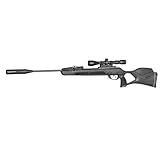
Repeatedly stopping to load a single pellet can turn a focused shooting session into a slow, fussy routine. The Gamo Swarm Magnum 10X GEN3i tackles that frustration with a 10-shot magazine, a gas-piston powerplant, and an included variable-power scope. It appears alongside searches for the best shotgun for a woman, yet the distinction matters right away: this is a .22 caliber break-barrel air rifle, not a shotgun. Its handling, ammunition, recoil cycle, and practical role belong firmly to the air-rifle category.

Gamo Swarm Magnum GEN3i

The headline feature is Gamo’s horizontal 10X GEN3i inertia-fed magazine. Breaking the barrel cocks the rifle and allows the loading system to position the next pellet, so the shooter doesn’t need to place a pellet into the breech after every shot. That setup preserves the familiar break-barrel routine while trimming away one repetitive step. The result is quicker follow-up shooting without converting the rifle into a semiautomatic platform.

The 10-shot capacity makes sense for paper targets and controlled plinking because the shooting rhythm stays steadier. A magazine still requires careful loading, though, and damaged pellet skirts or poor seating may cause inconsistent feeding. Keeping the magazine clean and protected from impact matters more than it would with a plain single-shot breech. Convenience comes with added moving parts, and that tradeoff deserves a place in the buying decision.

The horizontal magazine arrangement also helps keep the loading assembly from standing awkwardly above the receiver. That can leave more room around the optic and preserve a cleaner sighting line. Even so, scope mounting, magazine clearance, and eye position should be checked together rather than treated as separate details. A feature-packed action isn’t much help if the cheek weld feels forced or the optic sits too high.

Gas-Piston Power And Shooting Behavior

The Swarm Magnum uses an IGT Mach1 gas piston instead of a traditional coiled spring. Gamo states that the system includes a 33-millimeter inert gas cylinder designed to provide strong velocity and penetration. Gas pistons can avoid some of the vibration and spring fatigue associated with conventional spring-powered rifles, though they still produce a noticeable two-direction recoil cycle. That movement feels quite different from the rearward push of a shotgun or conventional firearm.

Gamo lists a maximum velocity of up to 1,300 feet per second with alloy .22 caliber pellets. That figure depends on lightweight ammunition and shouldn’t be treated as the expected speed for every pellet. Heavier lead pellets will behave differently, often trading speed for a different flight profile and impact behavior. Consistent grouping matters more than chasing the largest velocity number printed on the package.

Power also affects the effort needed to cock a break-barrel action. The barrel must be pulled through its full arc before each shot, and a high-powered gas piston may require meaningful leverage. A person with shorter reach, shoulder discomfort, or limited upper-body strength may find repeated cocking tiring even if the rifle itself feels manageable when shouldered. Hands-on fit and cocking effort matter more than gender-based marketing labels.

Trigger Control And Scope Protection

The CAT trigger gives the shooter independent adjustment over the first and second stages. That Custom Action Trigger design can help create a more predictable break once it’s set according to the manufacturer’s instructions. A defined second stage may reduce the tendency to yank through an uncertain trigger pull. Adjustments should stay within the approved range, since an overly aggressive setting can compromise safe operation.

Trigger quality matters on a magnum air rifle because the action’s internal movement already asks for a repeatable hold. A rough or unpredictable release can add another variable just as the shot breaks. The adjustable stages allow some tailoring without requiring an aftermarket trigger. Still, adjustment won’t fix poor stock fit, inconsistent cheek pressure, or a grip that changes from shot to shot.

Gamo’s Recoil Reducing Rail is designed to reduce the stress transferred to the optic by the rifle’s recoil cycle. Spring and gas-piston air rifles can be demanding on scopes because their motion differs from that of many conventional firearms. The rail gives the included Gamo 3-9 scope a more forgiving mounting platform, at least in principle. Mounting screws still need periodic inspection because vibration has a stubborn habit of loosening hardware over time.

Noise Reduction Without Unrealistic Expectations

The rifle includes Whisper Fusion noise-dampening technology, described by Gamo as its quietest noise-reduction system. That feature may soften the muzzle report compared with an undampened magnum air rifle. It won’t make the rifle silent, especially with lightweight pellets traveling near or beyond the speed of sound. Pellet impact and the mechanical sound of the gas-piston action can remain noticeable even when the muzzle report is moderated.

Surroundings influence perceived noise more than product descriptions often suggest. Fences, sheds, covered patios, and hard backstops can reflect sound toward nearby properties. A quiet backyard in the morning may behave very differently once the pellet strikes a metal target or dense wooden trap. Noise dampening reduces one part of the sound signature, not every sound produced during shooting.

Local ordinances and safe-backstop requirements still apply regardless of the word “quiet” on the feature list. A .22 pellet traveling at high speed can cause serious injury, penetrate unsuitable materials, or ricochet from hard surfaces. Secure storage and controlled access also deserve the same attention given to other projectile-firing equipment. Reduced sound should never be mistaken for reduced responsibility.

Fit Within A Shotgun Search

The Gamo Swarm Magnum cannot literally qualify as the best shotgun for a woman because it isn’t a shotgun. It fires one .22 pellet at a time from a rifled barrel, uses a gas-piston break-barrel action, and has none of the shell handling or shot-pattern behavior associated with a shotgun. It won’t teach clay-target swing, shotgun mounting, pattern testing, or management of shotshell recoil. Those skills require a properly fitted shotgun and qualified instruction.

The air rifle may still appeal where low ammunition bulk, scoped target shooting, and magazine-assisted break-barrel operation are the real priorities. Its stock fit, trigger reach, cocking force, and balance should be considered individually rather than filtered through assumptions about who should use it. A lighter or shorter person may handle it comfortably, while someone larger may dislike the same proportions. Fit is personal, not gender-specific, and high power can make cocking effort the deciding factor.

The recoil pad can soften the contact point against the shoulder, but it doesn’t turn the rifle into a gentle beginner model by itself. Magnum gas-piston movement can still feel sharp and may demand a relaxed, consistent shooting hold. Clamping down hard on the fore-end often leads to changing points of impact with powerful break barrels. That learning curve rewards patience and may frustrate anyone expecting effortless accuracy from the first magazine.

Included Optic And Practical Setup

The package includes a Gamo 3-9 scope, the 10X GEN3i magazine, the rifle, and a manual. Variable magnification gives more flexibility than a fixed four-power optic, allowing a wider view at three power and closer target inspection at nine power. Higher magnification also exaggerates movement, so cranking the scope upward isn’t always helpful during unsupported shooting. A stable position and clear eye relief usually matter more than maximum zoom.

Initial setup deserves time rather than guesswork. Scope alignment, ring tension, rail position, and a comfortable cheek weld all influence whether the rifle points naturally. The recoil-reducing rail helps manage stress, but it can’t compensate for loose rings or an optic mounted too far forward. A careful zeroing process should also use the same pellet type intended for regular shooting.

Different pellets may produce noticeably different groups even though they share the same caliber. Alloy ammunition supports the stated maximum velocity, while heavier pellets may produce lower speed and a different point of impact. Switching between types without rezeroing can make the scope seem unreliable when the ammunition is actually responsible. Consistency begins with choosing a suitable pellet and sticking with it long enough to evaluate the rifle fairly.

Strengths That Stand Out

The magazine system is the clearest practical strength. Ten available shots reduce interruptions while preserving the self-contained nature of a break-barrel rifle. No external air tank, compressor, or hand pump is required, which separates it from PCP designs. A neutral reference to that different power system appears in beeman raider pcp air rifle, where compressed-air operation creates a different maintenance and shooting routine.

The IGT Mach1 system also avoids the traditional coil spring while delivering the power level described by Gamo. Pairing that powerplant with Whisper Fusion technology, an adjustable two-stage trigger, and the recoil-reducing rail creates a fairly coordinated package. The features aren’t just decorative extras because each addresses a known issue with magnum break barrels: vibration, sound, trigger feel, or optic stress. The design feels purpose-driven, even though it still demands careful technique.

A five-year warranty adds reassurance beyond the shorter coverage found on some air rifles. The supplied information also states that the rifle is made in Barcelona, Spain. Warranty protection doesn’t cover careless handling or substitute for routine inspection, but the longer period is still worth noting. Manuals, approved maintenance practices, and correct ammunition remain the sensible baseline.

Weaknesses And Everyday Tradeoffs

The biggest drawback is physical effort. Every shot requires breaking and cocking a high-powered gas-piston action, so the 10-shot magazine doesn’t remove the most demanding movement. It speeds pellet loading, not cocking. Someone expecting effortless rapid fire may be surprised by how much work each shot still requires.

Magazine dependence creates another small headache. A lost or damaged magazine can interrupt normal operation, and loading ten pellets takes more care than dropping ammunition loosely into a pocket. Dirt, deformed pellets, or rushed loading may compromise feeding. The repeater system rewards organization, which won’t bother a methodical owner but may irritate someone who values mechanical simplicity.

The advertised velocity may also tempt buyers to focus too heavily on speed. Magnum output can bring more noise, greater cocking effort, increased optic stress, and a more technique-sensitive recoil cycle. Those tradeoffs aren’t automatically bad, but they make the rifle less forgiving than a milder target model. A calm, repeatable hold and realistic range expectations will matter far more than the maximum fps claim.

The Swarm Magnum also remains a poor substitute for shotgun-specific practice. Its scope, rifled barrel, pellet magazine, and gas-piston action train a different set of habits. It may suit controlled target work or lawful pest-management situations, yet it doesn’t prepare the body for shotgun balance or moving-target swing. Category mismatch is the central limitation, especially under this keyword.

Gamo Varmint .177 Rifle And Pellet Pen Bundle

A bundled accessory can look like a small detail until loose pellets start rolling around a range bag or disappearing into a pocket seam. The Gamo Varmint package pairs a .177 caliber break-barrel air rifle with an Air Venturi pellet pen, creating a tidier setup for deliberate target sessions and lawful pest-control work. Its appearance under the best shotgun for a woman keyword needs a clear correction, though, because this product is an air rifle rather than a shotgun. It shoots individual pellets from a rifled barrel and offers none of the shell handling, patterning, or moving-target characteristics associated with shotgun use.

Gamo Varmint Rifle And Pellet Pen

The bundle contains two separate pieces: the Gamo Varmint air rifle and an Air Venturi .177 pellet pen. That pairing is practical rather than flashy, since the pen keeps pellets together and provides a cleaner way to manage ammunition around the loading area. A break-barrel rifle still requires one pellet for every shot, so a compact holder can reduce fumbling between repetitions. It won’t speed up the mechanical cocking cycle, but it can make the loading routine feel less scattered.

The rifle uses a spring-piston break-barrel action. Pulling the barrel downward compresses the internal spring and exposes the breech, where a pellet is inserted before the barrel is returned to its locked position. This self-contained power system means there’s no separate air tank, hand pump, or compressor to manage. The flip side is repeated cocking effort, which can become tiring during longer shooting sessions.

Single-shot operation naturally slows the pace. That isn’t necessarily a drawback for paper targets, where a measured rhythm can help keep attention on stance, breathing, sight picture, and trigger pressure. Still, anyone expecting magazine-fed follow-up shots may find the process a little old-school. Mechanical simplicity is the tradeoff for giving up rapid loading.

Velocity And Pellet Expectations

Gamo lists a maximum velocity of up to 1,250 feet per second with .177 caliber pellets under the stated product specifications. That figure should be treated as a ceiling associated with particular lightweight ammunition, not a fixed speed for every pellet placed in the breech. Pellet material, weight, shape, and barrel fit all affect actual performance. A heavier lead pellet will generally behave differently from a lighter alloy design.

Velocity grabs attention because it’s easy to understand, yet predictable grouping matters more for most target work. A pellet traveling slightly slower but landing consistently is usually more useful than a faster one scattering across the target. The included pellet pen makes it easier to keep one chosen pellet type close at hand, which can reduce accidental mixing during a session. Ammunition consistency supports clearer evaluation of the rifle and scope.

The .177 caliber format suits paper targets and pest-control applications where local law, property conditions, and safe shooting angles allow it. Small pellets remain capable of serious injury and can travel beyond an unsuitable backstop, so the modest diameter shouldn’t create a casual attitude. Hard surfaces may also cause ricochets. Responsible containment and secure storage remain central to using this rifle safely.

Scope Setup And Practical Sight Picture

The package includes a 4x32 scope and mount, providing fixed four-power magnification without requiring a separate optic purchase. Four power keeps the setup straightforward because there’s no magnification ring to adjust from shot to shot. The 32 mm objective lens gives the optic a compact profile that suits the rifle’s basic target and pest-control role. It also keeps the sighting system from becoming unnecessarily bulky.

Mounting deserves patience, even with the hardware included. Eye relief, reticle alignment, ring tension, and scope position determine whether the image appears naturally as the rifle reaches the shoulder. Spring-piston recoil moves in more than one direction, which can place unusual stress on optics and mounting screws. Periodic fastener checks can prevent a loose mount from being mistaken for poor rifle accuracy.

Fixed magnification offers simplicity but not much flexibility. At closer distances, four power may feel tighter than open sights, while longer distances may leave small target details harder to read than they would appear through a variable scope. The setup is best understood as functional and uncomplicated rather than specialized. A stable cheek position still matters because even a clear optic can’t compensate for inconsistent head placement.

Handling, Fit, And Repeated Cocking

The rifle’s fit should be judged through reach, balance, stock length, and cocking effort rather than assumptions tied to gender. A person searching for the best shotgun for a woman may care deeply about manageable weight and comfortable dimensions, but those same concerns don’t make an air rifle equivalent to a shotgun. The Gamo Varmint may feel approachable once shouldered, yet the barrel still has to be broken open for every shot. That repeated movement can matter more than the rifle’s resting weight.

Spring-powered rifles often reward a relaxed, repeatable hold. Squeezing the fore-end tightly or changing shoulder pressure between shots can affect where pellets land because the action moves as the spring and piston cycle. That behavior may seem finicky at first, especially to someone accustomed to firearms with a more straightforward rearward recoil impulse. Hold consistency becomes part of the learning process.

The pellet pen helps at the loading stage, but it doesn’t reduce the leverage needed to cock the rifle. Shorter arms, shoulder discomfort, or limited hand strength may make the repeated break-barrel motion less comfortable over time. Trying the action under qualified supervision gives a better answer than guessing from photographs. A rifle that feels fine for five shots may become bothersome after thirty.

Where The Bundle Earns Its Keep

The bundle’s strongest advantage is convenience. The rifle, scope, mount, and pellet pen cover the basic pieces needed for a simple scoped-air-rifle routine, apart from pellets and appropriate safety equipment. There’s no separate compressed-air support gear to store or maintain. A self-contained powerplant keeps preparation fairly direct.

Target shooting is the cleanest fit for this package because the single-shot cycle encourages an unhurried pace. The pellet pen can sit beside the shooting position, keeping ammunition organized instead of loose in a tin or pocket. That sounds minor, but small interruptions add up quickly during repeated loading. The arrangement suits careful practice better than hurried plinking.

Pest-control and varmint applications depend heavily on legal permission, humane range limits, pellet selection, and a secure backstop. The supplied product description identifies those uses, but it doesn’t guarantee suitability for every pest, property, or shooting distance. Local rules may restrict discharge even on private land. Capability and legal appropriateness are separate questions.

Limits Inside A Shotgun-Focused Search

This product cannot replace shotgun practice. A shotgun throws a pattern of shot or fires a slug, while the Gamo Varmint launches one .177 pellet through a rifled barrel. Stock mounting, recoil, balance, swing, safety manipulation, and ammunition handling all feel different. The category mismatch is the biggest limitation under this keyword.

An air rifle may still help with general habits such as muzzle awareness, trigger discipline, sight alignment, and controlled breathing. Those habits have value, but they don’t transfer perfectly into clay shooting or shotgun hunting. A scoped pellet rifle encourages precise aiming at a fixed point, while many shotgun activities depend on smooth movement and visual focus on a moving target. Treating one as a substitute for the other creates unrealistic expectations.

A related reference appears in air rifles for youth, where fit, cocking effort, supervision, and manageable handling receive similar attention in a different age-based setting. The connection is useful because compact dimensions alone don’t guarantee easy operation. Spring tension, trigger reach, stock shape, and the ability to maintain safe muzzle control matter just as much. Those principles apply broadly without assigning a rifle to one gender.

Strengths And Weaknesses In Daily Use

The included 4x32 scope reduces the number of separate parts needed to build a usable setup. Fixed magnification is easy to understand, and the supplied mount removes some shopping guesswork. The pellet pen adds organization without making the package complicated. Together, those pieces support a cleaner first setup than buying the bare rifle alone.

The spring-piston system also avoids refill equipment and compressed-air logistics. That keeps ongoing use simple in one sense, since cocking the rifle supplies the power for the next shot. Yet the same design creates the main weakness: every shot demands physical effort and resets the shooting position. Self-contained operation and repeated labor arrive as a matched pair.

Maximum velocity sounds impressive, but it may encourage buyers to value speed over pellet compatibility and consistent grouping. The rifle’s real usefulness depends on how reliably it places a chosen pellet at an appropriate distance. Noise and mechanical vibration may also be more noticeable than expected from a small-caliber air rifle. A spring piston has its own character, and not everyone enjoys that feel.

The bundle makes the most sense for someone who actually wants a basic .177 break-barrel rifle with an included optic and a neater way to hold pellets. It makes far less sense for someone seeking low-effort cocking, magazine capacity, or true shotgun training. Honest expectations keep its strengths from being overshadowed by the wrong comparison. The Gamo Varmint is straightforward within its lane, but that lane is scoped air-rifle shooting rather than shotgun use.

Barra Sportsman 900 Multi-Pump Air Rifle

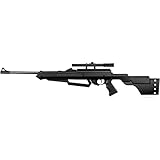
Loading tiny pellets, resetting a shooting position, and wrestling with awkward controls can drain the enjoyment from an afternoon at the range. The Barra Sportsman 900 addresses some of those annoyances with a large loading chamber, adjustable power, dual-ammunition capability, and two sighting options. It may appear during research for the best shotgun for a woman, but this product is a .177 caliber air rifle rather than a shotgun. Its pneumatic action, pellet-sized ammunition, recoil behavior, and intended uses belong to a completely different category.

Barra Sportsman 900 Air Rifle

The Sportsman 900 uses a multi-pump pneumatic system that allows one to ten pump strokes before each shot. That setup gives the shooter more control over output than a fixed-power design, since lower pump counts can suit close paper targets while additional strokes raise velocity. Barra lists a maximum speed of up to 800 feet per second under the supplied specifications. Actual performance will still depend on ammunition type, pump count, and shooting conditions.

Manual pumping keeps the rifle independent from external air tanks, compressors, or disposable gas cartridges. That’s a practical strength for storage and casual use because the power source is built directly into the action. The tradeoff shows up after several shots, when repeatedly working the pump arm may start to feel like a workout. Self-contained operation sounds simple, but it shifts the physical effort into every firing cycle.

Consistent pumping matters more than it first appears. Five strokes on one shot and eight on the next can change pellet speed and point of impact, making the rifle seem less accurate than it really is. A steady routine helps separate equipment behavior from changes in technique. Repeatable pump counts are especially useful while zeroing the scope or testing a new pellet.

Dual Ammunition And Loading Design

The rifle can fire single .177 caliber pellets or steel BBs stored in its built-in 50-BB reservoir. That flexibility supports two different shooting styles without requiring separate airguns. Pellets generally suit deliberate target work because their shape can engage the rifled barrel more effectively. BBs favor convenience, though their flight and impact characteristics won’t match those of pellets.

A large chamber opening and magnetic pin make BB loading less fiddly. Small steel BBs tend to roll away easily, so magnetic retention solves a very ordinary but irritating problem. The internal reservoir also keeps ammunition inside the rifle instead of loose in a pocket or scattered across a bench. The easier loading system helps maintain a steady rhythm, although pumping is still required before every shot.

Switching between pellets and BBs calls for realistic expectations. The two ammunition types may strike different areas of the target even at the same distance and sight setting. Pellet shape, weight, and fit can also alter grouping, so grabbing whatever happens to be available may produce uneven results. A consistent ammunition choice gives the sights and barrel a fairer evaluation.

Rifled Barrel And Sighting Options

The Sportsman 900 has a 20-inch rifled barrel, giving pellets a stabilized path through the bore. Rifling can support more predictable flight when the pellet pairs well with the barrel and the shooter maintains a repeatable hold. The longer barrel also creates a generous sight radius for the adjustable fiber optic sights. From a supported position, that length can help the rifle feel settled rather than twitchy.

A 4x15 scope comes with the package. Fixed four-power magnification offers a closer view of paper targets without adding the extra adjustment ring found on variable optics. The compact 15 mm objective keeps the scope relatively small and light. The included optic is best viewed as a straightforward starting point rather than a specialized long-range sighting system.

Adjustable fiber optic sights remain available if the scope feels awkward or loses alignment. Their bright inserts can be easier to pick up against many target backgrounds, particularly during daylight practice. Open sights also remove concerns about eye relief and scope height. Having two sighting methods gives the rifle more flexibility than relying on the bundled scope alone.

Stock Shape And Shoulder Fit

The stock uses thick-walled ABS plastic with a lightly textured finish. Synthetic construction handles routine bumps and changing weather without the finish concerns associated with traditional wood. The texture adds grip around the stock and pistol-grip area, which may help if hands become damp or dusty. It won’t satisfy someone who prefers the warmth and balance of wood, but it suits the rifle’s functional character.

A pistol grip and drop-stock layout give the Sportsman 900 a modern sporting profile. The grip places the firing hand at a more upright angle, while the dropped comb is intended to support a usable sight line behind the scope. Comfort still depends on wrist angle, hand size, cheek placement, and trigger reach. Appearance doesn’t guarantee good ergonomics, so the stock should be judged by how naturally it settles against the shoulder.

The longer barrel can influence balance even though the synthetic stock helps manage overall weight. A forward-heavy feel may steady the rifle from a rest but become tiring during unsupported shooting. Arm length and upper-body endurance matter more than marketing labels tied to gender. The best shotgun for a woman search may highlight fit concerns, yet those concerns must be evaluated separately for this air rifle.

How It Differs From A Shotgun

The Sportsman 900 cannot serve as a direct substitute for a shotgun. It fires one .177 pellet or BB through a rifled barrel, while shotguns use shells and produce completely different recoil, balance, loading, and target behavior. Clay shooting requires smooth swing and follow-through, neither of which is practiced through scoped pellet shooting. The category difference is fundamental rather than a minor technical detail.

Some basic habits can still carry across shooting disciplines. Muzzle control, trigger discipline, breathing, safe storage, and awareness of what lies beyond the target remain essential. Still, success with a low-recoil air rifle doesn’t prove that a shotgun will fit comfortably or operate easily. Shotgun-specific training requires a properly fitted shotgun and qualified instruction.

The Sportsman 900 makes more sense for controlled target shooting, informal plinking, and lawful small-game situations described by the manufacturer. Its adjustable pumping system and low recoil can make practice less physically jarring than many conventional firearms. That doesn’t reduce the danger of the projectile, though. Pellets and BBs can penetrate unsuitable materials, ricochet from hard surfaces, and cause severe injury.

Practical Strengths

The most useful strength is adjustable power. One to ten pump strokes allow the rifle to be configured for different distances and suitable tasks without changing the powerplant. Lower pump counts can reduce effort and unnecessary output during close-range target work. Higher counts remain available where the shooting environment, ammunition, and local rules support them.

Dual-ammunition capability adds genuine flexibility. The 50-BB reservoir is convenient for casual shooting, while individual pellets suit more deliberate accuracy work through the rifled barrel. From a practical angle, related pellet-rifle considerations appear in 177 air rifles for squirrels, where shot placement, range limits, and legal restrictions remain important. Two ammunition formats broaden the rifle’s usefulness, but they also require separate sighting expectations.

The supplied scope and fiber optic sights reduce the need to buy a complete sighting setup separately. A beginner can start with the open sights, then use the scope after becoming comfortable with the rifle’s pumping and loading routine. The magnetic loading pin also makes BB handling less clumsy than it is on many basic air rifles. Small conveniences add up during a long practice session.

Weaknesses And Real Tradeoffs

The biggest weakness is repeated pumping. Ten strokes before every maximum-power shot can become tedious, especially during a long afternoon of target shooting. The movement also disrupts the firing position, requiring the rifle to be shouldered and settled again. Power control costs time and effort, and the design offers no shortcut around that exchange.

The long barrel and modern stock won’t suit every body shape. Some people may appreciate the steady feel, while others may struggle with the reach or forward balance. A rifle that feels light on a product page can still tire the supporting arm after repeated pumping and unsupported aiming. Fit remains individual, regardless of how the product is categorized online.

The included 4x15 scope has practical limits. Fixed magnification keeps operation simple, but it provides less flexibility than a variable optic and may feel restrictive at very close distances. Mounting alignment and eye relief still need attention before the scope feels natural. An included scope isn’t automatically a finished setup, particularly if the stock position and optic height don’t match the shooter’s face.

Steel BBs also deserve caution around hard targets and makeshift backstops. Their tendency to ricochet can be greater than that of softer pellets, making proper containment essential. The built-in reservoir may encourage casual plinking, but convenience shouldn’t weaken safety habits. A suitable backstop and secure storage remain non-negotiable parts of ownership.

Where The Sportsman 900 Fits Best

The Barra Sportsman 900 fits a routine built around patient, adjustable-power shooting. Its large loading chamber, magnetic BB pin, 50-round reservoir, included scope, and fiber optic sights reduce several common frustrations. The rifle also avoids external filling equipment, which keeps storage and preparation fairly simple. The design favors independence over rapid firing.

It makes less sense for someone who dislikes repetitive manual effort or wants fast follow-up shots. A magazine-fed PCP rifle would offer a different rhythm, while a spring-powered break barrel would remove the need for multiple pump strokes. Those alternatives carry their own costs and maintenance requirements. No airgun power system is free of tradeoffs, and the Sportsman 900 makes its compromise obvious.

The rifle’s modern appearance may also create expectations that exceed its intended role. It remains a budget-conscious multi-pump air rifle designed around moderate target work, plinking, and limited small-game use described in the supplied information. It isn’t a shotgun, a rapid-fire platform, or a no-effort hunting rifle. Realistic expectations are the difference between appreciating its flexibility and resenting the pumping routine.

4.5
2 ratings
John Timmons
WRITTEN BY
John Timmons
I'm an airgun enthusiast and I love nothing more than spending my time outdoors shooting targets. I'm always on the lookout for new airgun gear, and I love sharing my knowledge with others.