
Best slingshot ammo size for hunting 2026 Sweet Spot

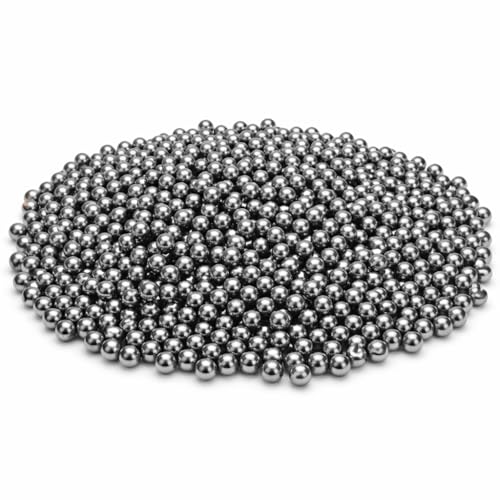
If best slingshot ammo size for hunting has you spiraling between 3/8", 7/16", and 1/2", You’re not overthinking it. Tiny changes in diameter shift everything: Pouch fit, band tune, point of impact, and that nagging feeling that the shot “looked good” but landed soft. The practical sweet spot is usually 3/8" (9.5mm) steel or 7/16" (11mm) steel because they stay consistent, fly predictably, and still carry enough punch when the setup is dialed. Bigger can work, Sure, but it starts asking for stronger bands and tighter form, and that’s where things get squirrelly fast.
3/8" steel is the “straight shooter” choice when precision is the whole game. It tends to leave the pouch cleaner, track flatter at typical backyard-to-woods distances, and give quicker feedback on release mistakes, Which is gold when nerves sneak in. It also plays nicely with a wide range of band sets, so you’re not forced into a stiff, wristy draw just to get decent speed. If you’ve ever had shots drift low because your bands were tired or your anchor got lazy, This size is often the easiest to bring back into line. It’s not flashy, It’s just dependable, and dependable wins.
7/16" steel is the “more authority” option without turning your rig into a science project. You get a noticeable bump in impact energy, but the ammo is still common, round, and easy to tune for clean release. That extra weight can also calm the flight a bit in light wind, so your aiming doesn’t feel like chasing a paper napkin. The tradeoff is a touch more arc and a setup that needs to be matched instead of guessed, Because underpowered bands with heavier ammo can feel mushy. Still, when everything clicks, it’s the kind of setup that makes you mutter, “Okay, That’s the one.”
1/2" (12.7mm) steel is where the rabbit hole gets deeper. It can hit hard, but it demands more from bands, pouch, and consistency, and it punishes sloppy release with ugly flyers. The trajectory drops faster, so range estimation matters more, and the whole system can feel less forgiving when adrenaline spikes. Some folks prefer lead balls in similar diameters because lead is heavier for the size, but that can also mean slower speed if the bands aren’t tuned, and then you’re trading flatness for thump. Either way, the “bigger is always better” idea is a trap, Because clean placement and repeatability matter more than bragging rights.
The smartest move is picking one size, then building everything around it: pouch fit, band thickness, and a realistic distance where you can stack shots, not just land a lucky one. If you can’t group tightly, more mass won’t magically fix it, and that’s the tough truth. Start with 3/8" or 7/16" steel, tune for snappy release, and keep your practice honest with the same ammo every time. Once the rig feels like an extension of your hand, the “best” size stops being a debate and starts being a repeatable result.
- ARS Mark9.6
ARS Mark is a ranking system developed by bestairriflescopes.com. ARS Mark has no relationship or impact from any manufacturers or sales agent websites. Learn more
- BrandBC Precision

- ARS Mark9.6
ARS Mark is a ranking system developed by bestairriflescopes.com. ARS Mark has no relationship or impact from any manufacturers or sales agent websites. Learn more
- BrandTimbocca

- ARS Mark9.4
ARS Mark is a ranking system developed by bestairriflescopes.com. ARS Mark has no relationship or impact from any manufacturers or sales agent websites. Learn more
- BrandPGN Bearings

- ARS Mark9.0
ARS Mark is a ranking system developed by bestairriflescopes.com. ARS Mark has no relationship or impact from any manufacturers or sales agent websites. Learn more
- BrandBC Precision

- ARS Mark9.0
ARS Mark is a ranking system developed by bestairriflescopes.com. ARS Mark has no relationship or impact from any manufacturers or sales agent websites. Learn more
- BrandSukh

- ARS Mark9.0
ARS Mark is a ranking system developed by bestairriflescopes.com. ARS Mark has no relationship or impact from any manufacturers or sales agent websites. Learn more
- BrandLISHINE

- ARS Mark9.0
ARS Mark is a ranking system developed by bestairriflescopes.com. ARS Mark has no relationship or impact from any manufacturers or sales agent websites. Learn more
- BrandTimbocca
Last update on 2026-01-10 / Affiliate links / Images, Product Titles, and Product Highlights from Amazon Product Advertising API
If best slingshot ammo size for hunting has you spiraling between 3/8", 7/16", and 1/2", You’re not overthinking it. Tiny changes in diameter shift everything: Pouch fit, band tune, point of impact, and that nagging feeling that the shot “looked good” but landed soft. The practical sweet spot is usually 3/8" (9.5mm) steel or 7/16" (11mm) steel because they stay consistent, fly predictably, and still carry enough punch when the setup is dialed. Bigger can work, Sure, but it starts asking for stronger bands and tighter form, and that’s where things get squirrelly fast. 3/8" steel is the “straight shooter” choice when precision is the whole game. It tends to leave the pouch cleaner, track flatter at typical backyard-to-woods distances, and give quicker feedback on release mistakes, Which is gold when nerves sneak in. It also plays nicely with a wide range of band sets, so you’re not forced into a stiff, wristy draw just to get decent speed. If you’ve ever had shots drift low because your bands were tired or your anchor got lazy, This size is often the easiest to bring back into line. It’s not flashy, It’s just dependable, and dependable wins. 7/16" steel is the “more authority” option without turning your rig into a science project. You get a noticeable bump in impact energy, but the ammo is still common, round, and easy to tune for clean release. That extra weight can also calm the flight a bit in light wind, so your aiming doesn’t feel like chasing a paper napkin. The tradeoff is a touch more arc and a setup that needs to be matched instead of guessed, Because underpowered bands with heavier ammo can feel mushy. Still, when everything clicks, it’s the kind of setup that makes you mutter, “Okay, That’s the one.” 1/2" (12.7mm) steel is where the rabbit hole gets deeper. It can hit hard, but it demands more from bands, pouch, and consistency, and it punishes sloppy release with ugly flyers. The trajectory drops faster, so range estimation matters more, and the whole system can feel less forgiving when adrenaline spikes. Some folks prefer lead balls in similar diameters because lead is heavier for the size, but that can also mean slower speed if the bands aren’t tuned, and then you’re trading flatness for thump. Either way, the “bigger is always better” idea is a trap, Because clean placement and repeatability matter more than bragging rights. The smartest move is picking one size, then building everything around it: pouch fit, band thickness, and a realistic distance where you can stack shots, not just land a lucky one. If you can’t group tightly, more mass won’t magically fix it, and that’s the tough truth. Start with 3/8" or 7/16" steel, tune for snappy release, and keep your practice honest with the same ammo every time. Once the rig feels like an extension of your hand, the “best” size stops being a debate and starts being a repeatable result.


12 Best 22 Pcp Air Rifle For Hunting of 2026 With Quiet Power

7 Best 22 Pcp Air Rifle Under 300 of 2026 For Backyard Pest Control

10 Best 22 Break Barrel Air Rifles of 2026 For Backyard Pest Control

10 Best 30 Caliber Pcp Air Rifle of 2026 For Medium Game

Top Best 177 Air Rifle Under 100: Budget-Friendly Picks for 2026

How to Safely Reload Shotgun Shells at Home

11 Best Co2 Air Rifle For Pest Control of 2026 To Ensure Humane Dispatch

12 Best Inexpensive Air Rifles of 2026 For Dependable Backyard Accuracy






