
5 Best Thermal Riflescope of 2026 For Clear Night Identification

A cold winter pasture sits under zero moonlight as a faint heat signature drifts along the treeline at two hundred yards. Inside the display, digital zoom turns the target into a blurry cluster of gray pixels, blurring the ears, snout, and shoulder into an unrecognizable smear. The rifle stays frozen on the shooting sticks. Squeezing the trigger on a guess is out of the question, but watching that ambiguous heat shape vanish into the brush wastes hours of patient freezing in the dark. Optic hardware with weak sensor resolution leaves hunters blind to critical target details, turning high-stakes nighttime predator stands into frustrating guesswork.
Clean nighttime hunting demands positive target identification the second an animal steps into the open, giving shooters total confidence before taking a shot. Securing that kind of clarity starts with matching core hardware to actual field distances. A 384x288 sensor preserves crisp body outlines across wide pastures, whereas a 256x192 core handles close-range feeder management. Objective lens size also shifts performance: a 35mm lens keeps the field of view generous for scanning running targets, while a 50mm bell pulls distant silhouettes into sharp focus. Confirming whether the housing locks onto a direct Picatinny base or uses traditional rings ensures a rock-solid zero that holds season after season. Here is how the leading options compare for dependable night shooting.

- ARS Mark9.7
ARS Mark is a ranking system developed by bestairriflescopes.com. ARS Mark has no relationship or impact from any manufacturers or sales agent websites. Learn more
- BrandSightmark

- ARS Mark9.7
ARS Mark is a ranking system developed by bestairriflescopes.com. ARS Mark has no relationship or impact from any manufacturers or sales agent websites. Learn more
- BrandBansainong
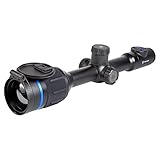
- ARS Mark9.0
ARS Mark is a ranking system developed by bestairriflescopes.com. ARS Mark has no relationship or impact from any manufacturers or sales agent websites. Learn more
- BrandPulsar
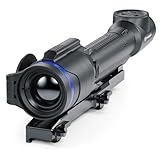
- ARS Mark8.4
ARS Mark is a ranking system developed by bestairriflescopes.com. ARS Mark has no relationship or impact from any manufacturers or sales agent websites. Learn more
- BrandPulsar

- ARS Mark8.2
ARS Mark is a ranking system developed by bestairriflescopes.com. ARS Mark has no relationship or impact from any manufacturers or sales agent websites. Learn more
- BrandPulsar
Last update on 2026-10-05 / Affiliate links / Images, Product Titles, and Product Highlights from Amazon Product Advertising API
Can a 256 x 192 thermal sensor identify game, or is a 384x288 sensor necessary?
A 256 x 192 sensor works for close-range detection, but a 384x288 sensor is usually necessary for positive target identification at typical hunting distances. Lower-resolution sensors often render animals as blurry heat shapes, making it difficult to separate a coyote from a non-target animal. A 384x288 sensor, like the one in the Pulsar Talion XQ35 Pro, provides sharper outlines so you can confirm your target before pulling the trigger.
How does a 35mm objective lens compare to a 50mm lens for nighttime shooting?
A 50mm lens provides greater detection reach and thermal detail, while a 35mm lens delivers a wider field of view for scanning open ground. Models like the Pulsar Thermion 2 XQ35 Pro and Sightmark Wraith Mini 2-16x35 give you broad situational awareness to track moving predators or sounders. Stepping up to a 50mm optic, such as the Pulsar Thermion 2 XQ50 Pro, narrows your viewing area but helps you spot and resolve heat signatures at longer ranges.
Does a thermal riflescope mount with standard rings or attach directly to a rail?
Mounting styles vary by scope chassis. Some models use traditional scope rings, while others feature built-in mounts that clamp straight to a rifle rail. Check the manufacturer specifications for your chosen optic to verify whether you need standalone rings or a direct rail mount when outfitting the best gun for a thermal scope.
How does digital magnification affect clarity on a thermal scope?
Digital zoom enlarges the pixels of the thermal image rather than adjusting physical glass lenses, which reduces clarity as you increase power. On an optic like the Sightmark Wraith Mini 2-16x35, your crispest view occurs at the 2x base magnification. As you dial magnification higher, the image becomes more pixelated, so confirm that the base optical magnification matches your typical shooting distances.
Can you use thermal imaging and digital night vision in the same optic?
Yes, select hybrid scopes combine both thermal detection and digital night vision capabilities in one unit. The Bansainong 256 x 192 Thermal Riflescope with Night Vision is designed to offer both formats, allowing you to pick up heat signatures and view ambient nighttime details. Check the product manual to verify how the scope toggles between thermal and digital night vision modes so you can operate it smoothly in the dark.
What should you verify to ensure a thermal scope survives wet or freezing hunts?
Verify the specific weatherproofing and water-resistance ratings in the manufacturer documentation before taking an optic into harsh conditions. Thermal optics rely on sensitive electronic displays and sensor housings that must remain sealed against rain, snow, and internal fogging. Check the product listing for sealed battery compartments and confirmed weather protection ratings to make sure your scope remains dependable in freezing temperatures.

10 Top Picks: Best Youth Air Rifles for 13-Year-Olds

12 Best Rifle Scopes For 5.56 Under 150 Dollars - (2026 Top Picks)

Top 10 Rifle Scopes for Coyote Hunting in 2026

12 Best Benchrest Rifle Scopes of 2026 For Tight Groups

Top 5 Airsoft Rifles: Unleash the Action in 2026

Unveil the Best Straight Wall Deer Rifles: Top Picks for 2026

Top Ammo Choices for Air-Powered Rifles: Boost Your Performance in 2026

Best Quick Detach Scope Rings for Accurate and Convenient Shooting







