
Best Thermal Scope for Predator Hunting 2026 Picks

Predators rarely cooperate with a neat hunting plan. Coyotes may pause at the edge of a hedgerow, foxes can disappear behind knee-high grass, and shifting wind can ruin a promising setup before the first clear look. A dependable best thermal scope for predator hunting helps separate body heat from brush, darkness, and uneven ground, giving the hunter more time to identify movement rather than guessing at shadows. That extra visual information matters most during the few seconds when an animal stops, turns, or slips between patches of cover.
Thermal sensor resolution shapes how much detail remains visible as distance increases. A basic sensor may reveal a bright heat source, but it can struggle to show whether that shape is a coyote, a deer, or livestock standing farther back. Higher resolution produces cleaner edges and more recognizable movement, especially around tree lines and harvested fields. Still, sharper sensors raise the price quickly, so paying for detail beyond the normal shooting distance can burn a hole in the budget without adding much practical value.
Detection range deserves a skeptical eye because the longest advertised number usually refers to noticing heat, not making a responsible identification. Spotting a warm object at a great distance isn't the same as seeing enough shape, movement, and surrounding context to know what it is. Identification range and image clarity provide more useful guidance for real field decisions. Dense humidity, rain, fog, and warm ground can also flatten contrast, so even capable optics won't make every night look crisp.
Magnification creates another balancing act. More digital zoom can help inspect distant heat signatures, but enlarged pixels often look blocky and may hide small details around the head, legs, or tail. A sensible base magnification keeps close and medium-range movement easier to follow while preserving a wider field of view. That wider picture becomes valuable when a coyote circles quickly or a second animal enters from the side.
Battery performance can make or break a long calling session. Cold air drains batteries faster, video recording adds another load, and bright displays can chew through power before the night is over. Replaceable battery systems offer a quick swap in the field, while internal rechargeable packs reduce loose gear but may require an external power bank for extended outings. Either setup can work, though carrying backup power isn't optional when the truck is a long walk away.
Refresh rate affects how natural moving animals appear through the display. A higher rate creates smoother motion and makes it easier to track a predator crossing an open lane without the image smearing or jumping. Controls matter just as much because frozen fingers and thick gloves don't play nicely with tiny, closely packed buttons. Raised controls, a simple menu, and a quick calibration function save frustration when attention needs to stay on the field.
Recording features, multiple color palettes, picture-in-picture viewing, and wireless file transfer can be useful, but they shouldn't overshadow the basics. Stable zero retention, a durable housing, manageable weight, and a clear image carry far more value than a crowded feature menu. Heavy optics may feel steady on a bench, yet they can make a rifle nose-heavy during longer walks or unsupported shots. Well-balanced equipment tends to get used more often because it doesn't turn every setup into a wrestling match.
The strongest choice fits the terrain, common engagement distance, weather, and hunting rhythm rather than chasing the biggest specification on the box. Open farmland may reward longer identification range and moderate magnification, while brushy ground calls for a wider view and faster target pickup. Honest tradeoffs matter here. A lower-cost model can handle occasional short-range outings, but frequent nighttime use usually justifies better resolution, dependable power, and controls that won't become a headache after sunset.
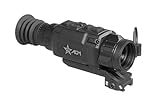
- ARS Mark10.0
ARS Mark is a ranking system developed by bestairriflescopes.com. ARS Mark has no relationship or impact from any manufacturers or sales agent websites. Learn more
- BrandAGM Global Vision

- ARS Mark9.4
ARS Mark is a ranking system developed by bestairriflescopes.com. ARS Mark has no relationship or impact from any manufacturers or sales agent websites. Learn more
- BrandGOYOJO

- ARS Mark9.2
ARS Mark is a ranking system developed by bestairriflescopes.com. ARS Mark has no relationship or impact from any manufacturers or sales agent websites. Learn more
- BrandAGM Global Vision

- ARS Mark9.2
ARS Mark is a ranking system developed by bestairriflescopes.com. ARS Mark has no relationship or impact from any manufacturers or sales agent websites. Learn more
- BrandRIX

- ARS Mark8.8
ARS Mark is a ranking system developed by bestairriflescopes.com. ARS Mark has no relationship or impact from any manufacturers or sales agent websites. Learn more
- BrandATN

- ARS Mark8.8
ARS Mark is a ranking system developed by bestairriflescopes.com. ARS Mark has no relationship or impact from any manufacturers or sales agent websites. Learn more
- BrandTOPDON

- ARS Mark8.4
ARS Mark is a ranking system developed by bestairriflescopes.com. ARS Mark has no relationship or impact from any manufacturers or sales agent websites. Learn more
- BrandAthlon Optics

- ARS Mark8.0
ARS Mark is a ranking system developed by bestairriflescopes.com. ARS Mark has no relationship or impact from any manufacturers or sales agent websites. Learn more
- Brandi4SEE
Last update on 2026-08-01 / Affiliate links / Images, Product Titles, and Product Highlights from Amazon Product Advertising API
AGM Rattler V3 25-384 Thermal Scope Review
Cold fields, tangled brush, and weak moonlight can turn a promising night hunt into a guessing exercise. The best thermal scope for predator hunting needs to reveal subtle temperature differences without forcing constant menu adjustments or awkward refocusing under pressure. AGM’s Rattler V3 25-384 tackles that problem with a 384×288 thermal sensor, sub-15mK sensitivity, and a 25mm objective lens built around practical target detection. Those numbers matter, but the bigger story is how they affect identification, tracking, and decision-making after dark.
AGM Rattler V3 25-384
The shortened name fits the scope’s personality rather well: compact in wording, but packed with serious thermal hardware. Its 384×288 resolution sits in a useful middle ground where animals can show recognizable body shape instead of appearing as vague glowing blobs. The 12μm pixel pitch helps keep the optic relatively compact while supporting better detail at useful hunting distances. That balance matters because a thermal unit that’s too bulky can make an otherwise manageable rifle feel front-heavy.
Thermal sensitivity below 15mK is the specification that deserves the most attention here. Lower sensitivity values allow the sensor to distinguish smaller temperature differences, which can help separate fur, foliage, damp ground, and cooler background objects. A coyote moving near a hedgerow may blend into the terrain through ordinary night vision, yet fine thermal contrast can make the outline easier to follow. Fog and humidity still affect thermal imagery, so expectations should stay grounded, but stronger sensitivity gives the optic more information to work with.
The 25mm lens and 2.5x base magnification point toward a practical field role rather than an extreme long-range setup. A 2.5x starting view leaves enough field width to locate moving predators without feeling trapped inside a narrow tunnel. Digital magnification extends to 20x, although image detail will naturally soften as digital zoom rises. That’s not a flaw unique to this scope; it’s simply how enlarged thermal pixels behave, and the cleaner base image helps delay that blocky look.
The stated detection range reaches 1,770 meters, or 1,936 yards, under suitable conditions. Detection at that distance means noticing a heat source, not confirming species or taking a responsible shot. Identification distance will be shorter and will change with weather, target size, background temperature, and the hunter’s experience reading thermal shapes. AGM gives the scope plenty of reach for scanning broad terrain, but disciplined interpretation still matters more than the headline number.
Image Detail And Heat Signature Separation
Image Boost 2.0 works with the sensor rather than replacing it with software tricks. The algorithm is designed to refine edges, contrast, and visible temperature separation, helping animals stand apart from uneven terrain. Paired with a 1920×1080 OLED display, the resulting image should look cleaner inside the eyepiece than the sensor resolution alone might suggest. The OLED panel also supports darker blacks, which can reduce the washed-out appearance that sometimes makes thermal scenes tiring to study.
Subtle terrain can be a headache during predator control. Recently warmed rocks, fence posts, cattle, and patches of bare soil may all hold enough heat to demand a second look. The Rattler V3’s enhanced image processing is useful because it aims to preserve distinctions instead of merely turning every warm object into the same bright shape. That makes scanning more deliberate, particularly in fields where livestock or farm equipment may be present.
Manual focus gives more control than a fixed-focus design, though it also asks for a little discipline. The ring lets the image be sharpened for different distances, which can improve head, leg, and body definition before identification. Oversized controls help because focus adjustments often happen with gloves on, cold fingers, or attention split between the display and the surrounding field. Glove-friendly operation sounds minor on paper, yet it’s exactly the sort of detail that becomes important after an hour in winter wind.
The scope’s viewing system should be strongest at lower to moderate magnification, where the native sensor detail remains most intact. Pushing toward 20x may help inspect a stationary heat source, but it narrows awareness and magnifies pixelation. A sensible approach is to scan at 2.5x, confirm movement at moderate zoom, and reserve maximum enlargement for short checks rather than continuous tracking. That rhythm protects field of view while still using the available zoom range.
Recording Features That Stay Out Of The Way
On-board video and audio recording add more than a highlight reel for social media. Recorded footage can help review shot timing, animal movement, calling response, and missed opportunities after the hunt. The inclusion of audio capture provides useful context because a silent clip won’t show when a call sequence changed or when someone whispered a range estimate. That extra layer makes the footage more useful for learning, not just sharing.
Shot-Activated Recording is the more practical feature because it reduces the chance of forgetting to press record during a fast encounter. Once enabled, the system is intended to capture the critical sequence around the shot without demanding another button press. That matters during sudden movement, especially when a predator appears from the side or crosses a narrow opening. Automatic event capture keeps attention on identification and rifle control rather than turning the optic into a camera project.
WiFi support adds a convenient path for transferring or viewing captured media through a compatible device. Wireless features can be handy back at the truck or indoors, though they’re less important than image clarity and zero retention in the field. Battery use may increase when wireless functions and recording run together, so power management deserves some thought before a long night. Recording convenience is valuable, but carrying backup power remains the sensible move.
The provided internal reference points to a different equipment category, so it doesn’t belong inside the thermal performance discussion. Separately, broader air-powered equipment topics are covered in full auto air rifles, which keeps that subject distinct from predator optics. The separation matters because forcing unrelated gear into the same recommendation usually creates confusion rather than useful context. This Rattler review stays centered on thermal hunting performance, controls, recording, and field durability.
Rugged Design For Cold And Rough Conditions
Shockproof construction matters on a rifle-mounted optic because recoil is repetitive, not occasional. Internal components have to maintain alignment through firing, transportation, and the inevitable bump against a truck door or shooting rest. The Rattler V3 is described as shockproof and waterproof, giving it a better foundation for wet grass, snow, drizzle, and rough handling. Waterproofing doesn’t mean careless treatment is wise, but it reduces anxiety when weather turns sour halfway through a set.
Winter-ready controls address a common weakness in compact electronics. Small flush buttons may look sleek, but they become a nuisance with gloves and nearly useless when fingers lose feeling. AGM uses oversized buttons and a manual focus ring that can be manipulated more deliberately in cold conditions. Physical control spacing can save several seconds during an adjustment, and those seconds feel much longer when an animal is moving.
The optic’s rugged build also creates a tradeoff. Reinforced housings, larger controls, and a substantial display system may add more weight than a stripped-down entry-level thermal unit. Rifle balance should be checked before a long walk, particularly on compact carbines where extra mass near the receiver can change handling. Still, a slightly heavier scope that holds up through wet, cold nights is often easier to live with than a lighter model that feels fragile.
Waterproofing and shock resistance support repeatable use, but proper mounting remains critical. Loose rings, incorrect torque, or an unstable rail can undermine even a well-built optic. A careful zeroing session should include several confirmation groups rather than one lucky cluster. Reliable mounting and zero retention work as a pair, and neither should be treated as an afterthought.
Where The Rattler V3 Makes The Most Sense
Open fields and mixed farmland fit this optic’s strengths well. The long detection capability can reveal distant movement, while the 2.5x base magnification keeps enough width for scanning fence lines and cut crop rows. Sub-15mK sensitivity may also help on damp nights when the ground and vegetation sit close together in temperature. Wide-area detection is the clear advantage, provided the hunter remembers that detection and identification aren’t the same thing.
Tighter woods present a slightly different picture. The scope can still function effectively, but heavy magnification becomes less useful where shots are short and animals cross quickly. Staying near the lower end of the zoom range should preserve tracking speed and reduce the chance of losing a moving target behind brush. The 25mm lens feels better suited to this flexible middle ground than a larger, more specialized long-range objective.
The Rattler V3 may be more capability than occasional nighttime hunting requires. Someone working only small properties at short distances might not need the detection range, advanced recording, or higher-resolution OLED display. Cost also rises with better sensor sensitivity and processing, so the benefit depends on how often those features solve a real problem. Frequent predator work, mixed terrain, and demanding weather make the feature set easier to justify.
Image quality remains the main reason to consider this model. The 384×288 sensor, 12μm pitch, sub-15mK sensitivity, Image Boost 2.0, and high-resolution OLED screen all support the same goal: clearer heat signatures with fewer uncertain shapes. Recording, WiFi, rugged construction, and glove-friendly buttons round out the package instead of distracting from it. The main limitations are predictable, including digital zoom softness, battery planning, changing thermal contrast, and the gap between detection range and true identification distance.
GOYOJO GRL335 Thermal Scope Review
Open ground can make nighttime scanning feel deceptively simple until a warm shape slips across tall grass and disappears before identification. The best thermal scope for predator hunting needs enough image detail to separate an animal from heated soil, brush, fence posts, and other background clutter without turning every scan into a menu-adjustment exercise. The GOYOJO GRL335 approaches that problem with a 384×288 thermal sensor, a 35mm objective lens, and a 1024×768 OLED display. Its specifications lean toward longer-distance observation, though the practical tradeoffs deserve just as much attention as the headline detection figure.
GOYOJO GRL335
The GRL335 combines a fairly compact body with hardware aimed at open-field detection. Its stated dimensions are 6.30 × 3.35 × 3.15 inches, while the listed weight is 1.22 pounds. That weight isn’t featherlight, yet it’s restrained enough to avoid turning a balanced rifle into a front-heavy club. Carried across a pasture or moved between calling stands, the smaller housing should also be less cumbersome than a long traditional optic.
A 384×288 thermal imaging core gives the scope enough native resolution to show more than a simple glowing patch. Body outline, movement pattern, and the relationship between a heat source and nearby terrain can become easier to read, especially before digital enlargement is pushed too far. The sensor resolution shouldn’t be confused with the display resolution, though. The 1024×768 OLED presents the generated image through a higher-resolution viewing panel, but it can’t create sensor detail that wasn’t captured in the first place.
The 35mm objective lens gives this model a longer-range bias. Larger objectives generally gather thermal information across a narrower field than shorter focal lengths, which can help distant animals occupy more of the image. That arrangement suits broad crop fields, pasture edges, and long lanes where movement may begin far beyond a normal shooting distance. In tight woods, however, the narrower viewing perspective may require more deliberate scanning.
GOYOJO lists a detection range reaching 1,968 yards. That figure describes the ability to notice a heat source under suitable conditions, not the distance at which species, orientation, and safe shooting context can always be confirmed. Weather, humidity, target size, terrain temperature, and vegetation can shrink practical performance. The useful strength here is early heat detection, giving more time to watch how a distant object moves before making any judgment.
Long-Range Image Behavior
The 1024×768 OLED screen provides the viewing surface for the scope’s thermal output. OLED panels can display strong contrast between bright heat signatures and darker backgrounds, helping small shapes stand apart without washing the entire scene in gray. That contrast becomes valuable around field margins, where residual warmth from soil and vegetation can make weaker displays look muddy. The high-resolution OLED should also make menus and reticle details easier to read.
Low-contrast conditions remain difficult for any thermal optic, so the phrase “crystal-clear” needs a pinch of salt. Warm evenings can reduce the temperature gap between an animal and its surroundings, while fog or heavy moisture may soften distant detail. The GRL335’s sensor and display pairing may preserve a readable image, but it won’t cancel the laws of thermal radiation. Environmental contrast still decides how much shape and texture appear on a given night.
The 35mm lens earns its keep while inspecting movement across open terrain. A predator emerging from a far tree line may occupy only a small portion of the frame, and the longer focal length helps make that heat source more visible before it closes the distance. Still, scanning too quickly can cause narrow hot spots to slip past unnoticed. Slow, overlapping sweeps make better use of the long-range field setup than whipping the rifle from side to side.
Identification should always happen at a shorter distance than initial detection. A coyote, loose dog, deer, or smaller livestock animal can produce a similar thermal impression when viewed far enough away. Movement style, body proportions, surroundings, and behavior all provide clues that a bright silhouette alone can’t supply. The GRL335 offers the reach to begin observing early, but responsible target recognition still depends on patience.
Magnification And Moving Targets
The listed 4X to 16X magnification range gives the GRL335 a noticeably tighter starting view than thermal scopes beginning around 2X. Four-power magnification can be useful in broad fields because distant animals appear larger from the start. Close movement may be harder to acquire, particularly if a predator enters from an unexpected side or crosses quickly near the caller. The 4X base view therefore favors distance over wide-area awareness.
A 55Hz refresh rate helps the image respond smoothly while targets move or the rifle pans across terrain. Lower refresh rates can make fast motion feel choppy, which complicates tracking and may cause the viewer to overshoot a moving heat source. At 55Hz, transitions should appear more fluid and natural. That smooth visual response is especially helpful when following coyotes that rarely travel in a straight, polite line.
Magnification reaching 16X sounds generous, but enlarged thermal images need realistic expectations. As magnification rises, the field narrows and visible sensor pixels become more apparent, so distant edges may look softer or blockier. High power can help inspect a stationary object, yet it’s less forgiving while tracking something that changes direction. Keeping the scope at moderate power usually preserves a better balance between detail and situational awareness.
The most practical workflow starts with a steady scan rather than maximum enlargement. Once movement appears, moderate magnification can help evaluate body shape and direction without losing the surrounding landmarks. More power makes sense only after the object slows or stops. That sequence keeps the 55Hz refresh rate working in favor of smooth tracking instead of pairing a narrow view with excessive zoom.
Six Thermal Palettes In Changing Terrain
Six selectable imaging modes give the GRL335 room to adapt to different backgrounds and viewing preferences. A bright-white heat palette can make animals obvious against cool ground, while darker heat presentations may feel less glaring during long sessions. Other color arrangements can highlight temperature boundaries that become hard to interpret in a single monochrome mode. The best palette often changes with the terrain rather than staying fixed all night.
Freshly plowed soil, rocks, water, and thick vegetation store and release heat differently. A mode that looks clean over a cool pasture may become visually noisy near sun-warmed structures or rocky hillsides. Switching palettes can help separate useful signatures from background clutter, although it won’t create missing thermal contrast. The real benefit is visual flexibility, not a magical increase in sensor resolution.
Personal comfort matters more than people sometimes admit. A palette with aggressive brightness may produce quick target recognition, but it can tire the eye after repeated scanning. Softer modes may be easier during an extended sit, even if the animal doesn’t jump off the screen quite as dramatically. The six-mode setup allows the display to suit changing eye comfort as well as changing field conditions.
Too many adjustments can become a distraction once movement begins. A practical approach is to settle on one primary mode and keep a second familiar palette ready for difficult backgrounds. Constantly cycling through all six can waste the very observation time the optic is supposed to create. Familiarity with two dependable image modes usually beats frantic experimentation after a heat source appears.
Recording Space And Field Documentation
The GRL335 includes 64GB of internal storage for saving thermal footage. That capacity removes the immediate need to juggle small removable cards in darkness or cold weather. Recorded clips can preserve animal approach patterns, missed opportunities, and changes in behavior around calling sequences. The built-in recording storage is therefore useful for review as well as keeping memorable footage.
Recording can reveal details that disappear in the rush of a live encounter. A heat source that seemed to appear out of nowhere may have been visible several seconds earlier at the edge of the frame. Rewatching footage can expose scanning gaps, unnecessary zoom changes, or moments when the rifle moved too quickly. Those observations are more useful than treating every saved clip as a highlight reel.
Internal storage brings a small maintenance responsibility. Footage eventually needs to be organized or removed, particularly after several long outings. Waiting until the storage is nearly full can create an avoidable headache before the next trip. Routine file management keeps recording available without turning the scope into a cluttered archive.
The supplied internal reference belongs to a different equipment subject and doesn’t overlap directly with thermal imaging performance. As a separate technical topic, daylight aiming visibility is discussed in laser pointers for daylight, without implying that it changes how this scope detects heat. Keeping those categories apart prevents unrelated accessories from muddying the evaluation. The GRL335’s meaningful recording strengths remain its 64GB capacity and straightforward field documentation.
Recoil Resistance And Physical Durability
GOYOJO states that the scope withstands recoil shocks up to 1000 g for 0.4 milliseconds. That rating speaks to brief, high-impact forces rather than ordinary bumps during transport. A rifle-mounted thermal optic needs internal components and mounting interfaces that can endure repeated shock without image interruption or wandering zero. The listed 1000 g recoil tolerance suggests that durability was treated as a central design requirement.
Recoil resistance doesn’t excuse careless installation. Mounting hardware, rail condition, screw tension, and proper eye placement all affect stability. Even a rugged optic can shift if the attachment point is loose or poorly fitted. A solid setup lets the scope’s shock-resistant construction do its job instead of asking it to compensate for weak mounting.
The compact housing should also reduce the leverage placed on the mount compared with a longer, heavier scope. Less overall length means fewer chances of snagging the optic while entering a blind, moving through brush, or placing the rifle in a vehicle rack. At 1.22 pounds, the GRL335 still adds noticeable mass, but it keeps that weight concentrated in a relatively short body. The result is a compact field profile rather than an oversized thermal assembly.
Harsh environments test more than recoil tolerance. Dust, cold air, wet vegetation, and repeated temperature changes can expose weak buttons, loose covers, or awkward control layouts. The supplied description emphasizes a tough housing, though it doesn’t provide a specific waterproof rating. That missing detail is worth acknowledging because rugged construction and certified water resistance aren’t automatically the same thing.
Battery Runtime And Practical Limits
The stated battery life ranges from six to eight hours. That window can cover a substantial evening hunt, but actual runtime may vary with temperature, display brightness, recording, and menu use. Cold weather generally puts more pressure on portable power systems, so the upper estimate shouldn’t be treated as a guarantee. The 6 to 8-hour battery range is useful, though backup power planning remains sensible.
Long sits often include more idle scanning than active tracking. Reducing display brightness where practical and shutting down unnecessary functions can stretch available runtime. Recording every uneventful minute may also consume power and storage without adding much value. Small habits like these help the battery match the length of the outing rather than fading during the last stand.
The GRL335’s strongest fit is open or mixed terrain where distance matters more than an especially wide starting view. Its 35mm lens, 4X base magnification, and long detection claim all point in that direction. Thick woods and very close calling setups may expose the narrower field-of-view tradeoff, making quick target acquisition less forgiving. That doesn’t make the scope unusable in tight cover, but it does shape where the design feels most natural.
The overall package centers on reach, smooth motion, storage, and manageable size. Its 384×288 sensor and 1024×768 OLED provide the image foundation, while the 55Hz refresh rate supports moving-target observation. Six palettes add flexibility, and the recoil rating addresses rifle-mounted durability. The main cautions are equally plain: detection isn’t identification, 16X magnification won’t preserve native detail, six to eight hours still requires power awareness, and the 4X starting view may feel tight at close range.
AGM RattlerV2 19-256 Thermal Scope Review
Fast movement at the edge of a field can expose every weakness in a thermal optic. A narrow view, sluggish refresh rate, or awkward focus ring may turn a clear opportunity into a blurry guessing match. The best thermal scope for predator hunting needs to show enough terrain to follow a moving animal while keeping controls simple under pressure. The AGM RattlerV2 19-256 leans into that practical role with a wide field of view, 2.5x base magnification, and a refreshed 50 Hz image.
AGM RattlerV2 19-256
The RattlerV2 19-256 takes a straightforward approach rather than chasing oversized lenses and extreme long-range specifications. Its 19mm germanium lens works with a 256x192 thermal sensor, creating a compact setup aimed at short-to-medium-range scanning. That combination won’t produce the fine detail of a higher-resolution 384-class sensor, but it can still reveal heat signatures clearly enough for practical observation. The smaller sensor also helps keep the design focused on manageable size and quick handling.
A 2.5x base magnification gives the scope a useful starting point for fields, brush lines, and calling areas where animals may appear unexpectedly close. Higher base magnification can make distant targets look larger, yet it often sacrifices the wider visual awareness needed for fast tracking. Here, the lower starting power leaves more room around the heat signature. That breathing room matters when a coyote cuts sideways instead of walking directly toward the caller.
The listed detection range reaches up to 950 yards under suitable conditions. Detection simply means noticing a heat source, not confirming species or establishing a safe shot at that distance. Humidity, fog, vegetation, ground temperature, and target size can all reduce usable range. The realistic strength is early warning across moderate terrain, allowing more time to study movement before the animal closes the gap.
Wide View And Faster Motion
The field of view measures 9.3 degrees by 6.9 degrees, or roughly 49 feet at 100 yards. That width is one of the scope’s more practical strengths because it reduces the tunnel-like sensation common with higher-magnification thermal optics. A 49-foot viewing area makes it easier to scan fence lines, track an animal weaving through grass, and notice a second heat source entering from the side. Broad awareness often matters more than raw zoom during a quick encounter.
The upgraded 50 Hz refresh rate doubles the previous 25 Hz rate listed for the earlier design. Faster refresh produces smoother movement while the rifle pans or the animal runs across the image. A choppy display can make direction changes difficult to judge, especially with smaller predators moving against uneven ground. The 50 Hz image response should feel more natural and less tiring during repeated scanning.
That smoother motion also supports better control at the moment of transition from scanning to tracking. The image is less likely to smear or jump while the rifle moves, helping the eye remain attached to the same heat signature. Still, refresh rate can’t compensate for hurried technique or excessive magnification. Slow pans and a steady rest will make better use of the wide field and fluid display than swinging the rifle across the landscape.
Focus Control And Digital Zoom
The enhanced focus ring uses a short-throw design, meaning it takes less rotation to move between focus distances. That sounds like a minor mechanical change, but cold fingers and gloves can make long, delicate adjustments frustrating. A shorter focus movement helps sharpen the scene without taking attention away from the animal for too long. Quick focusing is especially useful when a heat source moves from a distant tree line toward a closer opening.
Digital zoom extends from 2.5x to 20x, giving plenty of enlargement on paper. The catch is familiar: digital zoom enlarges existing pixels rather than adding new sensor detail. At high power, edges may become blocky, and subtle features around the head or legs can soften. The most useful zoom range will generally sit closer to the lower and middle settings, where image structure remains easier to interpret.
Maximum zoom still has a place for briefly examining a stationary heat source. It may help determine direction of travel or reveal whether the object is standing, crouching, or partially blocked by cover. Continuous tracking at 20x, though, narrows the view and magnifies every small rifle movement. The better habit is to scan wide, add moderate magnification, then use high digital zoom sparingly.
Upgraded Body And Field Handling
The redesigned scope body aims to make the RattlerV2 easier to manage during actual field use. Controls, focus access, and protective parts matter more after dark than they do in a product photo. A scope may have capable imaging hardware, but clumsy buttons can still slow down simple adjustments. The upgraded housing design suggests AGM paid attention to the handling complaints that often show up with compact electronics.
The upgraded lens cap is another small change with real practical value. Loose or awkward caps tend to flop around, snag on gear, or disappear in the truck after a few trips. Better protection helps keep the germanium lens away from dust, mud, moisture, and accidental contact during transport. Since thermal lenses aren’t ordinary glass, reliable lens protection is worth more than its size suggests.
Compact optics also affect rifle balance differently from larger long-range thermal systems. A smaller 19mm setup can feel less cumbersome during walks between stands or while shooting from an unsupported position. The tradeoff is reduced long-distance image detail compared with larger lenses and higher-resolution sensors. The RattlerV2 favors mobility and quick target acquisition over maximum-range identification.
Pros In Practical Predator Use
The broad field of view stands out as the clearest advantage. Predators don’t always enter the expected lane, and a narrow image can leave the hunter searching for a heat signature that’s already moving away. The combination of 2.5x base magnification and 49 feet of visible width at 100 yards supports quicker pickup in open lanes and mixed cover. That layout feels especially sensible where shots are more likely to be moderate rather than extreme in distance.
The 50 Hz refresh rate adds another meaningful benefit without complicating operation. Smooth movement helps with scanning, target tracking, and maintaining visual contact during a direction change. It also makes the display feel less mechanical during longer observation periods. Paired with the short-throw focus ring, the optic should require fewer distracting adjustments once movement appears.
The 950-yard detection claim gives the unit enough reach to monitor broad areas before animals enter a realistic identification range. Early detection can provide time to settle the rifle, study behavior, and avoid rushing the decision. A related pest-control subject appears in 22 air rifles for raccoons, though that equipment category remains separate from thermal scope performance. The RattlerV2’s real advantage stays rooted in wide scanning, smooth motion, and manageable magnification.
Cons And Important Tradeoffs
The 256x192 sensor is the main limitation for anyone expecting detailed long-range imagery. It can reveal heat and movement, but distant animals may lack the body definition provided by higher-resolution sensors. Digital zoom can enlarge the view, yet it can’t restore information the sensor never captured. The lower native resolution makes careful identification and conservative distance judgment especially important.
The 19mm lens also sets a clear boundary around the scope’s strongest role. It supports a wider view and compact handling, but it won’t deliver the same distant target scale as a larger 35mm or 50mm objective. Open-country hunting across very large fields may expose that difference quickly. This model fits better where fast detection and close-to-medium tracking matter more than reading small details far across a valley.
The 20x digital zoom figure may create expectations the sensor can’t fully meet. High magnification will narrow the scene, exaggerate hand movement, and reveal pixel structure. That doesn’t make the zoom useless, but it does mean the upper setting should be treated as an inspection tool rather than the normal operating view. The practical sweet spot is likely to remain near base power and moderate enlargement.
Realistic Fit And Daily Use
The RattlerV2 19-256 makes the most sense on properties where engagement distances stay moderate and animals may appear quickly from brush, drainage lines, or field edges. Its wide view helps reduce the frantic searching that can happen with tightly framed thermal optics. The 50 Hz refresh rate also keeps moving heat signatures easier to follow. Those traits support responsive field use rather than slow, highly magnified observation.
Large western fields or long open valleys may call for more sensor resolution and a longer focal-length lens. This scope can detect heat at substantial distances, but detection alone doesn’t provide the fine detail needed for confident identification. Paying more for a higher-resolution model may make sense where distant observation dominates every outing. For closer properties, though, the simpler 19mm configuration may be easier to carry and faster to use.
The overall balance is refreshingly honest once the specifications are read in practical terms. The RattlerV2 offers a broad view, smooth 50 Hz motion, quick focusing, and a compact lens system, while accepting limits in distant detail and high-zoom clarity. It won’t turn a 256x192 sensor into a long-range identification powerhouse. It does, however, provide a clear set of strengths and weaknesses that match fast-moving predator work across moderate terrain.
RIX Storm S1 Thermal Scope Review
Heavy optics can make a rifle feel clumsy before the first stand even begins, especially after a long walk across uneven ground. The best thermal scope for predator hunting should help reveal heat without turning the rifle into a burden or forcing the hunter through a maze of settings. The RIX Storm S1 takes a leaner approach with a sub-one-pound aluminum body, a 192×144 thermal sensor, and a 19mm detection lens. Its appeal rests less on raw sensor size and more on portability, simple controls, and practical thermal detection.
RIX Storm S1
The Storm S1 measures just 5.3 × 2.5 × 2.2 inches, so it occupies less rail space than many larger thermal scopes. Its aluminum-alloy housing weighs under one pound, a detail that matters during long walks, unsupported shooting, or repeated movement between calling locations. A lighter optic also changes rifle balance less dramatically than a bulky thermal unit. That compact metal construction gives the scope a useful mix of portability and physical protection.
The internal thermal core uses a 192×144 sensor with a 12μm pixel pitch and sensitivity below 25mK. That native resolution sits below common 256×192 and 384×288 options, so small distant details won’t appear as sharply defined. Still, the lower NETD rating helps the sensor distinguish modest temperature differences between animals, vegetation, and ground. It’s a budget-minded setup with clear limits, but it isn’t merely a basic heat detector.
A 19mm objective lens works with 3.5x base magnification to favor moderate and longer observation distances. The stated detection range reaches 1,094 yards, though that number refers to noticing a heat source rather than confirming species at the same distance. Identification depends on weather, animal size, background temperature, movement, and the observer’s familiarity with thermal shapes. The practical benefit is early detection, giving more time to watch a heat signature before it moves closer.
The scope can also function as a handheld thermal device, which adds flexibility without requiring a second dedicated monocular. A hunter might scan from a stationary position, then return the unit to the rifle before moving to another setup. Constant removal and remounting can affect zero if the mounting system isn’t repeatable, so that option needs careful handling. Even so, dual-purpose use gives the compact body more value than a rifle-only design.
RET Processing And Image Detail
RIX equips the Storm S1 with RET image-enhancement technology. The system uses software processing to refine the image generated by the 192×144 detector, aiming to produce a view that appears closer to what a 256-class detector might show. Processing can strengthen edges, contrast, and visible heat separation, helping a moving animal stand apart from a cluttered background. It can’t create true native sensor data, though, so RET enhancement should be viewed as a helpful refinement rather than a resolution replacement.
The sensor’s sub-25mK thermal sensitivity supports that processing by capturing smaller temperature differences than a less sensitive detector might recognize. Damp grass, cooling soil, brush, and animal fur can sit close together in temperature, particularly before sunrise or during mild weather. Better sensitivity gives the algorithm more usable contrast to shape into a readable scene. That combination may matter more in low-contrast terrain than an oversized magnification number.
A 50Hz refresh rate keeps movement looking smoother while scanning or following an animal. Choppier displays can cause heat signatures to jump across the view, making direction changes harder to judge. At 50Hz, panning should feel more fluid, which helps when a coyote crosses an opening instead of standing still for inspection. The faster response also makes extended scanning feel less mechanical and tiring.
Image quality still needs realistic expectations. A 192×144 detector can show clear heat and general body form, but it won’t preserve fine detail at distance the way a larger sensor can. Digital processing may clean up the picture, yet dense brush, fog, humidity, and warm terrain can still reduce separation. The Storm S1 performs best when thermal contrast and target movement support the hardware rather than working against it.
Magnification And Field Awareness
The magnification range runs from 3.5x to 7.0x. A 3.5x starting view brings distant heat sources closer than scopes beginning around 2x, which can help across open fields and long lanes. The tradeoff is a narrower visual window at short range. A predator appearing close to the caller may cross the frame quickly, making careful scanning technique more important.
The top end of 7x avoids the exaggerated zoom figures sometimes attached to lower-resolution thermal optics. That restraint makes sense because extreme digital enlargement would expose pixel structure without revealing much additional information. Moderate zoom can help examine a stationary heat signature while preserving enough surrounding terrain to maintain orientation. The 3.5x to 7x range feels better matched to the sensor than a stretched double-digit zoom claim.
Open pasture, crop rows, and broad field edges suit this magnification profile better than tangled woods. At distance, the 3.5x base view helps a small warm object occupy more of the display. Inside tight cover, however, the narrower frame may make quick movement harder to acquire. The Storm S1 therefore leans toward deliberate observation across open ground rather than rapid close-range scanning.
Detection at 1,094 yards shouldn’t be confused with clear identification at 1,094 yards. A distant coyote, loose dog, deer, or livestock animal may appear as a similar bright shape until movement and body proportions become readable. Magnification can enlarge that shape, but it won’t remove uncertainty caused by limited sensor detail. The optic offers time to observe, while responsible identification still depends on distance and conditions.
Controls Built For Dark Conditions
The Storm S1’s menu is designed around straightforward operation. Thermal scopes can become frustrating when common adjustments sit behind several screens or use vague icons that require memorization. A simpler menu reduces the learning curve and helps keep attention on the field. The intuitive interface is especially useful for occasional use, where button sequences may not stay fresh between outings.
Physical controls matter just as much as menu design. The scope uses a distinctive button layout and battery-cover arrangement intended for quick operation in darkness. Gloves can turn small, closely spaced buttons into a real nuisance, so tactile separation has practical value. Glove-friendly handling may save only a few seconds, but those seconds count when a heat source is moving.
Easy operation also reduces the temptation to leave the scope on one poorly suited setting all night. Brightness, image palette, magnification, and recording controls are more likely to be used properly when they don’t require a manual in the field. That helps the optic adapt to changing terrain instead of becoming another piece of equipment that’s technically capable but awkward. Simplicity, in this case, supports faster field decisions.
The provided internal reference covers a separate recreational equipment category rather than thermal optics. From a practical angle, age-focused airgun topics appear in kids air rifles, while the Storm S1 remains centered on heat detection, rifle-mounted observation, and compact handling. Keeping those subjects separate avoids implying that one product serves the same role as the other. The relevant strength here is still the scope’s low-friction control layout.
Recording And WiFi Connectivity
Built-in recording allows thermal encounters to be saved for later review. Footage can reveal whether a heat source entered the frame earlier than expected, whether zoom was applied too quickly, or whether scanning skipped a section of terrain. That kind of review can improve technique without relying on memory from a fast encounter. Onboard recording adds practical value beyond simply collecting clips.
WiFi connectivity gives the scope another way to access or manage recorded material through a compatible device. Wireless features are convenient around the truck or at home, though they aren’t the main reason to choose a thermal scope. Image clarity, mounting stability, and control speed matter more during active use. Still, wireless file access can reduce the hassle of moving footage between devices.
Recording and WiFi may also place additional demand on battery power. The supplied details don’t state a specific runtime, so planning should avoid assumptions about how long the unit will last with every feature active. Turning off wireless functions when they aren’t needed may help conserve power during longer outings. A compact thermal scope remains useful only while it’s powered, and battery management deserves the same attention as image settings.
Video won’t improve the live thermal image, but it can expose habits that are hard to notice in the moment. Excessive panning, high zoom, and repeated menu changes often become obvious during playback. That feedback may help simplify future setups and reduce unnecessary movement. The recording tools therefore support post-hunt analysis without distracting from the optic’s primary job.
Strengths And Real Tradeoffs
The Storm S1’s strongest trait is its size-to-function balance. An aluminum scope weighing under one pound is easier to carry, mount, and use as a handheld scanner than a larger thermal system. The 50Hz refresh rate keeps motion smooth, while the short 5.3-inch body limits bulk around the receiver. Those features create a mobile, field-friendly setup for hunters who don’t want a heavy rifle.
Ease of use is another meaningful advantage. A straightforward menu and glove-conscious controls reduce the amount of time spent wrestling with settings in the dark. The 3.5x base magnification also places distant targets at a useful apparent size from the start. Together, these traits make the S1 less intimidating than thermal optics filled with deeper menus and excessive adjustment layers.
The clearest weakness is the 192×144 native resolution. RET processing may improve perceived sharpness, but it can’t fully match the detail captured by a true higher-resolution detector. Distant animals may remain difficult to identify, especially against warm terrain or partial cover. Anyone expecting crisp anatomical detail at the outer detection range will need to reset those expectations.
The 3.5x base magnification creates another tradeoff. It helps in open country, but it can feel tight in brush, timber edges, or close calling setups where animals appear suddenly. A lower base power would provide more surrounding terrain and quicker pickup at short range. The Storm S1 is therefore strongest where distance matters more than a broad close-range view.
Where The Storm S1 Fits Best
Occasional predator control, property monitoring, and open-field scanning align well with this scope’s design. The compact body won’t add excessive weight during short hikes or repeated stand changes. Its thermal sensitivity and RET processing help reveal warm animals without relying on visible light. The package makes sense where budget, portability, and simple operation carry more weight than maximum image detail.
Frequent long-range observation may justify stepping up to a larger sensor. A 256×192 or 384×288 detector can preserve more recognizable shape as distance grows, particularly during poor thermal conditions. The Storm S1 can detect faraway heat, but it isn’t positioned as a fine-detail long-range instrument. Its strength lies in giving a readable, responsive thermal picture from a small housing.
The five-year service statement adds reassurance, though the provided information doesn’t spell out every coverage term or limitation. Specific warranty conditions should always be judged by the written policy rather than a headline alone. The separate claim of a response within 24 hours describes the stated support goal, not a guarantee of how every issue will be resolved. Even so, longer stated service coverage can matter for an electronic optic expected to face cold, recoil, and rough transport.
The RIX Storm S1 ultimately trades native resolution for lower weight, smaller dimensions, and easier handling. Its 50Hz refresh rate, sub-25mK sensitivity, RET processing, and 3.5x base view give the modest sensor a practical framework. Open terrain, moderate expectations, and a preference for uncomplicated controls bring out its better qualities. Dense cover, close-range movement, and demanding long-distance identification expose the limits more quickly.
ATN ThOR LTV Thermal Scope Review
Extra weight, sluggish video, and fussy menus can make a nighttime setup feel harder than it needs to be. A serious contender for the best thermal scope for predator hunting should keep the rifle manageable while presenting motion clearly enough to follow an animal across uneven ground. The ATN ThOR LTV answers that need with a 12-micron thermal sensor, a 60Hz refresh rate, built-in recording, and a 1.4-pound body. Its design favors straightforward operation over a feature list that takes half the night to navigate.
ATN ThOR LTV
The ThOR LTV stands out first for its restrained weight. At 1.4 pounds, it adds less bulk than many full-size thermal systems, which can help preserve the familiar handling of a hunting rifle. That matters during long walks, repeated stand changes, and unsupported observation. A lighter scope won’t eliminate fatigue, but it keeps the optic from feeling like a brick perched on the receiver.
The listed 90mm eye relief gives the viewing position a comfortable amount of space. Generous eye relief can make mounting less cramped and reduce the tendency to crowd the eyepiece while settling into position. It also helps the scope feel more natural across different rifle platforms. Fit still depends on rail length and stock dimensions, so mounting flexibility shouldn’t be mistaken for universal compatibility.
ATN describes the LTV as easy to operate, and that emphasis makes sense for a compact thermal scope. Complicated menus can become a nuisance after dark, especially with gloves or cold fingers. The ThOR LTV keeps attention on the image rather than burying basic functions under layers of settings. Simple operation is a genuine strength for anyone who values quick familiarity over endless customization.
Sensor Detail And Motion Clarity
The 12-micron sensor is the foundation of the scope’s thermal image. A smaller pixel pitch allows the sensor to fit more thermal information into a compact design, helping the optic balance image detail with manageable size. That doesn’t automatically guarantee perfect identification at every distance, but it supports a cleaner picture than a coarse detector might provide. The practical gain is better heat definition around body outlines, terrain edges, and partial cover.
A 60Hz refresh rate gives the display a fluid response during movement. Predators rarely hold still for long, and choppy imagery can make a crossing animal look as though it’s skipping through the frame. The 60Hz motion rendering should make panning and tracking feel smoother, particularly while scanning field borders or open lanes. That faster visual response also reduces the mechanical feel that can become tiring during prolonged observation.
Thermal contrast still depends on conditions. Fog, humidity, warm soil, and recently heated rocks may reduce the temperature gap between an animal and the background. A 60Hz refresh rate can smooth motion, but it can’t restore detail that the environment hides. The ThOR LTV’s strength lies in keeping the available image responsive while real-world weather limits remain part of the equation.
SharpIR Image Processing
SharpIR technology is designed to improve perceived sharpness through onboard image processing. The system analyzes the thermal feed and refines edges so heat signatures appear less soft or smeared. That can help separate a head, back line, or leg position from nearby vegetation. Processed image clarity is especially useful at moderate distances where the target is visible but not yet filling much of the screen.
Software enhancement has limits, and it’s worth saying so plainly. SharpIR can organize and emphasize sensor data, but it can’t invent thermal information the detector never captured. Pushing digital enlargement too far may still reveal pixel structure or softened outlines. The sensible expectation is a cleaner-looking image, not a miraculous leap beyond the sensor’s native capability.
The best use of image enhancement is improving readability rather than chasing dramatic visual effects. Stronger edge definition may reduce the time spent staring at a vague warm patch and wondering whether it’s an animal or background clutter. That faster interpretation can make scanning feel less mentally draining. Sharper apparent boundaries support observation, though careful identification remains essential.
Video Recording Without Extra Gear
Built-in HD recording gives the ThOR LTV a useful documentary side. Thermal footage can preserve approach patterns, reactions to calls, and moments that happened too quickly to study in real time. It also removes the need to attach a separate camera to the rifle. The integrated recorder keeps the setup cleaner and reduces cable clutter around the optic.
Recorded clips can reveal habits that are easy to miss during a fast encounter. A heat source may have appeared at the edge of the frame earlier than expected, or excessive panning may have caused a brief loss of visual contact. Reviewing footage can make those patterns obvious. That gives video a practical role beyond simply saving memorable moments.
Recording also creates small tradeoffs. Video functions may consume battery power and storage, and constant recording can leave a pile of clips that need sorting later. The supplied information doesn’t state recording capacity or battery runtime, so there’s no reason to guess. Media management is worth considering before relying on the recorder during a long outing.
One Shot Zero And Setup Simplicity
One Shot Zero is intended to simplify calibration by allowing the reticle position to be aligned with the first recorded point of impact. The appeal is easy to understand: fewer adjustments, less ammunition used during setup, and a clearer visual process. It fits the scope’s broader theme of reducing unnecessary complexity. Streamlined zeroing can make the initial setup feel less tedious.
The feature still depends on a stable rifle, secure mount, consistent shooting position, and a reliable reference point. A poor group or loose mounting hardware can introduce error no matter how convenient the software appears. One Shot Zero should be treated as an interface aid rather than a substitute for confirming alignment. Verification remains essential after any electronic adjustment.
The simplified process may appeal most to people who don’t want to spend an evening memorizing menu paths. Fewer steps reduce the chance of changing the wrong setting under low light. Still, any scope needs time at the range before it belongs in the field. The ThOR LTV makes the process more approachable without removing the need for careful setup.
Pros In Everyday Field Use
The strongest advantage is the balance between weight and function. A 1.4-pound thermal scope with recording, a 60Hz refresh rate, and onboard image enhancement covers several common needs without becoming oversized. That makes the rifle easier to carry between locations and less awkward from a supported position. The compact profile is especially welcome on platforms that already feel front-heavy.
Motion clarity is another practical benefit. The 60Hz refresh rate keeps moving heat signatures easier to follow, while SharpIR aims to give those signatures cleaner edges. Together, those features help reduce the muddy or lagging appearance that can frustrate nighttime scanning. The combination supports steady observation and quicker interpretation rather than relying on exaggerated magnification claims.
The recording system and One Shot Zero add convenience without changing the scope’s basic role. Video captures the event, while the zeroing interface simplifies setup. A separate maintenance topic appears in 177 air rifle cleaning kits, though that subject doesn’t affect the ThOR LTV’s thermal performance. The relevant strengths here remain low weight, clear motion, and uncomplicated controls.
Cons And Practical Tradeoffs
The supplied details don’t include native thermal resolution, detection range, battery runtime, storage capacity, or waterproof rating. Those missing specifications make it harder to judge long-range detail, all-night endurance, and weather resistance against other thermal scopes. The 12-micron sensor sounds promising, but pixel pitch alone doesn’t reveal the full image capability. Incomplete specification data is therefore a real limitation for careful comparison.
SharpIR may improve apparent sharpness, yet processed detail shouldn’t be confused with higher native resolution. Software can clean edges and improve contrast, but distant animals may still lack the body definition found in a larger detector. Buyers expecting extremely detailed long-range identification could run into that ceiling. The image-processing advantage is useful, though it has physical boundaries.
The lightweight body can also come with compromises that aren’t described in the provided information. A reduced-weight housing may offer fewer physical controls, less battery capacity, or less room for advanced features, though none of those points should be assumed here. What can be said is that a compact design prioritizes portability. The tradeoff is that size savings often narrow expansion and endurance options.
Where The ThOR LTV Fits Best
The ThOR LTV fits situations where carrying comfort matters nearly as much as thermal visibility. Long walks, multiple calling spots, and compact rifle setups benefit from an optic that stays near the 1.4-pound mark. The 90mm eye relief also supports a less cramped shooting position. These traits favor mobile nighttime use rather than a heavy, bench-oriented arrangement.
Moderate-distance observation appears to be the safest expectation without a stated detection range or sensor resolution. The 60Hz refresh rate should handle moving animals smoothly, while SharpIR may make the available image easier to interpret. Long-distance identification, however, can’t be judged confidently from the supplied details alone. The scope’s strongest case is responsive thermal viewing in a lightweight package.
Frequent long-range hunting may call for more published detail about resolution, lens size, thermal sensitivity, and detection capability. Those numbers help show whether an optic is built mainly for broad detection, closer identification, or extended observation. The ThOR LTV description focuses instead on simplicity, weight, recording, and smooth imagery. That makes it easier to understand as a practical field scope than as a specification-heavy long-range instrument.
The overall personality is straightforward rather than overloaded. A 12-micron sensor, 60Hz refresh rate, SharpIR processing, HD recording, and One Shot Zero cover the main conveniences most likely to be used. Missing specification details limit deeper technical judgment, and image processing won’t erase the boundaries of native resolution. For a compact setup where weight, ease of use, and fluid motion carry the most weight, the ThOR LTV presents a sensible mix of strengths and clearly defined unknowns.

10 Top Picks: Best Youth Air Rifles for 13-Year-Olds

12 Best Rifle Scopes For 5.56 Under 150 Dollars - (2026 Top Picks)

Top 10 Rifle Scopes for Coyote Hunting in 2026

12 Best Benchrest Rifle Scopes of 2026 For Tight Groups

Top 5 Airsoft Rifles: Unleash the Action in 2026

Unveil the Best Straight Wall Deer Rifles: Top Picks for 2026

Top Ammo Choices for Air-Powered Rifles: Boost Your Performance in 2026

Best Quick Detach Scope Rings for Accurate and Convenient Shooting







