
Best Vortex Scope for 30-30: 2026 Field Picks

A lever-action rifle feels lively because it carries easily, shoulders quickly, and doesn’t ask for much fuss. Mounting an oversized optic can spoil that balance in a hurry, so the best Vortex scope for 30-30 should complement the rifle rather than overpower it. Low magnification matters more than flashy zoom numbers in thick woods, brushy lanes, and other places where a clear sight picture must appear without delay. A compact scope in the 1.75-5x or 2-7x range usually keeps the setup practical while leaving enough magnification for careful shots across open clearings.
Eye relief deserves close attention, especially on a rifle that may be mounted from awkward positions or while wearing a heavy jacket. A forgiving viewing window reduces the frustrating head shuffle that happens when the image blacks out just as the rifle settles against the shoulder. Models such as the Vortex Diamondback 1.75-5x32 and Crossfire 2-7x32 fit the general profile well because their moderate magnification, 32 mm objectives, and one-inch tubes avoid unnecessary bulk. Still, neither design performs magic, and bargain-priced glass may lose some contrast near dusk compared with costlier hunting optics.
Reticle choice can make a simple rifle feel either natural or needlessly busy. A clean V-Plex style reticle keeps attention on the center aiming point, which suits short and moderate distances where fast alignment carries more value than a web of holdover marks. A Dead-Hold BDC reticle adds reference points for trajectory compensation, but those marks need to be checked with the actual ammunition rather than treated like carved-in-stone answers. Different bullet weights, muzzle velocities, sight heights, and zero distances can shift impact enough to make blind reliance a bad bet.
Mounting height also changes the experience more than many product descriptions admit. Low rings generally help preserve a comfortable cheek weld, but hammer clearance, receiver design, and the selected base can limit how low the scope will sit. A compact objective usually makes this puzzle easier, while a large objective may force the head higher and leave the rifle feeling clumsy. Before buying, check the rifle’s mounting system, ring diameter, available tube space, and clearance around the hammer and rear sight.
Field conditions expose small annoyances that look harmless on a product page. Capped turrets help prevent accidental adjustment while the rifle rides in a truck, rests against a tree, or pushes through tangled cover. A lightweight body keeps the rifle from becoming front-heavy, though lighter construction doesn’t automatically mean fragile construction. The sensible goal is repeatable zero, useful low-power visibility, and controls that stay put, not the longest feature list on the shelf.
The Crossfire line often makes sense where cost control matters and straightforward operation is the priority. The Diamondback line may appeal more to someone willing to spend extra for a trimmer profile and a broader field of view at low power, depending on the exact model available. Neither one eliminates the need for proper rings, careful torque, bore sighting, and confirmation at the range. For many 30-30 setups, the real sweet spot is a modest scope that remains quick at close distance, provides enough detail farther out, and doesn’t turn a handy rifle into a fence post.

- ARS Mark7.6
ARS Mark is a ranking system developed by bestairriflescopes.com. ARS Mark has no relationship or impact from any manufacturers or sales agent websites. Learn more
- BrandVortex

- ARS Mark8.6
ARS Mark is a ranking system developed by bestairriflescopes.com. ARS Mark has no relationship or impact from any manufacturers or sales agent websites. Learn more
- BrandVortex
- ARS Mark9.6
ARS Mark is a ranking system developed by bestairriflescopes.com. ARS Mark has no relationship or impact from any manufacturers or sales agent websites. Learn more
- BrandVortex

- ARS Mark9.2
ARS Mark is a ranking system developed by bestairriflescopes.com. ARS Mark has no relationship or impact from any manufacturers or sales agent websites. Learn more
- BrandVortex
- ARS Mark8.8
ARS Mark is a ranking system developed by bestairriflescopes.com. ARS Mark has no relationship or impact from any manufacturers or sales agent websites. Learn more
- BrandVortex
- ARS Mark9.4
ARS Mark is a ranking system developed by bestairriflescopes.com. ARS Mark has no relationship or impact from any manufacturers or sales agent websites. Learn more
- BrandVortex

- ARS Mark9.4
ARS Mark is a ranking system developed by bestairriflescopes.com. ARS Mark has no relationship or impact from any manufacturers or sales agent websites. Learn more
- BrandVortex

- ARS Mark9.2
ARS Mark is a ranking system developed by bestairriflescopes.com. ARS Mark has no relationship or impact from any manufacturers or sales agent websites. Learn more
- BrandVortex
Last update on 2026-07-26 / Affiliate links / Images, Product Titles, and Product Highlights from Amazon Product Advertising API
Vortex Crossfire II 3-9x40 Review For A 30-30
A handy lever-action rifle can lose its charm fast once a bulky, fussy optic lands on top. The Vortex Crossfire II 3-9x40 makes a practical case as the best Vortex scope for 30-30 shoppers who value a familiar magnification range, uncomplicated controls, and a reticle built around holdover concerns. It isn’t a tiny brush scope, and 9x magnification is more than many close-range situations require, but the setup leaves room for field edges, open lanes, and careful target identification. Right off the bat, this model feels less like a specialized gadget and more like a conventional hunting scope with sensible protections against rough weather and everyday knocks.
Vortex Crossfire II 3-9x40
The Crossfire II follows a straightforward formula: a 3-9x magnification range, a 40 mm objective lens, and the Dead-Hold BDC reticle. At 3x, the sight picture remains useful for many wooded hunting situations, though it won’t feel as quick as a true 1x or 2x optic at very short distance. Turning up toward 6x or 9x helps separate branches, examine an opening, or place a careful shot on a small aiming point. That flexibility suits a 30-30 rifle used in mixed terrain rather than one reserved strictly for thick brush.
The 40 mm objective sits in a familiar middle ground. It collects more light than a compact 24 mm or 32 mm objective under similar conditions, yet it doesn’t create the mounting headache associated with much larger objective bells. Still, ring height and hammer clearance deserve attention on a lever-action rifle because the scope’s mounting position affects cheek contact and handling. A setup that sits too high can leave the shooter lifting the head to see a full image, which turns a quick rifle into an awkward one.
The exterior keeps things simple, and that’s a plus for a rifle likely to ride through brush, damp mornings, and bumpy transportation. Its single-piece tube uses aircraft-grade aluminum, while O-ring sealing and nitrogen purging support waterproof and fogproof performance. Those protections don’t make careless handling harmless, but they reduce anxiety when temperatures shift or light rain rolls in. The construction also supports shock resistance, an important detail for maintaining zero through normal field use.
Eye Relief And Sight Picture
Fast shooting depends less on maximum magnification than on how easily the eye settles behind the glass. Vortex describes this model as having long eye relief and an ultra-forgiving eye box, both aimed at helping the image appear without excessive head movement. That matters from a kneeling position, against a tree, or while wearing layers that slightly alter shoulder placement. A generous viewing window won’t correct a poorly mounted scope, though, so careful fore-and-aft positioning still earns its keep.
The fast-focus eyepiece handles reticle sharpness without turning setup into a drawn-out chore. Once adjusted to the shooter’s eye, the Dead-Hold BDC reticle should look crisp rather than fuzzy or doubled. That adjustment is easy to overlook because the target may appear clear even while the reticle does not. Taking a moment to focus the reticle against a blank background helps reduce eye strain and makes the center aiming point easier to read.
Fully multi-coated, anti-reflective lenses are intended to improve brightness and clarity by reducing unwanted reflection across the glass surfaces. The practical benefit shows up as a cleaner image in shade, overcast conditions, or the dimmer portions of legal hunting light. Expectations should stay grounded, since the Crossfire II occupies an accessible part of Vortex’s lineup rather than competing with expensive glass built for demanding low-light detail. Even so, usable contrast and a clear center image matter far more on a 30-30 than chasing tiny edge-to-edge differences visible only during careful bench inspection.
Dead-Hold BDC Reticle In Real Use
The Dead-Hold BDC reticle gives the shooter reference marks below the center crosshair for compensating at different ranges. That can be useful where distance varies and holding directly on the center no longer matches the bullet’s point of impact. Still, a BDC reticle isn’t a fortune teller. The actual holdover points depend on the cartridge load, bullet weight, muzzle velocity, sight height, atmospheric conditions, and chosen zero.
A 30-30 cartridge is commonly paired with several bullet weights and load styles, so one rifle’s trajectory may not match another rifle’s results. The sensible approach is to zero with the ammunition carried in the field, then confirm each reticle mark on paper at known distances. Well, that takes more time than reading a generic trajectory chart, but it removes guesswork. The reticle becomes useful only after its subtensions are matched to real impacts, not assumptions.
The crosshair layout may feel busier than a plain duplex reticle to someone who rarely shoots beyond a close zero. In dense woods, the center intersection remains the part that matters most, while the lower hash marks can simply stay in the background. Across a field or utility right-of-way, those same marks offer additional references without dialing the turrets. This balance makes the reticle adaptable, though a shooter devoted to short-distance snap shots may still prefer a cleaner design with fewer visual elements.
Turrets And Zeroing
Capped reset turrets protect the adjustments from accidental movement after the rifle has been sighted in. The caps are especially helpful when the scope brushes against clothing, rests in a padded case, or travels through thick cover. Beneath them, the turrets are finger adjustable with MOA clicks, removing the need to hunt for a coin or screwdriver at the range. Once zero is established, the scales can be reset to zero for an easier visual reference.
These turrets make more sense as sight-in controls than as constantly dialed competition-style adjustments. The caps slow down frequent elevation changes, but they also guard against discovering that the zero shifted because a turret rubbed against something in transit. For a 30-30 hunting setup, that tradeoff is usually reasonable. The rifle can remain sighted for its preferred load while the BDC references handle occasional holdover without exposing the adjustment knobs.
Mounting and zeroing technique still determine whether the system behaves consistently. Rings need even alignment, screws need appropriate torque, and the reticle should sit level before ammunition is spent chasing a wandering point of impact. After the initial zero, firing another group confirms that the adjustments have settled and the mounting hardware remains secure. A sturdy tube can’t compensate for loose rings, so installation quality belongs in the same conversation as optical quality.
Handling On A 30-30 Rifle
The 3-9x40 format brings flexibility, but it also adds more size than a compact low-power scope. A light lever gun may feel slightly less lively after the scope, base, and rings are installed. That doesn’t automatically make the combination clumsy, yet balance should be judged from the shoulder rather than from a specification sheet. The best Vortex scope for 30-30 depends partly on whether broader magnification matters more than preserving the rifle’s bare-bones handling.
At close range, leaving the magnification ring at 3x provides the widest available field of view and the quickest image acquisition this model can offer. Cranking it to 9x before entering thick cover narrows the view and makes nearby movement harder to pick up. A simple habit solves much of that problem: return the scope to its lowest setting after using higher power. Then, when something happens quickly, the rifle starts from its most forgiving magnification rather than its most restrictive one.
The 40 mm objective may require medium-height rings on some rifles, although the exact answer depends on the receiver, base, hammer, and rear-sight arrangement. Lever-action hammer access can become cramped beneath the eyepiece, particularly on models without a hammer extension. A higher mount may create clearance but weaken cheek contact, so there’s a bit of give-and-take. Checking those dimensions before installation prevents the annoying cycle of buying rings twice and remounting the optic.
Pros That Matter In The Field
The strongest advantage is the scope’s practical range of use. It can stay low for timber and rise enough for more deliberate aiming across open ground, giving one rifle broader utility without complicated controls. The forgiving eye box supports quicker alignment from imperfect positions, while the fast-focus eyepiece keeps reticle adjustment simple. These qualities address ordinary field frustrations rather than adding features that look impressive but rarely leave the bench.
Weather resistance is another meaningful strength. O-ring sealing and nitrogen purging help manage moisture intrusion and internal fogging, while the single-piece aluminum tube provides a solid structural foundation. Hunters can’t schedule dry mornings or stable temperatures, so fogproof and waterproof construction has practical value. The scope still deserves lens caps, careful storage, and routine inspection because weather sealing reduces risk rather than eliminating maintenance.
The capped turrets and BDC reticle also complement each other well. One protects the established zero, while the other supplies reference marks for situations where a center hold no longer fits the distance. In some cases, red dot sights for air rifles serve a separate role where close-range speed matters more than magnification. The Crossfire II remains the more fitting arrangement here for a 30-30 setup needing magnified aiming and trajectory references across changing distances.
Cons And Realistic Tradeoffs
The 3x minimum magnification is the first compromise worth considering. It offers a usable view in many hunting situations, but it won’t feel as open or instinctive as a 1-4x, 1-6x, or 2-7x optic in tight cover. Shooters who spend nearly all their time inside short woodland lanes may consider 9x unnecessary. For them, the extra magnification and larger body could add bulk without delivering much day-to-day benefit.
The Dead-Hold BDC reticle also demands homework before its markings become dependable. Using the lower references without range verification can create false confidence, particularly with a cartridge whose trajectory varies noticeably across loads. The scope provides aiming marks, not automatic ballistic correction. A range session with the chosen ammunition is required to turn those marks into known holds rather than hopeful guesses.
Low-light expectations need similar restraint. Fully multi-coated lenses support a bright, clear image for the scope’s class, but they don’t erase the optical differences between an affordable hunting scope and significantly more expensive glass. Fine detail in deep shadow may soften as daylight fades, and higher magnification can make the image appear dimmer because the exit pupil becomes smaller. Keeping the power moderate during fading light often produces a more useful view than automatically twisting the ring to 9x.
Finally, the scope’s fit depends heavily on the rifle’s mounting geometry. Hammer clearance, ring height, receiver type, and stock comb shape can turn the same optic into either a natural setup or an uncomfortable one. The Crossfire II offers strong feature value, but it can’t guarantee a proper cheek weld on every 30-30 platform. Careful mounting decisions remain the unglamorous part of the job, and, truth be told, they often matter more than another line on the feature list.
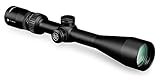
Vortex Crossfire II 2-7x32 For A 30-30
Big magnification numbers can look tempting on a product page, yet they often make a quick-handling lever rifle feel slower and more awkward than it needs to be. The Vortex Crossfire II 2-7x32 takes a more restrained route, which gives it a credible place in the search for the best Vortex scope for 30-30. Its low 2x starting power, compact 32 mm objective, and uncomplicated V-Plex reticle suit practical field use where a broad sight picture matters more than extreme reach. There are tradeoffs, especially because this version is labeled for rimfire use, but its basic dimensions and optical layout line up surprisingly well with the handling qualities many people expect from a 30-30 rifle.
Vortex Crossfire II 2-7x32 Rimfire
The 2-7x magnification range is the main reason this model deserves attention. At 2x power, the view feels less cramped than a typical 3-9x scope, making it easier to pick up a target in timber, along a brush line, or from an uneven shooting position. Turning the ring toward 5x or 7x provides enough magnification for a clearer look across a pasture edge or open lane without pushing the optic into oversized territory. That balance feels right at home on a rifle valued for quick handling and moderate-distance use.
The 32 mm objective keeps the front bell compact, and that helps preserve a lower mounting position on many rifles. A lower scope generally supports a more natural cheek weld, though the final height still depends on the receiver, base, rings, rear sight, and hammer clearance. The one-inch tube also keeps ring selection straightforward because that diameter remains widely available. Still, guessing at ring height is a good way to buy twice, so the rifle’s actual dimensions need to guide the setup.
Its single-piece tube is made from aircraft-grade aluminum and is described as shockproof, waterproof, and fog proof. O-ring sealing helps keep moisture out, while nitrogen purging reduces the chance of internal fogging during abrupt temperature changes. Those features support dependable field use in wet grass, cold mornings, and damp woods, but they don’t excuse rough storage or loose mounting hardware. A scope can be sturdy and still suffer from neglect, especially around lenses, caps, and ring screws.
Low-Power Handling In Tight Cover
A 30-30 often earns its keep where shots develop quickly and room to swing the rifle is limited. Starting at 2x gives the Crossfire II a wider, more forgiving visual feel than optics that begin at 3x or 4x. That difference can matter when the rifle comes up fast and the target isn’t standing neatly in the center of an open field. The lower magnification setting reduces the sensation of looking through a narrow tunnel, though it still won’t mimic the unrestricted view of iron sights or a true 1x optic.
Long eye relief and an ultra-forgiving eye box are practical benefits rather than decorative specifications. A full sight picture should appear with less head shuffling, which helps from kneeling, seated, or hurried offhand positions. Thick jackets can subtly change shoulder placement, so forgiving eye alignment becomes useful when the rifle doesn’t land in exactly the same spot every time. Proper mounting remains essential, because even a generous eye box can’t rescue an optic positioned too far forward or backward.
The magnification ring also rewards a simple field habit: leave the scope at 2x until extra detail is actually needed. Higher power narrows the visible area and magnifies movement, making a close target harder to follow. Cranking the scope up too early can leave someone searching through glass while the moment slips away. Kept low, the optic supports the quick, lively character that makes a lever-action rifle appealing in the first place.
V-Plex Reticle And Sight Picture
The V-Plex reticle avoids the busier appearance of ballistic hash marks and holdover grids. Its familiar crosshair layout draws attention toward the center without asking the eye to sort through multiple reference points. That simplicity works well for a rifle commonly zeroed for practical hunting distances, especially where most shots don’t require complicated elevation correction. The clean aiming point also keeps the view calmer against tangled branches, shaded backgrounds, and uneven terrain.
A plain reticle does place more responsibility on knowing the cartridge’s trajectory. There are no built-in marks telling the shooter where to hold at a longer distance, and a guess based on another rifle or another load can be misleading. Bullet weight, muzzle velocity, sight height, and zero distance all affect point of impact. The V-Plex design stays uncluttered, but range verification with the chosen ammunition remains part of using it responsibly and consistently.
The fast-focus eyepiece makes reticle adjustment fairly direct. Focusing the reticle against a blank, light-colored background helps the lines appear sharp without the eye trying to correct them. Once set, the eyepiece usually won’t need constant attention unless the optic is shared with someone whose vision differs noticeably. A crisp reticle reduces eye fatigue and makes the center easier to place, particularly near the dimmer edges of daylight.
Lens Clarity And Light Management
Anti-reflective, fully multi-coated lenses are intended to improve light transmission and reduce distracting glare. In practical terms, that supports a clearer view in overcast weather, under tree cover, or during the lower-light periods around dawn and dusk. The 32 mm objective lens won’t gather light like a much larger 50 mm optic under equal conditions, but it also avoids the added height and bulk that can spoil a compact rifle. That’s a fair trade for a setup built around portability.
Magnification affects brightness, too. At 2x, the scope offers a generous exit pupil, which generally makes eye positioning easier and the image feel brighter. At 7x, the exit pupil becomes smaller, so the image may look less forgiving as light fades. Keeping the power moderate in dim conditions often produces a more comfortable view than twisting it to maximum magnification out of habit.
The glass should be judged within the Crossfire II line’s practical price position rather than against far more expensive hunting optics. Deep shadows may reveal less fine detail, and edge clarity may not look as polished as it does through higher-tier models. Even so, the key question is whether the center image remains clear enough for confident aiming. For a straightforward 30-30 setup, usable contrast and an uncluttered view tend to matter more than tiny optical differences visible only during slow side-by-side inspection.
Turrets, Zeroing, And Daily Use
Capped reset turrets make sense on a rifle that may ride in a case, lean against a stand, or brush through thick vegetation. The caps protect the adjustments from accidental movement, reducing the chance of arriving in the field with a shifted setting. Underneath, the turrets are finger adjustable with MOA clicks, so sighting in doesn’t require a coin or small tool. After zeroing, the scales can be reset to zero for a cleaner reference point.
These controls are better suited to establishing and preserving zero than to constant dialing. Removing caps and tracking repeated adjustments is slower than using exposed tactical turrets, but that’s not really a drawback for a simple hunting configuration. The protected turret design favors reliability over rapid adjustment, which fits the character of the rifle better than oversized knobs hanging out where they can be bumped. Once the preferred load is zeroed, the caps can stay in place during normal use.
Mounting discipline still matters more than the turret design. Uneven ring pressure, loose base screws, or a reticle installed off-level can create problems that get blamed on the optic. In real-world usage, accurate break barrel air rifles involve a separate set of recoil and optic-matching concerns, despite sharing the same need for secure mounts and repeatable zero. On a 30-30, careful installation and a confirmed group after adjustment give the scope’s mechanical consistency a fair chance to show itself.
Pros That Fit A 30-30
The strongest advantage is the compact magnification range. A 2x low end supports quick sight acquisition, while 7x leaves enough detail for more deliberate aiming across open ground. That spread feels more proportionate to a 30-30 than a heavy optic built around double-digit magnification. The rifle remains useful in mixed terrain without carrying glass that overwhelms its natural balance.
The simple V-Plex reticle is another strength for anyone tired of busy aiming systems. It keeps the center obvious, avoids unnecessary visual clutter, and doesn’t require memorizing multiple hash marks during a short-range opportunity. Combined with the forgiving eye box and fast-focus eyepiece, the easy-to-read reticle supports a more instinctive shooting process. Nothing about it feels like operating a dashboard, and that simplicity has real value.
Weather sealing, a one-piece aluminum tube, capped turrets, and fully multi-coated lenses round out a sensible feature set. None of those details are flashy, but each addresses a routine annoyance: moisture, fogging, accidental adjustment, or poor contrast. The scope’s compact 32 mm profile also makes a lower, neater installation more achievable than a large-objective model. Put together, those traits help the optic complement the rifle instead of becoming the dominant part of it.
Cons And Fit Limitations
The rimfire designation is the first issue that deserves honest attention. This specific Crossfire II configuration is marketed as a rimfire model, so anyone considering it for a centerfire 30-30 should verify the manufacturer’s current guidance, warranty coverage, and intended recoil application before mounting it. The aluminum tube is described as shockproof, yet product labeling still matters. Treating all scopes in the same family as interchangeable can create an avoidable mismatch.
The V-Plex reticle may also feel too plain for someone who regularly needs structured holdover references. Longer shots require knowledge of trajectory and a practiced visual hold rather than a marked BDC system. That simplicity is a strength in thick cover but a limitation at varying distances where quick elevation references would be useful. A BDC-equipped configuration may suit that pattern better, provided its hold points are verified with the actual load.
A 32 mm objective brings compactness at the cost of some low-light potential compared with larger glass. The difference won’t always be dramatic, especially at modest magnification, but deep shade and fading light can expose it. Shooters who prioritize twilight detail over low mounting height may prefer a 40 mm objective despite the added bulk. The right call depends on whether handling or maximum light gathering carries more weight.
The 7x top end can be unnecessary for a rifle used almost entirely inside close woodland distances. Extra magnification doesn’t cause harm by itself, though it adds a little size and tempts people to leave the scope turned up too high. At the other end, 2x still isn’t true 1x, so extremely close, fast-moving situations may feel quicker through irons or a low-power variable optic. This model occupies the middle ground, and that middle ground won’t suit every rifle or every field routine.
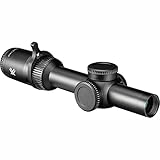
Vortex Strike Eagle 1-8x24 FFP Scope
A light lever rifle can become an entirely different animal after a long, heavy optic is clamped over the receiver. The Strike Eagle takes that risk knowingly, trading some of the tidy handling associated with traditional 30-30 setups for a much broader optical toolkit. As a candidate for the best Vortex scope for 30-30, it brings true low-power flexibility, first-focal-plane holdovers, illumination, and rapid magnification control to a cartridge more often paired with simpler hunting glass. That pairing won’t make sense for every rifle, but it has real appeal where wooded lanes, open fields, and changing distances all show up in the same day.
Vortex Strike Eagle 1-8x24 FFP
The headline feature is the 1-8x magnification range, which covers close sight pictures and more deliberate medium-range aiming without changing optics. At 1x, the illuminated center is designed to behave much like a red-dot-style aiming point, helping the eye settle quickly when speed matters. Turning the scope upward reveals more target detail across open ground, while the included throw lever makes that adjustment easier with gloved or cold hands. The broad range gives this scope more flexibility than a traditional 2-7x hunting model, though that flexibility comes with added size and complexity.
A 24 mm objective keeps the front bell compact despite the scope’s broad zoom range. That smaller objective can support a lower mounting position than many large hunting scopes, provided the 30 mm rings, receiver base, and hammer clearance cooperate. A sensible mount height matters because consistent cheek contact helps the eye land behind the optic without searching for the viewing window. Even a capable low-power variable scope feels clumsy if the stock comb and ring height force the head into an unnatural position.
The 30 mm single-piece tube is built from aircraft-grade aluminum and described as shockproof. Nitrogen purging and O-ring sealing add waterproof and fogproof protection, while the Armortek coating guards exposed lens surfaces against scratches, oil, and dirt. Those details suit a rifle that may spend time in wet timber, dusty vehicles, or a scabbard rather than living on a padded bench. They don’t eliminate routine care, but they reduce the number of small environmental problems that can spoil a day outside.
First Focal Plane Reticle Behavior
The EBR-8 reticle sits in the first focal plane, so its markings grow and shrink with the target image as magnification changes. That design keeps the holdover and ranging references valid throughout the magnification range rather than only at one designated power setting. For someone moving between close cover and a distant field edge, the benefit is consistency. The reticle’s measurements don’t quietly change just because the magnification ring moved.
That sophistication asks more from the person behind the scope. Fine reticle details can appear small at low power, while the pattern becomes much more visible as magnification increases. The illuminated center helps at 1x, but the full ranging and holdover system rewards time spent learning what each mark represents. A simple duplex reticle is easier to digest at a glance, whereas the EBR-8 layout offers more information in exchange for a busier view.
The supplied description states that the reticle includes holdovers out to 600 yards, but those references shouldn’t be treated as automatic answers for a 30-30 load. Bullet weight, velocity, sight height, zero distance, and environmental conditions all influence trajectory. The reticle provides a measurement framework, not a cartridge-specific prediction. Confirming actual points of impact remains necessary before any lower mark can be treated as a dependable hold.
Parallax and reticle interpretation can become tangled once magnification rises and targets shrink in the distance. From a practical angle, rifle scope parallax adjustment is a related reference for separating apparent reticle movement from ordinary aiming error. This Strike Eagle configuration is built primarily around rapid short-to-medium-range work, so expectations should remain tied to the controls and adjustment features actually present. Understanding those limits prevents the reticle’s detail from creating more confidence than the setup has earned.
Illumination At Close Range
Nine daylight illumination settings let the center aiming feature adapt to different backgrounds and ambient light. A brighter setting can keep the center visible against dark brush, while a lower setting reduces glare when the scene is shaded or overcast. The aim isn’t to flood the entire reticle with light. Instead, controlled center illumination helps the eye pick up the aiming point without losing the surrounding image.
At 1x, the scope is intended to provide red-dot-like behavior, but an LPVO and a dedicated red dot still feel different. Eye position remains more important behind a magnified optic, and the scope body creates a more enclosed view. The Strike Eagle offers the advantage of instantly available magnification, while a dedicated dot usually feels less demanding during extremely close, hurried movement. That’s the rub: broader capability rarely comes without a handling tradeoff.
Brightness should match the scene rather than staying cranked to the highest setting. Too much illumination can bloom around the center and hide fine detail, especially against darker targets or in fading light. A restrained setting often produces a cleaner aiming reference and less visual strain. Battery awareness also becomes part of ownership because illumination can’t help if it was left on after the last outing.
Optical Clarity And Magnification Changes
The XD optical system and fully multi-coated lenses are designed to deliver a crisp image with useful contrast. That helps separate edges, branches, and target shapes without making the shooter stare through muddy glass. At low power, the priority is a natural-looking field of view and quick center acquisition. Higher magnification places more emphasis on detail recognition, especially across open lanes where the naked eye can’t resolve enough information.
Image behavior changes across an 8x zoom range, and no honest review should pretend otherwise. The viewing window may feel less forgiving near maximum power, while normal hand movement becomes more visible. Light also feels less abundant at 8x because the 24 mm objective is spreading its available light through a smaller exit pupil. In dim conditions, backing down the magnification may produce a brighter and steadier view than stubbornly leaving the scope at its maximum setting.
The included throw lever is a small feature with outsized practical value. It gives the hand a clear purchase point, allowing faster movement from 1x toward higher power without fumbling around the magnification ring. That’s handy after stepping from thick cover into an open area where additional detail suddenly matters. The lever can catch on tight cases or surrounding gear, though, so clearance and positioning deserve a quick check after mounting.
Turrets And Zero Retention
Capped turrets protect the elevation and windage adjustments from incidental bumps. A rifle carried through brush, rested against a tree, or shifted around inside a vehicle benefits from controls that aren’t constantly exposed. Once the scope is zeroed, the caps help keep that setting where it belongs. This approach favors set-and-hold reliability over frequent dialing in the field.
The EBR-8 reticle reduces the need to manipulate turrets for every distance because holdover references are already visible. That combination makes sense: the caps protect the established zero, while the reticle handles measured corrections. Anyone expecting large exposed knobs and rapid dialing may view the capped design as limiting. On a 30-30 field rifle, however, fewer exposed controls can mean fewer opportunities for an unnoticed adjustment.
Secure mounting remains the foundation beneath every turret claim. A 30 mm scope requires matching rings, and those rings need even alignment, suitable spacing, and appropriate screw tension. A loose base can mimic tracking trouble, while uneven pressure can mark the tube or create stress. Mechanical consistency starts with the installation before the first adjustment click is made.
How It Changes A 30-30 Rifle
The Strike Eagle adds capability, but it doesn’t disappear on the rifle. Compared with a compact 2-7x32 scope, the 30 mm tube, illumination system, and 1-8x mechanism create a more substantial package. That added presence may be welcome on a modernized 30-30 with a sturdy rail and adjustable stock. On a slim traditional lever gun, the same optic can feel visually and physically oversized.
Close-range handling is the strongest argument in its favor. A true 1x low end keeps the field of view more open than a conventional scope beginning at 2x or 3x. The illuminated center also gives the eye a quick reference against cluttered woodland backgrounds. For a rifle moving between brush and open clearings, instant access to low and high power can be more useful than a fixed, middle-of-the-road magnification range.
The upper end deserves realistic expectations. Eight-power magnification offers more visual detail than the 30-30 cartridge usually needs for ordinary woodland distances, yet it can help with target identification, careful range work, or precise zero confirmation. More magnification doesn’t extend the cartridge’s responsible range by itself. It simply makes distant objects look larger, while trajectory and retained performance remain unchanged.
Strong Points Worth Paying For
The first focal plane system is the clearest technical strength. Holdover and ranging marks retain their relationship to the target at every magnification, removing the need to remember a single valid power setting. That’s valuable during changing field conditions where the scope may move from 1x to 5x or 8x without much warning. The consistent reticle scale gives the optic a level of precision absent from simpler second-focal-plane models.
Illumination, a throw lever, and a broad zoom range make the scope quick to adapt. None of those features requires changing equipment or removing the rifle from the shoulder for long. The shooter can move from a bright central aiming point at close distance to a detailed holdover system at higher magnification. That flexibility solves the frustration of choosing between speed and detail before leaving home.
Durability protections round out the design in a practical way. The aluminum tube resists normal impacts, caps shelter the turrets, and the sealed interior helps manage moisture and temperature swings. Armortek adds a barrier against grime and scratches on the outer lens surfaces. The supplied unlimited, unconditional lifetime VIP Warranty also covers repair or replacement for damaged or defective items, while excluding loss, theft, deliberate damage, and cosmetic damage that doesn’t impair performance.
Weaknesses That Deserve A Hard Look
Complexity is the most obvious drawback. The EBR-8 reticle contains more information than a plain hunting crosshair, and its advantages remain dormant until the markings are understood and verified. Someone who prefers a center hold at modest distance may spend extra money and carry extra bulk without using much of what the optic offers. In that situation, reticle simplicity could matter more than first-focal-plane flexibility.
The physical fit can also work against a traditional lever rifle. A 30 mm tube requires larger rings, and the scope’s overall form may interfere with the tidy balance that makes a 30-30 pleasant to carry. Hammer access, receiver length, eye relief, and stock height all need attention during installation. A workable mount isn’t automatically a comfortable mount, especially if the cheek has to float above the comb.
The 24 mm objective keeps the front compact, but it limits light gathering at high magnification compared with larger objectives. At 8x during fading light, the view may feel less bright and less forgiving than it does at 3x or 4x. That doesn’t make the glass unusable; it simply means maximum magnification and maximum low-light comfort rarely arrive together in a 24 mm LPVO. Moderate power settings will often deliver the more practical image near dusk.
The reticle’s 600-yard holdover references can also distract from the realistic role of the rifle beneath it. A measurement mark existing in the optic doesn’t mean every cartridge, load, rifle, or field condition supports that distance. The Strike Eagle supplies tools for estimation and correction, not permission to ignore trajectory limits. Its strongest fit is a versatile short-to-medium-range setup where speed, magnification, and measured holds all have a genuine job to do.
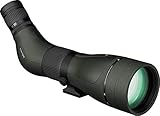
Vortex Crossfire HD 20-60x80 Spotting Scope
A 30-30 rifle usually calls for a compact optic mounted directly above the receiver, so a large angled spotter belongs in a completely different lane. The Vortex Crossfire HD 20-60x80 can still support the broader search around the best Vortex scope for 30-30, but only as a separate observation tool for checking targets, reading impacts, or studying distant terrain. It doesn’t attach to the rifle, provide an aiming reticle, or replace a conventional riflescope. Used for the job it was actually built to do, though, its 20-60x magnification, 80 mm objective, HD optical system, and tripod-ready foot offer far more viewing detail than a mounted hunting optic could reasonably provide.
Vortex Crossfire HD 20-60x80
The Crossfire HD 20-60x80 is an angled spotting scope designed for long-distance observation rather than aiming a firearm. Its broad magnification range starts at 20x and rises to 60x, giving it enough reach for examining bullet holes, identifying fine features, or scanning distant animals without walking closer. That kind of power is useful at a range or from a fixed observation point, but it’s far too magnified for normal shoulder-fired use. The angled viewing body also encourages tripod-mounted use from a bench, seated position, or shared observation station.
An 80 mm objective lens sits at the front, and that large opening is meant to gather more light than smaller compact spotters. The benefit becomes easier to appreciate during overcast afternoons, shaded range sessions, or the dimmer edges of the day. Large objectives do come with baggage, quite literally, because they add size and make the scope less convenient for casual carrying. The light-gathering advantage is real, but portability takes a back seat.
The integrated Arca-Swiss-compatible foot simplifies tripod mounting on many common support systems. Instead of relying on an extra adapter plate in every setup, the spotter can fit directly into compatible tripod heads. That saves a little fuss during setup and reduces the number of loose accessories bouncing around in a range bag. Still, a solid tripod remains essential because 60x magnification magnifies vibration along with the target.
Optical Detail At Long Distance
The HD optical system uses selected glass elements intended to improve resolution, color fidelity, and edge-to-edge sharpness while reducing chromatic aberration. In plain language, the design aims to keep fine details from dissolving into colored fringes or soft edges. That matters while reading small holes in paper, counting points on antlers, or distinguishing one branch from another at distance. The optical system is the main reason to consider this spotter over a smaller, simpler viewing device.
Anti-reflective coatings cover the air-to-glass surfaces to support better light transmission and contrast. Those coatings can help reduce washed-out areas when the sun sits at an awkward angle or when the scene contains both bright sky and dark cover. They don’t turn poor atmospheric conditions into a crystal-clear picture, though. Heat shimmer, haze, rain, and dust can still limit visible detail no matter how capable the glass may be.
The wide field of view helps locate subjects before increasing magnification. At 20x, the scope gives a broader visual area than it does at 60x, making it easier to sweep across a hillside or reacquire a target after moving the tripod. Once the object is centered, magnification can be raised for closer inspection. That sequence feels far less frustrating than starting at maximum power and staring through a narrow slice of scenery.
Higher power also makes the exit pupil smaller and the image less forgiving. At 60x, eye placement becomes more sensitive, visible movement increases, and available light can feel reduced. Backing down toward 30x or 40x often produces a steadier, brighter image under imperfect conditions. The best usable magnification isn’t always the highest number printed on the body.
Focus Control And Viewing Comfort
The helical focus ring allows broad and fine adjustments through a continuous rotating motion. That design can feel more natural than a small focus knob, especially while wearing gloves or making quick corrections between near and distant subjects. Large movements bring the image close, while smaller turns refine edge detail. The helical focus system keeps adjustment accessible without adding protruding controls that catch easily on gear.
Fine focus becomes increasingly important as magnification rises. A small error that looks harmless at 20x may leave fine details visibly soft at 60x. Atmospheric shimmer can also make the image appear to drift in and out of sharpness, tempting constant adjustment even when the air is the real culprit. Patience helps here, because chasing every flicker with the focus ring can make viewing more tiring rather than clearer.
Adjustable eyecups twist up and down to support viewing with or without eyeglasses. Extended eyecups help block stray light for those viewing without glasses, while a lower position allows eyeglass lenses to sit closer to the ocular lens. Proper adjustment makes the field of view easier to see without pressing the face awkwardly against the scope. The eyecup flexibility is especially useful when several people share the same spotter.
The angled body can be comfortable during long bench sessions because the head doesn’t need to lean directly behind a straight tube. It also lets people of different heights view through the same tripod with fewer height changes. That shared-use convenience is handy at a range where one person shoots and another watches impacts. On steep terrain, however, an angled scope may take more practice to point precisely than a straight-body design.
Weather Protection And Field Durability
Rubber armor surrounds the exterior to improve grip and protect the housing from routine bumps. Damp hands, cold fingers, or dusty gloves can make smooth equipment surprisingly slippery, so the textured covering has a practical job. It also softens minor knocks while moving the scope between a vehicle, tripod, and observation point. Rubber armor won’t prevent every dent or internal shock, but it adds a useful first layer of protection.
Nitrogen purging and waterproof construction are intended to reduce internal fogging and moisture intrusion. Sudden temperature changes can be rough on optics, especially after moving from a warm vehicle into cold outdoor air. Internal sealing helps keep the inner surfaces from clouding at the worst possible moment. The fogproof design still works best alongside sensible storage, dry lens caps, and time for the optic to acclimate.
The built-in sunshade on this 80 mm model extends forward to cut glare and protect the objective from rain or snow. Bright side light can flatten contrast, while droplets on the front lens can quickly spoil an otherwise clear view. Extending the shade provides a physical barrier without requiring another loose accessory. It also adds a little length, so care is needed around brush, tight cases, and crowded shooting benches.
From a practical angle, paint for air rifles belongs to a separate maintenance topic and has no direct bearing on the optical performance of this spotting scope. Surface care around any shooting equipment still calls for restraint because solvents, paint mist, and abrasive residue can damage lens coatings or rubber surfaces. Keeping chemical work away from the eyepiece and objective is the safer habit. The coated glass surfaces deserve cleaning methods intended specifically for optics.
Benefits Around A 30-30 Setup
The Crossfire HD can complement a 30-30 at the range by showing impacts without repeated walks downrange. That’s especially helpful while adjusting a mounted scope, testing ammunition groups, or confirming whether a shot landed high or low. The spotter stays beside the bench while the rifle remains pointed safely downrange. Its high magnification handles observation work that would be uncomfortable or unsafe through a riflescope.
Field use takes a different form. From a fixed overlook, the spotter can scan distant terrain, inspect openings, or evaluate animals before the rifle is ever handled. The wide field at lower magnification helps cover ground, while higher settings support closer visual inspection. That separation between observation and aiming can reduce unnecessary rifle movement and keep the mounted optic reserved for the actual shot.
The large objective and HD glass also make the scope useful beyond hunting. Birding, wildlife observation, scenic viewing, and range spotting all fit the same optical strengths. That broader role can make the investment easier to justify than equipment limited to one rifle. Still, it remains a tripod-dependent observation tool, not something casually carried in a coat pocket.
Pros That Stand Out
The clearest strength is the combination of 20-60x reach and an 80 mm objective. Together, they support detailed viewing at distances where a normal riflescope runs out of practical magnification. The HD optical system and anti-reflective coatings are aimed at preserving clarity, contrast, and color as conditions change. For range spotting and fixed-position observation, that’s exactly where the money is being spent.
Tripod integration is another thoughtful feature. The Arca-Swiss-compatible foot reduces setup friction on supported tripod heads, while the angled body works well for shared viewing. The helical focus ring and adjustable eyecups make the scope easier to adapt without a pile of small external controls. These details don’t sound dramatic, but they smooth out repeated use.
Weather protection and exterior armor add confidence in less-than-pleasant conditions. Nitrogen purging, waterproof construction, rubber armor, and the built-in sunshade address moisture, grip, glare, and minor knocks. The supplied lifetime VIP Warranty also promises repair or replacement for damaged or defective items, while excluding loss, theft, deliberate damage, and cosmetic issues that don’t affect performance. That coverage adds reassurance for equipment likely to travel outdoors.
Cons And Practical Limits
The biggest drawback is the mismatch with the stated keyword. This is not a riflescope, so it cannot be mounted as the best Vortex scope for 30-30 in the usual aiming sense. There is no reticle for point of aim, no eye-relief setup intended for recoil, and no mounting tube designed for rifle rings. Treating it like a firearm optic would be both impractical and incorrect.
Size is the next tradeoff. An 80 mm objective and 60x capability demand more room in a pack, a stronger tripod, and more setup time than a small observation optic. That bulk can become tiresome on long walks or steep terrain. The scope makes much more sense from a vehicle, bench, blind, or fixed overlook than during constant movement.
Maximum magnification also exposes every weakness in the surrounding conditions. Heat waves, wind vibration, unstable tripod legs, and dim light can reduce the value of 60x quickly. The top end is available, but it won’t always be the clearest setting. Many sessions will look better at moderate power, where the image is steadier and easier on the eye.
The angled body carries its own learning curve. It feels comfortable once aimed, yet locating a moving subject can be slower than with a straight spotting scope because the viewing direction isn’t perfectly aligned with the tube. A rotating tripod collar can help with body position, but the tripod still needs careful placement. The design favors patient observation rather than snap acquisition while standing in tight cover.
Vortex Diamondback HD 20-60x85 Spotting Scope
Long glassing sessions expose every weak point in an optic, from muddy edges to awkward controls that become annoying after the first hour. The Vortex Diamondback HD 20-60x85 takes a more serious approach, pairing a large 85 mm objective with an HD optical system and a 20-60x magnification range built for distant observation. It can support the broader search around the best Vortex scope for 30-30, but only as a spotting companion rather than a rifle-mounted aiming optic. Used from a tripod, bench, vehicle window, or fixed overlook, it handles jobs that a conventional hunting scope simply wasn’t designed to do.
Vortex Diamondback HD 20-60x85
The Diamondback HD 20-60x85 is an angled spotting scope intended for observing distant detail, not mounting on a rifle. Its 20-60x magnification gives enough range for scanning broad terrain at lower power and inspecting fine details after the subject is located. That makes it useful for checking targets, watching distant movement, or studying open country without constantly changing position. The angled body also suits seated or bench-based viewing, especially during long sessions where neck comfort starts to matter.
The 85 mm objective lens is one of the defining features. A larger objective allows more light into the optical system, which supports better viewing during overcast weather, shaded conditions, and the dimmer edges of the day. That extra glass brings extra size, though, and nobody should pretend otherwise. The light-gathering benefit comes with a heavier, bulkier profile that feels better on a sturdy support than carried loose for miles.
Its redesigned exterior gives the scope a sleeker appearance than older, chunkier spotters. The housing keeps the controls close to the body, reducing the number of protruding pieces that can catch on bags or clothing. Rubber armor wraps the exterior to improve grip and soften routine bumps during transport. This isn’t pocket-friendly gear, but the streamlined body helps it feel less cumbersome than its large objective might suggest.
HD Glass And Long-Range Detail
The HD optical system is designed to improve resolution, color fidelity, edge sharpness, and overall light transmission. It also aims to reduce chromatic aberration, the colored fringing that can appear around high-contrast edges at distance. That matters while studying branches against a bright sky, reading target marks, or separating small details from a busy background. The cleaner color separation helps the image look more natural rather than washed out or fringed with distracting color.
Multiple anti-reflective coatings cover the air-to-glass surfaces to improve light transmission. In practice, those coatings help maintain contrast when light enters the scope from awkward angles or when the scene contains both bright and dark areas. They can’t cancel haze, heat shimmer, or heavy rain, but they give the optical system a better chance under normal field conditions. A sharp scope still has to look through the same atmosphere as everything else.
Edge-to-edge sharpness matters more than it sounds. A soft outer image forces constant recentering and makes wide-area scanning tiring, especially over open terrain. The Diamondback HD’s optical design is intended to keep more of the visible field usable rather than reserving clarity for a tiny center zone. That broader usable viewing area supports quicker scanning without making every sweep feel like peering through a narrow tunnel.
Maximum magnification deserves a little restraint. At 60x, hand movement, tripod vibration, atmospheric shimmer, and minor focus errors all become more visible. The image may also feel dimmer and less forgiving than it does around 30x or 40x. The top setting is available for specific conditions, but the clearest practical view often appears below the maximum number.
Helical Focus And Viewing Comfort
The built-in helical focus wheel offers broad and fine adjustment through a smooth rotating motion. Large turns move quickly between near and far subjects, while smaller movements refine details once the image is close. That setup feels intuitive after a little use and avoids the tiny protruding knobs found on some spotters. The focus control stays easy to reach while keeping the exterior relatively clean.
High magnification makes focus precision less forgiving. A small adjustment error can turn crisp edges into soft blobs, particularly when the target sits far away or atmospheric conditions are unstable. The helical wheel gives enough surface area for careful correction without pinching a small knob between cold fingers. Still, constant refocusing can’t fix heat waves rolling above the ground.
Adjustable eyecups twist up and down to suit viewing with or without eyeglasses. Raised eyecups help block side light and position the eye at a comfortable distance, while a lowered setting creates more room for glasses. That flexibility becomes especially useful when several people share the same optic. Each person can adjust the eye position without changing the tripod or focus more than necessary.
The angled body offers a different viewing posture from a straight spotting scope. It works well from a bench, seated position, or tripod shared by people of different heights because the eyepiece can be approached from above. The tradeoff is slower initial alignment, since the eyepiece direction doesn’t perfectly match the front of the scope. Once centered, though, the angled configuration can feel easier on the neck during extended observation.
Tripod And Window Mount Flexibility
A spotting scope this large needs a stable base, and the Diamondback HD offers several mounting routes. Its tripod-adaptable design supports both standard tripods and vehicle window mounts. Arca-Swiss compatibility allows direct attachment to compatible tripod heads without an added plate. That saves setup time and removes one more small part that could be misplaced.
The scope also accepts 1/4-20 threads for alternate tripod heads. That broader compatibility makes it easier to use existing support equipment rather than rebuilding an entire setup around one mounting system. A solid tripod remains the better match at higher magnification because small vibrations become obvious through the eyepiece. Lightweight travel tripods may hold the scope, but holding it steady in wind is another matter.
A car window mount can be useful from a stationary observation point where carrying a full tripod feels unnecessary. It creates a compact viewing station and keeps the large optic supported without spreading tripod legs around the vehicle. Engine vibration, passing traffic, or movement inside the car can still disturb the image. At 60x, even a small shake looks like the whole scene jumped sideways.
Tripod height also affects comfort. A low setup may force too much bending, while an overly tall arrangement can become less stable. The angled eyepiece allows the tripod to remain slightly lower than a straight scope would require. That lower center of gravity can help the overall stability, especially on uneven ground or breezy ridgelines.
Weather Protection And Exterior Care
O-ring sealing and argon purging support waterproof and fogproof performance. Argon helps reduce internal condensation during temperature changes, while the seals limit moisture and debris from reaching the inner optical surfaces. That protection matters after moving from a heated vehicle into cold air or during damp, unpredictable weather. The sealed construction reduces risk, though good storage habits still matter.
Armortek coatings protect exposed lens surfaces from oil, scratches, and dirt. Fingerprints, dust, and accidental contact can all reduce clarity before any internal optical limitation becomes relevant. The coating adds protection, but aggressive cleaning can still damage the surface. A blower, soft brush, and proper lens cloth remain safer than rubbing grit around with a shirt sleeve.
The built-in sunshade pulls forward to reduce glare and shield the objective lens from rain or snow. Bright side light can flatten contrast, while droplets on the objective quickly scatter light and blur detail. Extending the shade gives the large front lens a useful barrier without adding another separate accessory. It also increases overall length, so packed storage needs a little attention.
Rubber armor improves grip when hands are wet, cold, or dusty. It also adds a modest buffer against routine knocks during setup and transport. The material won’t protect the scope from every hard fall, but it makes the body less slippery and less exposed. The textured exterior feels especially helpful while moving a large optic between a case, tripod, and vehicle.
How It Supports A 30-30 Setup
The Diamondback HD doesn’t replace a mounted riflescope. It has no aiming reticle, no rifle-ring mounting tube, and no eye-relief design intended for recoil use. Its role beside a 30-30 is observation: checking groups, reading distant targets, or surveying terrain before the rifle is handled. That distinction keeps the spotting scope and rifle scope in their proper lanes.
At the range, 20-60x magnification can reduce repeated trips downrange while zeroing a mounted optic. The shooter can inspect impacts from the bench, adjust the rifle scope, and confirm the next group without interrupting the process as often. That saves time and keeps the firing line more orderly. Fine holes may still be hard to see under poor light, dirty targets, or heavy mirage, but the large objective and HD glass give the spotter a useful advantage.
From a fixed overlook, the scope helps scan distant openings and examine detail before deciding whether a closer look is needed. Lower power supports faster sweeping, while higher magnification provides a more detailed view once something catches attention. This separation between observation and aiming can reduce unnecessary rifle movement. The wide observation role also makes the optic useful for wildlife watching and scenic viewing outside shooting activities.
From a practical angle, pump air rifles belong to a separate category, though both topics share the need for stable support and clear target observation during range sessions. The Diamondback HD remains an observation tool regardless of the firearm or air rifle on the bench. Its value comes from seeing detail at distance, not from changing the performance of the rifle itself. That realistic distinction prevents the equipment from being judged for a job it was never meant to perform.
Strengths That Earn Attention
The strongest advantage is the combination of an 85 mm objective and HD optical system. That pairing supports low-light viewing, fine detail, and improved color control across the image. The 20-60x range adds flexibility without forcing a single fixed-power compromise. For long-distance observation, optical reach and light gathering are the main reasons this model stands out.
Mounting flexibility is another genuine strength. Arca-Swiss compatibility, standard 1/4-20 threads, tripod use, and car window mounting cover a wide range of setups. The scope doesn’t lock the owner into one proprietary support system. That flexibility matters because a large spotting scope often gets used in several places rather than staying on one permanent tripod.
Comfort features are handled well, too. The helical focus wheel allows quick and fine adjustments, adjustable eyecups support glasses, and the angled body suits long viewing sessions. None of these features sound dramatic on their own. Together, they reduce the nagging frustrations that tend to show up after twenty or thirty minutes behind the eyepiece.
Durability features round out the package. Waterproof sealing, argon purging, Armortek lens protection, rubber armor, and a built-in sunshade all address common field problems. These details won’t make the scope indestructible, but they help it tolerate normal outdoor use. The protected exterior and sealed interior suit a spotter likely to travel through dust, moisture, cold, and occasional rough handling.
Weaknesses And Practical Tradeoffs
The most obvious limitation is size. An 85 mm objective and 60x top magnification create a substantial optic that needs a proper case and a stable support. Carrying it over long distances won’t feel casual, especially with a tripod added to the load. The large objective earns its keep in light gathering, but portability pays the bill.
High magnification also depends heavily on conditions. Heat shimmer, wind, haze, unstable ground, and poor tripod support can erase much of the theoretical advantage at 60x. Turning the power down may produce a cleaner, more useful image. That can feel counterintuitive, but it’s simply how long-distance optics behave in the real world.
The angled design takes practice for quick target location. A straight scope points more intuitively because the eye follows the same line as the body. With an angled model, the first sweep can overshoot or miss the intended area until the user becomes familiar with the geometry. The reward is better seated comfort, while the cost is a small learning curve.
The Diamondback HD also won’t satisfy anyone seeking an actual best Vortex scope for 30-30 to mount directly on a rifle. It’s too large, lacks a firearm reticle, and isn’t designed around recoil eye relief or rifle rings. Its value appears beside the rifle, not on top of it. Judged as a spotting scope, the design makes sense; judged as a riflescope, it’s simply the wrong category.

10 Top Picks: Best Youth Air Rifles for 13-Year-Olds

12 Best Rifle Scopes For 5.56 Under 150 Dollars - (2026 Top Picks)

Top 10 Rifle Scopes for Coyote Hunting in 2026

12 Best Benchrest Rifle Scopes of 2026 For Tight Groups

Top 5 Airsoft Rifles: Unleash the Action in 2026

Unveil the Best Straight Wall Deer Rifles: Top Picks for 2026

Top Ammo Choices for Air-Powered Rifles: Boost Your Performance in 2026

Best Quick Detach Scope Rings for Accurate and Convenient Shooting







