
Best Vortex Scope for 450 Bushmaster: Clear Picks

A hard-kicking straight-wall cartridge can expose weak glass, flimsy adjustments, and awkward eye relief in a hurry. The best vortex scope for 450 bushmaster should stay comfortable behind the rifle, hold its zero through repeated recoil, and offer a sight picture that appears quickly in thick cover. Huge magnification numbers aren't the main prize here. A useful low-end setting, forgiving eye placement, and a reticle that remains visible against dark brush matter far more.
Most .450 Bushmaster hunting happens at practical distances where speed and clarity beat excessive zoom. A 2-7x, 3-9x, or low-power variable scope usually gives enough reach for open field edges without feeling clumsy during a close shot from a blind. Well, that balance sounds simple until a deer steps out at 45 yards and the scope is still parked at maximum power. Keeping the bottom magnification low reduces that tunnel-vision feeling and makes it easier to locate the animal before the opportunity slips away.
Eye relief deserves serious attention because the cartridge produces enough rearward movement to punish careless scope placement. A generous, consistent viewing distance helps prevent eyebrow contact and makes odd shooting positions less frustrating. Stock fit, mounting height, and heavy winter clothing can all change how naturally the eye settles behind the optic. So, the scope and rings need to work as a complete setup rather than a collection of impressive specifications.
Vortex offers several sensible paths, but they don't all solve the same problem. A Crossfire II model often appeals to a tighter budget and provides straightforward controls, while a Diamondback can offer a more refined image and a lighter feel on a hunting rifle. A Strike Eagle low-power variable optic favors fast target pickup and a broad field of view, though its illuminated reticle and extra controls may feel unnecessary on a simple woods rifle. The right match depends on whether the rifle spends more time in dense timber, elevated blinds, or fields where a longer shot is possible.
Reticle design can make or break the experience after sunrise or near the end of legal shooting light. Thin aiming marks may look precise at the bench yet disappear against tangled branches, dark fur, or a shaded tree line. A simple duplex-style reticle is easier to read quickly and won't clutter the view with holdover marks that rarely get used at typical .450 Bushmaster distances. Ballistic reticles can still help, but only after their reference points are confirmed with the exact ammunition and actual rifle.
Durability matters, though weight carries its own tradeoff. A robust one-inch tube, secure internal adjustments, and properly torqued rings help the optic survive recoil without turning the rifle into a fence post. Bigger objective lenses may brighten the image slightly, but they often require taller rings and can weaken a natural cheek weld. That's a poor bargain if the rifle comes to the shoulder differently every time.
Realistic expectations keep the decision grounded. No scope can make dim woods look like noon, correct inconsistent ammunition, or replace a confirmed zero. The smarter route pairs reliable Vortex glass with sturdy rings, sensible magnification, and enough range time to verify impact at several distances. That setup won't draw much attention at the gun counter, but it tends to behave when the shot finally counts.
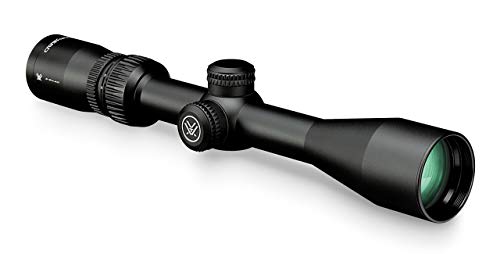
- ARS Mark9.6
ARS Mark is a ranking system developed by bestairriflescopes.com. ARS Mark has no relationship or impact from any manufacturers or sales agent websites. Learn more
- BrandVortex

- ARS Mark9.4
ARS Mark is a ranking system developed by bestairriflescopes.com. ARS Mark has no relationship or impact from any manufacturers or sales agent websites. Learn more
- BrandVortex

- ARS Mark9.4
ARS Mark is a ranking system developed by bestairriflescopes.com. ARS Mark has no relationship or impact from any manufacturers or sales agent websites. Learn more
- BrandVortex
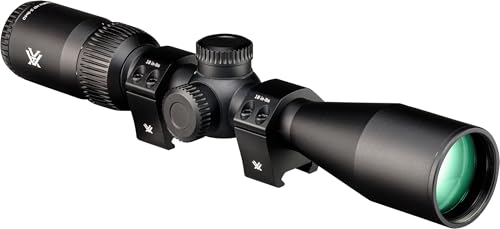
- ARS Mark9.2
ARS Mark is a ranking system developed by bestairriflescopes.com. ARS Mark has no relationship or impact from any manufacturers or sales agent websites. Learn more
- BrandVortex

- ARS Mark9.2
ARS Mark is a ranking system developed by bestairriflescopes.com. ARS Mark has no relationship or impact from any manufacturers or sales agent websites. Learn more
- BrandVortex

- ARS Mark9.2
ARS Mark is a ranking system developed by bestairriflescopes.com. ARS Mark has no relationship or impact from any manufacturers or sales agent websites. Learn more
- BrandVortex
Last update on 2026-07-27 / Affiliate links / Images, Product Titles, and Product Highlights from Amazon Product Advertising API
Vortex Copperhead 3-9x40 for 450 Bushmaster
Heavy recoil has a habit of exposing every weak link in an optic setup, from cramped eye relief to adjustments that feel less dependable after repeated shots. That pressure makes the best vortex scope for 450 bushmaster less about flashy extras and more about steady performance, practical magnification, and a sight picture that doesn’t punish the shooter. The Vortex Copperhead 3-9x40 takes a straightforward hunting-first approach, pairing a familiar magnification range with a Dead-Hold BDC reticle, fully multi-coated lenses, and a sealed aluminum body. It isn’t overloaded with controls, and frankly, that simplicity fits a hard-hitting straight-wall rifle better than a pile of features that may never leave the box.
Vortex Copperhead 3-9x40
The Copperhead’s 3-9x magnification range covers the distances where a .450 Bushmaster is commonly expected to earn its keep. At 3x, the field of view remains manageable for close timber, narrow shooting lanes, and quick opportunities near a blind. Turning the magnification toward 9x gives more definition across open ground, though the cartridge itself still encourages sensible distance limits rather than ambitious long-range work. That balance feels practical, not showy, and it keeps the rifle useful across more than one hunting setup.
A 40 mm objective sits in a comfortable middle ground between brightness and mounting height. Larger objectives can gather more light, but they often require taller rings that lift the shooter’s cheek away from the stock. The Copperhead’s 40 mm objective lens helps preserve a more natural cheek weld while still allowing the fully multi-coated glass to make better use of available light. That matters around dawn, under tree cover, or near the end of the day, where washed-out contrast can make a dark animal blend into an equally dark background.
The overall design is deliberately uncomplicated, and that’s a strength on a hunting rifle. There’s no illuminated reticle to manage, no battery to check, and no oversized turret assembly competing for space around the action. The second focal plane layout keeps the reticle visually consistent as magnification changes, which many hunters prefer because the aiming marks don’t appear to grow or shrink. The tradeoff is that BDC references work as intended only at the designated magnification, so those marks need to be verified rather than treated as universal answers.
Reticle And Optical Performance
The Dead-Hold BDC reticle addresses one of the more irritating problems in field shooting: deciding how much elevation to hold when the distance stretches beyond the zero. Its lower reference marks provide visual aiming points without crowding the center of the image with an overly busy grid. For the 450 Bushmaster’s curved trajectory, that can be helpful after the marks are matched to actual ammunition and confirmed at the range. A printed ballistic chart may offer a starting estimate, but real impact points can shift with barrel length, load choice, sight height, temperature, and the rifle itself.
Fully multi-coated lenses add anti-reflective coatings to each air-to-glass surface, helping more available light pass through the optic instead of bouncing away. The benefit isn’t some magical transformation of darkness into daylight. Rather, better light transmission can improve contrast and make edges easier to separate in shaded conditions. A brown shoulder against leaves, for instance, may appear a little more distinct, which is far more useful than simply having an image that looks brighter but lacks definition.
Image expectations should remain grounded because the Copperhead is built around function, not luxury-grade glass. Fine details at maximum magnification may not look as crisp as they would through a far more expensive scope, especially near the outer edge of the view. Still, the 3-9x40 optical package supports the real job at hand: identifying the aiming area, placing the reticle clearly, and maintaining a usable picture across ordinary hunting distances. That practical focus suits a rifle that may spend more time riding in a truck, leaning in a blind, or moving through brush than sitting on a padded bench.
Eye Relief And Field Handling
Long eye relief carries extra value on a rifle with a reputation for stout recoil. It gives the shooter more space between the brow and the ocular lens, reducing the chance of an unpleasant scope bite when body position isn’t textbook perfect. The Copperhead’s forgiving eye position can also make it easier to shoulder the rifle while wearing a thick jacket or shifting around inside a cramped blind. That comfort won’t replace correct mounting, but it gives the setup more room for real-world movement.
The locking diopter lets the shooter focus the reticle for their eyesight and then keep that setting from wandering. Once adjusted, the aiming lines should appear sharp without the eye struggling to correct the image. This small feature often gets overlooked, yet a properly focused reticle reduces visual fatigue and helps the aiming point settle faster. A blurry reticle can make a scope feel worse than it is, particularly during a rushed shot where there’s no time to fiddle with the eyepiece.
Mounting position still deserves care because long eye relief doesn’t automatically mean unlimited flexibility. The scope should provide a full image with the rifle naturally shouldered, not after the head creeps forward or stretches upward. Proper ring height, stock shape, and fore-and-aft placement all influence the usable eye box. Getting those details right makes the Copperhead feel quicker, while a careless mount can turn even a sensible scope into an awkward piece of gear.
Construction And Weather Resistance
The single-piece tube uses aircraft-grade aluminum with a hard-anodized exterior, giving the scope a solid body without unnecessary joints in the main housing. A one-piece design helps support structural consistency and gives the internal components a stable platform. That’s relevant on a .450 Bushmaster because recoil resistance isn’t merely about surviving one dramatic shot; it’s about holding adjustment through repeated firing, travel, and seasonal use. A secure set of rings and correct torque remain just as important, since the strongest scope can’t compensate for loose hardware.
Nitrogen purging and O-ring sealing protect the interior from moisture, fogging, and changing weather. Those features become useful after moving from a warm vehicle into cold air, sitting through damp mornings, or dealing with sudden rain. The waterproof and fogproof construction doesn’t mean the exterior lenses will never collect droplets or condensation. It means moisture is less likely to invade the tube and create internal fog that can’t be wiped away in the field.
The hard-anodized finish adds a subdued surface that resists ordinary wear and avoids throwing much glare. Cosmetic marks may still appear after contact with stands, branches, rifle racks, or metal zippers, so nobody should expect the finish to remain spotless forever. That said, the Copperhead is built around weatherproof hunting use, not display-case treatment. Its protective construction makes sense for a rifle that may face rain, mud, temperature swings, and the occasional bump against the side of a blind.
Practical Strengths And Tradeoffs
The strongest part of this scope is the way its features line up with ordinary hunting needs. The magnification range is broad enough for woods and field edges, the reticle supports holdover work, and the eye relief suits a rifle with meaningful recoil. The simple control layout also limits distractions, which can be a relief when gloved hands and cold fingers enter the picture. Nothing about the Copperhead requires a lengthy learning curve before the rifle is ready for a season.
Its biggest limitation is that the Dead-Hold BDC marks aren’t specifically calibrated to every .450 Bushmaster load. The marks need range verification, and ammunition changes may alter the relationship between each reference point and the actual point of impact. Shooters expecting an automatic ballistic solution may be disappointed, because BDC reticles require homework. Zeroing carefully and recording confirmed distances is still the sensible path.
The 3x minimum magnification may also feel slower than a true 1x or 2x optic in very tight cover. A low-power variable scope can offer a wider view at close range, though it may bring extra cost, weight, or complexity. The Copperhead instead favors a traditional hunting format with balanced magnification and familiar handling. That choice fits mixed terrain well, but a rifle dedicated entirely to shots inside thick brush may benefit from an optic with a lower starting power.
Warranty And Long-Term Ownership
Vortex backs the scope with its unlimited, unconditional, transferable lifetime VIP Warranty. The promise covers repair or replacement if the optic becomes damaged or defective, while excluding loss, theft, deliberate damage, and cosmetic issues that don’t affect performance. That transferable warranty coverage adds reassurance for a scope expected to face recoil, wet weather, and rough handling. It also gives used-market ownership more appeal because coverage isn’t tied only to the original purchaser.
Warranty support shouldn’t be mistaken for permission to ignore basic care. Lens caps, a clean microfiber cloth, correct mounting torque, and occasional fastener checks can prevent avoidable headaches. The exterior lenses should be cleared of grit before wiping, since rubbing dust across coated glass can create fine scratches. A little routine maintenance protects the multi-coated lenses and helps the scope stay dependable without turning ownership into a chore.
Optic selection sometimes leads to adjacent discussions about other shooting platforms and their practical setups. A separate reference on semi automatic air guns provides a neutral look at a different category where handling, power delivery, and intended use follow their own rules. That topic doesn’t change the Copperhead’s role on a .450 Bushmaster, but it can help keep expectations separated between firearm optics and air-powered equipment. Clear distinctions matter, especially when similar-looking gear serves very different shooting routines.
Where The Copperhead Makes Sense
A hunter using the .450 Bushmaster across timber, field edges, and moderate-distance clearings will likely appreciate the Copperhead’s middle-of-the-road format. The scope doesn’t chase extremes in magnification or objective size, which helps keep the rifle reasonably balanced. Its 3-9x versatility supports close-to-moderate shots without turning the setup into a bulky long-range rig. For a practical deer rifle, that restraint can be more useful than a specification sheet packed with rarely used extras.
The scope is less convincing for someone who regularly shoots at very close range or wants illumination for dark backgrounds. It also won’t satisfy a shooter who expects exposed tactical turrets, advanced ranging grids, or premium-level image refinement. Those omissions aren’t hidden flaws so much as design tradeoffs that keep the Copperhead centered on traditional hunting. Matching the optic to the actual job prevents disappointment better than chasing a longer feature list.
Paired with sturdy rings, a carefully chosen zero, and confirmed holdover points, the Copperhead gives the .450 Bushmaster a sensible aiming system without making the rifle needlessly complicated. Its strongest qualities are easy to understand: useful magnification, long eye relief, a practical BDC reticle, sealed construction, and broad warranty protection. The real value lies in reliability and fit, not exaggerated range promises or ornamental features. Set it up correctly, verify it with the intended ammunition, and it should feel like part of the rifle rather than an accessory fighting for attention.
Vortex Crossfire II 3-9x50 Straight-Wall BDC
A straight-wall rifle can be wonderfully practical, but its recoil, looping trajectory, and often cramped hunting environments leave little room for a poorly matched optic. The best vortex scope for 450 bushmaster needs to handle hard use while keeping the sight picture easy to acquire from a blind, tree stand, or awkward kneeling position. The Vortex Crossfire II 3-9x50 addresses those concerns with long eye relief, a forgiving eye box, a large objective lens, and a reticle designed around popular straight-wall cartridges. It’s a traditional hunting scope at heart, though several details make it better suited to the .450 Bushmaster than a generic 3-9x optic.
Vortex Crossfire II 3-9x50
The familiar 3-9x magnification range gives this scope a sensible working window for wooded terrain and open field edges. At 3x, the image is broad enough for many close hunting situations without making the rifle feel like it’s peering through a drinking straw. Turning toward 9x helps define the aiming area when the distance stretches, particularly across cut fields or wider clearings. The setup avoids chasing extreme magnification that the .450 Bushmaster rarely needs for its intended role.
A 50 mm objective is the feature that immediately separates this configuration from leaner 40 mm hunting scopes. The larger front lens can support a bright sight picture by allowing more available light into the optical system, especially as magnification rises. Paired with fully multi-coated lenses, it can help preserve contrast against shaded timber and dark animal coats. Still, bigger glass isn’t free, since the scope may require higher rings and can add bulk above the rifle’s receiver.
The one-inch tube keeps the overall format familiar and makes ring selection relatively straightforward. Its profile feels more like a conventional hunting optic than a tactical scope covered with oversized controls. That simplicity is useful on a rifle carried through brush, where exposed knobs and extra hardware can snag on clothing or branches. The straightforward layout lets the shooter concentrate on cheek weld, reticle placement, and trigger control rather than managing unnecessary settings.
Straight-Wall Reticle Performance
The Straight-Wall BDC reticle is the central reason this model deserves attention for a .450 Bushmaster setup. Its holdover references are intended for popular straight-wall cartridge trajectories, giving the shooter additional aiming points once the bullet begins dropping beyond the zero distance. That makes the ballistic reticle more relevant than a generic BDC designed around flatter-shooting centerfire cartridges. Even so, the marks aren’t a substitute for range verification with the exact rifle, ammunition, and mounting height.
Second focal plane construction keeps the reticle the same visual size as magnification changes. Many hunters like that behavior because the aiming lines remain familiar rather than appearing thicker at high power and thinner at low power. The catch is that BDC references are magnification-dependent, so their intended spacing usually corresponds to a particular power setting. Using the lower marks at random magnification settings can shift the expected impact point, and that’s where careless assumptions get expensive.
A practical setup begins with a confirmed zero, followed by actual shooting at the distances represented by the lower aiming marks. Barrel length, ammunition velocity, bullet weight, environmental conditions, and sight height can all influence where those references land. The reticle gives structure to the process, but it doesn’t eliminate the need for notes or a simple range card. That’s the honest tradeoff: useful holdover guidance is available, though dependable results still come from verification rather than guesswork.
Eye Relief And Fast Target Pickup
Long eye relief matters more on a .450 Bushmaster than it does on a light-recoiling rimfire or mild varmint rifle. The cartridge produces enough rearward movement that a cramped mounting position can put the ocular housing uncomfortably close to the shooter’s brow. The Crossfire II’s generous eye relief creates more breathing room while making unusual field positions less punishing. Heavy jackets, elevated shooting angles, and rushed shouldering can all change head placement, so that extra margin is genuinely useful.
The ultra-forgiving eye box supports faster sight acquisition by reducing the amount of tiny head movement needed to see a full image. In a perfect bench position, nearly any scope can appear easy to use. Real hunting positions are messier, with elbows pressed against blind walls, feet uneven on tree-stand platforms, or shoulders twisted around a narrow window. A forgiving sight picture helps the reticle appear sooner without forcing the shooter to hunt for the image while the opportunity is slipping away.
The fast-focus eyepiece allows the reticle to be sharpened for individual eyesight without turning setup into a drawn-out chore. Once properly focused, the reticle should look crisp as soon as the eye settles behind the scope. This matters because a blurry aiming point can create unnecessary hesitation, even when the target itself looks clear. The quick reticle adjustment is simple, but it supports one of the scope’s strongest benefits: getting behind the rifle and seeing what needs to be seen without fuss.
Turrets And Zeroing Behavior
Capped reset turrets keep the adjustment system protected during normal hunting use. The caps reduce the chance of accidental movement after the rifle brushes against a pack, stand rail, or truck interior. Underneath, the turrets are finger adjustable with MOA clicks, so sight-in changes don’t require a coin or screwdriver. That combination gives the scope practical field protection without making zeroing needlessly awkward.
Resetting the turret indicators to zero after sighting in makes future corrections easier to track. Once the rifle is dialed and the caps are replaced, the reference point remains clear if adjustments are needed later. This is handy after changing ammunition, checking impact before hunting season, or confirming that a hard bump hasn’t shifted the setup. The reset-to-zero design isn’t meant for constant long-range dialing, but it keeps ordinary maintenance organized.
The turret style also reflects the scope’s hunting-first personality. Shooters who constantly dial elevation for changing distances may prefer exposed tactical turrets with more prominent markings. The Crossfire II instead favors a set-it-and-protect-it approach, relying on the BDC reticle for distance compensation after zeroing. That’s a sensible fit for the cartridge, though the capped turret limitation should be clear to anyone expecting rapid elevation changes during a shooting session.
Construction And Weather Protection
The single-piece aircraft-grade aluminum tube gives the optic a rigid foundation and reduces structural weak points along the main body. That construction supports shockproof performance, which is especially relevant on a rifle known for firm recoil. A strong tube can help the internal adjustment system remain stable through repeated firing and transportation. Of course, durable scope construction still depends on secure rings, correct torque, and a mounting base that doesn’t work loose.
O-ring sealing protects the interior against moisture entering through the scope’s joints. Nitrogen purging helps reduce internal fogging as temperatures change, a common problem when a cold rifle moves into a warm vehicle or damp cabin. Together, these features provide waterproof and fogproof performance for ordinary hunting weather. Exterior lenses can still collect rain, snow, or condensation, but internal fog is the more serious issue because it can’t be wiped away in the field.
The scope’s size deserves an honest look because a 50 mm objective can change how the rifle carries. Taller mounting may raise the shooter’s cheek above the stock, weakening repeatable head placement unless the rifle’s comb height happens to cooperate. The larger bell can also make a compact woods rifle feel slightly more top-heavy. This mounting tradeoff doesn’t erase the optical benefit, but it means ring height and stock fit should be considered before the scope is tightened into place.
Pros In Real Hunting Conditions
The most obvious strength is how well the major features align with straight-wall rifle use. The reticle addresses bullet drop, the eye relief helps manage recoil, and the forgiving eye box supports quick shooting from imperfect positions. Those parts work together rather than feeling like unrelated specifications pasted onto a product page. For the best vortex scope for 450 bushmaster, that sort of functional match matters more than extra gadgets.
Low-light usability is another practical advantage. The 50 mm objective and anti-reflective lens coatings can support clearer views near dawn, under tree cover, and late in the day when contrast begins to fade. The scope won’t turn darkness into daylight, and it can’t overcome fogged exterior glass or poor visibility. Still, strong light-gathering potential gives the optic a useful edge over smaller, dimmer configurations in the conditions hunters often care about most.
Ease of use rounds out the positive side. Finger-adjustable turrets, a fast-focus eyepiece, and a conventional magnification ring keep the learning curve short. There’s no battery to manage and no complicated menu system to memorize before hunting season. The simple operating design favors consistency, especially for a rifle that may sit for months and then need to perform without a lengthy refresher.
Cons And Practical Limitations
The 50 mm objective can be both an asset and a nuisance. It may improve available-light performance, yet it often pushes the scope higher above the bore than a 40 mm model. A raised optic can make the rifle feel less natural if the stock lacks enough comb height to support the cheek. The larger mounting footprint is worth accepting only if the shooter values the bigger objective and can maintain a stable head position.
Three-power magnification at the low end may also feel restrictive in very dense cover. A deer appearing at short range can fill the view quickly, particularly when the rifle is mounted from an awkward angle. A true low-power variable optic may be quicker inside tight timber, though it can bring different compromises in price, reticle design, or objective size. The Crossfire II’s 3x low-end limit is manageable, but it isn’t the quickest possible setup for shots measured in a few dozen yards.
The BDC reticle demands more preparation than its name might suggest. Its hold marks won’t automatically match every .450 Bushmaster load, barrel, zero, and weather condition. Anyone skipping range confirmation risks treating approximate references as precise answers. The ballistic verification requirement is a weakness only for those unwilling to test their setup, but it remains a real part of ownership.
Fit For A 450 Bushmaster Setup
A rifle used from box blinds, tree stands, and field edges is where this Crossfire II configuration makes the most sense. Its magnification range provides enough reach for moderate distances, while the large objective favors the low-light windows common during deer season. The straight-wall reticle feels purpose-built rather than merely compatible. That makes the cartridge-specific design a meaningful advantage over scopes carrying holdover marks intended for very different trajectories.
Mounting the scope correctly is just as important as selecting it. The rifle should come to the shoulder naturally with a full sight picture at the chosen ring height and fore-and-aft position. A scope mounted too high or too far forward can erase much of the benefit provided by the forgiving eye box. Proper fit turns the long eye relief into a real field advantage rather than a specification that looks good only on paper.
Different shooting platforms raise different optic and aiming concerns, even when the gear appears similar at first glance. From a practical angle, laser sights for revolvers represent a separate setup where close-range alignment, grip position, and compact mounting matter more than magnification or ballistic holdovers. That distinction helps keep the Crossfire II in its proper lane as a traditional magnified hunting optic. Its strengths remain tied to recoil management, straight-wall trajectory references, weather resistance, and clear aiming across realistic hunting distances.
Vortex Crossfire II 3-9x40 for 450 Bushmaster
Heavy recoil has a knack for exposing weak mounting, cramped eye relief, and optics that look better on paper than they feel behind a rifle. A serious candidate for the best vortex scope for 450 bushmaster needs to deliver a fast sight picture, useful magnification, and enough durability to handle repeated shots without becoming a constant source of doubt. The Vortex Crossfire II 3-9x40 keeps its priorities grounded with a Dead-Hold BDC reticle, long eye relief, fully multi-coated lenses, capped reset turrets, and a sealed single-piece tube. It’s a straightforward hunting scope, and that lack of fuss is part of its appeal.
Vortex Crossfire II Dead-Hold BDC
The 3-9x magnification range suits the practical distances associated with a .450 Bushmaster. Three power leaves enough surrounding view for wooded lanes and closer encounters, while nine power helps define the aiming area across a clearing or field edge. The scope doesn’t chase extreme magnification that would add size without offering much practical benefit. Kept near the lower end, it’s quicker to shoulder and less likely to leave the shooter staring at a patch of fur with no useful visual reference.
A 40 mm objective keeps the body more manageable than a larger 50 mm hunting scope. That smaller front bell can allow lower rings, which often improves cheek weld and makes the rifle feel more natural against the shoulder. The compact objective size also helps prevent the setup from becoming unnecessarily top-heavy during a long walk or while maneuvering inside a blind. The tradeoff is slightly less light-gathering potential than a larger objective under the same conditions.
The one-inch tube follows a familiar hunting format and works with a broad range of common rings. Its simple profile avoids oversized controls and protruding hardware that can catch on brush, clothing, or a rifle case. This traditional scope layout fits a practical deer rifle better than a bulky tactical design loaded with features that may never be used. Proper ring alignment still matters, since even a solid tube can suffer from uneven pressure or a poor mounting angle.
Reticle Strengths And Limitations
The Dead-Hold BDC reticle gives the shooter extra aiming references for distances where a center hold no longer matches the bullet’s point of impact. That’s useful with the .450 Bushmaster because its trajectory becomes increasingly curved as range grows. The holdover marks reduce rough guesswork and provide a repeatable visual structure once their actual distances are confirmed. They don’t automatically match every load, barrel length, or zero, so range work remains essential.
Second focal plane construction keeps the reticle the same apparent size as magnification changes. The aiming lines stay visually familiar at 3x, 6x, or 9x, which many hunters prefer during fast adjustments. The downside is that BDC references depend on magnification, and their spacing won’t represent the same point of impact at every power setting. Using those marks carelessly can create more confusion than help, especially beyond the primary zero.
Ammunition choice can shift the reticle’s real-world behavior more than some shooters expect. Bullet weight, actual velocity, sight height, and barrel length all influence where the lower marks correspond downrange. The ballistic reticle advantage appears only after those relationships are tested with the exact hunting load. Once recorded, the marks can save time in the field, but they’re a tool rather than a shortcut.
Eye Relief And Field Handling
Long eye relief is one of the Crossfire II’s most useful features on a hard-kicking rifle. More distance between the brow and ocular housing reduces the chance of scope bite during an awkward mount or steep shooting angle. The recoil-friendly eye relief also helps when thick winter clothing changes how the stock sits against the shoulder. That added room won’t correct poor technique, but it gives the shooter a welcome margin when the position isn’t textbook clean.
The ultra-forgiving eye box makes it easier to obtain a full sight picture without shifting the head through tiny, frustrating movements. A bench can hide this problem because the rifle and body are well supported. In a tree stand, ground blind, or kneeling position, alignment tends to be messier. The forgiving sight picture helps reduce dark shadow around the image and brings the reticle into view sooner.
The fast-focus eyepiece lets the reticle be adjusted for individual eyesight. Once dialed correctly, the aiming lines should appear crisp without making the eye work overtime. This quick reticle focus may sound minor, yet a fuzzy aiming point can slow down an otherwise simple shot. A sharp reticle makes the whole scope feel calmer and more predictable.
Lens Performance And Low-Light Use
Fully multi-coated lenses use anti-reflective treatments to reduce light loss across the optical surfaces. The result is intended to support a brighter and clearer view rather than create artificial illumination. The multi-coated glass can help preserve contrast under heavy tree cover, cloudy skies, and the dim edges of legal shooting light. It won’t turn darkness into daylight, but it may make a dark target easier to separate from a shaded background.
Optical usefulness depends more on central clarity than on admiring distant scenery. Fine branches, dark fur, and uneven ground can create visual clutter that exposes poor contrast. The Crossfire II’s usable center image supports practical aiming at the moderate distances where the cartridge is most comfortable. Edge sharpness may not rival more expensive glass, but that difference matters less than a clear reticle and recognizable aiming area.
Nine power can be helpful across open ground, though it also magnifies shake, heat shimmer, and poor support. A middle setting often produces a steadier-looking image while preserving enough detail for careful placement. The variable magnification advantage comes from being able to back down rather than leaving the scope parked at maximum power. That flexibility helps the rifle adapt to both tight cover and wider shooting lanes.
Turrets And Zeroing Experience
Capped reset turrets protect the adjustment system after the rifle has been sighted in. Brush, clothing, and hard-sided cases are less likely to move the settings by accident once the caps are installed. The protected turret design suits a hunting rifle that’s normally zeroed at the range and left alone during the season. Shooters who prefer constant elevation dialing may see the caps as restrictive, but that isn’t the intended use here.
Finger-adjustable MOA clicks make sight-in changes possible without a coin or screwdriver. After the correct zero is established, the turret indicators can be reset to their marked zero position for easier future reference. The reset-to-zero feature doesn’t mechanically return the rifle to its original point of impact; it simply aligns the scale with the chosen zero. That distinction is worth remembering before making later corrections.
Reliable adjustment still depends on stable shooting support, consistent ammunition, and properly tightened hardware. The turrets can’t compensate for loose rings, shifting bases, or rushed groups fired from an unstable rest. Their simple adjustment system makes the process accessible, but careful technique remains the backbone of a dependable zero. Replacing the caps afterward helps preserve that work.
Durability And Weather Resistance
The single-piece aircraft-grade aluminum tube gives the optic a rigid housing and reduces potential weak points along the main body. That design supports shockproof performance under recoil and normal transport. The one-piece construction is especially relevant on a .450 Bushmaster, where repeated rearward force can expose flimsy components. Secure rings and correct torque remain just as important because a durable scope can still shift inside a poor mount.
O-ring sealing helps block moisture from entering the tube, while nitrogen purging reduces internal fogging during temperature changes. Those protections matter after moving from a warm vehicle into cold air or sitting through a damp morning. The waterproof and fogproof build addresses internal moisture rather than exterior droplets. Rain on the outside lens still needs to be wiped away carefully with suitable lens material.
Shockproof construction shouldn’t be confused with immunity to abuse. A hard drop, overtightened rings, or a badly aligned base can still damage the optic or create tracking problems. The Crossfire II’s rugged housing is best viewed as protection against recoil, ordinary knocks, and seasonal field use. That’s a realistic strength without pretending the scope can shrug off every accident.
Pros That Stand Out
The biggest advantage is the way several features work together instead of acting like isolated specifications. Long eye relief supports recoil comfort, the forgiving eye box speeds sight acquisition, and the Dead-Hold BDC reticle gives structure to longer shots. This practical feature combination directly addresses the frustrations common with a heavy straight-wall rifle. None of it feels added merely to make the product description longer.
The 40 mm objective also keeps the scope relatively trim. Lower mounting can improve cheek placement, while the smaller bell reduces the bulky feel that sometimes comes with larger hunting optics. The balanced size is useful on a rifle carried through timber or handled inside a confined blind. That compactness may matter more over an entire hunting day than a modest gain in low-light brightness.
Simple operation is another clear strength. There’s no battery, illumination control, or complicated turret system to manage. The straightforward setup favors shooters who want to zero the rifle, verify the hold marks, and concentrate on field conditions. Less fiddling means fewer opportunities to leave the optic on the wrong setting at the wrong time.
Cons Worth Considering
The Dead-Hold BDC reticle isn’t calibrated specifically for one .450 Bushmaster load. Different ammunition can place the hold marks at noticeably different distances, and the reticle won’t explain those differences on its own. This reticle calibration limitation demands actual range verification. Anyone expecting exact holdovers straight from the box may be disappointed.
Three power at the low end can feel restrictive in very tight cover. A deer appearing at short distance may fill the view quickly, especially from an awkward shooting angle. The 3x minimum magnification remains workable in many hunting situations, but it won’t feel as open as a true 1x or 2x optic. Dense timber and extremely short lanes may favor a lower-powered design.
The 40 mm objective also represents a compromise in low-light performance. A larger front lens may support a brighter image at higher magnification, though it usually requires taller rings and adds more bulk. The Crossfire II favors manageable size over maximum brightness. That balance is sensible for a mobile hunting rifle, but a firearm used almost entirely from a fixed blind might tolerate a larger optic more easily.
How It Fits The 450 Bushmaster
The Crossfire II 3-9x40 fits best on a rifle used across mixed timber, field edges, and moderate distances. Its magnification range covers those conditions without turning the setup into an oversized long-range rig. The best vortex scope for 450 bushmaster should feel natural when the rifle comes to the shoulder, and this model has the eye relief and compact profile to support that goal. Correct mounting determines whether those advantages are fully realized.
Ring height and fore-and-aft position deserve careful attention during installation. The objective must clear the barrel, yet the scope should remain low enough to preserve a stable cheek weld. Proper placement makes the forgiving eye box feel even easier to use, while poor placement can create shadow and inconsistent head position. A few careful adjustments at the bench can prevent a season’s worth of annoyance.
Different shooting platforms bring their own handling concerns and equipment priorities. From a practical angle, GBB airsoft rifles belong to a separate category shaped by gas operation, replica controls, and close-range recreational use rather than straight-wall trajectories. That distinction keeps expectations around the Crossfire II tied to its actual strengths. Its role centers on recoil-friendly eye relief, protected adjustments, weather resistance, and verified holdover references.
Vortex Triumph HD 3-9x40 Scope Kit
A new hunting rifle can become a money pit fast once rings, protection, mounting height, and optical quality all start pulling in different directions. The best vortex scope for 450 bushmaster should calm that chaos rather than add another round of guesswork, and the Vortex Triumph HD 3-9x40 kit aims squarely at that problem. It combines a second focal plane scope, low 1-inch Hunter Rings, a neoprene cover, HD glass, and a Dead-Hold BDC reticle in one coordinated package. That bundle has real appeal, though its low rings and general-purpose reticle still deserve a careful look before everything gets tightened down.
Vortex Triumph HD 3-9x40 Kit
The kit format is the first practical strength because it removes several small purchasing decisions that often slow down a rifle build. Vortex includes 1-inch Hunter Rings with a 0.90-inch low height, along with a neoprene cover that protects the optic during transport and storage. That’s handy for anyone who’d rather spend an afternoon sighting in than sorting through ring charts and separate accessories. Still, included parts don’t guarantee universal fit, so barrel contour, receiver base, and objective clearance need attention before installation.
The familiar 3-9x magnification range fits the usual rhythm of straight-wall hunting without drifting into unnecessary long-range territory. Three power provides a workable view through timber and across short lanes, while nine power helps tighten the aiming picture near the far end of the cartridge’s practical use. The scope won’t feel as open as a true low-power optic at close range, but it offers more detail than a fixed low-magnification setup across fields and wider cuts. That middle-ground character is exactly why the old 3-9x format refuses to disappear.
A 40 mm objective keeps the front bell reasonably compact and pairs logically with the supplied low rings. Lower mounting can encourage a firmer cheek weld, quicker eye alignment, and a rifle that doesn’t feel awkwardly tall. The balanced 40 mm profile also reduces some of the bulk associated with larger 50 mm scopes. On the flip side, low rings leave less room for mounting variation, and some rifles may need a different height to avoid contact or improve eye position.
HD Glass And Low-Light Clarity
The HD optical system uses selected glass elements intended to improve resolution, reduce chromatic aberration, and preserve natural color. In plain English, that means the image should show cleaner edges and less distracting color fringing around branches, antlers, and high-contrast outlines. The edge-to-edge sharpness claim matters most near the outer part of the sight picture, where cheaper optics can look soft or smeared. A cleaner image won’t replace good judgment, but it can reduce visual strain during a long sit.
Fully multi-coated lenses add anti-reflective treatments to the glass surfaces, helping more available light reach the eye. That can support better contrast and clarity during gray mornings, shaded woodland shots, and the dim stretch before the day closes. It won’t make darkness disappear, and no honest review should pretend otherwise. What it can do is keep the image from looking dull and washed out as conditions become less forgiving.
Color fidelity is more useful than it sounds because hunting scenes are rarely clean or simple. Brown fur, gray trunks, wet leaves, and shadowed brush can all blend together in a flat-looking optic. The Triumph HD’s optimized glass system is designed to preserve separation between those tones, which may help the aiming area stand out more clearly. Maximum magnification can still magnify wobble and atmospheric haze, so backing down a little may produce a steadier, more readable view.
Dead-Hold BDC Reticle Use
The Dead-Hold BDC reticle uses customized hash marks to help manage holdover and windage at changing distances. That layout makes sense for a .450 Bushmaster because the cartridge’s trajectory becomes more noticeable as range stretches beyond the primary zero. The holdover references provide a repeatable visual plan instead of leaving the shooter to guess how high to aim. They’re useful marks, but they aren’t a magical ballistic calculator hiding inside the tube.
Second focal plane construction keeps the reticle the same apparent size as magnification changes. That consistency can make the aiming picture feel familiar, especially for someone who doesn’t want the reticle expanding and shrinking across the power range. The tradeoff is that BDC values depend on magnification, so the lower hash marks won’t represent the same angular hold at every setting. A mark that lines up at one power may be off at another, even though the reticle looks unchanged.
Actual impact points depend on bullet weight, barrel length, velocity, zero distance, sight height, and weather. The reticle therefore needs to be tested with the specific load intended for the season rather than trusted by name alone. Confirmed distances turn the BDC pattern into a practical tool; unconfirmed assumptions turn it into decoration. A simple note card with verified holds can save a lot of second-guessing later.
Mounting And Field Handling
The included 0.90-inch low Hunter Rings are meant to simplify setup and keep the scope close to the rifle. A lower optic often supports more natural cheek placement, which helps the eye settle behind the scope without lifting the head off the stock. That can make the rifle feel quicker from a blind rail or standing rest. Clearance still needs to be checked carefully because bolt handle shape, base thickness, and barrel profile vary from rifle to rifle.
The fast-focus eyepiece allows quick reticle sharpening for individual eyesight. Once set correctly, the reticle should appear crisp as soon as the rifle comes to the shoulder, reducing the urge to squint or hunt for focus. The simple focusing system supports the kit’s beginner-friendly character without dumbing anything down. A poorly focused reticle can make good glass feel disappointing, so this small adjustment deserves more than a casual twist.
The neoprene cover adds basic protection against scratches, dust, and bumps while the rifle is stored or transported. It won’t replace a hard case during rough travel, yet it helps preserve the lens surfaces and matte finish between trips. The soft material is also easy to remove without dealing with hinged caps or extra hardware. Well, it’s not glamorous, but small protective habits often keep optics looking and functioning better over time.
Durability And Weather Protection
Aircraft-grade aluminum forms the main body, giving the scope a rigid structure for recoil and field handling. The matte black anodized finish reduces glare and helps the optic blend with a traditional hunting rifle rather than reflecting bright sunlight. This low-glare construction also resists ordinary wear better than a bare or polished surface. Cosmetic marks can still happen, especially around rings and contact points, but appearance isn’t the only job of the finish.
Waterproof and fogproof construction matter during temperature swings, damp mornings, and sudden rain. Internal sealing helps prevent moisture from entering the tube, while fog resistance addresses condensation that can form inside an unprotected optic. The weather-resistant build doesn’t stop droplets from collecting on the outside glass, of course. A clean cloth and the included cover still have a place in the field kit.
Shockproof performance is especially relevant on a .450 Bushmaster because recoil repeatedly loads the scope, rings, and base as a single system. The housing is built to withstand that kind of use, though mounting integrity remains just as important as tube strength. Loose screws or uneven ring pressure can create problems that no aluminum body can solve by itself. Proper torque and a final zero check after installation are part of the deal.
Pros That Carry Real Weight
The strongest advantage is how complete the package feels straight from the box. Scope, rings, and cover arrive together, reducing the usual shopping list and making the installation path easier to follow. The all-in-one kit is especially helpful when simplicity matters more than mixing and matching individual parts. That convenience has practical value because fewer compatibility decisions mean fewer chances to order the wrong hardware.
Optical performance is another clear positive, at least based on the specified HD system and multi-coated lenses. Improved resolution, reduced chromatic aberration, stronger color fidelity, and better light transmission all address problems that show up in real hunting scenes. The HD optical package should make the image cleaner and less tiring than entry-level glass that looks hazy around edges. It doesn’t promise luxury-tier refinement, but it aims beyond bare-minimum function.
The Dead-Hold BDC reticle adds versatility without turning the view into a crowded technical diagram. Its hash marks support both holdover and windage reference while keeping the central aiming area relatively clean. That practical reticle design suits changing distances where a simple crosshair may leave too much guesswork. Once verified with the chosen load, it can make field decisions faster and more repeatable.
Cons And Fit Concerns
The supplied low rings are convenient, but they may not suit every .450 Bushmaster rifle. Objective clearance, rail height, bolt movement, and stock geometry can force a change in ring height even though the kit is designed to simplify setup. This fit limitation is worth checking before the mounting screws receive final torque. A package can be thoughtfully assembled and still need adjustment for a particular action or stock.
Three power at the bottom end may feel tight in dense cover or at very short distances. A true 1x or 2x optic provides a broader visual field and can feel quicker during sudden close-range opportunities. The Triumph HD’s 3x low-end tradeoff is manageable across mixed terrain, but it isn’t the quickest possible arrangement in thick brush. Leaving the scope at minimum power while moving helps, though it can’t fully mimic a lower-powered design.
The Dead-Hold BDC reticle also requires homework before its lower marks become trustworthy. It isn’t tailored to one specific .450 Bushmaster load, and changes in ammunition can alter the practical hold points. The reticle verification burden may frustrate anyone expecting the hash marks to match exact distances immediately. That limitation isn’t unique to this scope, but it belongs in an honest pros-and-cons review.
Warranty And Ownership Practicalities
Vortex backs the optic with its unlimited, unconditional, transferable lifetime VIP Warranty. The stated coverage promises repair or replacement for damage or defects, while excluding loss, theft, deliberate damage, and cosmetic issues that don’t affect function. That transferable warranty adds reassurance for equipment expected to face recoil, wet weather, and the occasional knock. It also keeps the protection tied to the product rather than only the first owner.
Warranty coverage doesn’t remove the need for sensible maintenance. Clean lenses with suitable materials, keep grit away from the glass, and inspect mounting screws after the first few range sessions. Those simple habits help preserve the coatings, zero, and mechanical fit long before service support becomes necessary. Carelessness is still carelessness, even with generous coverage sitting in the background.
Other shooting platforms bring different priorities, especially where replica handling, rate of fire, and recreational range use matter more than hunting ballistics. From a practical angle, air assault rifles sit in a separate equipment category with their own expectations around power systems, controls, and optic needs. That reference doesn’t change the Triumph HD’s role on a heavy straight-wall rifle. Its strengths remain tied to simplified setup, clear glass, useful hold marks, durable construction, and a warranty designed for long ownership.
Vortex Crossfire HD 3-9x40 Dead-Hold BDC
Fading light and a hard-recoiling rifle can make an otherwise decent optic feel clumsy in a hurry. A serious contender for the best vortex scope for 450 bushmaster needs a clear image, an uncomplicated reticle, and enough structural strength to handle repeated use without turning every range trip into a zero-checking exercise. The Vortex Crossfire HD 3-9x40 answers that need with an HD optical system, fully multi-coated lenses, a Dead-Hold BDC reticle, and a rugged one-inch aluminum tube. It keeps the traditional hunting-scope layout, but the upgraded glass gives it a more refined personality than a bare-bones entry model.
Vortex Crossfire HD 3-9x40
The 3-9x magnification range fits the practical role of a .450 Bushmaster without piling on unnecessary zoom. Three power works for timber, short lanes, and blind windows where too much magnification can make target pickup feel slow. Nine power adds detail across open clearings or field edges, though the cartridge still rewards sensible distance limits. That range is familiar for a reason: it covers a lot of hunting ground without making the rifle feel like a long-range bench rig.
A 40 mm objective helps the scope maintain a relatively trim profile. Larger front lenses may support more light at higher magnification, but they often demand taller rings and can weaken a natural cheek weld. The 40 mm objective balance keeps the optic easier to mount low while still giving the coated glass enough area to work with in dimmer conditions. On a rifle that may already carry noticeable weight and recoil, keeping the scope compact is no small thing.
The one-inch tube keeps ring selection straightforward and preserves the familiar proportions of a hunting optic. It doesn’t crowd the rifle with oversized controls or tactical styling that may add bulk without helping in the woods. The traditional scope profile also reduces snag points around brush, pack straps, and blind openings. Proper alignment still matters, because even good glass can feel awkward if the rings force the scope too high or too far forward.
HD Optical System In The Field
The HD optical system uses selected glass elements to improve resolution and reduce chromatic aberration. That means edges around branches, antlers, and other high-contrast objects should appear cleaner instead of showing distracting color fringing. The sharper visual detail can make a real difference when the scene is cluttered with leaves, bark, and shadow. It won’t turn poor visibility into a bright afternoon, but it can help the eye sort the image with less strain.
Color fidelity matters more than marketing language sometimes suggests. A flat-looking optic can blend brown fur, gray trees, wet leaves, and dark ground into one muddy picture. The Crossfire HD’s natural color rendering is designed to preserve separation between those tones, which can help the aiming area stand out more clearly. That advantage becomes especially useful under overcast skies or inside dense timber where colors already look muted.
Edge-to-edge clarity also improves how comfortable the image feels during longer observation. Soft outer edges can create a tunnel-like impression and make the shooter rely too heavily on the center of the view. The broader usable image supports easier scanning without constantly shifting the rifle to inspect nearby movement. At maximum magnification, shake and atmospheric haze may still become noticeable, so backing down slightly can produce a steadier picture.
Lens Coatings And Low-Light Use
Fully multi-coated lenses place anti-reflective treatments on every air-to-glass surface. Those coatings are intended to reduce light loss and improve transmission through the optical system. The low-light clarity can help during gray mornings, shaded trails, and the last usable part of the day. No scope creates light that isn’t there, but preserving more of what’s available can keep the image from looking dull too early.
Contrast is the real prize in hunting light. A bright image that lacks separation can still make a dark target disappear against a dark background. The Crossfire HD’s anti-reflective coatings work alongside the selected glass to improve definition rather than simply making everything look washed out. That can help the reticle remain easier to place against fur, brush, or a shadowed shoulder.
The 40 mm objective introduces a realistic tradeoff compared with larger 50 mm designs. It may give up some light-gathering potential at high magnification, yet it usually allows a lower, cleaner mounting position. The brightness-versus-bulk compromise favors handling and cheek weld over maximum objective size. For a rifle carried through timber or used inside tight blinds, that choice often feels more useful than chasing a larger number on the front bell.
Dead-Hold BDC Reticle Performance
The Dead-Hold BDC reticle uses customized hash marks to help manage both holdover and windage. That layout is relevant to the .450 Bushmaster because bullet drop becomes more noticeable as distance stretches beyond the primary zero. The holdover references provide a repeatable aiming structure instead of leaving the shooter to float the crosshair somewhere above the target. Their value increases once each mark has been checked with the exact ammunition used in the rifle.
Second focal plane construction keeps the reticle the same apparent size throughout the magnification range. The aiming lines remain visually familiar at 3x, 6x, or 9x, which many hunters prefer during quick power changes. The tradeoff is that BDC values are magnification-dependent, so the hash marks won’t represent the same hold at every setting. That detail can’t be ignored without risking a poor impact at distance.
Barrel length, bullet weight, sight height, velocity, and zero distance all influence where the reticle marks actually land. The scope supplies the pattern, but the rifle and ammunition determine the useful numbers. A verified range card turns those hash marks into practical references and removes much of the guesswork the reticle was designed to address. Skipping that step leaves the shooter with attractive lines and uncertain results.
Fast Focus And Target Acquisition
The fast-focus eyepiece allows the reticle to be sharpened for individual eyesight without a drawn-out adjustment process. Once set correctly, the aiming lines should appear crisp as soon as the rifle reaches the shoulder. The quick reticle focus helps reduce hesitation during short opportunities, especially where an animal may cross a narrow opening. A blurry reticle can make decent glass feel far worse than it really is.
Target acquisition also depends on leaving the magnification at a sensible setting. A scope parked at 9x can feel slow in timber because the field of view narrows and nearby movement fills the image quickly. Keeping the Crossfire HD near 3x or 4x supports faster visual pickup while preserving the option to increase power after the target is located. That habit matters more than chasing every detail the magnification ring can provide.
Three power at the low end still has a limitation. A true 1x or 2x optic can feel more open during extremely close encounters or inside thick cover. The 3x minimum magnification is workable across many hunting situations, but it won’t mimic the speed of a low-power variable scope. Mixed terrain suits this model better than a rifle dedicated entirely to very short woodland shots.
Construction And Weather Protection
Aircraft-grade aluminum forms the main tube, giving the scope a rigid structure for recoil and normal field handling. The one-piece design supports shockproof performance by reducing unnecessary joints in the housing. That recoil-resistant construction matters on a .450 Bushmaster, where repeated rearward force can expose weak hardware and poorly assembled optics. Strong rings and correct torque remain essential because the scope and mount have to work as one system.
The matte black anodized finish keeps glare low and gives the exterior added protection against ordinary wear. Bright reflections off an optic can be distracting in open sunlight, while a subdued surface fits the practical nature of a hunting rifle. The low-glare finish may still pick up marks around the rings or after contact with branches and hard cases. Cosmetic wear doesn’t necessarily affect function, though careful handling can keep it from becoming excessive.
Waterproof and fogproof protection helps the scope cope with rain, damp mornings, and abrupt temperature changes. Internal sealing is the important part because moisture trapped inside the tube can’t be wiped away in the field. The weather-resistant build doesn’t prevent droplets or condensation from collecting on the outside lenses. A lens cloth and sensible cover still belong in the gear bag.
Practical Strengths
The strongest part of the Crossfire HD is how its features support one another. Better glass improves image definition, the BDC reticle adds useful reference points, and the compact 3-9x40 format keeps the rifle from becoming unwieldy. This balanced hunting setup feels more coherent than an optic loaded with unrelated extras. The scope concentrates on clarity, aiming, and durability rather than trying to look complicated.
Its optical upgrade is especially appealing for dim woodland conditions. Selected glass elements and full multi-coating address color fringing, contrast, light transmission, and edge sharpness as a package. The HD optical advantage may reduce eye fatigue and make fine details easier to separate during a long sit. Those benefits are practical even without exaggerated claims about turning dusk into daylight.
The fast-focus eyepiece and familiar controls also keep setup approachable. There’s no battery to manage, no menu to memorize, and no exposed turret system waiting to be bumped. The simple operating style lets the rifle remain ready after a confirmed zero and reticle check. That simplicity is valuable for equipment that may sit between seasons and still needs to feel familiar on the first cold morning.
Weaknesses And Tradeoffs
The Dead-Hold BDC reticle isn’t calibrated specifically for every .450 Bushmaster load. Different bullet weights and velocities can shift the useful distance of each hash mark. This ballistic verification requirement means the reticle needs actual range time before it can be trusted beyond the primary zero. Anyone expecting automatic distance references straight from the box may be disappointed.
The 3x low-end setting is another compromise. It suits mixed woods and open lanes, but it can feel tight at very close range or in thick brush. The limited close-range field of view may slow target pickup compared with a true low-power optic. Leaving the scope at its minimum setting helps, though it doesn’t erase the optical difference.
The 40 mm objective may also feel modest to someone who prioritizes maximum brightness from a fixed blind. A larger objective can support more available light at higher power, but it usually adds height and weight. The Crossfire HD favors lower mounting and better handling instead. That choice is sensible for a mobile rifle, yet it won’t suit every setup equally well.
Warranty And Long-Term Ownership
Vortex backs the scope with its unlimited, unconditional, transferable lifetime VIP Warranty. The stated promise covers repair or replacement if the optic becomes damaged or defective, while excluding loss, theft, deliberate damage, and cosmetic wear that doesn’t hinder performance. This transferable warranty coverage adds reassurance for a scope expected to handle recoil, wet weather, and years of seasonal use. It also keeps coverage attached to the product rather than only the original owner.
Generous warranty support doesn’t replace proper care. Lens grit should be removed before wiping, mounting screws should be checked after initial range sessions, and the rifle should be stored where trapped moisture isn’t allowed to linger. Those habits protect the lens coatings and zero long before repair becomes necessary. A little maintenance goes a long way with any optic, no matter how strong the warranty language sounds.
Other air-powered shooting platforms follow different rules around recoil, controls, and intended distance. In some cases, a separate reference can be found in kickback air rifles, where handling characteristics and power systems differ from a straight-wall hunting rifle. That distinction keeps the Crossfire HD’s role clear rather than forcing unrelated equipment into the same discussion. Its strengths remain tied to clean glass, verified holdover marks, fast focusing, weather protection, and a compact hunting-friendly profile.

10 Top Picks: Best Youth Air Rifles for 13-Year-Olds

12 Best Rifle Scopes For 5.56 Under 150 Dollars - (2026 Top Picks)

Top 10 Rifle Scopes for Coyote Hunting in 2026

12 Best Benchrest Rifle Scopes of 2026 For Tight Groups

Top 5 Airsoft Rifles: Unleash the Action in 2026
Unveil the Best Straight Wall Deer Rifles: Top Picks for 2026

Top Ammo Choices for Air-Powered Rifles: Boost Your Performance in 2026

Best Quick Detach Scope Rings for Accurate and Convenient Shooting







