
Best co2 air pistols 2026 That Still Feel Worth It

Co2 air pistols fill a weirdly satisfying space between casual backyard plinking and realistic handling practice. Some models lean heavily into realism with metal slides, blowback action, and magazine systems that mimic centerfire pistols almost perfectly. Others focus more on accuracy and shot consistency, especially for target sessions that stretch past a single magazine. That difference matters more than people think because frustration usually kicks in after the honeymoon phase fades. A pistol that feels exciting for ten minutes can become annoying fast if the trigger feels mushy or the CO2 burns out after a handful of shots.
Cold weather also changes the experience in a hurry. CO2 pressure drops when temperatures dip, and suddenly the crisp recoil effect that felt snappy indoors starts feeling sluggish outside. Plenty of people end up blaming the pistol itself when the real issue is temperature sensitivity. Shorter shooting sessions help, so does letting magazines warm up between strings. Small habits like that can make co2 air pistols feel far more reliable instead of inconsistent and temperamental.
Realistic weight changes everything, honestly. Lightweight plastic frames sound fine on paper until the grip shifts during rapid shots or the balance feels toy-like in hand. Heavier metal-frame pistols usually settle better during target transitions, especially during repeated practice. Trigger reset becomes easier to feel. Follow-up shots stay smoother. That extra heft can get tiring during long sessions, though, particularly with oversized tactical replicas that carry unnecessary bulk.
Magazine design deserves more attention than most people give it. Stick magazines work for simple target shooting, but rotary mags or full drop-free magazines feel dramatically better during reload practice. Cheap magazine seals can become a headache after extended storage, especially if CO2 cartridges remain installed too long. Leaks show up at the worst moments. Spare magazines also get expensive quickly, so budgeting for extras upfront saves a lot of annoyance later.
Noise level surprises people too. Blowback models tend to sound sharper and more mechanical, while non-blowback pistols usually shoot quieter and stretch CO2 efficiency much further. One style isn’t automatically better. Backyard setups with nearby neighbors may benefit from quieter operation, while realistic recoil fans often accept reduced efficiency because the shooting cycle feels more immersive. Different priorities shift what actually feels satisfying after months of ownership instead of the first afternoon.

- ARS Mark8.8
ARS Mark is a ranking system developed by bestairriflescopes.com. ARS Mark has no relationship or impact from any manufacturers or sales agent websites. Learn more
- BrandDaisy
- ARS Mark8.8
ARS Mark is a ranking system developed by bestairriflescopes.com. ARS Mark has no relationship or impact from any manufacturers or sales agent websites. Learn more
- BrandUmarex
- ARS Mark8.8
ARS Mark is a ranking system developed by bestairriflescopes.com. ARS Mark has no relationship or impact from any manufacturers or sales agent websites. Learn more
- BrandUmarex
- ARS Mark8.6
ARS Mark is a ranking system developed by bestairriflescopes.com. ARS Mark has no relationship or impact from any manufacturers or sales agent websites. Learn more
- BrandUmarex

- ARS Mark8.4
ARS Mark is a ranking system developed by bestairriflescopes.com. ARS Mark has no relationship or impact from any manufacturers or sales agent websites. Learn more
- BrandCrosman
- ARS Mark8.4
ARS Mark is a ranking system developed by bestairriflescopes.com. ARS Mark has no relationship or impact from any manufacturers or sales agent websites. Learn more
- BrandUmarex

- ARS Mark7.2
ARS Mark is a ranking system developed by bestairriflescopes.com. ARS Mark has no relationship or impact from any manufacturers or sales agent websites. Learn more
- BrandUmarex
Last update on 2026-05-29 / Affiliate links / Images, Product Titles, and Product Highlights from Amazon Product Advertising API
Daisy Powerline 426 CO2 Air Pistol Review
Cheap plastic pistols usually start rattling loose after a few weekends, especially once rapid-fire shooting turns into a habit instead of a novelty. That’s where frustration creeps in with many entry-level co2 air pistols. Weak sights, stiff triggers, and tiny BB reservoirs tend to ruin the fun long before the CO2 cartridge runs dry. The Daisy Powerline 426 Air Pistol lands somewhere in the middle of that mess. It doesn’t pretend to be a tactical replica with flashy gimmicks, but it keeps things straightforward enough that backyard shooting sessions stay enjoyable instead of irritating.
Powerline 426
Daisy Powerline 426 keeps its design old-school, and honestly, that simplicity helps more than it hurts. The pistol uses a semi-automatic CO2 system with a built-in BB magazine that holds up to 15 shots. No oversized magazine sticking out awkwardly. No complicated loading mechanism either. Just drop in steel BBs, puncture the CO2 cartridge, and start shooting.
The frame feels lightweight compared to full-metal replicas, though it doesn’t cross into toy territory. Molded checkering on the grip adds decent traction during fast shooting strings, especially once palms start getting sweaty outdoors. Plenty of inexpensive air pistols become slippery after a few magazines, but this one maintains enough texture to avoid that issue. Grip ergonomics won’t blow anybody away, yet they feel natural enough for casual target sessions.
430 feet per second gives the pistol enough snap for plinking cans, spinning lightweight targets, and handling short backyard distances without feeling underpowered. BB pistols rarely deliver surgical precision anyway, so realistic expectations matter here. This pistol favors fast-paced shooting and convenience more than tight benchrest groupings.
Noise levels stay fairly manageable too. The report carries a sharp pop typical of CO2 pistols, though it avoids the exaggerated crack some blowback models produce. Neighbors probably won’t love hearing repeated magazines dumped at dusk, but occasional shooting sessions shouldn’t create much drama in reasonably spaced areas.
Sights And Target Alignment
Sight quality often separates enjoyable pistols from aggravating ones. Tiny dark sights can turn simple target shooting into guesswork, especially in low evening light. The blade and ramp front sight on the Powerline 426 stays surprisingly visible for a budget-focused BB pistol. Pairing it with the fixed open rear sight keeps alignment straightforward and quick.
Fast target acquisition feels natural at shorter distances. Aluminum cans, hanging spinners, and soda bottle caps become easy enough to track without excessive sight adjustment. Longer distances expose the limitations of the smooth bore barrel, naturally, but that’s expected from a steel BB platform built more around fun than precision competition.
Lighting conditions matter quite a bit with these sights. Bright outdoor shooting works best because the non-illuminated setup can blend together indoors or during cloudy afternoons. Some shooters may prefer adding small paint dots for faster visibility, especially if eyesight isn’t razor sharp anymore.
Trigger pull sits in that familiar budget-airgun territory. Not terrible. Not especially refined either. The pull has a bit of travel before breaking, though the reset stays predictable enough for repeated follow-up shots. Rapid-fire plinking actually feels pretty satisfying once muscle memory settles in.
Everyday Shooting Experience
CO2 efficiency changes depending on shooting habits, and the Powerline 426 behaves pretty normally in that department. Slow-paced sessions stretch cartridge life noticeably longer than aggressive rapid-fire dumping. Cold weather still affects pressure, unfortunately. That’s just the nature of co2 air pistols, and this model isn’t immune.
One practical strength is the built-in 15-shot magazine. Reloading feels quicker than some rotary systems that require more careful handling. Casual shooters tend to appreciate that simplicity after the first few sessions because fiddly loading systems lose their charm fast. The internal magazine design also keeps the profile cleaner and more compact in hand.
Weight distribution leans slightly front-heavy due to the steel barrel assembly. Surprisingly, that balance actually helps stabilize the muzzle during quick shooting strings. Lightweight rear-heavy pistols often wobble more than expected during repeated shots. This one settles into the hand better than many bargain-priced alternatives.
From a practical angle, a relevant reference is Crosman P10 Phantom, especially for shooters comparing compact BB pistols with entry-level pricing. The overall handling philosophy feels somewhat similar, though the Daisy model keeps a more stripped-back mechanical feel.
Maintenance stays simple. A drop of Pellgunoil or silicone chamber oil on fresh CO2 cartridges helps preserve seals and reduce leakage risks over time. Leaving cartridges installed for weeks at full pressure isn’t a great habit, though. Seal wear catches up eventually.
Pros And Cons That Actually Matter
Pros become obvious after a few shooting sessions rather than immediately out of the box. The pistol cycles consistently, reloads quickly, and avoids overcomplicated controls that frustrate beginners. Semi-auto shooting feels smooth enough for reactive target games, especially at shorter ranges where fast follow-up shots matter more than pinpoint precision.
The smooth bore steel barrel handles standard steel BBs reliably, and jams appear fairly uncommon if clean ammunition gets used consistently. Trigger familiarity also develops faster than expected. After a few magazines, rapid shooting rhythm starts feeling natural rather than clunky.
Grip texture deserves credit too. Budget pistols often ignore ergonomics completely, leaving slick plastic surfaces that feel awkward after extended use. The molded checkering here improves stability without feeling overly aggressive against bare hands.
Cons show up mostly in realism and refinement. The lightweight construction lacks the authentic heft some shooters expect from replica-style pistols. Blowback fans may also feel underwhelmed because this pistol prioritizes efficiency over simulated recoil.
Accuracy limitations appear once distances stretch too far. The smooth bore barrel simply isn’t built for precision shooting beyond typical backyard plinking ranges. Wind drift becomes noticeable outdoors too, especially with lightweight steel BBs. Anyone expecting tight pellet-rifle style groupings will probably walk away disappointed.
Where The Powerline 426 Fits Best
Some air pistols try too hard to imitate tactical firearms while sacrificing practicality in the process. Oversized rails, fake suppressors, and exaggerated styling sometimes distract from actual usability. The Daisy Powerline 426 avoids most of that nonsense. Its appeal comes from convenience, affordability, and easy handling rather than flashy cosmetic tricks.
Short backyard sessions feel like its natural habitat. Reactive targets, cans lined along a fence, and casual shooting games fit this pistol much better than formal accuracy practice. Semi-auto operation keeps the pace lively enough that repetitive shooting never turns stale.
Storage also stays easy because the pistol remains relatively compact and lightweight. Some larger CO2 pistols become awkward drawer hogs or require bulky cases that hardly feel worth the effort. This one slides into smaller storage spaces without much fuss.
Durability expectations should stay realistic, though. Heavy abuse or careless storage habits can shorten the lifespan of any budget-oriented CO2 pistol. Still, for straightforward plinking and occasional target work, the Powerline 426 handles itself better than many people expect after seeing the modest price tag.
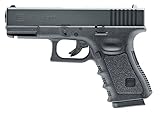
Glock 19 Gen3 .177 BB Air Pistol Review
Cheap replicas usually fall apart the second expectations rise above casual tin-can shooting. Slides feel loose, triggers wobble around like broken switches, and the grip texture turns slick after twenty minutes outside in summer heat. That disappointment hits harder with co2 air pistols carrying real firearm branding because people naturally expect more than hollow plastic gimmicks. The Glock 19 Gen3 .177 Caliber BB Gun Air Pistol manages to avoid most of those headaches. It stays simple, compact, and surprisingly convincing in the hand without pretending to be something wildly expensive.
Glock 19 Gen3 BB Pistol
Official Glock markings immediately give this pistol a more authentic personality than many generic CO2 replicas floating around online. The frame shape mirrors the real Gen3 profile closely enough that holster fit, grip angle, and handling feel familiar instead of awkward. Some replica pistols exaggerate dimensions and end up feeling bulky or cartoonish. This one keeps proportions tight and balanced.
The compact size works in its favor too. Full-size CO2 pistols can get tiring during longer shooting sessions, especially once repetitive reloads and wrist fatigue creep in. The Glock 19 platform stays easier to maneuver around small backyard ranges or basement target setups. Fast transitions between cans and spinner targets feel smoother because the frame doesn’t drag or overbalance.
Grip texture deserves credit here. Molded stippling gives enough traction to stabilize the pistol without chewing up bare hands. Sweaty palms usually expose weak grip designs pretty quickly, yet this one maintains decent control during rapid shooting strings. Little ergonomic details like that make repeated sessions less irritating over time.
Visual realism also lands nicely without becoming obnoxious. Some air pistols pile on oversized rails and fake competition cuts that look flashy for about ten minutes. The cleaner Gen3 styling feels more grounded. That restraint actually helps the pistol age better aesthetically.
CO2 Performance And Shot Feel
410 FPS velocity places this pistol in a practical middle ground for BB shooting. It has enough punch for reactive backyard targets without becoming overly loud or wasteful with CO2 consumption. Lightweight cans jump around satisfyingly, and small steel spinner targets react with enough force to keep sessions entertaining. The pistol doesn’t try to mimic high-powered pellet guns, thankfully.
CO2 efficiency stays respectable as long as expectations remain realistic. Rapid-fire mag dumping drains cartridges faster, naturally, though slower pacing stretches shot count noticeably. Cold temperatures still affect consistency because CO2 pressure drops once the magazine cools down. That’s standard behavior with most co2 air pistols, and the Glock follows that pattern pretty predictably.
Trigger feel sits somewhere between practical and slightly mushy. There’s take-up before the break, but nothing unusually sloppy for this category. Follow-up shots become easier after a couple magazines because reset timing starts feeling more intuitive. Some budget pistols develop unpredictable trigger behavior after extended use. This one remains fairly consistent.
Recoil simulation stays minimal since this model prioritizes efficiency over aggressive blowback action. Some shooters may miss the mechanical snap found in heavier slide-reciprocating designs. Others will appreciate squeezing more shots from each cartridge instead of wasting CO2 purely on slide movement.
Noise output feels manageable indoors or in tighter suburban spaces. The pistol produces a sharp pop rather than an explosive crack, which makes casual target sessions less disruptive. Neighbors probably won’t celebrate hearing repeated magazines dumped into steel targets, but moderate shooting sessions remain fairly reasonable.
Magazine Setup And Reload Rhythm
15-shot capacity gives the Glock enough room for enjoyable shooting strings without constant reload interruptions. Smaller-capacity BB pistols often kill momentum because loading becomes tedious after every few seconds. Fifteen rounds hits a comfortable sweet spot between realism and convenience.
The magazine loading system stays refreshingly uncomplicated. BB followers slide smoothly, and loading steel BBs doesn’t require tiny fingers or unusual patience. Cheap feed systems sometimes jam once dirt or damaged BBs enter the mix. This setup handles clean ammunition reliably enough for casual practice sessions.
Reload rhythm matters more than people expect. Pistols with awkward magazine releases or clumsy insertion angles quickly become frustrating during repeated shooting drills. The Glock-style controls here maintain familiar positioning, so reloads feel natural rather than forced. Muscle memory develops surprisingly quickly.
One practical drawback appears with spare magazine costs. Replica-style CO2 pistols often require proprietary magazine systems, and replacement mags aren’t always cheap. That becomes relevant once shooting sessions grow longer and repeated reloads start slowing the pace down.
Realistic Handling And Everyday Use
Fixed Glock-style sights keep alignment fast and straightforward for close-range plinking. They’re not precision target sights by any stretch, though they suit the pistol’s intended role well enough. Fast sight acquisition matters more here than microscopic grouping potential.
Outdoor shooting feels especially enjoyable with this model because the balance remains neutral in hand. Front-heavy pistols sometimes dip during rapid transitions, while featherweight replicas bounce around unpredictably. The Glock 19 Gen3 sits comfortably between those extremes. That balance helps the pistol feel calmer during repeated follow-up shots.
From a practical angle, a relevant reference is best Glock air pistol, particularly for shooters comparing realism, grip ergonomics, and magazine handling across different replica platforms. Small differences in frame texture and trigger response become more noticeable after extended use.
The integrated Weaver rail adds flexibility without turning the frame into a tactical caricature. Compact lights or laser modules fit cleanly underneath the barrel area for low-light plinking sessions or casual setup experimentation. Some shooters will never touch the rail. Others appreciate having the option available without extra adapters.
Maintenance stays relatively painless too. A drop of silicone oil on fresh CO2 cartridges helps preserve seals and reduce long-term leakage issues. Neglect still catches up eventually, especially if cartridges remain installed for weeks at a time. Simple maintenance habits make a huge difference with these systems.
Pros And Cons That Stand Out
Pros start with handling. The compact Glock frame feels comfortable during extended sessions, and the realistic dimensions improve overall immersion without excessive bulk. Grip texture stays functional, reload controls feel intuitive, and the balanced weight distribution keeps rapid shooting surprisingly smooth.
The official licensing also adds value beyond simple cosmetics. Details feel more authentic, and the pistol avoids the weird proportions that plague many unlicensed replicas. Familiar ergonomics make repetitive practice more enjoyable because the handling feels consistent rather than awkwardly adapted.
CO2 efficiency remains another practical advantage. Non-blowback operation helps conserve gas better than flashier recoil-focused alternatives. That means more shooting between cartridge swaps, which honestly matters more during relaxed backyard sessions than exaggerated recoil simulation.
Cons revolve mostly around realism tradeoffs and barrel limitations. The smooth bore barrel doesn’t provide pellet-gun precision, especially once shooting distances increase. Wind drift affects steel BBs noticeably outdoors too, particularly during breezier afternoons.
Trigger refinement could also feel sharper. Competitive-style shooters accustomed to crisp breaks may find the pull slightly vague during slower aimed shots. The lack of strong blowback recoil may disappoint realism enthusiasts chasing firearm-like cycling sensations as well. This pistol leans more toward practical plinking efficiency than theatrical recoil effects.
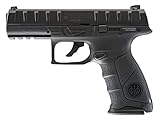
Umarex Beretta APX .177 BB Air Pistol Review
Half the fun disappears once an air pistol starts feeling hollow and lifeless after a few magazines. Cheap triggers, fake recoil, and awkward grip angles can turn a relaxing backyard session into pure annoyance. Plenty of co2 air pistols promise realism but end up feeling closer to discount toys than serious plinkers. The Umarex Beretta APX .177 Caliber BB Gun Air Pistol approaches things differently. Right out of the box, the metal slide and snappy blowback action give it a more convincing personality than many pistols sitting in the same price range.
Beretta APX Air Pistol
Realistic blowback action changes the shooting experience immediately. Every trigger pull cycles the metal slide with enough force to create actual movement in the hand instead of a dull mechanical click. That added recoil simulation doesn’t feel violent, but it adds rhythm and feedback missing from many non-blowback designs. Fast shooting strings become more engaging because the pistol reacts instead of feeling static.
The frame combines a metal slide with a durable polymer lower, which helps balance realism against manageable weight. Full-metal air pistols sometimes become tiring during longer sessions, especially once wrists start fatiguing after repeated reload drills. The APX avoids that problem pretty well. It stays substantial without crossing into brick-like territory.
Grip texture deserves some attention too. The molded surface offers enough bite to stabilize the pistol during rapid fire without turning abrasive. Sweaty hands tend to expose bad grip designs fast, yet this one remains predictable and secure. That matters more than flashy cosmetic cuts or oversized tactical styling.
Visual details stay clean and restrained. Some replica pistols overdo the “combat” look with exaggerated serrations and oversized rails everywhere. The APX keeps a more grounded appearance. It feels closer to a practical sidearm than a toy trying too hard to look aggressive.
Shot Feel And CO2 Performance
395 FPS velocity places the APX in comfortable backyard-plinking territory. Steel BBs carry enough energy to smack aluminum cans convincingly and keep reactive targets moving without sounding excessively loud. The pistol favors fun, quick-paced shooting rather than ultra-precise accuracy sessions. That distinction matters because unrealistic expectations ruin plenty of first impressions with BB pistols.
CO2 efficiency lands somewhere in the middle due to the blowback system. Non-blowback pistols generally squeeze more shots from each cartridge because they aren’t using gas to cycle a slide. The APX sacrifices a bit of efficiency for realism, though honestly, the tradeoff feels worthwhile during active shooting sessions.
Cold weather still affects consistency. CO2 pressure naturally drops once temperatures dip or magazines cool down from rapid shooting. That means the first few shots often feel sharper than the last several rounds in a fast magazine dump. Slowing down between strings helps maintain steadier velocity and better recoil feel.
Trigger response feels fairly clean for a blowback BB pistol. There’s a little take-up before the break, but reset timing stays predictable enough for repeated follow-up shots. Some budget air pistols feel vague or spongy after heavy use. This trigger remains reasonably crisp during casual practice.
Sound signature stays satisfying without becoming obnoxiously loud. The slide cycling creates a mechanical snap that adds character beyond the standard CO2 pop. Indoors, it definitely sounds sharper than quieter non-blowback pistols. Outdoors, though, the noise level feels controlled enough for regular backyard use.
Sights And Target Tracking
Low-profile 3-dot sights make a bigger difference than many people expect on compact air pistols. Tiny black sights can disappear against darker targets, especially in poor lighting. The APX sight setup stays easier to track during quick transitions between cans or steel plates. Fast alignment feels natural instead of frustrating.
Short-range target shooting suits this pistol best. Reactive plinking targets around garage distances or moderate backyard ranges feel right in its wheelhouse. Stretching beyond that exposes the normal limitations of smooth-bore BB barrels. Wind drift becomes noticeable, and tighter groupings start opening up.
Front sight visibility holds up reasonably well outdoors. Indoor shooting under dim basement lighting can soften sight contrast slightly, particularly against dark backdrops. A brighter target surface helps offset that issue pretty effectively.
One practical advantage involves how quickly sight picture recovery happens after recoil. The blowback movement adds realism without throwing the pistol wildly off target. Rapid follow-up shots remain surprisingly manageable once grip pressure and trigger rhythm settle in.
Magazine Design And Handling
20-shot magazine capacity keeps the pace lively during longer sessions. Smaller magazines often interrupt momentum too frequently, forcing constant reload breaks that get irritating after a while. Twenty rounds feels generous enough to maintain flow without becoming awkwardly oversized.
Magazine insertion stays smooth and intuitive. Some CO2 pistols require awkward angles or excessive force before locking into place properly. The APX magazine seats cleanly with minimal fuss. Reload timing feels more natural because the system avoids clumsy alignment issues.
Weight distribution also helps overall handling. The pistol settles comfortably in hand rather than tipping heavily toward the muzzle or rear grip. Balanced pistols generally feel calmer during rapid target transitions, and the APX follows that pattern nicely.
From a practical angle, a relevant reference is best wood for bow making, especially for hobbyists who enjoy mechanical outdoor gear with tactile handling characteristics and hands-on customization culture. That crossover appreciation for equipment feel tends to show up surprisingly often.
The integrated Picatinny rail adds flexibility without making the frame bulky. Compact lights or laser modules fit securely underneath for low-light plinking or indoor practice setups. Some shooters may never use the rail at all, but it’s nice having the option available.
Pros And Cons In Real Use
Pros start with realism. The blowback action, slide movement, and overall handling create a much more immersive experience than static-frame BB pistols. Grip texture feels secure, reloads stay smooth, and the pistol balances well during repeated shooting strings.
The 20-shot capacity also improves overall enjoyment because sessions flow more naturally between reloads. Fast-paced target drills become more satisfying once interruptions decrease. Combined with the realistic recoil feel, the APX creates a rhythm that keeps casual shooting engaging longer than expected.
Sight setup earns praise too. The 3-dot system improves target acquisition speed noticeably compared to plain black notch sights found on many inexpensive air pistols. That visibility helps newer shooters build confidence faster during rapid plinking sessions.
Cons mostly revolve around CO2 efficiency and BB limitations. Blowback realism consumes more gas, so cartridges empty faster than quieter non-blowback alternatives. Rapid firing exaggerates that issue even further because cooldown affects pressure consistency.
Accuracy remains respectable for a BB pistol, though nobody should expect pellet-rifle precision. Smooth-bore barrels simply aren’t built for tight long-distance grouping. The trigger, while decent, also lacks the crisp break found on higher-end competition-focused airguns. Still, for realistic handling and lively backyard shooting, the APX delivers a more convincing experience than many similarly priced co2 air pistols.
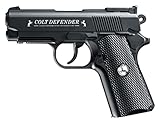
Colt Defender Semi Automatic BB Air Pistol Review
Lightweight plastic pistols lose their charm fast once the shooting session stretches past a few magazines. Tiny rattles start showing up, grips feel hollow, and accuracy drifts enough to get annoying. Plenty of co2 air pistols look convincing in product photos but feel disposable the second they hit your hand. The Colt Defender Semi Automatic Metal Frame .177 Caliber BB Gun Air Pistol leans the other direction. Heavy metal construction, straightforward controls, and a surprisingly solid feel give it more personality than many compact BB pistols crowding the same price bracket.
Colt Defender BB Pistol
All-metal frame and slide completely change the first impression. Weight distribution feels grounded instead of toy-like, which helps stabilize the pistol during rapid strings of fire. Cheap polymer-heavy pistols sometimes bounce awkwardly during follow-up shots, especially once hands get tired. The Colt Defender settles naturally into the grip and stays there.
Compact dimensions make the pistol easy to maneuver in tighter spaces like garage ranges or small backyard setups. Some oversized replica pistols look impressive but become cumbersome after half an hour of shooting. This one avoids unnecessary bulk. It feels nimble without crossing into flimsy territory.
The grip texture stays fairly understated, though it still provides enough traction for controlled handling. Sweaty palms can expose weak grip designs quickly during summer shooting sessions. Fortunately, the Defender maintains decent control without overly aggressive texturing digging into the hand.
Visual styling keeps things clean and functional. There’s no exaggerated tactical nonsense or oversized fake compensators bolted onto the front. The pistol carries a more restrained appearance that fits its compact defensive-style profile. That simplicity actually works in its favor because it ages better aesthetically.
Shot Performance And Velocity
410 FPS velocity gives the Defender enough snap to keep reactive targets lively without pushing into noisy or excessive territory. Steel cans jump convincingly, cardboard targets punch cleanly, and lightweight spinners react with satisfying movement. It’s clearly tuned for recreational plinking rather than precision competition.
CO2 consistency stays respectable during moderate-paced shooting. Dumping magazines rapidly still cools the cartridge down, naturally, which softens recoil feel and velocity over time. Slower pacing helps stabilize performance noticeably. That’s pretty standard behavior for most co2 air pistols, especially compact blowback-free platforms.
Trigger pull leans slightly heavy, though not unmanageable. There’s a bit of stacking before the break, but the reset remains predictable enough for repeated follow-up shots. After a couple magazines, muscle memory smooths things out and rhythm starts building naturally.
Noise level sits in a comfortable middle ground. The Defender produces a sharp CO2 crack but avoids the aggressive mechanical snap associated with heavier blowback systems. Backyard shooting feels realistic enough without becoming irritatingly loud in tighter neighborhoods.
Rapid-fire shooting actually feels smoother than expected because the pistol stays balanced during recoil impulse. Some lightweight BB pistols twist awkwardly during fast trigger work. The Defender’s heavier metal frame reduces that wobble noticeably.
Sights And Accuracy Tradeoffs
Fixed front sight paired with an adjustable rear sight gives the pistol more flexibility than many entry-level BB guns. Adjustable rears matter because slight point-of-impact shifts become obvious during repeated target sessions. Tiny corrections help dial things in for preferred shooting distances.
Close-range accuracy feels solid enough for casual plinking. Aluminum cans, hanging targets, and paper silhouettes inside moderate backyard distances remain easy to track. Stretching farther exposes the limitations of steel BBs and smoothbore barrels, though honestly, that’s expected from this category.
Front sight visibility could feel brighter in dim conditions. Dark targets under indoor lighting sometimes blur the sight picture slightly, especially during fast transitions. Brighter target colors help offset that issue pretty effectively.
Wind drift affects lightweight steel BBs outdoors more than newcomers expect. Calm evenings deliver the most consistent groups. Breezy afternoons start pushing shots around enough to become noticeable beyond shorter distances.
The pistol rewards steady pacing instead of frantic shooting. Slowing down slightly between shots improves sight alignment and helps maintain better CO2 consistency. Rushing magazines tends to exaggerate spread patterns more quickly.
Magazine Design And Reload Handling
16-shot capacity strikes a decent balance between realism and convenience. Smaller magazines can kill shooting rhythm by forcing constant reloads every few seconds. Sixteen rounds provide enough breathing room for smoother target sessions without making the grip oversized.
Magazine loading stays straightforward. BB followers slide cleanly, and loading doesn’t require tiny tools or excessive patience. Some budget pistols develop feeding quirks after repeated use, especially with dirty ammunition. The Defender handles clean steel BBs fairly reliably during extended sessions.
CO2 installation remains simple too. Piercing cartridges doesn’t require awkward leverage or complicated hidden screws buried deep in the grip frame. Maintenance access feels refreshingly uncomplicated.
Weight balance improves reload handling as well. Heavy pistols sometimes feel sluggish during magazine swaps, while featherweight frames wobble around excessively. The Defender stays controlled without becoming cumbersome during repetitive practice drills.
From a practical angle, a relevant reference is best European air rifles, especially for shooters interested in traditional metal construction and durable handling characteristics that prioritize mechanical feel over flashy styling trends.
Strengths And Weaknesses In Real Use
Pros become obvious once extended shooting sessions start piling up. The all-metal construction gives the pistol a more convincing feel than lightweight plastic-heavy alternatives. Grip stability, balanced handling, and respectable CO2 efficiency all work together to create a smoother overall experience.
The adjustable rear sight also deserves more praise than it usually gets. Small sight corrections can noticeably tighten practical accuracy during repetitive plinking sessions. Many inexpensive BB pistols skip adjustability altogether, leaving shooters stuck compensating awkwardly.
Compact size helps the Defender feel approachable without sacrificing realism. Longer full-size pistols sometimes become awkward in smaller indoor spaces or tight backyard setups. This one maintains good maneuverability while still feeling substantial in hand.
Cons mostly revolve around realism tradeoffs and trigger refinement. Blowback enthusiasts may feel slightly disappointed because the pistol prioritizes efficiency over aggressive slide movement and recoil simulation. Trigger weight could also feel smoother during slower precision-style shooting.
Accuracy limitations eventually appear once distances increase beyond typical plinking ranges. Smoothbore steel BB pistols simply aren’t designed for pellet-rifle precision. Wind drift, sight visibility, and CO2 cooldown all become more noticeable the farther targets move away. Still, for straightforward recreational shooting, the Defender delivers a more satisfying mechanical feel than many similarly priced co2 air pistols.
Crosman P10 CO2 BB Air Pistol Review
Nothing kills a backyard shooting session faster than digging through drawers for missing gear while a fresh CO2 cartridge slowly leaks itself empty. That little cycle gets old fast with bargain-bin setups. Some co2 air pistols feel like unfinished projects instead of ready-to-use plinkers. The Crosman P10 Kit CO2 Powered Semi Auto BB Air Pistol avoids a lot of that hassle by arriving with the basics already packed together. BBs, safety glasses, and CO2 cartridges in the same kit make the whole thing feel more practical right from day one.
Crosman P10 Kit
Semi-auto operation gives the P10 a lively personality that works well for casual target shooting. Trigger rhythm feels quick enough to keep cans dancing around without constantly breaking momentum for reloads. Some entry-level BB pistols feel sluggish between shots, almost like the mechanism is hesitating before cycling. The P10 stays snappy enough to avoid that clunky feeling.
Weight distribution leans surprisingly balanced for a mostly polymer-framed pistol. Heavy all-metal pistols can feel satisfying at first, though wrists start noticing that extra heft after longer sessions. The P10 stays lighter and easier to maneuver, especially during rapid transitions between targets. That lighter frame also makes storage and transport less annoying.
Grip shape feels straightforward and practical. Crosman didn’t overload the design with aggressive finger grooves or exaggerated tactical styling. The result feels adaptable to different hand sizes without becoming awkwardly bulky. Grip texture isn’t especially rough, but it provides enough traction for regular backyard use.
The overall look lands somewhere between functional and slightly tactical. It avoids the flashy “mall ninja” design language that some BB pistols lean into way too heavily. That restraint helps the pistol feel more grounded and easier to live with over time.
Magazine Setup And Reload Speed
20-round drop-out magazine becomes one of the P10’s strongest practical advantages pretty quickly. Reloading stays fast, smooth, and less frustrating than fixed internal magazine systems. Some BB pistols force awkward loading angles or stiff follower springs that slow everything down. This one keeps the process simple enough that repeated reloads don’t become irritating.
Magazine insertion feels reasonably secure too. There’s a satisfying click once seated properly, which helps avoid accidental drops during shooting sessions. Cheap magazine systems sometimes wobble around slightly after repeated use. The P10 holds things together fairly well for its category.
The removable grip panel makes CO2 replacement refreshingly painless. Tiny hidden screws and cramped cartridge compartments usually create unnecessary headaches during cartridge swaps. Crosman simplified the process here, and honestly, that small convenience matters more after a few months of ownership.
Rapid-fire shooting feels smoother because the larger magazine capacity reduces interruptions. Constant reload breaks can wreck the pacing of reactive target drills. Twenty shots provide enough breathing room to maintain rhythm without making the grip oversized or uncomfortable.
Cold weather still impacts performance, naturally. CO2 pistols lose pressure once temperatures dip or magazines cool down during rapid firing. Slowing the pace slightly helps stabilize consistency and maintain stronger cycling behavior.
Shooting Feel And Barrel Performance
Steel barrel construction gives the pistol a more solid feel than ultra-cheap smooth plastic-lined alternatives. Barrel stability helps improve shot consistency at shorter distances, especially during calm outdoor conditions. Nobody should expect pellet-rifle precision from a BB pistol, though the P10 handles casual plinking duties competently.
Short-range target shooting feels like its sweet spot. Soda cans, hanging spinners, and lightweight steel targets react well inside typical backyard distances. Stretching shots farther starts exposing the normal limitations of steel BB ammunition. Wind drift becomes noticeable, and groups spread wider than some newcomers expect.
Trigger pull feels serviceable without becoming particularly refined. There’s a bit of take-up before the break, though reset timing stays predictable enough for repeated follow-up shots. Fast-paced plinking feels more natural than slow precision-style shooting with this setup.
Noise output remains manageable for suburban environments. The pistol produces a sharp CO2 pop but avoids the louder mechanical crack associated with aggressive blowback systems. That quieter behavior makes longer sessions less disruptive around nearby neighbors.
One subtle advantage involves recoil stability. Non-blowback operation means the frame stays calmer during rapid strings, which actually helps maintain sight alignment better between shots. Some shooters prefer the realism of moving slides, though others appreciate the extra efficiency and smoother follow-up rhythm.
Sights And Accessory Flexibility
Fixed blade and notch sights keep the aiming system simple and uncomplicated. Bright outdoor conditions help visibility quite a bit because darker indoor setups can soften sight contrast against black targets. Still, the sight picture remains quick enough for casual plinking and reactive target games.
The under-barrel accessory rail adds practical flexibility without making the pistol feel oversized. Compact lights or laser units fit underneath easily for indoor setups or evening shooting sessions. Some shooters won’t use the rail at all, though it’s nice having the option without needing aftermarket adapters.
Fast target acquisition feels surprisingly decent once grip positioning settles in. Lightweight pistols sometimes bounce around during transitions between multiple targets. The P10’s balanced frame helps reduce that wandering sensation enough to keep shooting smooth and predictable.
From a practical angle, a relevant reference is best NP air rifles, particularly for shooters interested in quieter backyard shooting systems and lower-maintenance recreational airgun setups that prioritize consistency over dramatic recoil simulation.
Accessory compatibility stays fairly straightforward because the rail dimensions follow common mounting patterns. That helps avoid the weird fitment problems some inexpensive BB pistols run into with proprietary attachment systems.
Pros And Cons In Everyday Use
Pros start with convenience. The included starter kit removes a lot of the annoying setup friction that usually comes with first-time CO2 purchases. BBs, safety glasses, and cartridges already in the package make the pistol feel ready for immediate use rather than another project requiring extra shopping trips.
The 20-round magazine also improves overall shooting flow considerably. Longer shooting strings feel more relaxed and immersive because reload interruptions happen less often. Combined with the semi-auto action, the pistol maintains a lively pace during casual target sessions.
CO2 access deserves praise too. The removable grip system simplifies cartridge swaps enough that maintenance feels less tedious over time. Small conveniences like that tend to matter more after months of ownership than flashy cosmetic extras.
Cons mostly revolve around realism and long-range accuracy expectations. Shooters wanting heavy recoil simulation or realistic slide movement may find the non-blowback setup slightly underwhelming. Lightweight polymer construction also lacks the cold metallic feel some replica enthusiasts prefer.
Precision limitations appear once shooting distances increase beyond normal backyard ranges. Steel BBs drift more outdoors, and fixed sights restrict adjustment flexibility compared to higher-end target-focused platforms. Still, for relaxed recreational shooting and easy day-to-day handling, the P10 holds its own surprisingly well among entry-level co2 air pistols.


12 Best 22 Pcp Air Rifle For Hunting of 2026 With Quiet Power

7 Best 22 Pcp Air Rifle Under 300 of 2026 For Backyard Pest Control

10 Best 22 Break Barrel Air Rifles of 2026 For Backyard Pest Control

10 Best 30 Caliber Pcp Air Rifle of 2026 For Medium Game

Top Best 177 Air Rifle Under 100: Budget-Friendly Picks for 2026

How to Safely Reload Shotgun Shells at Home

11 Best Co2 Air Rifle For Pest Control of 2026 To Ensure Humane Dispatch

12 Best Inexpensive Air Rifles of 2026 For Dependable Backyard Accuracy






