
Crosman 1008 Repeatair 2026 Best Backyard Classic

Crosman 1008 repeatair sits in that familiar sweet spot between casual fun and practical air pistol handling. It’s a .177 caliber CO2 repeater with an 8-shot rotary magazine, so the whole rhythm feels quicker than loading one pellet at a time. That matters on a quiet afternoon when the goal is tight groups on paper, not a full bench full of gear. Simple controls, light weight, and a familiar pistol profile make it easy to pick up without turning the session into homework.
The appeal isn’t raw power or fancy gadgetry. The real charm comes from repeatable backyard practice, low fuss setup, and the kind of trigger time that helps steady hands settle down. A CO2 pistol like this won’t feel the same in cold weather, and shot count can dip once the cartridge starts fading. Still, for short sessions with pellets and proper safety habits, it keeps things moving at a nice clip.
Accuracy expectations should stay grounded. The crosman 1008 repeatair is better treated as a plinker and close-range practice pistol than a precision match tool. Paper targets, tin cans in a safe trap, and slow controlled strings are where it makes the most sense. Push it too far, and the lightweight build and CO2 behavior will remind you that it’s built for casual shooting first.
Storage and upkeep are part of the deal too. CO2 seals don’t love neglect, so a little airgun oil and sensible cartridge handling can save headaches later. The rotary clips are handy, but losing one turns a smooth session into a scavenger hunt. Keep a few extras around, and the pistol feels far less fussy.
There’s also a bit of old-school appeal here. The design has that 1990s airgun flavor, back when repeaters felt clever without being overbuilt. It won’t impress someone chasing tactical rails and modern blowback realism. But for steady plinking, basic marksmanship, and a no-drama CO2 routine, it still has a place on the bench.
- ARS Mark8.8
ARS Mark is a ranking system developed by bestairriflescopes.com. ARS Mark has no relationship or impact from any manufacturers or sales agent websites. Learn more
- BrandCrosman
- ARS Mark-
ARS Mark is a ranking system developed by bestairriflescopes.com. ARS Mark has no relationship or impact from any manufacturers or sales agent websites. Learn more
- BrandCrosman

- ARS Mark8.8
ARS Mark is a ranking system developed by bestairriflescopes.com. ARS Mark has no relationship or impact from any manufacturers or sales agent websites. Learn more
- BrandCrosman

- ARS Mark8.0
ARS Mark is a ranking system developed by bestairriflescopes.com. ARS Mark has no relationship or impact from any manufacturers or sales agent websites. Learn more
- BrandCrosman

- ARS Mark8.8
ARS Mark is a ranking system developed by bestairriflescopes.com. ARS Mark has no relationship or impact from any manufacturers or sales agent websites. Learn more
- BrandCrosman
- ARS Mark8.6
ARS Mark is a ranking system developed by bestairriflescopes.com. ARS Mark has no relationship or impact from any manufacturers or sales agent websites. Learn more
- BrandCrosman
Last update on 2026-06-07 / Affiliate links / Images, Product Titles, and Product Highlights from Amazon Product Advertising API
Crosman SNR357 Snub Nose Revolver Review
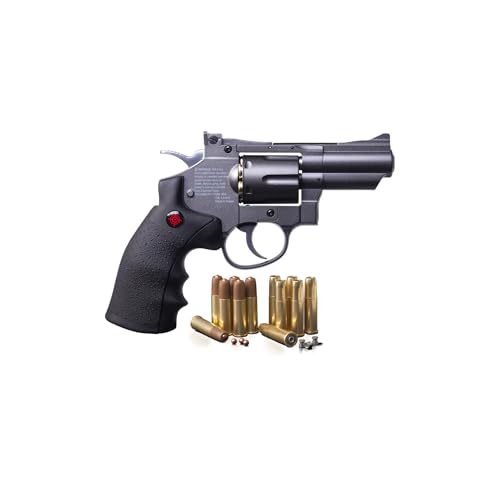
Cheap-feeling air pistols tend to ruin the mood fast. Loose plastic grips, mushy triggers, and clunky loading systems can make a short backyard session feel like a chore instead of a break from the day. That’s partly why the crosman 1008 repeatair crowd often drifts toward revolver-style CO2 pistols like the Crosman SNR357 Snub Nose. The hefty metal frame, shell-loading setup, and surprisingly satisfying balance give it a different personality altogether.
SNR357 Snub Nose
Crosman SNR357 Snub Nose leans hard into realism without pretending to be something it’s not. The revolver uses reusable cartridges that hold either steel BBs or .177 pellets, and honestly, that shell-loading routine changes the whole vibe. Instead of dumping ammo into a magazine and rattling through shots, the process slows things down a bit. Oddly enough, that makes practice feel more deliberate and a lot less disposable.
The full-metal construction stands out immediately. Plenty of CO2 pistols feel hollow or toy-like once they’re in hand, but this revolver has real weight behind it. The shorter snub nose barrel keeps the balance centered instead of front-heavy, so target transitions feel smooth during casual shooting sessions. It’s got a gritty, old-school revolver flavor that many polymer-heavy airguns simply don’t replicate.
Power output sits in the practical range rather than the flashy range. Crosman lists velocities up to 400 FPS with BBs and roughly 500 FPS with pellets, which is enough for plinking cans, paper targets, and basic trigger control drills. Nobody should expect hunting-level performance from this setup, though. Short-barrel CO2 revolvers trade raw speed for handling feel and shooting rhythm.
The safety system keeps things straightforward. A simple slide safety won’t confuse newer shooters, and that simplicity matters more than people admit. Fumbling with awkward controls tends to break concentration, especially during repetitive target work. Here, the controls stay mostly out of the way.
Handling And Real Shooting Feel
Realistic handling is the biggest reason people gravitate toward the SNR357. The shell-loading action mimics a traditional revolver closely enough to make dry practice and reload drills genuinely entertaining. Each cartridge slides into the cylinder individually, and yes, that takes extra time. But there’s something oddly satisfying about hearing the cylinder click shut before a fresh string of shots.
The grip texture lands somewhere between smooth and practical. It won’t lock into sweaty hands like aggressive tactical stippling, but it also avoids the slippery toy-like plastic that plagues bargain CO2 pistols. During longer sessions, the revolver stays comfortable without creating pressure hotspots around the palm. That shorter barrel helps too, especially for one-handed shooting.
Trigger behavior changes noticeably depending on firing mode. Double-action shooting feels heavier and slightly longer, which mirrors real revolver habits fairly well. Single-action mode smooths things out considerably and tightens up precision at close range. Some shooters may find the double-action pull tiring after extended use, especially during rapid-fire strings.
Noise levels stay manageable. It’s not whisper quiet, obviously, but the short barrel and CO2 system avoid the harsh crack that louder pellet pistols sometimes produce. Backyard shooters dealing with close neighbors will probably appreciate that balance.
Pellets Vs BBs Performance
Pellet accuracy generally edges out BB performance with this revolver. The rifled barrel gives pellets a better chance to stabilize, particularly around common backyard distances. Tight paper groups become more realistic with wadcutters or lightweight domed pellets. Steel BBs, meanwhile, lean more toward casual reactive shooting than precision.
BB shooting does have its own charm, though. Steel BBs cycle quickly, feel inexpensive during extended sessions, and pair nicely with spinning targets or cans. The revolver’s reusable BB cartridges also help maintain the realism factor. There’s less fumbling compared to loose-loading systems that scatter BBs everywhere after one bad angle.
CO2 consistency stays decent through the first chunk of shots. After heavier rapid-fire use, velocity starts tapering off as the cartridge cools down. That’s normal for CO2 revolvers, especially compact models. Slower pacing improves consistency quite a bit, and honestly, the shell-loading design naturally encourages that slower rhythm anyway.
Reload speed sits in an awkward but charming middle ground. It’s nowhere near magazine-fed semi-auto pistols, but that isn’t really the point here. Revolver fans usually care more about immersion and handling feel than dumping ammo rapidly. The SNR357 understands that lane pretty well.
Sights And Practical Accuracy
The revolver uses a fixed front sight paired with an adjustable rear sight, which turns out to be more useful than expected. Minor adjustments help compensate for pellet preferences and shooting distance without forcing awkward holdovers. That flexibility matters because CO2 pistols can behave differently depending on ammo weight and temperature.
Short-barrel revolvers aren’t naturally built for long-distance precision. The sight radius simply isn’t very forgiving. At realistic indoor or backyard distances, though, the SNR357 stays surprisingly capable. Slow single-action shots can produce satisfying groups once the shooter settles into the trigger rhythm.
One limitation shows up under dim lighting. The black front sight blends into darker backgrounds more than it should. Bright targets help, but shooters expecting highly visible fiber optics may feel underwhelmed here. Crosman clearly prioritized traditional revolver styling over flashy sight systems.
From a practical angle, best sight for sig p320 discussions often highlight how much sight visibility changes confidence during repetitive training. That same idea applies here, even if the platforms are completely different. Clean sight alignment still makes or breaks consistency.
Pros And Frustrations
Strengths become obvious pretty quickly with this revolver. The metal frame adds realism without making the pistol feel excessively bulky. Shell-loading cartridges create a more immersive experience than standard stick magazines, and the dual-ammo compatibility gives shooters flexibility depending on the session. Pellet shooters get respectable accuracy, while BB fans get fast reactive fun.
The revolver also avoids unnecessary gimmicks. No fake recoil systems draining CO2 efficiency. No oversized tactical rails cluttering the frame. No bloated dimensions trying too hard to look aggressive. That restraint actually helps the gun age better visually.
Weaknesses exist too, naturally. CO2 cartridges drain faster during rapid shooting, especially in colder weather. The shell-loading process, while enjoyable, can feel tedious during high-volume target sessions. Spare cartridges are almost mandatory because losing even one interrupts the whole rhythm.
Some shooters may also wish for a smoother factory trigger. Single-action mode helps significantly, but double-action pull weight remains fairly stout. Then again, revolver enthusiasts often expect that heavier pull as part of the experience. It’s less a flaw and more a tradeoff tied to the platform itself.
Daily Ownership Experience
Maintenance demands stay refreshingly low if basic habits are followed. A drop of proper CO2 oil every few cartridges helps preserve seals, and occasional barrel cleaning keeps pellet accuracy from drifting. Neglecting maintenance won’t destroy the revolver overnight, but CO2 systems definitely appreciate a little consistency.
Storage feels straightforward thanks to the compact snub nose profile. The revolver slips easily into range bags or small hard cases without hogging space. Longer barrel air pistols sometimes become awkward shelf queens because they simply don’t fit compact storage setups comfortably. This one avoids that problem.
The SNR357 also fits nicely into relaxed evening shooting routines. Short sessions with paper targets, reactive cans, or spinning plates feel natural here. The revolver doesn’t pressure the shooter into treating every outing like a competition. Some airguns practically beg for chronographs and bench rests. This one just wants a safe backstop and a little time.
Crosman SNR357 Snub Nose won’t replace dedicated precision pellet pistols or high-powered PCP platforms. Still, its realistic handling, satisfying shell-loading system, and balanced shooting behavior give it personality that many budget CO2 pistols never manage to develop. That personality matters more than spec sheets sometimes admit.
Crosman PFM520 Night Stalker Review
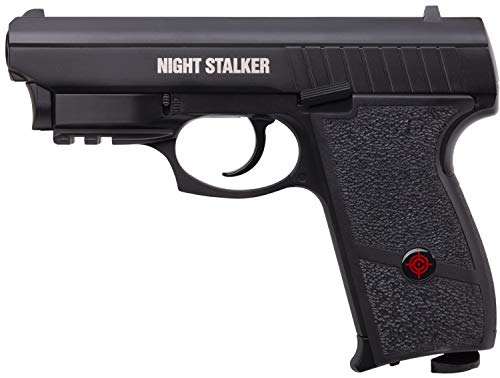
Plastic-heavy air pistols can lose their charm fast once the novelty wears off. Weak recoil feel, awkward balance, and cheap controls usually show up within the first magazine, especially during longer target sessions. That frustration pushes many shooters browsing the crosman 1008 repeatair category toward models with more realism and stronger handling feedback. The Crosman PFM520 Night Stalker lands squarely in that lane with its all-metal frame, blowback action, and built-in laser setup.
PFM520 Night Stalker
Crosman PFM520 Night Stalker doesn’t try to behave like a lightweight plinker. The pistol carries real heft thanks to the full-metal construction, and that extra weight changes the shooting experience immediately. Instead of bouncing around awkwardly during rapid fire, the frame stays planted in the hand. That steadier feel becomes noticeable after a few magazines, especially during repeated target transitions.
The blowback action adds another layer of realism. Every shot cycles the slide backward with enough snap to feel satisfying without becoming overly violent or wasteful. Some CO2 pistols exaggerate recoil and burn through cartridges too quickly in the process. This one keeps the motion controlled, so the shooting rhythm stays smooth rather than chaotic.
Visual styling leans modern without drowning the pistol in unnecessary tactical clutter. The Night Stalker has a fairly aggressive profile, but Crosman stopped short of adding oversized rails and fake competition details that often age poorly. That restraint actually helps the pistol feel more believable in hand. A lot of CO2 replicas look flashy online and awkward in real life. This one avoids that trap.
The built-in Class II red laser sight adds practical value for indoor target shooting. Low-light practice becomes easier without needing aftermarket accessories, and the laser can help newer shooters identify trigger movement issues quickly. Still, bright outdoor lighting can wash out the beam, so expectations should stay realistic during daytime use.
Handling And Shooting Feel
Grip ergonomics deserve credit here because the frame settles naturally into the hand. Some full-metal BB pistols become uncomfortable after twenty or thirty minutes due to uneven weight distribution. The PFM520 keeps most of its mass centered, so the pistol feels stable instead of nose-heavy. That balance helps during one-handed drills and slower precision shooting.
Trigger pull sits somewhere between recreational and training-focused. It isn’t feather-light, but it avoids the mushy unpredictability common in lower-cost CO2 pistols. The reset feels fairly clean too, which helps maintain a steady pace during rapid shooting strings. Small details like that matter more over time than flashy marketing language ever will.
The toggle safety placement feels intuitive without requiring exaggerated thumb movement. That sounds minor on paper, yet awkward safety placement can interrupt rhythm during repetitive practice. Crosman kept the controls straightforward, and honestly, that simplicity works in the pistol’s favor. Fewer distractions usually lead to a smoother range session.
Blowback realism also changes the emotional side of shooting. Static-slide pistols sometimes feel disconnected, almost like handheld BB dispensers rather than actual firearm trainers. The moving slide on the Night Stalker introduces a little personality into every shot cycle. Not identical to centerfire recoil, obviously, but far more engaging than fixed-slide alternatives.
Magazine Design And CO2 Efficiency
The 18-round removable magazine keeps shooting sessions moving at a decent pace. Reloading feels natural, and the magazine insertion has a reassuring click instead of the loose wobble found on bargain replicas. During casual plinking, that smooth reload process helps maintain momentum without turning every refill into a frustrating pause.
CO2 efficiency lands somewhere in the middle of the pack. Rapid blowback pistols naturally consume more gas than non-blowback models, so nobody should expect endless magazines from one cartridge. Faster shooting also cools the cartridge quickly, which can soften velocity and recoil after extended bursts. Slowing down slightly helps preserve consistency.
The listed velocity reaches up to 420 FPS, which works well for backyard targets and short-range drills. Paper silhouettes, cans, and reactive spinners all fit comfortably within the pistol’s wheelhouse. This isn’t built for hunting or long-range precision work. Instead, the Night Stalker focuses on realistic handling and satisfying repetition.
A related reference appears in best high end rifle scopes, where optic clarity and sight alignment become major factors in long shooting sessions. The same principle quietly applies here too. Consistent sight picture and natural aiming comfort matter more than raw speed once practice sessions stretch beyond a few magazines.
Laser Performance And Practical Accuracy
Laser-assisted aiming gives the Night Stalker a practical edge indoors. The red beam helps tighten up close-range shots and highlights grip or trigger mistakes almost instantly. Tiny hand movements become visible the moment the laser dances across the target. That immediate feedback can make repetitive practice feel far more productive.
Iron sights remain usable even without the laser engaged. Crosman didn’t bury them under bulky accessories or awkward frame geometry, which is surprisingly common on tactical-style air pistols. Shooters can transition between standard sight alignment and laser use without completely changing their shooting posture.
Accuracy itself feels respectable within realistic distances. BB pistols aren’t built to stack pellet-rifle groups, and expecting that only leads to disappointment. At common backyard ranges, though, the Night Stalker stays consistent enough for reactive shooting and practical drills. The heavier frame helps steady the muzzle during follow-up shots.
One limitation appears during prolonged rapid fire. Blowback movement combined with BB ammunition introduces enough vibration to loosen precision slightly over time. Slower paced shooting tightens things up considerably. That tradeoff comes with nearly every blowback BB pistol, not just this model.
Daily Use And Long-Term Enjoyment
Routine maintenance stays fairly simple. A small amount of CO2 oil every few cartridges helps preserve seals, and basic barrel cleaning prevents accuracy drift from steel BB residue. Neglect won’t destroy the pistol overnight, but CO2 systems definitely reward shooters who stay consistent with upkeep.
Storage feels easy because the pistol maintains a manageable overall footprint despite the metal frame. Compact cases and standard range bags handle it without much trouble. Some oversized tactical air pistols become awkward simply because their dimensions don’t justify their actual performance. The Night Stalker avoids feeling oversized for the sake of appearances.
The overall experience leans heavily into recreational realism rather than raw technical performance. That distinction matters. Plenty of shooters chasing the crosman 1008 repeatair niche care more about handling feel, smooth controls, and shooting enjoyment than squeezing every last FPS from a CO2 cartridge. Crosman clearly understood that balance while designing this pistol.
Weaknesses still deserve mention. Blowback operation burns through CO2 faster than simpler fixed-slide designs, and bright sunlight can limit laser visibility outdoors. The added metal weight may also fatigue shooters during extended one-handed drills. Even so, the combination of realistic handling, balanced ergonomics, and satisfying blowback action gives the PFM520 a personality that many lightweight BB pistols struggle to develop.
Crosman Vigilante CO2 Revolver Review
A range bag can get crowded fast once a shooter starts juggling pellets, BBs, spare clips, and a CO2 pistol that feels too flimsy for steady practice. That’s where the crosman 1008 repeatair comparison gets interesting, because the Crosman Vigilante CO2 Revolver brings a heavier frame, dual-ammo flexibility, and a more deliberate revolver feel into the same casual shooting lane. It’s built for skill drills, backyard plinking, and repeatable target work rather than loud promises or fantasy performance. The appeal sits in the way it slows the session down just enough to make every shot feel intentional.
Crosman Vigilante CO2 Revolver
Crosman Vigilante CO2 Revolver feels like a practical step up from lighter CO2 pistols that bounce around in the hand. The full metal frame gives it enough weight to feel planted, especially during slow target strings. That matters because a wobbly pistol can turn even simple paper practice into a guessing game. With this revolver, the extra heft helps the grip settle before the trigger breaks.
The single-action and double-action setup gives the pistol two personalities. Single-action shooting feels better for careful target work because the trigger pull becomes shorter and easier to control. Double-action shooting brings more challenge, more finger effort, and more realistic revolver rhythm. Neither mode feels like a match-grade trigger, but that’s not really the job here.
The design also solves a common frustration with casual air pistols: boring reloads. Instead of a plain stick magazine, the Vigilante uses rotary clips for both pellets and BBs. The 10-round pellet clip and 6-round BB clip keep the platform flexible without making the system feel overcomplicated. Swapping clips takes a little practice, but it quickly becomes part of the routine.
There’s a small tradeoff hiding in that flexibility. Pellets and BBs behave differently, so switching ammo types can change point of impact and overall feel. That isn’t a flaw as much as a reminder to treat the revolver like two tools in one body. For tighter groups, pellets make more sense. For easy reactive plinking, BBs feel more relaxed.
Frame Feel And Control
Handling is where this revolver earns most of its trust. The frame has enough mass to calm down small hand movements, yet it doesn’t feel like a brick during normal use. A lighter pistol can be fun for five minutes, then annoying once the trigger work starts showing every twitch. The Vigilante sits in a friendlier middle ground.
The grip shape feels familiar without becoming overly dramatic. It doesn’t scream tactical, and it doesn’t rely on fake styling to create interest. That plainness is a strength for steady practice because the shooter can focus on sight alignment, trigger press, and follow-through. Fancy shapes don’t help much if the pistol won’t point naturally.
The adjustable rear sight adds real value for people who like to tune their setup. Pairing that with a fixed blade front sight gives the revolver a practical sight picture for paper targets and cans. The sights aren’t flashy, but they’re usable and sensible. Bright indoor lighting or high-contrast targets make them easier to read.
Cold weather can make CO2 pistols feel sleepy, and the Vigilante is no exception. As the cartridge cools, shot energy and consistency can dip. That’s normal CO2 behavior, not a special defect of this model. Slower shooting and warmer conditions usually keep the experience more predictable.
Pellet And BB Shooting
Pellet shooting brings out the more serious side of the Vigilante. The 10-round rotary pellet clip gives enough capacity for a proper string without turning reloads into a constant interruption. Pellets also tend to suit careful target work better than BBs because they’re designed for better stability. At sensible distances, this setup feels rewarding without pretending to be a dedicated precision pistol.
BB shooting feels different, looser, and more playful. The 6-round BB clip works well for cans, spinners, and quick backyard drills where perfect groups aren’t the point. BBs are convenient, but they’re not magic. Anyone expecting pellet-like grouping from steel BBs may end up blaming the pistol for normal ammo behavior.
The listed speed reaches up to 435 fps, which fits the revolver’s role as a plinking and training airgun. That number gives enough pop for common targets, but it shouldn’t be stretched into claims about hunting or long-range power. The pistol works best in controlled spaces with a safe backstop, reasonable distances, and realistic expectations. Pushing beyond that lane only makes the limitations louder.
A related reference sits naturally in the broader airgun space through best 22 break barrel air rifles, where power, distance, and pellet energy play a different role than they do in compact CO2 revolvers. That difference matters because the Vigilante is more about repetition and handling than heavy impact. Treating it like a training and plinking revolver keeps the experience much more satisfying.
Training Value And Everyday Use
Skill development is the phrase that fits this revolver better than raw performance talk. The single-action mode helps with slow trigger control, while double-action practice builds patience and grip discipline. That back-and-forth can expose sloppy habits pretty quickly. Jerking the trigger, rushing the sights, or gripping unevenly tends to show up on paper.
The CO2 system keeps setup simple. One 12-gram cartridge powers the revolver, though the cartridge isn’t included with the product details provided. That means a new session needs a little preparation before the first shot. Pellets, BBs, clips, CO2, and a proper target trap all belong in the same kit if frustration is going to stay off the bench.
Rotary clips are convenient, but they’re also easy to misplace. That’s one of those small ownership details nobody thinks about until a clip rolls under a workbench. Keeping extras or storing them in a small container makes a big difference. Clip management sounds boring, sure, but boring habits save shooting time.
The revolver also rewards a slower pace. Rapid shooting can cool the CO2 cartridge and make shots feel less consistent. Taking a few seconds between shots keeps the rhythm calmer and the results steadier. Funny enough, the revolver format already nudges the shooter in that direction.
Strengths And Tradeoffs
Main strengths center on feel, flexibility, and straightforward operation. The metal frame gives the pistol a more grounded personality than many lightweight CO2 options. The pellet and BB compatibility keeps it useful for different moods, whether the session is about careful groups or casual tin-can work. The adjustable rear sight adds another practical layer for people who pay attention to their point of impact.
The single or double action design is another meaningful difference. Some air pistols only offer one trigger style, which limits practice variety. With the Vigilante, the shooter can work on smoother double-action control or switch to single-action for cleaner target work. That dual nature keeps the revolver from feeling stale too quickly.
Weaknesses show up in predictable places. CO2 dependence means weather, shooting speed, and cartridge freshness all affect performance. The BB clip holds fewer rounds than the pellet clip, so BB sessions involve more frequent reloads. The metal frame also adds weight, which some hands may notice during extended one-handed drills.
The styling won’t please everyone either. It looks like a practical black revolver, not a flashy replica packed with modern gimmicks. Some shooters will like that restraint. Others may want blowback action, tactical rails, or a more dramatic visual profile. The Vigilante doesn’t chase those extras, and honestly, that’s part of its identity.
Realistic Ownership Notes
Maintenance should stay simple but consistent. CO2 airguns generally benefit from proper oil on the cartridge tip from time to time, plus basic cleaning after repeated pellet use. The Vigilante isn’t a fussy platform, yet seals and moving parts still deserve respect. Ignoring small care steps can turn a reliable plinker into a leaky headache later.
Safe handling matters because this revolver looks and feels more serious than a toy. The fixed front sight, adjustable rear sight, and metal frame create a real training feel, so the same discipline should follow every session. Muzzle direction, trigger awareness, and a secure backstop aren’t optional details. The slide-free revolver layout may feel simple, but simple doesn’t mean careless.
The best fit is a shooter who values rhythm over speed. The Vigilante isn’t trying to dump rounds as fast as a blowback BB pistol, and it isn’t trying to replace a high-powered pellet rifle. It sits in a calmer space where repeatable practice, ammo flexibility, and hands-on control matter most. That’s a useful niche, especially for anyone tired of flimsy pistols that feel disposable.
Compared with the broader crosman 1008 repeatair style of CO2 repeaters, the Vigilante feels more substantial and more flexible. The rotary clip system adds character, the frame weight helps control, and the dual-ammo setup keeps the pistol from being locked into one kind of session. It has limits, no doubt. But inside its intended lane, it gives casual target work a steadier backbone.
Crosman 1911BB Semi-Auto Review
Some CO2 pistols feel fun for the first magazine, then the little annoyances start piling up. Slow reloading, awkward CO2 access, slippery grips, and vague sights can turn casual target time into a patience test. The crosman 1008 repeatair crowd often looks for that same easygoing repeat-shot feel, but with a cleaner semi-auto rhythm and a more familiar pistol shape. The Crosman 1911BB Semi-Auto steps into that space with a polymer frame, checkered synthetic grips, a drop-out magazine, and a simple black finish that keeps the whole thing practical.
Crosman 1911BB Semi-Auto
Crosman 1911BB Semi-Auto carries the look of a 1911-style air pistol without getting too fancy about it. The polymer frame keeps weight manageable, which can be a real relief during longer plinking sessions. A heavier metal pistol may feel more realistic, sure, but it can also wear on the wrist after repeated drills. This one leans toward comfort and easy handling rather than full replica weight.
The checkered synthetic grips give the pistol a more secure feel than a plain smooth grip panel. That texture matters when the hand gets a little sweaty or when fast follow-up shots start pulling attention away from grip pressure. It doesn’t feel like a custom target grip, and it shouldn’t be judged like one. For everyday BB shooting, the grip surface does enough to keep the pistol from feeling slippery.
The overall layout feels friendly for basic practice. Controls stay simple, the sight picture is uncomplicated, and the frame shape won’t confuse anyone used to classic pistol profiles. Nothing feels overbuilt or dramatic. That plainness can be a strength because a casual CO2 pistol should be easy to run, not a puzzle with a trigger.
Best-fit use sits around paper targets, cans, and short-range skill drills. This isn’t the pistol for precision pellet work or long-distance accuracy experiments. It uses standard BBs, and BB pistols have natural limits. Inside that lane, though, the 1911BB gives a clean, repeatable shooting routine.
Magazine Setup And Reloading
The drop-out magazine is one of the better practical details here. It holds 20 BBs, which gives the pistol a more relaxed shooting pace than smaller-capacity options. Reloading doesn’t feel like a constant interruption, and that’s a big deal for anyone who just wants a smooth session after work. Less fiddling, more shooting.
The magazine design also gives the pistol a more familiar handling routine. Press, drop, reload, seat it back in, and keep going. That rhythm feels cleaner than loading BBs through awkward little ports or tiny reservoirs. Small convenience wins like this can decide whether an air pistol gets used often or left in a drawer.
The 20-round capacity also pairs nicely with informal target games. Multiple cans, a resettable target, or a simple paper sheet with several marks all feel natural with this setup. The pistol doesn’t force a reload after just a few shots. That makes it easier to focus on sight alignment and trigger pace instead of constantly counting the last BB.
There is a tradeoff, though. A magazine-fed BB pistol usually depends on clean loading habits, and rushed refills can create small frustrations. BBs roll, fingers slip, and a careless reload can waste time fast. Keeping ammo in a proper container nearby makes the whole process less messy.
CO2 Access And Everyday Handling
The removable grip panel makes CO2 replacement more approachable. Some air pistols hide the cartridge behind awkward screws or clumsy panels that feel like they’re waiting to break. This design keeps the process simple enough for routine use. That’s especially helpful during longer sessions where one cartridge eventually fades and the fun shouldn’t stop for a wrestling match.
CO2-powered pistols always come with a few quirks. Temperature, shot pace, and cartridge freshness can all affect how consistent the pistol feels. Rapid shooting tends to cool the cartridge and soften performance. A steadier pace usually gives the gun a more predictable rhythm.
The provided details mention quality-tested components and a precision steel barrel, and those features make sense for a pistol aimed at reliable recreational shooting. Still, steel BBs won’t behave like pellets from a rifled target pistol. Accuracy expectations should stay grounded. A good setup and steady trigger press will help, but the platform is still built for BB plinking.
From a practical angle, best air rifle scopes under 500 shows how sighting tools matter more as distance and precision demands increase. The 1911BB lives in a different world, closer, simpler, and more casual. Even so, the basic lesson carries over: a clear sight picture helps turn scattered shots into a more useful practice pattern.
Sights And Accessory Rail
The pistol uses a fixed blade front sight with a notched rear sight. That setup is basic, but basic doesn’t automatically mean bad. For close-range BB shooting, simple sights can be quicker to pick up than busy fiber-optic arrangements. The sight picture stays clean and familiar.
Fixed sights do create a limitation. Shooters can’t easily tune point of impact the way they could with an adjustable rear sight. Different BB brands, lighting conditions, and shooting distances may shift results a little. Instead of chasing mechanical adjustment, the shooter learns the pistol’s hold and works within it.
The Picatinny accessory rail adds flexibility without turning the pistol into a bulky gadget. A small light or laser can make sense for certain indoor target setups, assuming the accessory fits the rail and stays properly secured. That rail also gives the pistol a more modern working feel. It’s useful, but not something everyone needs.
The front sight can be easier to lose against dark targets. High-contrast paper or bright backstops help a lot. That’s a small detail, but small details matter during repetitive practice. A target that’s easy to read often does more for accuracy than another accessory hanging under the frame.
Pros And Practical Strengths
Main strengths start with ease of use. The 20-BB magazine, removable grip panel, and familiar 1911-style frame make the pistol feel approachable. There’s no complicated loading ritual or oddball control layout to memorize. That keeps the focus on safe handling, sight alignment, and consistent trigger work.
The lightweight polymer frame is another advantage for casual use. Heavy air pistols can feel satisfying at first, but not everyone wants extra weight during basic plinking. This frame keeps fatigue down and makes one-handed shooting less demanding. It’s a practical choice, even if it sacrifices some metal-bodied realism.
The checkered grip texture helps the pistol feel more controlled than a slick plastic body. During quick strings, that texture gives the hand a clear reference point. The pistol won’t feel like a custom competition build, but it doesn’t need to. It just needs to stay manageable while the shooter works through a magazine.
The accessory rail gives the 1911BB room to adapt. Some shooters will leave it bare, which keeps the pistol clean and light. Others may add a compact aiming aid for close-range target work. That flexibility is nice because it doesn’t force one setup on every session.
Cons And Realistic Limits
Weaknesses mostly come from the same choices that make the pistol easy to use. The polymer frame keeps weight down, but it won’t deliver the same realistic heft as a full-metal CO2 pistol. Some hands may prefer that lighter feel, while others may find it less convincing. The tradeoff is comfort over realism.
The fixed sights also limit fine-tuning. A notched rear sight and fixed blade front sight work fine for close-range use, but they don’t offer much adjustment. That can be annoying if the pistol groups slightly off-center with a specific BB. The shooter can compensate, but mechanical adjustment would be cleaner.
BB-only shooting keeps the pistol simple, yet it narrows the performance ceiling. Unlike pellet-capable revolvers, this one doesn’t offer the option to switch into a more accuracy-focused ammo type. The crosman 1008 repeatair comparison matters here because repeat-shot convenience is shared, but ammo behavior can feel different across platforms. BBs are easy and fun, but they aren’t precision pellets.
CO2 operation adds ongoing cost and planning. Cartridges aren’t listed as included in the provided details, so a ready-to-shoot setup needs CO2 and BBs on hand. Running out of either one mid-session is a mood killer. A small stash of cartridges and ammo keeps the pistol from becoming a half-ready toy.
Skill Practice And Use Cases
Skill development is where the Crosman 1911BB makes the most sense. The pistol encourages repeatable grip, sight alignment, trigger control, and magazine handling without the noise or cost of firearm range time. It’s not a substitute for live-fire training, of course. But it can support basic hand-eye coordination and safe handling routines.
The semi-auto format gives practice a faster rhythm than a revolver-style airgun. That can be useful for target transitions and controlled pairs on paper. At the same time, going too fast usually hurts accuracy and burns through CO2. A measured pace keeps the pistol feeling more consistent.
Casual backyard plinking is probably its most natural home, assuming a safe backstop and local rules allow it. Cans, paper targets, and simple reactive setups all fit the pistol’s personality. It’s better suited to short, repeatable sessions than long bench-rest accuracy testing. The fun comes from rhythm, not from chasing tiny groups.
The Crosman 1911BB Semi-Auto has clear boundaries, and that actually makes it easier to understand. It offers a familiar frame shape, decent capacity, simple CO2 access, and a useful accessory rail. It gives up adjustable sights, pellet flexibility, and full-metal realism. For a BB pistol built around casual repetition, those compromises feel honest enough.
Crosman 2240 Bolt Action Review
A repeater can be fun, no doubt, but sometimes the faster pace hides bad habits. Rushing shots, slapping the trigger, and leaning too hard on capacity can make a short practice session feel sloppy. That’s where the crosman 1008 repeatair conversation takes a different turn with the Crosman 2240 Bolt Action, because this pistol slows everything down on purpose. It’s a .22-caliber CO2-powered single-shot air pistol built around control, shot placement, and that satisfying little pause before each round goes downrange.
Crosman 2240 Bolt Action
Crosman 2240 Bolt Action doesn’t chase the fast-shooting rhythm of BB pistols or rotary repeaters. The single-shot bolt action forces a cleaner routine: load, cock, aim, breathe, press. That might sound old-fashioned, but it makes the pistol feel more deliberate in the hand. For target work, that slower pace can be a blessing in disguise.
The improved bolt design matters because cocking comfort can make or break a single-shot pistol. A stiff or awkward bolt turns every reload into a little fight, and nobody enjoys that for long. Crosman’s listed easier cocking detail fits the kind of pistol this is trying to be. Smooth operation keeps the focus on the shot, not the mechanism.
The pistol runs on a 12-gram CO2 cartridge, though the cartridge isn’t included in the provided details. CO2 keeps the setup simple compared with pumps or precharged systems, but it still brings normal temperature sensitivity. Cold air, fast shooting, and a fading cartridge can all change the feel. A slower pace works in the 2240’s favor because single-shot use naturally gives the cartridge a bit more breathing room.
The .22-caliber format gives this model a different personality from many .177 plinkers. A heavier pellet tends to feel more purposeful on paper targets and small pest-control tasks within suitable limits. The listed speed reaches up to 460 FPS, which fits the pistol’s practical lane without needing inflated claims. It’s a controlled little tool, not a fantasy powerhouse.
Single Shot Rhythm And Control
Shot discipline is the 2240’s biggest teacher. A magazine-fed pistol lets mistakes blur together, especially when the shooter keeps sending rounds before reading the last hit. This one makes each pellet feel like it counts. Misses feel more obvious, and that’s actually useful.
The bolt-action process adds a small ritual to every shot. Open the bolt, seat the pellet, close it, settle the sights, then fire. That rhythm can feel slow at first if someone is used to repeaters. After a while, though, the pace starts to feel calm instead of limiting.
The trigger experience benefits from that slower routine. Instead of racing through a string, the shooter has time to reset grip pressure and clean up sight alignment. Target practice becomes more about repeatability than speed. That’s the kind of practice that exposes little flaws without making the whole session feel punishing.
Compared with the broader crosman 1008 repeatair style, the 2240 feels less casual and more focused. The 1008-style appeal sits in quick follow-up shots and easy plinking. The 2240 asks for patience. Different mood, different payoff.
Grip Feel And Balance
The ergonomically designed grip is a quiet strength here. Crosman lists it as ambidextrous, which helps the pistol feel less one-sided in use. Left-handed shooters often get stuck adapting to right-handed layouts, so a grip that doesn’t punish either hand is a practical detail. It’s not flashy, but it matters every time the pistol comes up.
Balance also plays a real role in how the 2240 behaves. A .22-caliber CO2 pistol with a bolt-action layout needs to feel steady, not awkwardly nose-heavy or hollow. The provided description points toward a grip designed for perfect balance, and the intent makes sense for a pistol built around slower shots. Good balance helps reduce wobble before the trigger breaks.
The black finish keeps the look plain and workmanlike. No overdone styling, no fake tactical drama, no unnecessary ornament. That plainness fits the pistol’s personality. It feels more like a tool for focused shooting than a display piece begging for attention.
Comfort still depends on hand size and shooting style. A grip can be well-shaped and still not feel magical for everyone. Longer sessions may reveal pressure points for some hands, especially during one-handed shooting. That’s normal with pistols in this class, and it’s worth keeping expectations grounded.
Power And Pellet Behavior
.22-caliber pellets are the big difference maker. They usually bring more mass than .177 pellets, which can make hits on cans and short-range targets feel more satisfying. The tradeoff is a more arched trajectory compared with lighter pellets. That means range estimation and sight picture become more important as distance stretches.
The listed up to 460 FPS velocity gives the 2240 enough punch for its stated uses: target practice, plinking, and small pest control. Still, numbers alone don’t tell the whole story. Pellet choice, temperature, CO2 condition, and shooting distance all affect real-world behavior. Treating the pistol like a close-range tool keeps the experience honest.
Small pest-control mention should be handled with care. The product description includes that use, but responsible shooting depends on local rules, safe backstops, humane shot placement, and realistic range limits. The 2240 rewards precision more than speed, which helps in tasks where accuracy matters. Careless shots have no place here.
In some cases, broader field-use discussions overlap with best deer camp rifles, especially around practical handling, reliable shot placement, and choosing equipment for a specific job. The 2240 sits in a much smaller airgun lane, of course. Still, the same basic idea applies: a tool makes sense only when its limits match the task.
Pros And Everyday Strengths
Main strengths start with simplicity. The single-shot bolt action removes magazine fuss, feed issues, and frantic pacing from the session. Each pellet is loaded by hand, which sounds slow but keeps the process clean. Fewer moving parts in the feeding routine can also make the pistol feel more straightforward.
The .22-caliber setup gives the 2240 a meatier feel than many .177 CO2 pistols. For cans, paper targets, and short-distance plinking, that heavier pellet personality can be more satisfying. The pistol doesn’t need fake blowback or flashy accessories to feel engaging. Its appeal comes from the shot itself.
The grip design supports steady handling. Ambidextrous shaping gives the pistol broader comfort, while the balanced layout helps keep the muzzle from wandering too much. That’s especially helpful during slow shooting where every bit of movement shows. A shaky pistol makes target practice feel like a guessing game.
CO2 power also keeps the workflow simple. No pumping between shots, no scuba tank, no compressor, no complicated fill routine. Insert a proper cartridge, load pellets, and the pistol is ready for a focused session. That convenience is a major reason the 2240 remains appealing in a category full of more complicated setups.
Cons And Real Tradeoffs
Main weakness is speed. The single-shot bolt action simply won’t satisfy someone who wants fast follow-up shots or a casual repeater pace. Every shot requires a reload, and that rhythm can feel slow during informal backyard games. The upside is better discipline, but the tradeoff is impossible to ignore.
CO2 dependence brings another limitation. Temperature changes can affect pressure, and a cooling cartridge may reduce consistency during longer sessions. The 2240’s slower pace helps, but it doesn’t erase normal CO2 behavior. Keeping cartridges fresh and avoiding rushed shooting makes the pistol feel more predictable.
The pistol also requires pellets, CO2, and a safe target setup before it becomes useful. None of that is complicated, but missing one piece can stall the session. Since the CO2 cartridge isn’t included in the provided details, planning matters. A half-ready airgun is just bench clutter.
The .22-caliber pellet path can be less forgiving than .177 at longer backyard distances. Heavier pellets may hit harder, but they also ask for better holdover awareness. Shooters expecting laser-flat flight may feel surprised at first. With practice, that arc becomes part of the learning process.
Best Use Cases And Limits
Target practice is where the Crosman 2240 feels most natural. The pistol slows the shooter down, rewards careful loading, and puts attention back on basic mechanics. Grip, sight picture, breathing, and trigger press all get their turn. That’s a refreshing change from fast BB pistols that can hide sloppy habits.
Plinking also suits the pistol, but with a calmer rhythm. Cans, paper marks, and simple reactive targets all make sense as long as the distance stays reasonable. The .22 pellets bring a satisfying strike on safe targets. Just don’t expect the quick, carefree pace of a magazine-fed repeater.
Small pest-control use belongs in a narrow, responsible lane. The product details mention it, but the shooter still has to think about safety, placement, and legality. The single-shot design encourages careful decisions rather than rushed follow-ups. That can be a strength in the right hands and a limitation in the wrong situation.
The Crosman 2240 Bolt Action feels different from the typical lightweight CO2 plinker because it values patience over volume. It gives up magazine capacity, rapid strings, and semi-auto convenience. In return, it offers a focused .22-caliber shooting experience with simple CO2 power, deliberate handling, and a pace that makes every pellet matter.


12 Best 22 Pcp Air Rifle For Hunting of 2026 With Quiet Power

7 Best 22 Pcp Air Rifle Under 300 of 2026 For Backyard Pest Control

10 Best 22 Break Barrel Air Rifles of 2026 For Backyard Pest Control

10 Best 30 Caliber Pcp Air Rifle of 2026 For Medium Game

Top Best 177 Air Rifle Under 100: Budget-Friendly Picks for 2026

How to Safely Reload Shotgun Shells at Home

11 Best Co2 Air Rifle For Pest Control of 2026 To Ensure Humane Dispatch

12 Best Inexpensive Air Rifles of 2026 For Dependable Backyard Accuracy






