
Crosman 1077 air rifle 2026: Best Plinking Value

The crosman 1077 air rifle keeps casual pellet shooting refreshingly straightforward. Its 12-shot rotary magazine means less time stopping to reload after every trigger pull, which makes a noticeable difference during relaxed paper-target sessions or informal plinking. The CO2-powered repeating action also skips the pumping or barrel-breaking routine found on many entry-level air rifles. That smoother rhythm is a big part of the appeal, especially once constant loading starts to feel like busywork.
A .177-caliber pellet setup gives the rifle a familiar role around targets, cans, and other appropriate reactive targets used with a secure backstop. The rifled steel barrel helps give pellets a more controlled path than a smoothbore design, while the front and rear sights keep the basic setup uncluttered. There’s room for an optic on the receiver if open sights become limiting, but the rifle doesn’t demand accessories right out of the box. Its light synthetic construction also keeps fatigue down during longer sessions, though anyone craving the heft and warmth of a wood-stock rifle may find it a little plain.
The CO2 system is convenient, but it isn’t without quirks. Cold weather can reduce consistency, and firing quickly can cool the cartridge enough to affect shot behavior. A slower pace tends to suit this platform better, so hammering through magazine after magazine isn’t always the smartest way to use it. Keeping spare rotary magazines loaded nearby can still make shooting flow nicely without forcing an all-out rapid-fire pace.
Power is another area where expectations matter. The Crosman 1077 is built around recreational shooting rather than heavy-duty performance, so its strongest qualities are repeat-shot convenience, manageable weight, and familiar rifle handling. That makes it a sensible fit for practicing sight alignment, trigger control, and basic target skills without dealing with a heavy platform. But anyone chasing maximum pellet energy or a hard-hitting hunting setup will probably want something built for a different job.
Maintenance is fairly simple, yet CO2 cartridges, magazines, pellets, and seals still deserve proper care. Leaving the rifle dirty, storing it carelessly, or treating the magazine roughly can turn an easygoing setup into an annoying one. Safe handling matters just as much as mechanical upkeep, so a dependable backstop, eye protection, muzzle awareness, and compliance with local rules should always be part of the routine. Taken for what it is, the 1077 offers a practical balance of quick follow-up shots, uncomplicated operation, and easy handling without piling on unnecessary complexity.

- ARS Mark8.6
ARS Mark is a ranking system developed by bestairriflescopes.com. ARS Mark has no relationship or impact from any manufacturers or sales agent websites. Learn more
- BrandCrosman

- ARS Mark8.4
ARS Mark is a ranking system developed by bestairriflescopes.com. ARS Mark has no relationship or impact from any manufacturers or sales agent websites. Learn more
- BrandCrosman

- ARS Mark8.0
ARS Mark is a ranking system developed by bestairriflescopes.com. ARS Mark has no relationship or impact from any manufacturers or sales agent websites. Learn more
- BrandCrosman

Crosman Freestyle 1077FSG CO2-Powered .177-Caliber Pellet Multi-Shot Semi-Auto Air Rifle,
View on Amazon- ARS Mark7.8
ARS Mark is a ranking system developed by bestairriflescopes.com. ARS Mark has no relationship or impact from any manufacturers or sales agent websites. Learn more
- BrandCrosman

- ARS Mark7.2
ARS Mark is a ranking system developed by bestairriflescopes.com. ARS Mark has no relationship or impact from any manufacturers or sales agent websites. Learn more
- BrandCrosman
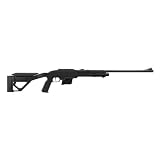
- ARS Mark6.8
ARS Mark is a ranking system developed by bestairriflescopes.com. ARS Mark has no relationship or impact from any manufacturers or sales agent websites. Learn more
- BrandCrosman
Last update on 2026-08-13 / Affiliate links / Images, Product Titles, and Product Highlights from Amazon Product Advertising API
Crosman 2100B Classic Variable-Pump Air Rifle
Stopping every few shots to swap cartridges or deal with a fussy loading routine can take the fun out of a relaxed afternoon at the target. The Crosman 2100B approaches that problem from a different angle, combining variable-pump pneumatic power with the ability to shoot either .177-caliber pellets or traditional 4.5mm steel BBs. It isn't the same repeating CO2 setup associated with the crosman 1077 air rifle, and that distinction matters because each design creates a noticeably different shooting rhythm. The 2100B asks for more physical input between shots, but in return it avoids dependence on disposable CO2 cartridges and gives the shooter direct control over the pumping cycle.
Crosman 2100B Classic Variable-Pump Air Rifle
The first thing that stands out is the old-school practicality of the variable-pump system. Instead of installing a CO2 cartridge, the rifle builds pressure manually, so there isn't a separate power source sitting in a drawer waiting to be replaced. That can make spontaneous target sessions easier to organize, particularly when pellets or BBs are already on hand. Compared with the crosman 1077 air rifle, though, the pace is slower because each shot requires another pumping cycle.
The dual-ammunition capability adds another layer of flexibility. The rifle accepts .177-caliber pellets through its bolt-action pellet loader while also accommodating traditional 4.5mm steel BBs through a spring-loaded BB magazine. Pellets generally make sense for deliberate paper-target work where the rifled steel barrel can be put to better use, while BBs can simplify casual plinking where permitted and safely contained. Having both choices in one platform saves the hassle of keeping separate recreational rifles for two common ammunition types.
There is a practical tradeoff hiding behind that convenience. Switching between pellets and BBs isn't quite the same as running a dedicated pellet-only repeater, so anyone used to the quick follow-up rhythm of the crosman 1077 air rifle may notice the extra handling immediately. The 2100B feels more hands-on, with pumping and bolt operation becoming part of every shooting sequence. Some people will enjoy that deliberate routine; others may find it tedious after a long session.
Magazine Capacity And Everyday Handling
The built-in 850-BB reservoir is one of the more practical features on the 2100B. Rather than carrying a tiny handful of loose BBs and topping up constantly, a large supply can stay onboard for extended recreational sessions. The spring-loaded BB magazine then feeds from that stored supply, helping reduce interruptions once the reservoir has been filled. From a practical angle, inexpensive air rifle designs often differ most in how much loading, pumping, and accessory management they demand during ordinary use.
Pellet use works differently because the rifle relies on a bolt-action pellet loader. That setup slows things down compared with a magazine-fed pellet rifle, yet it can also encourage a steadier pace where each shot receives a little more attention. There is no pretending this is a rapid repeater, and that honesty is useful. The 2100B favors deliberate operation, while the crosman 1077 air rifle places much more emphasis on fast magazine-fed convenience.
The full-sized synthetic stock also gives the rifle a more traditional profile than its modest price and straightforward mechanism might suggest. Its all-weather synthetic construction doesn't bring the warmth or visual character of hardwood, but it is less fussy about fingerprints, light moisture, and ordinary handling marks. That makes sense for a rifle likely to spend plenty of time moving between storage, a safe backyard range, and a shooting bench. Still, shooters who care strongly about weight, texture, and classic wood-stock character may see the synthetic furniture as a compromise rather than a benefit.
Sights, Barrel, And Target-Friendly Features
The rifled steel barrel is an important detail because the rifle isn't merely a smoothbore BB plinker dressed up to look traditional. Pairing the rifled barrel with .177-caliber pellets gives the platform a more purposeful role for basic target practice. Crosman also equips the rifle with a fiber-optic front sight and an elevation-adjustable rear sight, keeping sight adjustments simple rather than burying the shooter in complicated controls. For paper targets at sensible recreational distances, that straightforward arrangement keeps the focus on fundamentals.
The fiber-optic front sight is particularly useful in ordinary daylight because the bright reference point can be easier to pick up than a plain dark front blade against a busy background. The rear sight offers elevation adjustment, giving some room to correct vertical point of impact without immediately adding an optic. That doesn't turn the rifle into precision match equipment, nor should it be judged as such. Its strength lies in approachable target work, where learning consistent sight alignment matters more than chasing tiny groups with specialized hardware.
Compared with the crosman 1077 air rifle, the 2100B presents a more traditional interaction with the shot cycle. The 1077's repeating mechanism emphasizes convenience, while the 2100B makes pumping, loading, aiming, and firing feel like separate steps. That distinction can be useful for practicing deliberate handling habits, but it also means less time simply staying behind the sights. Anyone expecting magazine-fed speed from the 2100B will probably be disappointed, and that's a meaningful limitation rather than a minor footnote.
Pros That Matter In Regular Use
A major strength is independence from CO2 cartridges. Variable-pump operation means there isn't an extra consumable power source to buy, store, or remember before heading outside for an approved target session. That can make the rifle appealing for occasional use because the basic routine revolves around ammunition and manual pumping rather than cartridge inventory. It also avoids the temperature sensitivity commonly associated with CO2-powered platforms such as the crosman 1077 air rifle.
The ability to use both .177 pellets and 4.5mm steel BBs is another practical advantage, especially when different kinds of recreational shooting are mixed into the same afternoon. Pellets fit deliberate target work, while the large BB reservoir favors casual sessions where frequent refilling would otherwise become annoying. That said, ammunition flexibility shouldn't be confused with identical performance between the two projectile types. Different ammunition behaves differently, so expectations should stay grounded rather than assuming one sight setup or shooting rhythm will feel exactly the same with both.
The 850-BB reservoir deserves credit for solving a genuinely irritating problem: constantly fumbling with loose BBs. Keeping a large quantity onboard means fewer interruptions at the bench, and the spring-loaded magazine makes repeated BB loading less cumbersome than handling each round individually. Add the synthetic stock and simple sights, and the rifle comes across as more practical than decorative. Nothing about that package is flashy, but the features fit the job instead of piling on gimmicks.
Cons And Tradeoffs Worth Knowing
The biggest weakness is also baked into the design: manual pumping takes time and effort. Every shot demands more physical input than a CO2 repeater, so long sessions can feel repetitive, especially for anyone who mainly wants an easy point-and-shoot rhythm at the target. The pumping motion also moves the rifle off the firing position between shots, which means resetting stance and sight picture repeatedly. That slower cadence is quite different from the convenience associated with the crosman 1077 air rifle.
The synthetic stock is practical, but it isn't going to win over everyone. It favors durability and easier care rather than the substantial feel of a heavier traditional stock, so the rifle can come across as utilitarian in the hands. There is also a natural limitation in using one platform for both BBs and pellets: versatility brings convenience, yet dedicated equipment can sometimes offer a more focused experience. Buyers expecting a refined target rifle feel may find the 2100B a little too workmanlike.
The loading process also changes depending on ammunition, which adds a small learning curve. Pellets use the bolt-action loader, while BBs depend on the reservoir and spring-loaded magazine, so the rifle doesn't have one identical routine for every shot type. None of this is especially complicated, but it rewards paying attention to the mechanism rather than rushing through the process. A secure backstop, eye protection, muzzle awareness, and compliance with local airgun rules remain essential regardless of which ammunition is loaded.
Where The 2100B Feels Most At Home
The 2100B makes the most sense during controlled recreational target shooting where a measured pace isn't a drawback. Pumping between shots naturally slows the session, which can encourage more attention to sight alignment, breathing, and trigger control rather than simply sending pellets downrange quickly. That rhythm may actually be welcome during basic marksmanship practice. Still, anyone who values rapid follow-up shots above everything else will probably prefer a repeating platform closer in spirit to the crosman 1077 air rifle.
Space and setup matter too. A full-sized air rifle needs a properly planned shooting area with a dependable backstop and clear firing lane, not an improvised corner where pellets or BBs could leave the intended target zone. Steel BBs in particular can behave differently around hard surfaces, so safe target materials and surroundings deserve careful thought. The rifle's straightforward controls don't reduce the responsibility that comes with launching a projectile.
The crossbolt safety adds a familiar mechanical safeguard, but it should stay exactly that: a backup to disciplined handling rather than a replacement for it. Keeping the muzzle directed safely, confirming what sits beyond the target, and treating the rifle as loaded until personally verified are habits that matter far more than any single control. The Crosman 2100B keeps its mechanical side fairly simple, and that simplicity works best when matched with equally consistent handling habits. Its slower manual-pump routine, large BB storage, pellet compatibility, and uncomplicated sights create a very different experience from a cartridge-powered repeater without pretending the compromises don't exist.
Crosman Legacy 1000 Variable Pump Air Rifle
Power flexibility sounds useful until the extra pumping starts eating into the relaxed pace of a target session. The Crosman Legacy 1000 leans into that tradeoff with a variable-pump pneumatic system that can push .177-caliber ammunition from roughly 750 fps up to 1000 fps depending on the setup and pumping effort. That puts it in a different lane from the crosman 1077 air rifle, which is better known for quick CO2-powered follow-up shots rather than manual pressure control. The Legacy 1000 asks for more work between shots, but it also gives more control over how the rifle is powered without relying on disposable gas cartridges.
Crosman Legacy 1000 Variable Pump Air Rifle
The variable-pump design is the feature that shapes nearly every part of the experience. More pumps can increase velocity within the rifle's stated operating range, while fewer pumps keep the routine lighter for casual target work. That flexibility can be handy during a long afternoon because every shot doesn't have to be treated exactly the same way. The catch is obvious, though: pumping takes effort, and that effort becomes more noticeable as the session stretches on.
The rifle accepts both .177-caliber pellets and traditional steel BBs, which gives it a practical split personality. Pellets feed through the side-load pellet chamber and make sense for deliberate target work where the rifled steel barrel can do its job, while BBs work with the spring-loaded magazine and large onboard reservoir. Switching ammunition types changes the loading routine, so there is a little more going on here than simply dropping rounds into the same magazine. Still, keeping two common projectile types available in one rifle can reduce the need for separate plinking setups.
A durable synthetic stock keeps the rifle from feeling precious around ordinary outdoor use. Moisture, dusty benches, and routine handling are less stressful with synthetic furniture than they can be with unfinished or easily marked wood. The tradeoff is character, because the black synthetic shell feels functional rather than traditional. That practical approach suits the rest of the rifle, which is clearly built around utility instead of decorative touches.
BB Capacity And Pellet Loading
The built-in 850-BB reservoir is hard to ignore because it removes one of the most annoying parts of BB plinking: constantly refilling a tiny feed area. A 17-round spring-loaded BB magazine handles the immediate feeding cycle while the larger reservoir keeps plenty of ammunition stored inside the rifle. That arrangement can keep interruptions down during casual shooting, especially compared with systems that require frequent hand-loading. The reservoir doesn't make the rifle a rapid-fire repeater, though, because the manual pumping cycle still controls the overall pace.
Pellet operation takes a more deliberate route through the side-load pellet chamber. Each pellet is handled individually, which slows things down but also makes the shot sequence feel more intentional. There is less temptation to rush through ammunition, and that can be useful during paper-target work where sight picture and trigger control matter more than speed. Someone accustomed to the magazine-fed rhythm of a crosman 1077 air rifle will notice the difference immediately.
The two ammunition systems also create a realistic maintenance consideration. BB dust, pellet residue, and general debris can accumulate over time, so the feeding areas benefit from being kept clean rather than ignored for months. Mixing projectile types isn't complicated, but it does reward paying attention to what is loaded and how the rifle is set up before the next shot. That little bit of discipline keeps the versatility from turning into confusion.
Scope And Sight Setup
The Legacy 1000 arrives with a fiber-optic sight and a 4 x 15 mm scope, giving two ways to establish a sight picture right out of the box. The fiber-optic setup keeps things simple for closer recreational shooting, while the included scope offers basic magnification for paper targets that are harder to resolve with open sights. Having both options can save the hassle of immediately shopping for an optic just to see whether magnification suits the rifle. The small included scope should still be treated as a basic accessory rather than precision glass.
Magnification helps only if the mounting and sighting setup stay consistent. A lightweight 4x optic can make small target details easier to see, but extra magnification also exposes wobble and inconsistent pumping technique more clearly. That can actually be useful during practice because sloppy stance and trigger movement become harder to ignore. On the flip side, anyone expecting the included scope to perform like a larger dedicated optic may come away underwhelmed.
From a practical angle, red dot sight characteristics belong to a different kind of optic discussion, so the supplied 4 x 15 mm scope shouldn't be judged by the same standards. The Legacy 1000 is set up around traditional magnification and open-sight use rather than the fast sight acquisition associated with a red dot. That distinction matters because a scope and a red dot solve different aiming problems. Treating them as interchangeable can create unrealistic expectations before the rifle ever reaches the bench.
Power Control And Shooting Rhythm
The advertised 750 to 1000 fps variable range gives the rifle more flexibility than a fixed-output plinker. Pump count influences the power cycle, so lighter recreational shooting doesn't always require the same effort as higher-velocity use. That sounds simple, but it changes the feel of the rifle in a very practical way. Every shot includes a decision about how much pumping effort is worth putting in before settling back behind the sights.
Manual pumping also creates a rhythm that is almost the opposite of the crosman 1077 air rifle. The 1077 emphasizes repeated shots with minimal interruption, while the Legacy 1000 makes pumping part of the process. Some shooters enjoy that hands-on involvement because it slows things down and keeps the session deliberate. Others will get tired of breaking position, pumping repeatedly, and rebuilding the sight picture after every shot.
That slower rhythm can have a hidden benefit during basic marksmanship work. There is enough downtime between shots to reset stance, think about trigger pressure, and correct small mistakes instead of immediately sending another pellet downrange. At the same time, physical fatigue can creep in if every shot is pumped toward the upper end of the rifle's range. Adjustable effort is useful, but it doesn't erase the fact that the shooter is supplying the energy.
Pros That Stand Out
The strongest advantage is power-source independence. No CO2 cartridge is required, so there is no need to keep gas cartridges stocked just to use the rifle. That also avoids the familiar issue of CO2 performance changing as cartridges cool during rapid shooting or colder weather. Manual pumping is slower, but it keeps the rifle self-contained.
The combination of pellet compatibility, BB compatibility, and an 850-BB reservoir makes the Legacy 1000 unusually flexible for recreational use. A single rifle can handle casual BB plinking one day and more deliberate pellet work the next without needing a different powerplant. The 17-round BB magazine also reduces how often ammunition has to be handled during a session. That convenience doesn't eliminate loading steps, but it cuts down on the fiddly stuff.
The included fiber-optic sight and 4 x 15 mm scope also make the package feel more complete than a bare rifle with no aiming options beyond basic irons. Open sights can stay in play for simple close-range practice, while the scope adds magnification without requiring another immediate purchase. The synthetic design is similarly practical because it tolerates ordinary outdoor handling without demanding much cosmetic care. These aren't flashy strengths, but they're useful ones.
Cons And Everyday Tradeoffs
The biggest weakness is straightforward: repeated pumping gets tiring. Higher-power shots require more effort, and a long string of them can turn a relaxed session into something more physical than expected. The pumping motion also forces the rifle out of shooting position every time, so there is no seamless follow-up sequence. That makes the Legacy 1000 noticeably less convenient than the crosman 1077 air rifle for anyone who values speed between shots.
The included 4 x 15 mm scope is useful as a starting point, but its compact size limits how refined the sight picture can feel. Small budget optics often demand more careful eye placement than larger scopes, and the narrow viewing experience may feel cramped during longer sessions. That isn't necessarily a flaw at this price level, but it is a realistic limitation. The fiber-optic sight may actually feel simpler and quicker for short recreational distances.
Dual-ammunition compatibility also brings a little extra complexity. BBs and pellets use different loading paths, behave differently through the rifle, and can encourage different shooting habits. The rifled steel barrel is especially relevant to pellet use, while steel BBs are generally chosen more for convenience than precision-oriented target work. Anyone hoping for one ammunition type to behave exactly like the other will probably need to reset expectations.
Handling, Safety, And Practical Use
The crossbolt safety gives the rifle a familiar mechanical control that is easy to understand during normal handling. It shouldn't become a substitute for keeping the muzzle pointed safely, checking the firing lane, or verifying what sits beyond the target. Air rifles can still cause serious injury and property damage, so the same careful habits belong in every session. A secure backstop and proper eye protection should be treated as basic equipment, not optional extras.
The full-sized layout makes the Legacy 1000 feel more like a traditional rifle than a compact youth plinker. That can be comfortable for steady bench or standing use, but the pumping arm movement means adequate space is needed around the rifle. Tight shooting positions can make the pumping cycle awkward, especially if the bench or rest interferes with the forearm movement. Setup space matters more here than it does with a CO2 repeater that stays mostly stationary between shots.
The rifle's strongest use case remains controlled plinking and target practice where a deliberate pace isn't a problem. Its large BB storage, pellet capability, variable pumping, included sights, and synthetic construction all support that role without pretending to be a fast repeating platform. The mechanical routine rewards patience more than speed, and the effort involved becomes part of the experience. For anyone judging it beside the crosman 1077 air rifle, that difference in shooting rhythm is probably the most important factor to understand.
Crosman 1077 RepeatAir CO2 Pellet Rifle
A shooting session gets tedious fast when every trigger pull is followed by another long loading or pumping routine. The crosman 1077 air rifle takes a different route, pairing CO2 power with a 12-round pellet magazine so the pace stays steady without turning the rifle into an overly complicated platform. Its .177-caliber setup, rifled steel barrel, and lightweight synthetic construction keep the focus on recreational target work rather than brute-force power. That balance is where the 1077 earns most of its appeal, though the convenience of CO2 brings a few compromises that are worth understanding before settling into a long afternoon of plinking.
Crosman 1077 RepeatAir CO2 Pellet Rifle
The defining feature is the 12-round repeating pellet system, and frankly, it changes the whole rhythm of shooting. Instead of pausing after every shot to reload a single pellet, the magazine keeps a dozen shots ready before another refill is needed. That means more time can stay focused on sight alignment and trigger control instead of fumbling with tiny pellets between every attempt. For informal paper targets or other properly contained recreational shooting, that smoother pace is noticeably less fussy than a traditional single-shot design.
CO2 supplies the power, with the rifle rated for velocities of up to 780 fps according to the provided specifications. There’s no pumping arm to cycle and no spring piston to cock, so physical effort between shots stays low. That simplicity feels especially useful during longer sessions where repeatedly breaking position can become irritating. The catch, of course, is that CO2 cartridges are consumables, and they’re not included with the rifle.
The .177-caliber pellet-only format keeps ammunition choices straightforward. Unlike combination pellet-and-BB rifles, the 1077 doesn’t ask the shooter to keep track of different loading systems or projectile paths. That narrower focus can actually make the rifle easier to live with because there’s less mechanical juggling involved. Still, anyone who already owns a pile of steel BBs won’t get any use from them here.
The rifle’s personality is pretty clear after those first few features are considered. This isn’t a manual-pump workhorse or a platform built around endless adjustments. The crosman 1077 air rifle is about keeping recreational shooting smooth, relatively light, and repetitive without turning every shot into a small mechanical chore. That’s a specific strength, but it also means shooters who enjoy the hands-on ritual of pumping or single-loading may find the experience almost too easygoing.
Rifled Barrel And Practical Accuracy
A rifled steel barrel gives the 1077 a more purposeful foundation than a basic smoothbore plinker. Rifling is particularly relevant with pellets because the projectile is stabilized as it travels down the barrel, supporting more consistent target work than a barrel designed mainly around casual BB use. The rifle still isn’t positioned as a match platform, so expectations should stay realistic. Its sweet spot is repeatable recreational accuracy rather than benchrest-level precision.
The benefit becomes easier to appreciate once shooting settles into a rhythm. Twelve available shots mean small aiming mistakes can be corrected on the next trigger pull without rebuilding the entire firing sequence from scratch. That makes the repeating action useful for working on consistency, especially where stance, sight picture, and trigger pressure are the main things being practiced. A slower single-shot rifle can teach the same fundamentals, but the 1077 makes the process less interrupted.
Pellet choice still matters because different .177-caliber pellets can behave differently even through the same rifled barrel. The provided information doesn’t specify a preferred pellet weight or brand, so there’s no good reason to pretend one specific load is guaranteed to perform better than another. Keeping expectations grounded is the sensible move here. The rifle supplies the rifled barrel and repeating mechanism, while ammunition consistency and proper shooting technique remain part of the equation.
From a practical angle, laser level setup for ceiling grid work belongs to a completely separate tool category and has no direct connection to air-rifle performance. Keeping unrelated equipment in its own lane avoids the awkward habit of pretending every product somehow improves every other activity. The 1077 stands on its own strengths, particularly its repeat-shot convenience and uncomplicated pellet format. That’s more useful than forcing a connection that simply isn’t there.
CO2 Power And Shooting Pace
The CO2-powered action is what separates the 1077 most sharply from variable-pump rifles. There’s no repeated forearm pumping between shots, which means the rifle can remain closer to the shooting position after the trigger is pulled. That makes follow-up shots feel less disruptive and helps preserve a consistent shoulder position. For relaxed target work, that smooth flow is one of the rifle’s strongest practical advantages.
CO2 does have its quirks. Gas performance can change with temperature and with the cooling that occurs during rapid strings, so the stated up to 780 fps figure should be treated as a maximum specification rather than a promise that every shot lands at exactly the same velocity. Colder conditions can make CO2-powered rifles feel less lively, while aggressive rapid firing may cool the cartridge more quickly. A measured pace usually fits the system better than simply racing through every available pellet.
Another tradeoff is ongoing cartridge cost. A variable-pump pneumatic rifle produces its own pressure through manual effort, while the 1077 relies on replaceable CO2. The lower physical effort is the benefit, but convenience always has a price somewhere. Shooters who use the rifle frequently will need to keep cartridges on hand rather than assuming the power source takes care of itself.
That tradeoff isn't necessarily a flaw. Some people would rather spend a little on CO2 than pump a rifle repeatedly, especially during a long recreational session. Others prefer the independence of a manual pneumatic system and don’t mind the extra effort. The crosman 1077 air rifle clearly favors convenience over self-contained pumping, and that design choice is central to how the rifle feels in regular use.
Synthetic Stock And Everyday Handling
The water-resistant synthetic design is built around practicality rather than nostalgia. Synthetic furniture generally requires less concern over ordinary moisture, fingerprints, and cosmetic wear than a traditional wood stock. That makes sense for a recreational rifle that may move between storage, a shooting bench, and outdoor use. It won’t provide the warm feel or visual character of hardwood, but the low-fuss approach suits the rest of the 1077.
Handling also benefits from the absence of a large pumping mechanism. Because the rifle doesn’t need to be cycled through repeated pump strokes, the shooter can maintain a more settled position between shots. That can be particularly helpful during basic target practice, where constant repositioning tends to introduce small inconsistencies. The repeating magazine and CO2 powerplant work together here rather than functioning as isolated features.
The synthetic construction does have a downside for anyone who likes a substantial, old-school rifle feel. Lightweight polymer furniture can seem utilitarian, even a little plain, compared with heavier wood-stock alternatives. That doesn’t affect the core function, but feel matters during repeated use. The practical build wins on easy care, while traditional character takes a back seat.
There’s also less reason to baby the exterior during normal recreational handling, which can be reassuring. Still, water resistant doesn’t mean careless storage is a good idea, and the steel barrel and internal components deserve sensible maintenance. Keeping the rifle dry, clean, and stored securely remains part of responsible ownership. The synthetic stock simply makes exterior upkeep less demanding than it might otherwise be.
Pros That Make The 1077 Easy To Live With
The biggest strength is shot-to-shot convenience. A 12-round magazine dramatically reduces how often ammunition has to be handled compared with a single-shot pellet rifle. That keeps the session moving and helps preserve concentration during repetitive target drills. For a recreational repeater, this feature does more for the experience than a long list of decorative extras ever could.
The CO2 system also keeps physical effort low. There’s no pumping cycle to wear out an arm during a long session, and no need to disturb the shooting position as much between shots. That makes the rifle feel relaxed rather than labor-intensive. The tradeoff is buying cartridges, but the convenience side of that equation is hard to miss.
A rifled steel barrel adds substance to the pellet-only design. Instead of trying to be everything at once, the rifle sticks with .177-caliber pellets and gives them a barrel configuration suited to their use. That focus makes sense for paper targets and recreational accuracy work. There’s less versatility than a dual-ammunition rifle, but the platform feels more coherent because of it.
The crossbolt safety adds a familiar mechanical control without complicating the layout. Mechanical safeties are useful backups, but they don’t replace muzzle discipline, a secure backstop, eye protection, and awareness of what lies beyond the target. The product information also notes that sales are restricted in certain ZIP codes, which is a practical reminder that local rules can affect availability. Those restrictions aren’t a performance issue, but they matter before purchase or use.
Cons And Limitations That Deserve Attention
The biggest limitation is dependence on CO2 cartridges. Forget the cartridges and the rifle isn’t doing much that day, which is a different kind of inconvenience from the physical effort required by a pump pneumatic. Cold conditions can also work against the system, making performance less predictable than it may feel in mild weather. Anyone expecting exactly the same behavior across every temperature may be disappointed.
The pellet-only design narrows ammunition flexibility. Some recreational air rifles accept both steel BBs and pellets, which can be handy when inexpensive casual plinking is the priority. The 1077 doesn’t offer that option according to the supplied specifications. That isn’t inherently bad, but it does mean existing BB supplies won’t help keep this particular rifle fed.
The repeating action also encourages a faster pace, and that can become a downside if it leads to sloppy habits. A 12-round magazine makes follow-up shots easy, but easy shouldn’t become careless. Safe handling and deliberate shooting still matter with every trigger press, even if another pellet is immediately available. The convenience of the mechanism works best alongside discipline rather than replacing it.
There’s one more practical wrinkle: the product isn’t available for sale in some specified ZIP codes. That means local availability can be more complicated than simply seeing the rifle listed online. Regulations and retailer restrictions vary by location, so the product page alone doesn’t necessarily settle whether purchase or use is permitted in a particular area. That limitation has nothing to do with how the rifle shoots, but it can determine whether the rest of the discussion matters at all.
Where The 1077 Fits Best
The 1077 feels most natural during controlled recreational target sessions where a steady shooting rhythm matters more than maximum power. Its repeating magazine means fewer interruptions, and the CO2 system avoids the physical repetition of pumping between shots. That combination keeps the focus on aiming and trigger consistency. It’s a fairly specific recipe, and the rifle sticks to it instead of trying to cover every possible airgun role.
Longer sessions highlight the benefit even more. Reloading twelve pellets at a time is still part of the process, but it’s far less intrusive than loading after every shot. The repeat-shot format can make paper-target practice feel smoother while still giving enough pauses between magazines to reset and inspect results. That kind of pacing suits casual practice better than frantic shooting.
Power expectations need to stay sensible, too. The provided figure of up to 780 fps describes the upper end of the rifle’s stated velocity, not a blanket measure of how every pellet will behave. Pellet type, environmental conditions, and CO2 state can influence real-world results. Treating the specification as a ceiling rather than a guaranteed constant keeps the rifle in the role it was designed to fill.
Safe space is just as important as the rifle itself. A dependable backstop, a clear shooting lane, proper eye protection, and compliance with local rules are part of using any .177-caliber air rifle responsibly. The 1077’s light handling and repeating action make shooting feel easy, but the projectile still demands respect. Its convenience is at its best when the surrounding setup is controlled, deliberate, and appropriate for recreational pellet shooting.
Crosman Freestyle 1077FSG CO2 Air Rifle
Fast follow-up shots can make casual pellet sessions feel far less interrupted than the usual pump-load-fire routine. The crosman 1077 air rifle formula shows up here in a sportier package, with CO2 power, a 12-shot rotary clip, and a semi-automatic shooting cycle designed around steady recreational use. Crosman rates the Freestyle 1077FSG for .177-caliber pellets at up to 780 fps, so the emphasis lands on repeat-shot convenience rather than oversized power. That makes the rifle easy to understand right away, though its reliance on CO2 and its lightweight all-weather build bring tradeoffs that deserve just as much attention as the faster shooting rhythm.
Crosman Freestyle 1077FSG CO2 Air Rifle
The 12-shot rotary clip is the feature that changes the character of the rifle most. Twelve pellets can be prepared before a string, which cuts down the constant handling that comes with loading a single pellet after every shot. Once the clip is in place, the semi-automatic action keeps the sequence moving with noticeably fewer interruptions. That smoother pace is especially useful during paper-target practice where repeatedly breaking position can make it harder to focus on consistent trigger control.
CO2 power removes the need for a pumping arm or spring-cocking routine. The rifle uses an easy-access CO2 cartridge housing, so the power source is integrated into a layout intended to keep setup straightforward rather than fiddly. Physical effort between shots stays low, which is a clear advantage during longer recreational sessions. The other side of the coin is ongoing cartridge dependence, since the rifle needs CO2 on hand before any shooting can happen.
The Freestyle version also looks less traditional than many basic pellet rifles. Its grey, black, and red styling gives the stock a more modern recreational personality, while the checkered synthetic construction keeps grip areas practical. That visual treatment won't appeal to someone who prefers understated wood furniture or classic hunting-rifle lines. Still, the styling fits the rifle's role as a lightweight, repeat-shot plinker rather than trying to imitate something heavier or more formal.
A dovetail receiver leaves room for compatible sighting accessories without making them necessary from day one. The included fiber-optic front sight and adjustable rear sight already provide a workable open-sight arrangement for normal recreational distances. That matters because adding an optic isn't always an improvement if the original sighting system already matches the way the rifle is being used. Simple sights, light handling, and a repeating clip make a pretty coherent package without demanding a pile of extras.
Semi-Auto Rhythm And 12-Shot Capacity
The Freestyle 1077FSG earns its identity from semi-automatic operation paired with the rotary clip. Pulling the trigger can lead straight into the next aimed shot without pumping, cocking, or single-loading another pellet. That doesn't mean the rifle should be fired carelessly or as fast as possible, but it does mean the mechanical routine gets out of the way more than it does on many budget air rifles. A deliberate shooter can stay settled behind the sights and concentrate on repeatability.
Twelve shots also strike a useful middle ground. The rotary clip holds enough pellets to reduce interruptions without turning ammunition management into something complicated. After a string, the pause to reload creates a natural break for checking the target and resetting position. That rhythm feels more organized than constantly stopping after one shot, especially during basic accuracy practice.
There is a downside to this convenience: magazines become part of the routine. Losing or damaging the rotary clip would be more annoying than misplacing a simple single-shot loading tray, and spare clips add another small piece of gear to keep organized. The repeat-shot advantage is real, but it comes with a little extra dependence on proprietary feeding hardware. Someone who values mechanical simplicity above all else may prefer a less magazine-dependent platform.
The action also separates this rifle from variable-pump models in a very noticeable way. A pump rifle asks for effort before every shot, while the crosman 1077 air rifle family uses stored CO2 energy to keep the sequence moving. One system rewards self-contained simplicity; the other favors comfort and continuity. The Freestyle clearly sits on the convenience side of that divide.
Velocity And Realistic Power Expectations
Crosman lists the rifle at up to 780 fps with .177-caliber pellets. That number gives a useful ceiling for understanding the platform, but it shouldn't be treated as a promise that every pellet will leave the barrel at exactly that speed. Pellet weight, cartridge condition, temperature, and shooting pace can all influence how a CO2 rifle behaves. The sensible expectation is recreational pellet performance, not a fixed chronograph number across every condition.
CO2 has a personality of its own, and cold conditions tend to expose it. Rapid strings can cool the cartridge, while lower ambient temperatures may reduce the lively feel that the rifle has on a mild day. That makes temperature sensitivity one of the main weaknesses of the powerplant. A measured cadence usually suits CO2 better than treating the 12-shot clip like an invitation to race through it.
The stated velocity also helps clarify where the rifle sits beside more powerful airguns. From a neutral reference angle, high-power big-bore air rifles occupy a substantially different performance category from this .177-caliber CO2 repeater. The Freestyle 1077FSG isn't trying to compete with platforms built around large projectiles and much heavier energy output. Its strengths are easier handling, repeat shots, and familiar recreational pellet use.
That narrower purpose is actually useful. A rifle doesn't need extreme output to make sense for controlled paper targets and informal plinking, where shooting rhythm and manageable handling often matter more than raw velocity. Trying to judge the Freestyle by standards intended for big-bore platforms would miss what this model is built to do. Its design priorities are convenience and repetition, plain and simple.
All-Weather Stock And Handling
The durable all-weather synthetic design suits a rifle that's likely to spend plenty of time around benches, backyards where lawful, and casual outdoor setups. Synthetic furniture doesn't demand the same cosmetic care as traditional wood, and routine moisture or dirty hands are less likely to become a source of anxiety. That practical toughness makes sense for a recreational rifle that may get handled often. The material won't feel luxurious, though, and buyers expecting substantial wood-stock heft could find it a bit utilitarian.
Checkering adds something more meaningful than decoration. Textured grip areas help keep the rifle settled in the hands, especially during repeated strings where smooth synthetic surfaces could otherwise feel slippery. The checked stock matches the sporty styling while serving a genuine handling purpose. It's a small detail, but small details matter when the rest of the rifle is deliberately simple.
The color treatment gives the Freestyle its own personality within the 1077 family. Grey, black, and red accents look more casual and contemporary than the plain black appearance associated with more traditional variants. That sporty-color styling won't change accuracy or velocity, of course. It simply makes the rifle feel less anonymous, which may matter to someone who dislikes generic black synthetic stocks.
The receiver's dovetail mounting provision adds some flexibility without turning the rifle into an accessory project. Compatible optics can be mounted if open sights eventually feel limiting, but the platform doesn't force that expense up front. That's a sensible balance for a recreational rifle. Use the supplied sights first, then let actual shooting habits determine whether anything else is necessary.
Fiber-Optic And Adjustable Sights
The fiber-optic front sight gives the eye a bright reference point that can be easier to pick up than a plain dark blade against mixed outdoor backgrounds. That can make target acquisition feel quicker without relying on batteries or an electronic optic. The rear sight is adjustable, giving the shooter a way to refine point of impact rather than simply accepting whatever alignment comes from the factory. Together, the two sights keep the setup simple but not crude.
Open sights also match the rifle's casual personality nicely. Magnified optics can make small target details easier to see, but they add weight, height, and another adjustment layer to a rifle whose biggest appeal is easy handling. The included setup keeps the shooting position uncomplicated. For shorter recreational distances, that simplicity can be more pleasant than turning a lightweight plinker into a miniature bench rifle.
The rear adjustment becomes useful once a consistent pellet and shooting position are established. Constantly chasing impact changes without controlling ammunition or technique can create more confusion than progress. The adjustable sight system works best as part of a steady routine rather than a knob-twisting exercise after every group. That's basic shooting discipline, but the uncomplicated hardware makes it easier to follow.
One limitation is that the supplied sight arrangement isn't described as a precision target setup. Expectations should stay grounded around recreational accuracy rather than specialized competition work. The rifle's repeating action and simple sights are built around accessible shooting, not microscopic adjustments. That distinction keeps the feature set honest.
Strengths That Matter During Regular Use
The biggest strength is low-effort repetition. CO2 power and a 12-shot rotary clip remove several mechanical steps that interrupt traditional single-shot or variable-pump rifles. Less movement between shots can help preserve a consistent cheek position and shoulder placement. That makes the Freestyle pleasant for sessions where the goal is steady practice rather than constant equipment manipulation.
The easy-access cartridge housing supports that convenience philosophy. CO2 is already simpler during the firing sequence than manual pumping, and easy cartridge access keeps the setup stage from becoming unnecessarily awkward. The shooter still has to keep cartridges stocked, but inserting the power source isn't intended to feel like a maintenance job. The design favors routine usability over mechanical ceremony.
Another strength is the rifle's straightforward ammunition format. It uses .177-caliber pellets, so there isn't a second BB loading path to remember or a second projectile type to keep sorted. A pellet-only design may sound less flexible, but it also removes a layer of clutter. Sometimes fewer choices make a recreational setup easier to manage.
The combination of adjustable rear sight, fiber-optic front sight, dovetail receiver, and synthetic stock gives the rifle enough flexibility without drowning it in features. Open sights cover the basic job, an optic can be added later, and the stock can tolerate normal outdoor handling. Nothing here feels like it was added just to make the specification list longer. Each feature supports the same easygoing recreational role.
Weaknesses And Practical Tradeoffs
CO2 convenience comes with the obvious cartridge dependency. No cartridge means no shooting, and frequent use creates an ongoing consumable expense that a manual-pump rifle doesn't have. There's also the temperature issue, which can make output less consistent under colder conditions. Anyone who dislikes keeping track of consumables may find this power system more annoying than effortless.
The 12-shot clip is convenient until it isn't. A repeating mechanism introduces more feeding hardware than a simple single-shot breech, and the clip becomes one more component to keep track of, load correctly, and store without damage. That's not a dramatic flaw, but it is part of the price paid for faster follow-up shots. Mechanical simplicity and repeating convenience rarely arrive in exactly the same package.
The synthetic stock presents another clear tradeoff. All-weather durability makes everyday care easier, yet the light, sporty construction won't satisfy someone looking for the feel of dense wood or a more traditional rifle aesthetic. The grey, black, and red color scheme doubles down on that modern look. Functional? Absolutely. Traditional? Not really.
Velocity also deserves perspective. Up to 780 fps is enough information to place the rifle broadly in its intended recreational category, but it shouldn't be mistaken for a guarantee of heavy impact or identical performance across pellet types. The Freestyle's identity rests far more on repeating convenience than raw output. Anyone prioritizing maximum power above everything else is looking at the wrong feature set.
Safety And Everyday Shooting Setup
Fast follow-up capability makes safe handling discipline even more important because another pellet can be ready immediately after the previous shot. A secure backstop, clear firing lane, eye protection, and awareness of what lies beyond the target remain essential. The semi-automatic action doesn't reduce the need for deliberate muzzle control. Convenience should never turn into casual handling.
The rifle's sporty styling can make it feel approachable, but it remains a projectile-launching airgun rather than a toy. The .177-caliber pellets demand proper storage and controlled use just like any other air-rifle ammunition. Local rules can also govern where an airgun may be purchased, possessed, or discharged. Those practical limits matter as much as the specification sheet once the rifle leaves the box.
A consistent setup helps the 1077FSG show its strengths without encouraging rushed shooting. Stable targets, a suitable backstop, and a measured pace let the 12-shot repeating system support practice instead of turning the session into an exercise in speed. That balance suits the design particularly well. The rifle makes repeated shooting easy, but the best use of that convenience is still deliberate and controlled.
The Freestyle 1077FSG ultimately feels most distinctive where CO2 convenience, repeat-shot operation, sporty construction, and simple sights overlap. Its weaknesses follow directly from those choices: cartridge costs, temperature sensitivity, synthetic feel, and reliance on a rotary clip. None of those tradeoffs are hidden by the specification sheet, which makes the rifle fairly easy to evaluate on its own terms. The experience is built around less pumping, less single-shot loading, and more time staying behind the sights.
Crosman 1077 CO2 Air Rifle Combo
Repeatedly stopping to reload or manually pump an air rifle can turn an easygoing target session into more work than expected. The crosman 1077 air rifle takes a simpler route by using CO2 power and a repeating pellet system, and this Combo version keeps that familiar formula intact. The appeal isn't raw power or complicated adjustments; it's the smooth shooting rhythm that comes from having stored gas power ready between trigger pulls. That makes the rifle feel noticeably different from variable-pump models where every shot starts with another mechanical routine.
Crosman 1077 CO2 Air Rifle Combo
The heart of this setup is still the CO2-powered 1077 platform. Instead of pumping the rifle between shots, stored CO2 provides the energy needed for the next firing cycle, which reduces physical effort and keeps the shooter closer to the original aiming position. That simple difference can matter during longer paper-target sessions because constant movement tends to break concentration. The rifle's personality is less about tinkering and more about maintaining an easy, repeatable pace.
The "Combo" label suggests this package is built around the familiar Crosman 1077 rifle with bundled equipment, but the supplied product description doesn't identify the exact accessories included. That detail matters because it's better to avoid assuming a scope, extra magazines, or other components that haven't been specified. The known strength remains the 1077 CO2 repeating system, which is designed to reduce the stop-start feeling of single-shot shooting. Anything beyond that should be judged from the exact contents of the package rather than guessed from the word "Combo."
This rifle also sits in a practical price-and-purpose category rather than trying to mimic high-powered specialty airguns. From a neutral reference angle, CO2 air rifles under $250 cover a range of platforms where convenience, shot capacity, and operating costs often matter as much as raw velocity. The 1077 fits naturally into that conversation because its identity is tied closely to CO2 convenience. It isn't built around maximum energy; it is built around reducing interruptions.
CO2 Power Changes The Shooting Routine
The biggest benefit of CO2 operation is easy to feel after a few shots. There is no pumping arm to work and no repeated spring-cocking movement, so the rifle can stay relatively settled between shots. That keeps shoulder placement and cheek position more consistent, which can make basic target practice feel less fragmented. For casual shooting, that smoother routine is one of the strongest reasons the 1077 design has remained recognizable.
Convenience does come with a bill, though. CO2 cartridges are consumables, so the rifle depends on having a fresh power source available before a session begins. A manual pneumatic rifle may require more effort, but it doesn't need disposable gas cartridges to function. The operating-cost tradeoff is simple: less physical work during shooting means keeping CO2 supplies on hand.
Temperature also matters with gas-powered air rifles. CO2 pressure can change as conditions cool, and rapid shooting may cause the cartridge itself to cool during use. That means the rifle's behavior can feel different on a chilly day than it does in warmer conditions. The temperature sensitivity isn't a reason to dismiss the platform, but it is a realistic limitation that belongs in the buying decision.
Repeating Operation Keeps Sessions Moving
The 1077 family is closely associated with a multi-shot pellet format, and that repeating behavior is where the design separates itself most clearly from basic single-shot rifles. Rather than treating every trigger pull as a complete reload cycle, the rifle allows a sequence of shots before the ammunition system needs attention again. That makes target sessions feel less interrupted and gives more room to focus on sight picture and trigger consistency. It's a small mechanical convenience that has a big effect on the overall pace.
There is also a subtle training benefit to fewer interruptions. Resetting a shooting position after every mechanical operation can introduce small changes in shoulder pressure, grip, and head placement. A repeating CO2 platform lets the shooter maintain more of that position from shot to shot. That doesn't automatically make someone more accurate, but it removes one source of inconsistency from the routine.
The downside is that repeating capability adds parts that need to be kept organized and loaded correctly. Magazine-based systems are more convenient than single-loading, but they also introduce another component that can be misplaced or damaged. The speed advantage is worth it for many recreational shooters, yet mechanical simplicity usually belongs to single-shot designs. The 1077 chooses convenience over minimalism, plain and simple.
Handling Feels More Relaxed Than Pump Rifles
A manual-pump rifle demands physical input before every shot, while the crosman 1077 air rifle keeps that effort out of the firing cycle. That distinction becomes more noticeable during longer sessions because pumping can get repetitive, especially when a shooter is trying to maintain a stable position. CO2 lets the rifle feel lighter in the workflow even if the physical weight itself isn't the only factor. Less movement often translates into a calmer shooting rhythm.
The design also makes sense for sessions where the goal is simply to spend more time behind the sights. Fewer mechanical steps mean less attention gets pulled away from aiming, breathing, and trigger pressure. The ease-of-use strength isn't flashy, but it solves a real annoyance that appears quickly with slower operating systems. Anyone who has ever grown tired of pumping a pneumatic rifle after dozens of shots will understand the appeal immediately.
That easier routine shouldn't be confused with careless operation. A repeating air rifle still requires deliberate muzzle control, a secure backstop, and awareness of what lies beyond the target. The low-effort action simply changes how much work is required between shots; it doesn't lower the responsibility attached to every projectile. Fast access to the next shot makes discipline more important, not less.
Pros That Stand Out In Regular Use
The clearest strength is shot-to-shot convenience. CO2 power eliminates pumping, and the repeating design reduces the need to handle ammunition after every trigger pull. That combination makes the rifle especially comfortable during recreational target work where interruptions can break concentration. The experience feels more fluid than a single-shot pneumatic without becoming mechanically intimidating.
A second advantage is the familiar 1077 platform. The design is straightforward in purpose: recreational pellet shooting with a focus on repeated shots and manageable operation. There aren't endless adjustments demanding attention before the rifle becomes usable. That simplicity helps keep the experience centered on shooting rather than setup.
The rifle also avoids the fatigue that can come from repeated pumping. Over a long session, eliminating that motion can make a meaningful difference in comfort. The reduced physical effort is particularly noticeable once dozens of shots have been fired and a pump rifle would have required the same number of pumping cycles. That convenience is one of those features that sounds ordinary until it becomes part of the routine.
The Combo format may add value depending on the actual included accessories, although those contents weren't specified in the supplied information. That uncertainty is worth flagging because package configurations can matter a lot. The known benefit is the Crosman 1077 rifle platform itself, while any bundled scope, mounts, or extras should be verified from the specific package details. Guessing about accessories would create expectations the description doesn't support.
Cons And Tradeoffs Worth Knowing
The main weakness is dependence on CO2 cartridges. A forgotten or empty cartridge can end a session before it starts, and regular use creates an ongoing consumable cost that variable-pump rifles avoid. That makes the 1077 more convenient during shooting but less self-contained overall. The trade is money and supplies for reduced effort.
CO2's relationship with temperature is another limitation. Cooler conditions can affect gas pressure, and long rapid strings may cool the cartridge as well. The performance consistency may therefore change more with environment and shooting pace than it would with some other powerplants. That doesn't make the rifle unreliable by definition, but it does mean conditions matter.
A repeating mechanism also requires more attention to magazines or feeding components than a basic single-shot setup. Losing a magazine or damaging a feed component can be more frustrating than dealing with a simple breech-loading rifle. The multi-shot convenience brings extra hardware along for the ride. People who prefer stripped-down mechanical simplicity may see that as unnecessary complication.
The available description is also unusually sparse for this specific Combo package. There are no supplied figures for included accessories, package weight, sight configuration, or other bundled components. The information limitation makes it sensible to judge the rifle primarily by the established 1077 operating concept rather than invent package-specific strengths. That keeps expectations tied to what is actually known.
Realistic Expectations For The 1077 Combo
This rifle makes the most sense as a recreational CO2 repeater, not as a platform for chasing maximum power. Its appeal comes from reducing physical effort and keeping a target session moving with fewer interruptions. That role is narrow, but it is clear. Shooters who prioritize convenience and steady pacing are likely to appreciate the design more than those focused entirely on velocity or heavy projectile energy.
The rifle also rewards a measured pace despite its repeating nature. Racing through shots can work against CO2 efficiency and can encourage sloppy technique, while deliberate strings make better use of the repeat-shot format. The ability to fire again quickly is most useful when it supports consistent practice rather than speed for its own sake. That distinction keeps the rifle enjoyable without turning convenience into bad habits.
Local rules and safe shooting conditions remain part of the equation. A dependable backstop, clear target area, proper eye protection, and secure storage matter with any .177-caliber air rifle. The easier a rifle is to operate, the more important it becomes to keep the surrounding setup controlled and deliberate. Mechanical simplicity should make responsible use easier, not casual.
The 1077 Combo's practical identity rests on CO2 power, repeating operation, and reduced shot-to-shot effort. Its weak points come from the same design decisions: cartridge dependency, environmental sensitivity, and added feeding hardware. That balance is easy to understand without dressing it up. The rifle favors convenience and rhythm over self-contained power generation, and that difference defines how it feels every time the trigger is pulled.


12 Best 22 Pcp Air Rifle For Hunting of 2026 With Quiet Power

7 Best 22 Pcp Air Rifle Under 300 of 2026 For Backyard Pest Control

10 Best 22 Break Barrel Air Rifles of 2026 For Backyard Pest Control

10 Best 30 Caliber Pcp Air Rifle of 2026 For Medium Game

Top Best 177 Air Rifle Under 100: Budget-Friendly Picks for 2026

How to Safely Reload Shotgun Shells at Home

11 Best Co2 Air Rifle For Pest Control of 2026 To Ensure Humane Dispatch

12 Best Inexpensive Air Rifles of 2026 For Dependable Backyard Accuracy






