
Best Crosman 1322 Magazine 2026 Handy Guide

Crosman 1322 magazine upgrades usually come up after the same small annoyance shows up again and again: single-shot loading slows everything down. The 1322 is loved because it’s simple, rugged, and easy to work on, but feeding one pellet at a time can feel like trying to thread a needle with cold fingers. A magazine-style setup can make plinking feel smoother, especially during short backyard sessions where stopping every shot gets old fast. Still, fit matters, because the 1322 wasn’t originally built around a factory repeating magazine system.
Pellet alignment is the big thing to watch. A neat-looking magazine won’t help much if pellets sit crooked, drag against the breech, or shave lead during cycling. That can hurt accuracy, jam the action, or turn a relaxed afternoon into a tiny workshop session. So, a practical pick should feed cleanly, hold pellets securely, and avoid making the pistol feel clumsy.
Plenty of aftermarket options lean on side-mounted or breech-adapted designs, and each one has tradeoffs. Some add convenience but make the pistol a little bulkier. Others keep the profile cleaner but need more careful loading. That’s the rub: faster follow-up shots are nice, but not at the cost of fussier handling.
A good Crosman 1322 magazine setup should match the kind of shooting actually happening, not some fantasy range day. Tin-can plinking, short-distance target work, and casual pest-control practice all ask for different levels of speed and precision. For slow bench shooting, the original single-shot tray may still feel perfectly fine. For walking around the yard and taking repeated shots, a reliable magazine can take the edge off the stop-start rhythm.
Pellet choice also plays a sneaky role. Wadcutters, domes, and pointed pellets don’t always behave the same in every magazine. Longer pellets may bind, while shorter pellets can tilt if the channel is loose. That’s why pellet compatibility deserves as much attention as capacity. A magazine that feeds five pellets smoothly beats one that holds ten but gets cranky halfway through.
Build material matters too, though not in a flashy way. Printed polymer parts can work well when tolerances are tight, but rough edges, weak springs, or loose covers can make loading feel cheap. Metal parts may feel tougher, yet they can add weight or require extra fitting. The best setup feels boring in the right way: load, cycle, shoot, repeat.
For anyone tuning a Crosman 1322, the smartest move is to treat the magazine as part of the whole system. Breech style, bolt shape, pellet length, and even pumping rhythm can affect how pleasant it feels. A Crosman 1322 magazine won’t magically turn the pistol into a match rifle, and that’s fine. It should simply make a well-loved pumper easier to enjoy without stealing the charm that made it fun in the first place.

- ARS Mark9.4
ARS Mark is a ranking system developed by bestairriflescopes.com. ARS Mark has no relationship or impact from any manufacturers or sales agent websites. Learn more
- BrandCrosman
- ARS Mark9.2
ARS Mark is a ranking system developed by bestairriflescopes.com. ARS Mark has no relationship or impact from any manufacturers or sales agent websites. Learn more
- BrandCrosman

- ARS Mark8.8
ARS Mark is a ranking system developed by bestairriflescopes.com. ARS Mark has no relationship or impact from any manufacturers or sales agent websites. Learn more
- BrandCrosman

- ARS Mark8.8
ARS Mark is a ranking system developed by bestairriflescopes.com. ARS Mark has no relationship or impact from any manufacturers or sales agent websites. Learn more
- BrandCrosman

- ARS Mark8.8
ARS Mark is a ranking system developed by bestairriflescopes.com. ARS Mark has no relationship or impact from any manufacturers or sales agent websites. Learn more
- BrandCrosman
- ARS Mark8.4
ARS Mark is a ranking system developed by bestairriflescopes.com. ARS Mark has no relationship or impact from any manufacturers or sales agent websites. Learn more
- BrandCrosman
Last update on 2026-06-07 / Affiliate links / Images, Product Titles, and Product Highlights from Amazon Product Advertising API
Crosman 1322 Magazine Setup And Rotary Clip Review
Loading single pellets over and over can wear thin fast, especially once a backyard session starts getting good. The pace breaks, pellets get dropped in the grass, and cold fingers make the tiny loading area feel even smaller. That frustration is exactly why the Crosman 407T Replacement 10-Round Rotary Magazine keeps popping up in conversations around repeat-shot air pistols and modified repeater builds tied to the crosman 1322 magazine scene. The rotary design aims to smooth out the rhythm without turning the whole platform into something bulky or overly complicated.
407T Rotary Magazine
Crosman kept this setup pretty straightforward. Each clip holds ten .177 pellets, and the pack includes three rotary magazines right out of the box. That matters more than it sounds because small clips have a funny habit of disappearing into drawers, range bags, or random garage corners. Having extras nearby saves time and keeps shooting sessions moving.
The clips were originally intended for the Crosman Vigilante CCP8B2, so compatibility becomes the first thing people need to think about. Stock 1322 pistols don't accept these magazines directly without repeater conversions or custom breech setups. That's where expectations need to stay grounded. A buyer hoping for a drop-in solution on a factory 1322 will probably end up scratching their head for an hour.
Still, rotary systems have real advantages in practical shooting. Follow-up shots feel quicker, the handling stays cleaner, and pellet loading becomes less tedious during casual plinking. A ten-round cycle also helps preserve focus during target practice because attention stays on the sights instead of fumbling around a pellet tin every minute.
Pellet alignment is surprisingly decent with these clips. Some cheaper rotary systems let pellets wobble or sit unevenly, which can cause lead shaving or inconsistent seating. The 407T clips hold pellets snugly enough that the chambering process feels controlled rather than sloppy. That small detail helps preserve consistency during repeated shooting strings.
Handling During Backyard Sessions
Backyard shooting has its own weird little realities. Wind knocks tins over, pellets spill, and sometimes the entire session lasts only fifteen minutes before dinner or rain interrupts things. In that environment, a 10-round rotary magazine genuinely feels more convenient than people expect. The difference isn't dramatic at first, then suddenly going back to single-shot loading feels painfully slow.
The clips themselves are lightweight, which helps maintain balance on compact air pistols. Some magazine systems add awkward bulk near the breech area, making the pistol feel nose-heavy or clumsy. These stay fairly compact, so the handling doesn't drift too far from the familiar Crosman feel. That balance matters during standing shots where wrist fatigue creeps in over time.
Loading the magazines takes a little patience in the beginning. Pellets need to sit correctly inside each chamber, otherwise rotation can feel rough or inconsistent. Once the rhythm clicks, though, loading becomes quick enough to do casually while talking or resetting targets. Wadcutters tend to cooperate better than extra-long pointed pellets.
Noise stays fairly minimal during cycling. That's a small thing, sure, but cheap rotary systems sometimes rattle like loose change in a toolbox. The 407T clips avoid most of that irritation. The action feels simple and mechanical rather than flimsy.
Real Compatibility Tradeoffs
Compatibility is where opinions split the most. The product description clearly points toward the Vigilante platform, and that's important because buyers sometimes assume all Crosman repeaters use identical clips. They don't. A standard 1322 requires additional repeater hardware or custom adaptation before these magazines make practical sense.
That said, repeater conversions around the 1322 platform have grown pretty popular over the years. Custom breeches, modified bolts, and aftermarket systems opened the door for rotary-fed builds that feel much faster during casual target shooting. In some cases, a related reference is Crosman 2240 repeater setups, where rotary magazine systems changed the overall shooting flow in a similar way.
The biggest limitation comes from pellet shape sensitivity. Shorter pellets generally cycle better, while extra-long hunting pellets may drag or bind depending on the setup. That's not unique to this product, honestly. Most compact rotary systems behave similarly because chamber tolerances stay fairly tight.
Another small tradeoff involves cleaning. Pellet dust and tiny lead fragments eventually build up inside rotary channels over time. Ignoring that buildup can make rotation feel sticky. A quick wipe-down every so often keeps things moving properly without much hassle.
Practical Pros And Everyday Benefits
Faster follow-up shots easily stand out as the biggest advantage here. Shooting tin cans, paper targets, or spinner targets becomes more fluid because the interruption between shots shrinks noticeably. The rhythm feels smoother, especially during informal practice where pacing matters more than extreme precision.
The inclusion of three clips is another practical win. Loading thirty pellets ahead of time feels convenient during longer sessions, particularly outdoors where juggling tins and loose pellets gets annoying fast. That extra capacity also helps reduce interruptions during chronograph testing or backyard pest-control practice.
Weight stays reasonable too. Some aftermarket repeater systems feel like they bolt unnecessary mass onto compact pistols. These clips remain light enough that the original handling character stays mostly intact. The pistol still feels nimble instead of front-heavy.
Durability seems respectable for regular recreational use. The rotary design isn't indestructible, but it also doesn't feel fragile during ordinary handling. Tossing them carelessly into a packed range bag probably isn't smart, though. Thin magazine components always appreciate a little common sense.
- Pros: Smooth rotary feeding, compact size, lightweight handling, three clips included, cleaner shooting rhythm.
- Pros: Better convenience during plinking sessions and repeated target practice.
- Pros: Pellet retention feels fairly secure with standard .177 pellets.
Weak Spots Worth Knowing
The first downside is obvious: these magazines are not universal Crosman clips. Buyers expecting direct compatibility with every air pistol carrying a Crosman logo may run into disappointment. Repeater conversions still require proper matching components and setup knowledge.
Pellet sensitivity can also become frustrating depending on ammunition choice. Longer pellets sometimes rotate less smoothly, particularly if the repeater conversion isn't perfectly aligned. That issue tends to show up more during rapid cycling rather than slower, careful shooting.
Plastic rotary clips always raise long-term wear concerns too. While the 407T clips feel decent during regular handling, rough treatment can eventually crack edges or weaken rotational tension. Leaving loaded clips under pressure for extended periods may also affect consistency over time.
Then there's the simple reality that repeaters slightly change the personality of classic pump pistols. Some shooters love the faster pace. Others actually prefer the slower single-shot rhythm because it feels more deliberate and focused. That's less a flaw and more a preference split inside the airgun crowd.
- Cons: Requires compatible repeater systems and isn't a direct stock 1322 fit.
- Cons: Some pellet styles feed less smoothly than others.
- Cons: Plastic construction needs reasonable care during transport and storage.
Daily Use Feel And Final Impressions
After a few sessions, the strongest thing about the Crosman 407T Replacement Rotary Magazine isn't speed alone. The bigger improvement comes from maintaining momentum during shooting. Less fumbling, fewer pauses, and smoother transitions between shots make casual practice feel more relaxed.
The clips also pair nicely with short-range plinking setups where convenience matters more than benchrest precision. Sitting at a backyard table with reactive targets feels less interrupted, and that subtle change makes the entire platform more enjoyable over time. Tiny improvements sometimes carry the biggest day-to-day value.
Not every shooter will need a repeater system, honestly. Single-shot loading still has charm, and some people genuinely enjoy the slower pace. But for shooters already leaning toward a crosman 1322 magazine conversion, these rotary clips handle the job with fewer headaches than many bargain-bin alternatives floating around online.
That practicality is what keeps the 407T clips relevant. No flashy gimmicks, no exaggerated promises, just a compact rotary system that helps a repeater-style Crosman setup feel smoother and less fiddly during real-world use.
Crosman 1322 Magazine Upgrades For Faster Follow-Up Shots
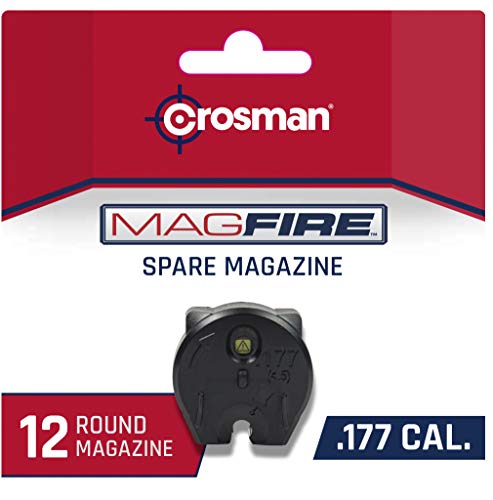
Long shooting sessions tend to expose tiny annoyances that barely show up during the first magazine or two. Loose pellets rolling around pockets, awkward reload pauses, and cold-weather fumbling can slowly chip away at the fun. That’s part of why products tied to the crosman 1322 magazine niche keep attracting attention from people who prefer smoother shooting flow over constant stop-and-load repetition. The Crosman CMSM7 .177-Caliber Magazine leans heavily into that convenience-first approach with its rotary auto-indexing setup.
CMSM7 Rotary Magazine
Crosman designed the CMSM7 specifically for MagFire .177-caliber air rifles, and that detail matters right away. The magazine uses a 12-round rotary system with automatic indexing, meaning the next pellet rotates into place during cycling rather than needing manual adjustment. That sounds simple on paper, but smoother indexing changes the overall rhythm of shooting more than people expect.
The body itself stays fairly compact instead of sticking awkwardly out of the rifle. Plenty of rotary magazines look bulky enough to snag on jacket sleeves or brush during field carry, but this one keeps a cleaner profile. That becomes noticeable during offhand shooting or while carrying the rifle slung over a shoulder for longer periods.
Another practical touch comes from the spare-magazine concept. Crosman clearly positioned this as something hunters or field shooters could toss into a backpack without adding much weight. Fast reloads aren't just about speed for the sake of speed. They help preserve focus during pest-control setups or small-game shooting where movement and timing matter.
Pellet seating feels fairly controlled in this design. Pellets stay aligned well enough that cycling doesn't feel gritty or inconsistent with standard .177 ammo. Cheap rotary systems sometimes scrape lead or shave pellets during indexing, which can gradually affect accuracy and create frustrating jams. The CMSM7 avoids most of that roughness if pellets are loaded carefully.
Field Use And Day-To-Day Handling
Backyard plinking tells one story. Carrying a rifle around fields or wooded property tells another. Dust, leaves, damp air, and uneven footing tend to reveal weaknesses quickly, especially with moving parts like magazines. The auto-indexing system here keeps things relatively straightforward without adding extra controls or tiny levers that demand constant attention.
Loading the magazine isn't difficult, though it does reward patience. Pellets need proper orientation, and rushing the process can lead to uneven rotation later. After a couple loading cycles, though, muscle memory kicks in naturally. The routine starts feeling more mechanical than annoying.
Weight balance stays reasonable too. Some multi-shot systems shift the center of gravity enough that lightweight rifles suddenly feel awkward during standing shots. The CMSM7 remains compact enough that the rifle still feels nimble rather than front-heavy. That makes a difference during repeated target transitions or improvised shooting positions.
Cold-weather handling deserves a mention as well. Tiny pellets and numb fingers rarely get along, and single-shot trays can become irritating fast once temperatures dip. Having a loaded rotary magazine tucked into a jacket pocket feels surprisingly practical during winter plinking sessions.
Magazine swapping also feels cleaner than expected. Some rotary systems fight back during insertion or require awkward alignment angles. The CMSM7 generally seats without much drama as long as the rifle itself stays properly maintained.
Compatibility And Realistic Expectations
Compatibility remains the biggest point people need to understand clearly. This magazine was made for Crosman MagFire .177-caliber air rifles, not for direct installation into a stock Crosman 1322 pistol. That distinction matters because the broader crosman 1322 magazine search often pulls in shooters experimenting with repeaters, adapters, and custom builds.
Still, repeater systems across Crosman platforms tend to overlap in discussion circles because shooters chase similar benefits: smoother shooting rhythm, fewer interruptions, and cleaner follow-up shots. In real-world workshop setups, a related reference appears in best torque wrench for rifle scopes, especially for people tuning scope mounts and repeater rifles together during accuracy-focused builds.
The CMSM7 performs best with pellets that stay within normal dimensional tolerances. Overly long pointed pellets can create rotation resistance in many rotary systems, not just this one. Wadcutters and medium-length domed pellets usually feed more smoothly because they sit more evenly inside the chambers.
Then there's maintenance. Rotary magazines collect pellet dust over time, especially during high-volume plinking sessions. Ignoring buildup eventually makes indexing feel sluggish or sticky. A quick wipe and occasional cleaning session keeps things moving without much hassle.
Realistic expectations help a lot here. The CMSM7 improves convenience and flow, but it won't magically turn a recreational air rifle into a precision competition setup. The benefit comes from smoother handling and less interruption rather than dramatic accuracy gains.
Shooting Rhythm And Practical Benefits
Multi-shot air rifles tend to encourage longer shooting sessions because the flow feels less interrupted. That's where the 12-round capacity earns its keep. Spending more time behind the sights and less time fumbling with pellet tins changes the experience in a subtle but noticeable way.
Repeated target drills become more enjoyable too. Resetting cans, swinging targets, or small reactive spinners feels less stop-and-go with a rotary magazine setup. Follow-up shots happen naturally instead of requiring a complete reload routine after every trigger pull.
The compact design also keeps the rifle easier to carry through brush or narrow spaces. Oversized magazines sometimes snag on slings, jackets, or vegetation, especially during field walks. The CMSM7 avoids much of that awkwardness by staying relatively low-profile against the rifle body.
Auto indexing removes one small mental task from the shooting process. That matters more than it sounds because smoother operation helps maintain concentration during practice sessions. Less fiddling usually means more relaxed shooting overall.
Storage practicality deserves credit too. Carrying a spare loaded magazine takes up barely any room in a pouch or backpack pocket. During longer outings, that convenience starts feeling more valuable than flashy design details or oversized capacity numbers.
Tradeoffs That Deserve Attention
No rotary system is completely immune to pellet sensitivity, and the CMSM7 follows that same reality. Some pellets simply feed cleaner than others depending on skirt shape and overall length. Shooters who constantly switch pellet types may need a little experimentation before finding the smoothest combination.
Plastic construction keeps weight low, but it also means rough handling isn't a great idea. Tossing magazines carelessly into hard toolboxes or overloaded range bags can eventually crack edges or stress the indexing mechanism. Normal handling should be fine, though common sense still matters.
People expecting universal Crosman compatibility may also end up disappointed. This isn't a one-size-fits-all rotary magazine. Rifle platform compatibility still matters, and buyers should double-check fitment before assuming anything based on brand name alone.
Another small downside appears during fast-paced loading sessions. Pellets need proper seating inside the chambers, and rushing can create rotation hiccups later. That isn't unusual for rotary systems, honestly, but it still deserves mentioning because impatient loading tends to cause most feeding complaints.
Balance between speed and simplicity defines the CMSM7 pretty well. It improves shooting flow without adding too much bulk or mechanical complexity, though it still asks for proper pellet choice and careful handling to stay running smoothly over time.
Crosman SBR Full Auto Spare Magazine DSFAM
Running out of loaded shots right when the rhythm feels right is a tiny irritation that gets big fast. A spare magazine can keep a CO2 BB session from turning into constant loading, cartridge handling, and bench clutter. The Crosman SBR Full Auto Spare Magazine DSFAM sits in that practical lane, even though the broader crosman 1322 magazine search can pull in very different Crosman magazine styles. This one is built around DPMS SBR style shooting, 25-round BB capacity, and dual 12-gram CO2 Powerlet storage rather than pellet-fed pump-pistol use.
Crosman SBR DSFAM Magazine
Crosman SBR DSFAM Magazine is a shortened name that fits the product better than the full listing title. The main appeal is simple: it combines BB storage and CO2 cartridge housing in one drop-down magazine unit. That design gives the DPMS SBR platform a more realistic handling feel compared with tiny stick-style magazines. It also means the magazine itself plays a bigger role in the shooting system than a basic clip.
The provided details say it works with the DSBR and the CFAR1B, so this is not a universal Crosman magazine. That matters because someone searching for a crosman 1322 magazine may land here and assume all Crosman magazines cross over neatly. They don’t. The 1322 is a pump pistol platform, while this DSFAM magazine is tied to BB-firing CO2 rifles.
The 25-round BB capacity makes sense for full-auto or rapid semi-auto shooting. A low-capacity magazine would feel out of place on a platform designed for a faster pace. Twenty-five BBs won’t last forever in full-auto bursts, but it gives enough room for short strings without constant reload breaks. That balance keeps the rifle fun without making the magazine overly bulky.
The magazine also holds two 12-gram CO2 Powerlet cartridges. That design keeps the gas source inside the magazine instead of spreading the system across the rifle body. It’s convenient, but it also means each spare magazine is more than just extra BB capacity. It can carry a fresh CO2 setup too, as long as cartridges are installed properly.
Fit And Platform Match
Compatibility is the first checkpoint with this magazine. The product details point directly to the DPMS SBR spare magazine setup, plus compatibility with the DSBR and CFAR1B. That’s good news for those specific platforms. It’s not helpful, though, for a stock Crosman 1322 or a pellet-based repeater conversion.
The difference between this and a typical crosman 1322 magazine option is huge. The 1322 usually deals with .22 pellets, pump power, and breech-style loading or conversion systems. The DSFAM magazine is built around BBs, CO2 cartridges, and a drop-down rifle magazine format. Mixing those expectations can lead to a pretty awkward purchase mistake.
For the correct rifle, the drop-down style adds a more familiar handling pattern. Magazine changes feel closer to modern replica-style air rifle handling than traditional single-shot airgun loading. That can make practice more engaging, especially during backyard target work where speed and rhythm matter. The magazine becomes part of the experience, not just a storage piece.
There’s a realistic tradeoff, though. A magazine that holds CO2 and BBs is naturally more involved than a simple pellet clip. It has seals, cartridge tension, BB loading, and fit alignment to think about. Proper handling matters because rough use can affect feeding feel, gas consistency, or long-term reliability.
Loading Feel And Shooting Rhythm
The 25-round capacity supports a faster shooting style. With full-auto capable platforms, BBs disappear quickly, so having a spare magazine can reduce the stop-start feeling. That’s especially noticeable during short plinking sessions where the whole point is casual fun, not slow precision work. Nobody wants to spend half the session hunched over a container of BBs.
Loading BBs still takes patience. Small steel BBs roll, bounce, and hide under benches like they’ve got somewhere to be. A magazine like this helps once it’s loaded, but the prep work still needs a clean surface and a little care. BB management becomes part of the routine.
The dual CO2 setup changes the rhythm too. Instead of only thinking about ammunition, the shooter also has to keep an eye on gas supply and cartridge condition. Fresh CO2 tends to keep the session smoother, while weak cartridges can make shots feel inconsistent. That’s not a flaw unique to this magazine. It’s just part of CO2 airgun ownership.
From a practical angle, the magazine’s design suits people who like having ready-to-go gear nearby. A loaded spare keeps pauses shorter and reduces fiddling after the first magazine runs dry. Still, storing loaded CO2 for long periods may not be ideal for seals, so routine care shouldn’t be ignored. Short-term readiness and long-term maintenance need a fair balance.
Strengths In Real Use
Convenience is the strongest reason this magazine makes sense. It gives the rifle more staying power during fast-paced shooting, especially compared with relying on a single magazine. The ability to carry BBs and CO2 together also keeps the setup cleaner. Less gear spread across the bench usually means fewer distractions.
The drop-down shape adds to the rifle’s handling character. It feels more natural for a tactical-style CO2 BB rifle than a small internal clip would. That matters because replica-style airguns are partly about handling and routine, not only hitting cans. The magazine supports that style without needing extra external pieces.
The 25-round count feels reasonable for the platform. It’s enough for quick strings, but not so large that the magazine becomes awkward. A smaller capacity would feel stingy on a full-auto style rifle. A much larger design could make the rifle feel clunky or less balanced.
A neutral workshop reference fits here because setup tools sometimes overlap across airgun maintenance habits. In some cases, scope mounting and accessory work bring up best hot air gun for mobile repair as an unrelated but tool-focused reference within broader bench setup discussions. The connection isn’t direct to this magazine, so it belongs as a side note rather than a forced product tie-in.
- Pros: Drop-down style gives the rifle a more realistic handling feel.
- Pros: 25-round BB capacity suits faster shooting sessions.
- Pros: Holds two 12-gram CO2 Powerlet cartridges inside the magazine.
- Pros: Useful spare for compatible DSBR and CFAR1B platforms.
Limitations And Watchouts
The biggest weakness is limited compatibility. This is not a direct fit for a Crosman 1322, despite the keyword overlap that often happens in search results. The product details connect it to DPMS SBR style use, DSBR, and CFAR1B compatibility. That should be treated as the safe boundary unless a specific build proves otherwise.
CO2 handling adds another layer of responsibility. Cartridges are not included, and weak or poorly seated cartridges can affect shooting feel. Seals also deserve care because CO2 magazines depend on proper pressure retention. A spare magazine still needs proper storage, not just a toss into the bottom of a gear bin.
BBs are not included either, so the magazine isn’t ready to run straight from the package without ammunition and CO2. That’s obvious in the product details, but easy to overlook during quick buying decisions. Extra supplies should be part of the setup plan. Otherwise, the magazine arrives and just sits there waiting for the basics.
The full-auto style also burns through BBs quickly. A 25-round magazine sounds generous until the trigger gets held down a little too long. For controlled bursts, it feels fine. For constant full-auto spraying, even multiple magazines can empty faster than expected.
- Cons: Not made for a stock crosman 1322 magazine setup.
- Cons: Requires separate BBs and 12-gram CO2 cartridges.
- Cons: CO2 seals and cartridge seating need sensible care.
- Cons: Full-auto shooting can drain BB capacity quickly.
Practical Ownership Notes
Daily use with this magazine is mostly about preparation. Loading BBs, checking CO2, and keeping the magazine clean all shape the experience. A spare magazine feels most useful when it’s treated as part of the shooting kit rather than an afterthought. Prepared magazines make short sessions feel less chopped up.
Storage deserves a bit of discipline. BBs should stay dry, CO2 cartridges should be handled carefully, and the magazine shouldn’t be crushed under heavier tools or gear. Plastic and metal components can handle regular use, but careless transport can still create avoidable problems. Small airgun parts rarely forgive rough storage forever.
The DSFAM magazine makes the most sense for someone already using the proper Crosman CO2 BB rifle platform. In that role, it adds speed, convenience, and a more complete handling routine. Outside that role, especially for a 1322 owner chasing pellet magazine options, it’s the wrong lane. Right platform, right expectation, and the product becomes much easier to judge fairly.
Crosman CMSM2 .22-Caliber MagFire Magazine
Pellet rifles can feel wonderfully simple until reloads start breaking the pace every few shots. A small pause here, a dropped pellet there, then the whole session starts feeling more like gear management than shooting. That’s where the Crosman CMSM2 .22-Caliber Magazine fits into the wider crosman 1322 magazine conversation, even though this specific model is made for Crosman MagFire .22-caliber air rifles rather than a stock 1322 pistol. Its job is plain enough: hold .22 pellets, rotate automatically, and keep follow-up shots from turning into a fidgety little chore.
Crosman CMSM2 Magazine
Crosman CMSM2 Magazine is the shorter name that makes more sense for everyday use. The full product name gets a bit long-winded, but the purpose stays clear. This is a 10-round rotary magazine built for Crosman MagFire .22-caliber air rifles. It’s not a fancy accessory pretending to be something bigger than it is.
The auto-indexing design is the key feature. Instead of manually lining up each pellet after every shot, the magazine rotates to position the next round during the rifle’s normal cycling process. That smoother rhythm matters during target practice, pest-control prep, or small-game field use. Less finger work means more attention stays on the sight picture.
The magazine is compatible with .22-caliber pellets, and pellets are not included. That detail sounds basic, but it’s worth spelling out because .177 and .22 magazines are not interchangeable just because they share the Crosman name. Pellet diameter, chamber size, and platform fit all matter. The wrong caliber turns a simple spare magazine into a dead-end purchase.
The black finish keeps the look clean and low-key. Nothing about it screams for attention, which is honestly a plus on a practical air rifle accessory. A magazine like this should sit, feed, and stay out of the way. The best part of a spare magazine is usually the thing nobody notices until it isn’t there.
Fit For MagFire Rifles
Compatibility deserves the front seat here. The CMSM2 is made for Crosman MagFire .22-caliber air rifles, not for every Crosman platform on the shelf. Someone searching for a crosman 1322 magazine may bump into this product and assume it works across different Crosman models. That assumption can get expensive in a hurry.
The Crosman 1322 is a pump pistol platform, while the MagFire rifles are built around a different feeding system. That difference changes everything. Magazine shape, indexing behavior, pellet path, and receiver fit all need to match the rifle. A rotary magazine can’t do much if the platform wasn’t built to accept it.
For the right rifle, though, the CMSM2 makes practical sense. A spare magazine can sit in a small pouch, backpack pocket, or bench tray without eating much space. During longer outdoor sessions, that small backup can keep the flow steady instead of forcing constant reload breaks. Simple convenience is the whole point.
The product details also frame it as useful for small game hunting. That fits the .22-caliber setup better than a lightweight plinking-only accessory. In the field, fewer reload pauses can help reduce movement and noise. Still, clean shot placement and responsible pellet choice matter more than magazine capacity alone.
Loading Feel And Pellet Behavior
Rotary magazines live or die by pellet seating. A pellet that sits crooked can drag, bind, or shave lead as the action cycles. The CMSM2’s 10-round format gives each pellet its own indexed chamber, which helps keep the feeding process tidy when loaded with care. Rushing the process is where problems usually start.
.22 pellets have more body than .177 pellets, so shape becomes more noticeable. Short domed pellets may behave differently than longer pointed pellets, depending on skirt shape and overall length. That’s not a knock against the magazine. It’s just the normal reality of rotary pellet systems.
The 10-round capacity feels like a sensible middle ground. It gives enough shots for a useful string without making the magazine overly bulky. Bigger capacity sounds tempting on paper, but larger rotary systems can get awkward fast. Compact, steady, and predictable often beats oversized and fussy.
Loading spare magazines before heading outside also cuts down on bench clutter. Pellet tins are easy to spill, especially with gloves on or while standing near uneven ground. A loaded spare keeps the routine neater. That small bit of order can make a shooting session feel less scattered.
Field Use And Practical Rhythm
Outdoor use has a way of exposing weak accessories. Dust, cold fingers, backpack pressure, and damp mornings all make tiny design choices more obvious. The Crosman CMSM2 keeps its role narrow, which helps. It doesn’t try to add extra features beyond holding and indexing pellets.
The auto-indexing setup supports a calmer shooting rhythm. Fire, cycle, settle back on target, and repeat. That rhythm is especially useful during casual field practice where fumbling with loose pellets can break concentration. A steady magazine system keeps the rifle feeling more complete.
For small-game situations, a spare magazine can reduce unnecessary movement. Digging through a pocket for pellets while trying to stay quiet feels clumsy. Having a second loaded magazine nearby keeps the routine more controlled. Quiet handling and smoother reloads both matter outside the backyard.
There’s also a real storage benefit. The magazine is small enough to keep in a backpack without turning the bag into a gear puzzle. From a practical angle, adjacent gear discussions sometimes include PCP air rifles under 300 because budget airgun setups often overlap with magazine, pellet, and field-carry decisions. That link sits beside the topic rather than replacing the specific CMSM2 compatibility rules.
Pros And Strong Points
Convenience is the CMSM2’s clearest strength. A spare 10-round magazine reduces reload interruptions and keeps the rifle ready for longer shooting strings. That’s useful for casual target sessions, field carry, and small-game use where movement can matter. The benefit feels practical, not flashy.
The rotary style keeps the setup compact. A long protruding magazine might snag, shift balance, or make the rifle feel awkward in tight spaces. This design stays closer to the rifle’s natural handling profile. That matters more during carry than people expect.
Auto indexing also helps remove one small mental step from shooting. The less attention spent on feeding pellets, the more attention stays on aim, breathing, and safe handling. That’s especially helpful when shooting from changing positions. Little reductions in fuss add up.
The .22-caliber focus is another plus for the right setup. Many .22 air rifle owners care about practical impact and field usefulness more than pure shot count. A 10-round magazine lines up well with that style of shooting. It gives enough capacity without turning the rifle into a bulky range toy.
- Pros: 10-round rotary design supports smoother shooting flow.
- Pros: Auto indexing reduces manual pellet handling between shots.
- Pros: Compact size makes it easy to carry as a spare.
- Pros: Built specifically for Crosman MagFire .22-caliber rifles.
Cons And Real Tradeoffs
The biggest weakness is narrow platform compatibility. This magazine is not a universal solution for every Crosman airgun. It is not a drop-in crosman 1322 magazine for a standard 1322 pistol. That point needs to be clear before anything else.
Pellets are not included, so the magazine arrives as only part of the setup. That’s normal, but quick buyers sometimes overlook it. The right .22 pellets still need to be selected separately. Pellet fit can affect feeding smoothness, especially with longer designs.
Rotary magazines also require more care than a single-shot tray. Dirt, lead dust, or rough handling can affect indexing over time. A quick cleaning habit helps prevent sticky rotation. Tossing it loose into a pack with tools and metal parts isn’t the smartest move.
The 10-round count may feel modest for pure plinking. Some shooters prefer larger capacity for rapid backyard sessions, even if that means extra bulk. The CMSM2 feels more balanced for controlled shooting than endless high-volume firing. That’s a tradeoff, not a deal-breaker.
- Cons: Not compatible with a stock Crosman 1322 pistol.
- Cons: Requires separate .22-caliber pellets.
- Cons: Long or unusual pellet shapes may need testing.
- Cons: Rotary parts need basic cleaning and careful storage.
Best Use Cases And Ownership Notes
The CMSM2 makes the most sense as a spare magazine for a compatible MagFire .22 rifle. Keeping one loaded in a backpack or range pouch can make field sessions feel smoother. It’s not about turning the rifle into something wildly different. It’s about shaving away the annoying pauses.
Careful loading improves the experience. Pellets should sit evenly in each chamber, with skirts clean and undamaged. Bent skirts can cause feeding trouble before the magazine ever gets a fair chance. A little patience during loading saves irritation later.
Storage should stay simple and sensible. Keep the magazine away from grit, loose screws, heavy tools, and damp pockets. Small rotary parts don’t need babying, but they do appreciate not being abused. Clean storage helps preserve reliable indexing.
The CMSM2 is easy to appreciate once expectations are lined up correctly. For MagFire .22 rifles, it adds handy capacity and smoother follow-up shooting. For a stock 1322, it belongs in a different category entirely. Right rifle, right pellets, right use, and the magazine’s strengths make far more sense.
Crosman AK Full Auto BB Magazine CAKFAM
Fast BB rifles have a funny way of making one magazine feel like not enough. A few quick bursts, a little backyard steel target chatter, and suddenly the fun stops because the magazine needs BBs and CO2 attention again. The Crosman AK Full Auto BB Magazine CAKFAM lands in that practical gap, even though the wider crosman 1322 magazine search often mixes pellet pistols, repeater conversions, and CO2 BB rifle gear together. This magazine is built for Crosman Full Auto AK1 air rifles, with 28 BB capacity and space for two CO2 cartridges.
CAKFAM Spare Magazine
CAKFAM Spare Magazine is the clean short name for this full-auto AK-style Crosman magazine. The full product title is a mouthful, but the role is easy to understand. It’s a spare magazine for Crosman CAK1 and CSAK1 air rifles. That platform match matters because this isn’t a universal Crosman magazine.
The magazine uses a spring-fed BB system that holds 28 BBs. That capacity fits the character of a full-auto BB rifle better than a tiny low-cap magazine would. Rapid fire eats ammo quickly, so a 28-round count gives a more natural shooting rhythm. Still, full-auto use can empty it faster than expected if the trigger stays down too long.
The magazine also holds two CO2 cartridges, though CO2 is not included. That makes the magazine more than a simple BB container. It becomes part of the rifle’s power system, which is convenient but also means proper cartridge seating matters. Bad CO2 handling can make an otherwise fun session feel uneven.
BBs are not included either, so this accessory needs the right supplies before it does anything useful. That sounds obvious, sure, but it’s a common little gotcha with spare magazines. A magazine arrives, the rifle is ready, and then the missing BBs or CO2 become the bottleneck. Prepared gear saves that headache.
Fit And Platform Reality
Compatibility is the first thing to get straight. The CAKFAM magazine is made for Crosman Full Auto AK1 air rifles, specifically the CAK1 and CSAK1. It is not made for a stock Crosman 1322. The keyword overlap with crosman 1322 magazine can be confusing, but the platforms are completely different.
The Crosman 1322 is a pump-powered pellet pistol, while this magazine belongs to a CO2-powered BB rifle system. Different ammo, different power source, different magazine style. A 1322 setup usually deals with pellet trays, breech conversions, or repeater adapters. The CAKFAM deals with BB feeding and dual CO2 cartridge storage.
For the correct rifle, though, the design makes sense. A spare drop-in magazine keeps the shooting session from stopping after one run. The rifle’s full-auto personality needs ready ammunition and gas close at hand. Without a spare, the pace can feel chopped up and fussy.
The magazine also supports a more realistic handling routine. Drop-down magazines feel familiar on AK-style replica air rifles, and that adds to the whole experience. It’s not just about capacity. Magazine changes, handling, and setup all become part of the fun.
Loading And Shooting Flow
Spring-fed BB loading has its own personality. BBs are tiny, slippery, and weirdly talented at rolling into the worst possible places. A 28-round magazine helps once it’s loaded, but the loading process still rewards patience. Rushing BBs into place can turn smooth shooting into a little mess.
The 28 BB capacity feels useful for short bursts and controlled shooting strings. It’s enough to keep the action moving without making the magazine oversized. Full-auto firing, though, changes the math quickly. A magazine can disappear in a blink if the trigger gets treated like a light switch.
The dual CO2 setup brings another layer to the routine. Fresh cartridges help keep the rifle feeling more consistent during active shooting. Weak cartridges can make shots feel softer or less satisfying as pressure drops. That’s normal CO2 behavior, not a strange flaw in this magazine.
Backyard plinking is where the spare magazine idea really earns its place. Cans, paper targets, and reactive steel-style targets all benefit from less stopping and more steady shooting. The magazine doesn’t make the rifle more precise by itself. It just removes some of the annoying pauses.
Handling And Practical Feel
The drop-down style adds heft and realism, but it also means the magazine is a more substantial piece of gear. This isn’t a tiny pellet clip that disappears in a pocket. It holds BBs and CO2, so it naturally feels more involved. Extra capacity comes with extra responsibility.
Carrying more than one magazine can make a session smoother, but it also adds bulk to a range bag. That’s not a deal-breaker. It just means storage needs a little organization. Loose BB containers, CO2 cartridges, and spare magazines can turn into clutter fast.
Careful handling matters because CO2 magazines rely on seals and proper cartridge alignment. Tossing one into a hard toolbox with heavy gear isn’t a great habit. Keep it clean, keep it dry, and don’t let it bang around under metal tools. Seal care is boring until it suddenly matters.
A neutral side reference fits naturally here because airgun owners often bounce between different rifle formats while sorting out gear. From a practical angle, break barrel air rifles under 300 sit in the broader budget airgun conversation, though they use a very different shooting system from this CO2 full-auto magazine. The connection is category-adjacent, not a direct compatibility link.
Pros And Standout Benefits
Convenience is the obvious win. A spare magazine keeps a Crosman Full Auto AK1 session from stopping every time the first magazine runs dry. That matters most during casual shooting where the point is flow, rhythm, and fun. Less reloading usually means less bench fuss.
The 28 BB capacity gives the rifle enough room for quick strings. It doesn’t feel stingy for a full-auto platform. Controlled bursts feel more natural with this capacity than they would with a smaller magazine. The rifle’s personality lines up with the magazine’s purpose.
Holding two CO2 cartridges inside the magazine is another practical strength. A spare magazine can carry both ammunition and power, which keeps the setup cleaner. That design also makes magazine swaps feel more complete. It’s not just changing BB storage, it’s refreshing part of the rifle’s operating system.
The fit for CAK1 and CSAK1 gives it a clear lane. There’s no need to guess its intended role if those platforms are already in use. Clear compatibility is better than vague “fits many models” language. Airgun accessories get messy fast when fitment isn’t specific.
- Pros: Holds 28 BBs for smoother rapid-fire sessions.
- Pros: Stores two 12-gram CO2 cartridges inside the magazine.
- Pros: Designed for Crosman CAK1 and CSAK1 rifles.
- Pros: Drop-down style supports a realistic AK-style handling feel.
Cons And Honest Tradeoffs
The biggest weakness is limited compatibility. This magazine does not fit the stock Crosman 1322, even though searches for crosman 1322 magazine may bring up many Crosman-branded options. The CAKFAM belongs to the Full Auto AK1 rifle family. Wrong platform, wrong part.
BBs and CO2 are not included. That means the magazine alone won’t get a rifle running right out of the package. Extra supplies are part of the real cost and planning. CO2 cartridges and proper BBs need to be on hand.
Full-auto shooting can burn through ammunition quickly. A 28-round magazine sounds comfortable until the rifle starts ripping through BBs at speed. Short bursts make the capacity feel useful. Long bursts make reloads come around fast.
Maintenance also matters more than it does with a simple pellet tray. CO2 seals, BB channels, and the spring-fed system all need sensible care. Dirt, grit, or rough storage can create feeding issues over time. Basic upkeep keeps the magazine from becoming the weak link.
- Cons: Not compatible with a standard Crosman 1322.
- Cons: Requires separate BBs and CO2 cartridges.
- Cons: Full-auto firing can drain 28 BBs quickly.
- Cons: CO2 seals and spring-feed parts need careful storage.
Best Use And Ownership Notes
The CAKFAM magazine makes the most sense as a ready spare for compatible Crosman AK-style full-auto rifles. It helps reduce downtime during plinking sessions and keeps the rifle’s pace from falling apart. The value is practical, not mysterious. More loaded magazines simply mean fewer interruptions.
Controlled bursts are the sweet spot. They stretch the 28-round capacity and keep the shooting session from turning into constant reload duty. Full-auto is fun, no doubt, but it can chew through BBs in a hurry. A little trigger discipline makes the magazine feel more useful.
Storage should stay neat. Keep BBs dry, CO2 cartridges organized, and the magazine away from grit or hard impacts. A small pouch or dedicated range-bag pocket makes more sense than tossing it loose with tools. Clean storage helps protect the feed system and CO2 contact points.
The magazine’s appeal depends entirely on owning the right platform. For Crosman CAK1 and CSAK1 rifles, it adds convenience, capacity, and a better shooting rhythm. For a pellet-pistol project or true crosman 1322 magazine conversion, it belongs in a different conversation. Correct fitment is the line between useful spare and wrong accessory.


12 Best 22 Pcp Air Rifle For Hunting of 2026 With Quiet Power

7 Best 22 Pcp Air Rifle Under 300 of 2026 For Backyard Pest Control

10 Best 22 Break Barrel Air Rifles of 2026 For Backyard Pest Control

10 Best 30 Caliber Pcp Air Rifle of 2026 For Medium Game

Top Best 177 Air Rifle Under 100: Budget-Friendly Picks for 2026

How to Safely Reload Shotgun Shells at Home

11 Best Co2 Air Rifle For Pest Control of 2026 To Ensure Humane Dispatch

12 Best Inexpensive Air Rifles of 2026 For Dependable Backyard Accuracy






