
Best Crosman 140 Air Rifle 2026 Vintage Pick

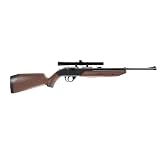
Crosman 140 air rifle still carries that honest, old-shop charm that newer plastic-heavy pump rifles rarely match. Built as a .22 caliber single-shot multi-pump pneumatic, it feels more like a tool than a toy, and that’s a big part of its pull. The pumping rhythm, the wood stock, the simple sight picture, and the slower pace all make each shot feel deliberate. Still, age matters here, so condition can make or break the whole deal.
The rifle’s appeal starts with its balance of simplicity and bite. A good example can still hit with useful authority for backyard plinking, informal target work, and careful short-range pest control where local laws allow it. It won’t behave like a modern magnum air rifle, and frankly, it shouldn’t be judged that way. The charm sits in its steady pump-up power, quiet manners, and the way it rewards patient shooting.
Vintage Crosman 140 ownership comes with tradeoffs, though. Seals dry out, pump cups wear, valve leaks show up, and some parts aren’t sitting on every shelf anymore. A rifle that looks pretty but won’t hold air can turn into a repair project fast, so function matters more than shine. Better yet, a clean shooter with honest wear often beats a polished wall-hanger with mystery internals.
The .22 caliber setup gives the rifle a heavier pellet feel compared with many .177 plinkers. That helps it feel steadier on impact, especially at modest distances, but it also means pellet choice can affect accuracy more than expected. Light pellets may feel snappy, while heavier ones can arc sooner. So, yes, a little trial and error comes with the territory.
Crosman 140 air rifle value depends heavily on originality, working condition, stock shape, metal finish, and whether the rifle still pumps and fires cleanly. Collectors may care about variant details, while hands-on shooters usually care more about seals, trigger feel, and consistent pressure. Either way, don’t rush the buy. A careful inspection saves headaches, and with old pneumatics, headaches can hide under a very nice-looking stock.

- ARS Mark8.8
ARS Mark is a ranking system developed by bestairriflescopes.com. ARS Mark has no relationship or impact from any manufacturers or sales agent websites. Learn more
- BrandCrosman

- ARS Mark8.6
ARS Mark is a ranking system developed by bestairriflescopes.com. ARS Mark has no relationship or impact from any manufacturers or sales agent websites. Learn more
- BrandCrosman

- ARS Mark8.4
ARS Mark is a ranking system developed by bestairriflescopes.com. ARS Mark has no relationship or impact from any manufacturers or sales agent websites. Learn more
- BrandCrosman
- ARS Mark8.0
ARS Mark is a ranking system developed by bestairriflescopes.com. ARS Mark has no relationship or impact from any manufacturers or sales agent websites. Learn more
- BrandCrosman

- ARS Mark8.0
ARS Mark is a ranking system developed by bestairriflescopes.com. ARS Mark has no relationship or impact from any manufacturers or sales agent websites. Learn more
- BrandCrosman
Last update on 2026-05-29 / Affiliate links / Images, Product Titles, and Product Highlights from Amazon Product Advertising API
Crosman 140 Air Rifle Full Auto CO2 Review
Long backyard sessions usually fall apart for one reason. Constant reloading, awkward handling, or weak blowback kills the fun faster than people admit. The crosman 140 air rifle keyword often pulls attention from old-school pump rifle fans, but the Crosman CFAR1X Full Auto R1 heads in a totally different direction. Instead of slow and deliberate shooting, this rifle leans hard into fast-paced CO2 action with a full-auto firing mode, AR-style controls, and a layout that feels surprisingly close to a modern sporting rifle.
Crosman R1 Full Auto
Crosman CFAR1X Full Auto R1 doesn’t pretend to be subtle. The first thing most people notice is the aggressive firing rate, which can reach up to 1400 rounds per minute according to the provided specs. That number sounds wild on paper, and honestly, it changes the entire feel of casual target shooting. A few bursts can empty a magazine quicker than expected, so pacing matters unless you enjoy burning through steel BBs and CO2 cartridges in record time.
The rifle uses two 12-gram CO2 cartridges, and that setup helps maintain more stable cycling during rapid fire compared to single-cartridge designs. Fast strings still cool the system down, though. That’s the tradeoff with CO2-powered rifles. Continuous mag dumps can gradually soften velocity and recoil feel as the cartridges chill.
The synthetic construction gives the rifle a more durable personality than cheaper glossy plastic BB guns. Nothing about it feels delicate. The adjustable stock also helps quite a bit because shorter shooters and taller shooters usually fight with fixed-length air rifles. Six positions make it easier to shoulder naturally without forcing awkward arm placement.
Dual-action capability adds flexibility that many casual shooters appreciate after the novelty phase settles down. Full-auto sounds exciting, and it is, but semi-auto tends to stretch shooting sessions longer while improving control. That balance makes the rifle feel less like a gimmick and more like something people keep using beyond the first weekend.
Handling And Shooting Feel
Weight distribution matters more than people expect with tactical-style BB rifles. Front-heavy designs tire the arms quickly during standing sessions, especially indoors or in smaller backyard lanes. The Crosman R1 stays reasonably balanced because the synthetic body avoids unnecessary bulk. It shoulders naturally, and the AR-style profile feels familiar even to people who mainly shoot firearm trainers.
The red dot sight helps speed up target acquisition without overcomplicating the setup. Iron sights can feel cramped during rapid shooting, especially when lighting conditions change near dusk. The included optic keeps the experience straightforward. That said, some shooters may eventually swap it for a preferred aftermarket option using the accessory rail.
Trigger feel lands somewhere between practical and recreational. It’s not crisp like a tuned competition rifle trigger, but it doesn’t need to be. Rapid-fire BB rifles benefit more from predictable reset behavior than feather-light pull weight. After a few magazines, the rhythm starts feeling natural.
Noise levels sit in that middle ground where backyard shooting feels lively without crossing into obnoxious territory. Full-auto bursts obviously attract attention faster than slow single shots. Semi-auto mode keeps things more manageable if neighbors sit nearby or if the shooting space echoes heavily.
Magazine Setup And Reload Rhythm
The 25-round drop-out magazine shapes the pacing more than expected. Twenty-five rounds sounds decent until full-auto enters the picture. A long burst drains ammo almost instantly, which means reload frequency becomes part of the overall experience. Some shooters love that arcade-like rhythm, while others may prefer slower semi-auto strings to conserve BBs.
Magazine insertion feels satisfying thanks to the AR-inspired layout. That realism factor adds a lot to the rifle’s appeal because many BB rifles skip proper ergonomics and end up feeling toy-like. Here, reloads feel intentional instead of clumsy. Small details like that keep sessions engaging longer.
Steel BB compatibility keeps ammo easy to source, but BB quality still matters. Lower-grade steel BBs can create feeding inconsistencies or less predictable accuracy. Better-polished BBs usually feed smoother and reduce random flyers downrange. That’s especially noticeable during rapid fire.
CO2 efficiency depends heavily on shooting style. Controlled semi-auto shooting stretches cartridge life noticeably further than repeated bursts. Full-auto mode is undeniably entertaining, but it asks for a steady supply of consumables. People expecting slow-paced plinking economics may get surprised by how quickly ammo and gas disappear.
Real-World Practical Use
The Crosman R1 platform fits casual training surprisingly well because the controls mimic a modern sporting rifle layout. Stock adjustment, sight alignment, reload handling, and target transitions all feel familiar. That realism factor helps create more engaging practice sessions compared with traditional plinking rifles.
Indoor ranges with proper BB traps can work nicely for this setup, especially during bad weather. Compact shooting lanes benefit from the moderate velocity range and manageable recoil behavior. Tight garages or basement setups still require careful safety precautions, but the rifle adapts well to controlled environments.
Outdoor plinking feels more natural for full-auto use because space allows longer target arrays and movement drills. Reactive targets like cans or hanging steel plates create a more satisfying experience than paper alone. Fast follow-up shots become part of the entertainment rather than just raw accuracy testing.
Interestingly enough, modern tactical-style trainers often get compared side by side during recreational shooting discussions. A related example appears in Umarex Glock 17 Gen 4 Airsoft, especially among people interested in realistic handling and training-style platforms.
Strengths And Tradeoffs
Full-auto firing capability clearly stands out as the biggest attraction. Few BB rifles deliver this kind of rapid-fire energy while maintaining a realistic rifle profile. The experience feels lively, chaotic, and honestly pretty addictive during casual shooting sessions. That excitement alone carries a lot of the product’s appeal.
The rifle also benefits from a more convincing form factor than many entry-level CO2 guns. Adjustable stock positions, accessory rail space, and AR-inspired controls help it feel more immersive. It doesn’t drift into cartoon territory the way some tactical BB guns do.
Still, the platform has limitations that buyers should understand upfront. CO2 consumption rises quickly during aggressive shooting. Full-auto bursts are fun, but they’re not economical. Long sessions usually require extra cartridges nearby unless shooting pace stays disciplined.
Accuracy expectations should also stay realistic. This is primarily a recreational BB rifle, not a precision pellet gun. Rapid-fire steel BB shooting naturally favors reactive fun over tiny group sizes. Short to moderate distances suit the platform best.
Maintenance stays fairly straightforward overall, though consistent care matters with CO2 systems. Leaving cartridges installed too long can stress seals over time. Basic wipe-downs, occasional lubrication, and sensible storage habits go a long way toward keeping the rifle cycling smoothly.
Crosman 140 Air Rifle Pump Gun Review
Cheap spring rifles often feel harsh after a few magazines. Loud snap, stiff recoil, twitchy accuracy, and random flyers can wear out the fun pretty fast. The crosman 140 air rifle search usually pulls people toward older multi-pump classics, and this Crosman .177 Pneumatic Pump Air Rifle follows that same hands-on spirit in a more modern format. Instead of relying on one fixed power level, it lets the shooter control velocity manually through pumping effort, which changes the whole rhythm of backyard shooting.
Crosman Pump Air Rifle
Crosman .177 Pellet / BB Pneumatic Pump Air Rifle keeps things simple, and honestly, that’s part of its charm. The multi-pump design gives shooters flexibility instead of locking them into maximum power every single shot. Lower pump counts work nicely for basement traps or shorter backyard distances, while additional pumps push velocity higher for tougher cans or reactive targets farther out. That variable control between roughly 350 fps and 700 fps adds more versatility than many entry-level air rifles offer.
The rifle uses a rifled steel barrel, which matters more than people think with pellet shooting. Pellets generally behave more consistently than steel BBs in rifled barrels, so accuracy-minded shooters usually lean that direction after some experimentation. BB compatibility still adds convenience, especially for casual plinking sessions where precision isn’t the top priority.
Durable synthetic construction gives the rifle a more practical feel than wood-stocked pneumatics that require extra care around moisture. Damp garages, humid climates, or messy backyard conditions won’t create the same level of worry. The water-resistant body also keeps maintenance straightforward after extended outdoor use.
The crossbolt safety stays simple and easy to understand, which helps during repetitive shooting sessions. Some newer shooters appreciate controls that don’t feel overly mechanical or cluttered. Small details like that reduce distractions and help the rifle feel approachable right from the start.
Real Shooting Feel And Handling
Pumping effort shapes the entire personality of this rifle. One or two pumps feel quick and easy, while higher power levels naturally require more arm movement and patience. That extra involvement slows things down in a good way. Instead of racing through ammo, shooters tend to settle into a more deliberate rhythm.
The lightweight synthetic frame helps offset some of that pumping effort because the rifle never feels overly bulky. Carrying it around the yard or through informal target setups stays comfortable even during longer sessions. Smaller-framed shooters usually notice that benefit first.
Noise levels stay fairly manageable compared with louder spring-piston rifles. Lower pump counts produce softer shots that work better in tighter suburban settings where excessive crack or echo can become annoying fast. Higher pump levels naturally sharpen the report, but it still avoids the aggressive snap common with magnum springers.
The stock design won’t fool anyone into thinking this is a precision match rifle, though. It’s functional, straightforward, and built more for casual handling than benchrest perfection. That practical approach actually suits the rifle’s personality pretty well.
Pellets Versus Steel BBs
Dual-ammo compatibility sounds convenient on paper, and it genuinely is, but each option changes the shooting experience noticeably. Pellets usually produce tighter groups because the rifled barrel stabilizes them more effectively. Steel BBs lean more toward informal plinking where fast loading and casual target destruction matter more than tiny group sizes.
Pellet selection becomes part of the fun after a while. Some lightweight pellets shoot flatter at shorter distances, while heavier pellets may feel steadier through mild wind. Tiny differences in shape and weight can change accuracy more than many first-time air rifle owners expect.
Steel BBs offer convenience but come with tradeoffs. Repeated BB use in rifled barrels can gradually increase wear over long periods, and ricochets deserve extra attention around hard surfaces. Proper backstops matter a lot with steel ammo.
The variable pump system also affects ammo behavior. Lower-powered shots can make lightweight pellets arc sooner than expected, while higher pump counts tighten trajectories considerably. That flexibility gives shooters room to adapt based on space limitations or target distance.
Backyard Practicality And Skill Building
Skill development feels more natural with multi-pump pneumatics because the rifle encourages pacing instead of reckless speed. Shooters tend to focus more on breathing, trigger control, and follow-through simply because every shot takes a little preparation. That slower rhythm builds consistency surprisingly well.
Plinking sessions become more entertaining once reactive targets enter the mix. Hanging cans, spinner targets, and small steel plates pair nicely with the adjustable power range. Lower pump settings avoid excessive penetration on lighter targets, while higher settings hit with noticeably more authority.
Indoor practice can also work at reduced pump counts if proper safety precautions and pellet traps are in place. That flexibility matters during rough weather or colder seasons where outdoor shooting becomes less appealing. A rifle that adapts to different environments usually sees more actual use instead of gathering dust in the corner.
Conversations around outdoor sporting setups sometimes drift toward larger hunting platforms as well, and a related reference appears in best shotgun for goose hunting for people interested in broader shooting equipment discussions.
Strengths, Limits, And Long-Term Use
The biggest strength here is flexibility. Adjustable velocity, pellet and BB compatibility, manageable noise levels, and lightweight handling all combine into a rifle that fits many casual shooting situations without demanding expensive accessories or complicated tuning.
Maintenance stays refreshingly simple compared with gas-piston or CO2 systems. No cartridges to replace. No batteries. No dependency on external air tanks. Basic cleaning and occasional seal care usually cover most long-term upkeep needs.
The pumping process won’t appeal to everybody, though. Fast-paced shooters who prefer semi-auto action may get impatient after repeated pumping cycles. Higher power settings especially require noticeable effort during extended sessions. Arms eventually feel it.
Accuracy expectations should also stay grounded in reality. This rifle handles informal targets and skill-building practice well, but it isn’t built as a competition-grade precision platform. Barrel quality, pumping consistency, and ammo choice all influence results heavily.
Longevity often becomes one of the more underrated advantages with pneumatic pump rifles like this. Fewer violent internal movements compared with spring-piston systems can mean smoother shooting behavior over time. That calmer firing cycle also helps new shooters build confidence without fighting heavy recoil or sudden mechanical jolts.
Crosman Legacy 1000 Pump Air Rifle Review
Extra power sounds tempting until the rifle becomes fussy, loud, or tiring to use. A pump gun has to earn its keep shot after shot, not just look strong on a product page. The crosman 140 air rifle crowd usually appreciates hands-on control, and the Crosman Legacy 1000 keeps that old pump-rifle idea alive with a more modern black synthetic build, dual-ammo flexibility, and a higher advertised velocity range than many casual backyard rifles.
Crosman Legacy 1000
Crosman Legacy 1000 feels built around one big idea: give the shooter control without making the setup complicated. The variable pump system lets power move from 750 fps up to 1000 fps based on the provided specs, so each shot can be matched to the space, target, and noise tolerance. That matters for real use because not every can, paper target, or backyard lane needs maximum output. Sometimes less power simply makes more sense.
The rifle uses a .177-caliber platform that accepts pellets or traditional steel BBs. That mix gives it a broader personality than a pellet-only rifle. Pellets suit careful target work better, especially through the rifled steel barrel, while BBs keep casual plinking simple and faster to feed. The tradeoff is worth knowing before anyone treats both ammo types as identical.
The built-in 850 BB reservoir changes the reload routine in a practical way. Instead of digging around for loose ammo every few shots, the rifle can keep a large supply onboard. The 17-round spring-loaded BB magazine adds another layer of convenience for quick plinking strings. Still, pellet loading through the side-load chamber remains a slower, more deliberate process.
Waterproof synthetic construction gives this rifle a tough, low-fuss attitude. Damp grass, garage storage, and humid afternoons won’t make it feel as delicate as a wood-stocked rifle. That doesn’t mean it should be abused, of course. It simply means the body suits real outdoor use where conditions aren’t always neat and dry.
Power Control And Pumping Effort
Variable pump power is the heart of the Legacy 1000, and it changes how the rifle gets used. Lower pump counts keep shooting more relaxed, while higher pump counts bring more speed and a flatter trajectory. That range gives the rifle room to handle light plinking and more serious target practice. The catch is obvious after a long session: every extra pump asks for effort.
Pumping a rifle repeatedly can be satisfying in small doses. It slows the pace, builds routine, and makes each shot feel earned. But after plenty of shots, especially at the upper end of the power range, arms can get tired. That’s not a flaw unique to this rifle, just the honest nature of multi-pump pneumatics.
The advertised 750 fps to 1000 fps range gives the rifle a stronger profile than many entry-level backyard guns. That extra speed can help with flatter shots at reasonable distances. Still, power doesn’t replace good ammo, steady hold, or safe backstop planning. A faster miss is still a miss.
Noise also changes with pump count. Lower settings keep things more neighbor-friendly, while higher settings sound sharper. Backyard shooters with tight spaces or echo-prone fences will probably appreciate the ability to back the power down instead of being stuck with one loud setting all the time.
Accuracy Setup And Sight Options
The rifled steel barrel gives pellets a better shot at consistent accuracy than smoothbore BB guns usually provide. Pellets engage the rifling and tend to fly more predictably. That makes the Legacy 1000 more useful for paper targets, small spinners, and slower skill-building sessions. BBs still have their place, but pellets are where this rifle feels more serious.
The rifle comes with fiber-optic sights, which are handy for quick alignment in decent lighting. Bright front sight visibility helps during casual outdoor shooting, especially against darker targets. Fiber optics won’t replace careful aiming discipline, but they do make the rifle easier to pick up and use without fuss.
The included 4 x 15 mm scope adds another route for aiming, though expectations should stay grounded. A compact scope like this can help with basic target framing at modest distances. It’s not meant to turn the rifle into a match-grade bench gun. Still, for learning sight picture and practicing steady holds, it adds value without making the setup feel crowded.
Pellet choice matters more than many new shooters expect. Some pellets may group better than others depending on fit, weight, and shape. A tin of lighter pellets might feel lively, while a different design may settle down better on paper. Tiny changes can show up quickly once the shooter stops blaming the sights for every flyer.
Plinking Use And Backyard Fit
Plinking is clearly where the Crosman Legacy 1000 earns its grin. Cans, paper dots, resettable targets, and swinging spinners all suit its pump-powered rhythm. It’s not a rifle built for rushing. It rewards a little patience, a decent stance, and the willingness to adjust power instead of blasting every shot at full strength.
The synthetic stock makes outdoor handling less fussy. A little dust or moisture won’t cause panic, and the black finish keeps the rifle looking practical rather than precious. That rugged feel suits garages, sheds, and backyard benches where gear gets set down between shots. It’s a tool-like design, not a display piece.
The crossbolt safety keeps the control layout straightforward. Simple controls matter during skill-building because distractions can sneak in fast. Newer shooters benefit from a safety that’s easy to identify and operate. More experienced hands will probably appreciate that it doesn’t try to be clever.
Outdoor shooting conversations can move from air rifles into broader defensive gear topics, especially where power, responsibility, and realistic limits matter. A separate reference point exists in best air gun for self defense for readers sorting out how different air-powered platforms are discussed outside simple plinking.
Strengths, Weaknesses, And Best Use
The main strength of the Legacy 1000 is control. Power control, dual-ammo use, a large BB reservoir, and sight options give it more flexibility than a bare-bones beginner rifle. It can be calm and economical for slow target work, then louder and harder-hitting when pumped higher. That range keeps it from feeling one-dimensional.
The biggest weakness is the same thing that gives it character. Pumping takes effort, and higher velocity settings don’t come free. Shooters who want fast follow-up shots without physical work may get annoyed. A CO2 or breakbarrel rifle might feel easier for fast casual shooting, though each has its own tradeoffs.
The rifle’s BB system adds convenience, but steel BBs call for caution around hard surfaces. Ricochets are no joke, even during casual backyard shooting. A proper trap and safe backdrop are non-negotiable. Pellets usually make more sense for accuracy work and controlled target sessions.
The scope and fiber-optic sights give the rifle two personalities. Open sights keep it quick and informal, while the small scope encourages slower aiming and steadier technique. Neither setup should be treated like magic. Good shooting still depends on repeatable pumping, consistent cheek placement, and the right ammo.
Crosman Legacy 1000 fits best as a practical pump rifle for plinking, target practice, and basic skill development. It asks for more involvement than a simple CO2 repeater, but that’s also why it teaches better habits. Not flashy. Not effortless. Just a capable .177 pump rifle with enough power control to stay useful across different shooting spaces.
Crosman 760X Pump Master Air Rifle Review
Small shooting setups can get annoying fast when a rifle is too loud, too stiff, or too fussy about ammo. A simple plinker needs to be easy to manage without feeling flimsy, especially during repeated practice sessions. The crosman 140 air rifle keyword often brings up interest in pump-powered shooting, and the Crosman 760X Pump Master keeps that same hands-on style while adding BB repeater use, single-shot pellet loading, and an included 4x15mm scope for a more complete starter-style package.
Crosman 760X Pump Master
Crosman 760X Pump Master has a very practical personality. It isn’t trying to act like a fancy precision rifle, and that honesty helps. The variable pump system lets the shooter pump from 3 to 10 times, giving more control over shot strength than a fixed-power design. That makes the rifle easier to match with short-range targets, backyard cans, and basic paper practice.
The listed velocity range runs from 350 fps to 700 fps, with the higher number tied to alloy pellets in the provided details. That range gives the rifle room to handle light plinking without always running at maximum power. Lower pump counts keep things calmer and easier on the arms. Higher pump counts add more punch, though the extra effort becomes noticeable after a long afternoon.
The rifle shoots both .177-caliber pellets and traditional steel BBs. That dual-ammo setup is handy because BBs suit casual repeating shots, while pellets fit slower single-shot practice better. The difference matters. BBs are quicker and more playful, but pellets usually make more sense when tighter groups matter.
The smooth bore steel barrel also shapes expectations. Smooth bore designs tend to favor BB use more than rifled pellet-focused barrels. Pellets can still be used, but this isn’t the rifle someone grabs for tiny precision groups on a serious bench. It feels more at home knocking cans, teaching safe habits, and building comfort with basic aiming.
Build Feel And Everyday Handling
Water-resistant construction gives the 760X a useful edge for casual outdoor shooting. Damp grass, dusty benches, and garage storage don’t feel as stressful as they might with a more delicate stock. The build is meant for regular handling rather than careful display. That suits a rifle often used in yards, informal lanes, and simple practice spots.
The pump action adds a bit of old-school effort to every shot. Some people like that because it slows the pace and keeps ammo from vanishing in minutes. Others may get tired of pumping, especially near the 10-pump end. That’s the tradeoff baked into multi-pump air rifles: control comes with physical input.
The rifle’s role as a BB repeater makes casual shooting feel more fluid. Instead of loading one BB at a time, the repeater setup keeps plinking sessions moving. Pellet use is different because it switches into a single-shot routine. That split personality gives the rifle flexibility, but it also means the experience changes depending on ammo choice.
The crossbolt safety is a simple, useful feature for repeated training sessions. Straightforward controls matter because complicated safeties can distract from muzzle discipline and target awareness. This setup keeps the focus on handling, pumping, aiming, and shooting. No fuss, no weird learning curve.
Scope, Sights, And Accuracy Expectations
The included 4x15mm scope gives the Crosman 760X a more complete feel out of the box. It can help with basic aiming at modest distances, especially for paper targets or small backyard markers. Still, it’s a compact scope, not a serious long-range optic. Expectations should stay grounded because the rifle itself is built for practical plinking and instruction.
Scope use can make the rifle feel more focused, but it also exposes shooter mistakes quickly. Uneven pumping, loose cheek placement, or rushed trigger pulls can scatter shots. That can be frustrating at first, yet it teaches a useful lesson. Consistency matters more than squeezing every bit of speed out of the pump system.
BBs and pellets won’t behave the same way through this platform. Steel BBs are convenient and lively for repeat shooting, but they can ricochet off hard surfaces, so backstop choice deserves real attention. Pellets usually hit with a softer, more predictable behavior against proper pellet traps. Safe target setup isn’t optional with either one.
The rifle’s smooth bore design means accuracy talk needs a fair lens. It can be satisfying for short-range targets, but it shouldn’t be judged like a rifled pellet rifle made for tight groups. The 760X is more about repetition, handling confidence, and casual control. That’s not a knock, just the lane it belongs in.
Pros That Matter In Real Use
Variable power is one of the strongest points here because it makes the rifle adaptable. Three pumps can be enough for close targets where noise and power need to stay modest. More pumps add reach and impact for sturdier plinking targets. That flexibility keeps the rifle useful across different practice spaces.
Dual-ammo compatibility adds another practical benefit. BBs keep sessions quick and playful, while pellets create a slower rhythm for aiming practice. A single rifle that handles both gives more room to experiment. It also helps new shooters understand how ammo type changes feel, speed, and target reaction.
The BB repeater function deserves credit because it reduces the stop-start rhythm common with single-shot budget air rifles. Repeating shots make can plinking more enjoyable and help maintain focus during basic drills. Pellet shooting still requires single loading, but that slower pace can be helpful for skill work. Different moods, different ammo.
Simple maintenance also works in the rifle’s favor. No CO2 cartridges, no battery dependency, and no complicated charging gear are involved. The pump system keeps ownership straightforward. Basic care, sensible storage, and safe handling go a long way.
Cons And Honest Tradeoffs
Pumping effort is the biggest built-in drawback. The first few shots feel easy enough, but longer sessions at higher pump counts can wear on the arms. Younger or smaller shooters may prefer lower pump settings for comfort. That’s not a dealbreaker, but it affects how the rifle feels after the excitement settles down.
The smooth bore barrel limits pellet accuracy compared with rifles designed around rifled barrels. Pellets still work, but the platform leans more naturally toward BB plinking. Anyone expecting pellet-on-pellet precision may end up disappointed. The rifle’s strength sits in casual practice, not serious target bench work.
The included 4x15mm scope is useful, but it shouldn’t be oversold. Compact bundled optics can help with alignment, yet they often require patience to set up and keep consistent. Some shooters may eventually prefer open sights or a different optic. The scope is a helpful starter piece, not the whole story.
Steel BB safety needs plain talk. BBs can bounce back from hard objects, and that makes proper targets and eye protection non-negotiable. A cardboard box with random junk behind it isn’t enough. A dedicated backstop keeps the fun from turning into a dumb mistake.
Best Fit And Use Cases
Target shooting instruction is where the 760X makes a lot of sense. The pumping process slows things down, the crossbolt safety is easy to understand, and the rifle doesn’t bury the shooter under complicated controls. It creates a steady rhythm: pump, aim, breathe, shoot, reset. That rhythm builds better habits than blasting away without thinking.
Backyard plinking also fits the rifle well, provided the space is safe and the backstop is appropriate. Cans, paper targets, and resettable traps all suit the 350 fps to 700 fps range. Lower pump counts help in tighter spaces, while higher pump counts add a bit more authority. The shooter gets to tune the experience instead of accepting one fixed behavior.
Pest control appears in the provided product use case, but that part deserves a realistic tone. Shot placement, distance, local rules, and ethical limits matter more than the box description. This rifle may suit small pest situations only where legal and appropriate, but it shouldn’t be treated like a heavy hunting air rifle. Practical restraint matters here.
From a practical angle, varmint-focused air rifle discussions often involve power, accuracy, and ethical range limits, and one related reference is best air rifles for varmints within that broader equipment conversation.
Performance Notes And Shooting Habits
Consistent pumping makes a bigger difference than many people expect. Mixing five pumps on one shot and eight on the next can shift impact and make the rifle seem less predictable. Keeping pump count steady helps build repeatable results. That habit matters whether the shooter uses BBs or pellets.
Pellet choice can also change the experience. Alloy pellets are mentioned with the higher velocity claim, but speed isn’t the only thing that matters on target. Heavier or differently shaped pellets may behave better in some situations, even if they don’t chase the highest number. Real shooting rewards balance more than bragging rights.
The 760X feels best at modest distances. Short backyard lanes, paper targets, and casual reactive setups make more sense than stretching the rifle beyond its comfort zone. Pushing distance too far can make groups open up and frustration creep in. Keeping expectations realistic makes the rifle more enjoyable.
Crosman 760X Pump Master offers a grounded mix of control, simplicity, and casual fun. It has flaws, sure, but they’re mostly the normal tradeoffs of a budget-friendly multi-pump BB and pellet rifle. Used within its lane, it gives plenty of hands-on shooting practice without needing CO2, batteries, or complicated gear.
Crosman 1077 RepeatAir CO2 Pellet Rifle Review
Repeated single-loading can turn a fun target session into a slow little chore. Line up, load, close, aim, shoot, repeat, and suddenly the rhythm feels more like paperwork than practice. The crosman 140 air rifle crowd often appreciates hands-on airgun control, but the Crosman 1077 RepeatAir moves in a smoother, quicker lane with semi-automatic CO2 power, a 12-round pellet magazine, and a lightweight synthetic setup made for easy plinking without constant manual pumping.
Crosman 1077 RepeatAir
Crosman 1077 RepeatAir has a laid-back, quick-shooting personality that separates it from traditional pump rifles. Instead of working a pump arm before every shot, the CO2 system keeps the shooting pace moving. That’s a big deal for target drills, backyard cans, and short practice sessions where flow matters. Less interruption means more attention stays on sight picture and trigger control.
The rifle is built around a .177-caliber pellet platform, not steel BBs. That detail matters because pellets generally suit rifled barrels better and can give a cleaner, more controlled shooting experience. The provided details mention a rifled steel barrel, which pairs naturally with pellet use. For anyone tired of random BB bounce and loose plinking behavior, that pellet-only setup feels more focused.
The 12-round pellet magazine is the feature that gives this rifle its identity. It creates a repeating rhythm without turning the rifle into a noisy, wasteful full-auto toy. Twelve shots also feel like a sensible middle ground. There’s enough capacity to keep things lively, but not so much that every session becomes careless trigger slapping.
CO2 power gives the 1077 a different kind of convenience. No pump fatigue, no springer recoil cycle, no cocking effort between shots. The tradeoff is that CO2 cartridges are consumables, and they’re not included based on the provided description. That means planning ahead matters before a long afternoon of shooting.
Build Feel And Handling
The water-resistant synthetic design keeps the rifle practical rather than precious. It’s the kind of build that makes sense around sheds, garages, covered patios, and casual outdoor shooting spots. A little humidity or damp handling doesn’t create the same worry that comes with more delicate finishes. Still, sensible storage is always smarter than tossing it in a corner and hoping for the best.
Handling feels more approachable because the rifle avoids a bulky, overbuilt shape. The black synthetic stock keeps things simple and businesslike. It doesn’t try too hard to look tactical, which is honestly refreshing. The result is a rifle that feels more like a relaxed plinker than a costume piece.
The semi-automatic action changes how people interact with the rifle. Follow-up shots come quickly, so the shooter can stay in position and keep eyes on the target. That helps with rhythm drills and repeated target transitions. The downside is that fast shooting can burn through pellets and CO2 quicker than expected.
The crossbolt safety is straightforward, which fits the whole design. Simple controls reduce confusion during repeated handling. For skill-building, that matters more than flashy extras. A rifle used for instruction should feel predictable, not clever for the sake of being clever.
Shooting Performance And Pellet Use
The product details list velocity up to 780 fps, though real shooting feel will depend on pellet type, CO2 temperature, and shooting pace. CO2 guns can lose some snap during rapid strings, especially as the cartridge cools. That’s just the physics of the system. Slow, steady shooting usually keeps performance more consistent than emptying the magazine as fast as possible.
The rifled steel barrel gives pellets a fair chance to fly cleanly. That doesn’t mean every pellet will behave the same way. Some shapes may group better than others, and the rifle may show preferences after a few tins. A little testing pays off because pellet fit can change accuracy more than many beginners expect.
The 1077’s repeating setup makes it tempting to shoot fast. Fun? Absolutely. But accuracy usually improves when the shooter treats the rifle like a steady semi-auto trainer instead of a pellet hose. Short pauses between shots help preserve CO2 feel and keep aim from getting sloppy.
Pellet compatibility also means backstop choices should be realistic. Pellets are safer than steel BBs around many target traps, but they still need proper containment. Thin cardboard, cans on rocks, or random fence boards aren’t smart setups. A safe pellet trap keeps practice clean and controlled.
Pros In Real Use
Fast follow-up shooting is the clearest advantage. The Crosman 1077 lets shooters stay in position and keep working through targets without pumping or breaking the barrel. That smooth pace can make practice feel less choppy. It’s especially useful for anyone who loses focus during constant reloading.
The 12-round magazine brings genuine convenience. It gives the rifle a repeating feel while still keeping pellet shooting fairly tidy. Loading magazines takes some attention, but once loaded, the rifle moves through shots cleanly. That balance works well for casual target lanes.
CO2 operation removes physical pumping effort. That’s a real benefit during longer sessions or for shooters who don’t enjoy multi-pump rifles. The rifle stays easier to cycle from shot to shot. Still, cartridge supply becomes part of ownership, so convenience comes with a running cost.
The water-resistant synthetic stock gives the rifle a practical edge. It can handle regular outdoor use without feeling fragile. The finish isn’t fancy, but that’s the point. A plinking rifle should feel easy to grab, not like something that needs white-glove treatment.
Cons And Tradeoffs
CO2 dependency is the main drawback. No cartridge means no shooting, and the product details state CO2 is not included. That’s easy to overlook if someone is used to pump rifles like the older Crosman style. The 1077 trades self-contained power for faster operation.
Temperature can affect CO2 performance. Cold weather usually makes CO2 guns feel weaker, while fast shooting can cool the cartridge and soften the shot cycle. That doesn’t ruin the rifle, but it does shape expectations. Warm, steady-paced sessions suit this platform better than cold, rushed mag dumps.
The rifle is pellet-only according to the supplied details, so BB shooters won’t get dual-ammo flexibility here. That’s not necessarily bad because pellets match the rifled barrel more naturally. Still, anyone expecting steel BB compatibility should pause. This rifle isn’t built around that kind of plinking.
Availability may also be limited because the provided description says this item is not for sale in some specific zip codes. That kind of restriction can be annoying, especially with airguns where local rules vary. Buyers need to respect local laws and retailer limits before assuming every location treats air rifles the same.
Best Uses And Practical Fit
Backyard target practice is the natural home for the Crosman 1077. It has enough speed for lively paper and reactive target work, yet the semi-auto design keeps things fun without complicated setup. The rifle suits short sessions after work just as well as longer weekend plinking. Easy rhythm is the main appeal.
The rifle also fits basic shooting instruction nicely because it avoids heavy cocking effort. Newer shooters can focus on safe handling, trigger control, and sight alignment instead of fighting a stiff pump or breakbarrel. That smoother process can reduce frustration. Less wrestling, more learning.
Small pest use may come up because pellet rifles often sit in that conversation, but realistic limits matter. Shot placement, distance, pellet choice, and local rules decide whether an air rifle is appropriate for that job. The 1077 should not be treated like a heavy hunting platform just because it has semi-auto convenience. Ethical shooting demands restraint.
From a practical angle, budget and capability often overlap in air rifle discussions, and one related reference is best air rifles under 500 within that broader equipment conversation.
Ownership Notes And Expectations
Magazine management becomes part of the routine. The 12-round system keeps shooting smooth, but loading pellets carefully matters. Bent skirts or rushed loading can cause feeding issues. A little patience before shooting usually saves irritation on the firing line.
CO2 storage habits also matter. Leaving cartridges installed longer than necessary can be hard on seals over time. Removing spent cartridges and storing the rifle cleanly helps preserve reliability. Basic care beats complicated repair work later.
The Crosman 1077 feels best when treated as a casual semi-auto pellet rifle, not a precision bench gun. It rewards steady pacing, decent pellets, and realistic distances. Push it too far, shoot too fast, or expect match-grade groups, and the shine fades quickly. Used within its lane, though, it has an easygoing charm that makes regular practice feel less like a chore.
Crosman 1077 RepeatAir stands apart from pump rifles because it prioritizes flow over manual control. That difference is the whole point. It gives up the self-contained simplicity of a multi-pump design, but gains faster follow-up shots and a smoother shooting rhythm. For plinking and target repetition, that tradeoff makes sense.


12 Best 22 Pcp Air Rifle For Hunting of 2026 With Quiet Power

7 Best 22 Pcp Air Rifle Under 300 of 2026 For Backyard Pest Control

10 Best 22 Break Barrel Air Rifles of 2026 For Backyard Pest Control

10 Best 30 Caliber Pcp Air Rifle of 2026 For Medium Game

Top Best 177 Air Rifle Under 100: Budget-Friendly Picks for 2026

How to Safely Reload Shotgun Shells at Home

11 Best Co2 Air Rifle For Pest Control of 2026 To Ensure Humane Dispatch

12 Best Inexpensive Air Rifles of 2026 For Dependable Backyard Accuracy






