
Crosman 160 Pellgun 2026 Best Vintage Value

crosman 160 pellgun still has that old-school pull that newer plastic-stock air rifles don’t quite copy. A blued steel feel, wood stock, bolt-action loading, and simple .22-caliber CO2 power make it feel less like a throwaway plinker and more like something worth keeping on the rack. The charm is real, but so are the headaches. Old seals, tired valves, missing sights, and mystery repairs can turn a good-looking rifle into a bench project fast.
Two CO2 powerlets give the rifle its classic personality. It isn’t built for rapid-fire fun or backyard blasting until the tin is empty. It rewards slower shooting, careful loading, and a little patience between shots. That pace fits the rifle, honestly, because half the appeal comes from the mechanical rhythm.
Vintage Crosman parts matter more than shiny photos. A clean stock and nice metal finish are great, sure, but pressure retention tells the real story. A rifle that holds gas overnight usually deserves more attention than one with prettier wood and a slow hiss near the tube cap. Pretty can fool the eye, but leaking CO2 empties the wallet.
.22 caliber pellets give the Crosman 160 a satisfying thump for informal target shooting. It’s not a modern magnum air rifle, and that’s part of the point. The shot cycle feels calm, the report stays manageable, and the rifle has enough weight to settle nicely from a rested position. Still, cold weather can drag velocity down, so expectations need to stay grounded.
Variant details can make a big difference. Barrel bands, trigger housings, rear sights, and small hardware pieces can affect both value and ease of repair. A complete rifle saves trouble later, especially because some original parts aren’t as easy to grab as common modern accessories. Missing screws and swapped pieces may look minor at first, then become the little gremlins that stall a restoration.
Maintenance tradeoffs deserve a clear-eyed look. The Crosman 160 can be deeply rewarding, but it isn’t a lazy purchase. Seals may need replacing, the valve may need cleaning, and old CO2 residue can cause inconsistent shots. That’s not a dealbreaker, just part of the bargain with a rifle from another era.
Best value usually sits between museum-clean examples and rough “parts only” listings. A working, complete rifle with honest wear often makes more sense than chasing a spotless one at a collector price. The sweet spot is a gun that shoots, holds gas, and hasn’t been butchered by careless repairs. Pay for function first, cosmetics second, and nostalgia last.

- ARS Mark9.0
ARS Mark is a ranking system developed by bestairriflescopes.com. ARS Mark has no relationship or impact from any manufacturers or sales agent websites. Learn more
- BrandCrosman
- ARS Mark9.0
ARS Mark is a ranking system developed by bestairriflescopes.com. ARS Mark has no relationship or impact from any manufacturers or sales agent websites. Learn more
- BrandCrosman
- ARS Mark8.8
ARS Mark is a ranking system developed by bestairriflescopes.com. ARS Mark has no relationship or impact from any manufacturers or sales agent websites. Learn more
- BrandCrosman

- ARS Mark8.8
ARS Mark is a ranking system developed by bestairriflescopes.com. ARS Mark has no relationship or impact from any manufacturers or sales agent websites. Learn more
- BrandCrosman
- ARS Mark8.8
ARS Mark is a ranking system developed by bestairriflescopes.com. ARS Mark has no relationship or impact from any manufacturers or sales agent websites. Learn more
- BrandCrosman

- ARS Mark8.4
ARS Mark is a ranking system developed by bestairriflescopes.com. ARS Mark has no relationship or impact from any manufacturers or sales agent websites. Learn more
- BrandCrosman

- ARS Mark8.4
ARS Mark is a ranking system developed by bestairriflescopes.com. ARS Mark has no relationship or impact from any manufacturers or sales agent websites. Learn more
- BrandCrosman

- ARS Mark8.2
ARS Mark is a ranking system developed by bestairriflescopes.com. ARS Mark has no relationship or impact from any manufacturers or sales agent websites. Learn more
- BrandCrosman

- ARS Mark8.0
ARS Mark is a ranking system developed by bestairriflescopes.com. ARS Mark has no relationship or impact from any manufacturers or sales agent websites. Learn more
- BrandCrosman
Last update on 2026-06-07 / Affiliate links / Images, Product Titles, and Product Highlights from Amazon Product Advertising API
Crosman 160 Pellgun With P1377 Air Pistol Review
Backyard practice gets frustrating fast once a heavy trigger, sloppy sights, or loud report starts ruining the rhythm. Plenty of air pistols look tactical on a shelf, then feel awkward after twenty minutes of real shooting. The crosman 160 pellgun crowd tends to appreciate simpler mechanics and slower shooting sessions, which is exactly why the Crosman P1377 American Classic still hangs around while trendier models fade in and out. It’s old-school in a stubborn way, and honestly, that’s part of the charm.
P1377 American Classic
Variable pump control changes the whole personality of this air pistol. One or two pumps keep indoor-style target practice calm and manageable, while higher pump counts add enough snap for longer backyard shots. That flexibility matters more than people expect. A lot of fixed-power CO2 pistols lock you into one shooting feel whether you like it or not.
The rifled steel barrel gives this pistol a steadier sense of precision than many budget airguns floating around online. Pellets seat consistently, and the single-shot loading process forces slower shooting habits. Oddly enough, that slower pace helps improve trigger discipline and sight alignment over time. Fast repeaters can become sloppy in a hurry.
Synthetic grip panels won’t impress collectors chasing walnut furniture and polished metal finishes. Still, they make practical sense for routine use. Sweaty hands, dusty garage shelves, and changing weather conditions don’t bother this setup much, which keeps maintenance simple for shooters who just want to grab the pistol and start shooting.
Noise levels stay surprisingly reasonable compared to louder spring-powered airguns. That softer report changes the shooting experience in smaller suburban spaces where every sharp crack turns heads over the fence. The P1377 feels more controlled and less aggressive, almost relaxing once you settle into the pumping rhythm.
What Shooting Sessions Actually Feel Like
The pumping motion creates a love-it-or-hate-it routine. Some people enjoy the mechanical interaction because it makes every shot feel intentional. Others get tired after extended sessions, especially at higher pump counts. There’s no escaping the extra effort, so anyone expecting rapid-fire convenience may lose patience pretty quickly.
Grip ergonomics feel slimmer than many tactical-style pellet pistols. Smaller hands usually adapt well, but shooters with larger palms may notice the grip angle feels a bit narrow after long sessions. That said, the lightweight frame helps offset fatigue, especially during standing target practice where heavier pistols become annoying halfway through a tin of pellets.
Adjustable rear sights deserve more credit than they usually get. Budget airguns often throw in flimsy sight systems that drift or loosen after repeated use. The P1377 setup remains fairly dependable once dialed in. Tiny adjustments actually produce visible changes downrange instead of random frustration.
Trigger feel lands somewhere in the middle. It’s not a crisp competition trigger, and nobody should pretend otherwise. There’s a little movement before the break, though experienced shooters often adapt after a few magazines worth of practice. Slow shooting helps here.
Strong Points That Keep It Relevant
Affordability and repairability help the P1377 survive year after year while newer air pistols come and go. Replacement parts are generally easier to track down than obscure imports that disappear once the warranty expires. That matters for people who actually keep gear long term instead of replacing everything every season.
Customization potential has quietly become one of this pistol’s biggest strengths. Modified grips, steel breeches, optics rails, and shoulder stock conversions are everywhere in the airgun community. Some owners barely leave the pistol stock for more than a month. It’s one of those platforms that slowly turns into a hobby all by itself.
Single-shot loading also teaches patience in a weirdly satisfying way. Rapid-fire pellet dumping might feel entertaining for ten minutes, but slower shooting tends to sharpen consistency. The P1377 nudges shooters toward deliberate habits rather than noisy chaos.
Indoor training crossover makes this pistol useful during bad weather or limited range access. From a practical angle, a relevant reference is best sight for hellcat pro because sight alignment habits and presentation consistency often carry over surprisingly well between pellet training and firearm practice.
Weak Spots Worth Mentioning
Plastic components occasionally disappoint shooters expecting full-metal heft. The pistol feels functional rather than luxurious. Some sections flex slightly under pressure, especially near the forearm during pumping. That doesn’t automatically mean fragility, though it definitely changes the perceived quality compared to heavier steel-framed designs.
Higher pump counts can become tiring over extended sessions. Ten pumps before every shot sounds manageable on paper until the hundredth repetition rolls around. Elbows and wrists start noticing the workload after a while. Casual shooters may stick to moderate pump levels just to keep the experience enjoyable.
Velocity consistency depends heavily on user rhythm. Rushed pumping strokes or incomplete compression cycles can affect shot performance. CO2 pistols have their own temperature issues, sure, but pneumatic systems demand more user involvement. That tradeoff isn’t ideal for everyone.
Factory sights remain usable, though aging eyes sometimes struggle with the narrow sight picture. Bright outdoor conditions help. Dim garages or cloudy afternoons can make front sight visibility frustrating, especially against darker targets.
Why The Old Design Still Matters
The classic Crosman feel connects surprisingly well with people who appreciate vintage pellet rifles like the old crosman 160 pellgun. There’s a mechanical honesty here that newer tactical airguns often miss. Every shot involves direct effort, direct feedback, and fewer gimmicks pretending to be innovation.
Training value stays practical because the pistol rewards consistency instead of brute force. Careful pumping, controlled breathing, and smooth trigger work all influence results in obvious ways. Sloppy handling usually shows up immediately on paper targets. That instant feedback loop keeps practice sessions engaging.
Storage convenience also helps. The slim profile fits neatly into smaller cabinets, range bags, or workshop corners where bulkier rifles become awkward. Apartment dwellers and garage shooters often appreciate compact gear more than flashy oversized setups.
Long-term ownership feels realistic rather than disposable. Plenty of modern budget airguns start wobbling, rattling, or losing parts after hard use. The P1377 has been around long enough to prove it can survive years of casual shooting if treated with reasonable care.
Pellet Selection And Realistic Performance
Lightweight wadcutter pellets usually produce the smoothest experience for casual target work. Flat-nose designs cut cleaner holes in paper targets, which makes grouping easier to read during practice sessions. Heavier hunting pellets can work, though the pistol starts feeling slightly strained at lower pump counts.
Accuracy expectations should stay realistic. This isn’t a benchrest competition pistol, and tiny one-hole groups aren’t guaranteed by magic internet optimism. Still, steady hands and decent pellets can produce satisfying clusters at backyard distances. The pistol rewards patience far more than speed.
Cold weather shooting affects comfort more than function compared to CO2 systems. Pneumatic operation avoids many temperature-related power drops that plague gas-powered airguns. Winter garage sessions feel far less inconsistent because the air pressure comes directly from the shooter rather than temperature-sensitive cartridges.
Maintenance routines stay refreshingly simple. Occasional oiling and basic cleaning usually cover most needs. Fancy tools and complicated disassembly procedures rarely enter the picture unless heavy modifications start creeping into the project.
Crosman 160 Pellgun With P1322 Air Pistol
Cheap air pistols usually reveal their flaws in the first afternoon. Loose sights start drifting, plastic parts squeak during cocking, and accuracy falls apart once the novelty wears off. The crosman 160 pellgun crowd tends to lean toward slower, more mechanical shooting experiences, so the Crosman P1322 American Classic lands in an interesting spot. It feels old-fashioned in a good way, almost stubbornly simple, yet practical enough to stay relevant for backyard sessions years after purchase.
P1322 American Classic
The .22 caliber setup changes the personality of this pistol immediately. Pellets hit with a little more authority compared to lightweight .177 alternatives, and the impact sound on cans or spinners feels noticeably fuller. That extra weight doesn’t magically turn the P1322 into a hunting powerhouse, though. Realistically, it shines most during controlled target practice and skill-building sessions where consistency matters more than brute force.
Variable pump power gives the pistol a flexible rhythm that fixed-power CO2 guns can’t really imitate. Lower pump counts keep things calm for shorter indoor-style distances, while extra pumps stretch the usable range outdoors. Some shooters love the hands-on interaction because it slows everything down in a satisfying way. Others get tired halfway through a long session and start wishing for semi-auto convenience.
The rifled steel barrel pulls more weight than the price tag suggests. Cheap air pistols often spray pellets unpredictably after a few shots, especially with inconsistent barrel quality. The P1322 avoids that sloppy feeling once decent pellets are matched properly. Tight groups become more realistic instead of feeling like random luck.
Synthetic grips keep the pistol lightweight and easy to manage during extended sessions. They won’t impress traditionalists chasing polished walnut or all-metal construction, but sweaty hands and humid weather don’t seem to bother this setup much. The overall balance stays comfortable without feeling toy-like.
Daily Shooting Habits Change Fast
Single-shot loading forces a slower pace, and honestly, that’s part of the appeal. Rapid-fire air pistols can become chaotic after a while because shooters start rushing instead of focusing. The bolt-action system encourages deliberate loading and smoother follow-through. Tiny habits improve naturally over time without the pistol screaming for attention.
The pumping cycle creates a strange kind of rhythm during practice sessions. Some shooters treat it almost like a routine between shots, resetting focus before lining up again. Ten pumps repeatedly can become tiring, though, especially during longer afternoons outdoors. Arms and wrists definitely notice the workload after a while.
Noise control stays reasonable compared to louder spring-powered pellet guns. Backyard shooting feels less intrusive, particularly in tighter neighborhoods where every loud crack echoes through fences and garages. That softer report helps maintain a more relaxed atmosphere instead of turning every shot into a neighborhood announcement.
Adjustable rear sights deserve more credit than they usually receive. Budget airguns often include flimsy sight systems that wander all over the place after a few tins of pellets. The P1322 setup stays fairly stable once dialed in. Windage and elevation adjustments actually produce predictable results instead of frustration.
Strong Areas That Keep It Popular
Repairability remains one of the P1322’s quiet strengths. Parts availability is generally better than many imported air pistols that disappear from the market after two seasons. Long-term ownership feels practical rather than disposable, and that matters for shooters who prefer maintaining gear instead of replacing it constantly.
Customization options run surprisingly deep for a pistol at this level. Steel breeches, optics rails, shoulder stock kits, upgraded bolts, and modified grips pop up everywhere in the airgun world. Plenty of owners buy the P1322 as a basic platform, then slowly turn it into something far more personalized over time.
The lightweight frame helps during standing target practice where heavier pistols become tiring after repeated sessions. Long afternoons with bulky all-metal handguns can wear down wrists quickly. The P1322 avoids that issue without feeling flimsy or hollow.
Training crossover also adds practical value. In real-world usage, a relevant reference is best scopes for compact lightweight rifle because sight picture discipline and trigger control developed through pellet shooting often transfer surprisingly well into lightweight rifle setups.
Weak Spots That Deserve Attention
The plastic-heavy construction won’t satisfy shooters expecting vintage steel-and-wood nostalgia. Certain sections flex slightly during pumping, especially around the forearm area. Nothing feels dangerously weak, but the pistol clearly prioritizes function over luxurious finish quality.
Higher pump counts can interrupt shooting flow. A few pumps feel easy enough, then repetition starts creeping in during longer sessions. People expecting quick follow-up shots may grow impatient because every round requires physical effort. That tradeoff defines the entire experience.
Factory trigger feel sits somewhere between acceptable and slightly mushy. It’s predictable after some practice, though crisp target-grade precision isn’t really part of the package. Slow trigger presses help minimize inconsistency, especially during tighter grouping attempts.
Pellet sensitivity occasionally catches new owners off guard. Some pellets produce noticeably tighter groups while others scatter unpredictably. Trial and error become part of the ownership process, which can feel annoying until the right pellet match finally clicks.
How It Compares To Vintage Crosman Appeal
The mechanical simplicity connects surprisingly well with people who appreciate older airguns like the classic crosman 160 pellgun. Every shot involves direct physical interaction rather than electronic gimmicks or disposable CO2 cartridges. That hands-on process creates a stronger sense of involvement during practice sessions.
Cold weather performance also benefits from pneumatic operation. CO2-powered pistols tend to lose consistency once temperatures drop, which becomes frustrating during winter shooting. The P1322 avoids most of those temperature swings because air pressure comes directly from manual pumping rather than gas expansion.
Compact storage helps more than expected. The pistol slides easily into smaller range bags, workshop cabinets, or garage shelves without demanding much room. Larger air rifles often become awkward in tight storage spaces, especially once optics and accessories pile up.
The overall shooting feel stays refreshingly analog. No batteries, no cartridges, no complicated electronics buzzing around in the background. Just pellets, pumping effort, and straightforward mechanics doing exactly what they’re supposed to do.
Realistic Ownership Expectations
Maintenance routines stay fairly manageable. Occasional lubrication and simple barrel cleaning usually handle most problems before they become serious. Fancy tools and complicated disassembly procedures rarely enter the picture unless heavy modifications start happening.
Backyard target shooting fits this pistol naturally. Tin cans, spinner targets, and paper bullseyes all feel right at home within moderate distances. Stretching the range too aggressively exposes the pistol’s limits pretty quickly, especially in windy outdoor conditions.
The learning curve actually works in the pistol’s favor. New shooters tend to slow down because every shot requires pumping and careful loading. That slower pace encourages smoother fundamentals instead of rushed trigger jerking and sloppy stance habits.
Long-term enjoyment comes more from routine use than flashy first impressions. The P1322 doesn’t scream for attention with tactical styling or oversized velocity claims. It quietly settles into regular practice sessions and stays useful without trying too hard to impress anyone.
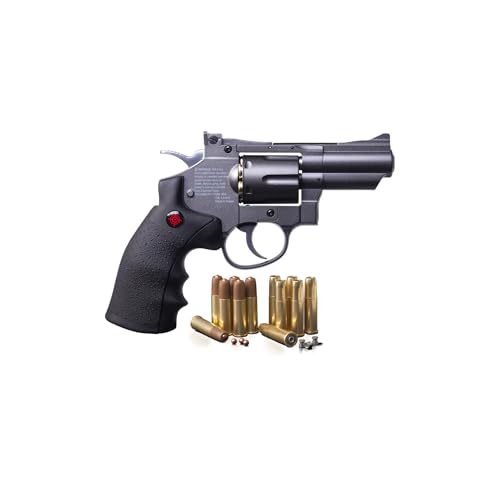
Crosman SNR357 Snub Nose Revolver Review
A compact revolver-style airgun can feel either satisfyingly solid or weirdly toy-like, and there’s not much middle ground. The Crosman SNR357 Snub Nose Revolver leans hard into the solid side with its heavy-weight full-metal body, CO2 power, and cartridge-style loading. Fans of the crosman 160 pellgun usually appreciate gear with a more mechanical feel, and this one scratches that itch in a different, faster-paced way. It’s less vintage rifle patience, more short-session revolver rhythm.
Crosman SNR357 Snub Nose Revolver
The full-metal body gives the SNR357 a weight that immediately separates it from lighter plastic air pistols. That extra heft makes the revolver feel planted in the hand instead of hollow or flimsy. Short-barrel styling also gives it a compact, no-nonsense profile. Still, the weight may feel a bit much during longer one-handed practice sessions.
CO2 power keeps the shooting flow smoother than multi-pump pistols. A 12-gram CO2 cartridge fuels the revolver, with the provided details listing speeds up to 400 fps with BBs and 500 fps with .177 pellets. That difference matters because pellet shooting and BB shooting don’t feel exactly the same. Pellets bring a more deliberate target feel, while BBs keep casual plinking simple and quick.
Reusable cartridges add a nice revolver-like routine. The package includes 6 BB cartridges and 6 pellet cartridges, which makes loading feel more involved than dumping ammo into a magazine. That detail gives the pistol character. Of course, it also means reloads take more attention than a simple stick magazine.
The snub nose design is fun, but it comes with realistic limits. A shorter sight radius makes precision harder than with longer-barreled air pistols. Close-range paper targets, cans, and basic skill drills fit the design better than stretched-distance accuracy games. Nobody should expect rifle-like steadiness from a compact CO2 revolver.
Handling And Real Shooting Feel
The grip and frame balance feel built for steady, controlled shots rather than featherweight speed. The metal construction helps absorb some of the tiny movement that makes cheap air pistols feel jumpy. In the hand, it has enough mass to feel serious without turning every session into a wrist workout. That balance is a big part of its appeal.
The slide safety keeps the controls straightforward. It’s not flashy, and that’s fine. A simple safety system makes more sense on a training-focused airgun than an overcomplicated setup that gets in the way. Safe handling still depends on the person behind the trigger, but the control layout doesn’t make things harder than necessary.
Fixed front sight and adjustable rear sight give the shooter a familiar target picture. The rear adjustment helps correct point of impact once the preferred ammo type is chosen. Switching between BBs and pellets may shift results, so sight expectations need to stay flexible. Small changes can show up quickly on paper.
Trigger pacing rewards calm shooting. Snub-nose styling tempts quick shots, but better groups usually come from slowing down and letting the sights settle. That’s where the revolver becomes more useful as a training piece. It teaches patience without feeling boring.
Pellets, BBs, And Practical Accuracy
Dual-ammo compatibility is one of the SNR357’s biggest strengths. Being able to shoot both .177-caliber pellets and traditional steel BBs gives it more flexibility than single-ammo pistols. Pellets make sense for paper targets and cleaner grouping practice. BBs suit casual plinking where speed and convenience matter more.
Pellet cartridges bring a more focused rhythm. Each shot feels a little more intentional because loading takes extra care. That slower process can help with aim, trigger control, and follow-through. It’s not the fastest setup, but it does keep sloppy habits from running wild.
BB cartridges make the revolver feel more relaxed. Cans, reactive targets, and short backyard sessions fit this mode nicely. Steel BBs can ricochet from hard surfaces, though, so target choice and backstop setup matter. Practical fun still needs common sense.
Short-barrel accuracy has limits that shouldn’t be ignored. The adjustable rear sight helps, but the compact barrel and snub profile are not designed for long-range precision. From a practical angle, a related reference sits in best air gun for long range because distance-focused airguns solve a different problem than a compact CO2 revolver. The SNR357 feels better suited to close-range handling drills and casual target work.
Pros That Stand Out
Build feel is the first clear advantage. The heavy-weight full-metal body gives the revolver a more convincing presence than many entry-level air pistols. That kind of heft can make practice feel more controlled. It also helps the revolver feel less like a disposable backyard toy.
Ammo flexibility makes the pistol easier to keep interesting. Pellets and BBs give two different shooting personalities from the same platform. That’s handy for mixed sessions where paper targets and casual plinking both happen. The included reusable cartridges support that flexibility right out of the box.
CO2 operation keeps the pace moving. No repeated pumping between shots, no spring cocking effort, and no complicated loading cycle once the cartridges are ready. That smoother rhythm can make short practice sessions feel less fussy. It’s especially nice for people who want more shooting and less setup between every shot.
Training value shows up through the sights, safety, grip control, and revolver-style handling. The pistol encourages basic marksmanship habits without demanding a full rifle setup. It’s approachable but not mindless. That balance keeps it useful after the first novelty session wears off.
Cons And Tradeoffs
CO2 dependence is the obvious tradeoff. Cartridges are not included, and the pistol needs fresh CO2 to perform as intended. Cold weather can also affect CO2 behavior, which may change shot consistency. That’s the price of convenience compared with pneumatic pump designs.
The snub nose format looks great but shortens the sight radius. Smaller sight spacing makes tiny aiming errors more noticeable. It’s not a dealbreaker for casual shooting, but precision-focused owners may want a longer-barreled airgun instead. Style and accuracy don’t always pull in the same direction.
Reloading cartridges can feel charming or tedious depending on the session. The revolver-style process adds realism and tactile appeal. Still, it takes more time than a simple magazine system. Anyone chasing nonstop shooting may find the rhythm slower than expected.
Full-metal weight can be both strength and weakness. It adds realism, stability, and durability feel. It also makes long one-handed shooting sessions more tiring than lighter synthetic pistols. Two-handed practice helps, but the heft is always there.
Best Use Cases And Fit
Skill development training is the cleanest match for this revolver. The provided details point directly toward training use, and the feature set backs that up. Adjustable rear sight, safety control, cartridge loading, and manageable power all support practical handling habits. It feels more useful than a pure novelty piece.
Short backyard sessions suit the SNR357 nicely. It doesn’t need a huge setup, and the compact size makes it easy to bring out for quick target work. Paper targets, soft reactive targets, and safe plinking setups make the most sense. Longer-distance shooting pushes past what the snub design does best.
Collectors of Crosman-style airguns may appreciate the different personality compared with older pieces like the crosman 160 pellgun. The 160 feels slower, vintage, and rifle-centered. The SNR357 feels punchier, compact, and more hands-on in a revolver way. Both reward mechanical appreciation, just from opposite corners of the airgun shelf.
Realistic expectations make the SNR357 easier to enjoy. It’s a compact CO2 revolver with dual-ammo flexibility, not a precision match pistol or long-range airgun. Treat it as a solid training and plinking revolver, and its strengths make sense. Push it into roles it wasn’t built for, and the weak spots show up fast.
Crosman Vigilante CO2 Revolver Review
Some air pistols feel busy before they feel useful. Too many little plastic pieces, twitchy magazines, vague sights, and a trigger that makes clean practice harder than it needs to be. The crosman 160 pellgun mindset is usually built around mechanical feedback and steady shooting habits, and the Crosman CCP8B2 Vigilante brings that same practical spirit into a CO2 revolver format. It’s quicker than a single-shot vintage rifle, sure, but it still has enough hands-on character to keep the session from feeling like button-mashing with pellets.
Crosman Vigilante CO2 Revolver
The full metal frame gives the Vigilante a firmer feel than many lightweight entry-level air pistols. Pick it up and it doesn’t have that hollow, rattly personality that ruins confidence before the first shot. The longer barrel profile also helps it feel more settled than a compact snub-style revolver. Still, that added size means it won’t disappear neatly into every small gear bag.
Single or double action is the feature that gives this pistol more room to grow with practice. Single action lets the shooter slow down, cock the hammer, and focus on a cleaner trigger break. Double action feels more challenging because the pull takes more control. That split personality keeps practice from getting stale too quickly.
The CO2 system runs on one 12-gram cartridge, with the provided details listing velocity up to 435 fps. That keeps the shooting rhythm faster than multi-pump pistols because there’s no repeated pumping between shots. The tradeoff is obvious, though. CO2 cartridges aren’t included, and performance can shift with temperature and cartridge condition.
The black revolver styling gives the Vigilante a practical range-table look without pretending to be something it isn’t. It has enough heft and length to feel serious during target work. At the same time, it stays approachable for casual backyard sessions. That balance is where the pistol makes the most sense.
Handling And Trigger Personality
The grip shape feels more controlled than flashy. It’s not a luxury grip, and nobody should expect custom-shop comfort here. Still, it gives enough support for two-handed shooting and slower target drills. With one hand, the longer frame can feel a little front-heavy after a while.
Single-action shooting brings out the pistol’s more careful side. Cocking the hammer before each shot gives the trigger a lighter, more predictable feel. That helps with paper targets because less trigger movement usually means fewer pulled shots. It’s the mode that feels most useful for patient practice.
Double-action shooting feels rougher but more realistic as a training rhythm. The longer pull can expose sloppy grip pressure pretty fast. Shots may spread out until the trigger pull becomes familiar. Annoying at first, yes, but useful if the goal is better control rather than easy groups.
The overall balance favors deliberate aiming instead of fast flick-shooting. The Vigilante isn’t tiny, and that size can be a benefit on target. More barrel length and frame weight help reduce twitchiness. The downside is that long casual sessions may feel less relaxed than shooting a lighter compact pistol.
Pellet And BB Clip Setup
The 10-round rotary pellet clip is one of the most useful pieces in the package. Pellets usually make more sense for paper targets because they can produce cleaner holes and a more readable group. The rotary design keeps the pace moving without forcing a full reload after every shot. That makes the Vigilante feel more session-friendly than single-shot pellet pistols.
The 6-round BB clip gives the pistol a separate plinking personality. BBs are better suited to casual cans, soft reactive targets, and short-distance fun where precision isn’t the whole point. Steel BBs can bounce from hard surfaces, so backstop setup matters. That’s not a small detail, especially in backyard spaces.
Ammo flexibility is a real advantage here. The Vigilante can use Crosman 4.5mm Copperhead BBs and .177-caliber pellets, based on the provided product details. That opens the door to different practice styles without buying a second pistol. Pellets for steadier target work, BBs for looser plinking, different moods, same frame.
Reloading the rotary clips takes a little patience. It’s faster than loading individual cartridges one by one, but it still demands attention. Pellet orientation matters, and rushed loading can create little headaches later. Once the routine clicks, though, the system feels tidy and easy enough to manage.
Sights And Target Practice Value
The fixed blade front sight gives the shooter a simple reference point without extra clutter. Nothing fancy, nothing delicate. That plain setup fits the pistol’s purpose because target practice doesn’t always need complicated sight systems. A clean sight picture beats gimmicks most of the time.
The adjustable rear sight adds a practical layer that cheaper air pistols often skip or execute badly. Small corrections can help bring shots closer to point of aim after choosing a pellet or BB type. Switching ammo may require fresh adjustment, since pellets and BBs rarely behave the same. That’s normal, not a flaw.
Skill development feels like the Vigilante’s natural lane. The product details call out training use, and the feature mix supports that idea pretty well. Single action, double action, adjustable sights, and two ammo types all create different ways to practice. It’s more useful than a simple novelty revolver because it asks for actual input from the shooter.
Short to moderate distances suit this air pistol best. The barrel length and sight setup help more than a tiny snub nose, but it still isn’t a rifle. From a practical angle, a related airgun reference is best diana air rifles because rifle-style platforms solve stability and distance problems differently than CO2 revolvers. The Vigilante belongs closer to casual target lanes than ambitious long-range work.
Pros That Make Sense In Use
The metal frame is the first clear strength because it changes how the pistol feels during handling. A firmer frame helps the revolver feel less disposable and more like a piece of gear worth maintaining. That matters during repeated practice sessions. Lightweight plastic pistols can feel convenient, but they often lack this planted feel.
The dual-action system gives the Vigilante more training variety than basic CO2 pistols. Single action helps with tighter control and steadier groups. Double action adds a challenge that can improve trigger discipline over time. That mix keeps the pistol from feeling one-dimensional.
The rotary clip system makes repeated shooting smoother. Ten pellet shots before reloading gives enough rhythm for meaningful target work. The separate BB clip adds a second use case without turning the pistol into a complicated mess. Simple parts, different shooting moods, not bad at all.
CO2 convenience helps during shorter practice windows. There’s no pump cycle between shots, so the session moves along quickly once the cartridge is installed and clips are loaded. For people who only have a little time after work or during a quiet afternoon, that faster rhythm feels useful. The pistol doesn’t ask for much setup beyond ammo, CO2, and a safe target area.
Cons And Real Tradeoffs
CO2 dependence is the big ongoing cost and convenience issue. The cartridge is not included, so the pistol can’t run straight out of the box unless CO2 is already on hand. Temperature changes may also affect consistency. That’s the usual bargain with CO2 airguns.
Double-action pull may frustrate people expecting effortless accuracy. The longer trigger stroke can move the muzzle if grip pressure isn’t steady. That’s not unusual for revolver-style designs, but it does take practice. Casual shooters may stick with single action more often.
The BB clip capacity is lower than the pellet clip capacity. Six rounds disappear quickly during casual plinking. Reloading isn’t difficult, but the rhythm slows down compared with higher-capacity BB pistols. That limitation is worth knowing before expecting nonstop shooting.
The larger frame won’t suit every hand or storage setup. Its dimensions make it feel more stable, yet also less compact than smaller CO2 pistols. Smaller hands may need extra time to settle into the grip and trigger reach. That’s a fit issue, not just a spec-sheet detail.
How It Fits With Crosman Enthusiasm
The crosman 160 pellgun has that slow, vintage, rifle-based appeal where every shot feels deliberate. The Vigilante takes a different road, using CO2 convenience and rotary clips to speed up the routine. Both still share a practical Crosman flavor. Mechanical involvement matters more than flashy styling.
The Vigilante’s personality feels more like a working practice pistol than a collector shelf piece. It’s built around usable controls, repeat shots, and basic marksmanship habits. The full metal frame gives it enough substance to avoid feeling like a toy. That matters once the first few novelty sessions are over.
Realistic expectations make this revolver easier to appreciate. It’s not designed to replace a precision air rifle or a dedicated match pistol. It’s a CO2-powered .177 revolver with pellet and BB capability, decent handling, and practical training value. Push it too far, and the limitations show up quickly.
The best fit is steady backyard target practice, casual plinking, and skill work where trigger control and sight alignment actually matter. The Vigilante has enough flexibility to stay interesting without becoming fussy. It rewards calm hands more than rushed shots. That’s a fair trade for a revolver that keeps things simple but not boring.
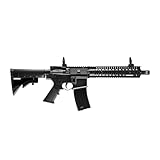
Crosman Full Auto R1 BB Air Rifle Review
Fast backyard shooting can turn messy in a hurry. A rifle that sprays BBs without control gets expensive, loud, and honestly a little pointless after the first burst. The Crosman Full Auto R1 BB Air Rifle brings a very different mood from the slower crosman 160 pellgun, but both still appeal to people who enjoy mechanical feedback, repeatable handling, and hands-on practice. This one trades vintage calm for CO2-driven speed, adjustable furniture, and a modern training feel that’s more about rhythm than quiet patience.
Crosman Full Auto R1
The full or semi-auto design is the headline feature, and yeah, it changes everything about the shooting session. Semi-auto keeps the rifle controlled enough for steady target work, while full-auto brings that fast burst behavior people usually buy this model to experience. The provided details list an intense 1400 rounds per minute, so ammo disappears quickly if trigger discipline takes the day off. Fun, absolutely, but not exactly gentle on BB supply.
Two 12-gram CO2 cartridges power the rifle and help it reach listed velocities up to 430 fps. That setup gives the R1 enough snap for backyard plinking without turning it into a heavy, complicated system. CO2 cartridges are not included, so the first session needs a little planning. Cold weather can also affect consistency, which is just part of living with CO2 airguns.
The 25-round drop-out magazine gives the rifle a realistic handling rhythm. Magazine changes feel more natural than loading loose BBs into a fixed reservoir, and that makes practice more engaging. Still, full-auto fire drains 25 rounds almost comically fast. A short burst can empty more of the magazine than expected if the trigger finger gets carried away.
Traditional 4.5mm steel BB compatibility keeps ammo simple and familiar. Steel BBs are easy to understand, easy to load, and suited to casual reactive targets. The tradeoff is safety around hard surfaces because BBs can ricochet. A proper backstop matters more with this rifle than with low-energy paper-only setups.
Handling And Realistic Feel
The realistic weight and feel give the R1 more presence than a toy-like plastic plinker. It shoulders like something meant for structured practice, not just random can shooting behind the garage. That extra realism helps with stance, target transitions, and basic handling habits. It also means smaller shooters may find it a bit more demanding during longer sessions.
The adjustable stock is one of those practical features that quietly matters. Length of pull affects comfort, sight alignment, and how naturally the rifle mounts from a ready position. A fixed stock can feel awkward fast, especially during repeated drills. This setup gives enough flexibility to make the rifle feel less one-size-fits-nobody.
The quad forearm opens the door for accessories, though restraint helps. Adding too much gear can make the rifle front-heavy and clumsy. A simple sighting accessory or light practice setup makes sense, but hanging every possible add-on from the rail can ruin the balance. Customization is useful only when it serves the shooting routine.
The control layout feels built around familiar handling rather than complicated novelty. That’s a smart move because high-speed BB shooting already has enough going on. The rifle feels more natural after a few magazines, especially in semi-auto mode. Full-auto takes more discipline if accuracy still matters.
Speed, Control, And Backyard Use
Full-auto fire is the loud personality in the room. It’s exciting, no doubt, but it’s also the quickest way to burn through CO2 and BBs. Short, controlled bursts make more sense than holding the trigger until the magazine runs dry. That habit keeps the session fun instead of wasteful.
Semi-auto mode deserves just as much attention. It slows the pace enough to work on aim, trigger timing, and target transitions. The rifle becomes more useful as a training tool in this mode because each shot gets a little more intention behind it. Full-auto entertains, semi-auto teaches.
Backyard fun fits this rifle well as long as the setup is safe and realistic. Soft reactive targets, BB-rated traps, and clear shooting lanes make the most sense. Hard metal surfaces, rocks, and improvised backstops are asking for trouble. BB ricochet isn’t a theory, it’s a very real nuisance.
Noise and gas use are worth thinking about before a long session. The R1 isn’t the quiet, slow-paced experience of an older crosman 160 pellgun. It has more movement, more pace, and more presence. That energy is the appeal, but it needs space and common sense around it.
Pros That Stand Out
The biggest strength is the mix of full-auto fun and semi-auto control. Many airguns lean hard into one personality, then get boring once the novelty fades. The R1 keeps two different shooting moods on tap. That variety helps it stay interesting across short backyard sessions and more focused drills.
The customizable platform makes the rifle feel adaptable without needing complicated tools right away. Adjustable stock fit, rail space, and accessory options give it room to grow. From a practical angle, a related reference appears in best plains rifle all because rifle fit and handling priorities often shape how a shooter thinks about longer platforms. The R1 brings that same fit conversation into a BB air rifle lane.
The drop-out magazine adds realism that simple hopper-fed BB guns often lack. Reloading feels like part of the practice instead of an annoying pause. It also keeps the rifle’s handling routine closer to modern sporting-style platforms. That matters for skill development because repetition builds comfort.
The listed 430 fps velocity gives the rifle enough punch for typical BB plinking ranges. It doesn’t need exaggerated speed claims to be useful. Controlled accuracy, reliable cycling, and smart target choice matter more than chasing numbers. The R1 works best when speed is treated as a feature, not the whole personality.
Cons And Tradeoffs
CO2 dependence is the first real limitation. Two cartridges are needed, and they are not included in the package details provided. Running costs add up faster than with manual pump rifles, especially during full-auto use. Anyone expecting long sessions should plan for extra CO2 and BBs.
Ammo consumption can get silly if full-auto becomes the default mode. A 25-round magazine sounds decent until 1400 rounds per minute enters the picture. Short bursts help, but restraint isn’t always easy once the rifle starts chattering. That’s part of the fun and part of the problem.
Steel BB use requires more caution than pellet target shooting. BBs can bounce from hard surfaces and behave unpredictably around poor backstops. This rifle belongs with proper BB traps and safe shooting lanes. Casual does not mean careless.
The modern tactical styling won’t charm everyone. People drawn to wood-stocked airguns and vintage steel may prefer the slower character of the crosman 160 pellgun. The R1 feels busier, louder, and more accessory-friendly. Different flavor, different expectations.
Training Value And Practical Fit
Skill development works best in semi-auto mode. That setting helps with shoulder placement, sight tracking, trigger press, and follow-through without burning through the magazine too quickly. Full-auto can still support control drills, but only with short bursts. Spraying BBs without a goal teaches very little.
The adjustable stock makes repeated practice more comfortable across different body sizes. Better fit helps reduce awkward head position and inconsistent shouldering. Small changes can make the rifle feel steadier right away. That’s not flashy, but it matters during real use.
Accessory potential should be treated like seasoning, not the whole meal. A clean sight setup can make the R1 more practical, while too much rail clutter makes it clunky. The quad forearm gives options, but the best setup is usually the one that stays light and easy to manage. Practical beats overloaded every time.
The best role for the R1 is controlled backyard plinking, handling practice, and short, energetic shooting sessions. It’s not a precision pellet rifle, and it doesn’t pretend to be a quiet vintage classic. It’s a CO2-powered BB rifle built around speed, feel, and repeatable handling. Used with discipline, it’s a lot more useful than its full-auto headline suggests.


12 Best 22 Pcp Air Rifle For Hunting of 2026 With Quiet Power

7 Best 22 Pcp Air Rifle Under 300 of 2026 For Backyard Pest Control

10 Best 22 Break Barrel Air Rifles of 2026 For Backyard Pest Control

10 Best 30 Caliber Pcp Air Rifle of 2026 For Medium Game

Top Best 177 Air Rifle Under 100: Budget-Friendly Picks for 2026

How to Safely Reload Shotgun Shells at Home

11 Best Co2 Air Rifle For Pest Control of 2026 To Ensure Humane Dispatch

12 Best Inexpensive Air Rifles of 2026 For Dependable Backyard Accuracy






