
Best Crosman 3622 PCP Air Rifle 2026 Field Pick

Crosman 3622 PCP air rifle keeps the PCP idea simple, and honestly, that’s its biggest charm. A lot of pre-charged pneumatic rifles feel like they need a shopping list before the first tin of pellets even gets opened. This one leans the other way, with a .22 caliber setup, a light synthetic stock, and a 2000 PSI fill pressure that doesn’t punish the arm as badly as higher-pressure rifles. Simple, yes, but not flimsy in the way cheap backyard plinkers can feel after a few weekends.
The real appeal sits in that middle ground between casual fun and useful power. Cans, paper targets, spinners, and close-range pest-control chores all make sense with this rifle, assuming local rules allow it and shot placement is handled responsibly. The single-shot bolt action slows the rhythm down, which can be a good thing because every pellet gets treated like it matters. No spray-and-pray nonsense, just load, aim, breathe, and send it.
The lightweight build makes long backyard sessions less tiring, especially from standing positions. Still, the low weight has a tradeoff. It won’t feel as planted as a heavier bench rifle, and the synthetic stock doesn’t pretend to be walnut. Fair enough. The payoff is a rifle that’s easy to carry, easy to shoulder, and not awkward for shorter shooting sessions around the yard or field edge.
The hand-pump-friendly design deserves credit because PCP ownership can get expensive fast. A 2000 PSI reservoir is much less intimidating than rifles asking for 3000 PSI or more, so topping it off feels more reasonable. That said, it’s still a PCP, so a pump, fill discipline, and pressure awareness come with the territory. Anyone expecting the zero-maintenance feel of a springer may need a minute to adjust.
Adjustable sights help keep the rifle useful right out of the box, while the platform still leaves room for optics if tighter groups become the goal. Pellet choice matters, too. Lighter pellets may give snappier speed, but mid-weight lead pellets often bring calmer, more predictable behavior. In plain English, don’t judge the rifle by one random tin from the drawer.

- ARS Mark8.2
ARS Mark is a ranking system developed by bestairriflescopes.com. ARS Mark has no relationship or impact from any manufacturers or sales agent websites. Learn more
- BrandCrosman

- ARS Mark7.4
ARS Mark is a ranking system developed by bestairriflescopes.com. ARS Mark has no relationship or impact from any manufacturers or sales agent websites. Learn more
- BrandCrosman
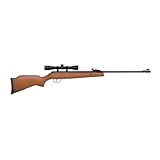
- ARS Mark9.0
ARS Mark is a ranking system developed by bestairriflescopes.com. ARS Mark has no relationship or impact from any manufacturers or sales agent websites. Learn more
- BrandCrosman

- ARS Mark5.8
ARS Mark is a ranking system developed by bestairriflescopes.com. ARS Mark has no relationship or impact from any manufacturers or sales agent websites. Learn more
- BrandCrosman

- ARS Mark8.0
ARS Mark is a ranking system developed by bestairriflescopes.com. ARS Mark has no relationship or impact from any manufacturers or sales agent websites. Learn more
- BrandCrosman

- ARS Mark7.8
ARS Mark is a ranking system developed by bestairriflescopes.com. ARS Mark has no relationship or impact from any manufacturers or sales agent websites. Learn more
- BrandCrosman
Last update on 2026-05-29 / Affiliate links / Images, Product Titles, and Product Highlights from Amazon Product Advertising API
Crosman 3622 PCP Air Rifle Hunting Alternative
Backyard shooting gets frustrating fast once a rifle feels bulky, awkward, or flat-out exhausting to use for more than twenty minutes. Plenty of shooters drift toward the crosman 3622 pcp air rifle category because they want cleaner accuracy and enough power for small game practice without hauling around a firearm-sized setup. The Crosman Classic C362 lands in an interesting spot here. It skips the PCP tank system entirely and leans into a variable pump design that feels more hands-on, more deliberate, and honestly a bit more satisfying for slower-paced shooting sessions.
Crosman Classic C362
Crosman Classic C362 keeps things refreshingly uncomplicated. The rifle uses a single-shot .22-caliber platform, so every pellet gets loaded with intention instead of disappearing through a rapid-fire magazine in seconds. That slower rhythm actually helps tighten habits. Breathing settles down, trigger control improves, and random rushed shots start disappearing after a few afternoons.
The lightweight synthetic frame deserves attention because heavy air rifles wear people down quicker than expected. Carrying this rifle through brush, around barns, or across a backyard range feels manageable instead of clumsy. The water-resistant stock also helps during damp mornings where wooden furniture can feel a little too precious for practical use.
Pumping effort stays fairly reasonable compared to older multi-pump rifles that practically turned shooting into arm day. Crosman clearly tried to reduce fatigue during repeated use, and it shows after extended sessions. Still, this isn’t magic. Ten pumps before every high-power shot can become repetitive if someone expects nonstop action.
The rifle’s compact shape changes the whole handling experience. Tight spaces around sheds, small target lanes, and improvised backyard setups feel easier to navigate with a shorter rifle profile. That compactness also helps younger or smaller-framed shooters maintain steadier control without constantly adjusting their grip.
Power Delivery And Real Shooting Feel
875 fps performance sounds appealing on paper, but velocity alone never tells the whole story. Pellet weight, pumping consistency, and shooting distance all shape the final experience. Mid-weight .22 pellets usually produce the calmest and most predictable groups with this rifle, especially around moderate backyard distances.
The firing cycle feels smoother than spring-piston rifles that kick sharply forward and backward during each shot. Multi-pump systems like this create less sudden recoil movement, so sight picture recovery feels easier for newer shooters. Tiny target corrections become more manageable because the rifle doesn’t try to jump out of position after every trigger pull.
Noise levels stay fairly reasonable, too. It’s not whisper quiet, and nobody should expect movie-style silence, but the report avoids the loud crack some higher-powered gas systems produce. That matters in neighborhoods where every sharp sound instantly gets attention from three houses away.
Shot pacing changes the mood completely. Fast magazine dumps disappear, replaced by a slower process that feels oddly relaxing after a stressful day. Pump, load, settle, shoot. Repeat. Funny enough, that rhythm often improves consistency because impatience stops controlling the session.
Adjustable Sights And Accuracy Potential
Fully adjustable rear sights give this rifle more flexibility than many entry-level setups that arrive frustratingly off target. Small corrections for windage and elevation help dial things in without immediately forcing an optic purchase. Open sights also sharpen shooting fundamentals in ways scopes sometimes hide.
Front sight visibility remains decent during daylight shooting, though lower evening light can make the sight picture harder to define. Black targets at longer distances may require extra concentration because the contrast starts blending together. Bright reactive targets solve that issue pretty quickly.
The trigger feels usable rather than polished. That distinction matters. Crosman didn’t build this as a match rifle, so expecting a glass-rod break would be unrealistic. The pull has some movement before release, but patient shooters usually adapt after a short learning curve.
Group consistency depends heavily on pumping discipline. Uneven pump counts create unpredictable velocity shifts, which means shots start wandering vertically. Keeping the same pump routine before every shot tightens performance noticeably. A little structure goes a long way here.
Field Use And Small Game Practice
.22-caliber pellets provide enough impact for small pest control and hunting practice where legal and ethically appropriate. Tin cans and paper targets are fun, sure, but this rifle clearly leans toward practical outdoor use more than casual basement plinking. Pellet energy feels more authoritative
Crosman C3622S .22-Caliber PCP Air Rifle
Backyard shooting gets frustrating fast once heavy recoil, constant noise, or awkward handling start stealing the fun out of the session. Plenty of air rifles look promising on paper, then end up sitting untouched in a closet because the setup feels clunky or exhausting after twenty minutes. The crosman 3622 pcp air rifle takes a different road with its compact PCP platform, lighter pumping requirements, and surprisingly manageable handling. Small details matter here, especially for shooters trying to sharpen accuracy without wrestling oversized gear every single weekend.
Crosman C3622S Air Rifle
Single-shot bolt action setups usually split opinions right down the middle. Some shooters want rapid follow-up shots, while others appreciate the slower rhythm because it forces cleaner habits and more deliberate trigger control. The C3622S leans into that old-school pace, and honestly, it suits the rifle’s personality. Every pellet gets loaded with purpose instead of being rushed through a magazine.
The .22-caliber PCP system gives the rifle enough authority for target shooting and small game use without turning every shot into an overly aggressive blast. Crosman lists velocities up to 700 fps, which keeps the platform practical for backyard ranges and controlled hunting situations. Pellet selection still matters, though. Lightweight pellets may feel snappier, while heavier lead rounds often tighten groups and settle the rifle down a bit.
Noise levels stay reasonable compared to many louder spring-piston rifles. That softer shooting behavior changes the whole mood of a practice session because there’s less fatigue and less anticipation before squeezing the trigger. A rifle that feels calm tends to encourage longer shooting sessions, and that’s where skill usually improves.
The 2000 psi reservoir deserves more credit than it gets. Higher-pressure PCP rifles can become tedious without expensive compressors, but this one stays approachable for hand-pump users. Filling the reservoir still takes effort, no sugarcoating there, yet it avoids the draining routine that sometimes pushes newer PCP owners away from the hobby.
Compact Design With Practical Handling
Size changes everything once a rifle leaves the bench and starts moving around fences, trees, sheds, or uneven ground. The compact frame on the C3622S feels easier to maneuver than bulky hunting rifles that seem built for wide-open fields only. Carrying it one-handed between shooting spots feels natural instead of awkward. That lighter profile also helps during standing shots where arm fatigue usually sneaks in after a few minutes.
The synthetic stock and foregrip keep the rifle functional in rough weather without demanding baby treatment. Damp mornings, dusty sheds, or light rain won’t instantly turn into panic situations. Wood stocks have charm, no doubt, but synthetic furniture handles abuse with less drama. Scratches become part of the rifle instead of a heartbreaking moment.
Grip texture feels straightforward rather than fancy, and that’s perfectly fine for this style of air rifle. Gloves don’t slip around much, especially during colder mornings or sweaty summer sessions. Some shooters may wish for a slightly heavier stock to steady bench shooting, though. The lightweight body trades a bit of planted stability for easier portability.
The fully adjustable rear sight adds flexibility straight out of the box. Iron sights still matter, particularly for shooters refining fundamentals before mounting optics. Somewhere along the line, plenty of people forget how useful basic sight alignment practice can be.
Accuracy And Real Shooting Behavior
Rifled steel barrels tend to separate casual air rifles from models designed with more serious accuracy potential, and Crosman gave this rifle a solid foundation. Pellet consistency becomes noticeable almost immediately. Cheap pellets may scatter unpredictably, while better-matched ammo tightens things up and makes the rifle feel more refined than its price category suggests.
Trigger feel plays a bigger role than velocity numbers, and this rifle benefits from its calmer PCP firing cycle. Spring-powered rifles often jump or vibrate during the shot, which can throw off newer shooters. The C3622S behaves differently. The shot cycle feels smoother, making follow-through easier to maintain.
Bench shooting reveals the rifle’s strengths pretty quickly. Targets at moderate backyard distances stay satisfying without needing endless adjustments or tuning. Tight groups won’t magically appear overnight, of course, but the platform gives shooters room to improve instead of fighting mechanical quirks every session.
One interesting detail comes from the rifle’s slower pace. Since it’s single-shot, shooters often spend more time observing pellet behavior, wind drift, and sight alignment. That habit builds stronger fundamentals than dumping pellets rapidly downrange just because a magazine allows it.
Daily Use And Skill Development
The C3622S feels intentionally transitional. A basic break-barrel shooter moving into PCP territory won’t feel overwhelmed by complicated controls or massive air requirements. At the same time, the rifle still introduces core PCP habits like reservoir management, consistent fill pressure, and shot pacing. That balance makes the learning curve feel manageable instead of frustrating.
Skill development becomes part of the experience rather than a marketing slogan. Shooting prone, standing, or supported off a backpack all feel slightly different because the rifle’s compact weight responds quickly to movement. Tiny mistakes become easier to notice. Oddly enough, that’s useful.
Several air rifles chase raw power while forgetting basic handling comfort. Crosman avoided that trap here. The rifle shoulders naturally, points quickly, and doesn’t feel oversized inside smaller backyard spaces. Shooters dealing with limited room will probably appreciate that compact footprint more than expected.
Discussions about practical backyard setups often drift toward similar compact rifles, and some overlapping references appear in best air rifle for backyard pest control where handling, noise control, and shot consistency become part of the broader conversation.
Tradeoffs Worth Knowing Before Buying
Air pump exclusion catches some buyers off guard, so planning ahead matters. PCP ownership always involves extra equipment somewhere along the line, whether that’s a hand pump or compressor setup. The good news is the 2000 psi fill pressure stays friendlier than many demanding PCP rifles. The bad news is pumping still takes effort after long shooting sessions.
The lightweight frame helps mobility, but bench shooters may notice slightly more wobble than heavier rifles designed strictly for stationary target work. That’s not necessarily a flaw. It’s simply part of the rifle’s personality. Compact rifles prioritize maneuverability first.
Another tradeoff comes from the single-shot action. Fast pest-control follow-ups require more discipline and patience compared to magazine-fed PCP rifles. Some shooters actually prefer that slower approach because it encourages cleaner shooting habits. Others may miss the convenience of repeating shots quickly.
Stock ergonomics stay practical rather than luxurious. Fancy cheek rests, premium recoil pads, and elaborate adjustments aren’t the focus here. Crosman clearly aimed for durability, portability, and simplicity instead of dressing the rifle up with cosmetic extras that add weight and cost.
Crosman Optimus Air Rifle (.22) with Scope
Heavy recoil, twitchy triggers, and awkward scopes can turn a relaxing afternoon into a battle of patience. Plenty of budget air rifles promise clean accuracy, then scatter pellets all over the target once real shooting starts. The crosman 3622 pcp air rifle conversation often pulls attention toward PCP systems, yet the Optimus follows a completely different route with its spring-piston platform and straightforward break-barrel design. Simplicity becomes part of the appeal here, especially for shooters who don’t want tanks, compressors, or extra filling gear cluttering the garage.
Crosman Optimus Air Rifle
Break-barrel air rifles still hold their ground for one simple reason: they’re self-contained. Crack the barrel, load a pellet, and the rifle’s ready again without worrying about air reservoirs or pumps. The Optimus leans heavily into that practical style. Nothing feels overly complicated, and honestly, that can be refreshing after dealing with gear-heavy PCP setups.
The listed 800 fps velocity with standard pellets gives the rifle enough punch for backyard targets and controlled pest situations where legal. Alloy pellets can push higher speeds, up to 950 fps according to Crosman’s specifications, though lightweight alloy ammo sometimes trades consistency for raw velocity. Mid-weight lead pellets usually settle the rifle down better during longer shooting sessions.
Noise sits somewhere in the middle. It’s not whisper quiet, but it avoids the harsh crack some magnum springers produce. Backyard shooters dealing with tighter spaces may appreciate that balance because it keeps sessions manageable without turning every shot into a neighborhood announcement.
The included scope adds convenience for shooters who want to skip separate optic shopping right away. Budget combo scopes can feel hit-or-miss sometimes, though this setup at least gives a functional starting point before anyone decides whether upgrades are worthwhile.
Handling And Day-To-Day Shooting Feel
The first thing many shooters notice is the 45-inch overall length. This rifle doesn’t pretend to be ultra-compact. Narrow backyard corners and tight storage spots may make it feel slightly long compared to compact PCP carbines. That extra length does help stabilize the rifle during offhand shots, especially once the shooter settles into a steady rhythm.
Weight distribution feels fairly traditional for a break-barrel rifle. The front end carries enough heft to steady the sight picture without turning the rifle into dead weight after fifteen minutes. Long sessions still remind the arms who’s in charge, especially during standing shots, but the balance remains manageable for most shooters.
Spring-piston recoil changes the shooting experience in ways newer airgunners don’t always expect. The rifle jumps forward and backward during the shot cycle, which means grip pressure and follow-through matter more than with PCP rifles. Tiny mistakes show up fast. Oddly enough, that challenge becomes part of the fun because cleaner technique produces noticeably tighter groups.
Cold mornings reveal another advantage of simpler air rifles. No reservoir pressure changes, no fill concerns, no extra hoses lying around. Grab pellets, shoulder the rifle, and start shooting. That stripped-down routine appeals to shooters who value consistency over gadget-heavy setups.
Accuracy Potential And Realistic Expectations
Accuracy with the Optimus depends heavily on pellet choice and shooting technique. Cheap pellets can turn groups sloppy in a hurry, while better-matched lead rounds usually tighten things considerably. Springers have personalities. Some pellets click immediately, while others spray unpredictably no matter how carefully the shooter aims.
Bench shooting reveals both the strengths and weaknesses of the platform. The rifle rewards patience, especially during trigger squeeze and follow-through. Shooters accustomed to PCP rifles may initially pull shots low or wide because the spring recoil changes timing. Once the rhythm settles in, the rifle starts behaving far more predictably.
The included scope helps extend usable range beyond basic iron-sight distances, though spring recoil can sometimes loosen cheaper mounts over time. Checking screws regularly becomes part of ownership. That little maintenance habit saves plenty of frustration later.
Discussions around entry-level shooting setups often drift toward lighter handling platforms, and related conversations occasionally appear inside best air rifles for youth where balance, recoil behavior, and ease of operation shape the overall experience.
Strengths That Stand Out Quickly
No external air source changes the ownership experience more than many people expect. PCP rifles shoot beautifully, sure, but pumps and compressors add cost, maintenance, and storage headaches. The Optimus skips all of that. One rifle, one tin of pellets, and the shooting session begins.
Durability also deserves attention. Break-barrel systems have fewer accessories to manage, fewer seals tied to stored air pressure, and less dependency on external equipment. A rifle that sits untouched for a few weeks can usually come right back out without much preparation.
The longer barrel and traditional stock layout create a steady feel for deliberate target work. Fast snapshots aren’t really this rifle’s personality anyway. Slower shooting styles suit it better, especially for shooters practicing breathing control and trigger discipline.
Pellet costs remain reasonable since the rifle doesn’t require specialty ammo or exotic calibers. Standard .22 pellets are widely available, and experimenting with different shapes and weights becomes part of refining accuracy. Some rifles become surprisingly picky. Others chew through nearly anything with decent consistency.
Tradeoffs Worth Knowing Before Ownership
Cocking effort becomes noticeable during long sessions. Spring-piston rifles ask for physical effort every single shot, and fatigue creeps in faster than many first-time buyers expect. Younger or smaller shooters may feel that strain after extended target practice.
The rifle’s length can feel cumbersome indoors or inside tight backyard shooting lanes. Compact PCP carbines handle faster in cramped spaces, while the Optimus prefers a little breathing room. Storage may also require more planning if closet space already feels crowded.
Trigger feel on budget break-barrels often lands somewhere between acceptable and slightly stiff. That doesn’t automatically ruin accuracy, though. Plenty of experienced shooters adapt quickly once they understand the break point and reset behavior.
Spring recoil also places extra stress on optics. Not every scope handles that two-way recoil impulse gracefully over time. Shooters who plan heavy long-term use may eventually consider sturdier mounts or upgraded optics once the included scope reaches its limits.
Crosman C3622SKT .22-Caliber PCP Air Rifle with Hand Pump
Nothing kills enthusiasm faster than buying a PCP air rifle, then realizing the setup still needs expensive filling gear before the first pellet leaves the barrel. Plenty of shooters hit that wall almost immediately. The crosman 3622 pcp air rifle package avoids part of that headache because the hand pump comes included, which changes the ownership experience right from day one. Fewer surprise purchases, fewer delays, and a much smoother jump into PCP shooting.
Crosman C3622SKT Air Rifle
PCP-powered shooting has a different personality than spring rifles or multi-pump designs. Recoil stays minimal, the shot cycle feels calmer, and follow-through becomes easier to maintain. That softer behavior matters more than many people expect because tighter groups often come from consistency instead of brute force. The C3622SKT leans heavily into that smooth-shooting style.
The included hand pump deserves attention since PCP rifles sometimes intimidate first-time buyers with extra equipment costs. Crosman bundled the essentials together here, which keeps the setup practical for backyard target work or occasional field use. Pumping still requires effort, sure, but the 2000 psi fill pressure feels far more approachable than some larger PCP systems demanding much higher pressure levels.
Velocity reaches up to 700 fps according to the provided specifications, placing the rifle in a useful middle ground for target shooting and small game tasks where legal. Raw speed isn’t the entire story anyway. Shot consistency, pellet choice, and trigger discipline usually matter far more once paper targets or small reactive targets hit the range.
The single-shot bolt action slows things down in a good way. Instead of burning through pellets mindlessly, the rifle encourages deliberate shooting habits. One pellet, one breath, one clean squeeze. That rhythm builds confidence surprisingly fast.
Compact Feel And Everyday Handling
Compact rifles tend to survive longer in regular use simply because they’re easier to carry, easier to store, and less annoying to maneuver around tight spaces. The C3622SKT keeps that practical feeling intact with its lightweight synthetic stock and balanced layout. Lugging it around the yard or between shooting spots never feels like hauling camping equipment.
The all-weather synthetic design also makes sense for real-world conditions. Dusty garages, damp mornings, and rough handling don’t feel nearly as stressful compared to polished wood-stock rifles. Scratches blend into the rifle’s working personality rather than turning into cosmetic disasters.
Shouldering the rifle feels natural almost immediately. Some budget air rifles suffer from awkward balance points or slippery grips, but this setup stays manageable during standing shots and kneeling positions. Long shooting sessions still create some arm fatigue, though the compact size helps reduce that strain compared to heavier hunting rifles.
The fully adjustable rear sight adds flexibility without forcing immediate optic upgrades. Iron sight practice still teaches valuable fundamentals, especially for shooters refining trigger control and pellet placement. Fancy scopes can wait. Solid habits matter first.
Shot Consistency And Barrel Performance
Rifled steel barrels remain one of the more important details in air rifles designed for repeatable accuracy. The C3622SKT benefits from that setup because pellets stabilize more predictably once the right ammunition gets matched to the rifle. Cheap pellets may scatter unpredictably, while better lead pellets usually tighten groups noticeably.
PCP rifles tend to remove some of the harsh firing behavior found in spring-powered guns. No heavy spring slam, no sharp forward recoil impulse, and less fighting against movement during the shot cycle. The calmer behavior helps newer shooters settle into cleaner shooting habits without constantly second-guessing their grip pressure.
Up to 25 shots per fill keeps backyard sessions practical before refill time arrives. Shot count naturally varies depending on shooting pace and fill consistency, but the reservoir capacity feels reasonable for a compact PCP rifle. Casual target sessions rarely feel interrupted too quickly.
Accuracy becomes more enjoyable once the rifle’s preferred pellet type gets sorted out. Hollow points, domed pellets, and lightweight alloys all behave slightly differently. That experimentation becomes part of the hobby itself, honestly. Tiny adjustments often reveal surprisingly large differences downrange.
Learning Curve And Ownership Experience
PCP rifles usually come with a learning curve, but this setup softens that transition better than many stripped-down rifle-only packages. The included pump means the rifle feels usable immediately instead of becoming another unfinished garage project waiting for accessories. That convenience changes the emotional side of ownership more than spec sheets usually admit.
Skill development also feels more natural with a single-shot platform. Fast magazines can encourage sloppy pacing, while the C3622SKT keeps every shot deliberate. Breathing control, sight alignment, and follow-through become part of the rhythm rather than afterthoughts.
Compact PCP rifles often shine in smaller backyard ranges where space limitations matter. Full-length hunting rifles can feel awkward near fences, sheds, or narrow shooting lanes. This Crosman avoids much of that clumsiness. The rifle shoulders quickly and tracks comfortably during short-range practice.
Backyard target setups sometimes spark broader discussions about pellet control and safe stopping surfaces, and related ideas occasionally surface in best outdoor backstop air rifles where range safety and compact shooting spaces become part of the conversation.
Tradeoffs And Practical Limitations
Hand pumping effort still exists, even if the included pump makes ownership easier overall. PCP rifles don’t magically refill themselves, and longer shooting sessions eventually remind shooters that compressed air requires physical work. Anyone expecting effortless all-day shooting may need to reset expectations a bit.
The single-shot action rewards patience but slows follow-up shots. Fast pest-control situations may feel easier with magazine-fed rifles instead. The C3622SKT clearly prioritizes accuracy habits and controlled pacing over rapid-fire convenience.
Another limitation comes from the rifle’s lightweight build. Carrying it feels easy, but bench shooters sometimes prefer heavier rifles that settle more firmly on sandbags or rests. The lighter stock can transmit small body movements more noticeably during precision shooting.
The synthetic stock keeps maintenance simple, though shooters craving premium wood aesthetics might find the design slightly utilitarian. Crosman focused heavily on function here. Fancy finishes and decorative details took a back seat to practical handling, weather resistance, and approachable PCP ownership.
Crosman 1077 RepeatAir Semi-Automatic CO2 Air Gun
Long backyard sessions can lose their spark pretty quickly once constant reloading starts interrupting the rhythm. Some air rifles feel accurate enough, sure, but the pace turns sluggish after every single shot needs manual attention. The crosman 3622 pcp air rifle crowd usually leans toward precision-focused shooting, while the Crosman 1077 swings in a much more relaxed direction with its 12-round semi-automatic system and lightweight CO2 setup. Fast follow-up shots and casual target sessions become the main attraction here.
Crosman 1077 RepeatAir
CO2-powered air rifles bring a totally different personality compared to PCP or spring-piston platforms. The firing cycle feels smoother, lighter, and far less demanding physically. No cocking effort between shots, no pumping routine, and no reservoir filling process hanging over the session. Pop in a CO2 cartridge, load pellets, and the rifle gets right to work.
The semi-automatic action changes the pace dramatically. Instead of breaking position after every shot, the shooter can stay locked onto the target and focus on rhythm, trigger control, and follow-through. That style makes plinking sessions feel lively without turning chaotic. Backyard cans don’t stand much of a chance once the 1077 settles into a groove.
Velocity up to 780 fps gives the rifle enough speed for paper targets, reactive spinners, and light pest-control situations where legal. Raw power clearly isn’t the entire mission here, though. The rifle leans harder into fun, repeatability, and convenience than brute-force energy.
The 12-round rotary magazine might honestly be the rifle’s biggest selling point. Constant single-loading gets old after a while, especially during casual shooting sessions. The 1077 keeps momentum alive without requiring complicated controls or oversized magazines hanging awkwardly underneath the rifle.
Handling And Real Backyard Comfort
Weight matters more than many shooters admit. A rifle that feels too front-heavy or awkward eventually stays in the closet instead of making regular trips outdoors. The 1077 avoids that trap with a lightweight synthetic build that stays comfortable during longer afternoons of plinking.
The synthetic stock also handles rough use surprisingly well. Dusty sheds, humid garages, and changing weather conditions won’t instantly turn into stress-inducing situations. Fancy wood furniture may look prettier on display racks, but practical synthetic stocks usually age better during real-world use.
Shouldering the rifle feels natural almost immediately. The slimmer profile works nicely around backyard obstacles, tighter shooting lanes, or smaller target setups. Some full-length air rifles feel like carrying farm equipment around the fence line. The 1077 feels much easier to live with.
Crossbolt safety controls remain simple and familiar, especially for shooters accustomed to traditional rifle layouts. Nothing feels overly complicated or buried behind unnecessary mechanisms. That straightforward design keeps the focus on shooting rather than fiddling with controls.
Accuracy And Shooting Personality
Rifled steel barrels still make a noticeable difference, even on rifles built mainly for fun shooting sessions. The 1077 handles decent pellets surprisingly well once the right ammo gets matched to the rifle. Lightweight pellets may push velocity slightly higher, while heavier lead pellets often settle accuracy downrange.
CO2 rifles have quirks, though, and temperature sensitivity becomes part of ownership. Cold weather can reduce pressure and slightly soften shot consistency. Warm afternoons usually bring more stable behavior. That’s simply the nature of CO2 systems, not necessarily a flaw specific to this rifle.
The trigger feels lighter and quicker than many break-barrel rifles, partly because there’s no heavy spring recoil slamming through the stock during firing. Shots leave the barrel with a calmer feel, making rapid target transitions easier. Tight groups still depend heavily on pellet choice and steady technique.
Fast-paced backyard shooting conversations sometimes drift toward more advanced pre-charged platforms, and related discussions occasionally appear in best hatsan pcp air rifles where power, air management, and shooting styles move into a different category entirely.
Why The 1077 Still Has A Loyal Following
Semi-automatic pellet rifles create a very different experience compared to deliberate single-shot systems. The 1077 feels more social, more playful, and honestly easier to hand around during casual range sessions. Shooting steel spinners or bouncing cans becomes far more entertaining once follow-up shots happen naturally.
The rifle also avoids the intimidating side of PCP ownership. No compressors, no fill stations, and no pressure gauges staring back from the bench. CO2 cartridges stay relatively easy to manage for casual users who simply want quick shooting sessions without building an entire airgun workstation.
Another strength comes from the lighter recoil behavior. Spring-piston rifles can punish sloppy form with harsh movement during the shot cycle. The 1077 feels calmer and more forgiving, which helps shooters stay relaxed during longer target sessions.
The magazine system encourages smoother shooting flow as well. Loading twelve pellets at once keeps interruptions minimal, especially during reactive target practice. Single-shot rifles build patience. The 1077 builds momentum.
Tradeoffs That Matter Before Buying
CO2 dependency changes the long-term ownership cost slightly. The rifle itself stays simple, but cartridges eventually become another recurring supply alongside pellets. Shooters planning extremely heavy use may eventually notice that added expense compared to pump or spring-powered platforms.
Cold weather performance also deserves realistic expectations. CO2 pressure naturally drops in lower temperatures, which can soften velocity and consistency. Backyard shooting during chilly mornings may feel noticeably different compared to warm summer afternoons.
The semi-automatic design prioritizes convenience over raw precision. Dedicated benchrest shooters chasing tiny one-hole groups will probably lean toward heavier PCP rifles or more deliberate single-shot systems. The 1077 focuses more on enjoyable handling and practical backyard fun.
Plastic-heavy construction occasionally receives criticism from shooters wanting more premium materials. Still, that lighter synthetic design helps keep the rifle easy to carry and resistant to rough conditions. Crosman clearly aimed for approachable usability instead of decorative luxury.


12 Best 22 Pcp Air Rifle For Hunting of 2026 With Quiet Power

7 Best 22 Pcp Air Rifle Under 300 of 2026 For Backyard Pest Control

10 Best 22 Break Barrel Air Rifles of 2026 For Backyard Pest Control

10 Best 30 Caliber Pcp Air Rifle of 2026 For Medium Game

Top Best 177 Air Rifle Under 100: Budget-Friendly Picks for 2026

How to Safely Reload Shotgun Shells at Home

11 Best Co2 Air Rifle For Pest Control of 2026 To Ensure Humane Dispatch

12 Best Inexpensive Air Rifles of 2026 For Dependable Backyard Accuracy






