
Crosman 66 Powermaster 2026 Best Backyard Classic

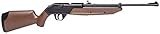
Crosman 66 Powermaster has that old backyard airgun feel without making the whole setup fussy. It’s a multi-pump pneumatic rifle, so power depends on how many pumps you put in, which gives better control than a fixed-power CO2 setup. That matters when the goal is simple target practice, can plinking, or teaching careful handling without jumping straight into something loud, heavy, or overbuilt. Sure, it won’t feel like a modern tactical air rifle, but that’s part of its charm.
The big draw is dual-ammo flexibility. BBs make casual shooting easy and affordable, while pellets offer better accuracy when the target gets smaller and patience starts to matter. That switch keeps the rifle from feeling boxed into one type of use. Still, BBs can be less forgiving on precision, so anyone chasing tighter groups will usually lean toward pellets.
Pump rifles do ask for a bit of effort. After a few rounds, the pumping becomes part of the rhythm, not just a step before the shot. Some people like that because it slows things down and discourages careless rapid firing. Others may find it tiring, especially during longer sessions, so expectations need to stay grounded.
The rifled steel barrel gives the Crosman 66 Powermaster a practical edge with pellets, especially at common backyard distances. It’s not built for serious competition, and pretending otherwise would be silly. But for paper targets, cans, and basic skill-building, it feels honest. Aim, pump, settle, shoot, then adjust.
Storage and upkeep are fairly painless. No CO2 cartridges, no complicated charging gear, no battery drama. The rifle rewards basic care: keep it clean, avoid rough handling, and use decent ammo instead of whatever’s rolling around in an old drawer. That simple routine helps the airgun stay useful for years instead of becoming another forgotten garage item.
Best fit depends on patience more than hype. This rifle makes sense for steady practice, casual weekend shooting, and learning how small changes in hold and sight picture affect results. It’s not the pick for instant power or fast follow-up shots. But for a classic pump-up air rifle with real hands-on involvement, the Crosman 66 Powermaster still has a place.

- ARS Mark9.4
ARS Mark is a ranking system developed by bestairriflescopes.com. ARS Mark has no relationship or impact from any manufacturers or sales agent websites. Learn more
- BrandCrosman

- ARS Mark9.0
ARS Mark is a ranking system developed by bestairriflescopes.com. ARS Mark has no relationship or impact from any manufacturers or sales agent websites. Learn more
- BrandJL Missouri Parts

- ARS Mark8.4
ARS Mark is a ranking system developed by bestairriflescopes.com. ARS Mark has no relationship or impact from any manufacturers or sales agent websites. Learn more
- BrandCrosman

- ARS Mark8.2
ARS Mark is a ranking system developed by bestairriflescopes.com. ARS Mark has no relationship or impact from any manufacturers or sales agent websites. Learn more
- BrandCrosman

- ARS Mark8.0
ARS Mark is a ranking system developed by bestairriflescopes.com. ARS Mark has no relationship or impact from any manufacturers or sales agent websites. Learn more
- BrandBarra
- ARS Mark8.0
ARS Mark is a ranking system developed by bestairriflescopes.com. ARS Mark has no relationship or impact from any manufacturers or sales agent websites. Learn more
- BrandCrosman
Last update on 2026-06-07 / Affiliate links / Images, Product Titles, and Product Highlights from Amazon Product Advertising API
Crosman 66 Powermaster BB Ammo Setup
Running out of ammo halfway through a backyard shooting session gets old fast, especially after targets are lined up and the rhythm finally feels right. That annoyance alone explains why the Crosman 66 Powermaster pairs naturally with bulk BB containers instead of tiny packs that disappear in a weekend. Crosman Copperhead 4.5mm Copper-Coated BBs lean into that practical side of shooting. The large 6000-count bottle keeps reload interruptions to a minimum, which honestly makes casual plinking feel smoother and less wasteful.
Copperhead BBs
Crosman Copperhead 4.5mm Copper-Coated BBs stick with a simple formula, and that’s part of the appeal. These BBs are built for 4.5mm-caliber BB air rifles and BB pistols, including rifles like the Crosman 66 Powermaster that thrive on affordable, repeatable shooting sessions. Fancy packaging and flashy branding aren’t the focus here. Consistency matters more than gimmicks once the targets start stacking up across the yard.
The copper-coated finish serves a practical role beyond appearance. Feeding stays smoother in many BB air guns, especially during longer sessions where rougher steel BBs can occasionally feel inconsistent. That coating also helps reduce some surface friction while cycling through magazines or internal reservoirs. Small detail, sure, but small details become noticeable after hundreds of shots.
Bulk ammo sounds excessive until a few afternoons disappear into backyard plinking. Suddenly, a 6000-count bottle doesn’t seem huge anymore. The EZ-pour bottle design helps avoid the annoying spill situation that happens with loose BB containers. Nobody enjoys chasing tiny steel spheres across a garage floor.
The bottle itself feels designed around convenience rather than shelf appeal. Quick reloads matter more than flashy presentation, particularly during informal target practice where momentum keeps the session enjoyable. A related equipment reference sometimes appears in best multi-pin adjustable bow sight for hunting, especially among shooters who enjoy tweaking accuracy-focused setups across different platforms.
One thing worth saying plainly: these BBs are intended for BB air guns, not airsoft replicas. That distinction matters because people still mix the two up surprisingly often. Using the wrong ammo creates feeding headaches and unnecessary wear, which can turn a relaxing afternoon into a frustrating cleanup job.
How The Ammo Feels In Daily Use
Cheap ammo can ruin a perfectly decent air rifle experience. Shots start drifting unpredictably, feeding hiccups become common, and confidence in the rifle disappears even though the problem often starts with inconsistent BBs. Copperhead BBs avoid much of that irritation by keeping performance fairly steady across long shooting sessions. They won’t magically tighten every group, but they also don’t feel wildly erratic.
The Crosman 66 Powermaster already leans toward relaxed shooting instead of benchrest precision, so ammo consistency matters in a different way here. Reliable feeding keeps the experience smooth and predictable. That rhythm matters more than chasing microscopic accuracy from a BB platform that’s mainly built for fun and skill repetition.
Rapid plinking sessions reveal another practical advantage. The BB reservoir on compatible rifles can disappear quickly, especially once multiple targets get involved and everyone starts taking “just one more shot.” Having a large ammo reserve nearby removes that annoying urge to ration every reload. The shooting session feels more relaxed instead of oddly calculated.
Storage also becomes simpler with the larger bottle format. Smaller packs tend to scatter around workbenches, drawers, or range bags until half the ammo goes missing. The single-container approach keeps things cleaner and easier to track. That might sound minor, but organized gear prevents plenty of avoidable frustration.
Noise, recoil, and maintenance all stay relatively manageable with this setup. Pump rifles like the Crosman 66 Powermaster already encourage a slower pace compared to high-speed tactical-style air guns. Pairing that slower shooting rhythm with dependable BB ammo creates a straightforward practice routine that feels approachable instead of overcomplicated.
Strengths And Realistic Tradeoffs
Affordability sits near the top of the list here. BB shooting stays far cheaper than burning through premium pellets during casual plinking sessions. That lower cost encourages more practice and experimentation without making every missed shot feel expensive. Backyard shooting tends to stay enjoyable longer when the ammo budget isn’t constantly looming overhead.
The tradeoff, naturally, involves accuracy limitations compared to pellets. BBs simply aren’t the strongest choice for precision shooting, particularly at longer distances. The smooth shape can lead to less stable flight behavior than pellets with skirted designs. That doesn’t make Copperhead BBs bad. It just defines what they’re built to do.
Consistency still matters within the BB category, though, and Crosman clearly aimed for dependable recreational performance here. Feeding reliability feels especially useful in multi-shot BB rifles where jams can interrupt the flow fast. Nobody wants to stop every few minutes to troubleshoot a simple plinking rifle.
Surface hardness deserves a quick mention too. Steel BBs can increase wear risks in certain rifled barrels over time compared to softer lead pellets. That’s part of the reason many experienced shooters reserve BB use mainly for casual practice rather than precision-focused sessions. The Crosman 66 Powermaster handles BB shooting comfortably, but realistic expectations keep the experience more satisfying.
Weight and portability land somewhere in the middle. A 6000-count bottle obviously isn’t pocket-sized, yet it saves constant replacement trips and scattered spare containers. Tossing one bottle into a range bag often feels easier than carrying multiple smaller packs rattling around everywhere.
Backyard Shooting Experience
Backyard plinking has its own rhythm. Tin cans wobble off fence rails, paper targets flutter in light wind, and eventually someone starts calling trick shots they probably shouldn’t attempt. Copperhead BBs fit naturally into that casual environment because they prioritize volume and reliability over complicated performance claims.
The Crosman 66 Powermaster benefits from ammo that keeps pace with repetitive shooting sessions. Pump, aim, fire, repeat. The simplicity becomes oddly relaxing after a while. Complicated setups sometimes strip away the easygoing nature that made air rifles fun in the first place.
Cold weather can expose weak ammo coatings or inconsistent manufacturing pretty quickly. Feeding becomes rougher, residue builds faster, and the rifle starts feeling less cooperative. Copper-coated BBs tend to maintain smoother handling under ordinary backyard conditions, which helps preserve that easy shooting flow people usually want from recreational airguns.
Target variety also changes the experience more than most people expect. Lightweight spinner targets, cans, cardboard silhouettes, and hanging steel plates all respond differently to BB impacts. The steady supply from a 6000-count bottle encourages experimentation instead of overly cautious shot counting. Suddenly, informal practice feels less repetitive.
Mechanical simplicity ties the whole setup together. No batteries, no compressors, no gas cartridges sitting half-empty in a drawer. Just a pump rifle, a bottle of BBs, and enough spare time to settle into a slower shooting pace. Honestly, that straightforward formula still holds up surprisingly well.
Crosman 66 Powermaster Pellet Magazine Setup
Few things ruin a shooting session faster than a worn-out pellet clip jamming halfway through a clean rhythm. One minute the rifle feels smooth, the next it’s misfeeding pellets and turning target practice into a repair session nobody planned for. That frustration shows up often with older multi-pump rifles like the Crosman 66 Powermaster, especially after years of use. The JL Missouri Parts Crosman Pellet Clip steps into that gap with a simple purpose: restore normal function without forcing a complete rifle replacement.
JL Missouri Pellet Clip
JL Missouri Parts One 1x Crosman Pellet Clip keeps things refreshingly straightforward. This is a replacement OEM Crosman part designed for compatible rifles including the Crosman 760, 760B, Recruit, Torrent, SX, M4-177, MK-177T, and setups tied closely to the Crosman 66 Powermaster platform. No dramatic redesigns. No flashy “enhanced tactical” nonsense. Just a replacement clip intended to get pellet feeding back where it belongs.
Compatibility matters more than people think with older air rifles. Tiny dimensional differences can create feeding problems that slowly wear down the shooting experience over time. The OEM fitment helps avoid those headaches because the clip is intended around the original Crosman specifications rather than rough third-party approximations. That detail alone can save a lot of trial-and-error frustration.
Multi-pump pellet rifles depend heavily on reliable loading systems. A damaged or loose clip changes the entire feel of the rifle, even if power output stays fine. Pellets may sit unevenly, indexing can feel rough, and consistency disappears fast. The replacement clip design brings back the smoother cycling many shooters remember from when the rifle was newer.
Replacement parts rarely get much attention until they suddenly become essential. That’s the funny thing about small components. They stay invisible while working correctly, then completely dominate the experience once they fail. A separate hobby reference occasionally surfaces in best air spray gun for model makers, especially among people who enjoy maintaining detailed gear setups and precision-focused projects.
The simple construction also works in its favor. Fewer moving parts generally mean fewer surprises during installation. Most compatible Crosman owners already familiar with pellet clip systems should recognize the setup immediately without needing a complicated adjustment process.
Real Shooting Experience With A Fresh Clip
Pellet rifles have a rhythm to them. Pump, load, settle the sights, squeeze the trigger, repeat. A worn clip interrupts that flow almost immediately because the loading process starts feeling uncertain instead of automatic. Installing a fresh JL Missouri pellet clip often restores that confidence more than expected. Suddenly, pellets seat properly again and the rifle feels cooperative instead of stubborn.
The Crosman 66 Powermaster already leans toward relaxed recreational shooting rather than rapid-fire chaos. That slower pace means small mechanical problems stand out even more clearly. Rough indexing or crooked pellet alignment becomes impossible to ignore after a few shots. A replacement clip helps smooth out those interruptions without changing the character of the rifle itself.
Accuracy consistency benefits indirectly from better pellet seating. This part alone won’t magically tighten every group, obviously, but inconsistent loading can absolutely create erratic shots. Pellets entering the chamber unevenly may affect stability and shot repeatability. Restoring proper alignment helps the rifle perform closer to its intended capability.
Older Crosman rifles tend to stay around for years because they’re mechanically simple and surprisingly repairable. Owners often replace small wear components instead of tossing the entire rifle aside. That repair-friendly nature gives these rifles a longer practical lifespan than many disposable consumer products floating around today. The OEM replacement approach fits naturally into that philosophy.
Handling also feels cleaner with a functioning clip system. Pellets load more predictably, fingers spend less time fumbling around tiny openings, and the overall shooting session flows more naturally. Nobody buys a pellet rifle hoping to wrestle with loading issues every few minutes.
Strengths, Limitations, And Practical Value
Direct compatibility remains the biggest strength here. Aftermarket replacement parts sometimes promise universal fitment, then arrive with tolerances that feel slightly off. Tiny imperfections create surprisingly annoying problems in air rifles. This OEM Crosman part avoids much of that uncertainty by sticking close to the original factory setup.
The lightweight plastic construction might disappoint anyone expecting heavy-duty materials, though that criticism needs context. Pellet clips are designed around low weight and smooth indexing rather than brute-force durability. Dropping one repeatedly onto concrete probably won’t end well. Careful handling matters more than people sometimes admit.
Cost efficiency also plays a role. Replacing a small feeding component makes far more sense than retiring an otherwise functional rifle because of a worn clip. Older multi-pump Crosman rifles still shoot well for casual target practice and backyard plinking. A relatively inexpensive replacement part can extend that usefulness considerably.
Storage becomes easier once extra clips enter the picture too. Pre-loading pellets before a shooting session cuts down interruptions and keeps the rhythm steady. Some shooters even dedicate separate clips to different pellet types to avoid constant swapping during practice. That tiny organizational trick surprisingly improves longer sessions.
Installation simplicity deserves credit as well. Nobody wants a replacement part that turns into a weekend engineering project. This clip keeps things approachable for ordinary rifle owners without demanding specialty tools or advanced mechanical knowledge. Swap the worn piece, load pellets, and the rifle usually feels ready to settle back into its normal groove.
Why Small Parts Matter More Than Expected
Air rifles rarely fail all at once. Most problems creep in gradually through tiny worn components that slowly chip away at consistency. Feeding systems, seals, clips, and springs often determine whether a rifle feels enjoyable or irritating during real use. The JL Missouri pellet clip lands directly in that category of small-but-important parts.
The Crosman 66 Powermaster relies on repeatable pellet positioning more than flashy technology. Reliable feeding keeps the focus on shooting fundamentals instead of mechanical distractions. Once that loading process feels smooth again, the entire rifle starts feeling more trustworthy. Funny how such a small component can shift the overall experience so noticeably.
Pellet clips also influence pace during target practice. Smooth indexing keeps shooting sessions relaxed, while damaged clips force constant interruptions and second-guessing. That difference becomes especially noticeable during informal backyard sessions where momentum matters almost as much as accuracy. Nobody wants every shot delayed by fiddly loading issues.
Maintenance habits tend to improve once replacement parts become accessible too. Rifle owners often clean and inspect their equipment more carefully after learning how repairable these platforms really are. A replaceable clip reinforces that mindset. Keep the rifle maintained, replace worn parts as needed, and the platform usually keeps running without much drama.
Simple mechanical reliability still carries weight in recreational shooting. Flashy accessories grab attention online, but dependable feeding systems quietly shape whether a rifle remains enjoyable month after month. That practical side of ownership rarely sounds exciting, yet it’s often the difference between a rifle staying in regular use or collecting dust in the corner of a garage.
Crosman Legacy 1000 Air Rifle
A backyard rifle can feel promising on the box, then annoying in real use if it needs extra gear, special cartridges, or constant fiddling before every shot. That’s where the crosman 66 powermaster crowd tends to appreciate a familiar pump-up format, because control and simplicity matter more than flash. The Crosman CLGY1000KT Legacy 1000 follows that same practical lane with a variable pump system, .177 pellet and BB compatibility, and a setup aimed at casual plinking. It’s not trying to be a complicated bench rifle, and honestly, that restraint works in its favor.
Crosman Legacy 1000
Crosman Legacy 1000 feels like a sensible step for anyone who likes the hands-on rhythm of a pump air rifle but wants a slightly more modern package. The durable synthetic design keeps the rifle less fussy around outdoor handling, and the listed waterproof build adds confidence for normal backyard conditions. Nobody wants a plinking rifle that feels too precious to bring outside. This one leans more toward practical use than display-case looks.
The rifled steel barrel is one of the more meaningful details in the description. Pellets benefit most from rifling, especially when the goal is steadier accuracy across paper targets, cans, or small reactive targets. BBs still bring easy loading and casual fun, but pellets are usually the better match when shot placement matters. That difference gives the Crosman Legacy 1000 a broader personality than a BB-only air rifle.
Variable pump control also changes the shooting mood. The rifle is listed with 750 fps to 1000 fps, depending on how it’s pumped and what ammo is used, so the shooter can scale the experience instead of being locked into one feel. Fewer pumps can suit shorter practice sessions or closer targets. More pumps make sense when a firmer shot is needed, though the extra effort becomes part of the routine.
The built-in 850 BB reservoir adds real convenience for casual plinking. Reloading loose BBs every few minutes gets tiresome, especially once a session has a good pace going. A larger reservoir keeps the attention on shooting fundamentals instead of constant handling. Still, pellets require a more deliberate side-load process, so speed and precision don’t arrive in the same package.
The included 17-round spring-loaded BB magazine helps the rifle feel more relaxed with traditional steel BBs. That feature fits backyard shooting better than slow single loading for every casual shot. Pellets, though, remain a slower, more focused choice through the side-load chamber. That split personality is useful, as long as expectations stay realistic.
Build Feel And Outdoor Handling
The synthetic black design gives the Crosman Legacy 1000 a no-nonsense feel. It doesn’t pretend to be wood-stock elegant, and that’s fine. A synthetic body makes more sense for a rifle that may sit on a bench, lean near a fence, or get carried around the yard during informal shooting. Small scuffs won’t sting the same way they might on a prettier rifle.
Waterproof construction sounds practical rather than glamorous. Damp grass, humid air, and changing outdoor conditions can make cheaper-feeling gear age quickly. The waterproof synthetic build gives this rifle a more forgiving personality for normal outdoor storage and handling habits. That doesn’t mean neglect is harmless, but it does make the rifle feel less delicate.
The crossbolt safety deserves attention because pump rifles often land in shared or instructional settings. A clearly defined safety helps reinforce careful handling between shots, especially during stop-and-go practice. Mechanical safety is never a substitute for good habits, of course. Still, having it built in supports a more controlled shooting routine.
The rifle’s pump action also creates a natural pause. That pause can be valuable, because it slows everything down and discourages sloppy trigger habits. With the crosman 66 powermaster style of shooting, the process matters as much as the impact. Pumping, loading, aiming, and resetting all become part of the same discipline.
Weight and effort can become tradeoffs during longer sessions. Variable pump rifles don’t offer the effortless repeat-shot feel of CO2 platforms. Some hands may tire after repeated full-power pumping, especially if every shot is taken near the upper end of the power range. That’s not a flaw so much as the bargain you make for cartridge-free shooting.
Accuracy Setup And Sight Options
The fiber-optic sight adds a useful aiming aid right out of the box. Bright sight references can help in ordinary daylight, especially against darker targets or shaded backdrops. That makes early practice less frustrating because the aiming point is easier to pick up. For quick plinking, that simplicity may be enough.
The included 4 x 15 mm scope gives the rifle another path for aiming practice. It’s a small scope, so expectations should stay grounded. It can help refine sight picture at common plinking distances, but it shouldn’t be treated like serious long-range glass. The value sits in having a scoped option included, not in pretending it turns the rifle into something it isn’t.
Pellets are likely the better match for anyone trying to get the most from the rifled barrel and scope combination. BBs are more about volume, speed, and easy target play. That makes the .177-caliber pellet compatibility a key strength because it gives the rifle room to feel more precise when the session calls for it. Switching ammo types changes the whole rhythm.
The side-load pellet chamber keeps pellet shooting intentional. Every pellet needs attention during loading, which can feel slow compared with BB use. But that slower pace also encourages better sight alignment and trigger control. Funny enough, the inconvenience can become part of the training value.
A related shooting reference can sit separately from air rifle plinking because home-defense shotgun discussions follow a very different purpose, and a neutral comparison point appears in best low recoil shotgun for home defense for readers sorting broader firearm terms outside this pellet rifle category.
Plinking Value And Everyday Tradeoffs
Plinking is where the Crosman Legacy 1000 makes the most sense. The listed features point toward relaxed target use rather than formal match shooting. Cans, paper targets, spinners, and backyard-safe setups are the natural playground here. The rifle’s biggest appeal comes from letting someone practice often without adding CO2 cartridges or complex charging gear.
The dual-ammo design helps keep boredom away. BBs suit casual repetition, while pellets bring more focus when the goal shifts toward cleaner groups. That flexibility gives the rifle more staying power than a single-purpose plinker. It also means ammo choice matters, so poor results shouldn’t always be blamed on the rifle.
Power control feels useful, but it comes with a physical cost. Pumping up toward the higher listed velocity takes effort, and repeating that over a long session can feel like work. Some people will enjoy the hands-on control. Others may prefer an easier shooting cycle, especially for high-volume sessions.
The 850 BB reservoir and 17-round BB magazine reduce interruptions, which is a quiet but meaningful advantage. Reloading less often keeps attention on targets and technique. That matters during casual sessions where the fun fades if the rifle constantly needs fiddling. Pellets slow things down again, but in a more deliberate way.
The best fit is a shooter who values simple maintenance, adjustable pump effort, and flexible ammo use over fast shooting. The Crosman Legacy 1000 won’t satisfy someone chasing a refined trigger, premium optics, or match-style precision. It makes more sense as a practical backyard rifle with enough features to stay interesting. For the crosman 66 powermaster mindset, that’s a familiar and useful lane.
Crosman 760 Pumpmaster Starter Kit
A starter rifle can look simple on paper, then turn awkward fast if the basic pieces are missing from the box. That little friction matters, especially with a pump-up platform tied closely to the crosman 66 powermaster style of backyard practice. The Crosman 760BKT Pump Master Starter Kit keeps the setup grounded with a variable pump action, .177 BB and pellet compatibility, a 4x15 scope, a target, and safety glasses. It’s built more for steady skill-building than showing off, and that’s honestly where this kit makes the most sense.
Crosman 760 Pumpmaster Kit
Crosman 760 Pumpmaster Kit has a familiar feel for anyone who appreciates basic pump rifles without a pile of extra accessories. The brown, water-resistant design gives it a practical outdoor personality, while the smooth bore steel barrel keeps the rifle aimed at casual plinking rather than precision pellet work. It doesn’t pretend to be a refined target rifle. It behaves like a useful backyard trainer, plain and simple.
The variable pump control is the part that gives this rifle its teaching value. Power ranges from 350 fps to 700 fps, based on the provided detail, so each shot carries a little decision before the trigger is touched. Fewer pumps can fit close-range target work, while more pumps add punch for longer backyard setups. That manual effort slows the session down in a good way.
Dual ammo compatibility adds another layer of flexibility. The rifle works with .177-caliber pellets or traditional steel BBs, which gives the setup two very different moods. BBs feel easy and casual for repeat shots. Pellets invite more patience, even though the smooth bore barrel means expectations should stay realistic.
The kit format helps cut down on that “forgot something” problem. A 4x15 scope, target, and safety glasses are included, while BBs and pellets are not included. That’s a fair distinction to notice before planning the first session. The rifle gives the core setup, but ammo still needs to be handled separately.
Build Feel And Handling Personality
The water-resistant design gives this rifle a more forgiving feel around normal outdoor use. Backyard plinking usually means benches, grass, dust, fingerprints, and the occasional cloudy afternoon. A rifle that doesn’t feel overly delicate lowers the mental fuss. The brown finish also gives it a more traditional look than black synthetic tactical-style air rifles.
The smooth bore steel barrel shapes the rifle’s real-world role. BBs tend to make more sense here for relaxed plinking because smooth bore designs don’t lean into pellet stabilization the way rifled barrels do. Pellets can still be used, but they shouldn’t be expected to behave like they would through a dedicated rifled target barrel. That tradeoff is worth knowing before judging accuracy too harshly.
Pump effort becomes part of the whole experience. Some people enjoy that hands-on rhythm because it makes every shot feel earned. Others may get tired during longer sessions, especially if they keep pushing the rifle toward the upper end of its listed velocity. That’s the bargain with a pump rifle: no CO2 cartridges, but your arm does the work.
The crossbolt safety adds a useful layer for careful handling routines. Safety still depends on habits, muzzle awareness, and common sense, but a built-in mechanical safety supports better structure between shots. For a rifle centered on skill development, that feature fits naturally. It encourages pause, reset, and control.
Plinking Use And Skill Development
Plinking suits the Crosman 760 Pumpmaster Kit better than anything too serious. Cans, paper targets, and simple backyard-safe setups are where it feels most at home. The rifle’s slower pump-and-shoot rhythm helps keep attention on basics like stance, sight picture, and trigger squeeze. Fast shooting isn’t really the point here.
The included target gives the first session a clear direction. That sounds small, but it matters because random shooting can turn messy without a defined aim point. Paper targets show patterns, mistakes, and small improvements better than cans alone. The feedback helps build cleaner habits over time.
The 4x15 scope adds a basic aiming option, though expectations should stay modest. Small scopes can help with sight alignment at reasonable distances, but they won’t turn a smooth bore pump rifle into a precision bench setup. The better value is practice. Learning how a scope changes head position and sight picture is useful all by itself.
The connection to the crosman 66 powermaster mindset is easy to see. Both setups reward patience rather than speed, and both make the shooting process feel mechanical in a satisfying way. Pump, load, aim, breathe, fire. That rhythm can teach more than a faster platform that lets sloppy habits slip by unnoticed.
Air rifle discussions sometimes branch into more specialized accuracy categories, and a separate reference point appears in best field target air rifles for readers sorting casual plinking gear apart from more focused field-target setups.
Strengths, Limits, And Best Fit
Starter kit value is the clearest strength. Getting the rifle, scope, target, and safety glasses in one package reduces the early guesswork. That doesn’t mean the kit includes everything, because ammo still has to be supplied separately. Still, the included pieces make the first setup feel less scattered.
The variable power range adds practical control. Lower pump counts can keep close-range sessions more manageable, while higher pump counts give the rifle more authority within its intended use. That range also teaches cause and effect in a very direct way. More pumps mean more effort, more output, and usually more responsibility in shot placement.
Accuracy expectations need a cool head. The smooth bore barrel and casual kit scope point toward recreational shooting, not tight-group bragging rights. Pellets may offer a different feel than BBs, but the rifle’s design still favors simple practice. Anyone expecting match-level precision may end up barking up the wrong tree.
Ease of ownership keeps the rifle appealing. No CO2 cartridges, no compressors, no charging tanks, and no complicated setup routine. Basic care, suitable ammo, safe targets, and a sensible backstop matter more than fancy add-ons. That simplicity keeps the rifle approachable even after the new-box excitement fades.
The biggest limitation is also part of its character. Repeated pumping can get tiring, and the included scope is basic. Yet for casual plinking, careful handling practice, and step-by-step skill development, the Crosman 760 Pumpmaster Kit gives enough structure without overcomplicating the experience. It works best as a practical backyard trainer with honest limits and a nice old-school pulse.
Barra 1866 CO2 Lever-Action BB Rifle
Some air rifles are built around quiet repetition, but this one leans hard into theater. The first thing that separates it from the familiar crosman 66 powermaster style is the whole shooting ritual: CO2 power, lever cycling, shell handling, and a full-metal replica presence that feels more like a collector’s range piece than a plain backyard trainer. The Barra 1866 CO2 Lever-Action BB Rifle brings old-west styling into a modern .177-caliber airgun format. It’s playful, nostalgic, and more involved than a basic pump rifle, which can be either charming or mildly fussy depending on the day.
Barra 1866 CO2 Rifle
Barra 1866 CO2 Rifle doesn’t chase the stripped-down utility of a classic variable pump air rifle. It’s built around the feel of an iconic lever-action repeater, complete with a metal receiver, ejecting shells, and a gold finish that makes the rifle hard to ignore. That styling is the main event. Anyone expecting the quiet modesty of a crosman 66 powermaster will notice the difference immediately.
The dual CO2 power system also changes the whole personality. Instead of pumping between shots, the rifle uses two CO2 cartridges tucked into the buttstock. That gives the shooting cycle a smoother, more repeatable feel from shot to shot, at least while the cartridges are performing well. The tradeoff is obvious: CO2 convenience means cartridge cost, temperature sensitivity, and another supply item to keep around.
The lever action is where this rifle earns its grin. Cycling the lever, working the shells, and settling back on target creates a hands-on rhythm that feels completely different from pump rifles. The 10-round capacity keeps things moving without turning the rifle into a spray-and-pray toy. It encourages a slower, more deliberate pace, but with more showmanship than a standard single-shot setup.
The rifle can load pellets or BBs into the shells, based on the provided details, which gives it a flexible shooting personality. BBs suit casual plinking and easy target sessions. Pellets make more sense when the goal shifts toward cleaner placement and a steadier feel. That said, shell-loading takes patience, so this isn’t the fastest path to casual volume shooting.
Replica Feel And Handling
The full metal replica angle gives the Barra 1866 CO2 Rifle a different kind of appeal. Many air rifles feel like tools first and display pieces second. This one flips that balance a bit. The metal barrel shroud and receiver create a more substantial impression than lightweight plastic-heavy designs.
The quality polymer stock with a realistic wood grain pattern helps keep the old-west flavor without turning the rifle into something overly delicate. Real wood would probably feel richer, sure, but polymer is easier to live with around casual handling. It resists the kind of small bumps and normal wear that happen during backyard use. That’s a practical compromise hiding under a nostalgic jacket.
The gold finish brings personality, though it won’t be everyone’s cup of tea. Some shooters will love the bold replica styling. Others may prefer the low-key look of a black or brown utility air rifle. Either reaction makes sense because this rifle is clearly not trying to blend into the rack.
Shell ejection adds realism, but it also adds responsibility. Spent shells can scatter, roll, or disappear in grass if attention drifts for a second. That extra handling can feel fun during relaxed sessions, yet annoying if the main goal is efficient practice. Authentic operation is the strength and the inconvenience at the same time.
Replica rifles often live in that space between entertainment and function. The Barra 1866 CO2 Rifle fits there comfortably. It can put rounds on target, but the bigger appeal is the way each shot feels like part of a small routine. That’s a very different mood from the simple pump-and-fire rhythm tied to the crosman 66 powermaster.
CO2 Shooting Rhythm
CO2 power makes shooting easier on the arms than a variable pump setup. No repeated pumping, no rising effort near the upper end of a power range, and no physical reset before every shot. That matters during longer sessions where a pump rifle can start feeling like exercise. The Barra 1866 lets the lever action provide the motion instead.
Temperature can still shape the experience. CO2 airguns often feel different in cold conditions than they do on a warm afternoon. Shot feel may soften as cartridges cool or lose pressure, especially during quicker strings. That’s not a dealbreaker, but it’s worth understanding before expecting the same behavior in every season.
The 10-round capacity sits in a sweet spot for this kind of rifle. It gives enough shots to enjoy the repeater feel without making the process too automatic. Loading shells still takes time, and that naturally slows the session down. Funny enough, that pause helps preserve the rifle’s old-school personality.
The included flip-up iron sight adds a classic aiming option. It fits the replica theme better than bulky optics, especially for casual plinking. The removable picatinny rail gives room for customization, though adding modern accessories can change the look pretty quickly. Some setups will feel practical, while others may clash with the rifle’s nostalgic styling.
Additional barrel options are mentioned in the product details for enhanced accuracy. That gives the platform more room to evolve than a fixed, plain replica might offer. Still, the best experience starts with realistic expectations. This rifle is about satisfying operation, good-looking design, and fun target work more than serious match-grade precision.
How It Differs From Pump Air Rifles
The crosman 66 powermaster comparison brings out the Barra 1866’s personality fast. A pump rifle rewards simplicity, no-cartridge shooting, and direct control over each shot’s effort. The Barra goes another direction with CO2 convenience, shell-based loading, and lever-action flair. Neither approach is automatically better; they just solve different frustrations.
A pump rifle asks for patience through physical effort. The Barra asks for patience through loading shells, managing CO2, and keeping track of small parts. That’s the trade. The shooting feels smoother once loaded, but the surrounding routine takes more organization. Anyone who hates chasing shells may get cranky sooner than expected.
The BB and pellet compatibility gives both platforms some shared ground. Plinking cans, paper targets, and informal backyard setups all fit the general use case. The Barra simply makes the process feel more cinematic. The Crosman-style pump rifle feels more stripped down and practical.
Air rifle brand discussions often overlap once shooters start sorting classics, replicas, and modern plinkers, and a neutral reference point appears in best air rifle brands for broader category context outside this specific lever-action replica.
Maintenance habits also differ. A simple pump rifle usually stays focused on seals, barrels, and basic care. A shell-ejecting CO2 replica adds cartridges, shells, moving lever parts, and finish care into the mix. That doesn’t make it difficult, but it does make ownership feel more involved.
Strengths, Limits, And Best Use
Nostalgic design is the Barra 1866’s strongest card. The metal receiver, ejecting shells, lever action, and gold finish create a rifle with real character. It doesn’t feel like another plain BB launcher pulled from the same mold. That personality is exactly why someone would pick it over a basic pump air rifle.
The dual CO2 setup makes the shooting cycle easier and more entertaining, but it also creates ongoing cartridge dependency. A pump rifle can keep going as long as the shooter has strength and ammo. This rifle needs CO2 on hand, and performance can shift as pressure changes. That’s the price of convenience.
The interchangeable barrel system and removable rail add practical flexibility. Those details help the rifle avoid being only a wall-hanger with BB capability. Sight setups and barrel choices can shape how the rifle behaves for different target sessions. Even so, its soul remains rooted in replica enjoyment.
Shell handling is both the fun part and the possible annoyance. Loading pellets or BBs into shells feels immersive, almost ritual-like. Losing a shell in grass, though, can sour the mood fast. A clean shooting area or tray nearby makes the experience smoother.
The Barra 1866 CO2 Rifle fits best as a recreational replica with enough practical features for plinking. It’s not the most minimal, cheapest-to-run, or simplest air rifle path. It shines when the feel of operation matters as much as hitting the target. For anyone used to the plain reliability of the crosman 66 powermaster, this rifle feels like trading work boots for polished cowboy boots: less basic, more personality, and a bit more upkeep.


12 Best 22 Pcp Air Rifle For Hunting of 2026 With Quiet Power

7 Best 22 Pcp Air Rifle Under 300 of 2026 For Backyard Pest Control

10 Best 22 Break Barrel Air Rifles of 2026 For Backyard Pest Control

10 Best 30 Caliber Pcp Air Rifle of 2026 For Medium Game

Top Best 177 Air Rifle Under 100: Budget-Friendly Picks for 2026

How to Safely Reload Shotgun Shells at Home

11 Best Co2 Air Rifle For Pest Control of 2026 To Ensure Humane Dispatch

12 Best Inexpensive Air Rifles of 2026 For Dependable Backyard Accuracy






