
Crosman Benjamin Marauder PCP 2026 Best Quiet Pick

Crosman Benjamin Marauder PCP has earned its staying power because it doesn’t try to be flashy for the sake of it. It leans into the stuff that matters after the first week: a quieter shrouded barrel, a repeat-shot magazine, a comfortable synthetic stock, and enough tuning room to keep serious pellet shooters from getting bored. That’s the sweet spot, honestly. A rifle can look tough on a product page, but the real test starts once pumping, filling, scope setup, pellet choice, and shot consistency all start asking for attention.
PCP air rifle ownership isn’t always plug-and-play, and that’s where this Marauder makes sense. It still needs an air source, so a hand pump, tank, or compressor becomes part of the deal. But once the rifle is filled and sighted in, the payoff feels pretty clear: smooth bolt cycling, controlled follow-up shots, and a shooting rhythm that doesn’t punish patience. The .177, .22, and .25 caliber options also give it room to fit different habits, from tighter target sessions to heavier pellet work where more punch matters.
Quiet shooting is one of the big reasons people keep circling back to this model. The built-in shroud helps tame the report, which matters when backyard noise can turn a relaxing session into a headache. It’s not silent, and no honest review should pretend otherwise. Still, compared with many harder-snapping air rifles, the Marauder feels calmer, more settled, and less likely to rattle the whole mood after every shot.
Adjustable comfort also helps more than it gets credit for. The raised comb makes scope alignment easier, especially since this rifle doesn’t come with open sights and really expects glass on top. The reversible bolt gives left-handed handling a fair shot too, which is a nice touch instead of an afterthought. At a little over seven pounds before optics, it isn’t featherlight, so bench shooting and supported positions feel more natural than long wandering sessions.
Pellet accuracy depends on tuning, caliber, and the pellet the barrel actually likes. That part can be mildly annoying, sure, but it’s also where the rifle becomes more rewarding. Cheap pellets may work for casual plinking, while better-matched domed pellets usually bring tighter groups and fewer odd flyers. So, the Marauder isn’t the lazy shortcut. It’s the reliable platform that pays back careful setup.
Realistic expectations matter here. This isn’t the cheapest way into airgunning, and the PCP gear adds cost before the first serious session even starts. But the balance of noise control, repeat-shot convenience, adjustable ergonomics, and caliber flexibility gives the rifle a long shelf life. For a person tired of springer recoil, loud backyard reports, or single-shot interruptions, the Marauder feels like a steady upgrade without acting fussy.

- ARS Mark8.4
ARS Mark is a ranking system developed by bestairriflescopes.com. ARS Mark has no relationship or impact from any manufacturers or sales agent websites. Learn more
- BrandBenjamin

- ARS Mark8.0
ARS Mark is a ranking system developed by bestairriflescopes.com. ARS Mark has no relationship or impact from any manufacturers or sales agent websites. Learn more
- BrandBenjamin
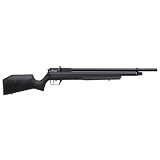
Benjamin Marauder BP2264S Synthetic Stock PCP-Powered .22-Caliber Pellet Multi-Shot Bolt-Action
View on Amazon- ARS Mark9.0
ARS Mark is a ranking system developed by bestairriflescopes.com. ARS Mark has no relationship or impact from any manufacturers or sales agent websites. Learn more
- BrandBenjamin

- ARS Mark5.8
ARS Mark is a ranking system developed by bestairriflescopes.com. ARS Mark has no relationship or impact from any manufacturers or sales agent websites. Learn more
- BrandBenjamin

- ARS Mark8.8
ARS Mark is a ranking system developed by bestairriflescopes.com. ARS Mark has no relationship or impact from any manufacturers or sales agent websites. Learn more
- BrandBenjamin
- ARS Mark8.8
ARS Mark is a ranking system developed by bestairriflescopes.com. ARS Mark has no relationship or impact from any manufacturers or sales agent websites. Learn more
- BrandBenjamin
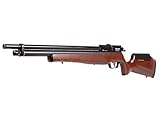
Benjamin Marauder BP22SAW .22-Caliber Pellet Semi-Automatic PCP-Powered Multi-Shot Bolt Action
View on Amazon- ARS Mark7.0
ARS Mark is a ranking system developed by bestairriflescopes.com. ARS Mark has no relationship or impact from any manufacturers or sales agent websites. Learn more
- BrandBenjamin
Last update on 2026-06-07 / Affiliate links / Images, Product Titles, and Product Highlights from Amazon Product Advertising API
Benjamin PBN17 Trail Mark II Air Pistol Review
Backyard shooting gets old fast when a pistol feels awkward, kicks harder than expected, or burns through CO2 cartridges every weekend. Plenty of compact air pistols look sharp online, then end up rattling hands and scattering pellets once real trigger time starts. The Crosman Benjamin Marauder PCP crowd usually talks about quiet precision and air efficiency, but the Benjamin PBN17 Trail Mark II walks into the conversation from a different angle. This one keeps things simpler with a break barrel setup, a single-shot system, and enough punch for relaxed plinking sessions without dragging tanks, hoses, or compressors into the garage.
Trail Mark II
Benjamin Trail Mark II feels surprisingly solid the moment it comes out of the box. The synthetic frame keeps weight manageable, though it still carries enough heft to avoid feeling toy-like. That balance matters more than people admit. A super-light air pistol can wobble around during aiming, especially during longer target sessions where hand fatigue sneaks in slowly.
Break barrel operation changes the pace completely compared with semi-auto pellet pistols or PCP platforms. Every shot requires a deliberate cocking motion, so the rhythm feels slower and more intentional. Some shooters love that because it forces better habits. Others may find the repeated cocking effort tiring after a couple dozen shots, particularly during casual family range sessions.
Noise control lands somewhere in the middle. The nitro piston system avoids the sharp crack that cheaper spring pistols sometimes produce, but it still announces itself more than ultra-quiet PCP rifles. Indoors, the sound can bounce around more than expected. Outdoors, though, it settles into a manageable pop that won’t feel overly disruptive in a decent-sized backyard.
Single-shot loading also creates a different kind of shooting experience. There’s no magazine to fuss over and no CO2 cartridge pressure dropping midway through a session. That simplicity becomes refreshing after dealing with finicky rotary clips or leaking seals. Still, speed shooters probably won’t enjoy stopping after every pellet.
Handling And Real Shooting Feel
Grip comfort deserves more attention than it usually gets in online discussions. The Trail Mark II has a shape that sits naturally in the hand without forcing an exaggerated wrist angle. During standing target practice, the balance feels centered enough to keep front-end dip under control. Longer barrels on compact air pistols sometimes create a nose-heavy feeling, but this one avoids becoming clumsy.
Fiber optic sights help in mixed lighting conditions, especially during late afternoon shooting when standard black sights start blending into darker targets. The front sight picks up quickly, and the adjustable rear sight gives enough flexibility for pellet preference changes. Cheap pellets can still throw groups wide, naturally. Better domed pellets tighten things up noticeably at shorter backyard distances.
Trigger behavior lands in decent territory, though it won’t fool anyone into thinking it’s a competition-grade setup. There’s some travel before the break, and the pull feels heavier than premium PCP triggers. That said, the consistency improves confidence after a few magazines worth of practice. Once muscle memory kicks in, follow-through becomes much easier.
One practical reference appears in discussions around break barrel air pistols, especially among shooters trying to avoid ongoing CO2 costs. Nitro piston systems remove the annoyance of running out of cartridges halfway through an afternoon session. The tradeoff, naturally, is physical effort during cocking.
Power And Accuracy Tradeoffs
Velocity up to 625 fps gives this pistol enough authority for paper targets, cans, spinners, and lightweight backyard plinking setups. It isn’t trying to behave like a hunting rifle, and honestly, that restraint works in its favor. Overpowered air pistols often become harder to control accurately. This one keeps recoil behavior manageable while still delivering satisfying impact on reactive targets.
Pellet selection affects performance more than many beginners expect. Lightweight alloy pellets may chase higher velocity numbers, but consistency often improves with mid-weight lead pellets. Tight groups usually come from experimentation rather than blind brand loyalty. Some pellet types simply fit certain barrels better, and the Trail Mark II follows that familiar pattern.
Accuracy at moderate range feels respectable once the sights are dialed in. Around 10 to 20 yards, the pistol stays enjoyable and predictable for casual shooting. Push it much farther, though, and the limitations become more obvious. Wind drift starts creeping in, sight picture stability becomes harder to maintain, and hand movement matters a lot more.
Recoil impulse from the nitro piston system creates a slightly forward snapping sensation that surprises first-time shooters expecting firearm-style kick. It’s mild, but it exists. Cheap optics sometimes struggle on piston airguns because of that two-way recoil motion. The included dovetail rail helps accessory mounting, although stronger mounts make sense if a scope or red dot enters the picture.
Pros That Actually Matter
No CO2 dependency changes ownership costs over time. Plenty of air pistol owners start adding up cartridge expenses after a few months and realize the convenience came with ongoing maintenance headaches. The break barrel setup keeps the Trail Mark II mechanically straightforward. Grab pellets, cock the barrel, and start shooting.
Compact storage also works in this pistol’s favor. PCP rifles, scuba tanks, compressors, and pumps eat up garage space fast. This setup avoids all that clutter. For apartment dwellers with limited storage, simplicity becomes part of the appeal rather than just a side note.
Crossbolt safety feels easy to access without becoming intrusive. Some air pistols place safeties in awkward spots that interrupt shooting flow. This one stays intuitive enough to operate naturally during target transitions. Muscle memory builds quickly after a few sessions.
Maintenance demands remain fairly reasonable. There’s no air reservoir pressure management and no cartridge puncture mechanism to monitor. Barrel cleaning and occasional seal attention are basically the main responsibilities. That lower-maintenance rhythm suits shooters who want consistency without turning every weekend into a gear-check ritual.
Weak Spots And Frustrations
Cocking effort may catch smaller-framed shooters off guard. Nitro piston systems often require more force than newcomers expect from a compact air pistol. After extended sessions, forearm fatigue becomes noticeable. A quick backyard session stays enjoyable, but marathon plinking afternoons can wear people down.
Single-shot limitation also creates slower pacing. Some shooters appreciate the deliberate loading process because it improves discipline. Others simply want quicker follow-up shots without constantly breaking position. That difference in preference usually determines whether this pistol feels charming or mildly annoying after repeated use.
Trigger refinement doesn’t reach enthusiast-level territory. The pull works well enough for casual accuracy, but precision-focused shooters may crave something cleaner and lighter. Trigger predictability matters a lot with pistols since every ounce of movement affects sight alignment. Here, consistency exists, though finesse feels average.
Scope mounting space stays somewhat limited because of the pistol format. Compact optics fit best, while oversized scopes can make the entire setup awkward and front-heavy. Practicality wins over flashy accessory builds with this platform. Smaller red dots or lightweight pistol scopes usually make more sense.
Benjamin BPABMX Airbow M600 Review
Dragging bulky hunting gear through brush gets old in a hurry, especially once straps start snagging branches and long limbs refuse to cooperate in tight cover. Compact setups usually solve one problem while creating another, often sacrificing stability or shot consistency. The Crosman Benjamin Marauder PCP line built its reputation around controlled air power, and the Benjamin BPABMX Airbow M600 takes that same compressed-air mindset into arrow shooting with a shorter bullpup profile. It feels unusual at first, honestly, but after a few practice sessions, the compact handling starts making a lot more sense.
M600 Airbow
Benjamin M600 doesn’t behave like a traditional crossbow or a compound bow, and that difference becomes obvious the second it’s shouldered. The bullpup layout shifts weight toward the rear, making the 33.5-inch frame easier to maneuver in cramped shooting lanes or elevated blinds. Tight corners stop feeling like a wrestling match. That shorter footprint also makes vehicle transport less annoying during long hunting weekends.
PCP-powered shooting changes the experience dramatically compared with limb-driven bows. Instead of relying on heavy draw weight, the M600 uses compressed air to launch full-size arrows at up to 600 fps. That setup removes the physical strain tied to cocking larger crossbows repeatedly. At the same time, air pressure management becomes part of the routine, so owners need a pump or compressor ready before serious range sessions begin.
Noise profile sits in an interesting middle ground. The shot isn’t silent, but it avoids the harsh snap and vibration that some crossbows create after release. Recoil stays fairly controlled too. That calmer shooting feel helps with follow-through, especially during target practice where consistency matters more than raw excitement.
Included accessories help the package feel more complete than bare-bones airbow kits. The 6x40 mm scope, sling, quiver, and custom arrows mean less scrambling for compatible parts on day one. Some shooters will eventually swap optics or upgrade arrows for specific setups, though the starter bundle handles basic field use surprisingly well.
Compact Design In Real Hunting Situations
Bullpup handling becomes the star feature once movement enters the equation. Climbing into blinds, shifting around tree stands, or navigating narrow trails feels noticeably easier with a shorter frame. Long compound bows can become awkward in those situations, particularly while layered up during colder weather. The M600 avoids that stretched-out feeling without turning twitchy during aiming.
Balance and weight distribution deserve credit here too. Some compact hunting tools feel cramped or front-heavy, which makes steady aiming frustrating after a while. The M600 keeps most of the mass closer to the shoulder, helping reduce arm fatigue during extended glassing or waiting periods. That rear-biased balance won’t suit everyone immediately, but it settles naturally after a little trigger time.
Top cocking bolt placement also makes operation feel more intuitive than expected. Right-handed and left-handed shooters can work the ambidextrous system without awkward body repositioning. Fast follow-up preparation feels smoother because hand movement stays closer to the shooting position. Little ergonomic details like that tend to matter more after several hours outdoors.
One practical reference appears in conversations surrounding compound bow hunting setups, especially among hunters comparing compact maneuverability versus traditional limb systems. The M600 clearly leans toward mobility and simplicity rather than old-school draw mechanics. That tradeoff changes the entire field experience.
Accuracy And Arrow Performance
Free-floating barrel design gives the M600 a steadier feel during shot release. Benjamin’s stabilizing system reduces unnecessary contact that might interfere with arrow consistency. Tiny shifts matter with arrow flight, especially at longer distances where small errors become magnified quickly. The result feels cleaner and more predictable than many people expect from an air-powered launcher.
Arrow speed at 600 fps sounds aggressive on paper, and frankly, it feels quick in real use too. Targets absorb impact with authority, and broadhead testing requires proper backstops because penetration gets serious fast. Speed alone doesn’t guarantee precision, though. Consistent anchor positioning, optic setup, and arrow condition still decide whether shots stack tightly or wander.
Integrated pressure regulator helps maintain shot-to-shot consistency across the stated eight-shot count. Without regulation, PCP systems can produce uneven velocity as air pressure drops. The regulated setup keeps the rhythm steadier before refill time rolls around. That consistency becomes especially valuable during repeated target sessions where unpredictable drop changes get irritating quickly.
Scope pairing feels functional rather than luxurious. The included optic handles basic range work well enough, though hardcore hunters may eventually move toward brighter glass or upgraded reticles. Low-light performance matters in real hunting conditions, and entry-level scopes sometimes struggle once daylight fades. Still, the included setup gets people shooting immediately without forcing another purchase on day one.
Pros That Stand Out Outdoors
Reduced physical strain changes who can comfortably spend longer hours practicing. Traditional bow draw cycles can wear shoulders down over time, particularly during repetitive sessions. The air-powered mechanism removes much of that fatigue. Practice becomes more about focus and positioning instead of muscle endurance.
Short overall length pays off constantly in confined environments. Ground blinds, truck storage, and dense brush all become easier to manage with a compact frame. Long bows and crossbows can snag clothing, branches, and seat edges repeatedly. The M600 cuts down that constant irritation in a noticeable way.
Shot consistency remains one of the stronger selling points. The regulated PCP system keeps arrow behavior more predictable across multiple shots. Consistency builds confidence, especially during longer practice sessions where random velocity swings can ruin sight adjustments. Stable performance makes dialing optics less frustrating.
Accessory package value also helps soften the learning curve. New owners already have arrows, scope, quiver, and sling ready for setup. Hunting gear gets expensive fast once every piece must be purchased separately. Starting with a functional package avoids that immediate nickel-and-dime feeling.
Limitations Worth Thinking About
Air dependency remains the biggest tradeoff. Unlike traditional bows, the M600 cannot function without properly filled air reservoirs. Forgetting a refill plan before a trip creates problems fast. Hand pumps work, though filling larger PCP systems manually can become tiring after repeated use.
Arrow availability may also frustrate some buyers. The system uses custom arrows, so grabbing random replacements from local sporting goods shelves isn’t always realistic. Planning ahead becomes part of ownership. Damaged arrows during practice can interrupt sessions if backups aren’t available.
Weight perception varies depending on shooting background. The compact size makes the unit appear lighter than it actually feels after extended carry periods. Backpack hunters covering long distances may still notice shoulder fatigue over time. Sling use helps, but the weight never completely disappears.
Learning curve differences catch some traditional archers off guard too. Muscle memory built around draw cycles and limb behavior doesn’t fully transfer here. Trigger control, air management, and PCP maintenance become new habits. Some shooters adapt quickly, while others miss the familiar feel of traditional bow mechanics.
Benjamin Marauder BP2264S Synthetic PCP Review
Some air rifles feel exciting until the setup starts showing its rough edges: awkward stock fit, inconsistent trigger feel, clumsy loading, or a fill system that makes every session feel like a chore. A rifle built around repeatable shot control solves those little headaches before they pile up. The crosman benjamin marauder pcp name carries a certain weight among pellet rifle fans, and the Benjamin Marauder BP2264S fits that reputation with a synthetic stock, multi-shot bolt action, and a .22-caliber layout that feels practical rather than flashy. It’s the kind of rifle that rewards patience, decent pellets, and a clean shooting routine.
Marauder BP2264S
Marauder BP2264S starts with an all-weather synthetic stock, and that choice makes sense fast. Wood looks prettier, no argument there, but synthetic furniture handles bumps, humidity, and dirty range benches with less fuss. The raised comb also matters because this rifle expects optics, not old-school open sights. With the cheek sitting higher, scope alignment feels more natural instead of forcing a weird neck stretch.
Weight balance feels like one of the quieter strengths here. The rifle doesn’t come across as flimsy, yet it avoids the dead-heavy feel that can wear down shoulders during longer backyard sessions. That balance helps during supported shooting, especially from a bench, rest, or field bag. Offhand shooting is still doable, but this isn’t a tiny plinker meant for quick one-handed fun.
Black synthetic styling gives the rifle a workmanlike feel. It doesn’t chase collector-rack charm, and frankly, that’s part of its appeal. Scratches and weather exposure feel less painful on a practical stock. A rifle meant to be used often benefits from materials that don’t need constant babying.
Raised comb design deserves a second nod because cheek weld can make or break accuracy. A poor cheek position turns every shot into a guessing game, even with decent glass mounted. The Marauder’s stock shape helps keep eye alignment repeatable. That repeatability becomes especially useful once pellet testing begins.
PCP Power Without The Drama
PCP-powered operation gives this rifle its biggest personality trait. Instead of dealing with spring-piston recoil or CO2 temperature swings as the main driving force, the BP2264S runs on compressed air and also supports CO2 operation according to the provided description. That flexibility can be useful, but compressed air is where the platform feels most at home. Steady pressure and a good fill routine are the backbone of its shooting behavior.
Built-in pressure gauge takes away some of the guesswork that can frustrate newer PCP owners. A quick glance helps track fill status without relying purely on shot feel or sudden point-of-impact changes. That’s a small feature until it saves a session from turning sloppy. Pressure awareness makes the rifle easier to manage, especially during repeated strings.
Quick-disconnect Foster fitting also makes filling less annoying. PCP gear can feel intimidating at first because pumps, hoses, fittings, and seals all need to cooperate. A standard-style quick connection helps keep the process cleaner and more predictable. From a practical angle, pump choice becomes part of the ownership experience, and one related reference sits naturally in PCP air rifle pump setup discussions.
Air supply planning remains the big tradeoff, though. This rifle isn’t as grab-and-go as a basic break barrel. A hand pump can work, but effort adds up, especially during frequent shooting. A tank or compressor smooths things out, yet that adds cost, storage needs, and another layer of maintenance.
Trigger Feel And Bolt Action Rhythm
Two-stage adjustable match grade trigger is a standout feature because trigger behavior shapes the whole shooting experience. A rough trigger can ruin an otherwise capable rifle by pulling shots off target at the worst moment. This setup gives room for tuning, which helps tailor the pull to the shooter’s comfort. That adjustability matters more as accuracy expectations rise.
Lever safety keeps the control layout straightforward. Safety placement should be easy to understand without interrupting the shooting rhythm, and this rifle keeps that feeling fairly natural. Handling still requires discipline, of course. Mechanical safeties support good habits, but they never replace careful muzzle control and proper pellet rifle handling.
Multi-shot bolt action gives the Marauder a smoother pace than single-shot rifles. Loading one pellet at a time can feel calming during slow target work, but it gets old during longer plinking sessions. A bolt-action system with magazine feeding lets the shooter stay in position longer. That makes practice feel less broken up and more focused.
Bolt operation adds a satisfying mechanical rhythm. Pull, feed, settle, breathe, press. Simple, but it creates a routine that helps concentration. Shooters moving from break barrels may appreciate the lack of cocking strain between every shot. The tradeoff is magazine care, since damaged or dirty magazines can affect feeding consistency.
Magazine Setup And .22-Caliber Use
10-round magazine capacity fits the rifle’s personality nicely. Ten shots give enough room for target strings without constantly stopping, while still keeping the system compact and manageable. Magazine-fed air rifles can sometimes feel fiddly, but a good rotary magazine makes the session smoother. Pellet seating and magazine cleanliness still matter, so careless loading can create small headaches.
.22-caliber pellets put this rifle in a useful middle lane. Compared with .177 pellets, .22 pellets usually bring more weight and a stronger hit on reactive targets. Compared with larger calibers, they tend to preserve a friendlier balance of shot count, trajectory, and pellet availability. That’s why .22 remains such a common pick for serious backyard range work.
Pellet choice can change the rifle’s mood completely. Cheap pellets may be fine for casual cans, but they can also create odd flyers that make the shooter blame the rifle unfairly. Better-shaped domed pellets often produce cleaner groups once the barrel shows a preference. Testing a few pellet weights is boring to some folks, but it’s the price of squeezing real consistency from a PCP platform.
Shot discipline still matters even with a capable rifle. The Marauder can reduce mechanical excuses, but it won’t fix rushed trigger pulls or sloppy shoulder pressure. A repeatable cheek weld, steady rest, and clean follow-through all matter. Good gear gives breathing room, not magic.
Accessory Rail And Field Practicality
Dovetail mounting rail makes optics setup part of the rifle’s natural design. Since the raised comb favors scope use, the rail gives owners a clear path for mounting glass or compatible accessories. A lightweight scope usually fits the rifle’s balance better than oversized optics. Too much glass can make the setup feel nose-heavy and awkward.
Sling mounts add real convenience, especially for carrying the rifle between shooting spots or managing gear around a property. A sling seems minor until hands are full with targets, pellet tins, rests, and a pump. The mounts also give the rifle a more complete working feel. Practical details like this help separate a range-only toy from a more usable air rifle.
Accessory choices should stay sensible. A compact scope, solid rings, and a clean fill setup will do more good than piling on unnecessary extras. Heavy attachments can upset the balance that makes the rifle pleasant in the first place. The Marauder rewards thoughtful setup rather than accessory clutter.
All-weather stock construction supports regular outdoor use better than delicate furniture. Wet grass, dusty benches, and temperature swings are easier to shrug off with synthetic material. That doesn’t mean abuse is harmless. It simply means the rifle feels less needy during ordinary use.
Pros In Daily Shooting
Consistency is the reason the BP2264S makes sense for people tired of unpredictable pellet impact. PCP power, a stable stock platform, and a better trigger system all work together toward repeatable shooting. The rifle gives enough control to notice improvements in technique. That makes practice feel productive instead of random.
Comfort shows up through the raised comb and balanced synthetic stock. A rifle that fits poorly creates fatigue and frustration faster than people expect. Here, the stock shape helps keep the head in a more natural position behind the scope. That detail helps during longer sessions where comfort quietly becomes accuracy.
Convenience comes from the 10-round magazine and bolt-action flow. Staying on target between shots makes plinking and target work more enjoyable. Less interruption usually means better focus. It also makes the rifle feel more refined than single-shot setups that constantly break concentration.
Durability leans on practical materials rather than fancy looks. The synthetic stock isn’t trying to win beauty contests, but it handles routine use with less worry. That’s valuable for a rifle likely to see garages, backyards, cases, benches, and changing weather. Function beats fuss here.
Weak Points To Keep In Mind
PCP setup cost can surprise people. The rifle itself is only part of the system because air filling gear becomes necessary. A hand pump keeps costs down but adds effort. Tanks and compressors feel easier, though they bring higher upfront expense and extra storage needs.
Learning curve also deserves respect. Pressure management, pellet matching, magazine loading, optic mounting, and fill technique all matter. None of it is wildly complicated, but it’s more involved than breaking open a springer and dropping in a pellet. New PCP owners may need a few sessions before the process feels second nature.
Magazine dependence can become a small nuisance. Multi-shot convenience is wonderful until a magazine gets misplaced or starts feeding poorly because of dirt, pellet fit, or rough handling. Keeping spare magazines clean and protected makes sense. Little parts have a way of causing big irritation at the range.
CO2 compatibility sounds flexible, but expectations should stay realistic. Temperature can affect CO2 behavior more than compressed air, so performance may feel different depending on conditions. The rifle’s best identity still feels tied to PCP use. CO2 operation is a useful option, not the main reason to consider this platform.
Benjamin Marauder BP22SAS Semi PCP Review
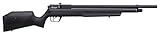
Fast follow-up shots can make a pellet rifle feel lively, but speed without control turns into a noisy mess pretty quickly. A rifle has to stay settled, feed cleanly, and keep pressure behavior predictable, or the whole session starts feeling scattered. The crosman benjamin marauder pcp family already has a reputation for calm, useful airgun design, and the Benjamin Marauder BP22SAS pushes that idea into a semi-automatic .22-caliber setup. It’s built for shooters who want quicker pellet delivery without giving up the steadier feel that makes PCP rifles appealing in the first place.
Benjamin Marauder Semi PCP .22
Benjamin Marauder Semi PCP .22 immediately feels different from a traditional bolt-action air rifle because the shooting rhythm is quicker and less interrupted. The semi-automatic action keeps the session moving, which helps during field target practice and reactive target work. That faster pace doesn’t mean careless blasting, though. The rifle still rewards a steady hold, clean trigger control, and smart pellet selection.
Regulated PCP power is the backbone of this model. A regulator helps smooth out shot-to-shot behavior, which matters when accuracy starts falling apart due to pressure swings. Nobody enjoys chasing point-of-impact changes halfway through a string. With the integrated regulator, the rifle feels more organized and predictable during repeated shooting.
.22-caliber pellets give the BP22SAS a useful balance between manageable flight and stronger impact. The caliber makes sense for field targets and small game use as described, though pellet choice still plays a major role in consistency. Light pellets may feel snappy, while heavier pellets can settle better depending on the barrel’s preference. That trial-and-error process is part of the PCP routine, not a flaw unique to this rifle.
Semi-automatic delivery adds convenience, but it also raises expectations. A fast rifle needs reliable feeding, clean magazines, and pellets that don’t hang up inside the rotary system. Rough or damaged pellets can make any magazine-fed setup grumpy. Keeping the loading process neat goes a long way toward avoiding little interruptions.
Stock Comfort And Handling
Balanced synthetic stock gives the rifle a practical, weather-resistant feel without trying to look fancy. Synthetic furniture is easier to live with around damp grass, dusty benches, and regular outdoor handling. It won’t have the warmth of wood, sure, but it also won’t make every scuff feel like heartbreak. That matters for a rifle meant to be used often.
Adjustable raised comb is more than a nice extra. Scope alignment can get annoying fast if the cheek sits too low or too high. This cheek-piece helps the shooter settle behind optics with less neck strain, especially during longer sessions. A repeatable cheek weld can tighten groups just as much as better pellets in some situations.
Reversible bolt handle adds flexibility even though the rifle’s main appeal is semi-automatic operation. Handling preferences vary, and small ergonomic details can make the platform feel less one-sided. Left-handed comfort often gets treated like an afterthought on air rifles. Here, the design feels more considerate without making the layout complicated.
Overall balance feels especially important because semi-auto shooting can tempt people into rushing. A rifle that shoulders naturally helps slow the mind down, even when the action is capable of faster follow-ups. The BP22SAS feels more controlled when supported from a bench, bag, or stable field position. Offhand shooting is possible, but careful pacing still matters.
Shrouded Barrel And Shot Feel
Shrouded barrel design helps tame the report and gives the rifle a more refined shooting character. It isn’t silent, and pretending otherwise would be silly. Still, the shroud reduces the sharp edge that can make powerful pellet rifles feel harsh in backyard or range settings. That calmer sound profile makes longer practice less tiring.
Velocity up to 950 fps gives the rifle plenty of energy for the uses listed in the provided details. Speed sounds exciting, but consistency matters more once targets move farther out. A fast pellet that doesn’t group well is just a faster disappointment. The regulator and shrouded setup help keep the rifle from feeling wild or jumpy.
Accuracy potential depends on setup discipline. The rifle brings useful hardware, but optics, pellet fit, fill pressure habits, and shooting position still shape the final result. A poorly mounted scope can make even a capable PCP look sloppy. So, the rifle gives a strong base, while the shooter’s setup finishes the job.
Recoil behavior stays mild compared with spring or gas-piston rifles. That’s one of the reasons PCP platforms feel easier to shoot well. Less movement during firing helps preserve sight picture and follow-through. In some cases, a related reference naturally appears in .22 caliber gas piston air rifle discussions, especially where shooters weigh recoil behavior against PCP smoothness.
Magazine System And Shooting Pace
10-round rotary magazine suits this rifle’s semi-automatic personality. Ten shots give enough room for a clean practice string without constant reloading. That helps maintain focus during target work where repeated breaks can throw off rhythm. Still, magazine-fed rifles ask for a little care and patience during loading.
Pellet compatibility should be treated seriously. The product details specify .22-caliber pellets, but not every pellet shape will behave the same inside a rotary magazine. Bent skirts, inconsistent lengths, or rough pellet edges can affect feeding. Clean pellets and careful loading are boring details until they save a session from random hiccups.
Fast follow-up shots feel like the main reason to consider this model over a standard bolt-action Marauder. Less hand movement between shots keeps the shooter settled behind the scope. That can help during field target strings where position and breathing matter. The tradeoff is that semi-auto systems are usually less simple than manual actions.
Maintenance awareness matters more with moving parts. A bolt-action PCP can feel almost meditative in its simplicity, while semi-auto operation adds extra mechanical behavior to monitor. Keeping the magazine, action area, and fill system clean helps preserve reliability. Neglect tends to show up faster on rifles designed around quicker cycling.
Strong Points In Real Use
Shot-to-shot consistency stands out as one of the rifle’s most useful strengths. The integrated regulator helps keep performance steadier across a string, which makes sighting and practice less frustrating. Consistency doesn’t sound glamorous, but it’s the thing that keeps a rifle enjoyable after the first few sessions. Random flyers get old fast.
Semi-automatic convenience changes the whole mood of a range session. Instead of breaking position after every shot, the shooter can stay locked into the same cheek weld and sight picture. That rhythm feels smoother and more modern than old single-shot routines. It also makes the rifle more demanding because careless trigger work shows up quickly.
All-weather practicality makes the BP22SAS easier to treat like working gear. The synthetic stock handles normal outdoor use without the delicate feel of wood. Mud, moisture, and dust still deserve cleaning, naturally. But the rifle doesn’t feel like something that needs to be babied after every trip outside.
Adjustable comfort helps the rifle fit different shooting positions better. The raised cheek-piece supports optic use, while the balanced stock keeps the rifle from feeling awkward during longer strings. Comfort turns into accuracy once fatigue starts creeping in. That’s the quiet benefit people often underestimate.
Weaknesses And Tradeoffs
PCP gear requirements remain the first reality check. This rifle needs a proper air source, and that means a pump, tank, or compressor has to be part of the plan. A hand pump can work, but effort adds up quickly with regular use. Convenience improves with better fill gear, though the cost rises too.
Semi-auto complexity is another tradeoff. Faster pellet delivery is fun, but the system has more going on than a simple break barrel or manual bolt-action PCP. That means magazine fit, pellet condition, and action cleanliness matter more. Shooters who prefer bare-bones simplicity may find the extra moving pieces less relaxing.
Pellets are not included according to the supplied details, so the first shooting session needs a separate pellet tin ready. That sounds minor, yet plenty of new airgun owners forget it. More importantly, the rifle may need a few pellet types before its preferred load becomes obvious. Expecting instant perfection with the first random tin can lead to needless frustration.
Small game suitability depends on responsible use, proper local rules, and realistic distance judgment. The rifle has the described speed and .22-caliber platform for that role, but equipment alone doesn’t replace restraint. Clean accuracy, safe backstops, and ethical shot selection matter every time. That’s not flashy advice, just the grown-up part of owning a capable air rifle.
Benjamin Marauder BP2220 PCP Air Pistol Review
Compact PCP gear can be oddly tempting until the first real session exposes the tradeoffs: fill pressure, pellet fit, hand steadiness, and the awkward line between pistol handling and rifle-like expectations. A smaller platform sounds simple, but it still needs the same patience a full-size air rifle demands. The crosman benjamin marauder pcp reputation leans on quiet power and controlled shot delivery, and the Benjamin Marauder BP2220 brings that personality into a .22-caliber pistol format. It’s not a casual backyard toy dressed up with fancy wording, but a compact PCP pistol that asks for careful setup and gives a more serious shooting feel in return.
Marauder BP2220
Marauder BP2220 feels like a crossover piece from the first handling moment. It has the compact footprint of an air pistol, yet the .22-caliber PCP setup gives it more purpose than a lightweight plinker. The durable synthetic stock keeps the build practical instead of delicate. That matters when a pistol spends time on benches, in cases, around dusty gear, or outside where perfect conditions rarely show up.
PCP-powered performance gives this pistol a smoother personality than spring-piston handguns. There’s no harsh cocking cycle after every shot, and the firing behavior feels calmer once the air reservoir is properly filled. That steadier feel helps with sight discipline. Still, PCP ownership brings its own homework, especially for anyone not used to pumps, fittings, and pressure management.
Integrated pressure gauge is a small part that earns its keep quickly. Guessing air pressure by feel can turn a good session into a string of mystery misses. The gauge gives a quick read before the pistol starts acting inconsistent. It’s a simple reminder that PCP shooting is part marksmanship, part routine maintenance.
Durable synthetic construction suits the pistol’s working attitude. It doesn’t chase old-school walnut charm or collector-case beauty. Instead, it feels ready for ordinary range bags, garage shelves, and outdoor sessions where a little dust is part of the deal. Practical beats pretty here, and that’s not a bad thing.
Barrel Design And Quiet Control
12-inch rifled steel barrel gives the BP2220 a serious foundation for pellet stability. The barrel is choked, which can help pellets leave more consistently when the right ammo is used. That detail matters because .22-caliber pellets vary more than casual shooters expect. A pistol like this rewards pellet testing instead of blind loyalty to the cheapest tin on the shelf.
Shrouded barrel construction helps reduce noise, which is one of the reasons this model feels tied to the larger Marauder family. It won’t become silent, and no honest review should pretend otherwise. But the shroud helps soften the report compared with louder, sharper air pistols. For backyard target work, that calmer sound can make practice feel less intrusive.
Noise reduction also changes the mood of longer shooting sessions. Loud airguns create fatigue faster than people expect, especially in enclosed spaces or smaller yards. A more muted shot lets the shooter focus on breathing, grip pressure, and follow-through. That’s where the BP2220 starts feeling more refined than basic pellet pistols.
Accuracy potential depends heavily on setup, and that’s where expectations need to stay grounded. The barrel and PCP system give the pistol useful tools, but hand movement still matters a lot. A pistol is less forgiving than a shoulder-fired rifle. A steady rest can reveal what the platform is capable of before blaming every flyer on the gun.
Power And Air Capacity
3000-psi compressed air capacity gives the BP2220 the kind of stored energy expected from a serious PCP pistol. Filling to that pressure requires proper equipment, not guesswork or improvised fittings. A hand pump can do the job, though effort becomes part of the ownership routine. A tank or compressor makes life easier, but that adds cost and storage needs.
Velocity up to 700 fps gives the pistol real authority for a .22-caliber platform. Speed alone doesn’t make a pellet gun accurate, but it does widen the pistol’s usefulness beyond casual paper punching. Impact on reactive targets feels more decisive than smaller, lower-powered pistols. Still, pellet weight and fit can change the actual shooting feel quite a bit.
Air management becomes more important as expectations rise. Shooting past the useful pressure range can make groups open up and impact points drift. The pressure gauge helps avoid that, but the shooter still has to pay attention. PCP pistols don’t forgive laziness forever.
One related reference sits naturally in discussions around semi-auto PCP air rifle setups, mainly because both categories revolve around compressed-air consistency and repeatable pellet delivery. The BP2220 uses bolt action rather than semi-auto operation, so its rhythm is slower and more deliberate. That slower pace can actually help shooters stay disciplined.
Bolt Action And Magazine Feel
Bolt action operation gives the BP2220 a clean, mechanical rhythm. Work the bolt, settle the sight picture, breathe, then press. It’s slower than semi-auto shooting, but that’s part of the charm. The pistol encourages deliberate shots instead of rushed trigger taps.
8-shot rotary magazine adds convenience without making the pistol feel overly complicated. Eight shots are enough to keep a target string moving while still preserving a measured pace. Single-shot pistols can feel pure and focused, sure, but reloading every pellet gets old fast. The rotary magazine makes the BP2220 easier to enjoy during longer sessions.
Magazine loading still needs care. Bent pellet skirts, rough handling, or poor pellet fit can cause feeding headaches. That’s true for plenty of magazine-fed airguns, not just this model. Keeping spare magazines clean and loaded properly saves frustration once the shooting bench starts filling up with tins, tools, and targets.
Two-stage drop-sear trigger gives the pistol a more refined feel than basic utility triggers. Trigger control matters even more on a pistol because small hand movements show up instantly on target. A predictable break helps the shooter avoid snatching shots low or wide. The trigger won’t magically fix poor grip, but it gives better feedback than a mushy pull.
Pros In Practical Use
Compact PCP power is the biggest appeal here. The BP2220 brings compressed-air smoothness into a smaller format, making it easier to store and handle than a full rifle. It still feels serious, though, because .22-caliber performance and 3000-psi capacity are not casual features. That mix creates a pistol with more depth than its size suggests.
Quiet shooting behavior helps separate this pistol from louder backyard plinkers. The choked and shrouded barrel keeps the experience calmer, especially during repeat practice. Noise control doesn’t just protect the mood. It also makes it easier to notice breathing mistakes, grip tension, and trigger habits.
Rotary magazine convenience makes practice less choppy. Staying in position for several shots helps preserve consistency, particularly from a rest. The bolt action keeps the pace controlled while the magazine avoids constant single loading. That balance feels well matched to a pistol built for more thoughtful shooting.
Built-in pressure tracking is another practical strength. The gauge gives fast feedback before performance starts feeling strange. A lot of PCP frustration comes from ignoring fill pressure until accuracy drops. This pistol makes that mistake easier to catch early.
Cons And Ownership Tradeoffs
PCP fill gear is the first hurdle. The pistol needs a proper compressed-air source, and that means extra equipment beyond pellets and targets. A pump keeps the setup simpler, but pumping to high pressure can get old. Better fill systems cost more, which changes the total ownership picture.
Pistol stability can be challenging compared with a rifle. The BP2220 has capable hardware, but hand-held shooting magnifies every wobble. A rest helps reveal better accuracy, while unsupported shooting demands patience. Anyone expecting rifle-like steadiness from a compact pistol may need to adjust fast.
Small game hunting use requires restraint and realistic judgment. The provided details list it as suitable for small game hunting, but ethical use depends on local rules, proper pellet choice, safe backstops, and close-range accuracy. A powerful pistol still isn’t a substitute for careful shot placement. The responsibility sits with the shooter, not the spec sheet.
Magazine and pellet sensitivity can create minor annoyance. The pistol may prefer certain pellet shapes or weights, and the rotary magazine may not love every pellet equally. That means testing, sorting, and paying attention to loading quality. It’s not hard, but it’s not as carefree as a cheap break barrel tossed in a cabinet.


12 Best 22 Pcp Air Rifle For Hunting of 2026 With Quiet Power

7 Best 22 Pcp Air Rifle Under 300 of 2026 For Backyard Pest Control

10 Best 22 Break Barrel Air Rifles of 2026 For Backyard Pest Control

10 Best 30 Caliber Pcp Air Rifle of 2026 For Medium Game

Top Best 177 Air Rifle Under 100: Budget-Friendly Picks for 2026

How to Safely Reload Shotgun Shells at Home

11 Best Co2 Air Rifle For Pest Control of 2026 To Ensure Humane Dispatch

12 Best Inexpensive Air Rifles of 2026 For Dependable Backyard Accuracy






